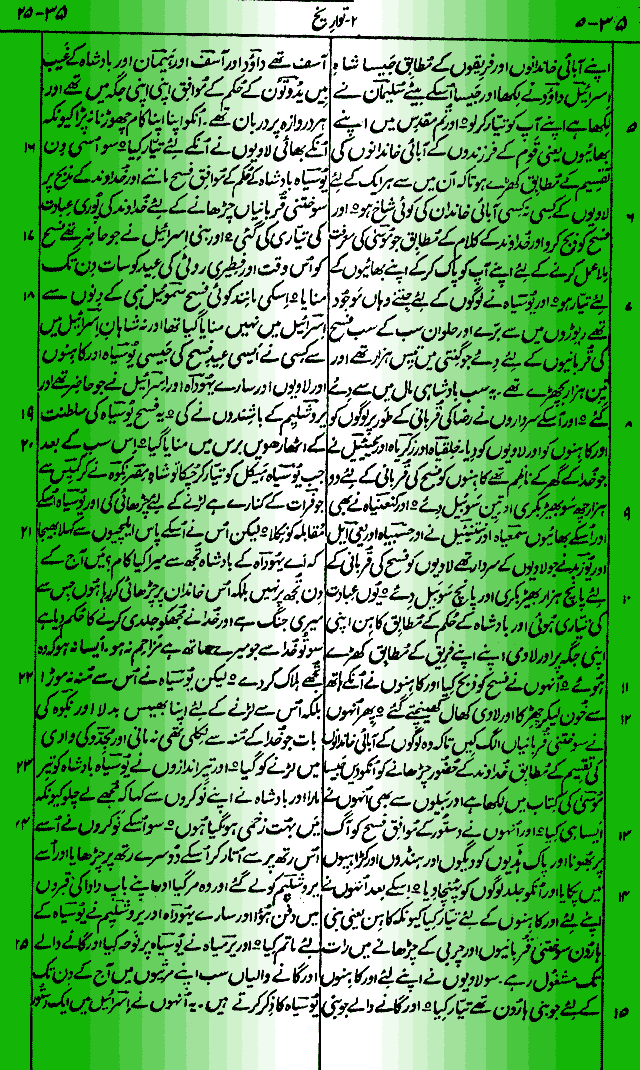
Verse-by-Verse Commentary & Translation (2 Chronicles 35:5–25)
Note: In accordance with your formatting request, structural punctuation like commas, semicolons, and colons have been removed from the verse texts.
2 Chronicles 35:5
Verse: And stand in the holy place according to the divisions of the families of the fathers of your brethren the people and after the division of the families of the Levites
-
English Explanation: King Josiah commands the Levites to organize themselves strategically within the Temple. They were to align their duties according to their ancestral family divisions so they could efficiently serve the ordinary citizens (the people/their brethren) who arrived to offer sacrifices. This highlights the themes of structured worship, spiritual accountability, and selfless leadership in ministry.
-
Urdu Explanation: شاہ یو سیاہ نے لاویوں کو حکم دیا کہ وہ ہیکل (مقدس جگہ) میں اپنے خاندانوں کی تقسیم کے مطابق ترتیب وار کھڑے ہوں۔ اس کا مقصد یہ تھا کہ وہ اپنے بھائیوں یعنی عام بنی اسرائیل کی قربانیوں کے لیے آسانی سے خدمت سرانجام دے سکیں۔ یہ آیت منظم عبادت، روحانی ذمہ داری اور خدمت کے گہرے جذبے کو ظاہر کرتی ہے۔
2 Chronicles 35:6
Verse: So kill the passover and sanctify yourselves and prepare your brethren that they may do according to the word of the LORD by the hand of Moses
-
English Explanation: The spiritual leaders are instructed to slaughter the Passover lambs, but they must first ritually purify (sanctify) themselves. Their cleanliness was paramount so they could properly assist the rest of the community in fulfilling the Mosaic Law perfectly. It reminds us that external service for God must always stem from internal holiness.
-
Urdu Explanation: اس آیت میں لاویوں کو تاکید کی گئی ہے کہ وہ عیدِ فسح کے برّوں کو ذبح کریں اور سب سے پہلے خود کو پاک (مقدس) کریں۔ ان کا پاک ہونا اس لیے ضروری تھا تاکہ وہ اپنے بھائیوں کی مدد کر سکیں اور سب مل کر موسیٰ کی شریعت کے مطابق خدا کے کلام پر مکمل عمل پیرا ہو سکیں۔ یہ ظاہر کرتا ہے کہ خدا کی خدمت سے پہلے دلوں کی پاکیزگی ضروری ہے۔
2 Chronicles 35:7
Verse: And Josiah gave to the people of the flock lambs and kids all for the passover offerings for all that were present to the number of thirty thousand and three thousand bullocks these were of the king’s substance
-
English Explanation: True leadership leads by generous example. King Josiah personally donated 30,000 lambs and goats along with 3,000 cattle out of his private royal estate. He ensured that even the poorest traveler present in Jerusalem had an offering to participate fully in the Passover festival.
-
Urdu Explanation: شاہ یو سیاہ نے سخاوت کی ایک اعلیٰ مثال قائم کرتے ہوئے اپنے شاہی مال و دولت میں سے عام لوگوں کے لیے 30,000 بھیڑ بکریاں (برّے اور ہلوے) اور 3,000 بیل عیدِ فسح کی قربانی کے لیے تحفے میں دیے۔ اس نے اس بات کو یقینی بنایا کہ یروشلم میں موجود کوئی بھی غریب شخص قربانی کے بغیر نہ رہے۔
2 Chronicles 35:8
Verse: And his princes gave willingly unto the people to the priests and to the Levites Hilkiah and Zechariah and Jehiel rulers of the house of God gave unto the priests for the passover offerings two thousand and six hundred small cattle and three hundred oxen
-
English Explanation: Inspired by the king’s generosity, the political princes and high-ranking temple administrators (Hilkiah, Zechariah, and Jehiel) also contributed willingly. They provided thousands of additional animals specifically for the priests and Levites, showing structural unity and collaborative leadership.
-
Urdu Explanation: بادشاہ کی سخاوت کو دیکھ کر اس کے امیروں اور ہیکل کے نگرانوں (حلقیاہ، زکریا اور یحی ایل) نے بھی دل کھول کر کاہنوں، لاویوں اور عوام کو قربانی کے جانور دیے۔ انہوں نے 2,600 چھوٹی مویشی اور 300 بیل پیش کیے، جو کہ قیادت کے اتحاد اور مل کر کام کرنے کے جذبے کو ظاہر کرتا ہے۔
2 Chronicles 35:9
Verse: Conaniah also and Shemaiah and Nethaneel his brethren and Hashabiah and Jeiel and Jozabad chief of the Levites gave unto the Levites for passover offerings five thousand small cattle and five hundred oxen
-
English Explanation: The chiefs and leaders of the Levites themselves stepped up to support their own tribal subordinates. Conaniah and his peers provided 5,000 small cattle and 500 oxen, ensuring that those executing the manual labor of the festival were fully sustained and included in the blessings.
-
Urdu Explanation: لاویوں کے سرداروں (کوننیاہ، شمعیاہ، نتنی ایل، حسبیاہ، یحی ایل اور یوزآباد) نے آگے بڑھ کر اپنے لاوی بھائیوں کی مدد کی اور انہیں فسح کی قربانیوں کے لیے 5,000 چھوٹی مویشی اور 500 بیل دیے۔ اس کا مقصد یہ تھا کہ جو لوگ خدمت کر رہے ہیں ان کے پاس بھی قربانی کے لیے وافر مقدار میں جانور موجود ہوں۔
2 Chronicles 35:10
Verse: So the service was prepared and the priests stood in their place and the Levites in their courses according to the king’s commandment
-
English Explanation: With all the logistics, finances, and animal provisions secured, the spiritual ceremony officially commenced. Everyone assumed their exact assigned liturgical positions—the priests at the altar and the Levites in their rotational groups—honoring God through divine order and obedience.
-
Urdu Explanation: جب تمام تیاریاں اور جانوروں کا انتظام مکمل ہو گیا تو عبادت کا باقاعدہ آغاز ہوا۔ بادشاہ کے حکم کے مطابق تمام کاہن اپنی مخصوص جگہوں پر اور لاوی اپنی اپنی باریوں (جماعتوں) کے حساب سے کھڑے ہو گئے۔ یہ ترتیب اور فرمانبرداری خدا کی عبادت کے حسن کو ظاہر کرتی ہے۔
2 Chronicles 35:11
Verse: And they killed the passover and the priests sprinkled the blood from their hands and the Levites flayed them
-
English Explanation: This verse describes the precise teamwork involved in the sacrificial ritual. The Passover lambs were slaughtered; the priests caught the blood and tossed/sprinkled it against the altar for atonement, while the Levites quickly and skillfully skinned (flayed) the animals to process the meat.
-
Urdu Explanation: اس آیت میں قربانی کے طریقہ کار کو بیان کیا گیا ہے۔ انہوں نے فسح کے برّوں کو ذبح کیا، کاہنوں نے اپنے ہاتھوں سے خون لے کر قربان گاہ پر چھڑکا (جو کفارے کی علامت تھا)، اور لاویوں نے تیزی سے قربانی کے جانوروں کی کھالیں اتارنے کا کام کیا۔
2 Chronicles 35:12
Verse: And they removed the burnt offerings that they might give according to the divisions of the families of the people to offer unto the LORD as it is written in the book of Moses And so did they with the oxen
-
English Explanation: The parts of the animals designated entirely for God (the burnt offerings and specific fats) were separated first. This allowed the remaining meat to be distributed swiftly to the families for consumption according to Mosaic Law. They did the exact same systematic process with the oxen.
-
Urdu Explanation: انہوں نے سب سے پہلے جلانے کی قربانیوں کے حصوں (چربی وغیرہ) کو الگ کیا جو خالصتاً خدا کے لیے مخصوص تھیں۔ تاکہ باقی گوشت موسیٰ کی کتاب کے احکام کے مطابق لوگوں کے خاندانوں میں تقسیم کیا جا سکے اور وہ اسے کھا سکیں۔ انہوں نے بیلوں کے ساتھ بھی ایسا ہی منظم طریقہ اپنایا۔
2 Chronicles 35:13
Verse: And they roasted the passover with fire according to the ordinance but the other holy offerings sod they in pots and in caldrons and in pans and divided them speedily among all the people
-
English Explanation: Strict obedience to detail is observed here: the Passover lambs were roasted directly over the fire as Exodus required. However, the additional holy peace offerings were boiled (sod) in pots, cauldrons, and pans to be efficiently and quickly distributed to the massive, hungry crowd.
-
Urdu Explanation: یہاں احکامات کی باریکی پر عمل دیکھنے کو ملتا ہے۔ انہوں نے فسح کے برّوں کو شریعت کے مطابق آگ پر بھونا۔ لیکن باقی دیگر پاک قربانیوں کے گوشت کو ہانڈیوں، کڑاہیوں اور برتنوں میں ابالا اور بڑی تیزی کے ساتھ تمام لوگوں میں تقسیم کر دیا تاکہ سب وقت پر کھانا کھا سکیں۔
2 Chronicles 35:14
Verse: And afterward they made ready for themselves and for the priests because the priests the sons of Aaron were busied in offering of burnt offerings and the fat until night therefore the Levites prepared for themselves and for the priests the sons of Aaron
-
English Explanation: Demonstrating beautiful selflessness, the priests worked non-stop until nightfall, burning sacrifices and fat on the altar. Because the Aaronic priests had no time to eat or prepare food, the Levites stepped in and prepared the Passover meals for both themselves and the exhausted priests.
-
Urdu Explanation: کاہن (ہارون کی اولاد) رات تک قربان گاہ پر چربی اور جلانے کی قربانیاں چڑھانے میں اس قدر مصروف رہے کہ انہیں اپنے لیے کھانا بنانے کا وقت نہ ملا۔ لہذا، لاویوں نے بے غرضی کا مظاہرہ کرتے ہوئے پہلے کاہنوں کے لیے اور پھر اپنے لیے فسح کا کھانا تیار کیا۔
2 Chronicles 35:15
Verse: And the singers the sons of Asaph were in their place according to the commandment of David and Asaph and Heman and Jeduthun the king’s seer and the porters waited at every gate they might not depart from their service for their brethren the Levites prepared for them
-
English Explanation: Worship was continuous and multi-layered. The musicians (descendants of Asaph) sang praises without leaving their posts, following centuries-old protocols set by David. Simultaneously, the gatekeepers guarded the temple entrances. Their Levite brothers took care of them as well, bringing food directly to their stations so the worship and security remained uninterrupted.
-
Urdu Explanation: عبادت کا یہ سلسلہ ہر سطح پر جاری تھا۔ گا بجا کر مدح سرائی کرنے والے (آسف کی اولاد) داؤد بادشاہ کے صدیوں پرانے قوانین کے مطابق اپنی جگہوں پر قائم رہے۔ اسی طرح دربان بھی ہر دروازے پر پہرہ دیتے رہے اور اپنی خدمت سے پیچھے نہ ہٹے۔ ان کے لاوی بھائیوں نے ان کے لیے بھی کھانا ان کی جگہوں پر پہنچایا تاکہ عبادت اور حفاظت میں کوئی خلل نہ آئے۔
2 Chronicles 35:16
Verse: So all the service of the LORD was prepared the same day to keep the passover and to offer burnt offerings upon the altar of the LORD according to the commandment of king Josiah
-
English Explanation: This verse serves as a summary of the incredible day. Through flawless organization, unity, and a shared spiritual vision, the entire massive Passover operation and its accompanying altar offerings were perfectly executed in a single day, satisfying King Josiah’s royal mandate.
-
Urdu Explanation: یہ آیت پورے دن کی کارگزاری کا خلاصہ ہے۔ بہترین انتظام، باہمی اتحاد اور مشترکہ جذبے کی بدولت رب کی عبادت کا سارا کام، عیدِ فسح منانا اور قربان گاہ پر قربانیاں چڑھانا، شاہ یو سیاہ کے حکم کے مطابق بالکل اسی دن مکمل کر لیا گیا۔
2 Chronicles 35:17
Verse: And the children of Israel that were present kept the passover at that time and the feast of unleavened bread seven days
-
English Explanation: The immediate covenant renewal led directly into communal joy. Following the Passover night, the gathered Israelites remained in Jerusalem to celebrate the consecutive seven-day Feast of Unleavened Bread, marking a historic era of spiritual revival and national unity.
-
Urdu Explanation: اس پاک رات کے بعد، وہاں موجود تمام بنی اسرائیل نے مل کر عیدِ فسح منائی اور شریعت کے مطابق لگاتار سات دن تک عیدِ فطیر (بے خمیرہ روٹی کی عید) بڑے جوش و خروش اور خوشی کے ساتھ منائی، جو کہ ایک عظیم روحانی بیداری کا پیش خیمہ تھی۔
2 Chronicles 35:18
Verse: And there was no passover like to that kept in Israel from the days of Samuel the prophet neither did all the kings of Israel keep such a passover as Josiah kept and the priests and the Levites and all Judah and Israel that were present and the inhabitants of Jerusalem
-
English Explanation: The author highlights the unprecedented magnitude of this event. Not since the era of Samuel the Prophet (centuries prior) had a Passover been kept with such strict scriptural precision, immense personal generosity, and complete representation from both the northern and southern tribes.
-
Urdu Explanation: مصنف اس تقریب کی تاریخی اہمیت کو بیان کرتا ہے کہ سموئیل نبی کے دنوں سے لے کر اب تک اسرائیل کے کسی بادشاہ نے ایسی بے مثال عیدِ فسح نہیں منائی تھی۔ اس میں کتابِ مقدس کے احکام پر سختی سے عمل، بے پناہ سخاوت اور یہوداہ و اسرائیل کے تمام قبائل کی بھرپور شرکت شامل تھی۔
2 Chronicles 35:19
Verse: In the eighteenth year of the reign of Josiah was this passover kept
-
English Explanation: A crucial historical marker. This legendary Passover took place precisely in the 18th year of Josiah’s reformative reign, right after he discovered the lost Book of the Law in the temple and purged Judah of pagan idols.
-
Urdu Explanation: یہ ایک اہم تاریخی حوالہ ہے۔ یہ عظیم الشان عیدِ فسح یو سیاہ کی بادشاہی کے اٹھارویں سال منائی گئی، یہ وہی وقت تھا جب ہیکل سے شریعت کی کتاب ملی تھی اور اس نے پورے ملک سے بت پرستی کا خاتمہ کیا تھا۔
2 Chronicles 35:20
Verse: After all this when Josiah had prepared the temple Necho king of Egypt came up to fight against Carchemish by Euphrates and Josiah went out against him
-
English Explanation: The narrative shifts from spiritual triumph to sudden geopolitical conflict. Years after restoring the temple, Pharaoh Necho of Egypt marched his army northward toward Carchemish on the Euphrates River to engage the Babylonians. For reasons not fully explained, Josiah unwisely chose to intercept him with Judean troops.
-
Urdu Explanation: یہاں سے کہانی میں ایک اچانک تبدیلی آتی ہے۔ ہیکل کی بحالی کے کچھ سالوں بعد، مصر کا فرعون (شاہ نکو) فرات کے کنارے کرکمیس پر بابل کے خلاف جنگ کے لیے نکلا۔ شاہ یو سیاہ نے کسی غیر واضح وجہ یا نادانی کی بنا پر اپنی فوج لے کر اس کا راستہ روکنے کا فیصلہ کیا۔
2 Chronicles 35:21
Verse: But he sent ambassadors to him saying What have I to do with thee thou king of Judah I come not against thee this day but against the house wherewith I have war for God commanded me to make haste forbear thee from meddling with God who is with me that he destroy thee not
-
English Explanation: Pharaoh Necho sends messengers trying to prevent a needless clash. He argues that Judah is not his target and claims that God has commanded him to move quickly against Babylon. He warns Josiah to stop interfering with divine providence to avoid his own destruction.
-
Urdu Explanation: فرعون نکو نے شاہِ یہوداہ کے پاس ایلچی بھیجے اور کہا کہ “اے یہوداہ کے بادشاہ، میرا تجھ سے کیا واسطہ؟ میں آج تیرے خلاف نہیں بلکہ اس خاندان (بابل) کے خلاف لڑنے آیا ہوں جس سے میری جنگ ہے۔ خدا نے مجھے جلدی کرنے کا حکم دیا ہے، اس لیے تو خدا کے کام میں دخل اندازی نہ کر جو میرے ساتھ ہے، کہیں ایسا نہ ہو کہ وہ تجھے ہلاک کر دے۔”
2 Chronicles 35:22
Verse: Nevertheless Josiah would not turn his face from him but disguised himself that he might fight with him and hearkened not unto the words of Necho from the mouth of God and came to fight in the valley of Megiddo
-
English Explanation: Regrettably, Josiah ignores the warning, which the text notes ironically came from the mouth of God through Necho. He disguises himself in combat armor to protect his royal identity and enters the battlefield at the infamous Valley of Megiddo, driven by pride or political alliances.
-
Urdu Explanation: افسوس کی بات ہے کہ یو سیاہ نے اس تنبیہ پر کان نہ دھرے، حالانکہ وہ کلام نکو کے ذریعے خدا ہی کی طرف سے تھا۔ اس نے جنگ میں اپنی پہچان چھپانے کے لیے بھیس بدلا اور وادیِ مجدو میں لڑنے کے لیے اتر گیا، جو کہ اس کی ایک بڑی سیاسی یا ذاتی غلطی تھی۔
2 Chronicles 35:23
Verse: And the archers shot at king Josiah and the king said to his servants Have me away for I am sore wounded
-
English Explanation: Despite his physical disguise, Josiah cannot escape his fate. Enemy Egyptian archers target him, and he is critically wounded by an arrow. Sensing the fatal nature of his injuries, he commands his royal servants to quickly pull him out of the heat of the battle.
-
Urdu Explanation: اپنا بھیس بدلنے کے باوجود یو سیاہ اپنی تقدیر سے نہ بچ سکا۔ مصری تیر اندازوں نے اس پر تیر چلائے جس سے وہ شدید زخمی ہو گیا۔ اپنے زخموں کی تاب نہ لاتے ہوئے، اس نے اپنے ملازموں سے کہا کہ “مجھے یہاں سے لے چلو، کیونکہ میں بہت سخت زخمی ہوں ہا”۔
2 Chronicles 35:24
Verse: His servants therefore took him out of that chariot and put him in the second chariot that he had and they brought him to Jerusalem and he died and was buried in one of the sepulchres of his fathers And all Judah and Jerusalem mourned for Josiah
-
English Explanation: His attendants move him into a backup chariot and rush him back to Jerusalem. He succumbs to his wounds and is buried in the royal tombs. His death triggers immense national grief across Judah and Jerusalem, as the nation realizes they have lost their greatest reformative king.
-
Urdu Explanation: خادموں نے اسے اس کے جنگی رتھ سے نکالا اور دوسرے رتھ میں بٹھا کر جلدی سے یروشلم لائے، جہاں وہ زخموں کے باعث وفات پا گیا۔ اسے اس کے باپ دادا کی قبروں میں دفن کیا گیا۔ اس کی موت پر پورے یہوداہ اور یروشلم میں صفِ ماتم بچھ گئی کیونکہ انہوں نے اپنے سب سے نیک اور مصلح بادشاہ کو کھو دیا تھا۔
2 Chronicles 35:25
Verse: And Jeremiah lamented for Josiah and all the singing men and the singing women spake of Josiah in their lamentations to this day and made them an ordinance in Israel and behold they are written in the lamentations
-
English Explanation: The prophet Jeremiah composed official elegies and funeral laments for the fallen king. This mourning became so deeply woven into Israel’s history that future generations of male and female professional singers sang these laments by law/ordinance, with the records preserved in the historical texts of Lamentations.
-
Urdu Explanation: یرمیاہ نبی نے شاہ یو سیاہ کی وفات پر دردناک نوحے لکھے۔ یہ غم اور ماتم اسرائیل کی تاریخ کا اس قدر مستقل حصہ بن گیا کہ ائندہ نسلوں کے گانے والے مردوں اور عورتوں نے قانون کے طور پر ان نوحوں کو گانا جاری رکھا، اور یہ تمام نوحے آج بھی نوحوں کی کتاب میں درج ہیں۔