Verse-by-Verse Commentary (English & Urdu)
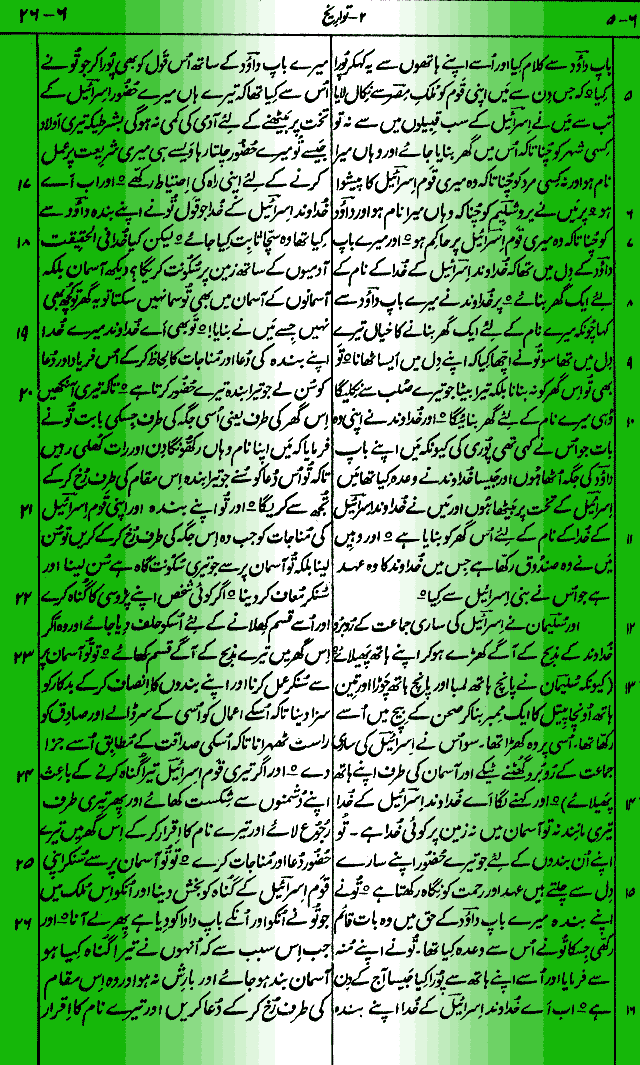
2 Chronicles 6:5
Verse: Since the day that I brought forth my people out of the land of Egypt I chose no city among all the tribes of Israel to build an house in that my name might be there neither chose I any man to be a ruler over my people Israel
-
English Explanation: King Solomon begins by recounting God’s historical journey with Israel. Since the Exodus from Egypt, God did not permanently establish a single city or a specific lineage to build a permanent temple. He allowed Israel to move under temporary leaders and a mobile Tabernacle, showing that His presence cannot be bound by geography until His perfect timing.
-
Urdu Explanation (تفصیل): King Solomon اس تاریخ کا ذکر کرتے ہیں جب اللہ بنی اسرائیل کو مصر سے نکال کر لایا۔ خدا نے طویل عرصے تک کسی خاص شہر کو اپنے گھر (ہیکل) کے لیے منتخب نہیں کیا اور نہ ہی کسی مستقل حکمران کا انتظام کیا۔ یہ اس بات کو ظاہر کرتا ہے کہ خدا کی موجودگی کسی ایک جگہ تک محدود نہیں تھی بلکہ وہ اپنے وقتِ کامل کا انتظار کر رہا تھا۔
2 Chronicles 6:6
Verse: But I have chosen Jerusalem that my name might be there and have chosen David to be over my people Israel
-
English Explanation: This verse marks a massive shift in Israel’s history. God declares two specific, permanent choices: Jerusalem as the spiritual capital where His Name will dwell, and David as the chosen kingly line. This establishes the divine validation for Solomon’s own kingship and the temple he just completed.
-
Urdu Explanation (تفصیل): یہ آیت اسرائیل کی تاریخ میں ایک اہم موڑ ہے۔ یہاں خدا دو مستقل فیصلوں کا اعلان کرتا ہے: پہلا یہ کہ یروشلم وہ شہر ہے جہاں اس کا نام رہے گا، اور دوسرا یہ کہ دائود کا خاندان اسرائیل پر حکومت کرے گا۔ یہ سلیمان کی بادشاہت اور ہیکل کی تعمیر کو الٰہی منظوری دیتا ہے۔
2 Chronicles 6:7
Verse: Now it was in the heart of David my father to build an house for the name of the LORD God of Israel
-
English Explanation: Solomon honors his father, King David, by highlighting his deep desire to build a permanent temple for the Lord. David desired to transition God’s dwelling from a tent (the Tabernacle) into a grand house, reflecting his profound devotion and love for God.
-
Urdu Explanation (تفصیل): سلیمان اپنے والد داؤد بادشاہ کی نیت اور عقیدت کا ذکر کرتے ہیں کہ ان کے دل میں شدید خواہش تھی کہ وہ خدا کی حمد و ثنا اور حضورِ پاک کے لیے ایک مستقل ہیکل تعمیر کریں۔ یہ داؤد کی خدا سے گہری محبت کا ثبوت تھا۔
2 Chronicles 6:8
Verse: But the LORD said to David my father Forasmuch as it was in thine heart to build an house for my name thou didst well in that it was in thine heart
-
English Explanation: This is a beautiful reminder that God looks at the heart. Even though God did not allow David to physically build the temple, He explicitly commends David’s intentions. God validates the holy desires of our hearts, even if we are not the ones chosen to carry them out to fruition.
-
Urdu Explanation (تفصیل): یہ آیت اس بات کی یاد دہانی ہے کہ خدا انسان کے دل اور نیت کو دیکھتا ہے۔ اگرچہ خدا نے داؤد کو ہیکل بنانے کی اجازت نہیں دی، لیکن اس نے داؤد کی نیت کی تعریف کی۔ خدا ہماری نیک خواہشات کو قبول کرتا ہے، چاہے ان کو پورا کرنے کا شرف کسی اور کو ملے۔
2 Chronicles 6:9
Verse: Notwithstanding thou shalt not build the house but thy son which shall come forth out of thy loins he shall build the house for my name
-
English Explanation: God clarifies His divine timeline. David was a man of war, so the house of peace (the Temple) was reserved for his son, Solomon. This demonstrates that while God accepts our pure motives, He executes His plans through the specific individuals and seasons He has designated.
-
Urdu Explanation (تفصیل): خدا نے واضح کیا کہ چونکہ داؤد نے بہت سی جنگیں لڑیں، اس لیے امن کے اس گھر (ہیکل) کی تعمیر ان کے بیٹے سلیمان کے ہاتھوں ہونی تھی۔ یہ ظاہر کرتا ہے کہ خدا ہماری نیتوں سے واقف ہے مگر اپنے منصوبے اپنے طے شدہ وقت اور چنے ہوئے شخص کے ذریعے ہی پورے کرتا ہے۔
2 Chronicles 6:10
Verse: The LORD therefore hath performed his word that he hath spoken for I am risen up in the room of David my father and am set on the throne of Israel as the LORD promised and have built the house for the name of the LORD God of Israel
-
English Explanation: Solomon celebrates God’s absolute faithfulness. He stands before the people as living proof that God keeps His promises. Solomon has taken the throne, and the magnificent temple stands completed strictly according to the prophetic word given to David.
-
Urdu Explanation (تفصیل): سلیمان خدا کے وعدوں کی سچائی کا جشن مناتے ہیں۔ وہ لوگوں کے سامنے اس بات کا ثبوت ہیں کہ خدا جو کہتا ہے وہ پورا کرتا ہے۔ سلیمان تخت پر بیٹھے اور خدا کے کلام کے مطابق ہیکل کی تعمیر مکمل ہوئی۔
2 Chronicles 6:11
Verse: And in it have I put the ark wherein is the covenant of the LORD that he made with the children of Israel
-
English Explanation: The Temple was not just an architectural marvel; it was the house for the Ark of the Covenant. The Ark contained the tablets of the Law, representing the binding relational contract (the covenant) between God and Israel. This act centers the entire temple around God’s moral law and promises.
-
Urdu Explanation (تفصیل): ہیکل صرف ایک خوبصورت عمارت نہیں تھی، بلکہ اس کا اصل مقصد عہد کے صندوق (Ark of the Covenant) کو رکھنا تھا، جس میں خدا کے احکامات موجود تھے۔ یہ عمل ظاہر کرتا ہے کہ ہیکل کی اصل بنیاد خدا کا پاک کلام اور اس کا بنی اسرائیل کے ساتھ کیا گیا عہد ہے۔
2 Chronicles 6:12
Verse: And he stood before the altar of the LORD in the presence of all the congregation of Israel and spread forth his hands
-
English Explanation: This verse sets a powerful visual scene of public worship. Solomon, the most powerful king of his time, humbles himself completely before the altar of God in front of the entire nation. Spreading his hands toward heaven was a classic biblical posture of total surrender and earnest petition.
-
Urdu Explanation (تفصیل): یہ آیت عوامی عبادت کا ایک عظیم منظر پیش کرتی ہے۔ اپنے وقت کا سب سے طاقتور بادشاہ سلیمان، پوری قوم کے سامنے خدا کی قربان گاہ کے آگے عاجزی سے کھڑا ہوتا ہے اور اپنے ہاتھ آسمان کی طرف پھیلا دیتا ہے، جو کہ مکمل سپردگی اور دعا کی علامت ہے۔
2 Chronicles 6:13
Verse: For Solomon had made a brasen scaffold of five cubits long and five cubits broad and three cubits high and had set it in the midst of the court and upon it he stood and kneeled down upon his knees before all the congregation of Israel and spread forth his hands toward heaven
-
English Explanation: Solomon constructed a special bronze platform so everyone could see his actions. Despite his royal status, he drops to his knees. Kneeling signifies profound humility, recognizing that before the Almighty Creator, the earthly king is merely a servant.
-
Urdu Explanation (تفصیل): سلیمان نے پیتل کا ایک چبوترہ بنوایا تھا تاکہ سب لوگ انہیں دیکھ سکیں۔ اپنی شاہی حیثیت کے باوجود، وہ خدا کے سامنے گھٹنوں کے بل جھک گئے۔ گھٹنوں کے بل بیٹھنا انتہائی عاجزی کی علامت ہے، جو ظاہر کرتا ہے کہ خدا کے سامنے زمین کا بادشاہ بھی محض ایک خادم ہے۔
2 Chronicles 6:14
Verse: And said O LORD God of Israel there is no God like thee in the heaven nor in the earth which keepest covenant and shewest mercy unto thy servants that walk before thee with all their hearts
-
English Explanation: Solomon’s prayer opens with a declaration of God’s absolute uniqueness. Unlike pagan idols, Israel’s God is active, faithful to His covenant, and overflowing with loving-kindness (hesed) toward those who walk sincerely and wholeheartedly with Him.
-
Urdu Explanation (تفصیل): سلیمان کی دعا خدا کی لاثانی صفات کے اقرار سے شروع ہوتی ہے۔ وہ کہتا ہے کہ آسمان اور زمین میں خدا جیسا کوئی نہیں، جو اپنے بندوں سے کیا گیا عہد نبھاتا ہے اور ان پر رحم کرتا ہے جو سچے دل سے اس کی راہ پر چلتے ہیں۔
2 Chronicles 6:15
Verse: Thou which hast kept with thy servant David my father that which thou hast promised him and spakest with thy mouth and hast fulfilled it with thine hand as it is this day
-
English Explanation: This verse contrasts human frailty with divine capability. What God promises with His mouth, He has the sovereign power to execute with His hand. The physical presence of the completed temple on that very day was undeniable proof of this truth.
-
Urdu Explanation (تفصیل): سلیمان خدا کی قدرت کا اعتراف کرتے ہیں کہ جو کچھ خدا نے اپنے منہ سے فرمایا، اسے اپنے ہاتھ سے پورا کر کے دکھایا۔ ہیکل کی موجودگی اس بات کا زندہ ثبوت تھی کہ خدا اپنے ہر وعدے کو پورا کرنے کی طاقت رکھتا ہے۔
2 Chronicles 6:16
Verse: Now therefore O LORD God of Israel keep with thy servant David my father that which thou hast promised him saying There shall not fail thee a man in my sight to sit upon the throne of Israel yet so that thy children take heed to their way to walk in my law as thou hast walked before me
-
English Explanation: Building on God’s past faithfulness, Solomon petitions God for the future. He reminds the people of the conditional nature of the Davidic covenant: God will always provide a ruler on the throne, provided the descendants remain obedient and walk strictly according to God’s law.
-
Urdu Explanation (تفصیل): ماضی کی وفاداری کی بنیاد پر، سلیمان اب مستقبل کے لیے دعا کرتے ہیں۔ وہ خدا کے اس وعدے کو یاد کرتے ہیں کہ داؤد کی نسل ہمیشہ تخت پر رہے گی، لیکن ساتھ ہی یہ شرط بھی دہراتے ہیں کہ آنے والی نسلوں کو خدا کی شریعت اور احکامات پر قائم رہنا ہوگا۔
2 Chronicles 6:17
Verse: Now then O LORD God of Israel let thy word be verified which thou hast spoken unto thy servant David
-
English Explanation: This is a bold prayer of faith. Solomon is not doubting God; rather, he is claiming the promise. Standing upon biblical promises is a foundational aspect of prayer, asking God to let His established truth materialize continuously in history.
-
Urdu Explanation (تفصیل): یہ ایمان سے بھری ایک دعا ہے۔ سلیمان خدا پر شک نہیں کر رہے، بلکہ اس کے وعدے پر دعویٰ کر رہے ہیں۔ خدا کے کلام پر بھروسہ کرتے ہوئے یہ التجا کرنا کہ اس کی سچائی ہمیشہ قائم رہے، دعا کا ایک بنیادی اصول ہے۔
2 Chronicles 6:18
Verse: But will God in very deed dwell with men on the earth behold heaven and the heaven of heavens cannot contain thee how much less this house which I have built
-
English Explanation: Solomon wrestles with a profound theological paradox. God is omnipresent and infinite—even the highest heavens cannot contain His magnitude. Yet, out of pure grace, this infinite God chooses to manifest His specific presence in a localized earthly building to be close to humanity.
-
Urdu Explanation (تفصیل): سلیمان یہاں ایک گہرے فلسفیانہ اور ایمانی سوال کا ذکر کرتے ہیں۔ خدا کائنات سے بڑا ہے اور آسمانوں کا آسمان بھی اسے اپنے اندر نہیں سما سکتا۔ لیکن یہ اس کا خاص فضل ہے کہ وہ زمین پر انسانوں کے بنائے ہوئے گھر میں اپنی موجودگی کا اظہار کرنے پر راضی ہوا۔
2 Chronicles 6:19
Verse: Have respect therefore to the prayer of thy servant and to his supplication O LORD my God to hearken unto the cry and the prayer which thy servant prayeth before thee
-
English Explanation: Acknowledging God’s immense greatness, Solomon pleads for humility and mercy. He asks that despite God’s cosmic scale, He would stoop down to listen to the cries, prayers, and deep yearnings of His servant.
-
Urdu Explanation (تفصیل): خدا کی عظمت کا اعتراف کرنے کے بعد، سلیمان عاجزی سے التجا کرتے ہیں کہ خدا کائنات کا مالک ہونے کے باوجود اپنے اس چھوٹے سے بندے کی پکار، فریاد اور دعا کو سنے اور قبول فرمائے۔
2 Chronicles 6:20
Verse: That thine eyes may be open upon this house day and night upon the place whereof thou hast said that thou wouldest put thy name there to hearken unto the prayer which thy servant prayeth toward this place
-
English Explanation: Solomon asks for God’s continuous, sleepless vigilance over the temple. He prays that whenever a believer turns their face toward this designated house—the place bearing God’s Name—God will actively tune His attention to their request.
-
Urdu Explanation (تفصیل): سلیمان دعا کرتے ہیں کہ خدا کی نظریں دن رات اس ہیکل پر لگی رہیں۔ وہ چاہتے ہیں کہ جب بھی کوئی عبادت گزار اس پاک جگہ کی طرف منہ کر کے دعا کرے، تو خدا اس کی طرف متوجہ ہو اور اس کی التجا پوری کرے۔
2 Chronicles 6:21
Verse: Hearken therefore unto the supplications of thy servant and of thy people Israel which they shall make toward this place hear thou from thy dwelling place even from heaven and when thou hearest forgive
-
English Explanation: This verse introduces a crucial theological safety valve: Forgiveness. Solomon acknowledges that human failure is inevitable. He requests that when people look toward the temple and pray from a place of distress, God will hear them from His ultimate dwelling place in heaven and grant forgiveness.
-
Urdu Explanation (تفصیل): یہ آیت سلیمان کی دعا کا مرکز ہے: معافی۔ سلیمان جانتے ہیں کہ انسان خطاکار ہے۔ وہ التجا کرتے ہیں کہ جب لوگ مصیبت میں اس ہیکل کی طرف دیکھ کر دعا کریں، تو خدا آسمان پر سے ان کی فریاد سنے اور ان کے گناہوں کو معاف فرمائے۔
2 Chronicles 6:22
Verse: If a man sin against his neighbour and an oath be laid upon him to make him swear and the oath come before thine altar in this house
-
English Explanation: Solomon begins listing specific real-life scenarios. The first scenario involves interpersonal conflicts and justice. If someone is accused of wronging a neighbor and takes a solemn oath of innocence before the temple altar, the temple becomes the ground for divine arbitration.
-
Urdu Explanation (تفصیل): سلیمان یہاں سے روزمرہ زندگی کے مختلف حالات کا ذکر شروع کرتے ہیں۔ پہلا معاملہ باہمی تنازعات اور انصاف کا ہے۔ اگر کسی شخص پر اپنے پڑوسی کے خلاف گناہ کا الزام ہو اور وہ ہیکل کی قربان گاہ کے سامنے بے گناہی کی قسم کھائے، تو ہیکل الٰہی انصاف کا مرکز بن جاتا ہے۔
2 Chronicles 6:23
Verse: Then hear thou from heaven and do and judge thy servants by requiting the wicked by recompensing his way upon his own head and by justifying the righteous by giving him according to his righteousness
-
English Explanation: Following the previous verse, Solomon asks God to act as the ultimate impartial Judge. Since humans cannot always discern hidden motives, Solomon prays that God will expose the guilty, bring their wicked deeds upon themselves, and vindicate the innocent according to their integrity.
-
Urdu Explanation (تفصیل): پچھلی آیت کے تسلسل میں، سلیمان خدا سے دعا کرتے ہیں کہ وہ حتمی اور سچا منصف بنے۔ چونکہ انسان دلوں کے حال نہیں جانتا، اس لیے خدا جھوٹے کو بے نقاب کرے، گنہگار کو سزا دے اور بے گناہ کو اس کی سچائی کے مطابق سرخرو کرے۔
2 Chronicles 6:24
Verse: And if thy people Israel be put to the worse before the enemy because they have sinned against thee and shall return and confess thy name and pray and make supplication before thee in this house
-
English Explanation: The second scenario addresses military defeat. Solomon acknowledges that under the Covenant, national defeat is often a direct consequence of straying into sin. However, the path to restoration is clear: repentance, returning to God, and calling upon His name within the temple walls.
-
Urdu Explanation (تفصیل): دوسرا معاملہ جنگ میں شکست سے متعلق ہے۔ سلیمان اعتراف کرتے ہیں کہ خدا سے دور ہونا اور گناہ کرنا قوم کی شکست کا سبب بنتا ہے۔ لیکن بحالی کا راستہ ہمیشہ کھلا ہے: توبہ کرنا، خدا کی طرف لوٹنا اور اس ہیکل میں عاجزی سے دعا کرنا۔
2 Chronicles 6:25
Verse: Then hear thou from the heavens and forgive the sin of thy people Israel and bring them again unto the land which thou gavest to them and to their fathers
-
English Explanation: If the defeated and exiled nation repents, Solomon begs God to look past their failures. He asks God to forgive them from heaven and mercifully restore them to the Promised Land—the inheritance given to their forefathers.
-
Urdu Explanation (تفصیل): اگر مغلوب قوم سچے دل سے توبہ کرے، تو سلیمان خدا سے التجا کرتے ہیں کہ وہ ان کی خطاؤں کو معاف کرے اور انہیں دوبارہ اس پاک سرزمین پر بحال کر دے جو اس نے ان کے باپ دادا کو عطا کی تھی۔
2 Chronicles 6:26
Verse: When the heaven is shut up and there is no rain because they have sinned against thee yet if they pray toward this place and confess thy name and turn from their sin when thou dost afflict them
-
English Explanation: The third scenario addresses natural disasters, specifically drought. In ancient Israel, rain was a direct sign of God’s blessing. A closed heaven meant spiritual trouble. Solomon notes that affliction is designed to correct us; if the people acknowledge their sin and pray toward the temple, restoration begins.
-
Urdu Explanation (تفصیل): تیسرا معاملہ قدرتی آفات بالخصوص قحط سالی (بارش کا نہ ہونا) سے ہے۔ قدیم اسرائیل میں بارش خدا کی برکت کی نشانی تھی۔ سلیمان بیان کرتے ہیں کہ مصیبتیں اکثر ہماری اصلاح کے لیے آتی ہیں؛ اگر لوگ اپنے گناہوں کو چھوڑ کر ہیکل کی طرف منہ کر کے دعا کریں گے، تو خدا ان پر رحم کرے گا۔