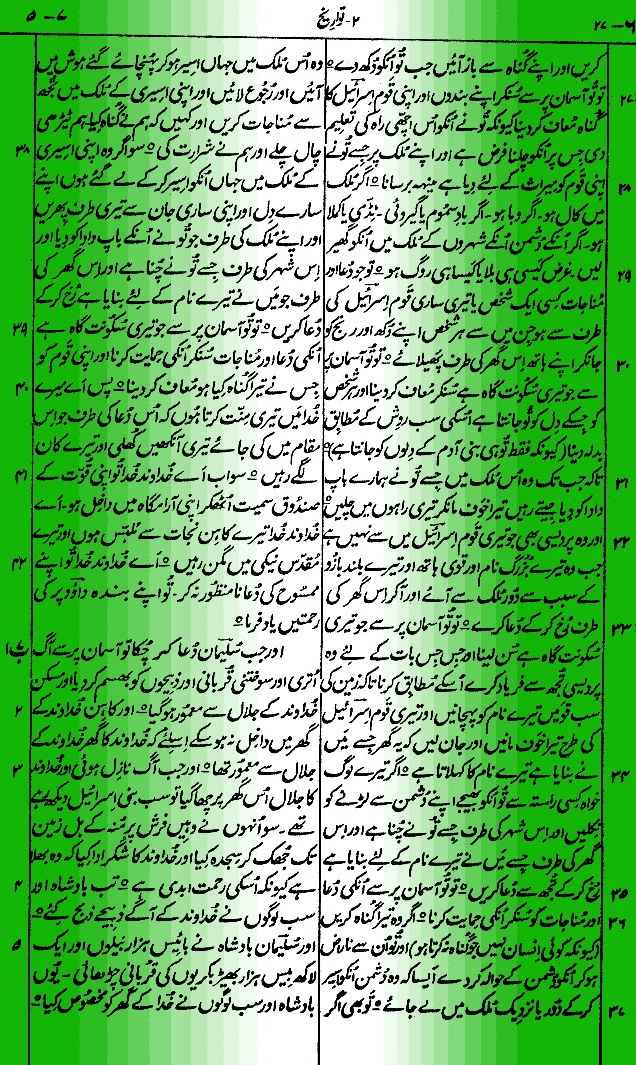
Verse-by-Verse Commentary (2 Chronicles 6:27 – 7:7)
2 Chronicles 6:27
Verse: Then hear thou from heaven and forgive the sin of thy servants and of thy people Israel when thou hast taught them the good way wherein they should walk and send rain upon thy land which thou hast given unto thy people for an inheritance
-
English Explanation: Solomon prays for spiritual restoration and physical blessings. He acknowledges that droughts are often a consequence of sin. He asks God to not only forgive the people once they learn the “good way” but to also restore the rains, which are vital for the inheritance (the Promised Land) they received. It highlights God as both a Teacher and a Provider.
-
Urdu Explanation (تفصیل): سلیمانؑ دعا کرتے ہیں کہ جب بنی اسرائیل گناہ سے توبہ کریں اور درست راستہ سیکھ لیں، تو خدا آسمان سے ان کی فریاد سنے، انہیں معاف کرے اور ان کی زمین پر بارش برسائے۔ یہ آیت ظاہر کرتی ہے کہ خدا نہ صرف گناہ معاف کرتا ہے بلکہ توبہ کے بعد برکات بھی بحال کرتا ہے۔
2 Chronicles 6:28
Verse: If there be dearth in the land if there be pestilence if there be blasting or mildew locusts or caterpillers if their enemies besiege them in the cities of their land whatsoever sore or whatsoever sickness there be
-
English Explanation: This verse lists various natural disasters and crises—famine, plagues, crop diseases (blasting/mildew), insect invasions, enemy sieges, and sickness. Solomon recognizes that human suffering comes in many forms, but none of them are beyond God’s control or outside His ability to deliver.
-
Urdu Explanation (تفصیل): اس آیت میں ملک میں آنے والی مختلف آفتوں کا ذکر ہے جیسے قحط، وبا، فصلوں کی بیماری، ٹڈی دل کا حملہ، یا دشمنوں کا گھیراؤ۔ سلیمانؑ کا ایمان ہے کہ کوئی بھی بیماری یا مصیبت خدا کے اختیار سے باہر نہیں ہے۔
2 Chronicles 6:29
Verse: Then what prayer or what supplication soever shall be made of any man or of all thy people Israel when every one shall know his own sore and his own grief and shall spread forth his hands in this house
-
English Explanation: Solomon addresses individual and corporate pain. “Knowing his own sore and his own grief” emphasizes that God cares about personal, internal struggles, not just nationwide crises. The Temple is designated as the focal point where individuals can stretch out their hands in total surrender and prayer.
-
Urdu Explanation (تفصیل): یہاں انفرادی اور اجتماعی دعا کا ذکر ہے۔ جب کوئی شخص یا پوری قوم اپنے دکھ اور تکلیف کو محسوس کرتے ہوئے ہیکل کی طرف ہاتھ پھیلا کر دعا کرے گی، تو خدا اس کی سنے گا۔ یہ ظاہر کرتا ہے کہ خدا ہر انسان کے ذاتی دکھ سے واقف ہے۔
2 Chronicles 6:30
Verse: Then hear thou from heaven thy dwelling place and forgive and render unto every man according unto all his ways whose heart thou knowest for thou only knowest the hearts of the children of men
-
English Explanation: Solomon highlights God’s omniscience. Human judges look at outward appearances, but God reads the heart. He asks God to judge and reward people righteously based on their true inner motives, acknowledging that only the Creator truly understands human nature.
-
Urdu Explanation (تفصیل): سلیمانؑ کہتے ہیں کہ خدا آسمان سے سنے اور ہر انسان کے دل کے حال کے مطابق اس کے ساتھ معاملہ کرے۔ انسان صرف ظاہر دیکھتا ہے، لیکن صرف خدا ہی انسانوں کے دلوں کے پوشیدہ رازوں اور نیتوں کو جانتا ہے۔
2 Chronicles 6:31
Verse: That they may fear thee to walk in thy ways so long as they live in the land which thou gavest unto our fathers
-
English Explanation: The ultimate purpose of God’s forgiveness and judgment is to foster a healthy, reverent fear of God. This reverence is meant to lead to lifelong obedience, ensuring that successive generations continue to live righteously in the land promised to their ancestors.
-
Urdu Explanation (تفصیل): خدا کی معافی اور رحم کا مقصد یہ ہے کہ لوگ اس کا خوف (احترام) دل میں رکھیں اور زندگی بھر اس کی راہوں پر چلیں۔ یہ فرمانبرداری انہیں اس زمین پر قائم رکھے گی جو ان کے باپ دادا کو دی گئی تھی۔
2 Chronicles 6:32
Verse: Moreover concerning the stranger which is not of thy people Israel but is come from a far country for thy great name’s sake and thy mighty hand and thy stretched out arm if they come and pray in this house
-
English Explanation: This is a remarkably inclusive verse. Solomon expands his prayer beyond Israel to include “the stranger” (foreigners). He anticipates that people from distant nations will hear of God’s power and come to worship at the Temple, proving that God’s salvation was always intended for all humanity.
-
Urdu Explanation (تفصیل): سلیمانؑ غیر قوموں (پردیسیوں) کے لیے بھی دعا کرتے ہیں۔ وہ جانتے ہیں کہ خدا کی شہرت سن کر دور دراز سے لوگ اس کے گھر آئیں گے۔ یہ آیت ظاہر کرتی ہے کہ خدا کا رحم صرف اسرائیل تک محدود نہیں بلکہ تمام انسانوں کے لیے ہے۔
2 Chronicles 6:33
Verse: Then hear thou from the heavens even from thy dwelling place and do according to all that the stranger calleth to thee for that all people of the earth may know thy name and fear thee as doth thy people Israel and may know that this house which I have built is called by thy name
-
English Explanation: Solomon petitions God to answer the prayers of foreigners so that the entire world might recognize God’s sovereignty. The goal is global evangelism and worship—that all nations might fear God just as Israel does and recognize the Temple as His holy dwelling.
-
Urdu Explanation (تفصیل): وہ دعا کرتے ہیں کہ خدا پردیسیوں کی پکار بھی سنے تاکہ زمین کی تمام قومیں خدا کے نام کو پہچانیں، اس کا خوف مانیں، اور یہ جان لیں کہ یہ ہیکل واقعی سچے خدا کا گھر ہے۔
2 Chronicles 6:34
Verse: If thy people go out to war against their enemies by the way that thou shalt send them and they pray unto thee toward this city which thou hast chosen and the house which I have built for thy name
-
English Explanation: This verse deals with times of military conflict. Solomon specifies wars that are ordained by God (“by the way that thou shalt send them”). Even when far away on the battlefield, facing the chosen city and the Temple serves as a point of alignment with God’s covenant.
-
Urdu Explanation (تفصیل): اگر بنی اسرائیل خدا کے حکم کے مطابق دشمن سے جنگ کے لیے جائیں اور وہاں سے اس شہر اور ہیکل کی طرف رخ کر کے دعا کریں، تو خدا ان کی طرف متوجہ ہو۔ یہ ایمان کی حالت میں خدا پر توکل کرنے کو ظاہر کرتا ہے۔
2 Chronicles 6:35
Verse: Then hear thou from the heavens their prayer and their supplication and maintain their cause
-
English Explanation: Solomon asks God to be the divine advocate for His people during just wars. To “maintain their cause” means to provide justice, victory, and defense when they act in obedience and cry out for help from afar.
-
Urdu Explanation (تفصیل): سلیمانؑ خدا سے التجا کرتے ہیں کہ وہ آسمان سے ان کی دعا سنے اور ان کو فتح اور انصاف دلائے، یعنی ان کی حمایت کرے۔
2 Chronicles 6:36
Verse: If they sin against thee for there is no man which sinneth not and thou be angry with them and deliver them over before their enemies and they carry them away captives unto a land far off or near
-
English Explanation: Solomon states a fundamental theological truth: “there is no man which sinneth not.” He predicts that Israel will fail and face exile as a divine consequence. This verse realistically addresses human frailty and the certainty of judgment for persistent rebellion.
-
Urdu Explanation (تفصیل): یہاں سلیمانؑ انسانی کمزوری کا اعتراف کرتے ہیں کہ “ایسا کوئی انسان نہیں جو گناہ نہ کرے”۔ وہ کہتے ہیں کہ اگر وہ گناہ کریں اور خدا کی ناراضگی کے سبب دشمن کے ہاتھوں اسیر ہو کر دور یا پاس کے ملکوں میں چلے جائیں۔
2 Chronicles 6:37
Verse: Yet if they bethink themselves in the land whither they are carried captive and turn and pray unto thee in the land of their captivity saying We have sinned we have done amiss and have dealt wickedly
-
English Explanation: “If they bethink themselves” means to come to one’s senses or experience true conviction. Solomon outlines the anatomy of repentance: self-examination, turning back to God, and a heartfelt confession of wickedness, even while trapped in captivity.
-
Urdu Explanation (تفصیل): لیکن اگر وہ اسیری کی حالت میں اپنے ہوش میں آئیں، اپنے گناہوں پر پچھتائیں، توبہ کریں اور اعتراف کریں کہ “ہم نے گناہ کیا اور بدی کی”۔ یہ سچی توبہ کے عمل کو ظاہر کرتا ہے۔
2 Chronicles 6:38
Verse: If they return to thee with all their heart and with all their soul in the land of their captivity whither they have carried them captives and pray toward their land which thou gavest unto their fathers and toward the city which thou hast chosen and toward the house which I have built for thy name
-
English Explanation: True repentance requires the whole heart and soul, not just empty words. Even if physically separated from the Holy Land, directing their prayers toward Jerusalem and the Temple demonstrates their re-alignment with God’s covenant promises.
-
Urdu Explanation (تفصیل): اگر وہ اپنے پورے دل اور جان سے خدا کی طرف رجوع کریں اور اس زمین اور ہیکل کی طرف رخ کر کے دعا کریں، تو یہ ان کے ایمان کی بحالی کی علامت ہوگی، چاہے وہ جسمانی طور پر کتنے ہی دور کیوں نہ ہوں۔
2 Chronicles 6:39
Verse: Then hear thou from the heavens even from thy dwelling place their prayer and their supplications and maintain their cause and forgive thy people which have sinned against thee
-
English Explanation: This is the climax of Solomon’s conditional requests. He asks that even in exile, God’s mercy will override their past rebellion, grant them justice against their oppressors, and provide total forgiveness.
-
Urdu Explanation (تفصیل): تب خدا آسمان سے ان کی فریاد سنے، ان کی حمایت کرے اور اپنے گناہگار لوگوں کو معاف فرمائے۔ یہ آیت ظاہر کرتی ہے کہ خدا کی معافی کی کوئی سرحد نہیں ہوتی۔
2 Chronicles 6:40
Verse: Now my God let I beseech thee thine eyes be open and let thine ears be attent unto the prayer that is made in this place
-
English Explanation: Solomon transitions from conditional situations to an immediate plea. He asks God to actively watch over and listen to every prayer offered inside or toward the newly dedicated Temple, establishing it as a perpetual house of prayer.
-
Urdu Explanation (تفصیل): سلیمانؑ اب موجودہ وقت کے لیے التجا کرتے ہیں کہ اے خدا، تیری آنکھیں کھلی رہیں اور تیرے کان اس جگہ (ہیکل) میں کی جانے والی ہر دعا پر لگے رہیں۔
2 Chronicles 6:41
Verse: Now therefore arise O LORD God into thy resting place thou and the ark of thy strength let thy priests O LORD God be clothed with salvation and let thy saints rejoice in goodness
-
English Explanation: Solomon invites God’s presence to settle permanently into the Temple along with the Ark of the Covenant. He prays for the spiritual state of the leaders (priests clothed in salvation) and the community (saints rejoicing in God’s goodness).
-
Urdu Explanation (تفصیل): وہ خدا اور اس کے عہد کے صندوق کو آرام گاہ میں تشریف لانے کی دعوت دیتے ہیں۔ وہ دعا کرتے ہیں کہ کاہن نجات کا لباس پہنیں اور پاک لوگ خدا کی بھلائی سے خوش و خرم رہیں۔
2 Chronicles 6:42
Verse: O LORD God turn not away the face of thine anointed remember the mercies of David thy servant
-
English Explanation: Solomon appeals to God not on his own merits, but based on the covenant made with his father, David. He asks God not to reject him (the anointed king) but to remember His steadfast love and promises to the Davidic line.
-
Urdu Explanation (تفصیل): سلیمانؑ خدا سے التجا کرتے ہیں کہ اپنے ممسوح (चुने हुए राजा) کو رد نہ کرے، بلکہ اپنے خادم داؤدؑ کے ساتھ کیے گئے رحم اور وعدوں کو یاد رکھے۔
Chapter 7:1
Verse: Now when Solomon had made an end of praying the fire came down from heaven and consumed the burnt offering and the sacrifices and the glory of the LORD filled the house
-
English Explanation: God answers Solomon’s prayer immediately and visibly. Fire descends from heaven to consume the sacrifices, a traditional biblical sign of divine approval. The visible manifestation of God’s glory fills the temple, showing that He has accepted it as His dwelling.
-
Urdu Explanation (تفصیل): جیسے ہی سلیمانؑ نے دعا ختم کی، آسمان سے آگ نازل ہوئی جس نے قربانیوں کو بھسم کر دیا۔ خدا کے جلال نے ہیکل کو بھر دیا، جو اس بات کا نشان تھا کہ دعا قبول ہو چکی ہے۔
7:2
Verse: And the priests could not enter into the house of the LORD because the glory of the LORD had filled the LORD’s house
-
English Explanation: The presence of God’s glory was so dense and overwhelming that even the consecrated priests could not physically enter the temple building. It underscores the immense holiness and weight of God’s manifest presence.
-
Urdu Explanation (تفصیل): خدا کا جلال اس قدر گہرا اور عظیم تھا کہ کاہن بھی ہیکل کے اندر داخل نہ ہو سکے۔ یہ خدا کی پاکیزگی اور قدرت کے خوف کو ظاہر کرتا ہے۔
7:3
Verse: And when all the children of Israel saw how the fire came down and the glory of the LORD upon the house they bowed themselves with their faces to the ground upon the pavement and worshipped and praised the LORD saying For he is good for his mercy endureth for ever
-
English Explanation: Witnessing the miraculous fire and glory, the entire congregation falls into spontaneous, corporate worship. They bow flat on the stone pavement, acknowledging God’s absolute goodness and eternal mercy.
-
Urdu Explanation (تفصیل): جب تمام بنی اسرائیل نے آسمانی آگ اور خدا کے جلال کو دیکھا، تو وہ فرش پر سرنگوں ہو گئے اور سجدہ کیا۔ انہوں نے خدا کی حمد کی کہ “وہ بھلا ہے اور اس کی رحمت ابدی ہے”۔
7:4
Verse: Then the king and all the people offered sacrifices before the LORD
-
English Explanation: Following the divine confirmation, the king and the entire nation transition from prayer to massive celebratory action, presenting thousands of sacrifices as tokens of gratitude and dedication.
-
Urdu Explanation (تفصیل): اس عظیم الشان معجزے کے بعد، بادشاہ اور تمام لوگوں نے مل کر خدا کے حضور شکرگزاری کی قربانیاں پیش کرنا شروع کر دیں۔
7:5
Verse: And king Solomon offered a sacrifice of twenty and two thousand oxen and an hundred and twenty thousand sheep so the king and all the people dedicated the house of God
-
English Explanation: The scale of the sacrifice is immense (22,000 oxen and 120,000 sheep), demonstrating the vast wealth of Solomon’s kingdom and the deep devotion of the people during this historic dedication ceremony.
-
Urdu Explanation (تفصیل): سلیمانؑ نے بائیس ہزار بیلوں اور ایک لاکھ بیس ہزار بھیڑوں کی قربانی پیش کی۔ یہ وسیع پیمانے پر کی جانے والی قربانی ہیکل کی مخصوصیت (Dedication) کے جشن کو ظاہر کرتی ہے۔
7:6
Verse: And the priests waited on their offices the Levites also with instruments of musick of the LORD which David the king had made to praise the LORD because his mercy endureth for ever when David praised by their ministry and the priests sounded trumpets before them and all Israel stood
-
English Explanation: The dedication was highly organized. Priests and Levites utilized musical instruments designed by King David years prior. The trumpets blasted, the songs of eternal mercy echoed, and the entire nation stood in deep reverence and awe.
-
Urdu Explanation (تفصیل): کاہن اور لاوی اپنے فرائض انجام دے رہے تھے۔ انہوں نے ان سازوں کا استعمال کیا جو داؤدؑ نے خدا کی حمد کے لیے بنائے تھے۔ جب بگل بجائے گئے تو پوری قوم احترام کے ساتھ کھڑی رہی۔
7:7
Verse: Moreover Solomon hallowed the middle of the court that was before the house of the LORD for there he offered burnt offerings and the fat of the peace offerings because the brasen altar which Solomon had made was not able to receive the burnt offerings and the meat offerings and the fat
-
English Explanation: The volume of sacrifices was so massive that the standard bronze altar was physically too small to hold them all. To accommodate the overflow, Solomon had to consecrate the entire inner courtyard, transforming the whole space into a temporary altar.
-
Urdu Explanation (تفصیل): قربانیوں کی تعداد اتنی زیادہ تھی کہ پیتل کی قربان گاہ چھوٹی پڑ گئی۔ اس لیے سلیمانؑ نے صحن کے درمیانی حصے کو پاک کر کے وہاں قربانیاں چڑھائیں۔ یہ لوگوں کے بے پناہ جوش اور عقیدت کو ظاہر کرتا ہے۔