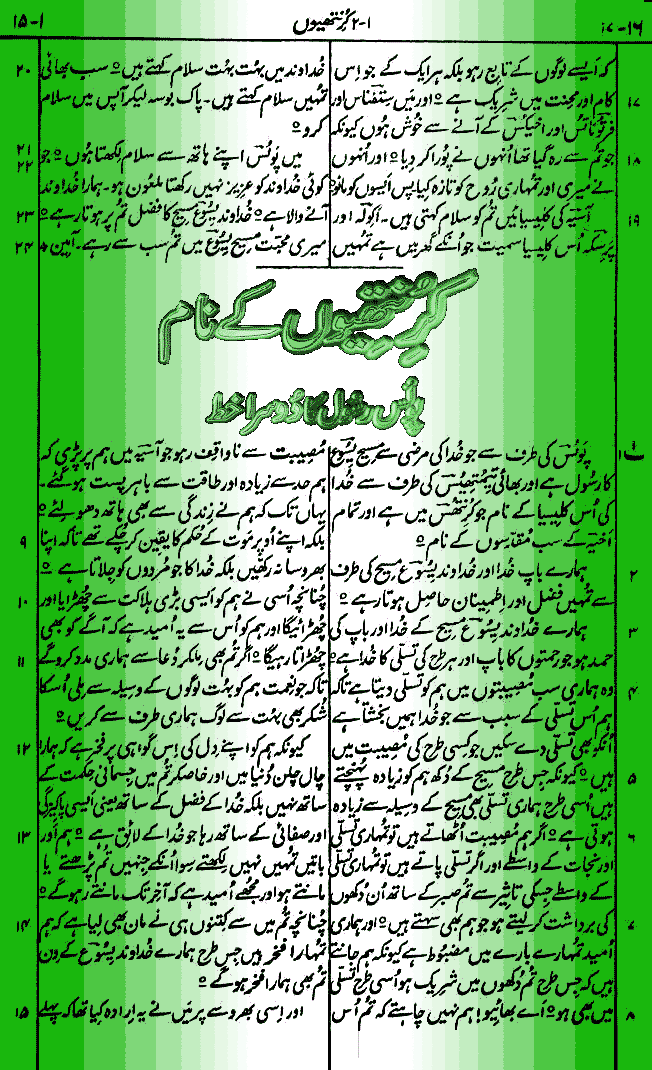
Section 1: 1 Corinthians Chapter 16 (Verses 17–24)
Verse 17
Verse: I am glad of the coming of Stephanas and Fortunatus and Achaicus for that which was lacking on your part they have supplied
English Explanation
Paul expresses his joy at the arrival of three messengers from Corinth: Stephanas, Fortunatus, and Achaicus. Because Paul was physically separated from the Corinthian church, these men “supplied” what was lacking by providing updates, personal warmth, and representing the congregation. They filled the void created by Paul’s absence.
Urdu Explanation (اُردو تشریح)
پولس رسول کرنتھس سے آنے والے تین قاصدوں—ستفناس، فرتوناتوس اور اخیکس—کی آمد پر اپنی خوشی کا اظہار کرتا ہے۔ چونکہ پولس جسمانی طور پر کرنتھس کی کلیسیا سے دور تھا، ان لوگوں نے وہاں کی تازہ صورتحال، محبت اور مدد پہنچا کر اس کمی کو پورا کیا جو پولس کو محسوس ہو رہی تھی۔ انہوں نے کرنتھیوں کی طرف سے پولس کی تنہائی کو دور کیا۔
Verse 18
Verse: For they have refreshed my spirit and yours therefore acknowledge ye them that are such
English Explanation
These three leaders brought peace, encouragement, and clarity, which refreshed Paul’s spirit. By extension, their faithful service also brings peace and refreshment to the Corinthian church. Paul commands the congregation to recognize, respect, and submit to leadership of this caliber.
Urdu Explanation (اُردو تشریح)
ان تینوں رہنماؤں نے محبت اور حوصلہ افزائی کا پیغام لا کر پولس کی روح کو تازہ دم اور شادمان کیا۔ اور چونکہ وہ کلیسیا کی نمائندگی کر رہے تھے، اس لیے ان کی یہ خدمت خود کرنتھیوں کے لیے بھی باعثِ برکت تھی۔ پولس کلیسیا کو حکم دیتا ہے کہ ایسے مخلص اور خادم لوگوں کی قدر کریں اور ان کی رہنمائی کو تسلیم کریں۔
Verse 19
Verse: The churches of Asia salute you Aquila and Priscilla salute you much in the Lord with the church that is in their house
English Explanation
Paul sends greetings from the churches in the Roman province of Asia (modern-day Turkey), particularly from Ephesus. He highlights Aquila and Priscilla, a well-known tentmaking couple and church leaders. Their house served as a meeting place for believers, showing how the early Christian movement grew through home-based fellowships.
Urdu Explanation (اُردو تشریح)
پولس آسیہ (موجودہ ترکی) کی کلیسیاؤں کی طرف سے سلام بھیجتا ہے، خاص طور پر اکولا اور پرسکلا کی طرف سے جو ایمان میں پولس کے گہرے ساتھی تھے۔ ان کا گھر ایک کلیسیا (عبادت گاہ) کے طور پر استعمال ہوتا تھا۔ یہ اس بات کو ظاہر کرتا ہے کہ ابتدائی دور میں مسیحی ایمان گھروں میں قائم کلیسیاؤں کے ذریعے پھیلا۔
Verse 20
Verse: All the brethren greet you Greet ye one another with an holy kiss
English Explanation
The entire Christian community where Paul is staying sends their love. Paul instructs the Corinthians to greet one another with a “holy kiss,” which was a cultural token of deep, pure affection, equality, and unity within the household of God, transcending social status.
Urdu Explanation (اُردو تشریح)
جس جگہ پولس موجود ہے، وہاں کے تمام ایماندار کرنتھس کے بھائی بہنوں کو سلام بھیجتے ہیں۔ پولس انہیں نصیحت کرتا ہے کہ وہ ایک دوسرے کو “پاک بوسہ” کے ساتھ سلام کریں۔ یہ اس دور کا ایک ثقافتی اور روحانی طریقہ تھا جو مسیحی خاندان میں پاکیزگی، برابری، اور گہری محبت و اتحاد کو ظاہر کرتا تھا۔
Verse 21
Verse: The salutation of me Paul with mine own hand
English Explanation
Paul typically used a scribe (amanuensis) to write his letters to prevent forgery and accommodate his poor eyesight. However, at the end of the letter, he takes the pen himself to sign it with his own hand, verifying the authenticity and authority of the epistle.
Urdu Explanation (اُردو تشریح)
پولس عام طور پر اپنے خطوط خود لکھنے کی بجائے کسی کاتب سے لکھوایا کرتا تھا تاکہ جعل سازی سے بچا جا سکے (اور شاید بینائی کی کمزوری کی وجہ سے)۔ لیکن خط کے آخر میں، وہ خود اپنے ہاتھ سے سلام لکھتا ہے تاکہ یہ ثابت ہو سکے کہ یہ خط واقعی اسی کا ہے اور اس کی رسولی اتھارٹی کی تصدیق ہو سکے۔
Verse 22
Verse: If any man love not the Lord Jesus Christ let him be Anathema Maranatha
English Explanation
Paul delivers a stark, solemn warning. “Anathema” means accursed or set aside for destruction, and “Maranatha” is an Aramaic expression meaning “Our Lord, come!” If someone claims to be a believer but lacks genuine love for Jesus, they stand condemned under God’s judgment when the Lord returns.
Urdu Explanation (اُردو تشریح)
پولس یہاں ایک سخت اور سنجیدہ وارننگ دیتا ہے۔ لفظ “اناتیما” (Anathema) کا مطلب ہے ملعون یا تباہی کے لیے الگ کیا گیا، اور “ماران اَتا” (Maranatha) آرامی زبان کا لفظ ہے جس کا مطلب ہے “اے ہمارے خداوند، آ!”۔ اگر کوئی شخص مسیحی ہونے کا دعویٰ کرتا ہے لیکن خداوند یسوع سے سچی محبت نہیں رکھتا، تو وہ خداوند کی آمد پر خدا کی عدالت اور سزا کے ماتحت ہے۔
Verse 23
Verse: The grace of our Lord Jesus Christ be with you
English Explanation
Despite his sharp warnings and corrections throughout this letter, Paul closes with a prayer for divine grace. He desires that the unmerited favor, power, and love of Jesus Christ sustain the Corinthian believers in their daily lives.
Urdu Explanation (اُردو تشریح)
پورے خط میں سخت تنبیہ اور اصلاح کرنے کے باوجود، پولس خط کا اختتام الٰہی فضل کی دعا کے ساتھ کرتا ہے۔ وہ چاہتا ہے کہ خداوند یسوع مسیح کا مفت فضل، قدرت اور محبت کرنتھس کے ایمانداروں کو گناہوں پر غالب آنے اور روزمرہ کی زندگی میں مضبوط رہنے کی طاقت دے۔
Verse 24
Verse: My love be with you all in Christ Jesus Amen (The first epistle to the Corinthians was written from Philippi by Stephanas and Fortunatus and Achaicus and Timotheus)
English Explanation
Paul assures the entire church—even those who criticized him—of his unconditional pastoral love, rooted in Jesus Christ. The historical postscript (found in some ancient manuscripts) notes that the letter was delivered or accompanied by Stephanas, Fortunatus, Achaicus, and Timothy.
Urdu Explanation (اُردو تشریح)
پولس پوری کلیسیا کو—بشمول ان کے جنہوں نے اس پر تنقید کی تھی—یقین دلاتا ہے کہ وہ مسیح یسوع میں ان سب سے غیر مشروط محبت رکھتا ہے۔ قدیم نسخوں کے مطابق خط کے آخر میں لکھا نوٹ ظاہر کرتا ہے کہ یہ خط ستفناس، فرتوناتوس، اخیکس اور تیمتھیس کے ذریعے پہنچایا گیا یا ان کی موجودگی میں بھیجا گیا۔
Section 2: 2 Corinthians Chapter 1 (Verses 1–15)
Verse 1
Verse: Paul an apostle of Jesus Christ by the will of God and Timothy our brother unto the church of God which is at Corinth with all the saints which are in all Achaia
English Explanation
Paul opens his second canonical letter to Corinth by establishing his divine credentials: he is an apostle not by human appointment, but by the sovereign will of God. He includes Timothy as a brother in ministry and addresses both the local church in Corinth and all believers throughout the wider province of Achaia.
Urdu Explanation (اُردو تشریح)
پولس اپنے دوسرے خط کا آغاز اپنے رسولی اختیار کو واضح کرتے ہوئے کرتا ہے کہ وہ انسانی مرضی سے نہیں بلکہ خدا کی مرضی اور انتخاب سے یسوع مسیح کا رسول ہے۔ وہ بھائی تیمتھیس کو بھی اس سلام میں شامل کرتا ہے اور یہ خط نہ صرف کرنتھس کی مقامی کلیسیا کو بلکہ اخیہ کے تمام صوبے میں رہنے والے مقدسین (ایمانداروں) کے نام لکھتا ہے۔
Verse 2
Verse: Grace be to you and peace from God our Father and from the Lord Jesus Christ
English Explanation
This is Paul’s trademark apostolic greeting, fusing the Greek concepts of grace (charis) and the Hebrew blessing of peace (shalom). He identifies God as our loving Father and Jesus Christ as the reigning Lord, showing that all spiritual peace and undeserved favor flow from Them equally.
Urdu Explanation (اُردو تشریح)
یہ پولس رسول کا روایتی ایمانی سلام ہے، جس میں یونانی تصورِ فضل اور عبرانی تصورِ سلامتی (شلوم) کا ملاپ ہے۔ وہ خدا کو ہمارا پیارا باپ اور یسوع مسیح کو قادرِ مطلق خداوند قرار دیتا ہے، جس سے یہ ظاہر ہوتا ہے کہ ہر قسم کا فضل اور حقیقی اطمینان انہی دونوں کی طرف سے ملتا ہے۔
Verse 3
Verse: Blessed be God even the Father of our Lord Jesus Christ the Father of mercies and the God of all comfort
English Explanation
Paul bursts into a doxology of praise. He identifies God intimately as the Father of Jesus Christ. He calls Him the “Father of mercies” (the source of deep compassion) and the “God of all comfort” (paraklesis), establishing that there is no sorrow or pain beyond the reach of God’s consolation.
Urdu Explanation (اُردو تشریح)
پولس خدا کی حمد و ثنا سے بات آگے بڑھاتا ہے۔ وہ خدا کو خداوند یسوع مسیح کے باپ کے طور پر متعارف کراتا ہے۔ وہ خدا کو “رحمتوں کا باپ” (رحم کا سرچشمہ) اور “ہر طرح کی تسلی کا خدا” کہتا ہے، جس سے یہ ثابت ہوتا ہے کہ دنیا کا کوئی بھی دکھ یا تکلیف خدا کی تسلی اور دلاسے سے بڑھ کر نہیں ہے۔
Verse 4
Verse: Who comforteth us in all our tribulation that we may be able to comfort them which are in any trouble by the comfort wherewith we ourselves are comforted of God
English Explanation
God does not comfort us merely to make us comfortable, but to make us comforters. Paul teaches that our personal experiences of suffering and divine restoration are meant to equip us with empathy and spiritual tools to help others navigating similar trials.
Urdu Explanation (اُردو تشریح)
خدا ہمیں صرف اس لیے تسلی نہیں دیتا کہ ہم پرسکون ہو جائیں، بلکہ اس لیے دیتا ہے کہ ہم دوسروں کو تسلی دینے والے بنیں۔ پولس سکھاتا ہے کہ جب ہم مصیبت میں خدا کا دلاسہ پاتے ہیں، تو ہم اس قابل بنتے ہیں کہ اسی الٰہی دلاسے اور تجربے کے ذریعے دوسروں کی تکلیفوں میں ان کی مدد اور حوصلہ افزائی کر سکیں۔
Verse 5
Verse: For as the sufferings of Christ abound in us so our consolation also aboundeth by Christ
English Explanation
There is a divine proportion in the Christian life. The more we endure hardships, persecutions, and suffering for the sake of the Gospel (“the sufferings of Christ”), the more overflowing and abundant the divine comfort and joy we receive from Christ will be.
Urdu Explanation (اُردو تشریح)
مسیحی زندگی میں ایک گہرا توازن ہے۔ انجیل کی خاطر ہم جتنی زیادہ تکلیفیں، مصیبتیں اور ردوکد برداشت کرتے ہیں (جسے مسیح کے دکھ کہا گیا ہے)، اسی قدر کثرت سے مسیح کی طرف سے الٰہی اطمینان، خوشی اور تسلی بھی ہماری زندگیوں میں امڈ آتی ہے۔
Verse 6
Verse: And whether we be afflicted it is for your consolation and salvation which is effectual in the enduring of the same sufferings which we also suffer or whether we be comforted it is for your consolation and salvation
English Explanation
Paul shows the selfless nature of his apostolic ministry. If he suffers, it benefits the Corinthians by modeling perseverance and proving the gospel’s power. If he is comforted, it also benefits them because he can pass that comfort along to help them endure their own trials.
Urdu Explanation (اُردو تشریح)
پولس اپنی رسولی خدمت کی بے غرض نوعیت کو ظاہر کرتا ہے۔ وہ کہتا ہے کہ اگر ہم مصیبت اٹھاتے ہیں، تو اس میں تمہارا فائدہ ہے تاکہ تم دکھوں میں قائم رہنے کا نمونہ دیکھو اور نجات پاؤ؛ اور اگر ہمیں تسلی ملتی ہے، تو وہ بھی تمہاری تسلی کے لیے ہے تاکہ تم بھی ان ہی دکھوں کو صبر کے ساتھ برداشت کرنا سیکھو جو ہم اٹھاتے ہیں۔
Verse 7
Verse: And our hope of you is stedfast knowing that as ye are partakers of the sufferings so shall ye be also of the consolation
English Explanation
Paul expresses absolute confidence in the Corinthian church. He knows that suffering is an inevitable part of the Christian walk, but he is equally certain that those who share in the difficulties of the faith will inevitably share in God’s triumphant comfort and reward.
Urdu Explanation (اُردو تشریح)
پولس کرنتھس کی کلیسیا کے بارے میں کامل بھروسے اور امید کا اظہار کرتا ہے۔ وہ جانتا ہے کہ مسیحی راہ میں دکھ آنا ناگزیر ہیں، لیکن اسے یہ یقین بھی ہے کہ جو لوگ ایمان کی خاطر دکھوں میں شریک ہیں، وہ لازمی طور پر خدا کی طرف سے ملنے والی ابدی تسلی اور اجر میں بھی شریک ہوں گے۔
Verse 8
Verse: For we would not brethren have you ignorant of our trouble which came to us in Asia that we were pressed out of measure above strength insomuch that we despaired even of life
English Explanation
Paul opens up about a severe crisis he faced in Asia (likely referring to intense persecution or a near-death riot in Ephesus). The affliction was so overwhelmingly crushing and beyond human endurance that Paul and his companions honestly believed they would not survive.
Urdu Explanation (اُردو تشریح)
پولس بھائیوں کو اس شدید بحران اور تکلیف سے آگاہ کرنا چاہتا ہے جو اس پر آسیہ (افسس) میں گزری۔ وہ بتاتا ہے کہ مصیبت اتنی بھاری اور انسانی طاقت سے باہر تھی کہ وہ اور اس کے ساتھی اپنی زندگیوں سے بالکل مایوس ہو چکے تھے اور انہیں لگتا تھا کہ اب بچنے کا کوئی راستہ نہیں ہے۔
Verse 9
Verse: But we had the sentence of death in ourselves that we should not trust in ourselves but in God which raiseth the dead
English Explanation
Paul realized that humanly speaking, he was under a death sentence. However, God allowed them to reach the absolute end of their own strength so they would stop relying on human wisdom, resources, or power, and instead place absolute trust in the God who has the power to raise the dead.
Urdu Explanation (اُردو تشریح)
پولس محسوس کر رہا تھا کہ انسانی طور پر ان پر موت کا حکم ہو چکا ہے۔ لیکن خدا نے انہیں اس انتہا پر اس لیے پہنچنے دیا تاکہ وہ اپنی حکمت، طاقت یا وسائل پر بھروسہ کرنا چھوڑ دیں، اور اپنا سارا توکل اور ایمان اس خدا پر رکھیں جو مُردوں کو بھی زندہ کرنے کی قدرت رکھتا ہے۔
Verse 10
Verse: Who delivered us from so great a death and doth deliver in whom we trust that he will yet deliver us
English Explanation
This verse showcases Paul’s complete trust across three timelines: God delivered them in the past from imminent death, He is delivering them in their present hardships, and Paul has unwavering faith that God will continue to deliver them in any future perils.
Urdu Explanation (اُردو تشریح)
یہ آیت تینوں زمانوں (ماضی، حال، مستقبل) میں خدا کی مخلصی پر پولس کے پکے ایمان کو دکھاتی ہے۔ وہ فرماتا ہے کہ خدا نے ہمیں ماضی میں اتنی بڑی موت سے بچایا، وہ اب بھی ہمیں مصیبتوں سے بچاتا ہے، اور ہمیں پورا بھروسہ ہے کہ وہ مستقبل کے خطروں میں بھی ہمیں بچاتا رہے گا۔
Verse 11
Verse: Ye also helping together by prayer for us that for the gift bestowed upon us by the means of many persons thanks may be given by many on our behalf
English Explanation
Paul emphasizes the power and necessity of corporate intercessory prayer. He views their prayers as active partnerships in his ministry. When God answers the prayers of many people by protecting Paul, it results in a massive wave of thanksgiving and praise back to God from those same people.
Urdu Explanation (اُردو تشریح)
پولس کلیسیا کی اجتماعی دعاؤں کی طاقت اور ضرورت پر زور دیتا ہے۔ وہ ان کی دعاؤں کو اپنی خدمت میں ایک عملی شراکت داری کے طور پر دیکھتا ہے۔ جب بہت سے لوگوں کی دعاؤں کے جواب میں خدا پولس کو نئی زندگی (نعمت) عطا کرتا ہے، تو اس کا نتیجہ یہ نکلتا ہے کہ ان ہی سب لوگوں کی طرف سے خدا کا شکرانہ بھی کثرت سے ادا ہوتا ہے۔
Verse 12
Verse: For our rejoicing is this the testimony of our conscience that in simplicity and godly sincerity not with fleshly wisdom but by the grace of God we have had our conversation in the world and more abundantly to you-ward
English Explanation
Paul’s ultimate confidence and joy lie in his clear conscience. He defended his character against false accusers by stating that his lifestyle, ministry, and conduct (“conversation”)—especially among the Corinthians—were driven by holy sincerity and God’s grace, not by deceptive worldly wisdom or political motives.
Urdu Explanation (اُردو تشریح)
پولس کے فخر اور خوشی کا اصل سبب اس کے ضمیر کی گواہی ہے کہ اس کا چال چلن اور زندگی گزاری کا طریقہ کار دنیا میں، اور خاص طور پر کرنتھیوں کے درمیان، پاکیزگی اور الٰہی سچائی کے ساتھ تھا۔ اس نے دنیاوی مکاری اور انسانی حکمت کا سہارا نہیں لیا بلکہ وہ ہمیشہ خدا کے فضل اور سادگی کے تحت عمل پیرا رہا۔
Verse 13
Verse: For we write none other things unto you than what ye read or acknowledge and I trust ye shall acknowledge even to the end
Explanation
Paul insists that there are no hidden meanings, secret agendas, or double standards in his letters. What they read on the surface is exactly what he means. He expresses hope that they will fully understand and acknowledge his transparency and apostolic integrity until the final day.
Urdu Explanation (اُردو تشریح)
پولس واضح کرتا ہے کہ اس کے خطوط میں کوئی چھپی ہوئی باتیں، منافقت یا دوغلا پن نہیں ہے۔ جو کچھ وہ پڑھتے ہیں، پولس کا مطلب بالکل وہی ہوتا ہے۔ اسے امید ہے کہ وہ پولس کی اس صفائی اور رسولی دیانتداری کو آخر تک پوری طرح سمجھیں گے اور تسلیم کریں گے۔
Verse 14
Verse: As also ye have acknowledged us in part that we are your rejoicing even as ye also are ours in the day of the Lord Jesus
English Explanation
Although the Corinthians only partially understood or appreciated Paul at times due to false teachers stirring up trouble, Paul reminds them of their mutual destiny. On the final day of judgment (“the day of the Lord Jesus”), Paul will be proud of their faith, and they will be proud that Paul was their spiritual father.
Urdu Explanation (اُردو تشریح)
اگرچہ کرنتھیوں نے جھوٹے استادوں کی باتوں میں آ کر پولس کو صرف جزوی طور پر سمجھا اور قبول کیا، پھر بھی پولس انہیں ان کے باہمی روحانی رشتے کی یاد دلاتا ہے۔ خداوند یسوع کے دوبارہ آنے کے دن (عدالت کے دن)، پولس ان کے ایمان پر فخر کرے گا اور وہ اس بات پر فخر کریں گے کہ پولس ان کا روحانی باپ تھا۔
Verse 15
Verse: And in this confidence I was minded to come unto you before that ye might have a second benefit
English Explanation
Operating with complete confidence in their mutual love and his own integrity, Paul explains his original travel itinerary. He had planned to visit Corinth first on his way to Macedonia and then visit them a second time on his way back, intending to pour out a “second benefit” or double blessing of teaching and fellowship upon them.
Urdu Explanation (اُردو تشریح)
اسی بھروسے اور محبت کے تحت، پولس اپنے سفر کے اصل منصوبے کی وضاحت کرتا ہے۔ اس کا ارادہ تھا کہ وہ مکدونیہ جانے سے پہلے کرنتھس آئے اور وہاں سے واپسی پر دوبارہ ان کے پاس ٹھہرے، تاکہ ان کو پولس کی تعلیم اور رفاقت کے ذریعے دوہرا فائدہ (برکت) حاصل ہو سکے۔