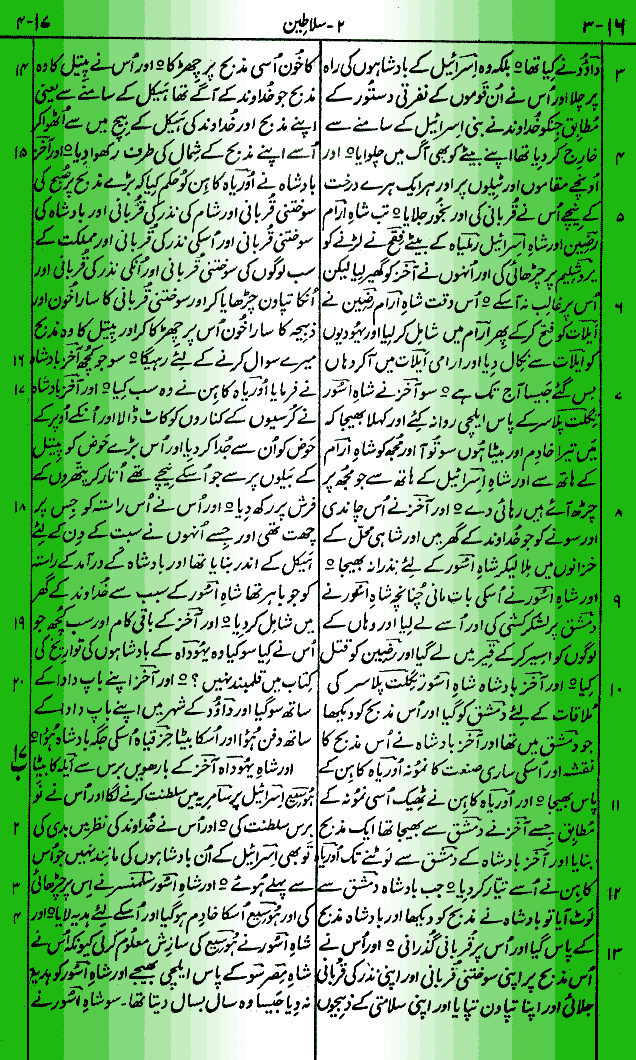
2 Kings 16:3 – 17:4: Verses and Commentary
2 Kings 16:3
Verse: But he walked in the way of the kings of Israel yea and made his son to pass through the fire according to the abominations of the heathen whom the LORD cast out from before the children of Israel
-
English Explanation: King Ahaz abandoned the righteous path of his ancestors and adopted the pagan practices of the Canaanites. Most shockingly, he participated in child sacrifice—a “detestable” act involving Moloch worship—which was the very reason God had originally cleared the land of the heathens.
-
Urdu Explanation: بادشاہ آخز نے اپنے آباؤ اجداد کی راہ چھوڑی اور اسرائیل کے مشرک بادشاہوں کی پیروی کی۔ اس نے اپنے بیٹے کی آگ میں قربانی دی جو کہ ان قوموں کا مکروہ طریقہ تھا جنہیں خدا نے بنی اسرائیل کے سامنے سے نکال دیا تھا۔
2 Kings 16:4
Verse: And he sacrificed and burnt incense in the high places and on the hills and under every green tree
-
English Explanation: Ahaz did not just tolerate paganism; he promoted it everywhere. He turned every hilltop and grove into a site for idolatrous worship, directly violating the Law of Moses which centralizes worship at the Temple.
-
Urdu Explanation: آخز نے اونچی جگہوں، پہاڑوں اور ہر ہرے درخت کے نیچے بتوں کے لیے قربانیاں دیں اور بخور جلایا، جو کہ شریعت کے خلاف تھا۔
2 Kings 16:5
Verse: Then Rezin king of Syria and Pekah son of Remaliah king of Israel came up to Jerusalem to war and they besieged Ahaz but could not overcome him
-
English Explanation: Judah faced a military alliance between Syria and the Northern Kingdom of Israel. They trapped Ahaz in Jerusalem, but because of God’s sovereign protection (and for the sake of the Davidic line), they failed to conquer the city.
-
Urdu Explanation: شام کے بادشاہ رضین اور اسرائیل کے بادشاہ فقح نے مل کر یروشلم پر حملہ کیا اور آخز کا محاصرہ کر لیا لیکن وہ اسے شکست نہ دے سکے۔
2 Kings 16:6
Verse: At that time Rezin king of Syria recovered Elath to Syria and drave the Jews from Elath and the Syrians came to Elath and dwelt there unto this day
-
English Explanation: While Jerusalem held out, the Syrian king seized Elath, an important port city. This was a massive economic and strategic loss for Judah, as the Jewish population was replaced by Syrians.
-
Urdu Explanation: اسی وقت شام کے بادشاہ نے ایلات کے شہر پر قبضہ کر لیا اور یہودیوں کو وہاں سے نکال دیا۔ شامی وہاں رہنے لگے اور یہ شہر شام کے قبضے میں چلا گیا۔
2 Kings 16:7
Verse: So Ahaz sent messengers to Tiglath-pileser king of Assyria saying I am thy servant and thy son come up and save me out of the hand of the king of Syria and out of the hand of the king of Israel which rise up against me
-
English Explanation: Instead of trusting God, Ahaz sought help from the pagan superpower Assyria. By calling himself the “servant and son” of Tiglath-pileser, he effectively surrendered Judah’s independence.
-
Urdu Explanation: آخز نے خدا پر بھروسہ کرنے کے بجائے اسور (Assyria) کے بادشاہ تلگت پلسر سے مدد مانگی اور خود کو اس کا غلام اور بیٹا کہا تاکہ وہ اسے شام اور اسرائیل سے بچائے۔
2 Kings 16:8
Verse: And Ahaz took the silver and gold that was found in the house of the LORD and in the treasures of the king’s house and sent it for a present to the king of Assyria
-
English Explanation: To pay for this alliance, Ahaz plundered the Temple. He took sacred vessels and treasures dedicated to God and used them to bribe a foreign, pagan king.
-
Urdu Explanation: آخز نے ہیکل (خدا کے گھر) سے چاندی اور سونا نکالا اور اسے اسور کے بادشاہ کو رشوت کے طور پر بھیج دیا۔
2 Kings 16:9
Verse: And the king of Assyria hearkened unto him for the king of Assyria went up against Damascus and took it and carried the people of it captive to Kir and slew Rezin
-
English Explanation: Assyria accepted the bribe and attacked Syria. They captured Damascus, deported the citizens to Kir, and killed King Rezin, ending the threat to Ahaz but making Judah a vassal state.
-
Urdu Explanation: اسور کے بادشاہ نے اس کی بات مان لی اور دمشق پر حملہ کر کے اسے فتح کر لیا۔ اس نے لوگوں کو قیدی بنایا اور رضین بادشاہ کو قتل کر دیا۔
2 Kings 16:10
Verse: And king Ahaz went to Damascus to meet Tiglath-pileser king of Assyria and saw an altar that was at Damascus and king Ahaz sent to Urijah the priest the fashion of the altar and the pattern of it according to all the workmanship thereof
-
English Explanation: While meeting his new master in Damascus, Ahaz was impressed by a pagan altar. He sent the architectural plans to Urijah the priest, intending to replicate it in Jerusalem.
-
Urdu Explanation: آخز جب دمشق میں اسور کے بادشاہ سے ملنے گیا تو وہاں اس نے ایک بت پرستانہ قربان گاہ دیکھی۔ اس نے اس کا نقشہ اور ڈیزائن اوریاہ کاہن کو بھیجا تاکہ ویسا ہی یروشلم میں بنائے۔
2 Kings 16:11
Verse: And Urijah the priest built an altar according to all that king Ahaz had sent from Damascus so Urijah the priest made it against king Ahaz came from Damascus
-
English Explanation: Rather than resisting the king’s corruption, Urijah the priest complied. He finished the pagan-style altar before Ahaz even returned.
-
Urdu Explanation: اوریاہ کاہن نے بادشاہ کے حکم کے مطابق وہ قربان گاہ آخز کی واپسی سے پہلے ہی تیار کر لی۔
2 Kings 16:12
Verse: And when the king was come from Damascus the king saw the altar and the king approached to the altar and offered thereon
-
English Explanation: Upon his return, Ahaz immediately prioritized this new altar over the one dedicated to God, performing the sacrifices himself.
-
Urdu Explanation: جب بادشاہ واپس آیا تو اس نے اس نئی قربان گاہ کو دیکھا اور اس پر قربانیاں چڑھائیں۔
2 Kings 16:13
Verse: and he burnt his burnt offering and his meat offering and poured his drink offering and sprinkled the blood of his peace offerings upon the altar
-
English Explanation: Ahaz performed a full suite of sacrifices—burnt, grain, drink, and peace offerings—on the foreign altar, signaling a total religious shift in Judah.
-
Urdu Explanation: اس نے اس نئی قربان گاہ پر اپنی تمام قسم کی قربانیاں (سوختنی، نذر کی قربانی اور مے کا ہدیہ) پیش کیں۔
2 Kings 16:14
Verse: And he brought also the brasen altar which was before the LORD from the forefront of the house from between the altar and the house of the LORD and put it on the north side of the altar
-
English Explanation: Ahaz moved the original bronze altar (Solomon’s altar) to a secondary position on the north side to make room for his new, pagan-inspired altar.
-
Urdu Explanation: اس نے خدا کی پیتل کی قربان گاہ کو ہیکل کے سامنے سے ہٹا کر اپنی نئی قربان گاہ کی شمال کی طرف رکھ دیا، تاکہ نئی قربان گاہ کو مرکزی جگہ مل سکے۔
2 Kings 16:15
Verse: And king Ahaz commanded Urijah the priest saying Upon the great altar burn the morning burnt offering and the evening meat offering and the king’s burnt sacrifice and his meat offering with the burnt offering of all the people of the land and their meat offering and their drink offerings and sprinkle upon it all the blood of the burnt offering and all the blood of the sacrifice and the brasen altar shall be for me to enquire by
-
English Explanation: Ahaz ordered that all daily national sacrifices be moved to the “great” (pagan) altar. He kept the original bronze altar only for his personal “inquiries” or divinations.
-
Urdu Explanation: آخز نے حکم دیا کہ صبح و شام کی تمام سرکاری قربانیاں اسی بڑی (نئی) قربان گاہ پر دی جائیں، اور پرانی پیتل کی قربان گاہ کو اس نے صرف اپنے مشورے یا فال نکالنے کے لیے مخصوص کر لیا۔
2 Kings 16:16
Verse: Thus did Urijah the priest according to all that king Ahaz commanded
-
English Explanation: This verse highlights the failure of the religious leadership; the priest obeyed the king rather than the laws of God.
-
Urdu Explanation: اوریاہ کاہن نے بالکل ویسا ہی کیا جیسا بادشاہ آخز نے حکم دیا تھا۔
2 Kings 16:17
Verse: And king Ahaz cut off the borders of the bases and removed the laver from off them and took down the sea from off the brasen oxen that were under it and put it upon a pavement of stones
-
English Explanation: Ahaz dismantled the sacred furniture of the Temple, likely to strip the bronze for tribute to Assyria or to diminish the glory of the Temple.
-
Urdu Explanation: آخز نے ہیکل کے برتنوں اور پیتل کے حوض کو ان کے پایوں سے الگ کر دیا اور پیتل کے بیلوں کے اوپر سے حوض اتار کر اسے پتھروں کے فرش پر رکھ دیا۔
2 Kings 16:18
Verse: And the covert for the sabbath that they had built in the house and the king’s entry without turned he from the house of the LORD for the king of Assyria
-
English Explanation: He altered the royal entrance and the Sabbath structure in the Temple complex, changing the architecture to please the King of Assyria or to reflect his subservience to him.
-
Urdu Explanation: اس نے ہیکل میں سبت کے لیے بنائی گئی جگہ اور شاہی راستے کو بدل دیا تاکہ اسور کے بادشاہ کو خوش کر سکے۔
2 Kings 16:19
Verse: Now the rest of the acts of Ahaz which he did are they not written in the book of the chronicles of the kings of Judah
-
English Explanation: This is a standard closing formula for the records of Judah’s kings, pointing readers to further historical annals.
-
Urdu Explanation: آخز کے باقی کام یہوداہ کے بادشاہوں کی تواریخ کی کتاب میں درج ہیں۔
2 Kings 16:20
Verse: And Ahaz slept with his fathers and was buried with his fathers in the city of David and Hezekiah his son reigned in his stead
-
English Explanation: Ahaz died and was buried in Jerusalem. Despite his wickedness, he was succeeded by his son Hezekiah, who would become one of Judah’s most righteous kings.
-
Urdu Explanation: آخز مر گیا اور اپنے باپ دادا کے ساتھ داؤد کے شہر میں دفن ہوا۔ اس کے بعد اس کا بیٹا حِزقیاہ بادشاہ بنا۔
Chapter 17
2 Kings 17:1
Verse: In the twelfth year of Ahaz king of Judah began Hoshea the son of Elah to reign in Samaria over Israel nine years
-
English Explanation: The narrative shifts to the Northern Kingdom (Israel). During the 12th year of Ahaz’s reign in the south, Hoshea became the final king of Israel, reigning for nine years.
-
Urdu Explanation: آخز کے بارہویں سال میں، ہوسیع بن ایلہ سامریہ میں اسرائیل کا بادشاہ بنا اور اس نے نو سال حکومت کی۔
2 Kings 17:2
Verse: And he did that which was evil in the sight of the LORD but not as the kings of Israel that were before him
-
English Explanation: Hoshea was a wicked king, but interestingly, the Bible notes he wasn’t as bad as the kings who preceded him. However, his “lesser” evil was still enough to invite judgment.
-
Urdu Explanation: اس نے وہ کام کیے جو خدا کی نظر میں برے تھے، لیکن وہ اسرائیل کے پچھلے بادشاہوں جتنا برا نہیں تھا۔
2 Kings 17:3
Verse: Against him came up Shalmaneser king of Assyria and Hoshea became his servant and gave him presents
-
English Explanation: Shalmaneser V of Assyria invaded. Hoshea surrendered and agreed to pay annual tribute (taxes) to Assyria to remain on the throne.
-
Urdu Explanation: اسور کے بادشاہ شلمنسر نے اس پر حملہ کیا اور ہوسیع اس کا باج گزار (غلام) بن گیا اور اسے نذرانے دینے لگا۔
2 Kings 17:4
Verse: And the king of Assyria found conspiracy in Hoshea for he had sent messengers to So king of Egypt and brought no present to the king of Assyria as he had done year by year therefore the king of Assyria shut him up and bound him in prison
-
English Explanation: Hoshea tried to rebel by forming a secret alliance with Egypt and stopping the tribute payments. Shalmaneser discovered this betrayal, captured Hoshea, and imprisoned him.
-
Urdu Explanation: جب ہوسیع نے اسور کے بادشاہ سے غداری کی اور مصر کے بادشاہ سے مدد مانگی اور سالانہ نذرانہ دینا بند کر دیا، تو اسور کے بادشاہ نے اسے گرفتار کر کے جیل میں ڈال دیا۔