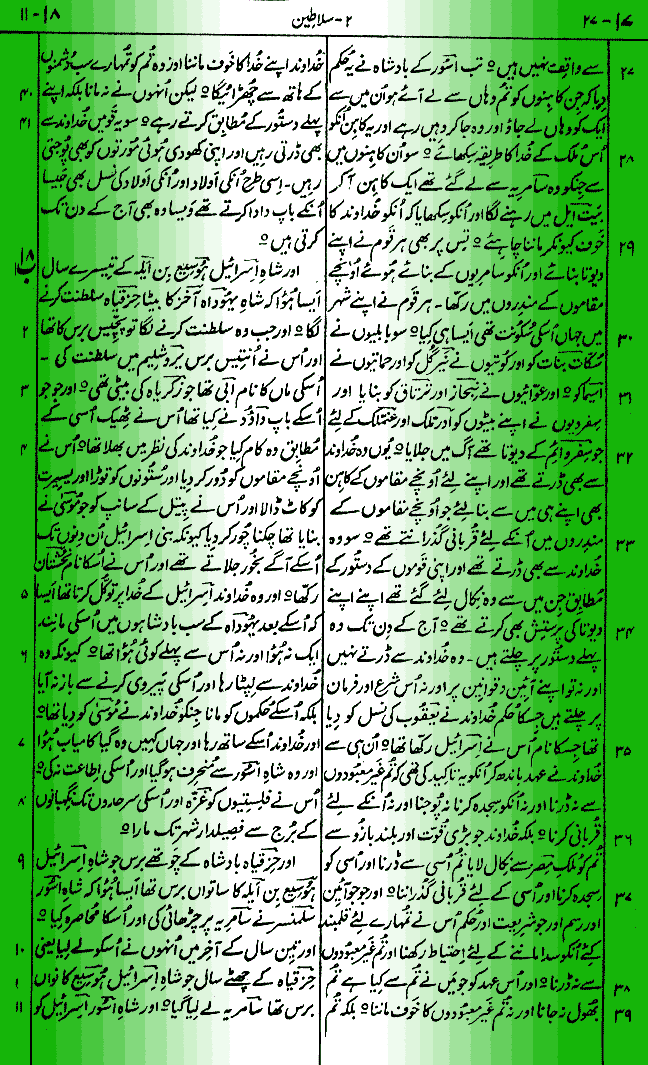
Chapter 17: The Spiritual Confusion in Samaria
2 Kings 17:27
-
Verse: Then the king of Assyria commanded saying Carry thither one of the priests whom ye brought from thence and let them go and dwell there and let him teach them the manner of the God of the land
-
English: To stop the plague of lions, the Assyrian king sends back an exiled Israelite priest to teach the new settlers how to worship the local God.
-
Urdu: شاہِ اسور نے حکم دیا کہ وہاں سے لائے گئے کاہنوں میں سے ایک کو واپس بھیجو تاکہ وہ وہاں جا کر لوگوں کو اس سرزمین کے خدا کے طور طریقے سکھائے۔
2 Kings 17:28
-
Verse: Then one of the priests whom they had carried away from Samaria came and dwelt in Bethel and taught them how they should fear the LORD
-
English: A priest settles in Bethel, the former center of idolatry, attempting to instruct the pagan settlers in the fear of Yahweh.
-
Urdu: ایک کاہن جسے سامریہ سے جلاوطن کیا گیا تھا بیت ایل میں آ کر رہنے لگا اور لوگوں کو سکھانے لگا کہ خداوند کا خوف کیسے مانیں۔
2 Kings 17:29
-
Verse: Howbeit every nation made gods of their own and put them in the houses of the high places which the Samaritans had made every nation in their cities wherein they dwelt
-
English: Despite the instruction, each ethnic group continued to worship their own ancestral idols in the local shrines.
-
Urdu: لیکن ہر قوم نے اپنے اپنے معبود بنا لیے اور انہیں سامریوں کے بنائے ہوئے اونچے مقاموں کے گھروں میں رکھا۔
2 Kings 17:30-31
-
Verse: And the men of Babylon made Succoth-benoth and the men of Cuth made Nergal and the men of Hamath made Ashima And the Avites made Nibhaz and Tartak and the Sepharvites burnt their children in fire to Adrammelech and Anammelech the gods of Sepharvaim
-
English: This lists the various pagan deities introduced. Tragically, some practiced child sacrifice, showing the depth of their spiritual darkness.
-
Urdu: بابل کے لوگوں نے سکوت بنوت بنایا اور دیگر قوموں نے اپنے اپنے بت جیسے نیرگل اور اشیما بنائے۔ سفروائیم کے لوگ اپنے بچوں کو آگ میں جلاتے تھے۔
2 Kings 17:32-33
-
Verse: So they feared the LORD and made unto themselves of the lowest of them priests of the high places which sacrificed for them in the houses of the high places They feared the LORD and served their own gods after the manner of the nations whom they carried away from thence
-
English: A “mixed” religion emerged. They claimed to respect Yahweh while simultaneously serving idols—a compromise God does not accept.
-
Urdu: انہوں نے خداوند کا خوف بھی مانا اور اپنے بتوں کی پرستش بھی جاری رکھی۔ انہوں نے کمینہ لوگوں کو اپنے کاہن مقرر کر لیا۔
2 Kings 17:34-40
-
Verse Summary: (Briefed for length) These verses explain that the people ignored the original Covenant made with Jacob (Israel). They were commanded to worship only the Lord who brought them out of Egypt, but they persisted in their old ways.
-
English: God reminds the readers that He is the only Deliverer. The Samaritans’ failure to “hearken” (listen) led to their spiritual downfall.
-
Urdu: خدا نے بنی اسرائیل سے عہد کیا تھا کہ صرف اسی کی عبادت کریں جس نے انہیں مصر سے نکالا مگر انہوں نے بات نہ مانی اور پرانی روش پر قائم رہے۔
2 Kings 17:41
-
Verse: So these nations feared the LORD and served their graven images both their children and their children’s children as did their fathers so do they unto this day
-
English: This syncretism (mixing of religions) became a multi-generational cycle of false worship.
-
Urdu: پس ان قوموں نے خداوند کا خوف بھی مانا اور اپنے بتوں کی پوجا بھی کی۔ ان کی نسلیں بھی آج تک یہی کر رہی ہیں۔
Chapter 18: The Faithful Reign of Hezekiah
2 Kings 18:1-3
-
Verse: Now it came to pass in the third year of Hoshea son of Elah king of Israel that Hezekiah the son of Ahaz king of Judah began to reign Twenty and five years old was he when he began to reign and he reigned twenty and nine years in Jerusalem… And he did that which was right in the sight of the LORD according to all that David his father did
-
English: Hezekiah begins his reign in Judah. Unlike his predecessors, he is compared to King David for his faithfulness.
-
Urdu: ہوسیع کے تیسرے سال میں حزقیاہ تخت نشین ہوا۔ اس نے وہ کیا جو خداوند کی نظر میں درست تھا بالکل اپنے باپ داؤد کی طرح۔
2 Kings 18:4
-
Verse: He removed the high places and brake the images and cut down the groves and brake in pieces the brasen serpent that Moses had made for unto those days the children of Israel did burn incense to it and he called it Nehushtan
-
English: Hezekiah was a radical reformer. He even destroyed the bronze serpent from Moses’ time because people had turned it into an idol. He called it Nehushtan (a mere piece of brass).
-
Urdu: اس نے اونچے مقاموں کو مٹایا اور پیتل کے اس سانپ کے ٹکڑے کر دیے جو موسیٰ نے بنایا تھا کیونکہ لوگ اس کی پرستش کرنے لگے تھے۔ اس نے اسے ‘نحشتان’ (محض پیتل) کہا۔
2 Kings 18:5-6
-
Verse: He trusted in the LORD God of Israel so that after him was none like him among all the kings of Judah nor any that were before him For he clave to the LORD and departed not from following him but kept his commandments…
-
English: Hezekiah’s defining trait was “claving” (sticking close) to God. His trust was unparalleled among Judah’s kings.
-
Urdu: اس کا بھروسہ اسرائیل کے خداوند پر تھا۔ یہوداہ کے بادشاہوں میں اس جیسا کوئی اور نہ تھا۔ وہ خداوند سے لپٹا رہا اور اس کے احکام مانے۔
2 Kings 18:7-8
-
Verse: And the LORD was with him and he prospered whithersoever he went forth and he rebelled against the king of Assyria and served him not He smote the Philistines even unto Gaza…
-
English: Because of his faithfulness, God granted him military success. He successfully revolted against Assyrian dominance and expanded Judah’s borders.
-
Urdu: خداوند اس کے ساتھ تھا اور اس نے ہر کام میں ترقی پائی۔ اس نے اسور کے بادشاہ کی غلامی سے انکار کر دیا اور فلسطینیوں کو غزہ تک شکست دی۔
2 Kings 18:9-11
-
Verse: And it came to pass in the fourth year of king Hezekiah which was the seventh year of Hoshea… that Shalmaneser king of Assyria came up against Samaria and besieged it And at the end of three years they took it… And the king of Assyria did carry away Israel unto Assyria…
-
English: While Judah prospered under Hezekiah, the northern kingdom of Israel (Samaria) finally fell to Assyria due to their persistent sin and idolatry.
-
Urdu: حزقیاہ کے چوتھے سال میں اسور کے بادشاہ نے سامریہ کا محاصرہ کیا اور تین سال بعد اسے فتح کر لیا۔ اسرائیل کے لوگوں کو جلاوطن کر کے اسور لے جایا گیا۔