Verse-by-Verse Commentary
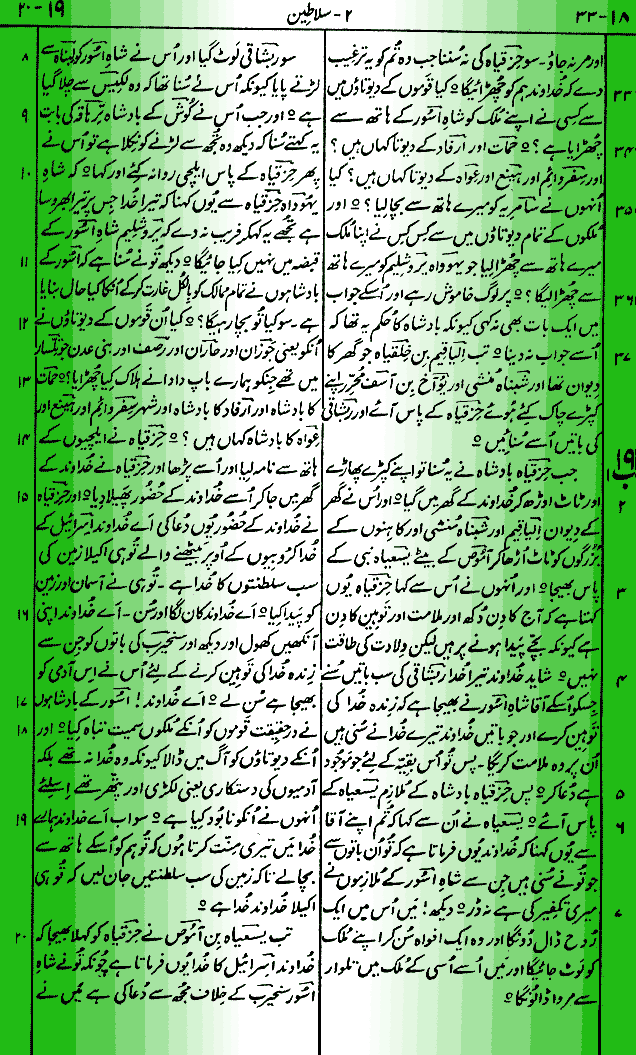
2 Kings 18:33
Verse: Hath any of the gods of the nations delivered at all his land out of the hand of the king of Assyria?
-
English Explanation: Rab-shakeh, the Assyrian messenger, uses psychological warfare. He argues that since no other local gods could save their cities from the Assyrian war machine, the God of Israel will also fail.
-
Urdu Explanation: راب شاکا نفسیاتی جنگ کا استعمال کر رہا ہے۔ وہ دلیل دیتا ہے کہ چونکہ کوئی دوسرا مقامی خدا اپنے شہر کو اسیریا کی جنگی طاقت سے نہیں بچا سکا، اس لیے اسرائیل کا خدا بھی ناکام ہو جائے گا۔
2 Kings 18:34
Verse: Where are the gods of Hamath and of Arpad? where are the gods of Sepharvaim Hena and Ivah? have they delivered Samaria out of mine hand?
-
English Explanation: He lists conquered territories as proof of Assyrian supremacy. By mentioning Samaria (the Northern Kingdom), he hits a nerve, reminding Judah that their kin had already fallen.
-
Urdu Explanation: وہ فتح شدہ علاقوں کی فہرست اسیریا کی برتری کے ثبوت کے طور پر پیش کرتا ہے۔ سامریہ کا ذکر کر کے وہ یہوداہ کو یاد دلاتا ہے کہ ان کے بھائی پہلے ہی مغلوب ہو چکے ہیں۔
2 Kings 18:35
Verse: Who are they among all the gods of the countries that have delivered their country out of mine hand that the LORD should deliver Jerusalem out of mine hand?
-
English Explanation: This is the height of arrogance. He compares the Living God to idols of wood and stone, claiming Jerusalem’s fall is inevitable.
-
Urdu Explanation: یہ تکبر کی انتہا ہے۔ وہ زندہ خدا کا موازنہ لکڑی اور پتھر کے بتوں سے کرتا ہے اور دعویٰ کرتا ہے کہ یروشلم کا زوال ناگزیر ہے۔
2 Kings 18:36
Verse: But the people held their peace and answered him not a word for the king’s commandment was saying Answer him not.
-
English Explanation: Hezekiah wisely ordered his people not to engage in an argument. Silence often prevents the enemy from gaining further psychological ground.
-
Urdu Explanation: حزقیاہ نے دانشمندی سے اپنے لوگوں کو حکم دیا کہ وہ بحث میں نہ پڑیں۔ خاموشی اکثر دشمن کو مزید نفسیاتی فائدہ حاصل کرنے سے روکتی ہے۔
2 Kings 18:37
Verse: Then came Eliakim the son of Hilkiah which was over the household and Shebna the scribe and Joah the son of Asaph the recorder to Hezekiah with their clothes rent and told him the words of Rab-shakeh.
-
English Explanation: Tearing clothes was a sign of extreme grief and mourning. The officials were devastated by the blasphemy and the dire threat.
-
Urdu Explanation: کپڑے پھاڑنا شدید غم اور ماتم کی علامت تھا۔ اہلکار اس توہینِ الٰہی اور شدید خطرے سے انتہائی پریشان تھے۔
2 Kings 19:1
Verse: And it came to pass when king Hezekiah heard it that he rent his clothes and covered himself with sackcloth and went into the house of the LORD.
-
English Explanation: Hezekiah responds not with military bravado, but with humility and prayer. He goes directly to the Temple to seek God’s presence.
-
Urdu Explanation: حزقیاہ فوجی بہادری کے بجائے عاجزی اور دعا کے ساتھ جواب دیتا ہے۔ وہ خدا کی موجودگی کی تلاش میں براہ راست ہیکل میں جاتا ہے۔
2 Kings 19:2-3
Verse: And he sent Eliakim… to Isaiah the prophet… And they said unto him Thus saith Hezekiah This day is a day of trouble and of rebuke and blasphemy for the children are come to the birth and there is not strength to bring forth.
-
English Explanation: Hezekiah uses a metaphor of a woman in labor who has no strength to deliver, symbolizing Judah’s total helplessness without divine intervention.
-
Urdu Explanation: حزقیاہ ایک ایسی عورت کا استعارہ استعمال کرتا ہے جو دردِ زہ میں ہو لیکن بچے کو جنم دینے کی طاقت نہ رکھتی ہو، جو الٰہی مداخلت کے بغیر یہوداہ کی مکمل بے بسی کی علامت ہے۔
2 Kings 19:6-7
Verse: And Isaiah said unto them Thus shall ye say to your master Thus saith the LORD Be not afraid of the words which thou hast heard… Behold I will send a blast upon him…
-
English Explanation: God responds through Isaiah with a message of hope. He promises to deal with the King of Assyria by causing him to hear a rumor and eventually meet his end in his own land.
-
Urdu Explanation: خدا یسعیاہ کے ذریعے امید کا پیغام دیتا ہے۔ وہ وعدہ کرتا ہے کہ وہ اسیریا کے بادشاہ کے لیے ایک افواہ پیدا کرے گا اور بالآخر وہ اپنی ہی سرزمین میں مارا جائے گا۔
2 Kings 19:14-15
Verse: And Hezekiah received the letter… and spread it before the LORD. And Hezekiah prayed… thou art the God even thou alone of all the kingdoms of the earth…
-
English Explanation: This is a pivotal moment of faith. Hezekiah “spreads the letter” before God, literally showing God the problem and acknowledging His sovereignty over all nations.
-
Urdu Explanation: یہ ایمان کا ایک اہم لمحہ ہے۔ حزقیاہ خدا کے سامنے خط پھیلاتا ہے، لفظی طور پر خدا کو مسئلہ دکھاتا ہے اور تمام قوموں پر اس کی حاکمیت کا اعتراف کرتا ہے۔
2 Kings 19:19
Verse: Now therefore O LORD our God I beseech thee save thou us out of his hand that all the kingdoms of the earth may know that thou art the LORD God even thou only.
-
English Explanation: Hezekiah’s motive for deliverance is not just survival, but God’s glory. He wants the world to know that the LORD is the only true God.
-
Urdu Explanation: حزقیاہ کی نجات کا مقصد صرف بقا نہیں، بلکہ خدا کا جلال ہے۔ وہ چاہتا ہے کہ دنیا جان لے کہ خداوند ہی واحد سچا خدا ہے۔
2 Kings 19:20
Verse: Then Isaiah the son of Amoz sent to Hezekiah saying Thus saith the LORD God of Israel That which thou hast prayed to me against Sennacherib king of Assyria I have heard.
-
English Explanation: The ultimate reassurance: God hears the prayers of those who come to Him in sincere humility and faith. The battle is now the Lord’s.
-
Urdu Explanation: حتمی اطمینان: خدا ان لوگوں کی دعائیں سنتا ہے جو سچی عاجزی اور ایمان کے ساتھ اس کے پاس آتے ہیں۔ اب یہ جنگ خداوند کی ہے۔