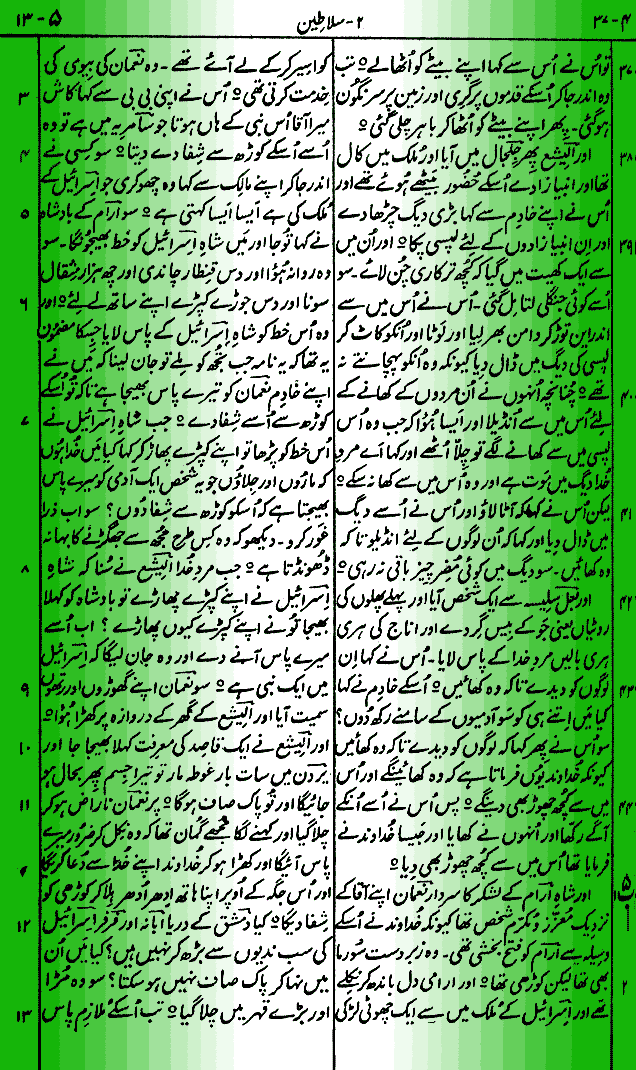
2 Kings Chapter 4: Verses 37–44
Verse 37
Verse: Then she went in and fell at his feet and bowed herself to the ground and took up her son and went out
-
English Explanation: This verse concludes the miracle of the Shunammite woman’s son being raised from the dead. Her reaction is one of profound humility and gratitude, acknowledging God’s power through Elisha.
-
Urdu Explanation: یہ آیت شونیمی عورت کے بیٹے کے زندہ ہونے کے معجزے کا اختتام ہے۔ اس کا ردعمل گہری عاجزی اور شکرگزاری کا تھا جس میں اس نے الیشع کے ذریعے خدا کی قدرت کا اعتراف کیا۔
Verse 38
Verse: And Elisha came again to Gilgal and there was a dearth in the land and the sons of the prophets were sitting before him and he said unto his servant Set on the great pot and seethe pottage for the sons of the prophets
-
English Explanation: During a time of famine (dearth), Elisha returns to Gilgal. He instructs his servant to prepare a large meal for the community of prophets, showing his role as a provider and leader.
-
Urdu Explanation: قحط کے دوران الیشع جلجال واپس آتا ہے۔ وہ اپنے خادم کو حکم دیتا ہے کہ نبیوں کی جماعت کے لیے کھانا تیار کرے جو کہ اس کی بطور رہنما اور کفیل ذمہ داری کو ظاہر کرتا ہے۔
Verse 39
Verse: And one went out into the field to gather herbs and found a wild vine and gathered thereof wild gourds his lap full and came and shred them into the pot of pottage for they knew them not
-
English Explanation: Ignorance leads to danger. A man gathers wild gourds that are actually poisonous, unknowingly contaminating the entire meal intended for the prophets.
-
Urdu Explanation: جہالت خطرے کا باعث بنتی ہے۔ ایک شخص جنگلی کدو اکٹھے کرتا ہے جو دراصل زہریلے تھے اور نادانستہ طور پر اس نے وہ سارا کھانا خراب کر دیا جو نبیوں کے لیے تھا۔
Verse 40
Verse: So they poured out for the men to eat And it came to pass as they were eating of the pottage that they cried out and said O thou man of God there is death in the pot And they could not eat thereof
-
English Explanation: Upon tasting the stew, the men realize it is toxic. Their cry “there is death in the pot” signifies the immediate threat to their lives.
-
Urdu Explanation: جب لوگوں نے کھانا چکھا تو انہیں احساس ہوا کہ یہ زہریلا ہے۔ ان کی پکار “دیگ میں موت ہے” ان کی زندگیوں کو درپیش فوری خطرے کی علامت تھی۔
Verse 41
Verse: But he said Then bring meal And he cast it into the pot and he said Pour out for the people that they may eat And there was no harm in the pot
-
English Explanation: Elisha performs a miracle of purification. By adding flour (meal) to the pot, God neutralizes the poison, demonstrating that God can make the harmful harmless.
-
Urdu Explanation: الیشع پاکیزگی کا معجزہ دکھاتا ہے۔ دیگ میں آٹا ڈالنے سے خدا نے زہر کو ختم کر دیا جو اس بات کی علامت ہے کہ خدا نقصان دہ چیز کو فائدہ مند بنا سکتا ہے۔
Verse 42
Verse: And there came a man from Baal-shalisha and brought the man of God bread of the firstfruits twenty loaves of barley and full ears of corn in the husk thereof And he said Give unto the people that they may eat
-
English Explanation: A man brings a small offering of firstfruits. Despite the small quantity, Elisha commands that it be distributed to the crowd, echoing the future miracles of Jesus.
-
Urdu Explanation: ایک آدمی پہلی فصل کا ہدیہ لاتا ہے۔ مقدار میں کم ہونے کے باوجود الیشع حکم دیتا ہے کہ اسے لوگوں میں بانٹ دیا جائے جو کہ یسوع کے آنے والے معجزات کی عکاسی کرتا ہے۔
Verse 43
Verse: And his servitor said What should I set this before an hundred men He said again Give the people that they may eat for thus saith the LORD They shall eat and shall leave thereof
-
English Explanation: The servant doubts the sufficiency of the food. Elisha insists on the word of the Lord, promising that there will not only be enough but there will be leftovers.
-
Urdu Explanation: خادم کو کھانے کی کفایت پر شک ہوتا ہے۔ الیشع خدا کے کلام پر اصرار کرتا ہے اور وعدہ کرتا ہے کہ نہ صرف کھانا پورا ہوگا بلکہ بچ بھی جائے گا۔
Verse 44
Verse: So he set it before them and they did eat and left thereof according to the word of the LORD
-
English Explanation: The miracle is fulfilled. The small amount of food fed a hundred people, proving that God’s provision exceeds human logic and physical limits.
-
Urdu Explanation: معجزہ پورا ہوا۔ تھوڑے سے کھانے نے سو لوگوں کا پیٹ بھر دیا جو ثابت کرتا ہے کہ خدا کی فراہمی انسانی منطق اور جسمانی حدود سے بالاتر ہے۔
2 Kings Chapter 5: Verses 1–13
Verse 1
Verse: Now Naaman captain of the host of the king of Syria was a great man with his master and honourable because by him the LORD had given deliverance unto Syria he was also a mighty man in valour but he was a leper
-
English Explanation: Naaman had everything—fame, power, and the King’s favor—yet he faced a devastating weakness: leprosy. This shows that earthly success does not exempt one from suffering.
-
Urdu Explanation: نعمان کے پاس سب کچھ تھا—شہرت، طاقت اور بادشاہ کی خوشنودی—لیکن وہ کوڑھ کی بیماری میں مبتلا تھا۔ یہ ظاہر کرتا ہے کہ دنیاوی کامیابی انسان کو تکلیف سے نہیں بچاتی۔
Verse 2
Verse: And the Syrians had gone out by companies and had brought away captive out of the land of Israel a little maid and she waited on Naaman’s wife
-
English Explanation: A young Israelite girl, taken captive, becomes the catalyst for Naaman’s healing. Even in captivity, she remains faithful and helpful.
-
Urdu Explanation: اسرائیل کی ایک چھوٹی لڑکی جسے قیدی بنا کر لایا گیا تھا نعمان کی شفا کا ذریعہ بنتی ہے۔ قید میں ہونے کے باوجود وہ وفادار اور مددگار رہتی ہے۔
Verse 3
Verse: And she said unto her mistress Would God my lord were with the prophet that is in Samaria for he would recover him of his leprosy
-
English Explanation: The girl suggests that Elisha in Samaria could heal Naaman. Her simple faith provides a bridge between a powerful Syrian general and the God of Israel.
-
Urdu Explanation: لڑکی نے مشورہ دیا کہ سامریہ کا نبی نعمان کو شفا دے سکتا ہے۔ اس کا سادہ سا ایمان ایک طاقتور شامی جرنیل اور اسرائیل کے خدا کے درمیان پل بن گیا۔
Verse 4
Verse: And one went in and told his lord saying Thus and thus said the maid that is of the land of Israel
-
English Explanation: Naaman takes the girl’s words seriously and reports them to the King of Syria, showing how much he desired a cure.
-
Urdu Explanation: نعمان لڑکی کی بات کو سنجیدگی سے لیتا ہے اور شام کے بادشاہ کو بتاتا ہے جو اس کی شفا پانے کی تڑپ کو ظاہر کرتا ہے۔
Verse 5
Verse: And the king of Syria said Go to go and I will send a letter unto the king of Israel And he departed and took with him ten talents of silver and six thousand pieces of gold and ten changes of raiment
-
English Explanation: The King of Syria sends Naaman with riches and a royal letter, assuming that healing can be purchased or negotiated through political power.
-
Urdu Explanation: شام کا بادشاہ نعمان کو مال و دولت اور شاہی خط کے ساتھ بھیجتا ہے، یہ سمجھتے ہوئے کہ شفا کو سیاسی طاقت یا پیسے سے خریدا جا سکتا ہے۔
Verse 6
Verse: And he brought the letter to the king of Israel saying Now when this letter is come unto thee behold I have therewith sent Naaman my servant to thee that thou mayest recover him of his leprosy
-
English Explanation: The letter creates a misunderstanding. The King of Israel thinks the Syrian King is demanding he perform a miracle himself.
-
Urdu Explanation: خط ایک غلط فہمی پیدا کرتا ہے۔ اسرائیل کا بادشاہ سمجھتا ہے کہ شام کا بادشاہ اس سے خود معجزہ دکھانے کا مطالبہ کر رہا ہے۔
Verse 7
Verse: And it came to pass when the king of Israel had read the letter that he rent his clothes and said Am I God to kill and to make alive that this man doth send unto me to recover a man of his leprosy wherefore consider I pray you and see how he seeketh a quarrel against me
-
English Explanation: The King of Israel panics, tearing his clothes. He lacks the faith to see that God can work through the prophet, seeing only a political threat.
-
Urdu Explanation: اسرائیل کا بادشاہ گھبرا کر اپنے کپڑے پھاڑ دیتا ہے۔ اس میں اس ایمان کی کمی تھی کہ وہ دیکھ سکے کہ خدا نبی کے ذریعے کام کر سکتا ہے، اسے صرف سیاسی خطرہ نظر آیا۔
Verse 8
Verse: And it was so when Elisha the man of God had heard that the king of Israel had rent his clothes that he sent to the king saying Wherefore hast thou rent thy clothes let him come now to me and he shall know that there is a prophet in Israel
-
English Explanation: Elisha intervenes to restore calm. He wants to prove to the foreigner that the living God is present and active in Israel.
-
Urdu Explanation: الیشع صورتحال کو سنبھالنے کے لیے مداخلت کرتا ہے۔ وہ اس غیر ملکی پر ثابت کرنا چاہتا ہے کہ زندہ خدا اسرائیل میں موجود اور سرگرم ہے۔
Verse 9
Verse: So Naaman came with his horses and with his chariot and stood at the door of the house of Elisha
-
English Explanation: Naaman arrives with full military pomp and display of wealth at Elisha’s humble door, expecting a grand reception.
-
Urdu Explanation: نعمان اپنی پوری فوجی شان و شوکت اور دولت کی نمائش کے ساتھ الیشع کے معمولی گھر کے دروازے پر پہنچتا ہے، اسے ایک عظیم الشان استقبال کی توقع تھی۔
Verse 10
Verse: And Elisha sent a messenger unto him saying Go and wash in the Jordan seven times and thy flesh shall come again to thee and thou shalt be clean
-
English Explanation: Elisha doesn’t even come out; he sends a servant with simple instructions. This tests Naaman’s pride and humbles him.
-
Urdu Explanation: الیشع خود باہر بھی نہیں آتا؛ وہ ایک خادم کے ذریعے سادہ ہدایات بھیجتا ہے۔ یہ نعمان کے غرور کا امتحان تھا تاکہ اسے عاجزی سکھائے۔
Verse 11
Verse: But Naaman was wroth and went away and said Behold I thought He will surely come out to me and stand and call on the name of the LORD his God and strike his hand over the place and recover the leper
-
English Explanation: Naaman is angry because the “method” of healing didn’t match his expectations. He wanted a dramatic ritual rather than a simple act of obedience.
-
Urdu Explanation: نعمان غصے میں آ جاتا ہے کیونکہ شفا کا طریقہ اس کی توقعات کے مطابق نہیں تھا۔ وہ سادہ فرمانبرداری کے بجائے ایک ڈرامائی رسم چاہتا تھا۔
Verse 12
Verse: Are not Abana and Pharpar rivers of Damascus better than all the waters of Israel may I not wash in them and be clean So he turned and went away in a rage
-
English Explanation: Pride clouds Naaman’s judgment. He compares the clean rivers of his homeland to the Jordan, missing the point that the power was in God’s word, not the water’s quality.
-
Urdu Explanation: غرور نعمان کی عقل پر پردہ ڈال دیتا ہے۔ وہ اپنے وطن کے صاف دریاؤں کا موازنہ یردن سے کرتا ہے، اور یہ بھول جاتا ہے کہ قدرت خدا کے کلام میں تھی، پانی کے معیار میں نہیں۔
Verse 13
Verse: And his servants came near and spake unto him and said My father if the prophet had bid thee do some great thing wouldest thou not have done it how much rather then when he saith to thee Wash and be clean
-
English Explanation: Naaman’s servants offer wise counsel. They point out that if he was willing to do something difficult for healing, he should certainly be willing to do something simple.
-
Urdu Explanation: نعمان کے خادم اسے دانشمندانہ مشورہ دیتے ہیں۔ وہ کہتے ہیں کہ اگر وہ شفا کے لیے کوئی مشکل کام کرنے کو تیار تھا، تو اسے یقیناً یہ سادہ سا کام بھی کرنا چاہیے۔