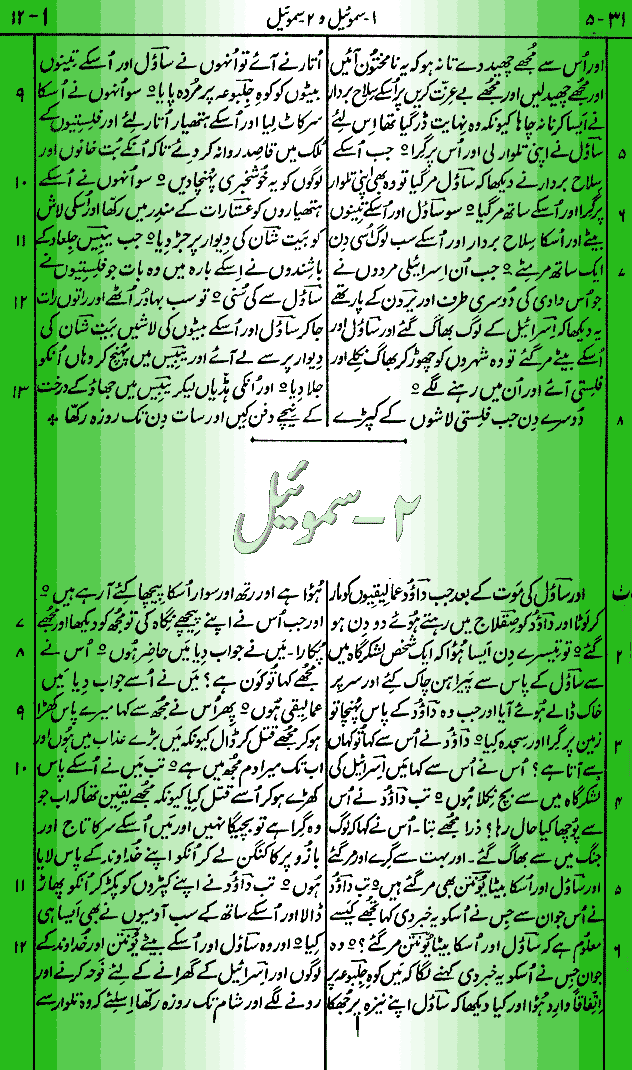
1 Samuel 31: Verses 5-13
1Sa 31 5 And when his armourbearer saw that Saul was dead he fell likewise upon his sword and died with him
-
English: The armor-bearer, witnessing his king’s suicide, chooses to follow him in death. This signifies total military defeat and a sense of ultimate loyalty or despair.
-
Urdu: جب سلاح بردار نے دیکھا کہ ساؤل مر چکا ہے تو وہ بھی اپنی تلوار پر گر پڑا اور اس کے ساتھ ہی دم توڑ دیا۔ یہ مکمل فوجی شکست اور انتہائی مایوسی کی علامت ہے۔
1Sa 31 6 So Saul died and his three sons and his armourbearer and all his men that same day together
-
English: A tragic summary of the battle’s end. The dynasty of Saul is effectively wiped out in a single day on Mount Gilboa.
-
Urdu: پس ساؤل اس کے تینوں بیٹے اس کا سلاح بردار اور اس کے تمام آدمی اسی دن ایک ساتھ ہلاک ہو گئے۔ ساؤل کی بادشاہت کا اس دن کوہِ جلبوع پر خاتمہ ہو گیا۔
1Sa 31 7 And when the men of Israel that were on the other side of the valley and they that were on the other side Jordan saw that the men of Israel fled and that Saul and his sons were dead they forsook the cities and fled and the Philistines came and dwelt in them
-
English: The vacuum of power led to a civilian panic. Israelites abandoned their homes, allowing the Philistines to occupy territory deep within Israel.
-
Urdu: جب اسرائیلیوں نے دیکھا کہ ان کے فوجی بھاگ گئے ہیں اور ساؤل و اس کے بیٹے مارے گئے ہیں تو وہ اپنے شہر چھوڑ کر بھاگ نکلے اور فلسطینیوں نے ان پر قبضہ کر لیا۔
1Sa 31 8 And it came to pass on the morrow when the Philistines came to strip the slain that they found Saul and his three sons fallen in mount Gilboa
-
English: The Philistines returned to plunder the dead and discovered the high-value bodies of the royalty, confirming their total victory.
-
Urdu: دوسرے دن جب فلسطینی لاشوں کو لوٹنے آئے تو انہوں نے ساؤل اور اس کے تین بیٹوں کو کوہِ جلبوع پر گرا ہوا پایا۔
1Sa 31 9 And they cut off his head and stripped off his armour and sent into the land of the Philistines round about to publish it in the house of their idols and among the people
-
English: The decapitation of Saul served as a gruesome trophy. News was spread to glorify their pagan gods and humiliate Israel.
-
Urdu: انہوں نے ساؤل کا سر کاٹ دیا اس کا اسلحہ اتار لیا اور پورے ملک میں یہ خبر پھیلائی تاکہ اپنے بتوں کے گھروں اور لوگوں میں جشن منائیں۔
1Sa 31 10 And they put his armour in the house of Ashtaroth and they fastened his body to the wall of Beth-shan
-
English: By placing the armor in a temple and hanging the body on a city wall, they displayed Saul as a sign of the Philistines’ perceived spiritual and military superiority.
-
Urdu: انہوں نے اس کا اسلحہ عستاروت کے مندر میں رکھا اور اس کی لاش کو بیت شان کی دیوار پر لٹکا دیا تاکہ اسے عبرت کا نشان بنائیں۔
1Sa 31 11 And when the inhabitants of Jabesh-gilead heard of that which the Philistines had done to Saul
-
English: The people of Jabesh-gilead remembered Saul’s earlier kindness to them and felt a debt of honor to rescue his remains.
-
Urdu: جب یبیش جلعاد کے باشندوں نے سنا کہ فلسطینیوں نے ساؤل کے ساتھ کیا سلوک کیا ہے تو وہ غیرت میں آ گئے۔
1Sa 31 12 All the valiant men arose and went all night and took the body of Saul and the bodies of his sons from the wall of Beth-shan and came to Jabesh and burnt them there
-
English: Brave men undertook a dangerous night mission to recover the bodies, showing loyalty even in the king’s disgrace. They burned the remains, likely to prevent further desecration.
-
Urdu: تمام بہادر آدمی رات بھر چل کر بیت شان پہنچے اور ساؤل اور اس کے بیٹوں کی لاشیں دیوار سے اتار لائیں اور انہیں یبیش میں لا کر جلا دیا۔
1Sa 31 13 And they took their bones and buried them under a tree at Jabesh and fasted seven days
-
English: The story ends with a respectful burial and a week of mourning, showing that even in his tragic end, Saul was honored by his people.
-
Urdu: انہوں نے ان کی ہڈیوں کو یبیش میں ایک درخت کے نیچے دفن کیا اور سات دن تک روزہ رکھا۔
2 Samuel 1: Verses 1-12
2Sa 1 1 Now it came to pass after the death of Saul when David was returned from the slaughter of the Amalekites and David had abode two days in Ziklag
-
English: The narrative shifts to David. While Saul was falling, David was victorious against the Amalekites, highlighting the transition of favor from Saul to David.
-
Urdu: ساؤل کی وفات کے بعد جب داؤد عمالیقیوں کو شکست دے کر واپس آیا تو وہ صقلاج میں دو دن تک ٹھہرا رہا۔
2Sa 1 2 It came even to pass on the third day that behold a man came out of the camp from Saul with his clothes rent and earth upon his head and so it was when he came to David that he fell to the earth and did obeisance
-
English: A messenger arrives showing signs of deep mourning (torn clothes and dirt on the head), showing respect to David as the potential new leader.
-
Urdu: تیسرے دن ایک شخص ساؤل کے لشکر سے آیا جس کے کپڑے پھٹے ہوئے تھے اور سر پر خاک تھی۔ اس نے داؤد کے سامنے سجدہ کیا۔
2Sa 1 3 And David said unto him From whence comest thou And he said unto him Out of the camp of Israel am I escaped
-
English: David inquires about the man’s origin, and he confirms he is a survivor from the disastrous battle against the Philistines.
-
Urdu: داؤد نے اس سے پوچھا کہ تم کہاں سے آئے ہو؟ اس نے جواب دیا کہ میں اسرائیل کے لشکر سے جان بچا کر بھاگا ہوں۔
2Sa 1 4 And David said unto him How went the matter I pray thee tell me And he answered That the people are fled from the battle and many of the people also are fallen and dead and Saul and Jonathan his son are dead also
-
English: The messenger delivers the catastrophic news: the army has fled, many are dead, and specifically, Saul and Jonathan have perished.
-
Urdu: داؤد نے جنگ کا حال پوچھا۔ اس نے بتایا کہ لوگ جنگ سے بھاگ گئے ہیں بہت سے مارے گئے ہیں اور ساؤل اور یونتن بھی ہلاک ہو چکے ہیں۔
2Sa 1 5 And David said unto the young man that told him How knowest thou that Saul and Jonathan his son be dead
-
English: David seeks confirmation, understanding the weight of this news which changes the entire political landscape of Israel.
-
Urdu: داؤد نے نوجوان سے پوچھا کہ تجھے کیسے یقین ہے کہ ساؤل اور یونتن مر چکے ہیں؟
2Sa 1 6 And the young man that told him said As I happened by chance upon mount Gilboa behold Saul leaned upon his spear and lo the chariots and horsemen followed hard after him
-
English: The man begins a story (which contradicts the account in 1 Samuel 31) claiming he found Saul wounded and pursued by the enemy.
-
Urdu: اس نے کہا کہ میں اتفاقاً کوہِ جلبوع پر تھا جہاں میں نے ساؤل کو اپنی نیزے پر جھکا ہوا پایا اور دشمن کے رتھ اس کے قریب پہنچ چکے تھے۔
2Sa 1 7 And when he looked behind him he saw me and called unto me And I answered Here am I
-
English: The Amalekite claims Saul noticed him and called for assistance in his final moments.
-
Urdu: جب ساؤل نے پیچھے مڑ کر مجھے دیکھا تو پکارا اور میں نے جواب دیا کہ میں حاضر ہوں۔
2Sa 1 8 And he said unto me Who art thou And I answered him I am an Amalekite
-
English: Saul asks for the man’s identity; ironically, an Amalekite—the very people Saul was commanded to destroy—is the one standing over him.
-
Urdu: اس نے مجھ سے پوچھا کہ تم کون ہو؟ میں نے کہا کہ میں عمالیقی ہوں۔
2Sa 1 9 He said unto me again Stand I pray thee upon me and slay me for anguish is come upon me because my life is yet whole in me
-
English: The man claims Saul begged for a “mercy killing” because he was in agony but still alive.
-
Urdu: اس نے مجھ سے کہا کہ میرے اوپر کھڑے ہو کر مجھے مار ڈال کیونکہ میں سخت تکلیف میں ہوں مگر میری جان ابھی مجھ میں باقی ہے۔
2Sa 1 10 So I stood upon him and slew him because I was sure that he could not live after that he was fallen and I took the crown that was upon his head and the bracelet that was on his arm and have brought them hither unto my lord
-
English: The Amalekite admits to killing the king and presents the crown and bracelet to David, likely hoping for a reward.
-
Urdu: پس میں نے اسے مار ڈالا کیونکہ مجھے یقین تھا کہ وہ بچ نہیں پائے گا۔ میں اس کا تاج اور کڑا لے کر آپ کے پاس لایا ہوں۔
2Sa 1 11 Then David took hold on his clothes and rent them and likewise all the men that were with him
-
English: Instead of celebrating, David reacts with genuine grief, tearing his clothes in the traditional Hebrew expression of sorrow.
-
Urdu: یہ سن کر داؤد نے اپنے کپڑے پھاڑ ڈالے اور اس کے ساتھ کے تمام مردوں نے بھی ایسا ہی کیا۔
2Sa 1 12 And they mourned and wept and fasted until even for Saul and for Jonathan his son and for the people of the LORD and for the house of Israel because they were fallen by the sword
-
English: The day concludes with David and his men mourning not just for a friend (Jonathan), but for their king (Saul) and the nation, showing David’s heart for God’s people.
-
Urdu: انہوں نے شام تک ماتم کیا روئے اور روزہ رکھا کیونکہ ساؤل یونتن اور خدا کے لوگ تلوار سے ہلاک ہو گئے تھے۔