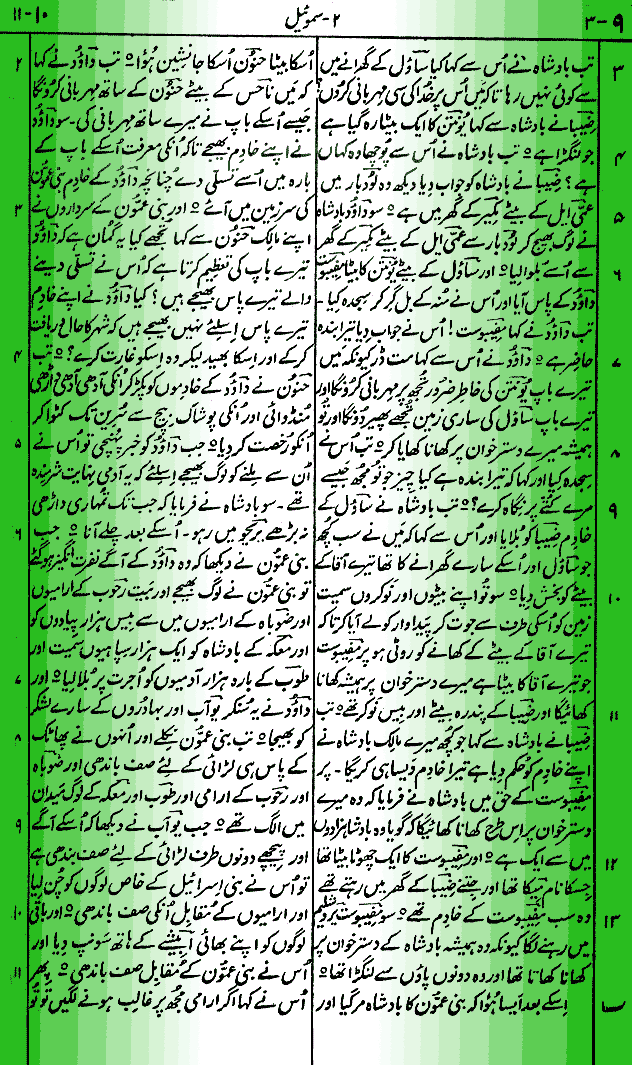
2 Samuel Chapter 9: David’s Kindness to Mephibosheth
Verse 3
Verse: And the king said Is there not yet any of the house of Saul that I may shew the kindness of God unto him? And Ziba said unto the king Jonathan hath yet a son which is lame on his feet.
-
English Explanation: David seeks to fulfill his covenant with Jonathan by showing “the kindness of God”—a grace that goes beyond human merit. Ziba mentions Jonathan’s son but highlights his disability, perhaps suggesting he is an unlikely candidate for royal favor.
-
Urdu Explanation: بادشاہ داؤد نے ساؤل کے خاندان سے کسی ایسے شخص کی تلاش کی جس پر وہ خدا کی مہربانی کر سکے۔ صیبا نے بتایا کہ یونتن کا ایک بیٹا ابھی زندہ ہے جو دونوں پاؤں سے لنگڑا ہے۔ یہ آیت خدا کے فضل اور عہد کی وفاداری کو ظاہر کرتی ہے۔
Verse 4
Verse: And the king said unto him Where is he? And Ziba said unto the king Behold he is in the house of Machir the son of Ammiel in Lo-debar.
-
English Explanation: David immediately asks for his location. Mephibosheth was living in Lo-debar, a place that signifies “no pasture” or “nothingness,” indicating his humble and hidden state.
-
Urdu Explanation: داؤد نے فوراً اس کا پتہ پوچھا۔ صیبا نے بتایا کہ وہ لودبار میں مکیر کے گھر میں ہے۔ لودبار ایک ایسی جگہ تھی جو پسماندگی کی علامت تھی، جہاں مفیمبوست گمنامی کی زندگی گزار رہا تھا۔
Verse 5
Verse: Then king David sent and fetched him out of the house of Machir the son of Ammiel from Lo-debar.
-
English Explanation: David does not wait for Mephibosheth to come to him; he takes the initiative to bring him out of obscurity and into the palace.
-
Urdu Explanation: بادشاہ داؤد نے اسے بلانے کے لیے آدمی بھیجے اور اسے لودبار سے شاہی محل میں لانے کا انتظام کیا۔ یہ داؤد کی مستعدی اور اس کے رحم دل ہونے کا ثبوت ہے۔
Verse 6
Verse: Now when Mephibosheth the son of Jonathan the son of Saul was come unto David he fell on his face and did reverence. And David said Mephibosheth. And he answered Behold thy servant!
-
English Explanation: Upon meeting David, Mephibosheth shows extreme humility and fear, likely expecting execution as was common for the descendants of a former dynasty. David calls him by name to reassure him.
-
Urdu Explanation: جب مفیمبوست داؤد کے سامنے آیا تو وہ ڈر کے مارے سجدے میں گر گیا۔ داؤد نے اسے نام لے کر پکارا تاکہ اسے سکون ملے، اور مفیمبوست نے نہایت عاجزی سے جواب دیا۔
Verse 7
Verse: And David said unto him Fear not for I will surely shew thee kindness for Jonathan thy father’s sake and will restore thee all the land of Saul thy father and thou shalt eat bread at my table continually.
-
English Explanation: David removes his fear and grants him a three-fold blessing: safety, restoration of ancestral land, and a permanent place at the king’s table.
-
Urdu Explanation: داؤد نے اسے تسلی دی کہ ڈرنے کی ضرورت نہیں۔ اس نے یونتن کی خاطر مفیمبوست کو ساؤل کی تمام زمینیں واپس کر دیں اور اسے اپنے دسترخوان پر شاہی مہمان کے طور پر جگہ دی۔
Verse 8
Verse: And he bowed himself and said What is thy servant that thou shouldest look upon such a dead dog as I am?
-
English Explanation: Mephibosheth’s response (“a dead dog”) shows his low self-esteem and his shock at receiving such unearned mercy.
-
Urdu Explanation: مفیمبوست اپنی کمتری کا اظہار کرتے ہوئے کہتا ہے کہ “مجھ جیسے مردہ کتے پر آپ کی اتنی نظرِ کرم کیوں؟” وہ خود کو اس شاہی فضل کے قابل نہیں سمجھتا تھا۔
Verse 9
Verse: Then the king called to Ziba Saul’s servant and said unto him I have given unto thy master’s son all that pertained to Saul and to all his house.
-
English Explanation: David officially transfers the legal ownership of Saul’s estate to Mephibosheth, making him a wealthy man instantly.
-
Urdu Explanation: بادشاہ نے صیبا کو حکم دیا کہ ساؤل کی تمام جائیداد اب مفیمبوست کی ملکیت ہے۔ یہ قانونی طور پر وراثت کی بحالی تھی۔
Verse 10
Verse: Thou therefore and thy sons and thy servants shall till the land for him and thou shalt bring in the fruits that thy master’s son may have food to eat but Mephibosheth thy master’s son shall eat bread alway at my table. Now Ziba had fifteen sons and twenty servants.
-
English Explanation: David organizes the labor. Ziba and his large household were to farm the land for Mephibosheth, providing him with income while he lived in the palace.
-
Urdu Explanation: داؤد نے صیبا کو حکم دیا کہ وہ اور اس کے بیٹے مفیمبوست کی زمینوں پر کاشتکاری کریں تاکہ اس کا گھرانہ خوشحال رہے، جبکہ مفیمبوست خود بادشاہ کے ساتھ کھانا کھائے گا۔
Verse 11
Verse: Then said Ziba unto the king According to all that my lord the king hath commanded his servant so shall thy servant do. As for Mephibosheth said the king he shall eat at my table as one of the king’s sons.
-
English Explanation: Ziba agrees to the commands. The text emphasizes that Mephibosheth was treated exactly like David’s own biological children.
-
Urdu Explanation: صیبا نے حکم کی تعمیل کا وعدہ کیا۔ داؤد نے مفیمبوست کو اپنے بیٹوں کی طرح درجہ دیا، جو کہ ایک عظیم اعزاز تھا۔
Verse 12
Verse: And Mephibosheth had a young son whose name was Micha. And all that dwelt in the house of Ziba were servants unto Mephibosheth.
-
English Explanation: The lineage of Jonathan is preserved through Micha. This confirms the total restoration of the family’s status and security.
-
Urdu Explanation: مفیمبوست کا ایک چھوٹا بیٹا تھا جس کا نام میکاہ تھا۔ صیبا کا پورا خاندان اب مفیمبوست کی خدمت گزاری میں شامل ہو گیا تھا۔
Verse 13
Verse: So Mephibosheth dwelt in Jerusalem for he did eat continually at the king’s table and was lame on both his feet.
-
English Explanation: The chapter ends by highlighting the contrast: Mephibosheth remains “lame,” but he sits at the “king’s table.” Grace does not always remove our weaknesses, but it gives us a place of honor despite them.
-
Urdu Explanation: مفیمبوست یروشلم میں رہنے لگا۔ وہ اگرچہ لنگڑا تھا، لیکن بادشاہ کے فضل نے اسے محل میں جگہ دی تھی۔ یہ آیت ہمیں یاد دلاتی ہے کہ خدا کا فضل ہماری کمزوریوں کے باوجود ہمیں قبول کرتا ہے۔
2 Samuel Chapter 10: The Ammonite Insult and War
Verse 1
Verse: And it came to pass after this that the king of the children of Ammon died and Hanun his son reigned in his stead.
-
English Explanation: A transition of power occurs in the neighboring nation of Ammon. David sees this as an opportunity to extend diplomatic kindness.
-
Urdu Explanation: عمونیوں کے بادشاہ کی وفات ہوئی اور اس کا بیٹا حنون تخت نشین ہوا۔ داؤد نے اس موقع پر ہمدردی کا اظہار کرنا چاہا۔
Verse 2
Verse: Then said David I will shew kindness unto Hanun the son of Nahash as his father shewed kindness unto me. And David sent to comfort him by the hand of his servants for his father. And David’s servants came into the land of the children of Ammon.
-
English Explanation: David recalls the kindness of Nahash and sends a delegation to offer condolences. This shows David’s heart for peace and gratitude.
-
Urdu Explanation: داؤد نے حنون کے باپ کی پرانی احسان مندی کو یاد کرتے ہوئے تعزیتی وفد بھیجا تاکہ دکھ کی گھڑی میں ان کا ساتھ دے سکے۔
Verse 3
Verse: And the princes of the children of Ammon said unto Hanun their lord Thinkest thou that David doth honour thy father that he hath sent comforters unto thee? hath not David rather sent his servants unto thee to search the city and to spy it out and to overthrow it?
-
English Explanation: Hanun’s advisors are cynical and paranoid. They misinterpret David’s gesture of peace as a military ruse for spying.
-
Urdu Explanation: حنون کے مشیروں نے اسے بہکایا کہ داؤد ہمدردی نہیں بلکہ جاسوسی کے لیے اپنے آدمی بھیجے ہیں تاکہ شہر پر قبضہ کر سکے۔
Verse 4
Verse: Wherefore Hanun took David’s servants and shaved off the one half of their beards and cut off their garments in the middle even to their buttocks and sent them away.
-
English Explanation: Hanun commits a grave diplomatic insult. Shaving the beard and cutting clothes was a way to humiliate and dehumanize the messengers.
-
Urdu Explanation: حنون نے داؤد کے خادموں کی آدھی داڑھیاں مونڈ دیں اور ان کے کپڑے بیچ سے کاٹ کر انہیں ذلیل کر کے واپس بھیج دیا۔
Verse 5
Verse: When they told it unto David he sent to meet them because the men were greatly ashamed and the king said Tarry at Jericho until your beards be grown and then return.
-
English Explanation: David shows sensitivity to his men’s dignity. He allows them to stay in Jericho until they are no longer shamed by their appearance.
-
Urdu Explanation: جب داؤد کو معلوم ہوا تو اس نے ان کی شرمندگی کو محسوس کرتے ہوئے انہیں یریحو میں ٹھہرنے کا حکم دیا جب تک کہ ان کی داڑھیاں دوبارہ نہ بڑھ جائیں۔
Verse 6
Verse: And when the children of Ammon saw that they stank before David the children of Ammon sent and hired the Syrians of Beth-rehob and the Syrians of Zoba twenty thousand footmen and of king Maacah a thousand men and of Ish-tob twelve thousand men.
-
English Explanation: Realizing they have provoked David to war, the Ammonites hire mercenaries (Syrians) to bolster their defenses, escalating the conflict.
-
Urdu Explanation: عمونیوں کو احساس ہوا کہ انہوں نے داؤد کو ناراض کر دیا ہے، لہذا انہوں نے اپنی حفاظت کے لیے شامیوں اور دیگر قبائل سے ہزاروں کرائے کے فوجی بھرتی کیے۔
Verse 7
Verse: And when David heard of it he sent Joab and all the host of the mighty men.
-
English Explanation: David responds to the mobilization of enemy forces by sending his commander Joab and his elite troops.
-
Urdu Explanation: جب داؤد کو اس جنگی تیاری کی خبر ملی تو اس نے یوآب اور اپنے تمام سورماؤں کو جنگ کے لیے بھیجا۔
Verse 8
Verse: And the children of Ammon came out and put the battle in array at the entering in of the gate and the Syrians of Zoba and of Rehob and Ish-tob and Maacah were by themselves in the field.
-
English Explanation: The enemy splits their forces: the Ammonites guard the city gate while the Syrian mercenaries wait in the open field to trap Israel.
-
Urdu Explanation: دشمن نے دو محاذ بنائے: عمونی شہر کے پھاٹک پر اور شامی کھلے میدان میں لڑنے کے لیے تیار کھڑے تھے۔
Verse 9
Verse: When Joab saw that the front of the battle was against him before and behind he chose of all the choice men of Israel and put them in array against the Syrians.
-
English Explanation: Joab realizes he is surrounded. He takes the best soldiers to face the more dangerous threat—the Syrians.
-
Urdu Explanation: جب یوآب نے دیکھا کہ وہ دونوں طرف سے گھرا ہوا ہے، تو اس نے منتخب اسرائیلی فوجیوں کو اپنے ساتھ لیا تاکہ پہلے شامیوں کا مقابلہ کر سکے۔
Verse 10
Verse: And the rest of the people he delivered into the hand of Abishai his brother that he might put them in array against the children of Ammon.
-
English Explanation: Joab entrusts the remaining troops to his brother Abishai to hold off the Ammonites.
-
Urdu Explanation: باقی فوج اس نے اپنے بھائی ابیشے کے حوالے کی تاکہ وہ عمونیوں کے حملے کو روک سکے۔
Verse 11
Verse: And he said If the Syrians be too strong for me then thou shalt help me but if the children of Ammon be too strong for thee then I will come and help thee.
-
English Explanation: This verse shows military strategy and brotherhood. They agree to support whichever side begins to fail, displaying unity under pressure.
-
Urdu Explanation: یوآب نے حکمتِ عملی طے کی کہ اگر شامی مجھ پر غالب آنے لگیں تو تم میری مدد کرنا، اور اگر عمونی تم پر غالب آئیں تو میں تمہاری مدد کو آؤں گا۔ یہ اتحاد کی بہترین مثال ہے۔