Verse 12
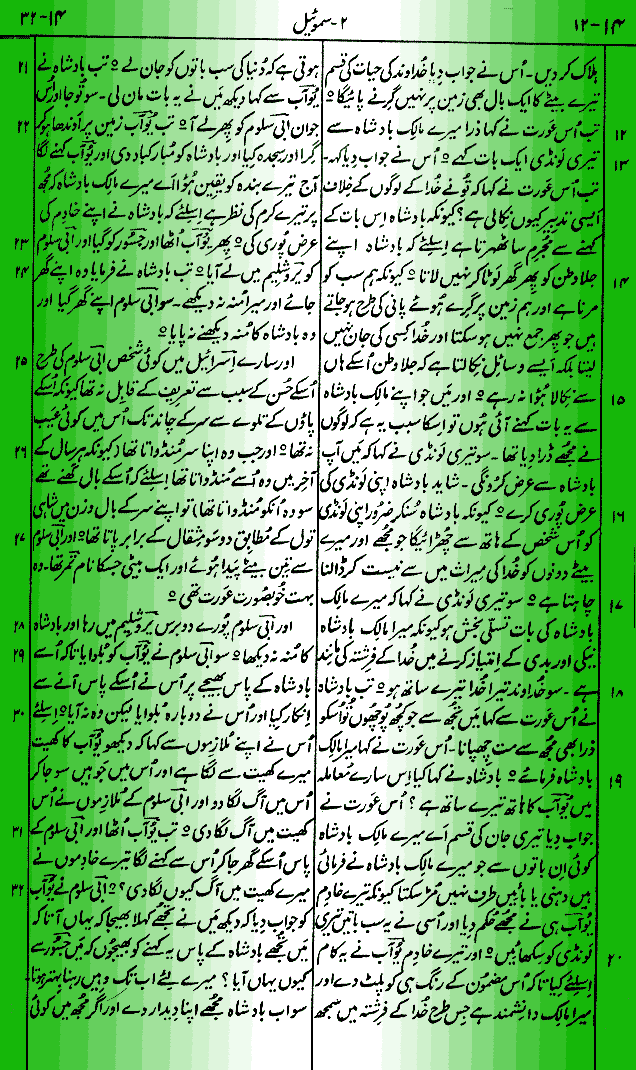
Verse: Then the woman said Let thine handmaid I pray thee speak one word unto my lord the king And he said Say on English Explanation: Having gained David’s sympathy with a fictional story, the woman asks permission to make a direct application of her parable to the King’s own life. Urdu Explanation: خاتون نے بادشاہ سے ایک اور بات کرنے کی اجازت مانگی تاکہ وہ اپنی اصل بات کی طرف آ سکے۔ بادشاہ نے اسے بات جاری رکھنے کی اجازت دی۔
Verse 13
Verse: And the woman said Wherefore then hast thou thought such a thing against the people of God for the king doth speak this thing as one which is faulty in that the king doth not fetch home again his banished English Explanation: She boldly accuses David of inconsistency. By protecting her “son” in the parable but leaving his own son (Absalom) in exile, David is acting against the interests of the nation. Urdu Explanation: اس نے بادشاہ کو احساس دلایا کہ وہ اپنے جلاوطن بیٹے (ابشلوم) کو واپس نہ بلا کر خدا کے لوگوں کے خلاف کام کر رہا ہے اور اس کا یہ فیصلہ غلط ہے۔
Verse 14
Verse: For we must needs die and are as water spilt on the ground which cannot be gathered up again neither doth God respect any person yet doth he devise means that his banished be not expelled from him English Explanation: A profound theological statement. Life is fragile like spilled water, but God is merciful. She argues that God provides ways for the “banished” to return, so David should mimic God’s mercy. Urdu Explanation: زندگی زمین پر گرے ہوئے پانی کی طرح ہے جسے جمع نہیں کیا جا سکتا۔ لیکن خدا رحم کرنے والا ہے اور وہ ایسے ذرائع پیدا کرتا ہے کہ اس کے لوگ اس سے دور نہ رہیں۔
Verse 15
Verse: Now therefore that I am come to speak of this thing unto my lord the king it is because the people have made me afraid and thy handmaid said I will now speak unto the king it may be that the king will perform the request of his handmaid English Explanation: She frames her intervention as a response to the public’s concern, suggesting she approached David out of a sense of duty to the kingdom’s peace. Urdu Explanation: وہ کہتی ہے کہ وہ عوام کے خوف اور ان کی فکر کی وجہ سے بادشاہ کے پاس آئی ہے تاکہ بادشاہ اپنی کنیز کی درخواست پر عمل کرے۔
Verse 16
Verse: For the king will hear to deliver his handmaid out of the hand of the man that would destroy me and my son together out of the inheritance of God English Explanation: She expresses confidence that the King’s sense of justice will protect the future of Israel’s families and their spiritual inheritance. Urdu Explanation: اسے یقین ہے کہ بادشاہ اسے اور اس کے بیٹے کو تباہی سے بچائے گا اور خدا کی میراث کو محفوظ رکھے گا۔
Verse 17
Verse: Then thine handmaid said The word of my lord the king shall now be comfortable for as an angel of God so is my lord the king to discern good and bad therefore the LORD thy God will be with thee English Explanation: She flatters David, comparing his wisdom to that of an angel, capable of discerning the truth behind her words. Urdu Explanation: وہ بادشاہ کی حکمت کی تعریف کرتی ہے اور اسے خدا کے فرشتے کی مانند قرار دیتی ہے جو اچھے اور برے میں تمیز کر سکتا ہے۔
Verse 18
Verse: Then the king answered and said unto the woman Hide not from me I pray thee the thing that I shall ask thee And the woman said Let my lord the king now speak English Explanation: David senses a setup. He asks her to be honest about who prompted this elaborate performance. Urdu Explanation: بادشاہ کو شک ہو گیا کہ اس سب کے پیچھے کوئی اور ہے۔ اس نے عورت سے سچ بولنے کا کہا۔
Verse 19
Verse: And the king said Is not the hand of Joab with thee in all this And the woman answered and said As thy soul liveth my lord the king none can turn to the right hand or to the left from ought that my lord the king hath spoken for thy servant Joab he bade me and he put all these words in the mouth of thine handmaid English Explanation: David correctly identifies Joab as the mastermind. The woman confesses that Joab coached her on exactly what to say. Urdu Explanation: بادشاہ نے پوچھا کیا یہ سب یوآب کی منصوبہ بندی ہے؟ عورت نے اعتراف کیا کہ یوآب ہی نے اسے یہ سب سکھایا تھا۔
Verse 20
Verse: To fetch about this form of speech hath thy servant Joab done this thing and my lord is wise according to the wisdom of an angel of God to know all things that are in the earth English Explanation: She explains Joab’s motive was to change the King’s mind regarding Absalom’s exile, again praising David’s insight. Urdu Explanation: اس نے بتایا کہ یوآب نے یہ سب اس لیے کیا تاکہ صورتحال کو بدلا جا سکے اور ابشلوم کی واپسی کی راہ ہموار ہو۔
Verse 21
Verse: And the king said unto Joab Behold now I have done this thing go therefore bring the young man Absalom again English Explanation: David yields to the pressure and Joab’s logic. He commands Joab to bring Absalom back from Geshur. Urdu Explanation: بادشاہ نے یوآب کو حکم دیا کہ جاؤ اور نوجوان ابشلوم کو واپس لے آؤ۔
Verse 22
Verse: And Joab fell to the ground on his face and bowed himself and thanked the king and Joab said To day thy servant knoweth that I have found grace in thy sight my lord O king in that the king hath fulfilled the request of his servant English Explanation: Joab shows extreme gratitude, recognizing that the King’s compliance is a sign of personal favor toward him. Urdu Explanation: یوآب نے بادشاہ کا شکریہ ادا کیا اور سجدہ کیا کہ بادشاہ نے اس کی عرضی قبول کر لی۔
Verse 23
Verse: So Joab arose and went to Geshur and brought Absalom to Jerusalem English Explanation: Joab travels to Geshur (where Absalom was staying with his maternal grandfather) and brings him back to the capital. Urdu Explanation: یوآب جسور گیا اور ابشلوم کو واپس یروشلم لے آیا۔
Verse 24
Verse: And the king said Let him turn to his own house and let him not see my face So Absalom returned to his own house and saw not the king’s face English Explanation: A partial reconciliation. David allows Absalom back in the city but refuses to see him personally, showing his lingering anger and the unresolved nature of Absalom’s sin. Urdu Explanation: بادشاہ نے ابشلوم کو یروشلم آنے کی اجازت تو دی لیکن اسے اپنے سامنے آنے سے منع کر دیا، یعنی مکمل معافی نہیں ملی تھی۔
Verse 25
Verse: But in all Israel there was none to be so much praised as Absalom for his beauty from the sole of his foot even to the crown of his head there was no blemish in him English Explanation: The text pauses to describe Absalom’s physical perfection, which contributed to his immense popularity among the people. Urdu Explanation: ابشلوم اپنی خوبصورتی کے لیے پورے اسرائیل میں مشہور تھا اور اس کے جسم میں کوئی نقص نہیں تھا۔
Verse 26
Verse: And when he polled his head (for it was at every year’s end that he polled it because the hair was heavy on him therefore he polled it) he weighed the hair of his head at two hundred shekels after the king’s weight English Explanation: A detail about his heavy hair, which was cut annually and weighed significantly. This foreshadows how his hair would later lead to his downfall. Urdu Explanation: اس کے بال اتنے گھنے تھے کہ سال کے آخر میں جب وہ کٹواتا تو ان کا وزن دو سو مثقال (شاہی وزن کے مطابق) ہوتا تھا۔
Verse 27
Verse: And unto Absalom there were born three sons and one daughter whose name was Tamar she was a woman of a fair countenance English Explanation: Absalom’s family is mentioned; he named his daughter Tamar, likely after his sister who had been wronged by Amnon. Urdu Explanation: ابشلوم کے تین بیٹے اور ایک بیٹی تھی جس کا نام تمر تھا اور وہ نہایت خوبصورت تھی۔
Verse 28
Verse: So Absalom dwelt two full years in Jerusalem and saw not the king’s face English Explanation: For two years, Absalom lived in isolation from the royal court, creating a sense of resentment that would eventually lead to rebellion. Urdu Explanation: ابشلوم دو سال تک یروشلم میں رہا لیکن بادشاہ (داؤد) نے اسے ملاقات کا موقع نہیں دیا۔
Verse 29
Verse: Therefore Absalom sent for Joab to have sent him to the king but he would not come to him and when he sent again the second time he would not come English Explanation: Absalom seeks Joab’s help to fully reconcile with David, but Joab, perhaps fearing the King’s mood, ignores him. Urdu Explanation: ابشلوم نے یوآب کو بلوایا تاکہ وہ بادشاہ سے اس کی سفارش کرے، لیکن یوآب نہیں آیا۔
Verse 30
Verse: Therefore he said unto his servants See Joab’s field is near mine and he hath barley there go and set it on fire And Absalom’s servants set the field on fire English Explanation: In a fit of frustration and characteristic aggression, Absalom orders his servants to burn Joab’s crops to force a meeting. Urdu Explanation: ابشلوم نے غصے میں آ کر اپنے خادموں سے یوآب کے جو کے کھیت کو آگ لگوا دی تاکہ یوآب مجبور ہو کر اس کے پاس آئے۔
Verse 31
Verse: Then Joab arose and came to Absalom unto his house and said unto him Wherefore have thy servants set my field on fire English Explanation: The tactic works. Joab confronts Absalom about the destruction of his property. Urdu Explanation: یوآب ابشلوم کے گھر آیا اور پوچھا کہ میرے کھیت کو آگ کیوں لگائی؟
Verse 32
Verse: And Absalom answered Joab Behold I sent unto thee saying Come hither that I may send thee to the king to say Wherefore am I come from Geshur it had been good for me to have been there still now therefore let me see the king’s face and if there be any iniquity in me let him kill me English Explanation: Absalom demands a resolution. He argues that being in Jerusalem without seeing the King is worse than being in exile. He challenges David to either forgive him or execute him. Urdu Explanation: ابشلوم نے کہا کہ اس سے بہتر تو یہ تھا کہ میں جلاوطنی میں ہی رہتا۔ اس نے مطالبہ کیا کہ یا تو بادشاہ اسے معاف کرے یا پھر اسے مار ڈالے۔
Verse 33
Verse: So Joab came to the king and told him and when he had called for Absalom he came to the king and bowed himself on his face to the ground before the king and the king kissed Absalom English Explanation: Joab conveys the message. David finally summons Absalom. They reconcile with a kiss, though the future would show that the reconciliation was superficial. Urdu Explanation: یوآب نے بادشاہ کو سب بتایا۔ بادشاہ نے ابشلوم کو بلوایا، ابشلوم نے سجدہ کیا اور بادشاہ نے اسے چوما، یوں بظاہر صلح ہو گئی۔