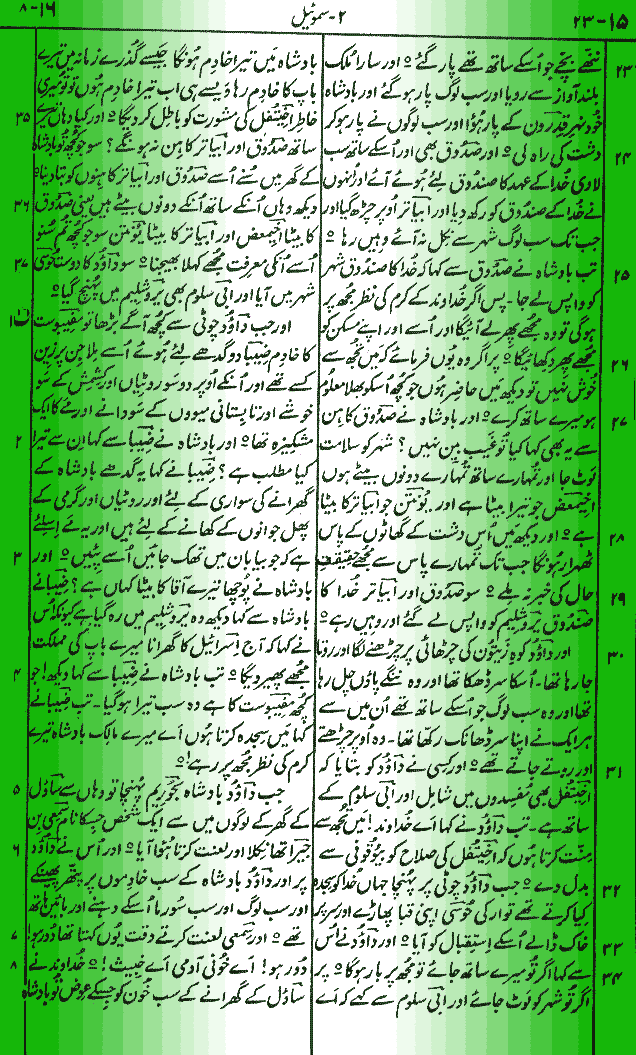
2 Samuel 15:23
Verse: And all the country wept with a loud voice and all the people passed over the king also himself passed over the brook Kidron and all the people passed over toward the way of the wilderness.
-
English Explanation: This marks a moment of national mourning. As David leaves his capital to avoid a bloody civil war with his son Absalom, the loyalty of the common people is evident through their tears. Crossing the “Brook Kidron” is symbolic, as it represents leaving the holy city for the trials of the desert.
-
Urdu Explanation: تمام ملک بلند آواز سے رو رہا تھا اور تمام لوگ عبور کر گئے۔ بادشاہ خود بھی وادی قدرون کے پار گیا اور سب لوگ بیابان کی راہ کی طرف بڑھ گئے۔ یہ داؤد کی زندگی کا ایک انتہائی غمگین لمحہ تھا جہاں وہ اپنے ہی بیٹے کے خوف سے شہر چھوڑ رہا تھا۔
2 Samuel 15:24
Verse: And lo Zadok also and all the Levites were with him bearing the ark of the covenant of God and they set down the ark of God and Abiathar went up until all the people had done passing out of the city.
-
English Explanation: Religious leaders Zadok and the Levites brought the Ark of the Covenant, the symbol of God’s presence, to accompany David. They paused its movement to allow the fleeing masses to gather, showing that the spiritual heart of Israel was still with David.
-
Urdu Explanation: صدوق اور تمام لاوی خدا کے عہد کا صندوق اٹھائے ہوئے داؤد کے ساتھ تھے۔ انہوں نے خدا کا صندوق وہاں رکھ دیا جب تک کہ تمام لوگ شہر سے باہر نہ نکل گئے۔ یہ اس بات کی علامت تھی کہ روحانی قیادت اب بھی داؤد کے ساتھ ہے۔
2 Samuel 15:25
Verse: And the king said unto Zadok Carry back the ark of God into the city if I shall find favour in the eyes of the LORD he will bring me again and shew me both it and his habitation.
-
English Explanation: David shows profound humility and faith. He refuses to use the Ark as a “good luck charm” or political tool. He believes that if God wills his return, God will bring him back to the Tabernacle in Jerusalem.
-
Urdu Explanation: داؤد نے صدوق سے کہا کہ خدا کے صندوق کو واپس شہر لے جاؤ۔ اگر مجھ پر خدا کا کرم ہوا تو وہ مجھے واپس لائے گا اور مجھے اپنا گھر اور یہ صندوق دوبارہ دکھائے گا۔ داؤد نے اپنی قسمت خدا کے ہاتھ میں چھوڑ دی۔
2 Samuel 15:26
Verse: But if he thus say I have no delight in thee behold here am I let him do to me as seemeth good unto him.
-
English Explanation: This is the ultimate expression of submission to Divine Will. David acknowledges that if God is finished with his kingship, he accepts whatever judgment or outcome God deems appropriate.
-
Urdu Explanation: لیکن اگر خدا نے کہا کہ وہ مجھ سے خوش نہیں ہے تو میں حاضر ہوں وہ میرے ساتھ وہی کرے جو اسے پسند ہو۔ یہ داؤد کے کامل ایمان اور تابعداری کی نشانی ہے۔
2 Samuel 15:27–29
Verses: The king said also unto Zadok the priest Art not thou a seer return into the city in peace and your two sons with you Ahimaaz thy son and Jonathan the son of Abiathar. See I will tarry in the plain of the wilderness until there come word from you to certify me. Zadok therefore and Abiathar carried the ark of God again to Jerusalem and they tarried there.
-
English Explanation: David strategically asks the priests to serve as his eyes and ears in Jerusalem. By sending them back with the Ark, he establishes an intelligence network using their sons as messengers.
-
Urdu Explanation: بادشاہ نے صدوق کاہن سے کہا کہ تم واپس شہر چلے جاؤ اور اپنے بیٹوں کو بھی ساتھ لے جاؤ۔ میں بیابان میں تمہارے پیغام کا انتظار کروں گا۔ چنانچہ وہ صندوق لے کر یروشلم واپس چلے گئے۔
2 Samuel 15:30
Verse: And David went up by the ascent of mount Olivet and wept as he went up and had his head covered and he went barefoot and all the people that was with him covered every man his head and they went up weeping as they went up.
-
English Explanation: The Mount of Olives becomes a place of intense sorrow. David’s bare feet and covered head are traditional signs of deep mourning and humiliation. This foreshadows Jesus’ own agony in Gethsemane on the same mountain.
-
Urdu Explanation: داؤد زیتون کے پہاڑ پر چڑھتے ہوئے رو رہا تھا اس کا سر ڈھکا ہوا تھا اور وہ ننگے پاؤں تھا۔ اس کے ساتھی بھی روتے ہوئے اپنے سر ڈھانپ کر پہاڑ پر چڑھ رہے تھے۔ یہ غم اور عاجزی کی انتہا تھی۔
2 Samuel 15:31
Verse: And one told David saying Ahithophel is among the conspirators with Absalom And David said O LORD I pray thee turn the counsel of Ahithophel into foolishness.
-
English Explanation: Ahithophel was David’s most brilliant advisor. Learning of his betrayal was a devastating blow. David immediately turns to prayer, asking God to frustrate Ahithophel’s wisdom.
-
Urdu Explanation: جب داؤد کو پتہ چلا کہ اس کا خاص مشیر اخیتو فل بھی باغیوں کے ساتھ ہے تو داؤد نے دعا کی کہ “اے خداوند اخیتو فل کے مشورے کو حماقت میں بدل دے”۔
2 Samuel 15:32–37
Verses Summary: David meets Hushai at the summit. He instructs Hushai to return to Jerusalem and pretend to serve Absalom to counter Ahithophel’s advice. Hushai agrees and returns to the city just as Absalom enters.
-
English Explanation: David uses “Hushai the Archite” as a secret agent. Instead of having Hushai join him in exile (where he’d be a burden), David sends him to infiltrate Absalom’s court. This is the practical answer to David’s prayer in verse 31.
-
Urdu Explanation: داؤد کو اس کا دوست حوشئی ملا۔ داؤد نے اسے مشورہ دیا کہ وہ واپس یروشلم جائے اور ابی سلوم کا وفادار بن کر اخیتو فل کے مشوروں کو ناکام بنائے۔ حوشئی نے ایسا ہی کیا تاکہ وہ اندرونی طور پر داؤد کی مدد کر سکے۔
2 Samuel 16:1–4
Verses Summary: Ziba, the servant of Mephibosheth, meets David with supplies. He claims Mephibosheth stayed in Jerusalem hoping to regain Saul’s kingdom. David, believing the lie, grants Mephibosheth’s lands to Ziba.
-
English Explanation: This passage shows the complexity of David’s trial. Ziba provides much-needed food but uses the opportunity to slander his master, Mephibosheth. David makes a hasty judgment under pressure, rewarding Ziba.
-
Urdu Explanation: مفی بوست کا خادم صیبا داؤد کے لیے کھانا اور سواریاں لے کر آیا۔ اس نے داؤد سے جھوٹ بولا کہ اس کا مالک مفی بوست غداری کر رہا ہے۔ داؤد نے جذبات میں آکر مفی بوست کی جائیداد صیبا کو دے دی۔
2 Samuel 16:5–8
Verses Summary: At Bahurim, Shimei (of Saul’s clan) curses David and throws stones, calling him a “bloody man” and claiming God is punishing David for taking Saul’s throne.
-
English Explanation: Shimei represents the lingering resentment of the house of Saul. He interprets David’s misfortune as divine retribution. David’s restraint here (refusing to kill Shimei) shows his spiritual growth and willingness to accept whatever “shame” God allows.
-
Urdu Explanation: جب داؤد بحوریم پہنچا تو شمعی نامی شخص نے اسے بددعائیں دیں اور پتھر مارے۔ اس نے داؤد پر الزام لگایا کہ یہ سب ساؤل کے خاندان کے خون کا بدلہ ہے۔ داؤد نے خاموشی سے یہ سب برداشت کیا کیونکہ اس کا خیال تھا کہ شاید خدا ہی اسے یہ سب دکھا رہا ہے۔