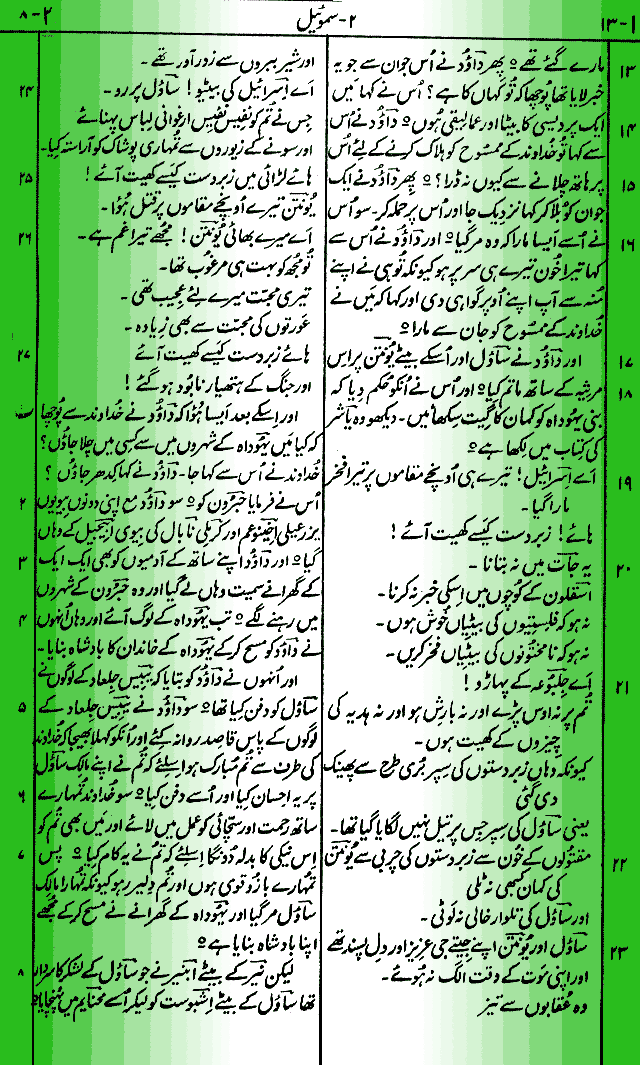
Verse by Verse Commentary (2 Samuel 1:13 – 2:8)
2 Samuel 1:13
Verse: And David said unto the young man that told him Whence art thou And he answered I am the son of a stranger an Amalekite
-
English Explanation: David questions the messenger’s origins. The man identifies as an Amalekite, a nation often at odds with Israel, which makes his claim of killing the King of Israel even more dangerous for him.
-
Urdu Explanation: داؤد نے اس نوجوان سے اس کی پہچان پوچھی۔ اس نے جواب دیا کہ وہ ایک مسافر کا بیٹا ہے اور قومِ عمالیق سے تعلق رکھتا ہے۔ یہ اس کی زندگی کا سب سے بڑا خطرہ بننے والا تھا۔
2 Samuel 1:14
Verse: And David said unto him How wast thou not afraid to stretch forth thine hand to destroy the LORD’s anointed
-
English Explanation: David is horrified. He respects the office of the King, seeing Saul as chosen by God. He asks how the man dared to kill someone consecrated by God.
-
Urdu Explanation: داؤد نے اس سے کہا کہ تجھے خدا کے ممسوح (جسے خدا نے چنا ہو) کو ہلاک کرنے میں خوف کیوں نہ آیا؟ داؤد کے نزدیک بادشاہ کا عہدہ بہت مقدس تھا۔
2 Samuel 1:15
Verse: And David called one of the young men and said Go near and fall upon him And he smote him that he died
-
English Explanation: Based on the Amalekite’s own confession of killing Saul, David orders his execution. It serves as a warning that touching God’s chosen leader has lethal consequences.
-
Urdu Explanation: داؤد نے اپنے ایک آدمی کو حکم دیا کہ اسے قتل کر دے۔ اس عمالیقی نے خود اعتراف کیا تھا کہ اس نے ساؤل کو مارا ہے، لہٰذا اسے موت کی سزا دی گئی۔
2 Samuel 1:16
Verse: And David said unto him Thy blood be upon thy head for thy mouth hath testified against thee saying I have slain the LORD’s anointed
-
English Explanation: David clarifies that the man is responsible for his own death. His own words served as the evidence needed for his judgment.
-
Urdu Explanation: داؤد نے کہا کہ تیرا خون تیری ہی گردن پر ہے کیونکہ تیرے اپنے ہی منہ نے تیرے خلاف گواہی دی کہ تو نے خدا کے ممسوح کو قتل کیا ہے۔
2 Samuel 1:17
Verse: And David lamented with this lamentation over Saul and over Jonathan his son
-
English Explanation: Despite Saul’s past attempts to kill David, David shows true character by mourning deeply for the King and his dear friend Jonathan.
-
Urdu Explanation: داؤد نے ساؤل اور اس کے بیٹے یونتن کی موت پر گہرے دکھ کا اظہار کیا اور ایک مرثیہ (ماتمی گیت) لکھا۔
2 Samuel 1:18
Verse: Also he bade them teach the children of Judah the use of the bow behold it is written in the book of Jasher
-
English Explanation: David orders military training (the “Song of the Bow”) for his people to honor the fallen and prepare for future battles, referencing a historical record called the Book of Jasher.
-
Urdu Explanation: اس نے حکم دیا کہ یہوداہ کے لوگوں کو کمان چلانے کی تربیت دی جائے تاکہ وہ جنگ کے لیے تیار ہوں، جیسا کہ یاشر کی کتاب میں درج ہے۔
2 Samuel 1:19
Verse: The beauty of Israel is slain upon thy high places how are the mighty fallen
-
English Explanation: A poetic cry of grief. David laments the loss of Israel’s glory and the death of its powerful leaders on the battlefield.
-
Urdu Explanation: اسرائیل کی شان (بہادر سپاہی) بلندیوں پر ماری گئی ہے۔ افسوس کہ اتنے بڑے سورما کیسے گر گئے!
2 Samuel 1:20
Verse: Tell it not in Gath publish it not in the streets of Askelon lest the daughters of the Philistines rejoice lest the daughters of the uncircumcised triumph
-
English Explanation: David wishes the news of the defeat to remain hidden from enemy cities like Gath, so the Philistines cannot celebrate Israel’s humiliation.
-
Urdu Explanation: داؤد نہیں چاہتا تھا کہ دشمن کے شہروں (جات اور اشقِلون) میں اس شکست کا چرچا ہو، مبادا دشمن کی بیٹیاں اسرائیل کی اس حالت پر خوش ہوں۔
2 Samuel 1:21
Verse: Ye mountains of Gilboa let there be no dew neither let there be rain upon you nor fields of offerings for there the shield of the mighty is vilely cast away the shield of Saul as though he had not been anointed with oil
-
English Explanation: David curses the site of the battle, wishing for barrenness because it is where the royal shield of Saul was discarded in defeat.
-
Urdu Explanation: جلبوع کے پہاڑوں پر بددعا دی گئی کہ وہاں نہ اوس پڑے نہ بارش، کیونکہ وہاں ساؤل کی ڈھال کی توہین ہوئی اور بہادروں کا زوال ہوا۔
2 Samuel 1:22
Verse: From the blood of the slain from the fat of the mighty the bow of Jonathan turned not back and the sword of Saul returned not empty
-
English Explanation: David honors the military prowess of Saul and Jonathan, noting that they were always effective and brave in combat until the very end.
-
Urdu Explanation: یونتن کی کمان اور ساؤل کی تلوار نے کبھی دشمن کو معاف نہیں کیا تھا۔ وہ جنگ کے میدان میں ہمیشہ کامیاب اور طاقتور رہے تھے۔
2 Samuel 1:23
Verse: Saul and Jonathan were lovely and pleasant in their lives and in their death they were not divided they were swifter than eagles they were stronger than lions
-
English Explanation: This verse celebrates the bond between father and son. They lived together and died together, possessing attributes of the fastest and strongest creatures.
-
Urdu Explanation: ساؤل اور یونتن جیتے جی ایک دوسرے سے جڑے رہے اور موت میں بھی الگ نہ ہوئے۔ وہ عقابوں سے تیز اور شیروں سے زیادہ طاقتور تھے۔
2 Samuel 1:24
Verse: Ye daughters of Israel weep over Saul who clothed you in scarlet with other delights who put on ornaments of gold upon your apparel
-
English Explanation: David calls the women of Israel to mourn, reminding them of the economic prosperity and luxury they enjoyed under Saul’s reign.
-
Urdu Explanation: اے اسرائیل کی بیٹیو، ساؤل پر آنسو بہاؤ جس نے تمہیں قیمتی لباس اور سونے کے زیورات سے آراستہ کیا تھا۔
2 Samuel 1:25
Verse: How are the mighty fallen in the midst of the battle O Jonathan thou was slain in thine high places
-
English Explanation: A repeated refrain of grief specifically focused on Jonathan, emphasizing the tragedy of a hero dying on the battlefield.
-
Urdu Explanation: جنگ کے دوران سورما کیسے ڈھیر ہو گئے۔ اے یونتن، تو اپنی ہی بلندیوں پر مارا گیا۔
2 Samuel 1:26
Verse: I am distressed for thee my brother Jonathan very pleasant hast thou been unto me thy love to me was wonderful passing the love of women
-
English Explanation: David expresses his deep, personal soul-tie with Jonathan. Their friendship was deeper and more loyal than any other earthly relationship David had known.
-
Urdu Explanation: داؤد اپنے بھائی یونتن کے لیے تڑپ اٹھا۔ وہ کہتا ہے کہ یونتن کی محبت اس کے لیے عورتوں کی محبت سے بھی بڑھ کر اور بے مثال تھی۔
2 Samuel 1:27
Verse: How are the mighty fallen and the weapons of war perished
-
English Explanation: The final line of the lament emphasizes that not just the men, but the military strength and glory of the nation have suffered a massive blow.
-
Urdu Explanation: افسوس کہ بہادر گر گئے اور جنگ کے ہتھیار (طاقت) برباد ہو گئے۔
2 Samuel 2:1
Verse: And it came to pass after this that David enquired of the LORD saying Shall I go up into any of the cities of Judah And the LORD said unto him Go up And David said Whither shall I go up And he said Unto Hebron
-
English Explanation: David demonstrates spiritual maturity by seeking God’s guidance before taking the throne. God directs him specifically to Hebron.
-
Urdu Explanation: ساؤل کی وفات کے بعد داؤد نے خدا سے مشورہ کیا کہ کیا وہ یہوداہ کے کسی شہر میں جائے؟ خدا نے اسے حبرون جانے کا حکم دیا۔
2 Samuel 2:2
Verse: So David went up thither and his two wives also Ahinoam the Jezreelitess and Abigail Nabal’s wife the Carmelite
-
English Explanation: David obeys God immediately, moving his family to Hebron to establish his new base of operations.
-
Urdu Explanation: داؤد اپنی دونوں بیویوں، اخینوعم اور ابیجیل کے ساتھ حبرون کی طرف روانہ ہوا۔
2 Samuel 2:3
Verse: And his men that were with him did David bring up every man with his household and they dwelt in the cities of Hebron
-
English Explanation: David does not go alone; he brings all the loyal men who stayed with him during his exile, ensuring their families are settled and cared for.
-
Urdu Explanation: داؤد اپنے وفادار ساتھیوں اور ان کے خاندانوں کو بھی ساتھ لایا اور وہ سب حبرون کے علاقوں میں بس گئے۔
2 Samuel 2:4
Verse: And the men of Judah came and there they anointed David king over the house of Judah And they told David saying That the men of Jabesh-gilead were they that buried Saul
-
English Explanation: David is officially recognized as King by the tribe of Judah. He is also informed of the brave act by the people of Jabesh-gilead who rescued Saul’s body.
-
Urdu Explanation: یہوداہ کے لوگوں نے داؤد کو اپنا بادشاہ چن لیا۔ اسی دوران اسے پتہ چلا کہ یبیش جلعاد کے لوگوں نے ساؤل کی تدفین کی ہے۔
2 Samuel 2:5
Verse: And David sent messengers unto the men of Jabesh-gilead and said unto them Blessed be ye of the LORD that ye have shewed this kindness unto your lord even unto Saul and have buried him
-
English Explanation: Instead of being jealous of Saul’s memory, David sends a blessing to those who honored his predecessor, showing his noble heart.
-
Urdu Explanation: داؤد نے یبیش جلعاد کے لوگوں کو پیغام بھیجا کہ خدا تم پر برکت نازل کرے کیونکہ تم نے اپنے آقا ساؤل کے ساتھ وفاداری اور نیکی کی۔
2 Samuel 2:6
Verse: And now the LORD shew kindness and truth unto you and I also will requite you this kindness because ye have done this thing
-
English Explanation: David prays for God’s mercy upon them and promises that he personally will also reward them for their loyalty to Saul.
-
Urdu Explanation: داؤد نے دعا کی کہ خدا ان پر رحم کرے اور وعدہ کیا کہ وہ خود بھی ان کی اس نیکی کا بدلہ دے گا۔
2 Samuel 2:7
Verse: Therefore now let your hands be strengthened and be ye valiant for your master Saul is dead and also the house of Judah have anointed me king over them
-
English Explanation: David encourages them to stay strong. He also diplomatically mentions that Judah has anointed him king, inviting them to recognize his leadership.
-
Urdu Explanation: اس نے انہیں حوصلہ دیا کہ وہ بہادر بنیں، کیونکہ ساؤل تو فوت ہو چکا ہے لیکن اب یہوداہ نے داؤد کو بادشاہ بنا لیا ہے۔
2 Samuel 2:8
Verse: But Abner the son of Ner captain of Saul’s host took Ish-bosheth the son of Saul and brought him over to Mahanaim
-
English Explanation: Conflict arises as Abner (Saul’s general) attempts to keep the kingdom in Saul’s family by crowning Saul’s son, Ish-bosheth, setting the stage for a divided nation.
-
Urdu Explanation: لیکن ساؤل کے سپہ سالار ابنیر نے ساؤل کے بیٹے اشبوست کو بادشاہ بنانے کی کوشش کی، جس سے ملک میں تقسیم کی بنیاد پڑی۔