Verse-by-Verse Commentary
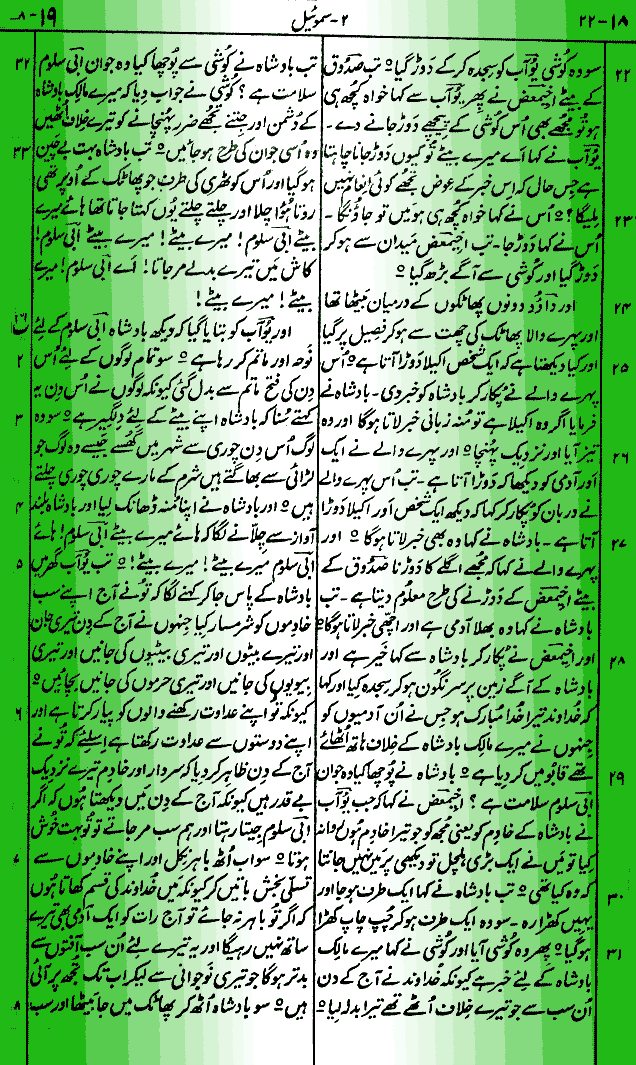
2 Samuel 18:22
Verse: Then said Ahimaaz the son of Zadok yet again to Joab But howsoever let me I pray thee also run after Cushi And Joab said Wherefore wilt thou run my son seeing that thou hast no tidings ready
-
English Explanation: Ahimaaz is eager to deliver the news of the victory. However, Joab hesitates because the “news” includes the death of the King’s son, which carries no reward and potential danger for the messenger.
-
Urdu Explanation: اخیمعض جو صدوق کا بیٹا تھا وہ خبر لے کر جانے کے لیے بے قرار تھا۔ لیکن یوآب نے اسے روکا کیونکہ وہ جانتا تھا کہ خوشخبری کے ساتھ شہزادے کی موت کی المناک خبر بھی ہے جس کا صلہ اچھا نہیں ملے گا۔
2 Samuel 18:23
Verse: But howsoever said he let me run And he said unto him Run Then Ahimaaz ran by the way of the plain and overran Cushi
-
English Explanation: Despite the warning, Ahimaaz insists. Joab finally relents. Ahimaaz, being faster and taking the flatter route of the plain, overtakes the first messenger, Cushi.
-
Urdu Explanation: اخیمعض کے اصرار پر یوآب نے اسے جانے کی اجازت دے دی۔ اخیمعض نے میدانی راستہ اختیار کیا اور اپنی تیزی کی وجہ سے کوشی سے آگے نکل گیا۔
2 Samuel 18:24
Verse: And David sat between the two gates and the watchman went up to the roof over the gate unto the wall and lifted up his eyes and looked and behold a man running alone
-
English Explanation: King David is waiting in suspense for news from the battlefield. The watchman spots a single runner, which usually indicated good news rather than a retreating army.
-
Urdu Explanation: بادشاہ داؤد شہر کے دو پھاٹکوں کے درمیان بیٹھا خبر کا منتظر تھا۔ پہرے دار نے دیوار پر چڑھ کر دیکھا کہ ایک آدمی اکیلا دوڑا آ رہا ہے جو کہ فتح کی علامت تھی۔
2 Samuel 18:25
Verse: And the watchman cried and told the king And the king said If he be alone there is tidings in his mouth And he came apace and drew near
-
English Explanation: David reasons that a single runner brings a specific message. If the army had been defeated, many would be fleeing together.
-
Urdu Explanation: پہرے دار نے بادشاہ کو بتایا۔ داؤد نے کہا کہ اگر وہ اکیلا ہے تو ضرور کوئی خاص خبر لایا ہے۔ جیسے جیسے وہ قریب آیا، امید بڑھتی گئی۔
2 Samuel 18:26
Verse: And the watchman saw another man running and the watchman called unto the porter and said Behold another man running alone And the king said He also bringeth tidings
-
English Explanation: A second runner (Cushi) is spotted. David remains hopeful that the abundance of messengers signifies a total victory.
-
Urdu Explanation: پہرے دار نے دوسرے شخص کو دوڑتے دیکھا۔ داؤد نے اسے بھی خوشخبری کا پیغامبر سمجھا اور اپنی فتح کے حوالے سے پر امید رہا۔
2 Samuel 18:27
Verse: And the watchman said Me thinketh the running of the foremost is like the running of Ahimaaz the son of Zadok And the king said He is a good man and cometh with good tidings
-
English Explanation: The watchman recognizes Ahimaaz’s running style. David trusts Ahimaaz’s character, believing such a faithful man would only bring positive reports.
-
Urdu Explanation: پہرے دار نے اخیمعض کی چال پہچان لی۔ داؤد نے کہا کہ وہ ایک نیک آدمی ہے اور یقیناً اچھی خبر ہی لایا ہوگا۔
2 Samuel 18:28
Verse: And Ahimaaz called and said unto the king All is well And he fell down to the earth upon his face before the king and said Blessed be the LORD thy God which hath delivered up the men that lifted up their hand against my lord the king
-
English Explanation: Ahimaaz announces the victory and praises God for the defeat of the rebels, but he avoids the direct topic of Absalom’s fate initially.
-
Urdu Explanation: اخیمعض نے آتے ہی “سب خیریت ہے” کا نعرہ لگایا اور سجدہ کر کے خدا کا شکر ادا کیا کہ دشمن کو شکست ہوئی ہے۔
2 Samuel 18:29
Verse: And the king said Is the young man Absalom safe And Ahimaaz answered When Joab sent the king’s servant and me thy servant I saw a great tumult but I knew not what it was
-
English Explanation: David’s only concern is his son. Ahimaaz, fearing the King’s reaction, gives a vague answer, claiming he saw a commotion but didn’t know the details.
-
Urdu Explanation: داؤد کا پہلا سوال ابشلوم کی خیریت کے بارے میں تھا۔ اخیمعض گھبرا گیا اور سچ چھپاتے ہوئے کہا کہ اس نے صرف ہنگامہ دیکھا لیکن تفصیل معلوم نہیں۔
2 Samuel 18:30
Verse: And the king said unto him Turn aside and stand here And he turned aside and stood still
-
English Explanation: David tells Ahimaaz to wait as the second messenger arrives to provide the full picture.
-
Urdu Explanation: بادشاہ نے اسے ایک طرف کھڑے ہونے کا حکم دیا تاکہ وہ دوسرے پیغامبر سے بات کر سکے۔
2 Samuel 18:31
Verse: And behold Cushi came and Cushi said Tidings my lord the king for the LORD hath avenged thee this day of all them that rose up against thee
-
English Explanation: Cushi arrives and more bluntly declares that God has granted the King vengeance over all his enemies.
-
Urdu Explanation: کوشی پہنچا اور اس نے صاف الفاظ میں کہا کہ خدا نے بادشاہ کو اس کے تمام دشمنوں پر فتح عطا کی ہے۔
2 Samuel 18:32
Verse: And the king said unto Cushi Is the young man Absalom safe And Cushi answered The enemies of my lord the king and all that rise against thee to do thee hurt be as that young man is
-
English Explanation: David asks the same question about Absalom. Cushi answers poetically but clearly: he wishes all the King’s enemies were as that young man—meaning, Absalom is dead.
-
Urdu Explanation: داؤد نے پھر ابشلوم کا پوچھا۔ کوشی نے جواب دیا کہ بادشاہ کے تمام دشمنوں کا انجام وہی ہو جو اس نوجوان کا ہوا ہے، یعنی وہ مارا گیا۔
2 Samuel 18:33
Verse: And the king was much moved and went up to the chamber over the gate and wept and as he went thus he said O my son Absalom my son my son Absalom! would God I had died for thee O Absalom my son my son!
-
English Explanation: This is one of the most tragic moments in the Bible. David’s grief as a father outweighs his triumph as a king. He wishes he could have died in place of his rebellious son.
-
Urdu Explanation: داؤد یہ سن کر غم سے نڈھال ہو گیا۔ وہ روتے ہوئے پکارنے لگا: “اے میرے بیٹے ابشلوم! کاش میں تیری جگہ مر جاتا!” یہ ایک باپ کا انتہائی دکھ بھرا اظہار تھا۔
Chapter 19
2 Samuel 19:1
Verse: And it was told Joab Behold the king weepeth and mourneth for Absalom
-
English Explanation: News reaches Joab that David is completely consumed by grief, ignoring the victory of his troops.
-
Urdu Explanation: یوآب کو خبر ملی کہ بادشاہ اپنی فتح کا جشن منانے کے بجائے ابشلوم کے لیے ماتم کر رہا ہے۔
2 Samuel 19:2
Verse: And the victory that day was turned into mourning unto all the people for the people heard say that day how the king was grieved for his son
-
English Explanation: The atmosphere changes from celebration to gloom. The soldiers feel guilty for winning because it caused the King such sorrow.
-
Urdu Explanation: فتح کا دن سوگ میں بدل گیا۔ سپاہیوں نے جب سنا کہ بادشاہ غمزدہ ہے تو ان کی خوشی ختم ہو گئی۔
2 Samuel 19:3
Verse: And the people gat them by stealth that day into the city as people being ashamed steal away when they flee in battle
-
English Explanation: Instead of a triumphal parade, the victorious soldiers sneak back into the city like cowards who lost a fight.
-
Urdu Explanation: فوج شہر میں اس طرح چھپ کر داخل ہوئی جیسے وہ جنگ ہار کر آئے ہوں اور شرمندہ ہوں۔
2 Samuel 19:4
Verse: But the king covered his face and the king cried with a loud voice O my son Absalom O Absalom my son my son!
-
English Explanation: David remains isolated in his grief, publicly wailing for his son, oblivious to the political and military consequences.
-
Urdu Explanation: بادشاہ نے اپنا چہرہ ڈھانپ لیا اور زار و قطار روتا رہا، اسے ارد گرد کے حالات کی کوئی پرواہ نہ تھی۔
2 Samuel 19:5
Verse: And Joab came into the house to the king and said Thou hast shamed this day the faces of all thy servants which this day have saved thy life and the lives of thy sons and of thy daughters and the lives of thy wives and the lives of thy concubines
-
English Explanation: Joab confronts David, telling him that his reaction has humiliated the loyal people who risked their lives to save his family and throne.
-
Urdu Explanation: یوآب نے بادشاہ کے پاس جا کر اسے سخت الفاظ میں ٹوکا کہ تم نے ان لوگوں کو شرمندہ کیا ہے جنہوں نے تمہاری اور تمہارے خاندان کی جان بچائی۔
2 Samuel 19:6
Verse: In that thou lovest thine enemies and hatest thy friends For thou hast declared this day that thou regardest neither princes nor servants for this day I perceive that if Absalom had lived and all we had died this day then it had pleased thee well
-
English Explanation: Joab accuses David of perverting his loyalties—loving the son who tried to kill him and hating the friends who protected him.
-
Urdu Explanation: یوآب نے کہا کہ تم دشمنوں سے محبت اور دوستوں سے نفرت کر رہے ہو۔ ایسا لگتا ہے کہ اگر ہم سب مر جاتے اور ابشلوم زندہ رہتا تو تم خوش ہوتے۔
2 Samuel 19:7
Verse: Now therefore arise go forth and speak comfortably unto thy servants for I swear by the LORD if thou go not forth there will not tarry one with thee this night and that will be worse unto thee than all the evil that befell thee from thy youth until now
-
English Explanation: Joab gives David an ultimatum: go out and encourage the troops or face a total desertion that would be worse than any disaster he has ever faced.
-
Urdu Explanation: یوآب نے دھمکی دی کہ اگر تم ابھی باہر جا کر اپنی فوج کا حوصلہ نہیں بڑھاؤ گے تو آج رات کوئی تمہارے ساتھ نہیں رہے گا، اور یہ تمہاری زندگی کی سب سے بڑی آفت ہوگی۔
2 Samuel 19:8
Verse: Then the king arose and sat in the gate And they told unto all the people saying Behold the king doth sit in the gate And all the people came before the king for Israel had fled every man to his tent
-
English Explanation: Recognizing the truth in Joab’s harsh words, David takes his seat at the gate. This act of leadership restores order and brings the people back to him.
-
Urdu Explanation: داؤد نے یوآب کی بات مانی اور پھاٹک پر آ کر بیٹھ گیا۔ جب لوگوں کو معلوم ہوا تو وہ سب بادشاہ کے پاس جمع ہو گئے اور نظم و ضبط بحال ہوا۔