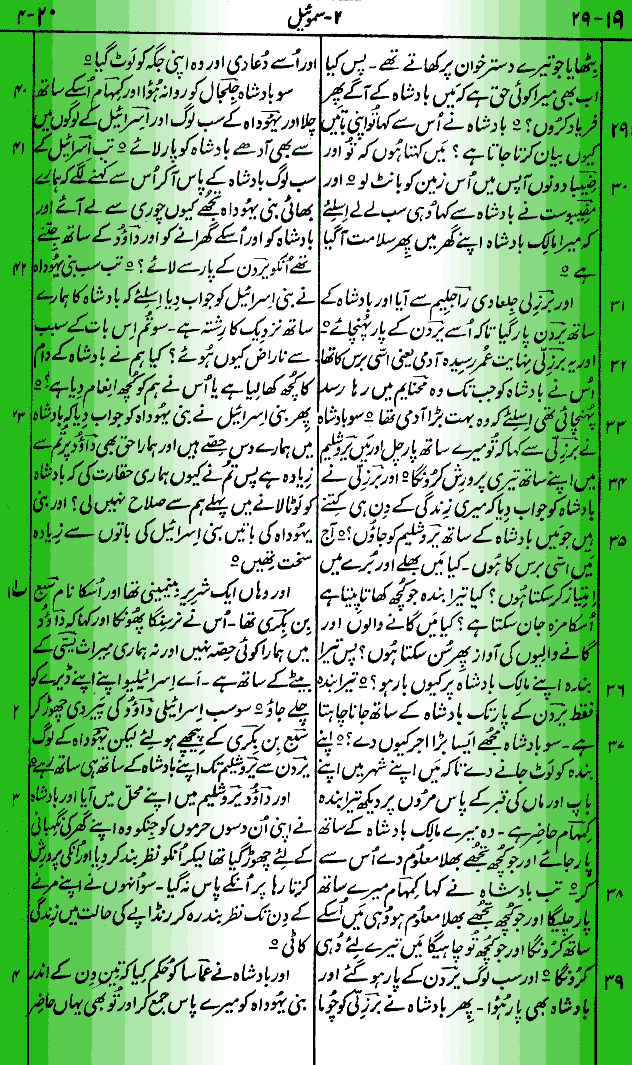
Verse by Verse Explanation
2 Samuel 19:29
Verse: And the king said unto him Why speakest thou any more of thy matters? I have said Thou and Ziba divide the land
-
English: David, weary of the conflicting stories between Mephibosheth and Ziba, decides to split the land between them. It is a pragmatic, though perhaps imperfect, judicial decision to move past the dispute.
-
Urdu: بادشاہ نے اس سے کہا کہ تو اپنی باتوں کا ذکر اب اور کیوں کرتا ہے؟ میں نے کہہ دیا ہے کہ تو اور صِیبا زمین کو آپس میں بانٹ لو۔ داؤد نے مفِیبوست اور صِیبا کے تنازع کو ختم کرنے کے لیے زمین تقسیم کرنے کا حکم دیا۔
2 Samuel 19:30
Verse: And Mephibosheth said unto the king Yea let him take all forasmuch as my lord the king is come again in peace unto his own house
-
English: Mephibosheth shows incredible humility and loyalty. He doesn’t care about the property; his only joy is that the King (David) has returned safely.
-
Urdu: مفِیبوست نے بادشاہ سے کہا کہ وہ سب کچھ ہی لے لے کیونکہ میرا مالک بادشاہ اپنے گھر میں سلامتی سے واپس آ گیا ہے۔ مفِیبوست کی وفاداری اس کے مال سے بڑھ کر تھی۔
2 Samuel 19:31
Verse: And Barzillai the Gileadite came down from Rogelim and went over Jordan with the king to conduct him over Jordan
-
English: Barzillai, a wealthy supporter, comes to personally escort David across the river, showing his continued dedication.
-
Urdu: اور برزلی جِلعادی روگلیم سے نیچے آیا اور بادشاہ کے ساتھ یردن پار گیا تاکہ اسے یردن کے پار رخصت کرے۔
2 Samuel 19:32
Verse: Now Barzillai was a very aged man even fourscore years old and he had provided the king of sustenance while he lay at Mahanaim for he was a very great man
-
English: At 80 years old, Barzillai had used his great wealth to feed David’s army during the rebellion. He was “great” in both status and character.
-
Urdu: برزلی بہت بوڑھا تھا یعنی اسّی برس کا۔ جب بادشاہ محنایم میں تھا تو اس نے بادشاہ کی پرورش کی تھی کیونکہ وہ بہت بڑا آدمی تھا۔
2 Samuel 19:33
Verse: And the king said unto Barzillai Come thou over with me and I will feed thee with me in Jerusalem
-
English: David offers Barzillai a place of honor at the royal court in Jerusalem as a reward for his life-saving hospitality.
-
Urdu: بادشاہ نے برزلی سے کہا کہ تو میرے ساتھ چل اور میں یروشلم میں اپنے پاس تیری پرورش کروں گا۔
2 Samuel 19:34
Verse: And Barzillai said unto the king How long have I to live that I should go up with the king unto Jerusalem?
-
English: Barzillai politely declines, citing his old age. He realizes he is near the end of his life and prefers the comfort of home.
-
Urdu: برزلی نے بادشاہ سے کہا کہ میری عمر اب کتنی باقی ہے کہ میں بادشاہ کے ساتھ یروشلم جاؤں؟ وہ اپنی ضعیفی کی وجہ سے معذرت کرتا ہے۔
2 Samuel 19:35
Verse: I am this day fourscore years old and can I discern between good and evil? can thy servant taste what I eat or what I drink? can I hear any more the voice of singing men and singing women? wherefore then should thy servant be yet a burden unto my lord the king?
-
English: He explains that his senses (taste, hearing) are failing, and he does not wish to be a burden to the King’s court.
-
Urdu: میں آج اسّی برس کا ہوں؛ کیا میں اب اچھے اور برے میں تمیز کر سکتا ہوں؟ کیا اب کھانے پینے کا مزہ لے سکتا ہوں یا گانے والوں کی آواز سن سکتا ہوں؟ میں بادشاہ پر بوجھ نہیں بننا چاہتا۔
2 Samuel 19:36
Verse: Thy servant will go a little way over Jordan with the king and why should the king recompense it me with such a reward?
-
English: He considers his service a simple duty and sees no need for such a grand reward.
-
Urdu: تیرا خادم بادشاہ کے ساتھ یردن کے پار ذرا دور تک جائے گا۔ بادشاہ مجھے ایسا بڑا بدلہ کیوں دینا چاہتا ہے؟
2 Samuel 19:37
Verse: Let thy servant I pray thee turn back again that I may die in mine own city and be buried by the grave of my father and of my mother. But behold thy servant Chimham let him go over with my lord the king and do to him what shall seem good unto thee
-
English: Barzillai requests to die in his own city but offers his son (or servant), Chimham, to go in his place.
-
Urdu: مجھے واپس جانے دیں تاکہ میں اپنے شہر میں اپنے ماں باپ کی قبر کے پاس مروں۔ لیکن دیکھ تیرا خادم کِمہام بادشاہ کے ساتھ جائے گا؛ جو تجھے پسند ہو اس کے ساتھ وہ کر۔
2 Samuel 19:38
Verse: And the king answered Chimham shall go over with me and I will do to him that which shall seem good unto thee and whatsoever thou shalt require of me that will I do for thee
-
English: David agrees to care for Chimham and promises to grant any other request Barzillai might have.
-
Urdu: بادشاہ نے جواب دیا کہ کِمہام میرے ساتھ جائے گا اور جو کچھ تجھے پسند ہو گا میں اس کے ساتھ وہی کروں گا اور جو کچھ تو مجھ سے مانگے گا میں تیرے لیے کروں گا۔
2 Samuel 19:39
Verse: And all the people went over Jordan. And when the king was come over the king kissed Barzillai and blessed him and he returned unto his own place
-
English: A touching moment of departure where David blesses his faithful friend before they part ways.
-
Urdu: سب لوگ یردن کے پار گئے اور جب بادشاہ پار اترا تو اس نے برزلی کو چوما اور اسے دعا دی؛ اور وہ اپنے مکان کو واپس چلا گیا۔
2 Samuel 19:40
Verse: Then the king went on to Gilgal and Chimham went on with him and all the people of Judah conducted the king and also half the people of Israel
-
English: David continues to Gilgal, but a tribal rift begins to show as Judah is more prominent in his escort than the other tribes.
-
Urdu: بادشاہ جِلجال کو گیا اور کِمہام اس کے ساتھ تھا۔ یہوداہ کے سب لوگ اور اسرائیل کے آدھے لوگ بادشاہ کو پار لے گئے۔
2 Samuel 19:41
Verse: And behold all the men of Israel came to the king and said unto the king Why have our brethren the men of Judah stolen thee away and have brought the king and his household and all Davids men with him over Jordan?
-
English: The northern tribes (Israel) feel excluded and accuse the tribe of Judah of “stealing” the honor of bringing David back.
-
Urdu: اسرائیل کے سب لوگ بادشاہ کے پاس آئے اور کہا کہ ہمارے بھائی یہوداہ والے تجھے کیوں چرا لائے اور بادشاہ اور اس کے گھرانے کو یردن کے پار کیوں لائے؟
2 Samuel 19:42
Verse: And all the men of Judah answered the men of Israel Because the king is near of kin to us wherefore then be ye angry for this matter? have we eaten at all of the kings cost? or hath he given us any gift?
-
English: Judah defends themselves, saying David is their close relative and they didn’t do it for money or gifts.
-
Urdu: یہوداہ کے لوگوں نے جواب دیا کہ بادشاہ ہمارا قریبی رشتہ دار ہے؛ تم اس بات پر کیوں غصہ کرتے ہو؟ کیا ہم نے بادشاہ کا کچھ کھایا ہے یا اس نے ہمیں کوئی انعام دیا ہے؟
2 Samuel 19:43
Verse: And the men of Israel answered the men of Judah and said We have ten parts in the king and we have also more right in David than ye why then did ye despise us that our advice should not be first had in bringing back our king? And the words of the men of Judah were fiercer than the words of the men of Israel
-
English: Israel argues that as ten tribes, they have a larger stake in the King. The argument turns bitter and aggressive.
-
Urdu: اسرائیل کے لوگوں نے کہا کہ بادشاہ میں ہمارے دس حصے ہیں اور داؤد پر ہمارا تم سے زیادہ حق ہے؛ تم نے ہمیں حقیر کیوں سمجھا؟ یہوداہ کے لوگوں کی باتیں اسرائیل کے لوگوں سے زیادہ سخت تھیں۔
Chapter 20
2 Samuel 20:1
Verse: And there happened to be there a man of Belial whose name was Sheba the son of Bichri a Benjamite and he blew a trumpet and said We have no part in David neither have we inheritance in the son of Jesse every man to his tents O Israel
-
English: A troublemaker named Sheba takes advantage of the tribal friction to start a new rebellion against David’s authority.
-
Urdu: وہاں شبع بن بِکری نامی ایک شریر آدمی تھا جس نے نرسنگا بجا کر کہا کہ داؤد میں ہمارا کوئی حصہ نہیں اور یسّی کے بیٹے میں ہماری کوئی میراث نہیں؛ اے اسرا ئیلیو اپنے اپنے ڈیروں کو چلے جاؤ۔
2 Samuel 20:2
Verse: So every man of Israel went up from after David and followed Sheba the son of Bichri but the men of Judah clave unto their king from Jordan even to Jerusalem
-
English: The northern tribes follow Sheba, while Judah remains loyal to David as they travel toward Jerusalem.
-
Urdu: سو اسرائیل کے سب لوگ داؤد کو چھوڑ کر شبع کے پیچھے ہو لیے لیکن یہوداہ کے لوگ یردن سے لے کر یروشلم تک اپنے بادشاہ کے ساتھ چمٹے رہے۔
2 Samuel 20:3
Verse: And David came to his house at Jerusalem and the king took the ten women his concubines whom he had left to keep the house and put them in ward and fed them but went not in unto them So they were shut up unto the day of their death living in widowhood
-
English: David deals with the consequences of Absalom’s public sin with his concubines. He provides for them but isolates them for the rest of their lives.
-
Urdu: داؤد یروشلم میں اپنے گھر آیا اور ان دس حرموں کو جنہیں وہ گھر کی حفاظت کے لیے چھوڑ گیا تھا قید خانے میں ڈال دیا اور ان کی پرورش کرتا رہا پر ان کے پاس نہ گیا؛ وہ اپنی موت کے دن تک بیوگی کی حالت میں رہیں۔
2 Samuel 20:4
Verse: Then said the king to Amasa Assemble me the men of Judah within three days and be thou here present
-
English: To suppress Sheba’s rebellion, David commands Amasa (his new commander) to mobilize the army of Judah quickly.
-
Urdu: بادشاہ نے عماسا سے کہا کہ یہوداہ کے لوگوں کو تین دن کے اندر میرے پاس جمع کر اور تو بھی یہاں حاضر ہو۔