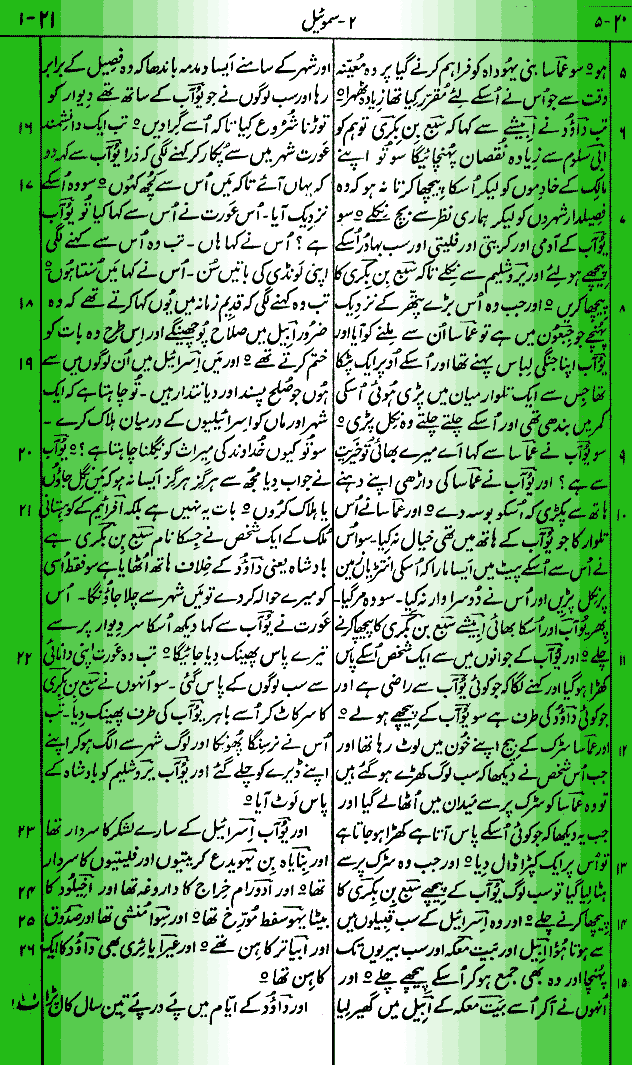
Verse 5
Verse: So Amasa went to assemble the men of Judah but he tarried longer than the set time which he had appointed him English: Amasa was tasked by David to gather the army within three days. His delay created a window of opportunity for the rebel Sheba to strengthen his position, causing King David significant anxiety. Urdu: عماسا یہوداہ کے مردوں کو جمع کرنے گیا لیکن اُس نے اُس مقررہ وقت سے زیادہ دیر کر دی جو بادشاہ نے اُس کے لیے طے کیا تھا۔
Verse 6
Verse: And David said to Abishai Now shall Sheba the son of Bichri do us more harm than did Absalom take thou thy lord’s servants and pursue after him lest he get him fenced cities and escape us English: Fearing a repeat of Absalom’s massive rebellion, David bypasses Joab (temporarily) and orders Abishai to pursue Sheba immediately before he can hide behind the walls of fortified cities. Urdu: داؤد نے ابیشی سے کہا کہ اب بسری کا بیٹا سبع ہمیں ابشالوم سے بھی زیادہ نقصان پہنچائے گا۔ اپنے مالک کے خادموں کو لے کر اُس کا پیچھا کر ایسا نہ ہو کہ وہ قلعہ بند شہروں میں پناہ لے کر بچ نکلے۔
Verse 7
Verse: And there went out after him Joab’s men and the Cherethites and the Pelethites and all the mighty men and they went out of Jerusalem to pursue after Sheba the son of Bichri English: The elite forces, including David’s professional bodyguards (Cherethites and Pelethites) and Joab’s seasoned veterans, marched out of Jerusalem to suppress the revolt. Urdu: اور یوآب کے آدمی اور کریتی اور فلیتی اور سب بہادر جنگجو اُس کے پیچھے ہو لیے اور یروشلیم سے نکل کر بسری کے بیٹے سبع کا پیچھا کیا۔
Verse 8
Verse: When they were at the great stone which is in Gibeon Amasa went before them And Joab’s garment that he had put on was girded unto him and upon it a girdle with a sword fastened upon his loins in the sheath thereof and as he went forth it fell out English: In a calculated move, Joab arranges for his sword to “accidentally” fall out of its sheath as he approaches Amasa, allowing him to pick it up without appearing threatening. Urdu: جب وہ جبعون کے بڑے پتھر کے پاس پہنچے تو عماسا ان کے سامنے آیا۔ یوآب اپنی جنگی پوشاک پہنے ہوئے تھا اور کمر پر میان میں تلوار بندھی تھی؛ جیسے ہی وہ آگے بڑھا تلوار گر پڑی۔
Verse 9
Verse: And Joab said to Amasa Art thou in health my brother And Joab took Amasa by the beard with the right hand to kiss him English: Joab uses a gesture of intimate friendship and kinship to lower Amasa’s guard. Holding the beard to kiss the cheek was a common Middle Eastern greeting of that era. Urdu: یوآب نے عماسا سے کہا اے میرے بھائی کیا تو خیریت سے ہے؟ اور یوآب نے عماسا کی داڑھی اپنے دائیں ہاتھ سے چومنے کے لیے پکڑ لی۔
Verse 10
Verse: But Amasa took no heed to the sword that was in Joab’s hand so he smote him therewith in the fifth rib and shed out his bowels to the ground and struck him not again and he died So Joab and Abishai his brother pursued after Sheba the son of Bichri English: While Amasa watched the right hand, Joab used his left hand to plunge the sword into Amasa’s abdomen. This brutal assassination allowed Joab to reclaim his position as commander-in-chief. Urdu: لیکن عماسا نے اُس تلوار کا خیال نہ کیا جو یوآب کے ہاتھ میں تھی۔ پس یوآب نے اُس کے پیٹ میں تلوار گھونپ دی اور اُس کی انتڑیاں زمین پر نکل آئیں اور وہ مر گیا۔ پھر یوآب اور ابیشی سبع کے پیچھے روانہ ہوئے۔\
Verse 11
Verse: And one of Joab’s men stood by him and said He that favoureth Joab and he that is for David let him go after Joab English: One of Joab’s soldiers stood by Amasa’s corpse to rally the troops, essentially telling them that if they support David, they must follow Joab. Urdu: یوآب کے جوانوں میں سے ایک عماسا کی لاش کے پاس کھڑا ہو گیا اور پکارا کہ جو کوئی یوآب کا خیر خواہ اور داؤد کا حامی ہے وہ یوآب کے پیچھے چلے۔
Verse 12
Verse: And Amasa wallowed in blood in the midst of the highway And when the man saw that all the people stood still he removed Amasa out of the highway into the field and cast a cloth upon him when he saw that every one that came by him stood still English: The sight of their murdered general caused the army to halt in shock. To prevent a delay in the pursuit of Sheba, the soldier hid the body to keep the men focused on the mission. Urdu: اور عماسا سڑک کے بیچوں بیچ خون میں لت پت پڑا تھا۔ جب اُس شخص نے دیکھا کہ لوگ وہاں ٹھہر جاتے ہیں تو اُس نے لاش کو سڑک سے ہٹا کر کھیت میں ڈال دیا اور اُس پر کپڑا ڈال دیا۔
Verse 13
Verse: When he was removed out of the highway all the people went on after Joab to pursue after Sheba the son of Bichri English: Once the gruesome distraction was out of sight, the military momentum was restored, and the soldiers followed Joab to catch the rebel leader. Urdu: جب وہ سڑک سے ہٹا دیا گیا تو سب لوگ یوآب کے پیچھے ہو لیے تاکہ بسری کے بیٹے سبع کا پیچھا کریں۔
Verse 14
Verse: And he went through all the tribes of Israel unto Abel and to Beth-maachah and all the Berites and they were gathered together and went also after him English: Sheba traveled north through Israelite territory, seeking refuge in the fortified city of Abel Beth-maachah, located near the northern border. Urdu: اور سبع اسرائیل کے سب قبیلوں میں سے گزرتا ہوا ابیل بیت معکہ تک گیا اور تمام بیری جمع ہو کر اُس کے پیچھے ہو لیے۔
Verse 15
Verse: And they came and besieged him in Abel of Beth-maachah and they cast up a bank against the city and it stood in the trench and all the people that were with Joab battered the wall to throw it down English: Joab’s forces laid siege to the city using an earthen ramp (bank) to reach the walls and began battering the defenses to breach the city.
Urdu: اُنہوں نے آ کر ابیل بیت معکہ میں اُس کا محاصرہ کر لیا اور شہر کے سامنے ایک دمدمہ کھڑا کیا اور یوآب کے سب لوگ دیوار گرانے کی کوشش کرنے لگے۔
Verse 16
Verse: Then cried a wise woman out of the city Hear hear say I pray you unto Joab Come near hither that I may speak with thee English: A woman of high standing and wisdom calls out from the wall to halt the destruction, requesting a direct negotiation with the commanding general. Urdu: تب ایک دانا عورت نے شہر کے اندر سے پکارا کہ سنو سنو! یوآب سے کہو کہ یہاں قریب آئے تاکہ میں اُس سے بات کروں۔
Verse 17
Verse: And when he was come near unto her the woman said Art thou Joab And he answered I am he Then she said unto him Hear the words of thine handmaid And he answered I do hear English: They establish identities. The woman demands his full attention before delivering her plea for her city’s survival. Urdu: جب وہ نزدیک آیا تو عورت نے پوچھا کیا تو یوآب ہے؟ اُس نے کہا ہاں میں ہی ہوں۔ تب اُس نے کہا اپنی لونڈی کی بات سن۔ اُس نے جواب دیا میں سن رہا ہوں۔
Verse 18
Verse: Then she spake saying They were wont to speak in old time saying They shall surely ask counsel at Abel and so they ended the matter English: She reminds Joab of the city’s reputation for wisdom and conflict resolution, suggesting that he should have tried diplomacy before resorting to total war. Urdu: تب وہ کہنے لگی کہ پرانے وقتوں میں لوگ کہا کرتے تھے کہ ابیل کے لوگوں سے مشورہ لو اور یوں معاملہ طے پا جاتا تھا۔
Verse 19
Verse: I am one of them that are peaceable and faithful in Israel thou seekest to destroy a city and a mother in Israel why wilt thou swallow up the inheritance of the LORD English: She identifies herself as a representative of the faithful. She challenges Joab for trying to destroy a “mother” city (a significant provincial capital) which belongs to God. Urdu: میں اسرائیل کے صلح پسند اور وفادار لوگوں میں سے ہوں۔ تو اسرائیل کے ایک اہم شہر کو کیوں برباد کرنا چاہتا ہے؟ تو کیوں خُداوند کی میراث کو نگلنا چاہتا ہے؟
Verse 20
Verse: And Joab answered and said Far be it far be it from me that I should swallow up or destroy English: Joab clarifies his intent: he is not interested in civil war or senseless destruction, only in capturing the traitor. Urdu: یوآب نے جواب دیا کہ ایسا ہرگز نہ ہو کہ میں اسے ہلاک یا برباد کروں۔
Verse 21
Verse: The matter is not so but a man of mount Ephraim Sheba the son of Bichri by name hath lifted up his hand against the king even against David deliver him only and I will depart from the city And the woman said unto Joab Behold his head shall be thrown to thee over the wall English: Joab offers a deal: hand over Sheba, and the siege ends. The woman immediately agrees to sacrifice the one rebel to save the thousands of innocent citizens. Urdu: بات یہ نہیں ہے بلکہ کوہِ افرائیم کا ایک شخص سبع نامی بادشاہ داؤد کے خلاف باغی ہو گیا ہے۔ بس اُسے میرے حوالے کر دو تو میں شہر سے چلا جاؤں گا۔ عورت نے کہا دیکھ اُس کا سر دیوار کے اوپر سے تیری طرف پھینک دیا جائے گا۔
Verse 22
Verse: Then the woman went unto all the people in her wisdom And they cut off the head of Sheba the son of Bichri and cast it out to Joab And he blew a trumpet and they retired from the city every man to his tent And Joab returned to Jerusalem unto the king English: The woman convinces the citizens to execute Sheba. His head is thrown over the wall, the war ends instantly, and Joab returns to David in victory. Urdu: تب وہ عورت اپنی دانائی سے سب لوگوں کے پاس گئی۔ انہوں نے سبع کا سر کاٹ کر یوآب کی طرف پھینک دیا۔ تب یوآب نے نرسنگا پھونکا اور وہ شہر سے اپنے ڈیروں کو لوٹ گئے اور یوآب یروشلیم کو بادشاہ کے پاس واپس چلا گیا۔
Verse 23
Verse: Now Joab was over all the host of Israel and Benaiah the son of Jehoiada was over the Cherethites and over the Pelethites English: This section lists David’s cabinet. Despite his murders, Joab remains the supreme commander due to his effectiveness and the army’s loyalty. Urdu: اور یوآب اسرائیل کے تمام لشکر پر تھا اور یہویدع کا بیٹا بنایاہ کریتیوں اور فلیتیوں پر حاکم تھا۔
Verse 24
Verse: And Adoram was over the tribute and Jehoshaphat the son of Ahilud was recorder English: Adoram managed forced labor/taxes, and Jehoshaphat was the royal historian/secretary of state. Urdu: اور ادورام خراج پر تھا اور یہوسفط بن اخیلود وقائع نگار تھا۔
Verse 25
Verse: And Sheva was scribe and Zadok and Abiathar were the priests English: Sheva handled administrative writing/legal matters, while the high priesthood remained shared between the houses of Zadok and Abiathar. Urdu: اور شیوا کاتب تھا اور صادوق اور ابیاتر کاہن تھے۔
Verse 26
Verse: And Ira also the Jairite was a chief ruler about David English: Ira, of the tribe of Manasseh (Jairite), served as a personal advisor or a priest-like official to the King. Urdu: اور عیرا یائری بھی داؤد کا ایک خاص مشیر (یا وزیر) تھا۔