Verse by Verse Commentary
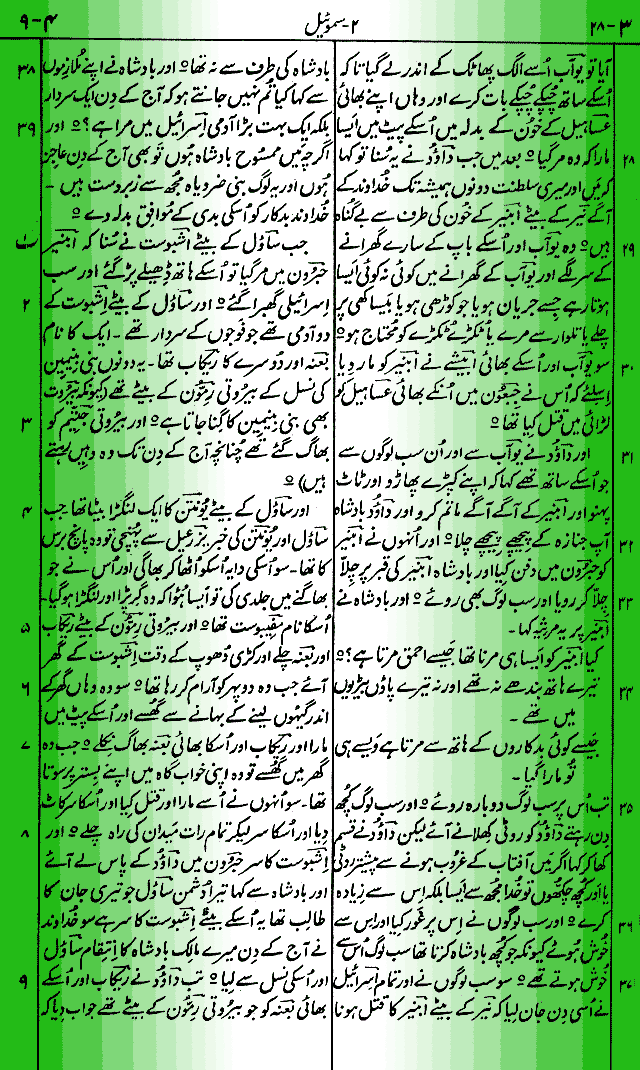
2 Samuel 3:28
Verse: And afterward when David heard it he said I and my kingdom are guiltless before the LORD for ever from the blood of Abner the son of Ner English Explanation: David clarifies his innocence immediately. He wants it recorded in history and before God that Abner’s assassination by Joab was not a state-sponsored execution, but a private act of vengeance. Urdu Explanation: داؤد نے واضح کیا کہ وہ اور ان کی سلطنت ابنیر کے قتل سے پاک ہیں۔ انہوں نے خدا کو گواہ بنا کر کہا کہ یہ قتل ان کے حکم سے نہیں ہوا بلکہ یہ یوآب کا ذاتی فعل تھا۔
2 Samuel 3:29
Verse: Let it rest on the head of Joab and on all his father’s house and let there not fail from the house of Joab one that hath an issue or that is a leper or that leaneth on a staff or that falleth on the sword or that lacketh bread English Explanation: David pronounces a severe curse upon Joab’s lineage. He invokes physical ailments, poverty, and violent deaths as a spiritual consequence for Joab’s betrayal of the peace treaty. Urdu Explanation: داؤد نے یوآب کے خاندان پر لعنت بھیجی کہ ان کے گھرانے میں ہمیشہ بیماری، معذوری، تلوار سے موت اور بھوک رہے۔ یہ یوآب کی غداری اور بے گناہ کے خون کا بدلہ تھا۔
2 Samuel 3:30
Verse: So Joab and Abishai his brother slew Abner because he had slain their brother Asahel at Gibeon in the battle English Explanation: The narrator provides the motive: revenge. Abner had killed their brother Asahel in open combat, but Joab chose to kill Abner in a time of peace, which was a violation of military and moral law. Urdu Explanation: یوآب اور ابیشے نے ابنیر کو اس لیے قتل کیا کیونکہ ابنیر نے ان کے بھائی عساہیل کو جبعون کی جنگ میں مارا تھا۔ یہ ایک انتقامی کارروائی تھی۔
2 Samuel 3:31
Verse: And David said to Joab and to all the people that were with him Rend your clothes and gird you with sackcloth and mourn before Abner And king David himself followed the bier English Explanation: David forces Joab to publicly mourn the man he murdered. By following the funeral procession, David shows the nation his genuine respect for Abner and his grief over the tragedy. Urdu Explanation: داؤد نے یوآب اور سب لوگوں کو حکم دیا کہ غم کا اظہار کریں اور ٹاٹ اوڑھ کر ابنیر کے آگے ماتم کریں۔ بادشاہ خود جنازے کے پیچھے چلا تاکہ اپنی عقیدت کا اظہار کر سکے۔
2 Samuel 3:32
Verse: And they buried Abner in Hebron and the king lifted up his voice and wept at the grave of Abner and all the people wept English Explanation: The public mourning in Hebron served to unite the people. David’s tears were a powerful political and emotional statement that he did not desire the death of his enemies in this manner. Urdu Explanation: ابنیر کو حبرون میں دفن کیا گیا۔ بادشاہ ابنیر کی قبر پر زار و قطار رویا اور اسے دیکھ کر تمام لوگ بھی رونے لگے، جس سے قومی اتحاد ظاہر ہوا۔
2 Samuel 3:33
Verse: And the king lamented over Abner and said Died Abner as a fool dieth English Explanation: David’s lament questions the irony of Abner’s death. A great warrior who survived many battles died not in glory, but like a defenseless fool caught in a trap. Urdu Explanation: بادشاہ نے ابنیر پر نوحہ خوانی کی اور کہا کہ کیا ابنیر کو ایک بیوقوف کی طرح مرنا چاہیے تھا؟ یعنی ایک عظیم جنگجو کی ایسی موت پر داؤد کو دکھ تھا۔
2 Samuel 3:34
Verse: Thy hands were not bound nor thy feet put into fetters as a man falleth before wicked men so fellest thou And all the people wept again over him English Explanation: David notes that Abner wasn’t a prisoner or a criminal; he was free, yet he was struck down by treachery. This highlighted Joab’s wickedness rather than Abner’s weakness. Urdu Explanation: داؤد نے کہا کہ نہ تو تیرے ہاتھ بندھے تھے اور نہ پاؤں زنجیروں میں تھے، بلکہ تو شریر آدمیوں کے ہاتھوں دھوکے سے مارا گیا۔ یہ سن کر لوگ پھر سے رو پڑے۔
2 Samuel 3:35
Verse: And when all the people came to cause David to eat meat while it was yet day David sware saying So do God to me and more also if I taste bread or ought else till the sun be down English Explanation: David practiced a strict fast as a sign of deep mourning. He refused food until sunset, proving to the skeptical public that his grief was sincere and not a performance. Urdu Explanation: لوگوں نے داؤد کو کھانا کھلانے کی کوشش کی لیکن اس نے قسم کھائی کہ وہ سورج ڈھلنے تک کچھ نہیں کھائے گا۔ یہ اس کے گہرے غم کی علامت تھی۔
2 Samuel 3:36
Verse: And all the people took notice of it and it pleased them as whatsoever the king did pleased all the people English Explanation: This was a turning point for David’s popularity. The people saw his integrity and his heart, and they began to trust his leadership completely. Urdu Explanation: سب لوگوں نے اس بات پر غور کیا اور وہ بہت خوش ہوئے کیونکہ بادشاہ کا ہر کام عوام کو پسند آتا تھا اور ان کا اعتماد بحال ہوا۔
2 Samuel 3:37
Verse: For all the people and all Israel understood that day that it was not of the king to slay Abner the son of Ner English Explanation: The main objective was achieved: the nation realized David was innocent of Abner’s blood. This cleared the path for a peaceful unification of Israel. Urdu Explanation: اس دن تمام بنی اسرائیل سمجھ گئے کہ ابنیر کا قتل بادشاہ کی مرضی سے نہیں ہوا تھا، جس سے داؤد پر سے سارا شک دور ہو گیا۔
2 Samuel 3:38
Verse: And the king said unto his servants Know ye not that there is a prince and a great man fallen this day in Israel English Explanation: David acknowledges Abner’s high status. Regardless of their past opposition, David recognized Abner as a “prince and a great man,” showing his ability to honor greatness in others. Urdu Explanation: بادشاہ نے اپنے خادموں سے کہا کہ کیا تم نہیں جانتے کہ آج اسرائیل میں ایک بڑا سردار اور عظیم آدمی کام آیا ہے؟ داؤد نے ابنیر کی عظمت کا اعتراف کیا۔
2 Samuel 3:39
Verse: And I am this day weak though anointed king and these men the sons of Zeruiah be too hard for me the LORD shall reward the doer of evil according to his wickedness English Explanation: David admits his current political struggle. Though he is the king, the sons of Zeruiah (Joab and Abishai) have too much military influence for him to execute them immediately. He leaves their judgment to God. Urdu Explanation: داؤد نے اعتراف کیا کہ اگرچہ وہ مسح کیا ہوا بادشاہ ہے، لیکن یوآب اور اس کے بھائی اس پر غالب آ رہے ہیں۔ اس نے ان کے انجام کو خدا کی عدالت پر چھوڑ دیا۔
Chapter 4
2 Samuel 4:1
Verse: And when Saul’s son heard that Abner was dead in Hebron his hands were feeble and all the Israelites were troubled English Explanation: Ish-bosheth (Saul’s son) lost his main military support with Abner’s death. Without Abner, the northern kingdom lost its resolve, and fear spread among the people. Urdu Explanation: جب ساؤل کے بیٹے (اشبوست) نے سنا کہ ابنیر مر گیا ہے تو اس کے حوصلے پست ہو گئے اور تمام اسرائیلی پریشان ہو گئے۔
2 Samuel 4:2
Verse: And Saul’s son had two men that were captains of bands the name of the one was Baanah and the name of the other Rechab the sons of Rimmon a Beerothite of the children of Benjamin (for Beeroth also was reckoned to Benjamin English Explanation: This verse introduces the villains of Chapter 4. Baanah and Rechab were leaders of raiding parties within Ish-bosheth’s own tribe, Benjamin. Urdu Explanation: ساؤل کے بیٹے کے پاس دو فوجی سردار تھے، بعنہ اور رکاب۔ وہ بنی بنیامین کے قبیلے سے تھے، جو اشبوست کے اپنے لوگ تھے۔
2 Samuel 4:3
Verse: And the Beerothites fled to Gittaim and were sojourners there until this day English Explanation: A parenthetical historical note explaining that the people of Beeroth had relocated to Gittaim. Urdu Explanation: بیروت کے باشندے گتائم کی طرف بھاگ گئے تھے اور وہاں بطور مسافر قیام پذیر تھے۔
2 Samuel 4:4
Verse: And Jonathan Saul’s son had a son that was lame of his feet He was five years old when the tidings came of Saul and Jonathan out of Jezreel and his nurse took him up and fled and it came to pass as she made haste to flee that he fell and became lame And his name was Mephibosheth English Explanation: This verse introduces Mephibosheth, the son of Jonathan. His lameness explains why he was not considered a candidate for the throne at that time, emphasizing the fading strength of Saul’s line. Urdu Explanation: یونتن کا ایک بیٹا تھا جس کا نام مفیبوست تھا اور وہ دونوں پاؤں سے لنگڑا تھا۔ وہ اس وقت زخمی ہوا تھا جب اس کی آیا اسے لے کر بھاگ رہی تھی۔
2 Samuel 4:5
Verse: And the sons of Rimmon the Beerothite Rechab and Baanah went and came about the heat of the day to the house of Ish-bosheth who lay on a bed at noon English Explanation: Taking advantage of the midday heat when people usually rested, Rechab and Baanah went to Ish-bosheth’s house to commit their crime. Urdu Explanation: رکاب اور بعنہ تپتی دوپہر میں اشبوست کے گھر پہنچے جب وہ آرام کر رہا تھا۔ انہوں نے اس وقت کا فائدہ اٹھایا جب پہرے دار غافل تھے۔
2 Samuel 4:6
Verse: And they came thither into the midst of the house as though they would have fetched wheat and they smote him under the fifth rib and Rechab and Baanah his brother escaped English Explanation: They used the pretext of getting grain to enter the house, then fatally stabbed Ish-bosheth while he was vulnerable. Urdu Explanation: وہ گندم لینے کے بہانے گھر میں داخل ہوئے اور اشبوست کے پیٹ میں چھرا گھونپ کر اسے قتل کر دیا اور وہاں سے فرار ہو گئے۔
2 Samuel 4:7
Verse: For when they came into the house he lay on his bed in his bedchamber and they smote him and slew him and beheaded him and took his head and gat them away through the plain all night English Explanation: They committed a brutal act by beheading the sleeping king and traveling all night to Hebron to present the “trophy” to David. Urdu Explanation: انہوں نے اسے بستر پر قتل کیا، اس کا سر کاٹا اور پوری رات سفر کر کے حبرون کی طرف بھاگے تاکہ داؤد کو خوش کر سکیں۔
2 Samuel 4:8
Verse: And they brought the head of Ish-bosheth unto David to Hebron and said to the king Behold the head of Ish-bosheth the son of Saul thine enemy which sought thy life and the LORD hath avenged my lord the king this day of Saul and of his seed English Explanation: They wrongly assumed David would reward them. They tried to frame their murder as a divine act of vengeance provided by God for David’s sake. Urdu Explanation: وہ اشبوست کا سر داؤد کے پاس لائے اور کہا کہ یہ آپ کے دشمن کا سر ہے، اور خدا نے آج آپ کا بدلہ لے لیا ہے۔ انہوں نے اسے ثواب کا کام سمجھا۔
2 Samuel 4:9
Verse: And David answered Rechab and Baanah his brother the sons of Rimmon the Beerothite and said unto them As the LORD liveth who hath redeemed my soul out of all adversity English Explanation: David begins his response by crediting God—not murder or treachery—for his safety and his rise to the throne. He rejects their “help.” Urdu Explanation: داؤد نے جواب دیا کہ “زندہ خدا کی قسم جس نے میری جان کو ہر مصیبت سے چھڑایا”۔ اس نے واضح کیا کہ اسے اپنی بادشاہت کے لیے کسی کے خون کی ضرورت نہیں تھی۔