Gospel of John — Chapter 21
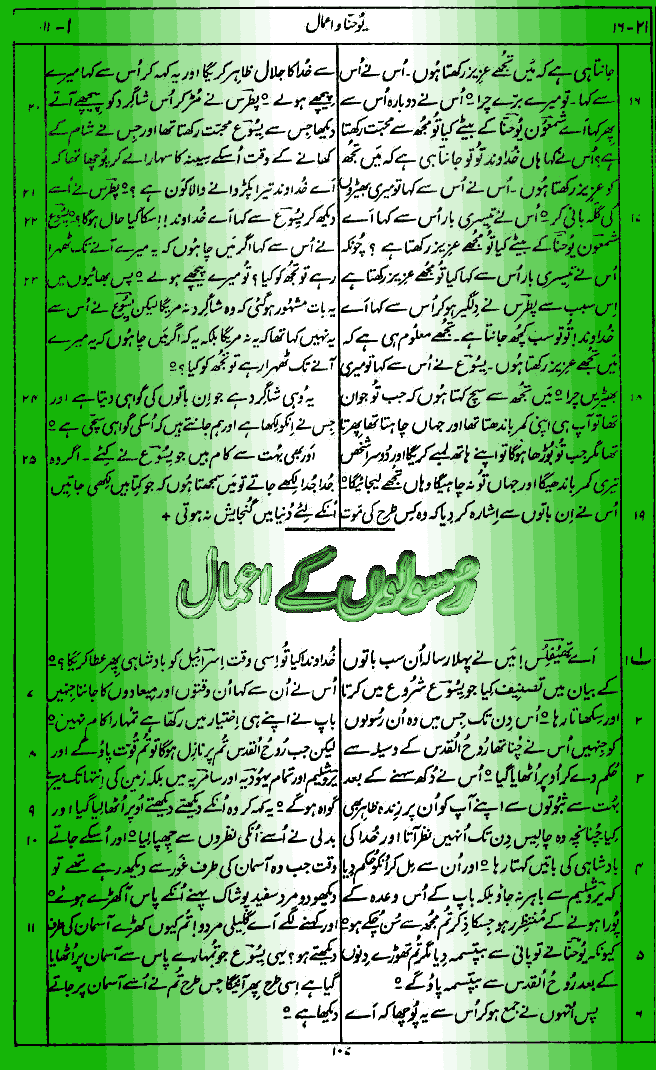
John 21:16
Verse: He saith to him again the second time Simon son of Jonas lovest thou me? He saith unto him Yea Lord thou knowest that I love thee. He saith unto him Feed my sheep.
English Explanation: In this second inquiry, Jesus repeats His poignant question to Peter. However, a subtle shift occurs in the Greek nuances of love. While Jesus initially asks using Agape (divine, sacrificial love), Peter responds with Phileo (brotherly affection), deeply aware of his past failure when he denied Christ. Jesus meets Peter in his humility and reinstates his pastoral duty, shifting the command from “Feed my lambs” to “Shepherd/Feed my sheep.” This signifies a broader pastoral responsibility to care for, protect, and guide the mature believers in the flock.
Urdu Explanation (اردو تشریح): یہاں یسوع دوبارہ شمعون پطرس سے پوچھتے ہیں کہ کیا تو مجھ سے محبت رکھتا ہے؟ پطرس اپنی پچھلی کمزوریوں اور انکار سے واقف ہے، اس لیے وہ عاجزی کے ساتھ جواب دیتا ہے کہ “خداوند تو جانتا ہے کہ میں تجھ سے محبت رکھتا ہوں”۔ یسوع پطرس کو دوبارہ بحال کرتے ہوئے اپنی امت اور کلیسیا کی گلہ بانی (نگہبانی) کا فریضہ سونپتے ہیں۔ یہ ظاہر کرتا ہے کہ خدا گناہگاروں کو توبہ کے بعد نہ صرف معاف کرتا ہے بلکہ انہیں عظیم ذمہ داریاں بھی دیتا ہے۔
John 21:17
Verse: He saith unto him the third time Simon son of Jonas lovest thou me? Peter was grieved because he said unto him the third time Lovest thou me? And he said unto him Lord thou knowest all things thou knowest that I love thee. Jesus saith unto him Feed my sheep.
English Explanation: The third questioning grieves Peter, as it mirrors his threefold denial of Jesus on the night of the crucifixion. This time, Jesus condescends to Peter’s level, using Peter’s word (Phileo). Peter throws himself entirely upon Christ’s omniscience, declaring that Jesus knows the depths of his heart better than he does himself. By confirming his love a third time, Peter is completely restored publicly. Jesus solidifies his life’s mission: to feed and nurture the global church.
Urdu Explanation (اردو تشریح): تیسری بار یسوع کا پوچھنا پطرس کو غمگین کر دیتا ہے کیونکہ یہ سوال اسے یسوع کے تین بار انکار کی یاد دلاتا ہے۔ پطرس جواب دیتا ہے کہ “خداوند تو تو سب کچھ جانتا ہے”، یعنی وہ مسیح کی غیب دانی اور علمِ الٰہی پر بھروسہ کرتا ہے۔ یسوع اسے تیسری بار اپنی بھیڑیں چرانے کا حکم دے کر اس کی مکمل بحالی کا اعلان کرتے ہیں اور یہ واضح کرتے ہیں کہ خادم کا اصل کام کلیسیا کی روحانی پرورش ہے۔
John 21:18
Verse: Verily verily I say unto thee When thou wast young thou girdedst thyself and walkedst whither thou wouldest but when thou shalt be old thou shalt stretch forth thy hands and another shall gird thee and carry thee whither thou wouldest not.
English Explanation: Jesus contrasts Peter’s youth, characterized by independence and freedom of movement, with his future old age. The phrase “stretch forth thy hands” and “another shall gird thee” is a prophetic announcement of Peter’s eventual martyrdom. It indicates that his ultimate devotion to Christ will cost him his physical freedom and lead him to execution, historically recognized as crucifixion.
Urdu Explanation (اردو تشریح): یسوع پطرس کو اس کی جوانی اور بڑھاپے کا موازنہ کر کے پیشین گوئی کرتے ہیں کہ ایک وقت آئے گا جب وہ اپنی مرضی سے نہیں بلکہ دوسروں کے ہاتھوں باندھا جائے گا۔ “ہاتھ پھیلانے” سے مراد پطرس کی مستقبل کی شہادت اور مصلوبیت ہے، جہاں وہ مسیح کی خاطر اپنی جان قربان کرے گا۔
John 21:19
Verse: This spake he signifying by what death he should glorify God. And when he had spoken this he saith unto him Follow me.
English Explanation: John provides editorial commentary to clarify that Jesus’ words predicted Peter’s martyrdom, emphasizing that a believer’s death can bring glory to God. After revealing the heavy cost of discipleship, Jesus issues the ultimate command: “Follow me.” This echoes the first call Peter received by the Sea of Galilee, but now carries the weight of a lifelong commitment unto death.
Urdu Explanation (اردو تشریح): یوحنا وضاحت کرتا ہے کہ یسوع کی اس بات کا مطلب یہ تھا کہ پطرس کس قسم کی موت سے خدا کا جلال ظاہر کرے گا۔ اس سنگین پیشین گوئی کے بعد، یسوع اسے دوبارہ وہی پرانا حکم دیتے ہیں: “میرے پیچھے ہو لے”۔ یہ ظاہر کرتا ہے کہ سچی شاگردی کا مطلب ہر حال میں، یہاں تک کہ موت کے خوف کے بغیر، مسیح کی پیروی کرنا ہے۔
John 21:20
Verse: Then Peter turning about seeth the disciple whom Jesus loved following which also leaned on his breast at supper and said Lord which is he that betrayeth thee?
English Explanation: As Peter begins to walk with Jesus, he turns and notices John (referred to as “the disciple whom Jesus loved”) following them. John reminds the reader of his intimacy with Christ during the Last Supper, where he leaned close to Jesus and asked about the identity of the betrayer. Peter’s attention is momentarily diverted from his own calling to curiosity about his companion.
Urdu Explanation (اردو تشریح): پطرس مڑ کر یوحنا (وہ شاگرد جس سے یسوع محبت رکھتے تھے) کو اپنے پیچھے آتے دیکھتا ہے۔ یوحنا یہاں آخری عشائیہ کا ذکر کرتا ہے جہاں وہ یسوع کے سینے کا سہارا لیے ہوئے بیٹھا تھا اور غدار کے بارے میں پوچھا تھا۔ پطرس اپنی توجہ اپنے مقصد سے ہٹا کر دوسرے شاگرد کی طرف مبذول کرتا ہے۔
John 21:21
Verse: Peter seeing him saith to Jesus Lord and what shall this man do?
English Explanation: Prompted by natural human curiosity and perhaps a sense of comparison regarding their destinies, Peter asks Jesus about John’s future. Since Jesus had just revealed that Peter would die a martyr’s death, Peter desires to know what lies ahead for John.
Urdu Explanation (اردو تشریح): پطرس یوحنا کی طرف اشارہ کر کے یسوع سے سوال کرتا ہے کہ “خداوند اور اس کا کیا حال ہوگا؟” پطرس یہ جاننا چاہتا تھا کہ اگر میری موت شہادت کی ہے، تو یوحنا کا انجام کیا ہوگا، جو کہ انسانی فطرت کے موازنے اور تجسس کو ظاہر کرتا ہے۔
John 21:22
Verse: Jesus saith unto him If I will that he tarry till I come what is that to thee? follow thou me.
English Explanation: Jesus gently rebukes Peter’s curiosity by asserting His sovereign will. He states that even if it is His divine plan for John to remain alive until His second coming, it is of no concern to Peter. Christ shifts the focus back to individual accountability: Peter’s sole responsibility is to focus on his own calling and follow Jesus.
Urdu Explanation (اردو تشریح): یسوع پطرس کو ٹوکتے ہوئے فرماتے ہیں کہ “اگر میں چاہوں کہ یہ میرے آنے تک ٹھہرا رہے تو تجھے اس سے کیا؟ تو میرے پیچھے ہو لے”۔ مسیح پطرس کو یاد دلاتے ہیں کہ ہر ایماندار کا خدا کے ساتھ ایک انفرادی تعلق اور منصوبہ ہوتا ہے، اور ہمیں دوسروں کے منصوبوں پر غور کرنے کے بجائے اپنی وفاداری پر توجہ دینی چاہیے۔
John 21:23
Verse: Then went this saying abroad among the brethren that that disciple should not die yet Jesus said not unto him He shall not die but If I will that he tarry till I come what is that to thee?
English Explanation: John corrects a widespread rumor and theological misunderstanding in the early church. The believers misinterpreted Jesus’ hypothetical statement (“If I will…”) as a definitive prophecy that John would never die. John clarifies that Jesus never promised immortality on earth, but simply used a conditional clause to emphasize His sovereignty over human life.
Urdu Explanation (اردو تشریح): یوحنا اس غلط فہمی کو دور کرتا ہے جو مائین (بھائیوں) میں پھیل گئی تھی کہ شاید یوحنا کبھی نہیں مرے گا۔ وہ وضاحت کرتا ہے کہ یسوع نے یہ نہیں کہا تھا کہ وہ نہیں مرے گا، بلکہ انہوں نے صرف ایک فرضی بات کہی تھی تاکہ پطرس کو یہ سمجھا سکیں کہ زندگی اور موت کا اختیار صرف خدا کے ہاتھ میں ہے۔
John 21:24
Verse: This is the disciple which testifieth of these things and wrote these things and we know that his testimony is true.
English Explanation: John identifies himself explicitly as the author and eyewitness of the events recorded in this Gospel. The use of the plural “we know” functions as an endorsement from the contemporary Christian community or the apostolic circle, validating the absolute truth, reliability, and divine inspiration of his testimony.
Urdu Explanation (اردو تشریح): یہاں یوحنا خود کی تصدیق کرتا ہے کہ وہی وہ شاگرد ہے جس نے ان تمام باتوں کی گواہی دی اور انہیں تحریر کیا۔ وہ اور اس وقت کی کلیسیا اس بات کی گواہی دیتے ہیں کہ جو کچھ اس انجیل میں لکھا گیا ہے وہ بالکل سچ اور قابلِ بھروسہ ہے۔
John 21:25
Verse: And there are also many other things which Jesus did the which if they should be written every one I suppose that even the world itself could not contain the books that should be written. Amen.
English Explanation: John concludes his Gospel with a beautiful hyperbole to express the infinite nature of Jesus’ earthly ministry, miracles, and teachings. A single human book cannot fully capture the magnitude of the incarnate Son of God. What has been written is sufficient for faith, but Christ’s glory surpasses all human literary capacity.
Urdu Explanation (اردو تشریح): یوحنا اپنی انجیل کا اختتام ایک خوبصورت مبالغے کے ساتھ کرتا ہے کہ یسوع کے کام اور معجزات اتنے زیادہ ہیں کہ اگر وہ سب کے سب لکھے جائیں تو دنیا کی کتابیں بھی ان کو سمیٹنے کے لیے کم پڑ جائیں گی۔ یہ مسیح کی لاامتناہی قدرت اور جلال کو ظاہر کرتا ہے۔ آمین۔
Acts of the Apostles — Chapter 01
Acts 1:1
Verse: The former treatise have I made O Theophilus of all that Jesus began both to do and teach
English Explanation: Luke opens the Book of Acts by addressing Theophilus, referencing his “former treatise,” which is the Gospel of Luke. He emphasizes that his Gospel covered what Jesus began to do and teach during His earthly incarnation, implying that the Book of Acts is the continuation of Jesus’ ongoing work through the Holy Spirit in the Church.
Urdu Explanation (اردو تشریح): لوقا رسول اعمال کی کتاب کا آغاز تھیوفلس کو مخاطب کرتے ہوئے کرتا ہے۔ وہ اپنے “پہلے رسالے” (لوقا کی انجیل) کا حوالہ دیتا ہے جہاں اس نے یسوع کے زمینی کاموں اور تعلیمات کی شروعات کا ذکر کیا تھا۔ اس کا مطلب ہے کہ اعمال کی کتاب مسیح کے اسی کام کا تسلسل ہے جو اب روح القدس کے ذریعے جاری ہے۔
Acts 1:2
Verse: Until the day in which he was taken up after that he through the Holy Ghost had given commandments unto the apostles whom he had chosen
English Explanation: This verse defines the timeline of the first treatise, culminating in Jesus’ ascension into heaven. Crucially, Luke notes that Jesus’ final instructions and mandates to His chosen apostles were given “through the Holy Ghost,” highlighting the continuous operational unity between Christ and the Spirit.
Urdu Explanation (اردو تشریح): یہ آیت یسوع کے آسمان پر اٹھائے جانے کے دن تک کے وقت کو ظاہر کرتی ہے۔ لوقا بیان کرتا ہے کہ یسوع نے صعودِ آسمانی سے پہلے روح القدس کے وسیلے سے اپنے چنے ہوئے رسولوں کو احکام دیے، جو یہ ظاہر کرتا ہے کہ خداروند کے تمام کام روح کی قدرت سے معمور تھے۔
Acts 1:3
Verse: To whom also he shewed himself alive after his passion by many infallible proofs being seen of them forty days and speaking of the things pertaining to the kingdom of God
English Explanation: Following His crucifixion (“His passion”), Jesus provided empirical, undeniable evidence (“infallible proofs”) of His bodily resurrection. For forty days, He appeared to His disciples, establishing the foundation of Christian historical certainty, while instructing them on the theological realities of the Kingdom of God.
Urdu Explanation (اردو تشریح): یسوع نے اپنی موت (دکھ اٹھانے) کے بعد کئی زندہ اور ناقابلِ تردید ثبوتوں کے ساتھ خود کو رسولوں پر ظاہر کیا۔ وہ چالیس دن تک انہیں دکھائی دیتے رہے اور خدا کی بادشاہی کی باتوں کے بارے میں سکھاتے رہے، تاکہ ان کے ایمان کو غیر متزلزل بنا سکیں۔
Acts 1:4
Verse: And being assembled together with them commanded them that they should not depart from Jerusalem but wait for the promise of the Father which saith he ye have heard of me.
English Explanation: During a post-resurrection meeting, Jesus commands the disciples to remain in Jerusalem. Despite the dangers present in the city that crucified Him, they are instructed to wait for the “promise of the Father”—the outpouring of the Holy Spirit, which Jesus had heavily predicted during His ministry.
Urdu Explanation (اردو تشریح): ایک جگہ جمع ہو کر، یسوع نے شاگردوں کو حکم دیا کہ وہ یروشلم سے باہر نہ جائیں بلکہ باپ کے اس وعدے (روح القدس) کے پورا ہونے کا انتظار کریں جس کا ذکر انہوں نے پہلے اپنے شاگردوں سے کیا تھا۔ یروشلم میں رکنا ان کی فرمانبرداری کا امتحان تھا۔
Acts 1:5
Verse: For John truly baptized with water but ye shall be baptized with the Holy Ghost not many days hence.
English Explanation: Jesus draws a vital dispensational distinction between the water baptism of John the Baptist—which symbolized repentance—and the upcoming baptism of the Holy Spirit. This spiritual baptism would immerse, seal, and empower the believers, occurring just ten days later on the Day of Pentecost.
Urdu Explanation (اردو تشریح): یسوع یوحنا بپتسمہ دینے والے کے پانی کے بپتسمے اور روح القدس کے بپتسمے کا موازنہ کرتے ہیں۔ پانی کا بپتسمہ توبہ کی علامت تھا، لیکن روح القدس کا بپتسمہ جو چند ہی دنوں میں (پنتیکوست کے دن) ہونے والا تھا، انہیں اندرونی پاکیزگی اور الٰہی قدرت سے معمور کرنے والا تھا۔
Acts 1:6
Verse: When they therefore were come together they asked of him saying Lord wilt thou at this time restore again the kingdom to Israel?
English Explanation: Reflecting nationalistic and political expectations, the disciples question Jesus about the geopolitical restoration of the Davidic Kingdom to Israel. They still anticipated that the Messiah would immediately overthrow Roman oppression and establish an earthly kingdom.
Urdu Explanation (اردو تشریح): جب وہ اکٹھے ہوئے تو شاگردوں نے دنیاوی اور سیاسی سوچ کے تحت پوچھا کہ “خداوند کیا تو اسی وقت اسرائیل کی بادشاہی کو بحال کرے گا؟” وہ اب بھی یہ امید کر رہے تھے کہ مسیح رومی حکومت کا خاتمہ کر کے اسرائیل کو زمین پر سیاسی عروج دیں گے۔
Acts 1:7
Verse: And he said unto them It is not for you to know the times or the seasons which the Father hath put in his own power.
English Explanation: Jesus corrects their focus, stating that geopolitical timelines, eschatological dates, and prophetic epochs belong exclusively to the sovereign authority and hidden wisdom of God the Father. Speculating on exact times is not the church’s mandate.
Urdu Explanation (اردو تشریح): یسوع ان کی سوچ کو درست کرتے ہوئے جواب دیتے ہیں کہ ان وقتوں اور تاریخوں کو جاننا تمہارا کام نہیں ہے جنہیں باپ نے اپنے ہی اختیار میں رکھا ہے۔ انسان کو خدا کے مخفی منصوبوں کے پیچھے پڑنے کی بجائے اپنے موجودہ فرض پر توجہ دینی چاہیے۔
Acts 1:8
Verse: But ye shall receive power after that the Holy Ghost is come upon you and ye shall be witnesses unto me both in Jerusalem and in all Judaea and in Samaria and unto the uttermost part of the earth.
English Explanation: This verse serves as the thematic blueprint for the entire Book of Acts. Instead of political power, believers are promised spiritual power (Dunamis) via the Holy Spirit. Their mission is to be global witnesses for Christ, expanding outward in concentric circles: locally (Jerusalem), regionally (Judea/Samaria), and globally (the ends of the earth).
Urdu Explanation (اردو تشریح): یہ آیت اعمال کی کتاب کا مرکزی نکتہ ہے۔ یسوع فرماتے ہیں کہ جب روح القدس تم پر آئے گا تو تم قوت پاؤ گے اور دنیاوی حکومت کے بجائے میری گواہی دینے کے لیے کھڑے ہو گے۔ یہ گواہی پہلے یروشلم، پھر یہودیہ اور سامریہ، اور پھر زمین کی انتہا تک پھیلے گی۔
Acts 1:9
Verse: And when he had spoken these things while they beheld he was taken up and a cloud received him out of their sight.
English Explanation: With His final mandate given, Jesus physically ascends into the heavens. The historical reality of the ascension is verified by the disciples’ eyewitness gaze. The cloud that receives Him represents the Shekinah glory of God, marking the conclusion of His earthly state and His return to heavenly glory.
Urdu Explanation (اردو تشریح): یہ باتیں کہنے کے بعد، یسوع ان کے دیکھتے ہی دیکھتے اوپر اٹھا لیے گئے اور ایک بادل نے انہیں ان کی نظروں سے چھپا لیا۔ یہ صعودِ آسمانی (آسمان پر اٹھایا جانا) اس بات کا ثبوت تھا کہ یسوع کا زمینی مشن مکمل ہو چکا ہے اور وہ اپنے الٰہی جلال میں واپس جا چکے ہیں۔
Acts 1:10
Verse: And while they looked stedfastly toward heaven as he went up behold two men stood by them in white apparel
English Explanation: As the disciples stand captivated, staring intently into the sky where Jesus disappeared, two divine messengers (angels) manifested as men dressed in bright white clothing appear beside them to redirect their focus.
Urdu Explanation (اردو تشریح): جب شاگرد ٹکٹکی باندھے آسمان کی طرف دیکھ رہے تھے جہاں یسوع گئے تھے، تو اچانک سفید پوشاک پہنے ہوئے دو مرد (فرشتے) ان کے پاس آ کھڑے ہوئے تاکہ انہیں اگلا پیغام دے سکیں۔
Acts 1:11
Verse: Which also said Ye men of Galilee why stand ye gazing up into heaven? this same Jesus which is taken up from you into heaven shall so come in like manner as ye have seen him go.
English Explanation: The angels address the disciples by their origin (“men of Galilee”) and tell them not to remain static in wonderment. They deliver a foundational eschatological promise: Jesus will return to Earth in the exact same physical, visible, and cloud-borne manner in which He left. This promise transitions the Church from passive spectators to active, hopeful witnesses.
Urdu Explanation (اردو تشریح): فرشتوں نے کہا “اے گلیلی مردو تم کیوں آسمان کی طرف دیکھتے ہوئے کھڑے ہو؟” انہوں نے مسیح کی دوسری آمد کی عظیم بشارت دی کہ یہی یسوع جو تمہارے پاس سے آسمان پر اٹھایا گیا ہے، بالکل اسی طرح دوبارہ واپس آئے گا جیسے تم نے اسے جاتے دیکھا ہے۔ یہ کلیسیا کے لیے امید اور کام میں لگ جانے کا پیغام تھا۔