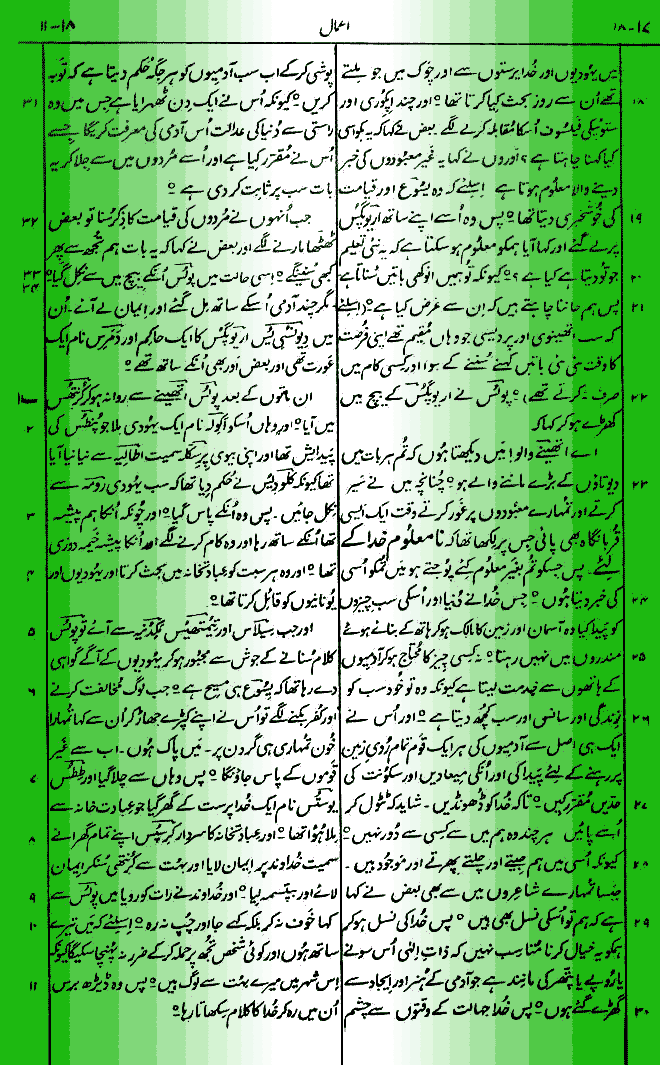
Verse-by-Verse Commentary (Acts 17:18 – Acts 18:11)
Acts 17:18
-
Verse: Then certain philosophers of the Epicureans and of the Stoicks encountered him. And some said What will this babbler say? other some He seemeth to be a setter forth of strange gods because he preached unto them Jesus and the resurrection.
-
English Explanation: Paul faces intellectual opposition in Athens from two major philosophical schools: the Epicureans (who pursued pleasure and peace, believing gods were distant) and the Stoics (who emphasized duty, logic, and self-control). They mockingly call him a “babbler” (literally a seed-picker, someone scraping together scraps of learning) because his message about Jesus and the Resurrection ($Anastasis$) sounded like he was introducing two new foreign deities.
-
Urdu Explanation:
یہاں پولس کا سامنا ایتھنز کے دو بڑے فلسفیانہ مکاتبِ فکر یعنی اپیکوریوں اور ستوئیکیوں سے ہوتا ہے۔ اپیکوری عیش و عشرت اور سکون کے متلاشی تھے جبکہ ستوئیکی ضبطِ نفس اور عقل کو اولیت دیتے تھے۔ انہوں نے مذاق اڑاتے ہوئے پولس کو “بکواسی” (یا علم کے ٹکڑے چننے والا) کہا کیونکہ وہ سمجھ رہے تھے کہ پولس عیسیٰ اور قیامت (مردوں کے جی اٹھنے) کی شکل میں نئے اور اجنبی دیوتاؤں کی منادی کر رہا ہے۔
Acts 17:19
-
Verse: And they took him and brought him unto Areopagus saying May we know what this new doctrine whereof thou speakest is?
-
English Explanation: The philosophers escort Paul to the Areopagus (Mars’ Hill), which served both as a physical location and the supreme high court of Athens. They demand an official explanation of this “new doctrine,” not necessarily out of a spiritual desire to repent, but out of academic and intellectual curiosity.
-
Urdu Explanation:
وہ پولس کو اریوپیگس (مارس ہل) لے گئے جو کہ ایتھنز کی اعلیٰ عدالت اور فلسفیانہ مجلس کی جگہ تھی۔ انہوں نے پولس سے پوچھا کہ کیا وہ اس نئی تعلیم کے بارے میں جان سکتے ہیں؟ یہ سوال کسی سچی توبہ کے لیے نہیں بلکہ محض علمی تجسس اور نئی معلومات حاصل کرنے کے لیے تھا۔
Acts 17:20
-
Verse: For thou bringest certain strange things to our ears we would know therefore what these things mean.
-
English Explanation: The Athenians acknowledge that Paul’s message about a crucified and resurrected Savior is entirely foreign to their worldview. Polytheistic Greek culture had no conceptual framework for a physical resurrection, making Paul’s claims sound bizarre and intriguing.
-
Urdu Explanation:
اہلِ ایتھنز نے اعتراف کیا کہ پولس کی باتیں ان کے کانوں کے لیے بالکل اجنبی اور انوکھی ہیں۔ یونانی ثقافت میں جسمانی طور پر مردوں میں سے جی اٹھنے کا کوئی تصور نہیں تھا، اس لیے یہ باتیں ان کے لیے حیرت انگیز اور سمجھ سے باہر تھیں۔
Acts 17:21
-
Verse: (For all the Athenians and strangers which were there spent their time in nothing else but either to tell or to hear some new thing.)
-
English Explanation: Luke provides a parenthetical historical note on the cultural mindset of Athens. The city was an intellectual hub where citizens and visiting foreigners spent their leisure time debating philosophy, chasing intellectual trends, and gossiping about the latest ideas.
-
Urdu Explanation:
لوقا یہاں ایتھنز کے لوگوں کی ذہنی حالت اور ثقافت کا نقشہ کھینچتے ہیں۔ وہاں کے مقامی لوگ اور مسافر اپنا وقت کسی تعمیری کام میں نہیں بلکہ صرف نئی نئی باتیں کہنے اور سننے میں گزارتے تھے، جو کہ ان کی ذہنی عیاشی کو ظاہر کرتا ہے۔
Acts 17:22
-
Verse: Then Paul stood in the midst of Mars’ hill and said Ye men of Athens I perceive that in all things ye are too superstitious.
-
English Explanation: Standing before the cultural elite at Mars’ Hill, Paul addresses them tactfully. While the King James Version translates the Greek word as “superstitious,” it can also mean “deeply religious” or “mindful of the gods.” Paul uses their intense religiosity as a strategic launching pad for the Gospel.
-
Urdu Explanation:
پولس مارس ہل کے درمیان کھڑا ہو کر تقریر شروع کرتا ہے۔ وہ کہتا ہے کہ “اے ایتھنز کے مردو! میں دیکھتا ہوں کہ تم ہر بات میں بڑے مذہبی (یا وہمی) ہو”۔ پولس نے ان کی کثرتِ پرستی اور مذہبی رجحان کو بڑی حکمت کے ساتھ اپنے وعظ کا نقطہ آغاز بنایا۔
Acts 17:23
-
Verse: For as I passed by and beheld your devotions I found an altar with this inscription TO THE UNKNOWN GOD. Whom therefore ye ignorantly worship him declare I unto you.
-
English Explanation: Paul mentions seeing an altar dedicated “TO THE UNKNOWN GOD” ($Agnosto$ $Theo$), built by the Athenians to avoid offending any deity they might have missed. Paul uses this brilliant point of contact to declare that the true Creator God, whom they admit they do not know, is the very One he is introducing.
-
Urdu Explanation:
پولس مثال دیتا ہے کہ جب وہ شہر سے گزر رہا تھا تو اس نے ایک قربان گاہ دیکھی جس پر لکھا تھا “نامعلوم خدا کے لیے”۔ اہلِ ایتھنز نے یہ قربان گاہ اس ڈر سے بنائی تھی کہ کہیں کوئی دیوتا ناراض نہ ہو جائے۔ پولس اسی کا فائدہ اٹھا کر کہتا ہے کہ جس کو تم بن جانے پوجتے ہو، میں تمہیں اسی سچے خدا کا پیغام دینے آیا ہوں۔
Acts 17:24
-
Verse: God that made the world and all things therein seeing that he is Lord of heaven and earth dwelleth not in temples made with hands;
-
English Explanation: Paul shatters the foundations of pagan idolatry by declaring God as the sovereign Creator of the universe. Since He is the Lord of heaven and earth, He cannot be contained within physical shrines or grand stone temples like the Parthenon overlooking Athens.
-
Urdu Explanation:
پولس بت پرستی کی جڑ کاٹتے ہوئے کہتا ہے کہ سچا خدا وہ ہے جس نے کائنات اور اس کی تمام چیزیں پیدا کیں۔ چونکہ وہ زمین اور آسمان کا مالک ہے، اس لیے وہ انسان کے ہاتھوں سے بنے ہوئے بت خانوں یا مندروں میں نہیں رہتا، جیسے کہ ایتھنز کا مشہور پارتھینون مندر تھا۔
Acts 17:25
-
Verse: Neither is worshipped with men’s hands as though he needed any thing seeing he giveth to all life and breath and all things;
-
English Explanation: Unlike pagan gods who supposedly required food, clothing, and sacrifices to maintain their favor, the true God is completely self-sufficient. Humans cannot give anything to God; rather, God is the source and sustainer of all human existence, providing life, breath, and resources.
-
Urdu Explanation:
خداوند کو انسانی ہاتھوں کی خدمت کی ضرورت نہیں ہے، جیسا کہ بت پرست سمجھتے تھے کہ ان کے دیوتا ان کے نذرانوں کے محتاج ہیں۔ سچا خدا خود کفیل ہے؛ وہ انسان سے کچھ لیتا نہیں بلکہ وہ خود سب کو زندگی، سانس اور ہر چیز عنایت کرتا ہے۔
Acts 17:26
-
Verse: And hath made of one blood all nations of men for to dwell on all the face of the earth and hath determined the times before appointed and the bounds of their habitation;
-
English Explanation: Paul counters Athenian racial pride (they believed they originated from the soil of Attica and were superior to “barbarians”). He asserts that all humanity shares a common ancestor ($one\ blood$). Furthermore, God sovereignly orchestrates the rise, fall, and geographical borders of nations.
-
Urdu Explanation:
پولس اہلِ ایتھنز کے نسلی غرور کو توڑتا ہے (جو خود کو دوسروں سے برتر سمجھتے تھے)۔ وہ کہتا ہے کہ خدا نے ایک ہی خون (آدم) سے تمام قومیں پیدا کیں تاکہ وہ زمین پر رہیں۔ اس نے قوموں کے عروج و زوال کے وقت اور ان کی سکونت کی حدیں پہلے سے مقرر کر رکھی ہیں۔
Acts 17:27
-
Verse: That they should seek the Lord if haply they might feel after him and find him though he be not far from every one of us:
-
English Explanation: The ultimate purpose of human existence and the distribution of nations is to seek relationship with the Creator. God is not distant, detached, or hiding; He is close at hand, allowing human beings to reach out and find Him.
-
Urdu Explanation:
انسان کی پیدائش اور تاریخ کا اصل مقصد یہ ہے کہ وہ خدا کو تلاش کریں، اور شاید اسے ٹٹول کر پا لیں۔ خدا ہم سے دور نہیں ہے، بلکہ وہ ہر انسان کے بالکل قریب موجود ہے اور چاہتا ہے کہ ہم اس کے ساتھ رشتہ استوار کریں۔
Acts 17:28
-
Verse: For in him we live and move and have our being; as certain also of your own poets have said For we are also his offspring.
-
English Explanation: To prove his point to a Greek audience, Paul quotes their own familiar literature: Epimenides (“In him we live and move…”) and Aratus (“For we are also his offspring”). He leverages truth found within their culture to redirect their worship to the true God.
-
Urdu Explanation:
یونانیوں کو قائل کرنے کے لیے پولس ان کے اپنے شاعروں (ایپیمنائیڈز اور اراٹس) کے اقوال کا حوالہ دیتا ہے کہ “ہم اسی میں جیتے، چلتے پھرتے اور موجود ہیں” اور “ہم اس کی نسل ہیں”۔ پولس ان کی اپنی ثقافت کی سچائیوں کو استعمال کر کے انہیں سچے خدا کی طرف موڑتا ہے۔
Acts 17:29
-
Verse: Forasmuch then as we are the offspring of God we ought not to think that the Godhead is like unto gold or silver or stone graven by art and man’s device.
-
English Explanation: If humans are created by God and reflect His life, it is completely illogical to think that the divine nature ($theion$) can be represented by inanimate statues made of gold, silver, or stone carved by human hands and human imagination.
-
Urdu Explanation:
اگر ہم خدا کی نسل یا اس کی مخلوق ہیں، تو یہ عقل کے خلاف ہے کہ ہم یہ سوچیں کہ خدا کی ذات سونے، چاندی یا پتھر کی مانند ہے جسے انسان نے اپنے ہنر اور تراش خراش سے بنایا ہو۔ خالق کبھی بھی مخلوق کی بنائی ہوئی چیزوں جیسا نہیں ہو سکتا۔
Acts 17:30
-
Verse: And the times of this ignorance God winked at; but now commandeth all men every where to repent:
-
English Explanation: “God winked at” means God overlooked or bore with past human ignorance and idolatry with patience. However, with the coming, death, and resurrection of Jesus Christ, a new era has dawned. Ignorance is no longer an excuse, and God commands global repentance.
-
Urdu Explanation:
خدا نے جہالت کے پچھلے زمانوں سے چشم پوشی کی (یعنی صبر دکھایا)، لیکن اب مسیح کی آمد کے بعد وہ ہر جگہ سب انسانوں کو حکم دیتا ہے کہ توبہ کریں۔ اب جہالت کا کوئی عذر قبول نہیں ہوگا کیونکہ سچائی ظاہر ہو چکی ہے۔
Acts 17:31
-
Verse: Because he hath appointed a day in the which he will judge the world in righteousness by that man whom he hath ordained; whereof he hath given assurance unto all men in that he hath raised him from the dead.
-
English Explanation: Paul delivers the climax of his message: cosmic accountability. A future Day of Judgment is set, and Jesus Christ is the ordained Judge. The absolute proof and guarantee of this divine appointment is the physical resurrection of Jesus from the dead.
-
Urdu Explanation:
پولس اپنے وعظ کے آخری نتیجے پر پہنچتا ہے کہ خدا نے ایک دن مقرر کیا ہے جس میں وہ راستبازی سے دنیا کی عدالت کرے گا۔ یہ عدالت اس مرد (یسوع) کے ذریعے ہوگی جسے اس نے مقرر کیا ہے، اور اس کا ثبوت یہ ہے کہ خدا نے اسے مردوں میں سے جلا اٹھایا۔
Acts 17:32
-
Verse: And when they heard of the resurrection of the dead some mocked and others said We will hear thee again of this matter.
-
English Explanation: The mention of the resurrection divides the audience. Greek philosophy viewed the physical body as a prison for the soul, making physical resurrection foolishness to them. Some mock immediately, while others politely postpone the decision, promising to listen later.
-
Urdu Explanation:
جیسے ہی مردوں کے جی اٹھنے کا ذکر ہوا، سننے والے بٹ گئے۔ یونانی فلسفے میں جسم کو روح کا قید خانہ سمجھا جاتا تھا، اس لیے جسمانی جی اٹھنا ان کے لیے حماقت تھا۔ کچھ نے فوراً مذاق اڑایا، جبکہ کچھ نے شائستگی سے بات کو ٹال دیا کہ ہم یہ پھر کبھی سنیں گے۔
Acts 17:33
-
Verse: So Paul departed from among them.
-
English Explanation: Recognizing that the public forum of the Areopagus had concluded its hearing, Paul leaves the assembly. He does not force the message onto closed minds but moves forward.
-
Urdu Explanation:
جب مجلس ختم ہو گئی اور لوگوں کا ردعمل سامنے آ گیا، تو پولس ان کے درمیان سے چلا گیا۔ اس نے بند ذہنوں پر زبردستی پیغام مسلط نہیں کیا بلکہ وہاں سے رخصت ہو گیا۔
Acts 17:34
-
Verse: Howbeit certain men clave unto him and believed among the which was Dionysius the Areopagite and a woman named Damaris and others with them.
-
English Explanation: Despite widespread mockery, Paul’s sermon bears fruit. A few individuals believe, including Dionysius (a high-ranking member of the Areopagus court) and a prominent woman named Damaris. A small church plant begins in Athens.
-
Urdu Explanation:
مذاق اڑانے کے باوجود، کچھ لوگ پولس کے ساتھ مل گئے اور ایمان لائے۔ ان میں دیونسیوس (جو اریوپیگس کی عدالت کا رکن تھا) اور دمرس نامی ایک معزز عورت اور ان کے ساتھ کچھ اور لوگ شامل تھے۔ اس طرح ایتھنز میں بھی کلیسیا کی بنیاد پڑی۔
Acts 18:1
-
Verse: After these things Paul departed from Athens and came to Corinth;
-
English Explanation: Leaving the intellectual center of Athens, Paul travels approximately 50 miles west to Corinth. Corinth was a bustling, diverse commercial port city, notorious for its wealth, strategic trade routes, and extreme moral corruption.
-
Urdu Explanation:
ایتھنز کے علمی مرکز کو چھوڑ کر پولس قُرِنتھُس شہر کی طرف روانہ ہوا۔ قُرِنتھُس ایک بڑا تجارتی بندرگاہی شہر تھا جو اپنی دولت، اسٹریٹجک محل وقوع اور شدید اخلاقی برائیوں اور عیاشی کے لیے مشہور تھا۔
Acts 18:2
-
Verse: And found a certain Jew named Aquila born in Pontus lately come from Italy with his wife Priscilla; (because that Claudius had commanded all Jews to depart from Rome) and came unto them.
-
English Explanation: In Corinth, Paul meets Aquila and Priscilla, a Jewish Christian couple recently expelled from Rome due to the Edict of Claudius (around 49–50 AD). This historical marker anchors the biblical narrative into Roman imperial history.
-
Urdu Explanation:
قُرِنتھُس میں پولس کو اکیلا اور پرسکلہ نامی ایک یہودی میاں بیوی ملے جو حال ہی میں اٹلی (روم) سے آئے تھے۔ روم کے شہنشاہ کلوڈیس نے حکم دیا تھا کہ تمام یہودی روم چھوڑ دیں (تقریباً 49-50 عیسوی)۔ پولس ان کے پاس گیا۔
Acts 18:3
-
Verse: And because he was of the same craft he abode with them and wrought for by their occupation they were tentmakers.
-
English Explanation: Every Jewish rabbi was expected to learn a trade. Paul, Aquila, and Priscilla shared the same trade: working with leather or woven goat hair to manufacture and repair tents. Paul worked to support himself financially, avoiding being a financial burden to the new church.
-
Urdu Explanation:
چونکہ پولس کا پیشہ بھی وہی تھا جو ان کا تھا، اس لیے وہ ان کے ساتھ رہا اور کام کرنے لگا۔ وہ پیشے کے لحاظ سے خیمہ دوز (خیمے بنانے والے) تھے۔ پولس اپنی مالی ضروریات خود پوری کرتا تھا تاکہ کلیسیا پر بوجھ نہ بنے۔
Acts 18:4
-
Verse: And he reasoned in the synagogue every sabbath and persuaded the Jews and the Greeks.
-
English Explanation: Paul follows his standard missionary strategy: presenting the Gospel to the Jewish community first. Every Sabbath, he engages in logical discourse and theological debate in the local synagogue, trying to convince both Jews and God-fearing Gentile Greeks that Jesus is the Messiah.
-
Urdu Explanation:
پولس اپنی روایتی حکمتِ عملی پر عمل کرتے ہوئے ہر سبت کے دن عبادت خانے میں جاتا تھا۔ وہ یہودیوں اور یونانیوں (خدا ترس غیر قوموں) کے ساتھ مباحثہ کرتا اور انہیں قائل کرنے کی کوشش کرتا تھا کہ یسوع ہی مسیح ہے۔
Acts 18:5
-
Verse: And when Silas and Timotheus were come from Macedonia Paul was pressed in the spirit and testified to the Jews that Jesus was Christ.
-
English Explanation: When his co-workers Silas and Timothy arrive from Macedonia with financial support (cf. 2 Cor 11:9), Paul is freed from full-time tentmaking. He experiences a deep spiritual urgency ($pressed\ in\ the\ spirit$) and dedicates himself exclusively to preaching and testifying to the Jews.
-
Urdu Explanation:
جب سیلاس اور تیمتھیس مکتدونیہ سے مالی امداد لے کر پہنچے، تو پولس خیمہ دوزی کے کام سے فارغ ہو کر پوری طرح منادی کے لیے وقف ہو گیا۔ روح میں مغلوب ہو کر وہ یہودیوں کے سامنے گواہی دیتا رہا کہ یسوع ہی مسیح (موعودہ نجات دہندہ) ہے۔
Acts 18:6
-
Verse: And when they opposed themselves and blasphemed he shook his raiment and said unto them Your blood be upon your own heads; I am clean from henceforth I will go unto the Gentiles.
-
Explanation: Facing hostile opposition and blasphemy against Jesus, Paul performs a symbolic prophetic action: shaking out his clothes to signify he is clean of responsibility for their judgment (cf. Ezekiel 33). He shifts his primary evangelical focus in Corinth entirely toward the non-Jewish Gentile populace.
-
Urdu Explanation:
جب یہودیوں نے مخالفت کی اور کفر بکا، تو پولس نے علامتی طور پر اپنے کپڑے جھاڑے اور کہا، “تمہارا خون تمہاری ہی گردن پر؛ میں پاک ہوں۔ اب سے میں غیر قوموں کے پاس جاؤں گا”۔ اس نے ان کی عدالت کا ذمہ دار انہی کو ٹھہرایا اور اپنا رخ غیر قوموں کی طرف کر لیا۔
Acts 18:7
-
Verse: And he departed thence and entered into a certain man’s house named Justus one that worshipped God whose house joined hard to the synagogue.
-
English Explanation: Paul moves his teaching headquarters out of the synagogue but remains strategically close. He relocates next door to the home of Titius Justus, a God-fearing Gentile who had open doors for Gospel ministry.
-
Urdu Explanation:
پولس عبادت خانے سے نکل کر یوستس نامی ایک خدا ترس شخص کے گھر منتقل ہو گیا، جس کا گھر بالکل عبادت خانے کے ساتھ ملا ہوا تھا۔ یہ منادی کے لیے ایک نئی اور تزویراتی (strategic) جگہ بن گئی۔
Acts 18:8
-
Verse: And Crispus the chief ruler of the synagogue believed on the Lord with all his house; and many of the Corinthians hearing believed and were baptized.
-
English Explanation: Despite Jewish hostility, the Gospel scores a massive victory: Crispus, the official leader of the synagogue, converts alongside his entire household. This triggers an immediate wave of conversions and water baptisms across Corinthian society.
-
Urdu Explanation:
یہودیوں کی مخالفت کے باوجود ایک بڑا معجزہ ہوا؛ کرسپس جو عبادت خانے کا سردار تھا، اپنے سارے گھرانے سمیت خداوند پر ایمان لایا۔ اس کے بعد قُرِنتھُس کے بہت سے دوسرے لوگ بھی کلام سن کر ایمان لائے اور بپتسمہ لیا۔
Acts 18:9
-
Verse: Then spake the Lord to Paul in the night by a vision Be not afraid but speak and hold not thy peace:
-
English Explanation: Knowing the physical dangers and high anxieties Paul faced in violent environments, Jesus appears to him in a reassuring night vision. The Lord commands Paul to conquer fear and to continue speaking boldly without self-censorship.
-
Urdu Explanation:
قُرِنتھُس کے خطرناک حالات کو دیکھتے ہوئے، خداوند یسوع نے رات کو رویا میں پولس کو تسلی دی اور فرمایا، “خوف نہ کر بلکہ بولتا رہ اور خاموش نہ ہو”۔ یہ حوصلہ افزائی پولس کے مشن کو جاری رکھنے کے لیے ضروری تھی۔
Acts 18:10
-
Verse: For I am with thee and no man shall set on thee to hurt thee for I have much people in this city.
-
English Explanation: Jesus provides a double promise: His personal, protective presence ($I\ am\ with\ thee$) guaranteeing that no physical harm will successfully befall him, and a sovereign election decree that there are many chosen elect souls yet to be converted in the city of Corinth.
-
Urdu Explanation:
خداوند نے دوہرے وعدے کیے: پہلا یہ کہ “میں تیرے ساتھ ہوں” اور کوئی تجھے نقصان پہنچانے کے لیے تجھ پر ہاتھ نہ ڈالے گا، اور دوسرا یہ کہ “اس شہر میں میرے بہت سے لوگ ہیں” یعنی ابھی بہت سے لوگوں نے ایمان لا کر نجات پانی ہے۔
Acts 18:11
-
Verse: And he continued there a year and six months teaching the word of God among them.
-
English Explanation: Emboldened by Christ’s supernatural promise, Paul stays in Corinth for an extended eighteen-month period. This extensive timeline allowed him to lay down deep theological roots and establish one of the most prominent (though complicated) churches in the New Testament.
-
Urdu Explanation:
مسیح کے اس الٰہی وعدے سے تقویت پا کر، پولس وہاں ڈیڑھ سال (ایک سال چھ مہینے) ٹھہرا رہا اور ان کے درمیان خدا کے کلام کی تعلیم دیتا رہا۔ یہ عرصہ قُرِنتھُس کی مضبوط کلیسیا قائم کرنے میں انتہائی اہم ثابت ہوا۔