Verse-by-Verse Commentary and Explanation
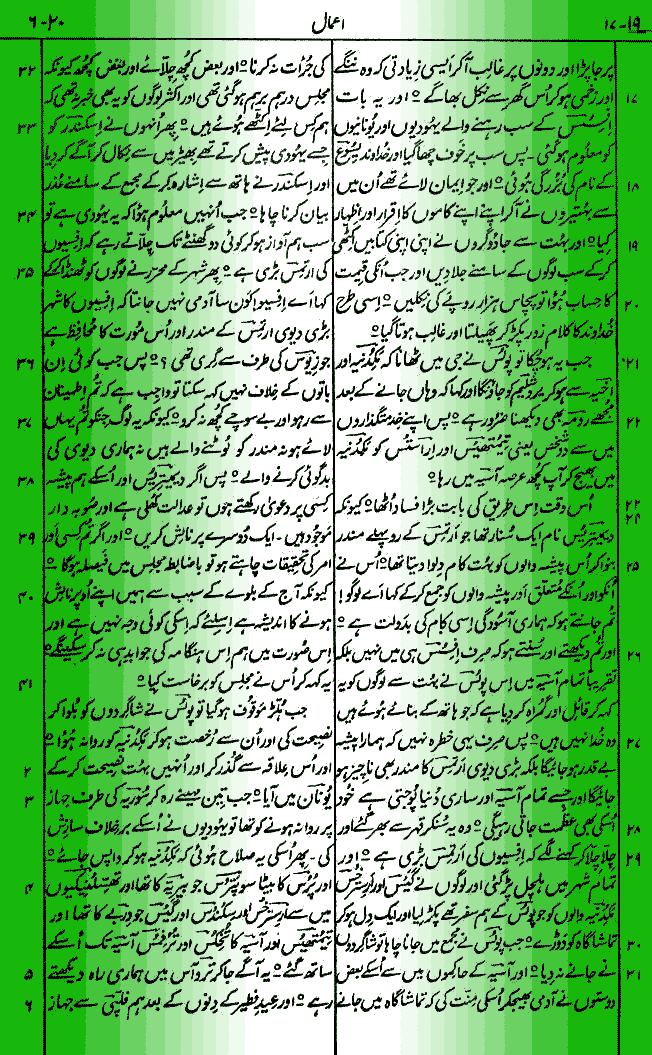
Acts 19:17
Verse (Cleaned):
And this was known to all the Jews and Greeks also dwelling at Ephesus and fear fell on them all and the name of the Lord Jesus was magnified.
Detailed Explanation (English):
Following the incident where the seven sons of Sceva (Jewish exorcists) were violently overpowered by a demon-possessed man for using Jesus’ name as a magical formula, news spread like wildfire throughout Ephesus. Both Jews and Greek Gentiles realized that the name of Jesus was not a cheap magic trick or a pagan spell; it carried real, terrifying, and divine authority. This realization instilled a holy, reverent fear ($fear\ fell\ on\ them\ all$) across the city, leading people to highly honor and magnify the name of the Lord Jesus rather than treat it lightly.
Detailed Explanation (Urdu):
جب سکیوا کے سات بیٹوں (یہودی عاملوں) کو ایک بدروح نے بری طرح زخمی اور ننگا کر کے بھگا دیا، تو یہ بات افسس میں رہنے والے تمام یہودیوں اور یونانیوں میں پھیل گئی۔ لوگوں کو اندازہ ہوا کہ یسوع کا نام کوئی جادوئی منتر یا تماشا نہیں ہے، بلکہ اس میں حقیقی الٰہی قدرت اور اختیار ہے۔ اس واقعے سے پوری کمیونٹی پر ایک پاک اور سچا خوف طاری ہو گیا، اور جادو ٹونے کی بجائے خداوند یسوع کے نام کی بڑی بڑائی اور تمجید کی گئی۔
Acts 19:18
Verse (Cleaned):
And many that believed came and confessed and shewed their deeds.
Detailed Explanation (English):
The holy fear generated by the previous event prompted deep, genuine repentance among the new believers. Many who had secretly held onto their old pagan habits, superstitions, and occult practices came forward publicly. They openly confessed their sins and exposed their secret deeds, showing that true faith demands total transparency and a complete break from past darkness.
Detailed Explanation (Urdu):
خداوند کے خوف نے نئے ایمان لانے والوں کے دلوں پر گہرا اثر کیا۔ بہت سے ایسے لوگ جو ایمان تو لے آئے تھے مگر اب بھی چھپے چھپے پرانے وہموں اور جادو ٹونے کے کاموں میں ملوث تھے، وہ کھلم کھلا سامنے آئے۔ انہوں نے عوامی طور پر اپنے گناہوں کا اعتراف کیا اور اپنے برے اعمال کا کچا چٹھا کھول کر رکھ دیا، جو کہ سچی توبہ کی نشانی ہے۔
Acts 19:19
Verse (Cleaned):
Many of them also which used curious arts brought their books together and burned them before all men and they counted the price of them and found it fifty thousand pieces of silver.
Detailed Explanation (English):
Those who practiced “curious arts” (sorcery, witchcraft, and magic) took a decisive, costly step. They gathered their expensive textbooks of spells and burnt them in a public bonfire. The total financial value of these books was evaluated at 50,000 pieces of silver (drachmas/denarii). Since one piece of silver represented a typical day’s wage for a laborer, this was an immense fortune—equivalent to several million dollars today. They chose financial loss over spiritual compromise.
Detailed Explanation (Urdu):
جادو ٹونے اور نجوم گیری کرنے والوں نے ایک بہت بڑا اور انقلابی قدم اٹھایا۔ انہوں نے جادو کی مہنگی کتابیں جمع کیں اور سب کے سامنے انہیں آگ لگا دی۔ جب ان کتابوں کی قیمت کا حساب لگایا گیا تو وہ چاندی کے پچاس ہزار سکوں کے برابر نکلی۔ اس زمانے میں چاندی کا ایک سکہ ایک دن کی مزدوری ہوتا تھا، یعنی یہ کروڑوں روپے کی مالی قربانی تھی جو انہوں نے روحانی پاکیزگی کے لیے خوشی سے قبول کی۔
Acts 19:20
Verse (Cleaned):
So mightily grew the word of God and prevailed.
Detailed Explanation (English):
This verse serves as a summary marker for Luke’s narrative. Because the believers acted with absolute sincerity and completely renounced the occult, the Gospel (“the word of God”) broke through spiritual strongholds. It grew exponentially in influence and “prevailed” over the deeply entrenched pagan culture of Ephesus, proving that God’s truth is stronger than any demonic or cultural opposition.
Detailed Explanation (Urdu):
یہ آیت اس پورے واقعے کا نچوڑ ہے۔ جب ایمان لانے والوں نے اپنے گناہوں سے توبہ کی اور جادو کی کتابیں جلائیں، تو خدا کا کلام بڑی قدرت سے پھیلتا اور غالب آتا گیا۔ اس نے افسس کی صدیوں پرانی مشرکانہ اور جادوئی ثقافت کو مغلوب کر دیا اور ثابت کیا کہ سچائی ہر تاریکی پر غالب آتی ہے۔
Acts 19:21
Verse (Cleaned):
After these things were ended Paul purposed in the spirit when he had passed through Macedonia and Achaia to go to Jerusalem saying After I have been there I must also see Rome.
Detailed Explanation (English):
With the Ephesian church firmly established, Paul looked toward his next missionary phase. Guided by the Holy Spirit (“purposed in the spirit”), he planned a travel itinerary through Macedonia and Achaia (modern Greece) to collect an offering for poor believers, then head to Jerusalem. Crucially, Paul expressed a long-term, divinely inspired ambition: “I must also see Rome,” aiming to carry the Gospel to the heart of the Roman Empire.
Detailed Explanation (Urdu):
جب افسس میں کلیسیا مضبوط ہو گئی، تو پولس نے روح القدس کی ہدایت کے مطابق اپنے اگلے تبلیغی سفر کا منصوبہ بنایا۔ اس کا ارادہ تھا کہ وہ مکدونیہ اور اخیہ (موجودہ یونان) سے گزرتا ہوا یروشلم جائے تاکہ وہاں کے غریب مقدسین کے لیے چندہ لے جا سکے۔ اس کے ساتھ ہی اس نے اپنی زندگی کا بڑا ہدف بیان کیا کہ یروشلم جانے کے بعد مجھے روم (روما) کو بھی دیکھنا اور وہاں انجیل سنانی ہے۔
Acts 19:22
Verse (Cleaned):
So he sent into Macedonia two of them that ministered unto him Timotheus and Erastus but he himself stayed in Asia for a season.
Detailed Explanation (English):
To prepare the churches in Greece for his upcoming arrival and the collection for Jerusalem, Paul sent his trusted co-workers, Timothy and Erastus, ahead of him to Macedonia. Meanwhile, Paul decided to remain in the province of Asia (specifically Ephesus) for a little while longer to wrap up his ministry and handle ongoing spiritual matters.
Detailed Explanation (Urdu):
یونان کی کلیسیاؤں کو اپنے آنے اور یروشلم کے لیے ہدیہ جمع کرنے کے لیے تیار کرنے کی خاطر، پولس نے اپنے دو معتمد ساتھیوں، تیمتھیس اور اراستس کو مکدونیہ بھیج دیا۔ تاہم، وہ خود کچھ اور وقت کے لیے صوبہ آسیہ (خاص طور پر افسس) میں ہی ٹھہر گیا تاکہ وہاں کے ادھورے کاموں کو پورا کر سکے۔
Acts 19:23
Verse (Cleaned):
And the same time there arose no small stir about that way.
Detailed Explanation (English):
During Paul’s final months in Ephesus, a major conflict erupted. Christianity at this time was frequently referred to as “That Way” (signifying the way of life and salvation through Jesus). The “no small stir” indicates that the growth of the church began to heavily disrupt the economic, cultural, and religious status quo of the pagan city.
Detailed Explanation (Urdu):
اسی دوران، افسس میں ایک بہت بڑا ہنگامہ کھڑا ہو گیا۔ ابتدائی دور میں مسیحی ایمان کو “اس راہ” یا “خداوند کی راہ” کہا جاتا تھا۔ اس راہ کی وجہ سے شہر میں معمولی نہیں بلکہ بہت بڑا فتور اور اضطراب پیدا ہوا کیونکہ انجیل کے اثر سے بت پرستی کا کاروبار ٹھپ ہونے لگا تھا۔
Acts 19:24
Verse (Cleaned):
For a certain man named Demetrius a silversmith which made silver shrines for Diana brought no small gain unto the craftsmen
Detailed Explanation (English):
The catalyst for the riot was a wealthy silversmith named Demetrius. His business relied entirely on manufacturing miniature silver replicas of the temple and statues of Diana (Artemis), the multi-breasted fertility goddess of Ephesus. His business employed many local artisans, providing them all with substantial financial profits (“no small gain”).
Detailed Explanation (Urdu):
اس ہنگامے کا بانی دیمیتریس نامی ایک سنار تھا، جو چاندی کے چھوٹے چھوٹے بت اور ارتمیس (دیانا) دیوی کے مندر کے ماڈل بنایا کرتا تھا۔ افسس میں ارتمیس کی پوجا عروج پر تھی، اس لیے اس کاروبار سے دیمیتریس اور اس کے ماتحت کاریگروں کو بہت بڑی مالی آمدنی ہوتی تھی۔
Acts 19:25
Verse (Cleaned):
Whom he called together with the workmen of like occupation and said Sirs ye know that by this craft we have our wealth.
Detailed Explanation (English):
Sensing a financial crisis due to falling idol sales, Demetrius organized a union meeting of all the local silversmiths and allied craftsmen. He played directly to their economic self-interest, reminding them bluntly that their high standard of living, prosperity, and wealth depended completely on the trade of idol-making.
Detailed Explanation (Urdu):
بتوں کی فروخت میں کمی دیکھ کر، دیمیتریس نے اپنے پیشے سے تعلق رکھنے والے تمام کاریگروں اور مزدوروں کو اکٹھا کیا۔ اس نے ان کے مالی مفادات کو ہوا دیتے ہوئے سیدھے الفاظ میں کہا، “بائیو! تم جانتے ہو کہ ہماری خوشحالی اور دولت اسی کاروبار کے دم قدم سے ہے۔”
Acts 19:26
Verse (Cleaned):
Moreover ye see and hear that not alone at Ephesus but almost throughout all Asia this Paul hath persuaded and turned away much people saying that they be no gods which are made with hands
Detailed Explanation (English):
Demetrius pointed out the root cause of their declining profits: Paul’s preaching. He admitted that Paul had been incredibly successful, convincing huge multitudes not just in Ephesus but across the entire province of Asia that hand-made statues are completely powerless and are not real gods. This statement unintentionally highlights how deeply the Gospel had transformed the region.
Detailed Explanation (Urdu):
دیمیتریس نے اپنی کمائی گھٹنے کی اصل وجہ بتاتے ہوئے کہا کہ تم خود دیکھ اور سن رہے ہو کہ صرف افسس میں ہی نہیں بلکہ تقریباً پورے آسیہ میں اس پولس نے لوگوں کو یہ کہہ کر گمراہ کر دیا ہے کہ ‘جو ہاتھ سے بنائے جاتے ہیں وہ خدا نہیں ہیں’۔ دیمیتریس کا یہ اعتراف ثابت کرتا ہے کہ پولس کی تبلیغ کس قدر اثر انداز ہو رہی تھی۔
Acts 19:27
Verse (Cleaned):
So that not only this our craft is in danger to be set at nought but also that the temple of the great goddess Diana should be despised and her magnificence should be destroyed whom all Asia and the world worshippeth.
Detailed Explanation (English):
Demetrius cleverly masked his financial greed by wrapping it in religious zeal. He argued that two terrible things were happening: first, their industry faced bankruptcy, and second, the world-famous Temple of Artemis (one of the Seven Wonders of the Ancient World) risked losing its glory, insulting the goddess whom millions around the Roman empire worshipped.
Detailed Explanation (Urdu):
دیمیتریس نے اپنی لالچ کو مڈبھیڑ بنانے کے بجائے اسے مذہب کا رنگ دے دیا۔ اس نے کہا کہ اس سے نہ صرف ہمارے کاروبار کی بدنامی اور دیوالیہ ہونے کا خطرہ ہے، بلکہ اس عظیم دیوی ارتمیس کے مندر کی عظمت بھی خاک میں مل جائے گی جس کی عبادت پورا آسیہ اور ساری دنیا کرتی ہے۔
Acts 19:28
Verse (Cleaned):
And when they heard these sayings they were full of wrath and cried out saying Great is Diana of the Ephesians.
Detailed Explanation (English):
Stirred up by Demetrius’ speech, the craftsmen flew into a blind, furious rage. They began chanting loudly, “Great is Diana of the Ephesians!” to reassert their pagan nationalistic pride, rally the public, and drown out the Christian message.
Detailed Explanation (Urdu):
دیمیتریس کی جذباتی تقریر سن کر کاریگر غصے سے آگ بگولا ہو گئے اور انہوں نے اپنے مذہبی اور قومی غرور کو جتانے کے لیے زور زور سے نعرے لگانا شروع کر دیے، “افسیوں کی دیوی ارتمیس عظیم ہے!” تاکہ عام عوام کو بھی مشتعل کیا جا سکے۔
Acts 19:29
Verse (Cleaned):
And the whole city was filled with confusion and having caught Gaius and Aristarchus men of Macedonia Paul’s companions in travel they rushed with one accord into the theatre.
Detailed Explanation (English):
The chanting quickly triggered a massive, chaotic riot that paralyzed the entire city. Unable to find Paul immediately, the mob seized Gaius and Aristarchus, two of Paul’s traveling companions from Macedonia. The hysterical crowd dragged them into the grand outdoor theater of Ephesus, which could hold over 24,000 people, aiming to subject them to a public trial or lynching.
Detailed Explanation (Urdu):
کاریگروں کے نعروں سے پورے شہر میں افراتفری اور ہلچل مچ گئی۔ جب بھیڑ کو پولس نہ ملا، تو انہوں نے پولس کے ساتھ سفر کرنے والے دو مکدونیائی ساتھیوں، گایوس اور ارسترخس کو پکڑ لیا۔ یہ بپھرا ہوا ہجوم یک زبان ہو کر شہر کے بڑے تھیٹر (کھلے اسٹیڈیم) کی طرف دوڑ پڑا تاکہ وہاں ان کا تماشہ یا عدالت لگائی جا سکے۔
Acts 19:30
Verse (Cleaned):
And when Paul would have entered in unto the people the disciples suffered him not.
Detailed Explanation (English):
When Paul learned that his friends had been dragged into the stadium because of him, his courageous nature prompted him to go straight into the theater to face the mob and defend his companions. However, the local believers (“the disciples”) recognized the extreme danger and firmly blocked him from entering, knowing he would likely be torn to pieces.
Detailed Explanation (Urdu):
جب پولس کو معلوم ہوا کہ اس کے ساتھیوں کو تھیٹر میں گھسیٹا گیا ہے، تو اس نے دلیری کا مظاہرہ کرتے ہوئے ہجوم کے سامنے جانے کا فیصلہ کیا تاکہ وہ خود سچائی بیان کر سکے۔ لیکن وہاں کے شاگردوں (مسیحیوں) نے خطرے کی سنگینی کو بھانپتے ہوئے اسے سختی سے روکا اور جانے نہیں دیا۔
Acts 19:31
Verse (Cleaned):
And certain of the chief of Asia which were his friends sent unto him desiring him that he would not adventure himself into the theatre.
Detailed Explanation (English):
Paul’s impact was so vast that it reached high-ranking Roman provincial officials known as “Asiarchs” ($chief\ of\ Asia$), who were responsible for religious and public games. Remarkably, some of these influential men were friendly toward Paul. They sent urgent messages begging him not to risk his life by stepping into the chaotic theater.
Detailed Explanation (Urdu):
صرف عام لوگ ہی نہیں، بلکہ صوبہ آسیہ کے کچھ بڑے افسران (جنہیں آسیارخ کہا جاتا تھا اور جو وہاں کے سرکاری و مذہبی انتظامات سنبھالتے تھے) پولس کے دوست بن چکے تھے۔ انہوں نے بھی پولس کو ہنگامی پیغامات بھیجے اور منت کی کہ وہ تھیٹر میں جا کر اپنی جان خطرے میں نہ ڈالے۔
Acts 19:32
Verse (Cleaned):
Some therefore cried one thing and some another for the assembly was confused and the more part knew not wherefore they were come together.
Detailed Explanation (English):
This verse humorously and accurately captures mob psychology. The stadium was in absolute chaos; people were screaming conflicting things. Luke notes that the vast majority of the crowd had no idea why they had run into the theater in the first place—they were simply swept up in the mass hysteria.
Detailed Explanation (Urdu):
یہ آیت ہجوم کی نفسیات کی عکاسی کرتی ہے۔ تھیٹر کے اندر اندھا دھند غوغا تھا؛ کوئی کچھ چلا رہا تھا تو کوئی کچھ۔ لوقا لکھتا ہے کہ مجمع میں اس قدر افراتفری تھی کہ زیادہ تر لوگوں کو یہ معلوم ہی نہیں تھا کہ وہ وہاں کیوں اکٹھے ہوئے ہیں، وہ بس بھیڑ چال کا شکار ہو کر آ گئے تھے۔
Acts 19:33
Verse (Cleaned):
And they drew Alexander out of the multitude the Jews putting him forward And Alexander beckoned with the hand and would have made his defence unto the people.
Detailed Explanation (English):
The local Jewish community, terrified that the anti-Christian riot would turn into an anti-Semitic pogrom (since Jews also rejected idols), pushed a man named Alexander to the front. Alexander signaled with his hand for silence, attempting to make a formal public defense to clarify that mainstream Jews had nothing to do with Paul and his movement.
Detailed Explanation (Urdu):
وہاں کے مقامی یہودی خوفزدہ ہو گئے کہ کہیں یہ بت پرست ہجوم مسیحیوں کے غصے میں یہودیوں پر حملہ نہ کر دے (کیونکہ یہودی بھی بت پرستی کے سخت خلاف تھے)۔ اس لیے انہوں نے الگزینڈر (اسکندر) نامی شخص کو آگے بڑھایا۔ الگزینڈر نے ہاتھ کے اشارے سے مجمع کو خاموش کرانا چاہا تاکہ وہ یہودیوں کی طرف سے صفائی پیش کر سکے۔
Acts 19:34
Verse (Cleaned):
But when they knew that he was a Jew all with one voice about the space of two hours cried out Great is Diana of the Ephesians.
Detailed Explanation (English):
The moment the pagan crowd recognized that Alexander was a Jew, their prejudice flared up, and they refused to let him speak. Instead, they drowned out his voice by chanting their religious slogan, “Great is Diana of the Ephesians!” continuously for about two full hours in a fanatic display of devotion.
Detailed Explanation (Urdu):
جیسے ہی ہجوم کو پتہ چلا کہ یہ بولنے والا شخص یہودی ہے، ان کا غصہ اور بھڑک اٹھا اور انہوں نے اسے بولنے کا موقع ہی نہ دیا۔ اس کے بجائے، انہوں نے یک زبان ہو کر تقریباً دو گھنٹے تک مسلسل ایک ہی نعرہ لگایا، “افسیوں کی دیوی ارتمیس عظیم ہے!” تاکہ کسی دوسرے کی آواز سنائی نہ دے۔
Acts 19:35
Verse (Cleaned):
And when the townclerk had appeased the people he said Ye men of Ephesus what man is there that knoweth not how that the city of the Ephesians is a worshipper of the great goddess Diana and of the image which fell down from Jupiter?
Detailed Explanation (English):
Finally, the “town clerk” (the highest-ranking local municipal official responsible to the Roman government) managed to quiet the crowd. He used a clever, soothing rhetorical strategy: he reminded them that Ephesus’ status as the official guardian of the Great Artemis and her sacred meteorite (“image which fell down from Jupiter”) was undisputed worldwide, so they didn’t need to act defensively.
Detailed Explanation (Urdu):
آخر کار، شہر کے ناظم (ٹاؤن کلرک، جو روما کی حکومت کے سامنے جوابدہ تھا) نے مجمع کو پرسکون کیا۔ اس نے بڑی حکمت سے کام لیتے ہوئے کہا، “اے افسیو! دنیا میں کون نہیں جانتا کہ ہمارا شہر افسس اس عظیم دیوی ارتمیس کے مندر اور اس کے اس بت کا محافظ ہے جو آسمان (مشتری) سے گرا تھا؟ جب یہ بات سب مانتے ہیں تو گھبرانے کی کیا ضرورت ہے؟”
Acts 19:36
Verse (Cleaned):
Seeing then that these things cannot be spoken against ye ought to be quiet and to do nothing rashly.
Detailed Explanation (English):
The town clerk argued that since no one could deny the fame of their goddess, there was absolutely no reason to panic, riot, or make rash emotional decisions that could get the city into political trouble with Rome.
Detailed Explanation (Urdu):
ناظم نے سمجھایا کہ جب ہماری دیوی کی عظمت مسلمہ ہے اور کوئی اس کا انکار نہیں کر سکتا، تو پھر تمہیں پرسکون رہنا چاہیے اور جذبات میں آ کر کوئی ایسا جلد بازی کا قدم نہیں اٹھانا چاہیے جو شہر کے لیے سیاسی مصیبت بن جائے۔
Acts 19:37
Verse (Cleaned):
For ye have brought hither these men which are neither robbers of churches nor yet blasphemers of your goddess.
Detailed Explanation (English):
The clerk pointed out that Gaius and Aristarchus had committed no actual crimes under Roman law. They had not physically robbed any pagan temples ($robbers\ of\ churches$) nor had they engaged in cheap, vulgar insults ($blasphemers$) against Artemis; they had simply been preaching their own faith peacefully.
Detailed Explanation (Urdu):
اس نے قانونی نکتہ اٹھایا کہ تم جن لوگوں (گایوس اور ارسترخس) کو پکڑ کر لائے ہو، انہوں نے کوئی جرم نہیں کیا۔ نہ تو انہوں نے مندروں کو لوٹا ہے اور نہ ہی تمہاری دیوی کی شان میں کوئی بدزبانی یا گستاخی کی ہے؛ انہوں نے صرف امن کے ساتھ اپنے عقیدے کی تبلیغ کی ہے۔
Acts 19:38
Verse (Cleaned):
Wherefore if Demetrius and the craftsmen which are with him have a matter against any man the law is open and there are deputies let them implead one another.
Detailed Explanation (English):
He provided the proper legal channel for grievances. If Demetrius and his labor union had a genuine civil suit or financial claim against Paul and his companions, the regular courts were open, and Roman proconsuls (“deputies”) were available to judge the case lawfully. Riotous behavior was unacceptable.
Detailed Explanation (Urdu):
ناظم نے کہا کہ اگر دیمیتریس اور اس کے ساتھی کاریگروں کو کسی کے خلاف کوئی ذاتی یا تجارتی شکایت ہے، تو عدالتیں کھلی ہیں اور وہاں رومی حاکم (امرا) موجود ہیں۔ انہیں چاہیے کہ قانون کو ہاتھ میں لینے کی بجائے قانونی طریقہ کار کے تحت ایک دوسرے پر دعویٰ دائر کریں۔
Acts 19:39
Verse (Cleaned):
But if ye enquire any thing concerning other matters it shall be determined in a lawful assembly.
Detailed Explanation (English):
The clerk warned them that if they had broader civic or political grievances, those complaints must be handled in a legally called, structured municipal meeting ($lawful\ assembly$), not via a chaotic, dangerous, and spontaneous riot in the sports theater.
Detailed Explanation (Urdu):
اور اگر تمہارا کوئی اور عوامی یا سیاسی مسئلہ ہے، تو اس کا فیصلہ بھی اس طرح کے بے لگام ہجوم میں نہیں، بلکہ ایک باقاعدہ، قانونی اور سرکاری مجلس (اسمبلی) میں ہونا چاہیے۔
Acts 19:40
Verse (Cleaned):
For we are in danger to be called in question for this day’s uproar there being no cause whereby we may give an account of this concourse.
Detailed Explanation (English):
This was the ultimate threat that dispersed the crowd. Rome had zero tolerance for unauthorized civil unrest. The town clerk warned the citizens that the Roman government could charge the entire city of Ephesus with treason/sedition due to this illegal riot, and they had absolutely no justifiable excuse to explain away the chaos.
Detailed Explanation (Urdu):
یہ وہ آخری وارننگ تھی جس نے ہجوم کو ڈرا دیا۔ ناظم نے خبردار کیا کہ رومی حکومت بغیر اجازت ہنگامہ آرائی کو غداری سمجھتی ہے۔ اس نے کہا، “آج کے اس فساد کی وجہ سے ہم پر رومی حکومت کی طرف سے بازپرس کا خطرہ ہے، کیونکہ ہمارے پاس اس بلاوجہ کے ہنگامے اور مجمع کی کوئی معقول وجہ نہیں ہے جو ہم حکومت کو پیش کر سکیں۔”
Acts 19:41
Verse (Cleaned):
And when he had thus spoken he dismissed the assembly.
Detailed Explanation (English):
Having successfully defused the situation using legal logic and political pressure, the town clerk officially dismissed the crowd. God used this secular official to preserve the lives of Paul’s companions and keep the young Ephesian church safe from destruction.
Detailed Explanation (Urdu):
یہ باتیں کہہ کر اس نے مجمع کو برخاست کر دیا اور لوگ اپنے اپنے گھروں کو لوٹ گئے۔ خدا نے اس غیر مسلم سرکاری افسر کی دانشمندی کو استعمال کر کے پولس کے ساتھیوں کی جان بچائی اور افسس کی کلیسیا کو تباہی سے محفوظ رکھا۔
Acts 20:1
Verse (Cleaned):
And after the uproar was ceased Paul called unto him the disciples and embraced them and departed for to go into Macedonia.
Detailed Explanation (English):
Once the civil unrest had fully died down, Paul knew his prolonged residency in Ephesus had come to an end. He gathered the local church members (“the disciples”) together for a final meeting, encouraged them, said an affectionate, emotional goodbye ($embraced\ them$), and set off on his planned journey toward Macedonia.
Detailed Explanation (Urdu):
جب شہر کا ہنگامہ بالکل تھم گیا، تو پولس نے محسوس کیا کہ اب اس کا افسس سے رخصت ہونے کا وقت آ گیا ہے۔ اس نے مقامی شاگردوں اور ایمان داروں کو اپنے پاس بلایا، انہیں تسلی اور خدا کے کلام میں قائم رہنے کی نصیحت کی، پھر محبت سے انہیں گلے لگایا اور مکدونیہ روانہ ہو گیا۔
Acts 20:2
Verse (Cleaned):
And when he had gone over those parts and had given them much exhortation he came into Greece
Detailed Explanation (English):
Paul traveled through the northern regions of Macedonia (visiting established churches in Philippi, Thessalonica, and Berea). He spent valuable time strengthening, counseling, and encouraging ($much\ exhortation$) the believers along the way before moving south into Greece (Achaia), primarily visiting the church in Corinth.
Detailed Explanation (Urdu):
پولس نے مکدونیہ کے ان شمالی علاقوں (جیسے فلپی، تھسلنیکے اور بیریہ) کا سفر کیا جہاں وہ پہلے کلیسیا قائم کر چکا تھا۔ اس نے راستے میں ایمان داروں کو بہت سی نصیحتیں اور حوصلہ دیا تاکہ وہ ایمان میں مضبوط رہیں۔ اس کے بعد وہ جنوب کی طرف یونان (اخیہ، خاص کر کرنتھس) پہنچا۔
Acts 20:3
Verse (Cleaned):
And there abode three months And when the Jews laid wait for him as he was about to sail into Syria he purposed to return through Macedonia.
Detailed Explanation (English):
Paul spent three productive months in Greece (during which he wrote the famous Epistle to the Romans). He planned to board a direct pilgrim ship to Syria to reach Jerusalem before Passover. However, he uncovered a Jewish assassination plot against him on the high seas. To evade his ambushers, he made a last-minute change of plans and took a safer, overland detour back up north through Macedonia.
Detailed Explanation (Urdu):
وہاں یونان میں وہ تین مہینے ٹھہرا (اسی دوران اس نے رومیوں کے نام خط لکھا)۔ جب وہ عید کے لیے براہِ راست بحری جہاز کے ذریعے ملکِ شام (اور وہاں سے یروشلم) جانے والا تھا، تو اسے معلوم ہوا کہ کچھ کٹر یہودیوں نے اسے راستے میں قتل کرنے کی سازش تیار کی ہے۔ اس سازش سے بچنے کے لیے اس نے اپنا ارادہ بدل دیا اور خشکی کے راستے دوبارہ شمال کی طرف مکدونیہ سے ہو کر واپس جانے کا فیصلہ کیا۔
Acts 20:4
Verse (Cleaned):
And there accompanied him into Asia Sopater of Berea and of the Thessalonians Aristarchus and Secundus and Gaius of Derbe and Timotheus and of Asia Tychicus and Trophimus.
Detailed Explanation (English):
Because Paul was carrying a large sum of relief money donated by Gentile churches for the impoverished saints in Jerusalem, he traveled with a diverse, international delegation. These representatives from various regions served as personal security, financial auditors, and a beautiful symbol of unity between Gentile and Jewish believers. The list includes Sopater, Aristarchus, Secundus, Gaius of Derbe, Timothy, Tychicus, and Trophimus.
Detailed Explanation (Urdu):
چونکہ پولس اپنے ساتھ غیر اقوام کی کلیسیاؤں کی طرف سے یروشلم کے غریب مقدسین کے لیے جمع کیا ہوا ایک بڑا مالی فنڈ لے جا رہا تھا، اس لیے اس کے ساتھ مختلف علاقوں کے وفادار ساتھیوں کا ایک بڑا وفد تھا۔ یہ لوگ مالی شفافیت اور حفاظت کے ضامن تھے۔ ان ساتھیوں میں بیریہ کا سوپترس، تھسلنیکے کے ارسترخس اور سکندس، دربے کا گایوس، تیمتھیس، اور آسیہ کے تخیکس اور ترفیمس شامل تھے۔
Acts 20:5
Verse (Cleaned):
These going before tarried for us at Troas.
Detailed Explanation (English):
This delegation traveled ahead of Paul and Luke, crossing the Aegean Sea from Macedonia over to the west coast of Asia Minor. They waited for Paul’s smaller party at the strategic port city of Troas. Note the word “us”; this indicates that Luke, the author of Acts, had rejoined Paul at this specific point in the journey.
Detailed Explanation (Urdu):
یہ وفد پولس اور لوقا سے پہلے روانہ ہوا اور بحیرہ ایجیئن پار کر کے آسیہ کے ساحلی شہر تروآس میں پہنچ کر ان کا انتظار کرنے لگا۔ یہاں متن میں لفظ “ہمارا” (us) استعمال ہوا ہے، جس سے معلوم ہوتا ہے کہ کتاب کا مصنف، لوقا، اس سفر میں دوبارہ پولس کے ساتھ شامل ہو گیا تھا۔
Acts 20:6
Verse (Cleaned):
And we sailed away from Philippi after the days of unleavened bread and came unto them to Troas in five days where we abode seven days.
Detailed Explanation (English):
Paul and Luke stayed in Philippi to celebrate the Days of Unleavened Bread (Passover week) with the local church. Once the festival ended, they set sail across the sea from Philippi (the port of Neapolis) and reunited with the rest of their missionary delegation at Troas after a five-day sea voyage. The combined team stayed in Troas for seven days to minister to the local believers.
Detailed Explanation (Urdu):
پولس اور لوقا فلپی میں ہی ٹھہرے رہے تاکہ وہاں کی کلیسیا کے ساتھ عیدِ فطیر (فسح کا ہفتہ) منا سکیں۔ عید ختم ہونے کے بعد، انہوں نے فلپی سے بحری جہاز کا سفر شروع کیا اور پانچ دنوں میں تروآس پہنچ کر اپنے باقی ساتھیوں سے جا ملے۔ وہاں انہوں نے مقامی ایمانداروں کی خدمت اور رفاقت میں سات دن گزارے۔