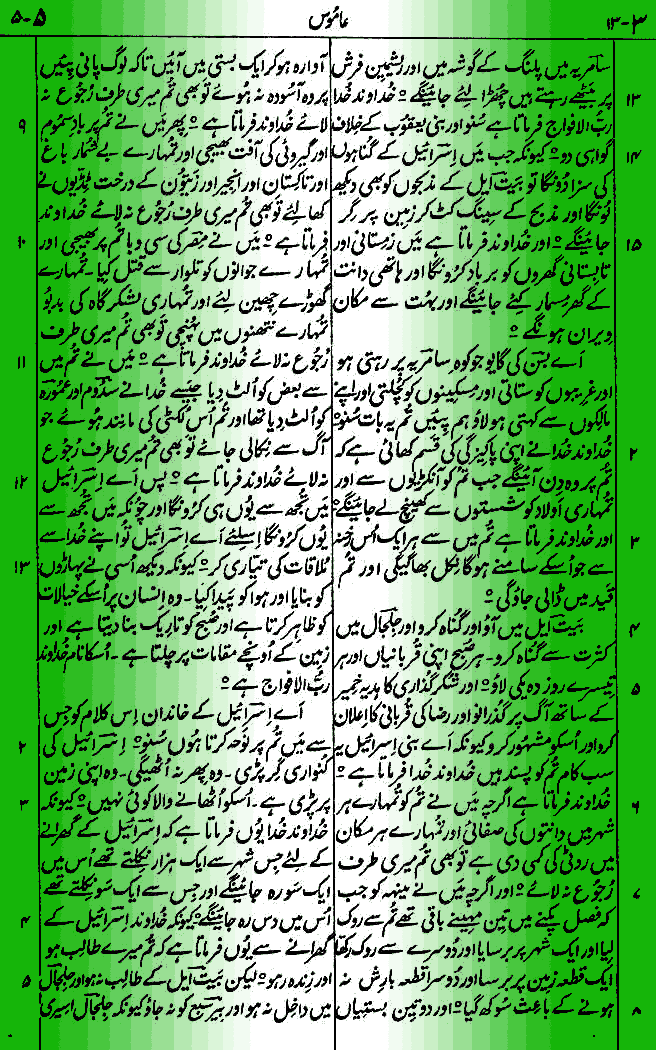
Book of Amos: Chapter 3 (Verses 13–15)
Amos 3:13
Verse: Hear ye and testify in the house of Jacob saith the Lord GOD the God of hosts
-
English Explanation: The Prophet Amos calls upon witnesses (likely the surrounding heathen nations) to observe and testify against the house of Jacob (Israel). The proclamation is backed by the ultimate authority of the Sovereign Lord, the God of hosts, emphasizing His supreme power over all earthly and heavenly armies.
-
Urdu Explanation:
نبی عاموس گواہوں (غالباً اردگرد کی غیر قوموں) کو پکارتا ہے کہ وہ یعقوب کے گھرانے (اسرائیل) کے خلاف گواہی دیں۔ یہ اعلان خداوند خدا، لشکروں کے خدا کے مطلق اختیار کے ساتھ کیا گیا ہے، جو زمین اور آسمان کی تمام قوتوں پر اس کی حاکمیت کو ظاہر کرتا ہے۔
Amos 3:14
Verse: That in the day that I shall visit the transgressions of Israel upon him I will also visit the altars of Bethel and the horns of the altar shall be cut off and fall to the ground
-
English Explanation: God declares that when He punishes Israel for its sins, He will specifically target the false altars of Bethel, which were the center of unauthorized, idolatrous worship. The “horns of the altar”—traditionally a place of refuge and a symbol of power—will be chopped off, showing that their false religion will offer no protection from divine judgment.
-
Urdu Explanation:
خدا فرماتا ہے کہ جب وہ اسرائیل کو اس کے گناہوں کی سزا دے گا، تو وہ خاص طور پر بیت ایل کی جھوٹی قربان گاہوں کو نشانہ بنائے گا جو بت پرستی کا مرکز تھیں۔ “قربان گاہ کے سینگ” جو روایتی طور پر پناہ گاہ اور طاقت کی علامت تھے، کاٹ کر زمین پر گرا دیے جائیں گے، جس سے ظاہر ہوتا ہے کہ ان کا جھوٹا مذہب انہیں الٰہی انصاف سے نہیں بچا سکے گا۔
Amos 3:15
Verse: And I will smite the winter house with the summer house and the houses of ivory shall perish and the great houses shall have an end saith the LORD
-
English Explanation: This verse targets the luxury and social inequality of Israel’s elite. The wealthy built separate mansions for winter and summer, decorated with extravagant ivory. God promises to destroy these monuments of greed, proving that material wealth cannot withstand His judgment.
-
Urdu Explanation:
یہ آیت اسرائیل کے امیر طبقے کی عیاشی اور سماجی عدم مساوات کو نشانہ بناتی ہے۔ امیروں نے سردیوں اور گرمیوں کے لیے الگ الگ محلات بنائے تھے جو ہاتھی دانت سے سجائے گئے تھے۔ خدا ان کی حرص اور لالچ کی ان نشانیوں کو تباہ کرنے کا وعدہ کرتا ہے، جس سے یہ ثابت ہوتا ہے کہ مادی دولت خدا کے انصاف کے سامنے ٹھہر نہیں سکتی۔
Book of Amos: Chapter 4 (Verses 1–13)
Amos 4:1
Verse: Hear this word ye kine of Bashan that are in the mountain of Samaria which oppress the poor which crush the needy which say to their masters Bring and let us drink
-
English Explanation: Amos uses the metaphor “kine (cows) of Bashan”—Bashan being famous for its well-fed, heavy cattle—to describe the wealthy, self-indulgent women of Samaria. They lived in luxury by exploiting the poor and needy, constantly demanding that their husbands (“masters”) provide them with more wine and luxury.
-
Urdu Explanation:
عاموس سامریہ کی امیر اور عیاش عورتوں کو تشبیہ دینے کے لیے “بسن کی گایوں” کا استعارہ استعمال کرتا ہے (بسن اپنے موٹے تازے مویشیوں کے لیے مشہور تھا)۔ وہ غریبوں اور ضرورت مندوں کا استحصال کر کے عیش و عشرت کی زندگی گزار رہی تھیں اور اپنے شوہروں (“آقاؤں”) سے مسلسل مزید شراب اور عیاشی کا سامان مانگتی تھیں۔
Amos 4:2
Verse: The Lord GOD hath sworn by his holiness that lo the days shall come upon you that he will take you away with hooks and your posterity with fishhooks
-
English Explanation: Because God is holy, He cannot tolerate systemic cruelty. He swears by His own holiness that a brutal enemy (the Assyrians) will conquer them and lead them away into captivity like fish caught on hooks. It signifies absolute helplessness and humiliation.
-
Urdu Explanation:
چونکہ خدا پاک ہے، وہ مستقل ظلم کو برداشت نہیں کر سکتا۔ وہ اپنی پاکیزگی کی قسم کھاتا ہے کہ ایک بے رحم دشمن (اسوری) انہیں مغلوب کر لے گا اور انہیں مچھلی کے کانٹوں کی طرح قید میں لے جائے گا۔ یہ مکمل بے بسی اور رسوائی کی علامت ہے۔
Amos 4:3
Verse: And ye shall go out at the breaches every cow at that which is before her and ye shall cast them into the palace saith the LORD
-
English Explanation: When the city walls are broken down by invaders, these pampered women will flee through the gaps (“breaches”) in panic, like cattle rushing through a broken fence. They will be driven out of their luxurious palaces and cast away into exile.
-
Urdu Explanation:
جب حملہ آور شہر کی دیواروں کو توڑ دیں گے، تو یہ ناز و نعم میں پلی عورتیں خوف کے عالم میں دیوار کے شگافوں سے اس طرح بھاگیں گی جیسے مویشی ٹوٹی ہوئی باڑ سے نکلتے ہیں۔ انہیں ان کے پرتعیش محلوں سے نکال کر جلاوطنی میں پھینک دیا جائے گا۔
Amos 4:4
Verse: Come to Bethel and transgress at Gilgal multiply transgression and bring your sacrifices every morning and your tithes after three years
-
English Explanation: Amos uses biting sarcasm here. He invites the people to go to their favorite religious shrines, Bethel and Gilgal, but calls their worship what it truly is: transgression (sin). They are performing outward rituals diligently while their hearts are completely alienated from God’s justice.
-
Urdu Explanation:
عاموس یہاں گہرے طنز کا استعمال کرتا ہے۔ وہ لوگوں کو ان کی پسندیدہ مذہبی عبادت گاہوں، بیت ایل اور جلجال جانے کی دعوت دیتا ہے، لیکن ان کی عبادت کو وہی نام دیتا ہے جو وہ اصل میں ہے: یعنی گناہ اور نافرمانی۔ وہ ظاہری رسم و رواج تو بڑی تندہی سے ادا کر رہے ہیں لیکن ان کے دل خدا کے انصاف سے بالکل دور ہیں۔
Amos 4:5
Verse: And offer a sacrifice of thanksgiving with leaven and proclaim and publish the free offerings for this liketh you O ye children of Israel saith the Lord GOD
-
English Explanation: Continuing the sarcasm, God notes that the Israelites love to make a public show of their voluntary offerings to boost their own social status (“for this liketh you”). They care more about impressing people and enjoying the religious festivals than obeying God.
-
Urdu Explanation:
طنز کو جاری رکھتے ہوئے، خدا فرماتا ہے کہ بنی اسرائیل اپنی رضاکارانہ قربانیوں کا سرعام مظاہرہ کرنا پسند کرتے ہیں تاکہ اپنی سماجی ساکھ بڑھا سکیں (“کیونکہ تم کو یہی پسند ہے”)۔ انہیں خدا کی فرمانبرداری سے زیادہ لوگوں کو متاثر کرنے اور مذہبی تہواروں سے لطف اندوز ہونے کی فکر ہے۔
Amos 4:6
Verse: And I also have given you cleanness of teeth in all your cities and want of bread in all your places yet have ye not returned unto me saith the LORD
-
English Explanation: “Cleanness of teeth” is an idiom for famine—there was no food left to stick to their teeth. God sent hunger to all their cities as a wake-up call, a divine discipline meant to draw them back to Him. Yet, Israel stubborny refused to repent.
-
Urdu Explanation:
“دانتوں کی صفائی” قحط کے لیے ایک محاورہ ہے—یعنی ان کے دانتوں سے چپکنے کے لیے کوئی کھانا باقی نہیں رہا تھا۔ خدا نے ان کے تمام شہروں میں بھوک بھیجی تاکہ وہ بیدار ہوں؛ یہ ایک الٰہی تنبیہ تھی جو انہیں واپس خدا کی طرف لانے کے لیے تھی۔ پھر بھی، اسرائیل نے توبہ کرنے سے ضد کے ساتھ انکار کیا۔
Amos 4:7
Verse: And also I have withholden the rain from you when there were yet three months to the harvest and I caused it to rain upon one city and caused it not to rain upon another city one piece was rained upon and the piece whereupon it rained not withered
-
English Explanation: God controlled the weather patterns to send a clear message. By withholding rain just three months before harvest—the most critical time for crops—and sending rain only on selected towns, He demonstrated that the drought was not a natural coincidence, but a targeted divine warning.
-
Urdu Explanation:
خدا نے ایک واضح پیغام دینے کے لیے موسم کے نظام کو کنٹرول کیا۔ فصل کی کٹائی سے ٹھیک تین ماہ پہلے—جو فصلوں کے لیے سب سے اہم وقت ہوتا ہے—بارش کو روک کر اور صرف چند مخصوص شہروں پر بارش برسا کر، اس نے ثابت کیا کہ یہ خشکسالی کوئی قدرتی اتفاق نہیں تھا، بلکہ ایک خاص الٰہی انتباہ تھا۔
Amos 4:8
Verse: So two or three cities wandered unto one city to drink water but they were not satisfied yet have ye not returned unto me saith the LORD
-
English Explanation: The drought was so severe that people from multiple ruined cities dragged themselves to a single city that had water, yet there was never enough to satisfy everyone. Despite experiencing terrifying thirst and desperation, Israel still refused to recognize God’s hand and return to Him.
-
Urdu Explanation:
خشکسالی اتنی شدید تھی کہ کئی تباہ حال شہروں کے لوگ پانی پینے کے لیے کسی ایک ایسے شہر کی طرف بھٹکتے پھرتے تھے جہاں پانی تھا، پھر بھی سب کی پیاس بجھانے کے لیے پانی کافی نہ تھا۔ اس خوفناک پیاس اور مایوسی کا تجربہ کرنے کے باوجود، اسرائیل نے خدا کے ہاتھ کو پہچاننے اور اس کی طرف رجوع کرنے سے انکار کر دیا۔
Amos 4:9
Verse: I have smitten you with blasting and mildew when your gardens and your vineyards and your fig trees and your olive trees increased the palmerworm devoured them yet have ye not returned unto me saith the LORD
-
English Explanation: God struck their agricultural wealth directly. He sent scorching winds (“blasting”), plant diseases (“mildew”), and swarms of locusts (“palmerworm”) to destroy their valuable cash crops—grapes, figs, and olives. But even economic ruin did not prompt them to repent.
-
Urdu Explanation:
خدا نے ان کی زرعی دولت پر براہِ راست وار کیا۔ اس نے جھلسانے والی ہوا، پودوں کی بیماریاں، اور ٹڈیوں کے دل بھیجے تاکہ ان کی قیمتی فصلیں—انگور، انجیر اور زیتون—تباہ ہو جائیں۔ لیکن اس معاشی تباہی نے بھی انہیں توبہ کرنے پر مائل نہ کیا۔
Amos 4:10
Verse: I have sent among you the pestilence after the manner of Egypt your young men have I slain with the sword and have taken away your horses and I have made the stink of your camps to come up unto your nostrils yet have ye not returned unto me saith the LORD
-
English Explanation: God brought deadly diseases reminiscent of the plagues of Egypt, combined with military defeats where their young soldiers died and their warhorses were captured. The casualties were so high that the stench of decaying bodies filled their military camps. Still, Israel remained spiritually deaf.
-
Urdu Explanation:
خدا نے ان کے درمیان مصر کی وباؤں جیسی مہلک بیماریاں بھیجیں، اور ساتھ ہی فوجی شکستیں دیں جہاں ان کے جوان سپاہی تلوار سے قتل ہوئے اور ان کے جنگی گھوڑے چھین لیے گئے۔ ہلاکتیں اتنی زیادہ تھیں کہ لاشوں کی سڑاند ان کے فوجی کیمپوں میں پھیل گئی۔ پھر بھی، اسرائیل روحانی طور پر اندھا اور بہرا بنا رہا۔
Amos 4:11
Verse: I have overthrown some of you as God overthrew Sodom and Gomorrah and ye were as a firebrand plucked out of the burning yet have ye not returned unto me saith the LORD
-
English Explanation: Some of Israel’s cities suffered catastrophic destruction comparable to the total obliteration of Sodom and Gomorrah. Those who survived were like a charred stick (“firebrand”) hastily pulled out of a roaring fire—narrowly escaping death, scarred but alive. Yet, this miraculous survival did not lead them to gratitude or repentance.
-
Urdu Explanation:
اسرائیل کے کچھ شہر سدوم اور عمورہ کی طرح مکمل طور پر تباہی کا شکار ہوئے۔ جو لوگ بچ گئے وہ آگ سے نکالے ہوئے ادھ جلے کوئلے (لکڑی) کی مانند تھے—جو بال بال بچے، زخمی تو ہوئے لیکن زندہ رہے۔ مگر اس معجزانہ بقا نے بھی انہیں شکر گزاری یا توبہ کی طرف مائل نہ کیا۔
Amos 4:12
Verse: Therefore thus will I do unto thee O Israel and because I will do this unto thee prepare to meet thy God O Israel
-
English Explanation: Since all lesser judgments failed to wake Israel up, God announces that He is coming to confront them personally in final judgment. The phrase “prepare to meet thy God” is not an invitation to a joyful encounter, but a terrifying ultimatum to face the ultimate Judge of the universe.
-
Urdu Explanation:
چونکہ تمام چھوٹی سزائیں اسرائیل کو بیدار کرنے میں ناکام رہیں، اس لیے خدا اعلان کرتا ہے کہ وہ آخری عدالت میں ذاتی طور پر ان کا سامنا کرنے آ رہا ہے۔ “اپنے خدا سے ملنے کے لیے تیار ہو جا” کی یہ عبارت کسی خوش آئند ملاقات کی دعوت نہیں، بلکہ کائنات کے سب سے بڑے منصف کا سامنا کرنے کا ایک خوفناک الٹی میٹم ہے۔
Amos 4:13
Verse: For lo he that formeth the mountains and createth the wind and declareth unto man what is his thought that maketh the morning darkness and treadeth upon the high places of the earth The LORD The God of hosts is his name
-
English Explanation: To remind Israel of who they are dealing with, Amos concludes with a powerful doxology praising God’s absolute sovereignty. He is the Creator of the solid mountains and the invisible wind; He knows human thoughts; He controls light and darkness, and walks over the highest peaks of the earth. His name is Yahweh, the God of hosts.
-
Urdu Explanation:
اسرائیل کو یہ یاد دلانے کے لیے کہ ان کا معاملہ کس ذات سے ہے، عاموس خدا کی مطلق حاکمیت کی تعریف کرتے ہوئے ایک طاقتور بیان پر بات ختم کرتا ہے۔ وہ مضبوط پہاڑوں اور پوشیدہ ہوا کا خالق ہے؛ وہ انسان کے خیالات کو جانتا ہے؛ وہ صبح کو اندھیرے میں بدل سکتا ہے اور زمین کے اونچے مقامات کو پامال کرتا ہے۔ اس کا نام خداوند، لشکروں کا خدا ہے۔
Book of Amos: Chapter 5 (Verses 1–5)
Amos 5:1
Verse: Hear ye this word which I take up against you even a lamentation O house of Israel
-
English Explanation: Amos shifts his tone to a “lamentation”—a funeral dirge. He is weeping for Israel before the destruction even happens, treating the nation’s fall as an absolute, tragic certainty because of their persistent rebellion.
-
Urdu Explanation:
عاموس اپنا لہجہ بدل کر ایک “نوحہ” (ماتمی گیت) شروع کرتا ہے۔ وہ اسرائیل کی تباہی کے اصل وقوع پذیر ہونے سے پہلے ہی اس پر رو رہا ہے، اور ان کی مسلسل سرکشی کی وجہ سے قوم کے زوال کو ایک حتمی اور المناک حقیقت کے طور پر پیش کرتا ہے۔
Amos 5:2
Verse: The virgin of Israel is fallen she shall no more rise she is forsaken upon her land there is none to raise her up
-
English Explanation: Israel is poetically described as a “virgin”—once protected, vibrant, and full of life—who has now fallen in defeat. She lies abandoned on her own soil with no allies or false gods capable of lifting her back up.
-
Urdu Explanation:
شاعری کے انداز میں اسرائیل کو ایک “کنواری” کے طور پر بیان کیا گیا ہے—جو کبھی محفوظ، متحرک اور زندگی سے بھرپور تھی—جو اب شکست کھا کر گر چکی ہے۔ وہ اپنی ہی زمین پر لاوارث پڑی ہے اور کوئی اتحادی یا جھوٹا معبود اسے دوبارہ اٹھانے کے قابل نہیں ہے۔
Amos 5:3
Verse: For thus saith the Lord GOD The city that went out by a thousand shall leave an hundred and that which went forth by an hundred shall leave ten to the house of Israel
-
English Explanation: God describes the terrifying scale of the military defeat. Cities that send out 1,000 soldiers to war will see only 100 return, and smaller towns sending 100 will see only 10 survive. It represents a devastating $90\%$ casualty rate.
-
Urdu Explanation:
خدا فوجی شکست کی ہولناک حد کو بیان کرتا ہے۔ جو شہر جنگ کے لیے ۱۰۰۰ سپاہی بھیجے گا، وہاں صرف ۱۰۰ واپس آئیں گے، اور چھوٹے قصبے جو ۱۰۰ بھیجیں گے، وہاں صرف ۱۰ زندہ بچیں گے۔ یہ ۹۰ فیصد جانی نقصان کی عکاسی کرتا ہے۔
Amos 5:4
Verse: For thus saith the LORD unto the house of Israel Seek ye me and ye shall live
-
English Explanation: Even on the brink of total destruction, God’s mercy offers a narrow window of hope. He appeals to the people directly: if they stop seeking false idols and instead seek a genuine relationship with Yahweh through obedience and justice, they will survive and find spiritual life.
-
Urdu Explanation:
مکمل تباہی کے دہانے پر بھی، خدا کی رحمت امید کی ایک کرن پیش کرتی ہے۔ وہ لوگوں سے براہِ راست اپیل کرتا ہے: اگر وہ جھوٹے بتوں کو تلاش کرنا چھوڑ دیں اور اس کے بجائے فرمانبرداری اور انصاف کے ذریعے خداوند کے ساتھ سچا رشتہ قائم کریں، تو وہ زندہ رہیں گے اور روحانی زندگی پائیں گے۔
Amos 5:5
Verse: But seek not Bethel nor enter into Gilgal and pass not to Beer-sheba for Gilgal shall surely go into captivity and Bethel shall come to nought
-
English Explanation: God warns them not to turn to their corrupt religious centers—Bethel, Gilgal, or Beer-sheba—for rescue. These places of idolatry are powerless. In fact, Gilgal itself will be carried away into exile, and Bethel (which means “House of God”) will become nothing (“Aven,” or emptiness). True salvation comes from God, not religious tourism.
-
Urdu Explanation:
خدا انہیں متنبہ کرتا ہے کہ وہ نجات کے لیے اپنے فاسد مذہبی مراکز—بیت ایل، جلجال، یا بیر سبع—کی طرف رجوع نہ کریں۔ بت پرستی کے یہ مقامات بے بس ہیں۔ بلکہ جلجال خود قید میں چلا جائے گا اور بیت ایل (جس کا مطلب ‘خدا کا گھر’ ہے) نیست و نابود ہو جائے گا۔ سچی نجات خدا سے ملتی ہے، کسی مذہبی جگہ کی محض ظاہری زیارت سے نہیں۔