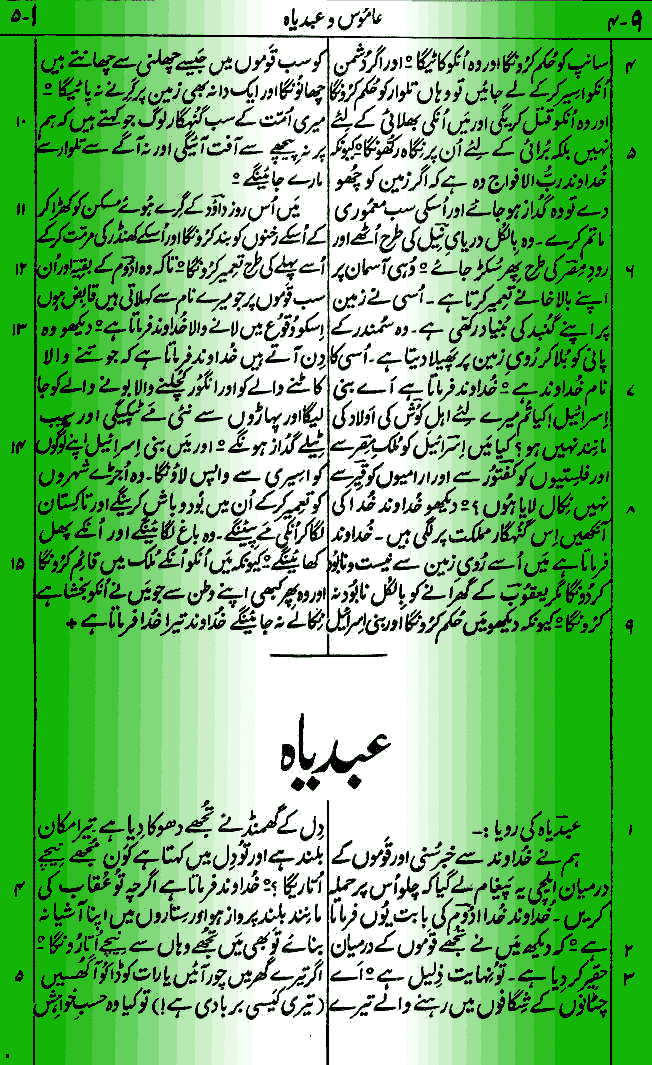
Verse-by-Verse Commentary (Amos 9:4–15)
Amos 9:4
Verse: And though they go into captivity before their enemies thence will I command the sword and it shall slay them and I will set mine eyes upon them for evil and not for good
English Explanation
This verse emphasizes the absolute inescapability of divine judgment for the unrepentant. Even if the Israelites survive a siege and are taken away as living captives—traditionally a status where the immediate threat of execution ends—God’s judgment will follow them into foreign lands. The phrase “set mine eyes upon them for evil” contrasts sharply with the usual biblical promise of God watching over His people for good. It signifies a terrifying shift: the sovereign Creator actively directing circumstances to execute justice against persistent sin.
Urdu Explanation
یہ آیت واضع کرتی ہے کہ خدا کے انصاف سے بچنا ناگزیر ہے۔ اگر بنی اسرائیل جنگ میں بچ بھی جائیں اور دشمن کی قید میں چلے جائیں (جہاں عام طور پر فوری موت کا خطرہ ٹل جاتا ہے) تب بھی خدا کا حکم وہاں تلوار کو ان کی ہلاکت کے لیے بھیجے گا۔ “میں ان پر نیکی کے لیے نہیں بلکہ بدی (عدالت) کے لیے اپنی نظر رکھوں گا” کا مطلب یہ ہے کہ جو خدا ہمیشہ اپنے لوگوں کی حفاظت کرتا تھا، اب ان کے گناہوں کی وجہ سے ان کی مخالفت کرے گا۔
Amos 9:5
Verse: And the Lord GOD of hosts is he that toucheth the land and it shall melt and all that dwell therein shall mourn and it shall rise up wholly like a flood and shall be drowned as by the flood of Egypt
English Explanation
Amos reminds the listeners of the sheer cosmic power of the Sovereign God (“Lord GOD of hosts”). God does not need armies to dismantle a nation; a mere touch from Him causes the physical earth to “melt” or destabilize. The imagery of the land rising and drowning like the Nile (“flood of Egypt”) represents total societal and physical upheaval. It serves to eliminate any false sense of security the people held regarding their geographic or geopolitical stability.
Urdu Explanation
عاموس نبی یہاں کائنات کے قادرِ مطلق خدا (“رب الافواج”) کی لاڈوال طاقت کا ذکر کرتے ہیں۔ خدا کو کسی قوم کو سزا دینے کے لیے انسانوں کی ضرورت نہیں، اس کا محض ایک لمس زمین کو پگھلا سکتا ہے۔ مصر کے دریا کی طرح زمین کا ابلنا اور غرق ہونا اس بات کی علامت ہے کہ خدا کا انصاف پوری قوم اور معاشرے کو ہلا کر رکھ دے گا، اور ان کا جھوٹا بھروسہ خاک میں مل جائے گا۔
Amos 9:6
Verse: It is he that buildeth his stories in the heaven and hath founded his troop in the earth he that calleth for the waters of the sea and poureth them out upon the face of the earth The LORD is his name
English Explanation
This verse reinforces the divine architecture and authority of Yahweh. He constructs His celestial chambers (“stories in the heaven”) and establishes His dominion (“troop” or vaulted dome) over the earth. His command over the water cycle—gathering ocean waters and pouring them out as rain or judgment over the land—proves His absolute supremacy. By concluding with “The LORD [Yahweh] is his name,” the prophet reminds Israel exactly who they have offended: the ultimate Creator.
Urdu Explanation
یہ آیت خدا کی عظیم کاریگری اور خود مختاری کو ظاہر کرتی ہے۔ وہ جس نے آسمان پر اپنے بالاخانے بنائے اور زمین پر اپنی فوج (یا کائنات کی بنیاد) رکھی، وہی سمندر کے پانیوں کو پکارتا ہے اور انہیں زمین پر انڈیل دیتا ہے۔ “خداوند اس کا نام ہے” کہہ کر نبی اسرائیل کو یاد دلاتا ہے کہ انہوں نے کسی عام ہستی کی نہیں، بلکہ کائنات کے خالق و مالک کی نافرمانی کی ہے۔
Amos 9:7
Verse: Are ye not as children of the Ethiopians unto me O children of Israel saith the LORD Have not I brought up Israel out of the land of Egypt and the Philistines from Caphtor and the Syrians from Kir
English Explanation
Here, God shatters Israel’s spiritual elitism and exceptionalism. They believed their historical Exodus from Egypt guaranteed them permanent, unconditional immunity from destruction. God bluntly states that to Him, they are currently no different than the distant Cushites (Ethiopians). He points out that He also guided the migrations of other nations, like the Philistines from Caphtor (Crete) and the Syrians from Kir. God is the sovereign director of all human history, not a localized deity bound to favor Israel despite their corruption.
Urdu Explanation
اس آیت میں خدا اسرائیل کے اس گھمنڈ کو توڑتا ہے کہ وہ ایک برگزیدہ قوم ہونے کی وجہ سے ہر سزا سے محفوظ ہیں۔ وہ سمجھتے تھے کہ مصر سے خروج کی وجہ سے وہ ہمیشہ خدا کے لاڈلے رہیں گے۔ لیکن خدا فرماتا ہے کہ گناہ کی حالت میں وہ اس کے لیے حبشیوں (ایتھوپیا کے لوگوں) کی مانند ہیں۔ خدا یاد دلاتا ہے کہ جیسے وہ اسرائیل کو مصر سے لایا، ویسے ہی وہ فلسطینیوں کو کفتور سے اور سوریوں کو قیر سے لایا۔ خدا پوری دنیا کی تاریخ کا مالک ہے، کسی ایک قوم کا پابند نہیں۔
Amos 9:8
Verse: Behold the eyes of the Lord GOD are upon the sinful kingdom and I will destroy it from off the face of the earth saving that I will not utterly destroy the house of Jacob saith the LORD
English Explanation
This verse marks a critical turning point in the chapter, balancing absolute justice with unyielding mercy. The “sinful kingdom” (the northern kingdom of Israel) has reached its moral expiration date and will be completely destroyed as a political entity. However, God promises a remnant will survive. The distinction between the structural “sinful kingdom” and the organic “house of Jacob” shows that while the apostate political system will perish, God will preserve the physical lineage and spiritual lineage of His covenant people.
Urdu Explanation
یہ آیت خدا کے انصاف اور اس کے رحم کے خوبصورت توازن کو ظاہر کرتی ہے۔ “گنہگار مملکت” (اسرائیل کی شمالی سلطنت) اپنے گناہوں کی وجہ سے سیاسی طور پر صفحہ ہستی سے مٹادی جائے گی۔ لیکن خدا وعدہ کرتا ہے کہ وہ “یعقوب کے گھرانے” کو پوری طرح نیست و نابود نہیں کرے گا۔ یعنی، گنہگار حکومت تو ختم ہو جائے گی، لیکن خدا اپنے عہد کی خاطر ایک وفادار گروہ (باقیماندہ) کو زندہ رکھے گا۔
Amos 9:9
Verse: For lo I will command and I will sift the house of Israel among all nations like as corn is sifted in a sieve yet shall not the least grain fall upon the earth
English Explanation
God uses the farming metaphor of sifting grain to explain the impending exile. When Israel is scattered among the pagan nations, it will feel turbulent and violent, much like grain shaken violently in a sieve. However, this process is intentional and refining. The “sieve” allows the dirt, debris, and chaff (the ungodly) to fall away, while every single true “grain” (the righteous individuals) will be carefully watched and preserved by God. Not a single true believer will be lost in the chaos.
Urdu Explanation
خدا یہاں اناج چھاننے کی مثال استعمال کرتا ہے۔ جب بنی اسرائیل کو غیر قوموں میں پراگندہ (جلاوطن) کیا جائے گا، تو وہ ایک چھلنی میں ہلائے جانے والے اناج کی طرح ہوگا۔ یہ جلاوطنی دراصل ایک صفائی کا عمل ہے۔ چھلنی کے ذریعے بھوسا اور گند (نافرمان لوگ) الگ ہو جائیں گے، لیکن خدا وعدہ کرتا ہے کہ سچا “دانہ” (وفادار اور راستباز انسان) زمین پر گر کر ضائع نہیں ہوگا بلکہ اسے سنبھال لیا جائے گا۔
Amos 9:10
Verse: All the sinners of my people shall die by the sword which say The evil shall not overtake nor prevent us
English Explanation
This verse explicitly targets the complacent and arrogant elite within Israel. These were the people who openly dismissed the warnings of prophets like Amos, falsely believing that their wealth, status, or religious heritage would protect them from disaster (“The evil shall not overtake nor prevent us”). God declares that this specific group of prideful cynics will be the ones targeted and eliminated by the sword of judgment.
Urdu Explanation
یہ آیت اسرائیل کے ان مغرور اور بے پرواہ لوگوں کو نشانہ بناتی ہے جو نبیوں کی تنبیہ کا مذاق اڑاتے تھے۔ وہ کہتے تھے کہ “آفت ہم تک نہیں پہنچے گی اور نہ ہم پر غالب آئے گی”۔ خدا صاف فرماتا ہے کہ میری امت کے ایسے تمام گنہگار جو اس جھوٹی تسلی میں جی رہے ہیں، وہ سب کے سب تلوار سے مارے جائیں گے۔ ان کا غرور ان کو بچا نہیں سکے گا۔
Amos 9:11
Verse: In that day will I raise up the tabernacle of David that is fallen and close up the breaches thereof and I will raise up his ruins and I will build it as in the days of old
English Explanation
The prophetic tone shifts dramatically here from terrifying judgment to glorious restoration. “In that day” points toward a future messianic era. The “tabernacle [tent] of David” refers to the Davidic dynasty, which had fallen into ruin and division. God promises to repair the breaches and rebuild it to its ancient glory. In the New Testament (Acts 15), the Apostle James explicitly cites this verse to show that the inclusion of the Gentiles into the Church is the ultimate fulfillment of rebuilding David’s spiritual kingdom under Jesus Christ.
Urdu Explanation
یہاں سے نبوت کا رخ خوفناک عدالت سے بدل کر شاندار بحالی کی طرف مڑ جاتا ہے۔ “اس دن” سے مراد مسیح کا دور ہے۔ “داؤد کا گرا ہوا خیمہ” داؤد کی بادشاہی اور اس کی نسل کو ظاہر کرتا ہے جو زوال کا شکار ہو چکی تھی۔ خدا وعدہ کرتا ہے کہ وہ اس کے شگافوں کو بھرے گا اور اسے قدیم دنوں کی طرح دوبارہ تعمیر کرے گا۔ عہدِ جدید (اعمال 15) میں یعقوب رسول نے اس آیت کا حوالہ دے کر ثابت کیا کہ غیر قوموں کا کلیسیا میں شامل ہونا دراصل مسیح کے وسیلے داؤد کے خیمے کی روحانی تعمیر ہے۔
Amos 9:12
Verse: That they may possess the remnant of Edom and of all the heathen which are called by my name saith the LORD that doeth this
English Explanation
The restored kingdom of David will expand far beyond its historical geographical borders. Edom, Israel’s traditional and bitter enemy, along with other Gentile nations (“the heathen”), will not be cruelly subjugated, but rather brought under the spiritual domain of God’s covenant family. They will be “called by my name,” meaning they will worship the true God. The verse highlights that this inclusive, miraculous expansion is entirely the work of the sovereign Lord.
Urdu Explanation
داؤد کی بحال شدہ سلطنت اپنی پرانی جغرافیائی حدود سے کہیں زیادہ وسیع ہوگی۔ ادوم، جو اسرائیل کا روایتی دشمن تھا، اور دیگر تمام غیر قومیں اس روحانی سلطنت کا حصہ بنیں گی۔ وہ “خدا کے نام سے کہلائیں گی،” جس کا مطلب ہے کہ وہ سچے خدا کی پرستش کریں گی۔ یہ آیت ظاہر کرتی ہے کہ غیر قوموں کی یہ شمولیت کسی انسانی کوشش سے نہیں، بلکہ خدا کے اپنے قادرِ مطلق کام کے ذریعے ہوگی۔
Amos 9:13
Verse: Behold the days come saith the LORD that the plowman shall overtake the reaper and the treader of grapes him that soweth seed and the mountains shall drop sweet wine and all the hills shall melt
English Explanation
Amos uses vibrant, hyper-abundant agricultural imagery to describe the blessings of the restored era. The harvest will be so massive and bountiful that the workers reapers cannot even finish gathering the crops before it is already time for the plowman to turn the soil for the next season. Similarly, grape-treading will overlap with sowing time. The mountains dripping with sweet wine and hills melting (flowing with abundance) symbolize an overturning of the curse of scarcity, reflecting the spiritual and physical paradise of God’s ultimate kingdom.
Urdu Explanation
عاموس نبی بحالی کے دور کی برکات کو ظاہر کرنے کے لیے زراعت کی خوبصورت اور مبالغہ آمیز مثال استعمال کرتے ہیں۔ فصل اتنی زیادہ اور برکت والی ہوگی کہ ابھی کاٹنے والے اپنی کٹائی ختم نہیں کر پائیں گے کہ اگلی فصل کے لیے ہل چلانے کا وقت آ جائے گا۔ اسی طرح انگور روندنے والے اور بیج بونے والے کا وقت آپس میں مل جائے گا۔ پہاڑوں سے رس کا ٹپکنا اور پہاڑیوں کا پگھلنا (برکتوں کا بہنا) اس بات کی علامت ہے کہ قحط اور کمی کی لعنت ہمیشہ کے لیے ختم ہو جائے گی۔
Amos 9:14
Verse: And I will bring again the captivity of my people of Israel and they shall build the waste cities and inhabit them and they shall plant vineyards and drink the wine thereof they shall also make gardens and eat the fruit of them
English Explanation
This verse promises a complete reversal of the losses suffered during exile and judgment. Previously, under God’s curse, Israel built homes they couldn’t live in and planted crops others ate. Here, God reverses that captivity. The ruined cities will be rebuilt and permanently inhabited by their rightful citizens. The people will fully enjoy the long-term rewards of their labor—drinking from their own vineyards and eating from their own gardens—signifying safety, peace, and permanent stability.
Urdu Explanation
یہ آیت جلاوطنی اور عدالت کے دوران ہونے والے تمام نقصانات کے ازالے کا وعدہ کرتی ہے۔ ماضی میں، خدا کی ناراضگی کی وجہ سے، وہ گھر بناتے تھے پر رہ نہیں پاتے تھے، لیکن اب خدا ان کی جلاوطنی کو ختم کرے گا۔ اجڑے ہوئے شہر دوبارہ تعمیر ہوں گے اور لوگ ان میں آباد ہوں گے۔ وہ اپنے ہاتھوں کی کمائی سے لطف اندوز ہوں گے—اپنے انگوروں کے باغوں کی مے پیئیں گے اور اپنے باغوں کے پھل کھائیں گے، جو کہ امن اور سکون کی علامت ہے۔
Amos 9:15
Verse: And I will plant them upon their land and they shall no more be pulled up out of their land which I have given them saith the LORD thy God
English Explanation
The book of Amos closes with an unshakeable promise of ultimate permanence. God uses the metaphor of planting a tree with deep, unbreakable roots. Once God firmly establishes His redeemed people in the land promised to their ancestors, no foreign empire or geopolitical crisis will ever uproot them again. The final phrase, “saith the LORD thy God,” seals this eternal covenant with the personal, relational authority of God Himself.
Urdu Explanation
عاموس کی کتاب کا اختتام ایک غیر متزلزل اور دائمی وعدے پر ہوتا ہے۔ خدا یہاں گہری جڑیں رکھنے والے درخت کی مانند اپنے لوگوں کو ان کی زمین پر “روپنے” (لگانے) کا استعارہ استعمال کرتا ہے۔ جب خدا اپنے فدیہ پائے ہوئے لوگوں کو اس زمین پر قائم کر دے گا، تو دنیا کی کوئی طاقت یا سلطنت انہیں دوبارہ وہاں سے اکھاڑ نہیں سکے گی۔ آخری الفاظ “خداوند تیرے خدا نے فرمایا ہے” اس بات پر مہر لگاتے ہیں کہ یہ وعدہ اٹل ہے کیونکہ یہ خود خدا کا عہد ہے۔