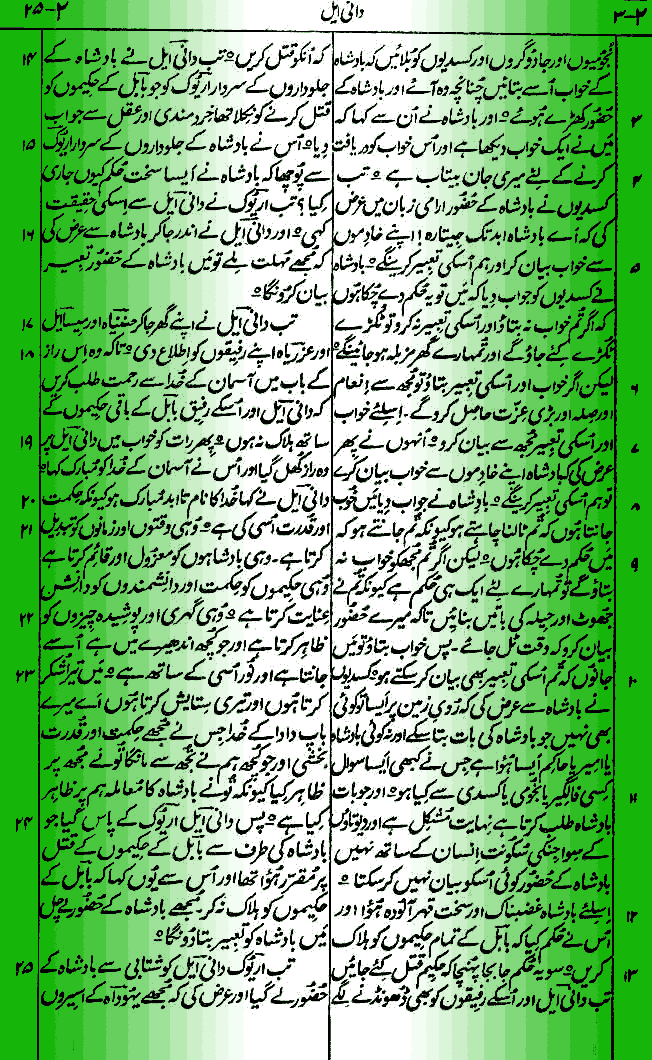
Verse-by-Verse Commentary & Explanation (Daniel 2:3–25)
Daniel 2:3
Verse: And the king said unto them I have dreamed a dream and my spirit was troubled to know the dream
-
English Explanation: King Nebuchadnezzar wakes up intensely disturbed by a nightmare. In ancient Babylon, dreams were viewed as critical messages from the divine world. The king’s anxiety stems not just from the dream itself, but from his inability to understand or remember its vital message, creating a state of political and personal panic.
-
Urdu Explanation: بادشاہ نبوکدنضر ایک خوفناک خواب کی وجہ سے شدید پریشان حال بیدار ہوا۔ قدیم بابل میں خوابوں کو خدائی پیغامات سمجھا جاتا تھا۔ بادشاہ کی بے چینی صرف خواب کی وجہ سے نہیں تھی بلکہ وہ اس کے اہم مقصد کو سمجھنے سے قاصر تھا جس نے اسے ذہنی اور سیاسی طور پر بے چین کر دیا۔
Daniel 2:4
Verse: Then spake the Chaldeans to the king in Syriack O king live for ever tell thy servants the dream and we will shew the interpretation
-
English Explanation: The Chaldeans (the elite class of astrologers and magicians) address the king in Aramaic (Syriack), offering standard courtly flattery. They confidently request the details of the dream, assuming they can easily fabricate a plausible, pleasing interpretation using their traditional formulas and astrological charts.
-
Urdu Explanation: کلدانیوں (علمِ نجوم اور جادوگروں کے اعلیٰ طبقے) نے بادشاہ سے شاہی آداب کے مطابق بات چیت شروع کی۔ انہوں نے اعتماد کے ساتھ بادشاہ سے خواب بتانے کی درخواست کی کیونکہ ان کا خیال تھا کہ وہ اپنی روایتی کتابوں اور ستاروں کے حساب سے کوئی بھی فرضی اور پسندیدہ تعبیر پیش کر دیں گے۔
Daniel 2:5
Verse: The king answered and said to the Chaldeans The thing is gone from me if ye will not make known unto me the dream with the interpretation thereof ye shall be cut in pieces and your houses shall be made a dunghill
-
English Explanation: The king ups the stakes dramatically. Recognizing that his wise men might just lie to him, he demands they tell him the dream itself as proof of their supernatural connection. If they fail, they face a brutal, typical Babylonian execution: dismemberment and the complete destruction of their family estates.
-
Urdu Explanation: بادشاہ نے کھیل کا رخ بدل دیا۔ یہ بھانپتے ہوئے کہ نجومی جھوٹ بول سکتے ہیں، اس نے ثبوت کے طور پر خود خواب بتانے کا مطالبہ کیا۔ ناکامی کی صورت میں انہیں بابل کی روایتی اور عبرتناک سزا سنائی گئی یعنی جسم کے ٹکڑے ٹکڑے کرنا اور ان کے گھروں کو کوڑا کرکٹ بنا دینا۔
Daniel 2:6
Verse: But if ye shew the dream and the interpretation thereof ye shall receive of me gifts and rewards and great honour therefore shew me the dream and the interpretation thereof
-
English Explanation: To balance his extreme threat, Nebuchadnezzar promises unimaginable wealth, promotion, and royal prestige if they succeed. This highlights the king’s desperation; he is willing to give away fortunes just to ease his troubled mind.
-
Urdu Explanation: اپنی سخت سزا کے ساتھ بادشاہ نے انعام کا وعدہ بھی کیا۔ اگر وہ خواب اور تعبیر بتا دیتے تو انہیں دولت، ترقی اور شاہی عزت ملنی تھی۔ یہ بادشاہ کی شدید بے چینی کو ظاہر کرتا ہے جو اپنے دماغی سکون کے لیے سب کچھ لٹانے کو تیار تھا۔
Daniel 2:7
Verse: They answered again and said Let the king tell his servants the dream and we will shew the interpretation of it
-
English Explanation: Caught in a corner, the wise men stall. They repeat their initial request, exposing their human limitations. They are utterly helpless without data to manipulate, proving that their pagan arts are useless under real pressure.
-
Urdu Explanation: مصیبت میں دبا ہوا دیکھ کر دانشمندوں نے دوبارہ وہی پرانی بات دہرائی۔ انہوں نے پھر سے خواب پوچھنے کی کوشش کی جس سے ان کی انسانی حدود ظاہر ہوئیں۔ یہ ثابت ہو گیا کہ حقیقی امتحان کے وقت ان کا جھوٹا جادو اور علم بالکل بے اثر تھا۔
Daniel 2:8
Verse: The king answered and said I know of certainty that ye would gain the time because ye see the thing is gone from me
-
English Explanation: Nebuchadnezzar sees right through their stalling tactics. He accuses them of trying to “gain time,” hoping that his anger will cool down or that he will eventually remember the dream himself and release them from the impossible test.
-
Urdu Explanation: نبوکدنضر ان کی چالاکی کو سمجھ گیا۔ اس نے ان پر الزام لگایا کہ وہ صرف “وقت گزاری” کر رہے ہیں تاکہ بادشاہ کا غصہ ٹھنڈا ہو جائے یا وہ خود خواب یاد کر لے اور وہ اس مشکل امتحان سے بچ جائیں۔
Daniel 2:9
Verse: But if ye will not make known unto me the dream there is but one decree for you for ye have prepared lying and corrupt words to speak before me till the time be changed therefore tell me the dream and I shall know that ye can shew me the interpretation thereof
-
English Explanation: The king issues an ultimatum. He states that if they cannot recall the dream, it proves all their past guidance was based on lies and conspiracies. Knowing the details of the dream is the only litmus test that will satisfy the king of their supernatural accuracy.
-
Urdu Explanation: بادشاہ نے حتمی فیصلہ سناتے ہوئے کہا کہ اگر وہ خواب نہ بتا سکے تو ثابت ہو جائے گا کہ ان کی ماضی کی تمام پیشگوئیاں جھوٹ اور فریب پر مبنی تھیں۔ بادشاہ کے لیے خواب کا معلوم ہونا ہی ان کی غیبی طاقت کا واحد ثبوت تھا۔
Daniel 2:10
Verse: The Chaldeans answered before the king and said There is not a man upon the earth that can shew the king’s matter therefore there is no king lord nor ruler that asked such things at any magician or astrologer or Chaldean
-
English Explanation: In their defense, the magicians speak an absolute truth: no human on earth can read another mind or recall a forgotten dream. They subtly criticize the king, arguing that his demand is unprecedented, unfair, and beyond the scope of traditional occult practices.
-
Urdu Explanation: اپنے دفاع میں جادوگروں نے ایک اٹل سچ بولا کہ زمین پر کوئی ایسا انسان نہیں جو دوسرے کے دماغ کا حال یا بھولا ہوا خواب بتا سکے۔ انہوں نے بالواسطہ بادشاہ پر تنقید بھی کی کہ تاریخ میں کسی بادشاہ نے اپنے دانشمندوں سے ایسا انوکھا اور ناممکن مطالبہ نہیں کیا۔
Daniel 2:11
Verse: And it is a rare thing that the king requireth and there is none other that can shew it before the king except the gods whose dwelling is not with flesh
-
English Explanation: This verse sets up the central theological theme of the chapter. The pagans admit that only divine beings hold this knowledge, but their “gods” are distant and detached from humanity. This beautifully sets the stage for Daniel’s God, who does intimately dwell with and speak to mankind.
-
Urdu Explanation: یہ آیت اس باب کا مرکزی مذہبی نکتہ بیان کرتی ہے۔ بت پرستوں نے اعتراف کیا کہ یہ علم صرف معبودوں کے پاس ہے لیکن ان کے معبود انسانوں سے دور رہتے ہیں۔ یہیں سے دانی ایل کے سچے خدا کی بڑائی ظاہر ہوتی ہے جو اپنے بندوں کے قریب رہتا ہے اور ان سے کلام کرتا ہے۔
Daniel 2:12
Verse: For this cause the king was angry and very furious and commanded to destroy all the wise men of Babylon
-
English Explanation: Driven by ego and frustrated by the exposure of his elite advisers as frauds, Nebuchadnezzar flies into a tyrannical rage. He orders the immediate mass execution of the entire intellectual and religious leadership of Babylon.
-
Urdu Explanation: اپنے مشیروں کی بے بسی اور اپنے غرور کو ٹھیس پہنچنے پر نبوکدنضر شدید غصے میں آ گیا۔ اس نے بابل کے تمام دانشوروں اور مذہبی رہنماؤں کو فوری طور پر قتل کرنے کا ظالمانہ حکم دے دیا۔
Daniel 2:13
Verse: And the decree went forth that the wise men should be slain and they sought Daniel and his fellows to be slain
-
English Explanation: The execution decree is finalized and put into active motion. Because Daniel and his three Hebrew friends had recently graduated into the ranks of the king’s wise men (Chapter 1), they are automatically swept into this death sentence, despite having played no part in the earlier courtroom failure.
-
Urdu Explanation: قتل کا شاہی فرمان جاری ہو گیا اور اس پر عمل درآمد شروع ہو گیا۔ چونکہ دانی ایل اور ان کے تین عبرانی ساتھی حال ہی میں شاہی دانشمندوں میں شامل ہوئے تھے (باب 1)، اس لیے وہ بھی اس موت کے پروانے کی زد میں آ گئے، باوجود اس کے کہ وہ اس دربار میں موجود نہیں تھے۔
Daniel 2:14
Verse: Then Daniel answered with counsel and wisdom to Arioch the captain of the king’s guard which was gone forth to slay the wise men of Babylon
-
English Explanation: Instead of panicking when faced with execution, Daniel displays immense emotional intelligence, poise, and diplomacy. He speaks tactfully to Arioch, the royal executioner, seeking clarity and a moment of pause rather than resisting violently.
-
Urdu Explanation: موت کے سامنے کھڑے ہونے کے باوجود دانی ایل نے گھبرانے کی بجائے کمال دانشمندی اور تدبر کا مظاہرہ کیا۔ انہوں نے بادشاہ کے جلاد اریوک سے انتہائی نرمی اور حکمت کے ساتھ بات چیت کی تاکہ اصل معاملہ سمجھ سکیں۔
Daniel 2:15
Verse: He answered and said to Arioch the king’s captain Why is the decree so hasty from the king Then Arioch made the thing known to Daniel
-
English Explanation: Daniel asks why the king is rushing into such a massive, reckless slaughter without consulting all his resources. Arioch, respecting Daniel’s calm demeanor, explains the entire background of the forgotten dream and the failure of the Chaldeans.
-
Urdu Explanation: دانی ایل نے سوال کیا کہ بادشاہ اتنی جلدی میں ایسا بڑا اور بھیانک فیصلہ کیوں کر رہا ہے؟ اریوک نے دانی ایل کے پرسکون رویے کا احترام کرتے ہوئے اسے بھولے ہوئے خواب اور کلدانیوں کی ناکامی کا سارا ماجرا سنا دیا۔
Daniel 2:16
Verse: Then Daniel went in and desired of the king that he would give him time and that he would shew the king the interpretation
-
English Explanation: Exercising incredible faith, Daniel gains an audience with the king. Where the Chaldeans failed by begging for time, Daniel asks for time with a guarantee that he will deliver the answer, acting on absolute trust that God will step in.
-
Urdu Explanation: دانی ایل نے حیرت انگیز ایمان کا مظاہرہ کرتے ہوئے بادشاہ تک رسائی حاصل کی۔ جہاں کلدانی وقت مانگ کر پھنس گئے تھے، دانی ایل نے اس یقین دہانی کے ساتھ وقت مانگا کہ وہ تعبیر پیش کریں گے کیونکہ انہیں اپنے خدا پر کامل بھروسہ تھا۔
Daniel 2:17
Verse: Then Daniel went to his house and made the thing known to Hananiah Mishael and Azariah his companions
-
English Explanation: Daniel immediately forms a prayer circle. He returns home to his godly inner circle (Shadrach, Meshach, and Abednego), recognizing that the crisis requires collective spiritual warfare and earnest supplication.
-
Urdu Explanation: دانی ایل نے فوری طور پر اپنے گھر جا کر اپنے مخلص دوستوں (حننیاہ، میشاایل اور عزریاہ) کو صورتحال سے آگاہ کیا۔ وہ جانتے تھے کہ اس بڑے بحران سے نمٹنے کے لیے مل کر دعا کرنے کی سخت ضرورت ہے۔
Daniel 2:18
Verse: That they would desire mercies of the God of heaven concerning this secret that Daniel and his fellows should not perish with the rest of the wise men of Babylon
-
English Explanation: The primary goal of their prayer strategy is to seek God’s “mercies.” They don’t claim to deserve the answer; they plead for grace so that their innocent lives—and potentially the lives of the other wise men—will be spared from destruction.
-
Urdu Explanation: ان کی دعا کا مقصد خدا کی “رحمت” کو پکارنا تھا۔ انہوں نے اپنی کسی خوبی کا دعویٰ نہیں کیا بلکہ خدا کے فضل کی بھیک مانگی تاکہ ان کی معصوم جانیں اور بابل کے دیگر دانشمند اس ہلاکت سے بچ سکیں۔
Daniel 2:19
Verse: Then was the secret revealed unto Daniel in a night vision Then Daniel blessed the God of heaven
-
English Explanation: God responds directly to their unified prayer. During the night, the mystery of the dream is structurally unveiled to Daniel in a vision. Daniel’s immediate, instinctive reaction is not self-congratulation, but profound worship and praise to God.
-
Urdu Explanation: خدا نے ان کی مشترکہ دعا کا جواب دیا۔ رات کے وقت ایک رویا میں وہ پوشیدہ راز دانی ایل پر ظاہر کر دیا گیا۔ دانی ایل کا پہلا ردعمل اپنی تعریف کرنا نہیں بلکہ خدا کی حمد و ثنا کرنا تھا۔
Daniel 2:20
Verse: Daniel answered and said Blessed be the name of God for ever and ever for wisdom and might are his
-
English Explanation: Daniel opens his prayer of praise by acknowledging God’s eternal nature. He attributes “wisdom” (intellect and knowing secrets) and “might” (power to act and execute plans) entirely to God, directly contrasting God’s supreme power with the weakness of Babylon’s idols.
-
Urdu Explanation: دانی ایل نے خدا کی ابدی ذات کی تعریف سے اپنی دعا کا آغاز کیا۔ انہوں نے “حکمت” (رازوں کو جاننا) اور “قدرت” (طاقت) کو مکمل طور پر خدا سے منسوب کیا جو بابل کے جھوٹے معبودوں کی بے بسی کے برعکس ہے۔
Daniel 2:21
Verse: And he changeth the times and the seasons he removeth kings and setteth up kings he giveth wisdom unto the wise and knowledge to them that know understanding
-
Explanation: This verse outlines God’s absolute sovereignty over human history. Kings do not rule by their own power; God raises empires and brings them down according to His divine timeline. Furthermore, any human intelligence is merely a gift distributed by God.
-
Urdu Explanation: یہ آیت انسانی تاریخ پر خدا کی کامل حاکمیت کو بیان کرتی ہے۔ بادشاہ اپنی طاقت سے حکومت نہیں کرتے بلکہ خدا ہی سلطنتوں کو عروج و زوال دیتا ہے۔ مزید یہ کہ دنیا کی تمام تر انسانی حکمت خدا ہی کا دیا ہوا تحفہ ہے۔
Daniel 2:22
Verse: He revealeth the deep and secret things he knoweth what is in the darkness and the light dwelleth with him
-
English Explanation: God is omniscient. He penetrates the deepest physical and spiritual darkness. Nothing can be hidden from Him, because light is not just something He creates; light is His very environment and essence.
-
Urdu Explanation: خدا علیم و خبیر ہے اور وہ گہری سے گہری تاریکی کے رازوں کو بھی جانتا ہے۔ اس سے کوئی چیز چھپی نہیں رہ سکتی کیونکہ روشنی اس کی ذات کا حصہ اور اس کا مسکن ہے۔
Daniel 2:23
Verse: I thank thee and praise thee O thou God of my fathers who hast given me wisdom and might and hast made known unto me now what we desired of thee for thou hast now made known unto us the king’s matter
-
English Explanation: Daniel bridges history by calling upon the “God of my fathers,” honoring God’s covenant-keeping faithfulness. He expresses deep personal gratitude for the answered prayer, acknowledging that this revelation is a shared victory for his entire prayer group.
-
Urdu Explanation: دانی ایل نے خدا کو “اپنے باپ دادا کا خدا” کہہ کر پکارا جو خدا کی وفاداری کی علامت ہے۔ انہوں نے دعا کی قبولیت پر ذاتی شکر گزاری کا اظہار کیا اور اعتراف کیا کہ یہ کامیابی ان کے تمام ساتھیوں کی مشترکہ دعا کا نتیجہ ہے۔
Daniel 2:24
Verse: Therefore Daniel went in unto Arioch whom the king had ordained to destroy the wise men of Babylon he went and said thus unto him Destroy not the wise men of Babylon bring me in before the king and I will shew unto the king the interpretation
-
English Explanation: Armed with divine revelation, Daniel acts immediately to preserve life. He commands Arioch to halt the executions of the Babylonian wise men. Daniel is not elitist; he uses his breakthrough to protect even those pagan scholars who could not save themselves.
-
Urdu Explanation: خدائی الہام پانے کے بعد دانی ایل نے سب سے پہلے انسانی جانیں بچانے کے لیے قدم اٹھایا۔ انہوں نے اریوک کو بابل کے مشیروں کا قتل روکنے کا حکم دیا۔ دانی ایل نے اپنی کامیابی کو ان لوگوں کی جان بچانے کے لیے استعمال کیا جو خود کو بچانے کے قابل نہیں تھے۔
Daniel 2:25
Verse: Then Arioch brought in Daniel before the king in haste and said thus unto him I have found a man of the captives of Judah that will make known unto the king the interpretation
-
English Explanation: Arioch rushes Daniel into the throne room, eager to take some credit for solving the king’s crisis. He introduces Daniel not as an elite scholar, but humbly as a “captive of Judah,” setting up a dramatic contrast between the proud empire of Babylon and God’s chosen, exiled servant.
-
Urdu Explanation: اریوک جلدی سے دانی ایل کو بادشاہ کے دربار میں لے گیا تاکہ اس مسئلے کو حل کرنے کا کچھ کریڈٹ خود بھی لے سکے۔ اس نے دانی ایل کا تعارف ایک اعلیٰ عالم کے طور پر نہیں بلکہ “یہوداہ کے اسیروں” میں سے ایک شخص کے طور پر کرایا جو بابل کی مغرور سلطنت اور خدا کے عاجز خادم کے درمیان واضح فرق کو ظاہر کرتا ہے۔