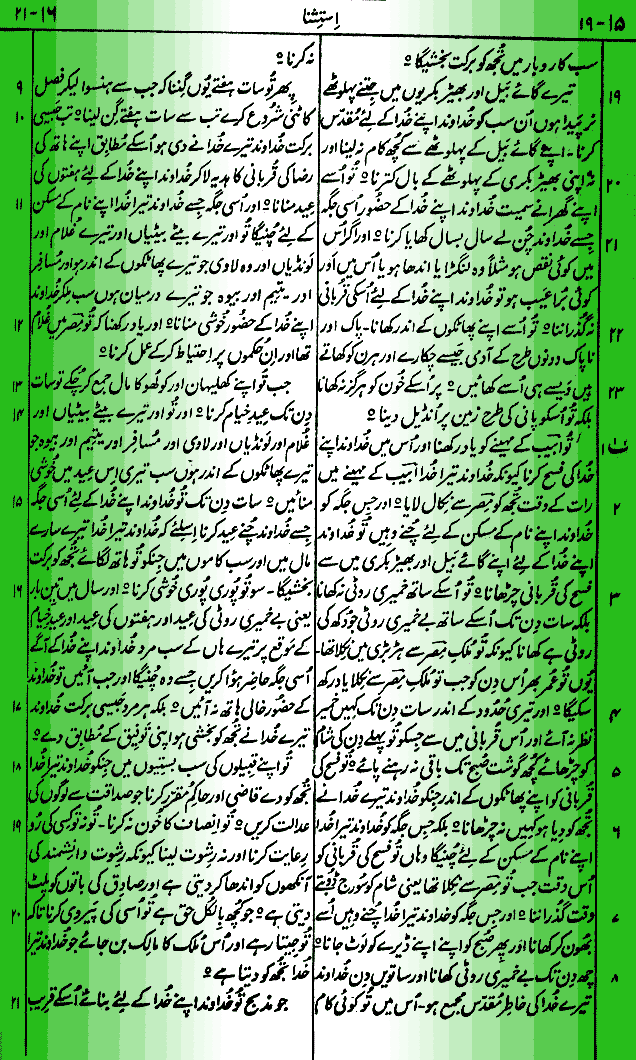
Deuteronomy 15:19 – 15:23 (The Law of Firstlings)
Verse 15:19
-
Verse: All the firstling males that come of thy herd and of thy flock thou shalt sanctify unto the LORD thy God thou shalt do no work with the firstling of thy bullock nor shear the firstling of thy sheep
-
English Explanation: This verse mandates that every firstborn male animal from the cattle or sheep belongs to God. To “sanctify” means to set apart. Because they belong to God, they cannot be used for personal profit—meaning no plowing with the bullock or shearing the sheep for wool.
-
Urdu Explanation: اس آیت میں حکم دیا گیا ہے کہ گائے بیل اور بھیڑ بکریوں کے تمام پہلوٹھے نر خدا کے لیے مخصوص کیے جائیں۔ انہیں اپنی ذاتی خدمت یا فائدے کے لیے استعمال کرنا منع ہے، جیسے بیل سے کام لینا یا بھیڑ کی اون اتارنا۔
Verse 15:20
-
Verse: Thou shalt eat it before the LORD thy God year by year in the place which the LORD shall choose thou and thy household
-
English Explanation: The owner and their family were to bring these firstlings to the central sanctuary (the place God chooses) and eat them in a communal meal of worship, acknowledging God’s provision annually.
-
Urdu Explanation: مالک اور اس کے گھر والے ان پہلوٹھے جانوروں کو خدا کی پسندیدہ جگہ (مقدس مقام) پر لے جا کر ہر سال خدا کے حضور کھائیں، جو کہ خدا کی شکر گزاری کا ایک طریقہ ہے۔
Verse 15:21
-
Verse: And if there be any blemish therein as if it be lame or blind or have any ill blemish thou shalt not sacrifice it unto the LORD thy God
-
English Explanation: God demands perfection in sacrifice. If an animal was blind, lame, or deformed, it was considered “unclean” for the altar and could not be offered as a holy sacrifice.
-
Urdu Explanation: خدا قربانی میں کمال کا طالب ہے۔ اگر کسی جانور میں کوئی عیب ہو، جیسے لنگڑا پن یا اندھا پن، تو وہ خدا کے لیے قربان نہیں کیا جا سکتا۔
Verse 15:22
-
Verse: Thou shalt eat it within thy gates the unclean and the clean person shall eat it alike as the roebuck and as the hart
-
English Explanation: If the firstling had a blemish, it lost its “sacrificial” status. It could then be eaten at home like common meat (like deer or gazelle), and people who were ceremonially unclean were permitted to eat it.
-
Urdu Explanation: عیب دار جانور کو قربان نہیں کیا جاتا تھا، بلکہ اسے عام گوشت کی طرح گھر پر کھایا جا سکتا تھا۔ اسے پاک اور ناپاک دونوں طرح کے لوگ کھا سکتے تھے۔
Verse 15:23
-
Verse: Only thou shalt not eat the blood thereof thou shalt pour it upon the ground as water
-
English Explanation: Even when eating common meat, the sacredness of life (represented by blood) must be respected. The blood had to be poured out on the earth, never consumed.
-
Urdu Explanation: گوشت کھانے کی اجازت تو تھی، لیکن خون کھانا سخت منع تھا۔ خون کو پانی کی طرح زمین پر بہا دینا ضروری تھا کیونکہ خون زندگی کی علامت ہے۔
Deuteronomy 16:1 – 16:21 (The Three Great Feasts & Justice)
Verse 16:1
-
Verse: Observe the month of Abib and keep the passover unto the LORD thy God for in the month of Abib the LORD thy God brought thee forth out of Egypt by night
-
English Explanation: This establishes the Passover in the month of Abib (Spring). It is a memorial of the night God delivered the Israelites from slavery in Egypt.
-
Urdu Explanation: عبیب کے مہینے میں عیدِ فسح منانے کا حکم ہے، کیونکہ اسی مہینے میں خدا نے بنی اسرائیل کو رات کے وقت مصر کی غلامی سے نجات دی تھی۔
Verse 16:2
-
Verse: Thou shalt therefore sacrifice the passover unto the LORD thy God of the flock and the herd in the place which the LORD shall choose to place his name there
-
English Explanation: The Passover sacrifice was restricted to the central location chosen by God, emphasizing national unity in worship.
-
Urdu Explanation: فسح کی قربانی صرف اسی جگہ کرنی چاہیے جسے خدا اپنے نام کے لیے چن لے۔ یہ عبادت میں اتحاد کی علامت ہے۔
Verse 16:3
-
Verse: Thou shalt eat no leavened bread with it seven days shalt thou eat unleavened bread therewith even the bread of affliction for thou camest forth out of the land of Egypt in haste that thou mayest remember the day when thou camest forth out of the land of Egypt all the days of thy life
-
English Explanation: Unleavened bread (bread without yeast) is called the “bread of affliction.” It reminds the people of their hurried exit from Egypt, leaving no time for dough to rise.
-
Urdu Explanation: سات دن تک بے خمیری روٹی (دکھ کی روٹی) کھانی ہوتی تھی تاکہ بنی اسرائیل کو یاد رہے کہ وہ کتنی جلدی اور مشکل میں مصر سے نکلے تھے۔
Verse 16:4
-
Verse: And there shall be no leavened bread seen with thee in all thy coast seven days neither shall there anything of the flesh which thou sacrificedst the first day at even remain all night until the morning
-
English Explanation: No leaven was to be in the house, and the sacrifice of the first evening had to be finished completely—nothing left until morning—to maintain its sanctity.
-
Urdu Explanation: ان سات دنوں میں گھروں میں خمیر کا نام و نشان نہیں ہونا چاہیے تھا، اور پہلی شام کی قربانی کا گوشت صبح تک نہیں بچنا چاہیے تھا۔
Verse 16:5 – 16:6
-
Verse: Thou mayest not sacrifice the passover within any of thy gates… But at the place which the LORD thy God shall choose…
-
English Explanation: Private or local sacrifices were forbidden for Passover. It had to be done at the sunset hour at the designated sanctuary.
-
Urdu Explanation: فسح کی قربانی کسی بھی شہر میں اپنی مرضی سے نہیں کی جا سکتی تھی، بلکہ صرف خدا کے مقرر کردہ مقام پر سورج ڈھلتے وقت کرنی لازمی تھی۔
Verse 16:7 – 16:8
-
Verse: And thou shalt roast and eat it… Six days thou shalt eat unleavened bread and on the seventh day shall be a solemn assembly…
-
English Explanation: The meat was roasted, and on the seventh day, a sacred assembly was held where no work was permitted.
-
Urdu Explanation: گوشت کو بھون کر کھانا تھا، اور ساتویں دن ایک خاص مذہبی اجتماع ہوتا تھا جس میں کوئی کام کرنا جائز نہ تھا۔
Verse 16:9 – 16:12 (Feast of Weeks)
-
Verse: Seven weeks shalt thou number… And thou shalt keep the feast of weeks… And thou shalt rejoice… And thou shalt remember that thou wast a bondman in Egypt…
-
English Explanation: Known as Pentecost, this feast occurred seven weeks after the harvest began. It was a time of joy and giving back to God according to how much one was blessed, including the poor and widows in the celebration.
-
Urdu Explanation: کٹائی شروع ہونے کے سات ہفتے بعد “عیدِ ہفتہ” منائی جاتی تھی۔ یہ خوشی کا وقت تھا جس میں غریبوں اور بیواؤں کو بھی شامل کیا جاتا تھا اور اپنی برکت کے مطابق خدا کو نذرانہ دیا جاتا تھا۔
Verse 16:13 – 16:15 (Feast of Tabernacles)
-
Verse: Thou shalt observe the feast of tabernacles seven days… because the LORD thy God shall bless thee in all thine increase…
-
English Explanation: Celebrated after the harvest of grain and wine, this feast lasted seven days. It was a total celebration of God’s blessing on their labor.
-
Urdu Explanation: غلے اور مے کی کٹائی کے بعد “عیدِ خیام” سات دن تک منائی جاتی تھی۔ یہ خدا کی دی ہوئی برکتوں پر بھرپور شکر گزاری کا موقع تھا۔
Verse 16:16 – 16:17
-
Verse: Three times in a year shall all thy males appear before the LORD… and they shall not appear before the LORD empty…
-
English Explanation: Every male was required to attend the three main feasts (Unleavened Bread, Weeks, Tabernacles). They were expected to bring a gift proportional to their financial ability.
-
Urdu Explanation: سال میں تین بار تمام مردوں کا خدا کے حضور حاضر ہونا ضروری تھا۔ کوئی بھی خالی ہاتھ نہ آئے، بلکہ اپنی استطاعت کے مطابق ہدیہ لائے۔
Verse 16:18 – 16:20 (Justice)
-
Verse: Judges and officers shalt thou make thee… Thou shalt not wrest judgment… That which is altogether just shalt thou follow…
-
English Explanation: God commands the appointment of honest judges. Bribery and partiality are strictly forbidden. Justice is presented as a requirement for remaining in the promised land.
-
Urdu Explanation: منصفوں اور افسروں کو ایمانداری سے فیصلہ کرنے کا حکم دیا گیا۔ رشوت لینا اور جانبداری کرنا منع ہے، کیونکہ انصاف ہی وہ بنیاد ہے جس پر قوم قائم رہ سکتی ہے۔
Verse 16:21
-
Verse: Thou shalt not plant thee a grove of any trees near unto the altar of the LORD thy God which thou shalt make thee
-
English Explanation: To prevent the influence of pagan idol worship (which often used “sacred groves”), God forbade planting any trees near His altar.
-
Urdu Explanation: بت پرستی کے اثرات سے بچنے کے لیے، خدا کے مذبح کے پاس کسی بھی قسم کے درخت لگانے سے منع کیا گیا، کیونکہ مشرکین ایسا کیا کرتے تھے۔