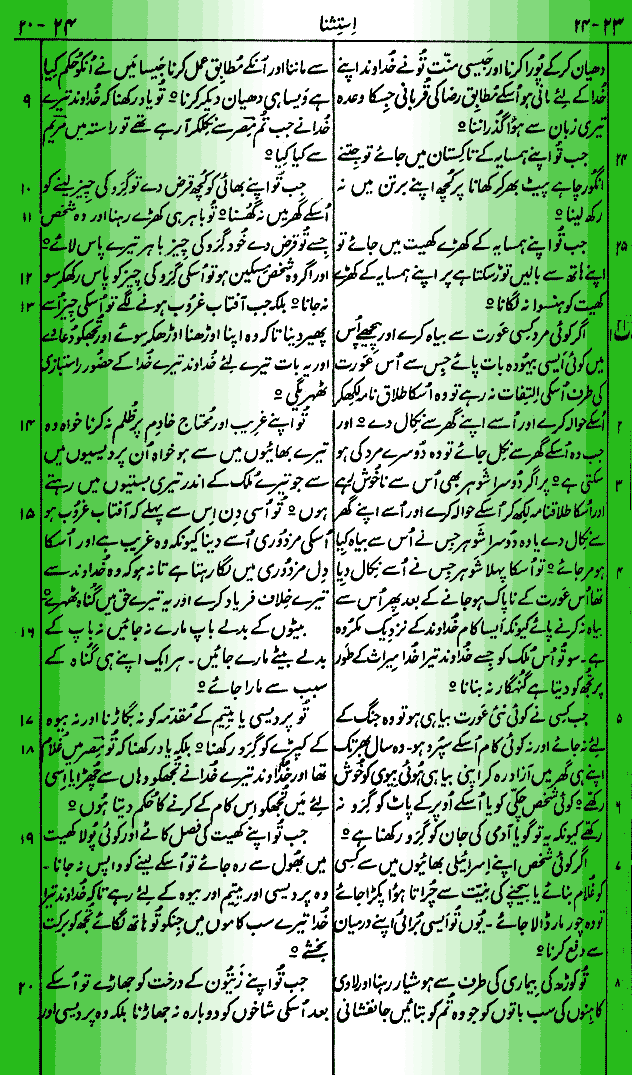
Deuteronomy 23:24 – 25
Verse 24: When thou comest into thy neighbor’s vineyard then thou mayest eat grapes thy fill at thine own pleasure but thou shalt not put any in thy vessel.
-
English Explanation: This law balances generosity with property rights. A traveler could satisfy their hunger from a neighbor’s field, but they were forbidden from harvesting or carrying away extra for profit.
-
Urdu Explanation: یہ قانون سخاوت اور ملکیت کے حقوق میں توازن پیدا کرتا ہے۔ ایک مسافر اپنے پڑوسی کے انگورستان سے جی بھر کر کھا سکتا ہے تاکہ بھوک مٹ سکے، لیکن اسے برتن میں بھر کر لے جانے کی اجازت نہیں تھی تاکہ مالک کا نقصان نہ ہو۔
Verse 25: When thou comest into the standing corn of thy neighbour then thou mayest pluck the ears with thine hand but thou shalt not move a sickle unto thy neighbour’s standing corn.
-
English Explanation: Similar to the vineyard law, you could pick grain by hand to eat immediately, but using a sickle (a tool for harvesting) was considered theft.
-
Urdu Explanation: انگورستان کے قانون کی طرح، آپ ہاتھ سے اناج کی بالیاں توڑ کر کھا سکتے ہیں، لیکن درانتی چلانا فصل کاٹنے کے برابر تھا جسے چوری تصور کیا جاتا تھا۔
Deuteronomy 24:1 – 22
Verse 1: When a man hath taken a wife and married her and it come to pass that she find no favour in his eyes because he hath found some uncleanness in her then let him write her a bill of divorcement and give it in her hand and send her out of his house.
-
English: This established a legal process for divorce to prevent impulsive abandonment and protect the woman’s status by providing a formal document.
-
Urdu: یہ آیت طلاق کے لیے ایک قانونی طریقہ کار فراہم کرتی ہے تاکہ عورت کو بغیر کسی دستاویزی ثبوت کے گھر سے نہ نکالا جائے اور اسے قانونی تحفظ حاصل ہو۔
Verse 2: And when she is departed out of his house she may go and be another man’s wife.
-
English: The “bill of divorcement” gave the woman the legal right to remarry without being accused of adultery.
-
Urdu: طلاق کا خط ملنے کے بعد، عورت کو قانونی طور پر یہ حق حاصل تھا کہ وہ کسی دوسرے مرد سے شادی کر سکے۔
Verse 3 – 4: And if the latter husband hate her… Her former husband… may not take her again to be his wife…
-
English: To prevent the “commodification” of marriage, a man could not remarry his former wife if she had been married to someone else in the meantime.
-
Urdu: اگر دوسرا شوہر بھی اسے طلاق دے دے یا مر جائے، تو پہلا شوہر اس سے دوبارہ شادی نہیں کر سکتا تھا۔ یہ قانون نکاح کی حرمت کو برقرار رکھنے کے لیے تھا۔
Verse 5: When a man hath taken a new wife he shall not go out to war… he shall be free at home one year and shall cheer up his wife…
-
English: God prioritizes the foundation of the family. A newlywed man was exempt from military service for one year to build a bond with his wife.
-
Urdu: خدا خاندان کی بنیاد کو اہمیت دیتا ہے۔ نئی شادی کرنے والے مرد کو ایک سال تک جنگ یا سرکاری کاموں سے چھوٹ دی جاتی تھی تاکہ وہ اپنی بیوی کے ساتھ وقت گزار سکے۔
Verse 6: No man shall take the nether or the upper millstone to pledge for he taketh a man’s life to pledge.
-
English: Lenders could not take a millstone as collateral because it was essential for making daily bread; taking it was like taking someone’s livelihood.
-
Urdu: کوئی شخص قرض کے بدلے چکی کا پاٹ رہن (pledge) نہیں رکھ سکتا تھا کیونکہ اس کے بغیر روٹی نہیں بن سکتی تھی۔ یہ کسی کی زندگی کا ذریعہ چھیننے کے مترادف تھا۔
Verse 7: If a man be found stealing any of his brethren… then that thief shall die…
-
English: Kidnapping and human trafficking were capital offenses under Mosaic Law.
-
Urdu: کسی انسان کو اغوا کرنا یا اسے غلام بنا کر بیچنا ایک سنگین جرم تھا جس کی سزا موت تھی۔
Verse 8 – 9: Take heed in the plague of leprosy… Remember what the LORD thy God did unto Miriam…
-
English: Instructions to follow the priests regarding skin diseases, referencing Miriam as a warning against rebellion and the need for purification.
-
Urdu: کوڑھ کی بیماری کے بارے میں کاہنوں کی ہدایات پر عمل کرنے کی تاکید کی گئی ہے، اور مریم کا حوالہ دیا گیا ہے تاکہ لوگ خدا کی نافرمانی سے بچیں۔
Verse 10 – 13: When thou dost lend thy brother any thing thou shalt not go into his house to fetch his pledge…
-
English: These verses protect the dignity of the poor. A lender must wait outside for the collateral and must return a poor man’s cloak by sunset so he can sleep warmly.
-
Urdu: یہ آیات غریبوں کی عزتِ نفس کی حفاظت کرتی ہیں۔ قرض خواہ کو گھر کے اندر گھسنے کی اجازت نہیں تھی، اور اگر غریب کا کمبل رہن رکھا ہو تو اسے سورج ڈھلنے سے پہلے واپس کرنا لازمی تھا۔
Verse 14 – 15: Thou shalt not oppress an hired servant… At his day thou shalt give him his hire…
-
English: Fair labor laws. A worker must be paid on the same day they work, as they rely on that money for immediate survival.
-
Urdu: مزدوری کے منصفانہ قوانین۔ مزدور کی مزدوری اسے اسی دن مل جانی چاہیے کیونکہ وہ اپنی ضروریات کے لیے اسی رقم پر بھروسہ کرتا ہے۔
Verse 16: The fathers shall not be put to death for the children neither shall the children be put to death for the fathers…
-
English: Individual responsibility. No one should be punished for the crimes of their relatives.
-
Urdu: انفرادی ذمہ داری۔ کسی کو اس کے رشتہ داروں کے گناہ کی سزا نہیں دی جائے گی؛ ہر شخص اپنے گناہ کا خود جوابدہ ہے۔
Verse 17 – 18: Thou shalt not pervert the judgment of the stranger… remember that thou wast a bondman in Egypt…
-
English: Protection for foreigners, orphans, and widows. Israel is reminded of their own history as slaves to ensure they treat others with mercy.
-
Urdu: پردیسیوں، یتیموں اور بیواؤں کے حقوق کا تحفظ۔ بنی اسرائیل کو یاد دلایا گیا کہ وہ خود مصر میں غلام تھے، اس لیے وہ دوسروں پر رحم کریں۔
Verse 19 – 22: When thou cuttest down thine harvest… thou shalt not go again to fetch it it shall be for the stranger for the fatherless and for the widow…
-
English: The law of “gleaning.” Farmers were told to leave forgotten sheaves or leftover olives/grapes for the needy to collect.
-
Urdu: کٹائی کے وقت اگر کچھ اناج یا پھل کھیت میں رہ جائے، تو اسے دوبارہ اٹھانے کی اجازت نہیں تھی۔ وہ حصہ غریبوں، یتیموں اور بیواؤں کے لیے چھوڑ دیا جاتا تھا۔