Verse by Verse Commentary
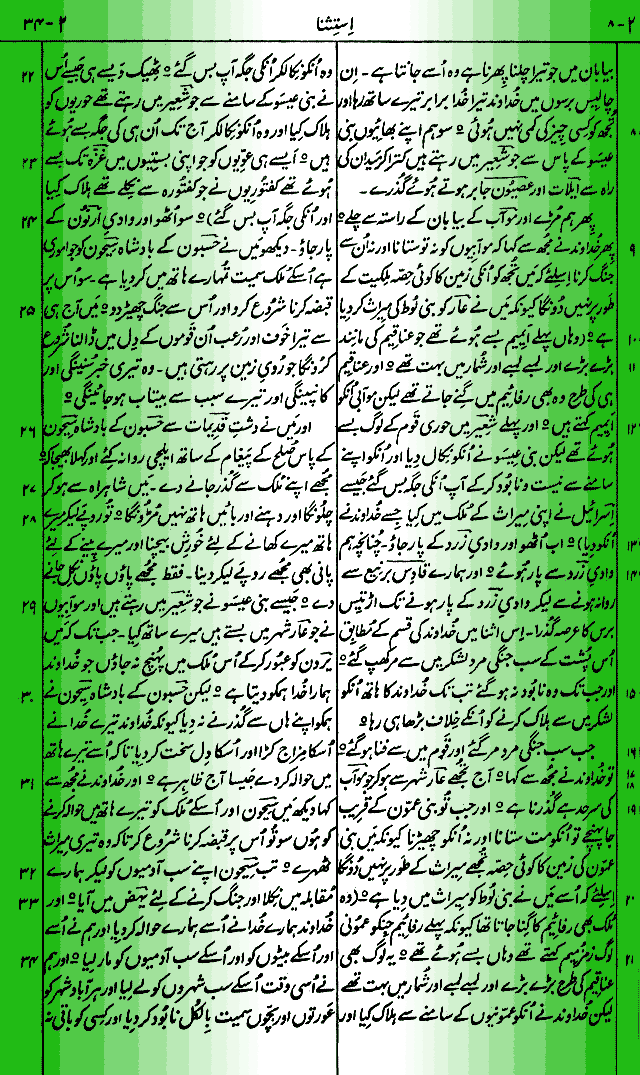
Deuteronomy 2:8
Verse: And when we passed by from our brethren the children of Esau which dwelt in Seir through the way of the plain from Elath and from Ezion-gaber we turned and passed by the way of the wilderness of Moab
-
English Explanation: Moses recounts the peaceful detour the Israelites took. To avoid conflict with their relatives (the descendants of Esau), they avoided Seir and traveled along the Red Sea route through Elath and Ezion-gaber toward the Moabite desert.
-
Urdu Explanation: موسیٰؑ یاد دلاتے ہیں کہ بنی اسرائیل اپنے بھائیوں یعنی عیسو کی اولاد کے علاقے سے پرامن طریقے سے گزر گئے۔ انہوں نے بیرونی راستہ اختیار کیا تاکہ تصادم سے بچا جا سکے اور موآب کے بیابان کی طرف مڑ گئے۔
Deuteronomy 2:9
Verse: And the LORD said unto me Distress not the Moabites neither contend with them in battle for I will not give thee of their land for a possession because I have given Ar unto the children of Lot for a possession
-
English Explanation: God explicitly forbids Israel from attacking Moab. The land of Ar was assigned by God to the descendants of Lot. This highlights God’s sovereignty over the boundaries of all nations, not just Israel.
-
Urdu Explanation: خداوند نے حکم دیا کہ موآبیوں کو پریشان نہ کیا جائے اور نہ ہی ان سے جنگ کی جائے، کیونکہ وہ زمین لوطؑ کی اولاد کو دی گئی تھی۔ یہ ظاہر کرتا ہے کہ خدا تمام قوموں کی حدود کا مالک ہے۔
Deuteronomy 2:10-11
Verse: The Emims dwelt therein in times past a people great and many and tall as the Anakims Which also were accounted giants as the Anakims but the Moabites call them Emims
-
English Explanation: Moses provides a historical parenthetical note. The land was once inhabited by the Emims—a race of giants. This serves to encourage Israel: if the Moabites could take land from giants, Israel (with God’s help) could surely take their promised land.
-
Urdu Explanation: یہاں قدیم تاریخ کا ذکر ہے کہ اس زمین پر پہلے ‘ایمیم’ نامی دیوقامت لوگ رہتے تھے۔ موآبیوں نے ان پر فتح پائی تھی، جو اسرائیل کے لیے ایک حوصلہ افزا بات تھی۔
Deuteronomy 2:12
Verse: The Horims also dwelt in Seir beforetime but the children of Esau succeeded them when they had destroyed them from before them and dwelt in their stead as Israel did unto the land of his possession which the LORD gave unto them
-
English Explanation: Similar to the Emims, the Horims were displaced by the children of Esau. Moses uses this as a “case study” of how God removes one group to settle another according to His divine plan.
-
Urdu Explanation: حوریوں کا ذکر ہے جنہیں عیسو کی اولاد نے نکال باہر کیا تھا۔ یہ اس بات کی مثال ہے کہ خدا کس طرح ایک قوم کو ہٹا کر دوسری کو آباد کرتا ہے۔
Deuteronomy 2:13-15
Verse: Now rise up said I and get you over the brook Zered And we went over the brook Zered And the space in which we came from Kadesh-barnea until we were come over the brook Zered was thirty and eight years until all the generation of the men of war were wasted out from among the host as the LORD sware unto them For indeed the hand of the LORD was against them to destroy them from among the host until they were consumed
-
English Explanation: These verses mark a somber milestone. Crossing the brook Zered signaled the end of the 38-year wandering. The original generation that rebelled at Kadesh-barnea had now completely passed away as God predicted.
-
Urdu Explanation: نالہ زرد کو عبور کرنا ایک اہم موڑ تھا۔ قادش برنیع سے یہاں تک 38 سال گزر چکے تھے اور وہ تمام جنگجو نسل ختم ہو چکی تھی جنہوں نے نافرمانی کی تھی۔
Deuteronomy 2:16-19
Verse: So it came to pass when all the men of war were consumed and dead from among the people That the LORD spake unto me saying Thou art to pass over through Ar the coast of Moab this day And when thou comest nigh over against the children of Ammon distress them not nor meddle with them for I will not give thee of the land of the children of Ammon any possession because I have given it unto the children of Lot for a possession
-
English Explanation: Once the old generation died, God gave new marching orders. He again protects the territory of the Ammonites (also descendants of Lot), commanding Israel not to provoke them.
-
Urdu Explanation: جب پرانی نسل ختم ہو گئی، خدا نے نئے احکامات دیے۔ انہوں نے بنی عمون (لوطؑ کی اولاد) کے علاقے کا احترام کرنے کا حکم دیا اور وہاں جنگ سے منع فرمایا۔
Deuteronomy 2:20-23
Verse: (That also was accounted a land of giants giants dwelt therein in old time and the Ammonites call them Zamzummims A people great and many and tall as the Anakims but the LORD destroyed them before them and they succeeded them and dwelt in their stead… And the Avims… the Caphtorims… destroyed them and dwelt in their stead)
-
English Explanation: Another historical note about the “Zamzummims” (giants). Moses emphasizes that God was active in the history of other nations, helping the Ammonites and Caphtorims (Philistines) secure land, establishing that no “giant” can stand against God’s decree.
-
Urdu Explanation: یہاں زمزمیوں (دیوقامت لوگوں) کا ذکر ہے جنہیں عمونیوں نے شکست دی۔ یہ ثابت کرتا ہے کہ کوئی بھی طاقتور قوم خدا کے فیصلے کے سامنے نہیں ٹھہر سکتی۔
Deuteronomy 2:24-25
Verse: Rise ye up take your journey and pass over the river Arnon behold I have given into thine hand Sihon the Amorite king of Heshbon and his land begin to possess it and contend with him in battle This day will I begin to put the dread of thee and the fear of thee upon the nations that are under the whole heaven who shall hear report of thee and shall tremble and be in anguish because of thee
-
English Explanation: The time for peace ended as they reached the Amorite territory. God grants Israel victory over King Sihon and promises to spread a supernatural fear of Israel among the surrounding nations.
-
Urdu Explanation: اب امن کا وقت ختم ہوا اور معرکہ شروع ہوا۔ خدا نے سیحون بادشاہ کے خلاف جنگ کا حکم دیا اور قوموں کے دلوں میں اسرائیل کا رعب ڈالنے کا وعدہ کیا۔
Deuteronomy 2:26-29
Verse: And I sent messengers out of the wilderness of Kedemoth unto Sihon king of Heshbon with words of peace saying Let me pass through thy land… Thou shalt sell me meat for money… only I will pass through on my feet (As the children of Esau… and the Moabites… did unto me) until I shall pass over Jordan into the land which the LORD our God giveth us
-
English Explanation: Despite God’s promise of victory, Moses first offers Sihon terms of peace, asking only for safe passage and offering to pay for food and water, just as they had done with Esau and Moab.
-
Urdu Explanation: موسیٰؑ نے پہلے سیحون کو امن کا پیغام بھیجا اور صرف وہاں سے گزرنے کی اجازت مانگی، جس کے بدلے وہ خوراک اور پانی کی قیمت ادا کرنے کو تیار تھے۔
Deuteronomy 2:30-31
Verse: But Sihon king of Heshbon would not let us pass by him for the LORD thy God hardened his spirit and made his heart obstinate that he might deliver him into thy hand as appeareth this day And the LORD said unto me Behold I have begun to give Sihon and his land before thee begin to possess that thou mayest inherit his land
-
English Explanation: Sihon refused the peace offer. Scripture notes that God “hardened his spirit,” meaning He allowed Sihon’s natural pride to lead him to a confrontation that would result in his defeat, fulfilling God’s purpose.
-
Urdu Explanation: شاہ سیحون نے انکار کر دیا۔ اس کی ضد اور تکبر اس کی تباہی کا سبب بنا، کیونکہ خدا نے اسے اسرائیل کے ہاتھوں مغلوب کرنے کا فیصلہ کر لیا تھا۔
Deuteronomy 2:32-34
Verse: Then Sihon came out against us he and all his people to fight at Jahaz And the LORD our God delivered him before us and we smote him and his sons and all his people And we took all his cities at that time and utterly destroyed the men and the women and the little ones of every city we left none to remain
-
English Explanation: The battle at Jahaz resulted in a total victory for Israel. This was the first major conquest in the Transjordan. The total destruction mentioned reflects the “herem” (ban or devotion to destruction) often seen in ancient Near Eastern judgment.
-
Urdu Explanation: جہض کے مقام پر جنگ ہوئی اور اللہ نے اسرائیل کو فتح دی۔ یہ پہلی بڑی فتح تھی جس میں سیحون اور اس کے تمام شہروں پر اسرائیل نے قبضہ کر لیا۔