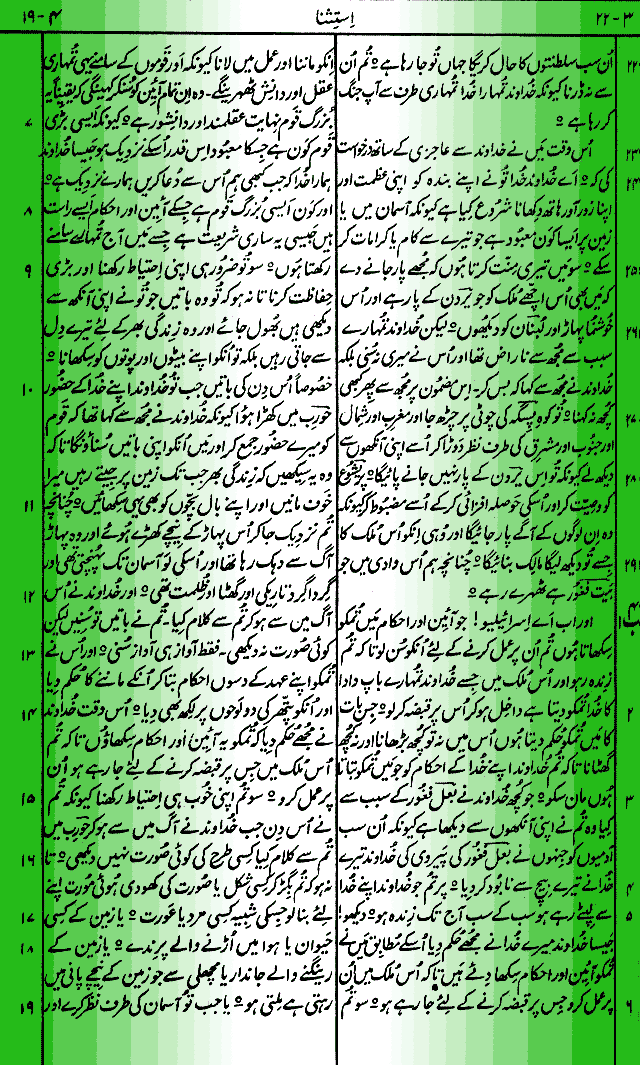
Deuteronomy Chapter 3
Verse 22
Verse: Ye shall not fear them for the LORD your God he shall fight for you English Explanation: Moses encourages Israel not to fear their enemies. The basis of their confidence is not their own military strength, but the divine intervention of God who fights on their behalf. Urdu Explanation: موسیٰ بنی اسرائیل کو تسلی دیتے ہیں کہ وہ دشمنوں سے نہ ڈریں کیونکہ ان کی جیت کا انحصار ان کی اپنی طاقت پر نہیں بلکہ خدا کی قدرت پر ہے جو ان کے لیے لڑے گا۔
Verse 23
Verse: And I besought the LORD at that time saying English Explanation: This marks a personal moment where Moses prays intensely to God, seeking a change in the decree that prevented him from entering the Promised Land. Urdu Explanation: یہ وہ وقت ہے جب موسیٰ نے عاجزی کے ساتھ خدا سے دعا کی اور التجا کی کہ انہیں موعودہ ملک میں داخل ہونے کی اجازت دی جائے۔
Verse 24
Verse: O Lord GOD thou hast begun to shew thy servant thy greatness and thy mighty hand for what God is there in heaven or in earth that can do according to thy works and according to thy might English Explanation: Moses acknowledges God’s incomparable power. He praises God’s unique ability to perform wonders that no other “god” in heaven or earth can replicate. Urdu Explanation: موسیٰ خدا کی عظمت کا اعتراف کرتے ہیں کہ زمین اور آسمان میں کوئی دوسرا معبود ایسا نہیں جو خدا جیسے عظیم کام اور معجزات دکھا سکے۔
Verse 25
Verse: I pray thee let me go over and see the good land that is beyond Jordan that goodly mountain and Lebanon English Explanation: Moses expresses his deep desire to cross the Jordan River to see the beauty of the land God promised, specifically mentioning the mountains and Lebanon. Urdu Explanation: موسیٰ کی دلی خواہش تھی کہ وہ دریائے یردن کو پار کریں اور اس خوبصورت سرزمین اور پہاڑوں کا مشاہدہ کریں جس کا وعدہ خدا نے کیا تھا۔
Verse 26
Verse: But the LORD was wroth with me for your sakes and would not hear me and the LORD said unto me Let it suffice thee speak no more unto me of this matter English Explanation: Due to the incident at Meribah, God remains firm. He commands Moses to stop asking, showing that even great leaders face the consequences of their actions. Urdu Explanation: مریبہ کے مقام پر ہونے والی خطا کی وجہ سے خدا نے موسیٰ کی یہ التجا قبول نہ کی اور انہیں اس بارے میں مزید بات کرنے سے روک دیا۔
Verse 27
Verse: Get thee up into the top of Pisgah and lift up thine eyes westward and northward and southward and eastward and behold it with thine eyes for thou shalt not go over this Jordan English Explanation: God offers a compromise: Moses can view the entire land from the peak of Mount Pisgah, though he is forbidden from physically entering it. Urdu Explanation: خدا نے موسیٰ کو حکم دیا کہ وہ پسگہ کی چوٹی پر چڑھ کر چاروں سمتوں میں اس زمین کو دیکھیں، اگرچہ وہ خود وہاں قدم نہیں رکھ سکیں گے۔
Verse 28
Verse: But charge Joshua and encourage him and strengthen him for he shall go over before this people and he shall cause them to inherit the land which thou shalt see English Explanation: The focus shifts to leadership transition. Moses is told to empower Joshua, who will be the one to actually lead the nation into their inheritance. Urdu Explanation: خدا نے موسیٰ کو ہدایت کی کہ وہ یشوع کی حوصلہ افزائی کریں اور انہیں مضبوط کریں، کیونکہ اب یشوع ہی قوم کی قیادت کر کے انہیں منزل تک پہنچائیں گے۔
Verse 29
Verse: So we abode in the valley over against Beth-peor English Explanation: The Israelites remained in the valley near Beth-peor, a location that served as a staging ground for their next phase of the journey. Urdu Explanation: بنی اسرائیل بیت فغور کے سامنے وادی میں ٹھہرے رہے، جو ان کے سفر کا ایک اہم مقام تھا۔
Deuteronomy Chapter 4
Verse 1
Verse: Now therefore hearken O Israel unto the statutes and unto the judgments which I teach you for to do them that ye may live and go in and possess the land which the LORD God of your fathers giveth you English Explanation: Moses transitions to teaching. He emphasizes that obedience to God’s laws is the key to life and the successful possession of the land. Urdu Explanation: موسیٰ قوم کو نصیحت کرتے ہیں کہ وہ خدا کے قوانین اور احکامات پر عمل کریں تاکہ وہ زندہ رہیں اور اس زمین پر قبضہ کر سکیں جو انہیں دی گئی ہے۔
Verse 2
Verse: Ye shall not add unto the word which I command you neither shall ye diminish ought from it that ye may keep the commandments of the LORD your God which I command you English Explanation: A warning against altering God’s Word. Integrity of scripture is vital; humans must not add their own rules or remove God’s requirements. Urdu Explanation: خدا کے کلام میں کمی یا بیشی کرنے سے منع کیا گیا ہے تاکہ اس کی اصل شکل اور مقصد برقرار رہے اور لوگ صرف وہی کریں جو خدا نے حکم دیا ہے۔
Verse 3
Verse: Your eyes have seen what the LORD did because of Baal-peor for all the men that followed Baal-peor the LORD thy God hath destroyed them from among you English Explanation: Moses uses history as a warning. He reminds them of the judgment that fell on those who worshipped the false god Baal-peor. Urdu Explanation: موسیٰ نے انہیں بعل فغور کے واقعے کی یاد دلائی جہاں بت پرستی کی وجہ سے بہت سے لوگ ہلاک ہوئے، تاکہ وہ دوبارہ ایسی غلطی نہ کریں۔
Verse 4
Verse: But ye that did cleave unto the LORD your God are alive every one of you this day English Explanation: Life is found in faithfulness. Those who remained loyal to God survived the previous judgments and stood ready to enter the land. Urdu Explanation: جو لوگ خدا کے ساتھ وفادار رہے، وہ زندہ رہے اور آج اس مقام پر پہنچنے میں کامیاب ہوئے۔
Verse 5
Verse: Behold I have taught you statutes and judgments even as the LORD my God commanded me that ye should do so in the land whither ye go to possess it English Explanation: Moses clarifies that these laws are not suggestions; they are divine mandates intended to govern their lives in their new home. Urdu Explanation: موسیٰ واضح کرتے ہیں کہ یہ احکامات خدا کی طرف سے ہیں اور انہیں نئے ملک میں ایک منظم زندگی گزارنے کے لیے دیا گیا ہے۔
Verse 6
Verse: Keep therefore and do them for this is your wisdom and your understanding in the sight of the nations which shall hear all these statutes and say Surely this great nation is a wise and understanding people English Explanation: Obedience to God makes a nation wise. Other nations would look at Israel’s righteous laws and recognize the wisdom of their God. Urdu Explanation: ان احکامات پر عمل کرنا ہی قوم کی دانائی اور حکمت کی علامت ہے، جس سے دوسری قومیں بھی متاثر ہوں گی۔
Verse 7
Verse: For what nation is there so great who hath God so nigh unto them as the LORD our God is in all things that we call upon him for English Explanation: Moses highlights the intimacy Israel has with God. Unlike distant pagan deities, Israel’s God is near and responsive to prayer. Urdu Explanation: اسرائیل کی عظمت اس بات میں ہے کہ ان کا خدا ان کے قریب ہے اور ان کی پکار سنتا ہے، جو کسی اور قوم کو حاصل نہیں۔
Verse 8
Verse: And what nation is there so great that hath statutes and judgments so righteous as all this law which I set before you this day English Explanation: The morality of God’s law is unmatched. The justice found in the Torah is presented as superior to any man-made legal system. Urdu Explanation: خدا کے دیے ہوئے قوانین اتنے سچے اور عادلانہ ہیں کہ دنیا کا کوئی اور قانون ان کا مقابلہ نہیں کر سکتا۔
Verse 9
Verse: Only take heed to thyself and keep thy soul diligently lest thou forget the things which thine eyes have seen and lest they depart from thy heart all the days of thy life but teach them thy sons and thy sons’ sons English Explanation: Vigilance is required to keep faith. Moses commands the people to remember their history and pass the teachings down to future generations. Urdu Explanation: اپنی روح کی حفاظت کرنے اور خدا کے معجزات کو نہ بھولنے کی تاکید کی گئی ہے، اور یہ بھی کہ یہ باتیں اپنی آنے والی نسلوں کو سکھائیں۔
Verse 10
Verse: Specially the day that thou stoodest before the LORD thy God in Horeb when the LORD said unto me Gather me the people together and I will make them hear my words that they may learn to fear me all the days that they shall live upon the earth and that they may teach their children English Explanation: Moses recounts the terrifying and holy experience at Mount Horeb (Sinai) where God spoke directly to the assembly. Urdu Explanation: کوہِ حورب کا وہ خاص دن یاد دلایا گیا جب خدا نے اپنی آواز سنائی تاکہ لوگ اس کا خوف ماننا سیکھیں اور اپنی اولاد کو بھی سکھائیں۔
Verse 11
Verse: And ye came near and stood under the mountain and the mountain burned with fire unto the midst of heaven with darkness clouds and thick darkness English Explanation: Describes the awe-inspiring physical manifestations of God’s presence—fire, smoke, and thick darkness on the mountain. Urdu Explanation: پہاڑ پر آگ اور بادلوں کے ذریعے خدا کے جلال کا ظہور ہوا، جو ایک نہایت پربت اور ہیبت ناک منظر تھا۔
Verse 12
Verse: And the LORD spake unto you out of the midst of the fire ye heard the voice of the words but saw no similitude only ye heard a voice English Explanation: A crucial theological point: Israel heard a voice but saw no physical form. This is the foundation for the ban on images of God. Urdu Explanation: خدا نے آگ کے درمیان سے کلام کیا؛ لوگوں نے آواز تو سنی لیکن خدا کی کوئی صورت یا شکل نہیں دیکھی۔
Verse 13
Verse: And he declared unto you his covenant which he commanded you to perform even ten commandments and he wrote them upon two tables of stone English Explanation: God established the Covenant through the Ten Commandments, physically etched onto stone tablets as an enduring law. Urdu Explanation: خدا نے اپنا عہد یعنی دس احکامات بیان کیے اور انہیں پتھر کی دو تختیوں پر لکھا۔
Verse 14
Verse: And the LORD commanded me at that time to teach you statutes and judgments that ye might do them in the land whither ye go over to possess it English Explanation: Moses acted as the mediator, teaching the people how to apply God’s broad commandments to daily life in the Promised Land. Urdu Explanation: موسیٰ نے لوگوں کو وہ طریقے سکھائے جن کے ذریعے وہ ملکِ موعود میں خدا کے احکامات پر عمل پیرا ہو سکتے تھے۔
Verse 15
Verse: Take ye therefore good heed unto yourselves for ye saw no manner of similitude on the day that the LORD spake unto you in Horeb out of the midst of the fire English Explanation: Because God did not reveal Himself in a physical shape, the people are strictly forbidden from trying to create an image of Him. Urdu Explanation: چونکہ خدا کی کوئی شکل نظر نہیں آئی تھی، اس لیے لوگوں کو خبردار کیا گیا کہ وہ خدا کی کوئی مورت بنانے کی کوشش نہ کریں۔
Verse 16
Verse: Lest ye corrupt yourselves and make you a graven image the similitude of any figure the likeness of male or female English Explanation: Creating statues of humans for worship is described as a form of corruption and spiritual decay. Urdu Explanation: انسانوں (مرد یا عورت) کی مورتیں بنا کر ان کی عبادت کرنا روحانی گمراہی اور بگاڑ کا باعث ہے۔
Verse 17
Verse: The likeness of any beast that is on the earth the likeness of any winged fowl that flieth in the air English Explanation: The prohibition extends to the animal kingdom; no land animal or bird should be turned into an idol. Urdu Explanation: زمین کے جانوروں اور ہوا کے پرندوں کی شکل کے بت بنانا بھی سختی سے منع کیا گیا ہے۔
Verse 18
Verse: The likeness of any thing that creepeth on the ground the likeness of any fish that is in the waters beneath the earth English Explanation: Even small crawling creatures or sea creatures are excluded as objects of worship. God is the creator of all, not to be represented by any part of creation. Urdu Explanation: رینگنے والے جانوروں اور مچھلیوں کی مورتیں بنانا بھی گناہ ہے، کیونکہ خدا تمام مخلوقات کا خالق ہے، وہ ان جیسا نہیں۔
Verse 19
Verse: And lest thou lift up thine eyes unto heaven and when thou seest the sun and the moon and the stars even all the host of heaven shouldest be driven to worship them and serve them which the LORD thy God hath divided unto all nations under the whole heaven English Explanation: Moses warns against “astral worship.” While the sun, moon, and stars are magnificent, they are mere creations meant for light and signs, not for worship. Urdu Explanation: آسمانی اجسام جیسے سورج، چاند اور ستاروں کی عبادت سے روکا گیا ہے، کیونکہ یہ صرف خدا کی بنائی ہوئی روشنیاں ہیں، معبود نہیں۔