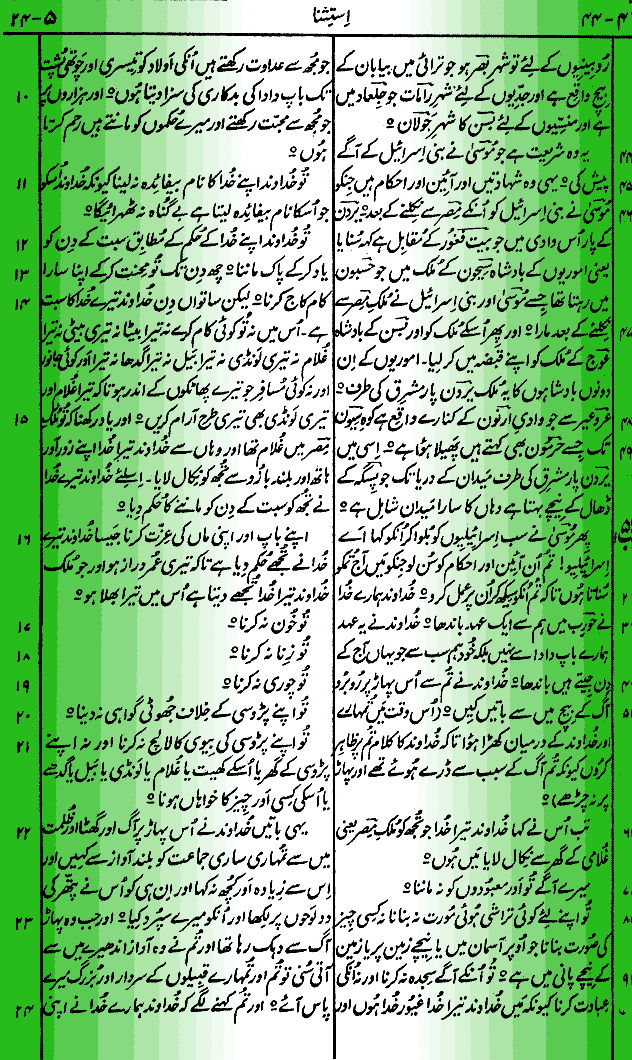
Deuteronomy 4:44–49: The Introduction of the Law
Deuteronomy 4:44
Verse: And this is the law which Moses set before the children of Israel
-
English Explanation: This serves as a formal heading. It marks the transition from historical recap to the actual presentation of the divine laws and statutes that would govern Israel’s life in the Promised Land.
-
Urdu Explanation: یہ وہ شریعت ہے جو موسیٰؑ نے بنی اسرائیل کے سامنے رکھی۔ یہ حصہ اس بات کی نشاندہی کرتا ہے کہ اب سے وہ قوانین شروع ہو رہے ہیں جن پر قوم کو عمل کرنا تھا۔
Deuteronomy 4:45
Verse: These are the testimonies and the statutes and the judgments which Moses spake unto the children of Israel after they came forth out of Egypt
-
English Explanation: Moses categorizes the law into three parts: testimonies (moral duties), statutes (religious ceremonies), and judgments (civil laws).
-
Urdu Explanation: یہ وہ شہادتیں، فرائض اور احکام ہیں جو موسیٰؑ نے مصر سے نکلنے کے بعد بنی اسرائیل کو سکھائے۔ یہ ان کے اخلاقی اور سماجی نظام کی بنیاد تھے۔
Deuteronomy 4:46
Verse: On this side Jordan in the valley over against Beth-peor in the land of Sihon king of the Amorites who dwelt at Heshbon whom Moses and the children of Israel smote after they were come forth out of Egypt
-
English Explanation: This provides the geographical context. Israel was currently on the east side of the Jordan River, occupying land recently conquered from King Sihon.
-
Urdu Explanation: یہ مقام دریائے یردن کے مشرق میں بیت فغور کے سامنے تھا، جو اموریوں کے بادشاہ سیحون کا علاقہ تھا۔ یہ فتح خدا کی قدرت کا ثبوت تھی۔
Deuteronomy 4:47
Verse: And they possessed his land and the land of Og king of Bashan two kings of the Amorites which were on this side Jordan toward the sunrising
-
English Explanation: Highlighting the victory over both Sihon and Og. This possession of land was the first fulfillment of God’s promise to give them territory.
-
Urdu Explanation: انہوں نے سیحون اور بسن کے بادشاہ عوج کی زمین پر قبضہ کر لیا۔ یہ دونوں اموری بادشاہ تھے جن کی زمین یردن کے مشرق میں واقع تھی۔
Deuteronomy 4:48
Verse: From Aroer which is by the bank of the river Arnon even unto mount Sion which is Hermon
-
English Explanation: These verses define the boundaries of the newly conquered land, stretching from the Arnon gorge in the south to Mount Hermon in the north.
-
Urdu Explanation: یہ علاقہ ارنون کے کنارے عروعیر سے لے کر کوہِ صیون یعنی جبلِ حرمون تک پھیلا ہوا تھا۔
Deuteronomy 4:49
Verse: And all the plain on this side Jordan eastward even unto the sea of the plain under the springs of Pisgah
-
English Explanation: The description concludes with the Jordan valley and the Dead Sea (Sea of the Plain), emphasizing the vastness of the gift God gave them.
-
Urdu Explanation: اور یردن کے مشرق کا سارا میدان بحرِ مردار تک اس علاقے میں شامل تھا، جو پسگہ کے چشموں کے نیچے واقع ہے۔
Deuteronomy 5:1–24: The Covenant and Ten Commandments
Deuteronomy 5:1
Verse: And Moses called all Israel and said unto them Hear O Israel the statutes and judgments which I speak in your ears this day that ye may learn them and keep and do them
-
English Explanation: Moses demands active participation. The purpose of hearing the law is three-fold: to learn it, to guard it, and to practice it.
-
Urdu Explanation: موسیٰؑ نے پوری قوم کو بلا کر کہا کہ وہ ان قوانین کو توجہ سے سنیں تاکہ وہ انہیں سیکھیں، یاد رکھیں اور ان پر عمل کریں۔
Deuteronomy 5:2
Verse: The LORD our God made a covenant with us in Horeb
-
English Explanation: Reference to Mount Sinai (Horeb). It reminds the people that their relationship with God is based on a formal, binding agreement.
-
Urdu Explanation: خداوند ہمارے خدا نے حورب (سینا) پہاڑ پر ہمارے ساتھ ایک عہد کیا تھا۔
Deuteronomy 5:3
Verse: The LORD made not this covenant with our fathers but with us even us who are all of us here alive this day
-
English Explanation: Moses emphasizes that the covenant is contemporary. It wasn’t just for the dead generation; it is a living commitment for those present.
-
Urdu Explanation: یہ عہد صرف گزرے ہوئے باپ دادا کے لیے نہیں تھا، بلکہ آج ہم سب کے لیے ہے جو یہاں زندہ موجود ہیں۔
Deuteronomy 5:4
Verse: The LORD talked with you face to face in the mount out of the midst of the fire
-
English Explanation: This signifies the intimacy and directness of God’s revelation. God spoke clearly so there would be no doubt about His identity.
-
Urdu Explanation: خداوند نے پہاڑ پر آگ کے بیچ میں سے تم سے براہِ راست کلام کیا۔
Deuteronomy 5:5
Verse: (I stood between the LORD and you at that time to shew you the word of the LORD for ye were afraid by reason of the fire and went not up into the mount) saying
-
English Explanation: Moses acted as a mediator because the people were terrified of God’s overwhelming presence and the physical fire.
-
Urdu Explanation: موسیٰؑ نے ایک درمیانی شخص کا کردار ادا کیا کیونکہ لوگ آگ کے خوف سے پہاڑ کے قریب جانے سے ڈرتے تھے۔
Deuteronomy 5:6 (The 1st Commandment)
Verse: I am the LORD thy God which brought thee out of the land of Egypt from the house of bondage
-
English Explanation: God establishes His authority based on His act of redemption. He is their deliverer, so He has the right to be their Legislator.
-
Urdu Explanation: میں خداوند تمہارا خدا ہوں جو تمہیں مصر کی غلامی سے نکال لایا۔ یہ خدا کی حاکمیت کا اعلان ہے۔
Deuteronomy 5:7
Verse: Thou shalt have none other gods before me
-
English Explanation: Absolute monotheism. No other entity or idol should take priority or be worshiped alongside the Creator.
-
Urdu Explanation: میرے سوا تمہارا کوئی دوسرا خدا نہ ہو۔ یہ خالص توحید کا حکم ہے۔
Deuteronomy 5:8 (The 2nd Commandment)
Verse: Thou shalt not make thee any graven image or any likeness of any thing that is in heaven above or that is in the earth beneath or that is in the waters beneath the earth
-
English Explanation: Prohibition of idolatry. God cannot be represented by physical objects because He is Spirit and transcends creation.
-
Urdu Explanation: تم اپنے لیے کوئی بت یا کسی ایسی چیز کی تصویر نہ بنانا جو آسمان، زمین یا پانی میں ہو۔
Deuteronomy 5:9
Verse: Thou shalt not bow down thyself unto them nor serve them for I the LORD thy God am a jealous God visiting the iniquity of the fathers upon the children unto the third and fourth generation of them that hate me
-
English Explanation: God requires exclusive devotion. “Jealous” here means He will not share His glory with false idols.
-
Urdu Explanation: بتوں کے آگے نہ جھکنا اور نہ ان کی عبادت کرنا، کیونکہ خدا غیرت مند ہے اور نافرمانی کی سزا نسلوں تک پہنچتی ہے۔
Deuteronomy 5:10
Verse: And shewing mercy unto thousands of them that love me and keep my commandments
-
English Explanation: God’s grace far outweighs His judgment. His mercy extends to thousands of generations of those who remain faithful.
-
Urdu Explanation: لیکن جو خدا سے محبت کرتے اور اس کے حکموں پر چلتے ہیں، ان پر وہ ہزاروں پشتوں تک رحم کرتا ہے۔
Deuteronomy 5:11 (The 3rd Commandment)
Verse: Thou shalt not take the name of the LORD thy God in vain for the LORD will not hold him guiltless that taketh his name in vain
-
English Explanation: This forbids using God’s name for perjury, magic, or lighthearted/insincere purposes.
-
Urdu Explanation: خدا کا نام بے فائدہ نہ لینا، کیونکہ خدا اسے بے گناہ نہیں ٹھہرائے گا جو اس کا نام غلط استعمال کرے۔
Deuteronomy 5:12 (The 4th Commandment)
Verse: Keep the sabbath day to sanctify it as the LORD thy God hath commanded thee
-
English Explanation: A command to set apart a day for rest and worship, keeping it holy and dedicated to God.
-
Urdu Explanation: سبت (آرام) کے دن کو پاک جان کر یاد رکھنا جیسا کہ خدا نے حکم دیا ہے۔
Deuteronomy 5:13
Verse: Six days thou shalt labour and do all thy work
-
English Explanation: Work is also a divine mandate. We are to be productive during the week.
-
Urdu Explanation: چھ دن تم محنت کرو اور اپنا سارا کام انجام دو۔
Deuteronomy 5:14
Verse: But the seventh day is the sabbath of the LORD thy God in it thou shalt not do any work thou nor thy son nor thy daughter nor thy manservant nor thy maidservant nor thine ox nor thine ass nor any of thy cattle nor thy stranger that is within thy gates that thy manservant and thy maidservant may rest as well as thou
-
English Explanation: The Sabbath is inclusive. Everyone, including servants and animals, is entitled to rest. It promotes social equality.
-
Urdu Explanation: ساتواں دن آرام کا ہے، جس میں گھر کے تمام افراد، ملازمین اور یہاں تک کہ جانوروں کو بھی آرام کا حق ہے۔
Deuteronomy 5:15
Verse: And remember that thou wast a servant in the land of Egypt and that the LORD thy God brought thee out thence through a mighty hand and by a stretched out arm therefore the LORD thy God commanded thee to keep the sabbath day
-
English Explanation: In Deuteronomy, the Sabbath is linked to redemption from slavery. Rest is a celebration of freedom.
-
Urdu Explanation: یاد کرو کہ تم مصر میں غلام تھے، اس لیے خدا نے تمہیں آرام کا حکم دیا تاکہ تم اپنی آزادی کی قدر کرو۔
Deuteronomy 5:16 (The 5th Commandment)
Verse: Honour thy father and thy mother as the LORD thy God hath commanded thee that thy days may be prolonged and that it may go well with thee in the land which the LORD thy God giveth thee
-
English Explanation: The first commandment with a promise. Honoring parents is the foundation of a stable society.
-
Urdu Explanation: اپنے والدین کی عزت کرو تاکہ تمہاری عمر دراز ہو اور اس زمین پر تمہیں برکت ملے۔
Deuteronomy 5:17 (The 6th Commandment)
Verse: Thou shalt not kill
-
English Explanation: This specifically refers to “murder” (unlawful taking of life), emphasizing the sanctity of human life.
-
Urdu Explanation: قتل نہ کرنا۔ یہ انسانی زندگی کے تقدس کا حکم ہے۔
Deuteronomy 5:18 (The 7th Commandment)
Verse: Neither shalt thou commit adultery
-
English Explanation: Protecting the sanctity of marriage and the family unit.
-
Urdu Explanation: زنا نہ کرنا۔ یہ خاندانی نظام کی پاکیزگی کا حکم ہے۔
Deuteronomy 5:19 (The 8th Commandment)
Verse: Neither shalt thou steal
-
English Explanation: Respecting the private property and rights of others.
-
Urdu Explanation: چوری نہ کرنا۔ دوسروں کے مال اور حق کا احترام کرنا لازم ہے۔
Deuteronomy 5:20 (The 9th Commandment)
Verse: Neither shalt thou bear false witness against thy neighbour
-
English Explanation: Prohibition of lying and perjury. Honesty is essential for justice.
-
Urdu Explanation: اپنے پڑوسی کے خلاف جھوٹی گواہی نہ دینا۔ سچائی انصاف کی بنیاد ہے۔
Deuteronomy 5:21 (The 10th Commandment)
Verse: Neither shalt thou desire thy neighbour’s wife neither shalt thou covet thy neighbour’s house his field or his manservant or his maidservant his ox or his ass or any thing that is thy neighbour’s
-
English Explanation: This commandment addresses the heart. It forbids the internal desire for things belonging to others.
-
Urdu Explanation: اپنے پڑوسی کی بیوی، گھر، یا کسی بھی چیز کا لالچ نہ کرنا۔ یہ دل کی پاکیزگی کا حکم ہے۔
Deuteronomy 5:22
Verse: These words the LORD spake unto all your assembly in the mount out of the midst of the fire of the cloud and of the thick darkness with a great voice and he added no more And he wrote them in two tables of stone and delivered them unto me
-
English Explanation: These Ten Commandments stand alone as the direct words of God to the whole nation, written permanently on stone.
-
Urdu Explanation: خدا نے یہ کلمات آگ اور بادلوں کے بیچ میں سے کہے اور انہیں پتھر کی دو تختیوں پر لکھ کر موسیٰؑ کو دیا۔
Deuteronomy 5:23
Verse: And it came to pass when ye heard the voice out of the midst of the darkness (for the mountain did burn with fire) that ye came near unto me even all the heads of your tribes and your elders
-
English Explanation: The people were so overwhelmed by the divine presence that their leaders approached Moses in awe.
-
Urdu Explanation: جب تم نے تاریکی میں سے آواز سنی اور پہاڑ کو آگ سے جلتے دیکھا، تو تمہارے بزرگ اور سردار ڈر کر میرے پاس آئے۔
Deuteronomy 5:24
Verse: And ye said Behold the LORD our God hath shewed us his glory and his greatness and we have heard his voice out of the midst of the fire we have seen this day that God doth talk with man and he liveth
-
English Explanation: The people acknowledge a miracle: they heard God’s voice and survived. It confirms that God is real and actively communicates with humanity.
-
Urdu Explanation: تم نے اقرار کیا کہ خدا نے اپنی عظمت دکھائی ہے اور یہ معجزہ ہے کہ انسان خدا کی آواز سن کر بھی زندہ رہ سکتا ہے۔