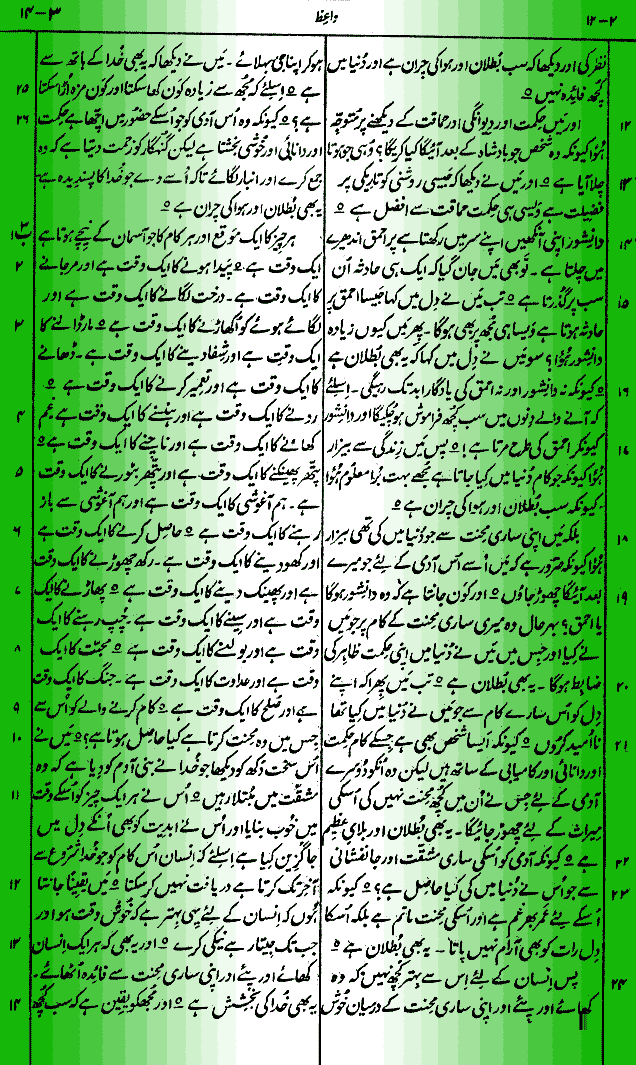
Chapter 2
Ecclesiastes 2:12
Verse:
And I turned myself to behold wisdom and madness and folly for what can the man do that cometh after the king? even that which hath been already done
English Explanation:
King Solomon turns his attention to evaluating human wisdom, madness, and foolishness side by side. He asks a rhetorical question about what anyone who succeeds him can possibly accomplish. As a king with unparalleled wealth, power, and intellect, he realizes that his successors cannot attempt anything genuinely new; they will only repeat what he has already experienced and discovered.
Urdu Explanation (تفصیل):
شاہ سلیمان انسانی حکمت، دیوانگی اور حماقت کا آمنے سامنے جائزہ لینے کی طرف متوجہ ہوتے ہیں۔ وہ ایک فلسفیانہ سوال پوچھتے ہیں کہ بادشاہ کے بعد آنے والا انسان بھلا کیا نیا کر سکتا ہے؟ بے پناہ دولت، طاقت اور عقل کے مالک ہونے کی وجہ سے سلیمان کو معلوم ہے کہ ان کا جانشین کوئی نئی دریافت نہیں کر پائے گا، بلکہ وہ صرف وہی کچھ دہرائے گا جو پہلے ہی کیا جا چکا ہے۔
Ecclesiastes 2:13
Verse:
Then I saw that wisdom excelleth folly as far as light excelleth darkness
English Explanation:
Despite the ultimate vanity of life, Solomon acknowledges that wisdom is objectively superior to foolishness. He uses a powerful metaphor, comparing wisdom to light and folly to darkness. Just as light guides a person and keeps them from stumbling, wisdom provides clarity, direction, and practical benefits that foolishness cannot offer.
Urdu Explanation (تفصیل):
زندگی کی بے ثباتی کے باوجود، سلیمان اس بات کا اعتراف کرتے ہیں کہ حکمت حماقت سے بدرجہا بہتر ہے۔ وہ ایک خوبصورت تشبیہ استعمال کرتے ہوئے حکمت کو روشنی اور حماقت کو اندھیرے سے تشبیہ دیتے ہیں۔ جس طرح روشنی انسان کی رہنمائی کرتی ہے اور اسے ٹھوکر کھانے سے بچاتی ہے، اسی طرح حکمت زندگی میں فہم، سمت اور عملی فائدے فراہم کرتی ہے۔
Ecclesiastes 2:14
Verse:
The wise man’s eyes are in his head but the fool walketh in darkness and I myself perceived also that one event happeneth to them all
English Explanation:
Solomon explains that a wise person operates with foresight, awareness, and clarity (eyes in his head), while a fool stumbles through life without direction (walks in darkness). However, he reaches a sobering and frustrating realization: despite this immense difference in living, “one event”—which is death—ultimately claims both the wise person and the fool alike.
Urdu Explanation (تفصیل):
سلیمان وضاحت کرتے ہیں کہ دانا شخص بصیرت، آگاہی اور سمجھداری سے کام لیتا ہے (اس کی آنکھیں اس کے سر میں ہوتی ہیں)، جبکہ بیوقوف بغیر کسی سمت کے زندگی میں ٹھوکریں کھاتا ہے (اندھیرے میں چلتا ہے)۔ مگر اس کے فوراً بعد وہ ایک تلخ حقیقت کا اعتراف کرتے ہیں کہ ان دونوں کے جینے کے انداز میں تو بڑا فرق ہے، لیکن انجام کار دونوں کے ساتھ “ایک ہی حادثہ” پیش آتا ہے، اور وہ موت ہے۔
Ecclesiastes 2:15
Verse:
Then said I in my heart As it happeneth to the fool so it happeneth even to me and why was I then more wise? Then I said in my heart that this also is vanity
English Explanation:
Reflecting on the inevitability of death, Solomon internalizes this truth and applies it to himself. If the same fate awaits both the foolish person and a highly wise king like himself, he questions the ultimate earthly value of seeking supreme wisdom. He concludes that from a purely worldly standpoint, this equality in death renders human wisdom “vanity” (meaningless or fleeting).
Urdu Explanation (تفصیل):
موت کی اٹل حقیقت پر غور کرتے ہوئے سلیمان اس کا اطلاق اپنی ذات پر کرتے ہیں۔ وہ دل میں سوچتے ہیں کہ اگر ایک بیوقوف اور ان جیسے نہایت دانا بادشاہ کا انجام ایک ہی ہونا ہے، تو پھر ان کا اتنا عقلمند ہونے کا دنیاوی فائدہ کیا ہوا؟ وہ اپنے دل میں نتیجہ نکالتے ہیں کہ خالص دنیاوی نقطہ نظر سے، موت کا یہ یکساں انصاف انسانی حکمت کو بھی “باطل” یا بے معنی بنا دیتا ہے۔
Ecclesiastes 2:16
Verse:
For there is no remembrance of the wise more than of the fool for ever seeing that which now is in the days to come shall all be forgotten And how dieth the wise man? as the fool
English Explanation:
Solomon laments that time eventually erases the memory of both the wise and the foolish. Future generations will largely forget the accomplishments of the wise just as they forget the mistakes of the fool. He expresses a profound sense of existential grief by highlighting that in the grand scheme of mortality, the wise person dies just like the fool.
Urdu Explanation (تفصیل):
سلیمان اس بات پر افسوس کرتے ہیں کہ وقت گزرنے کے ساتھ ساتھ دنیا دانا اور نادان دونوں کو بھول جاتی ہے۔ آنے والے دنوں میں سب کچھ بھلا دیا جائے گا۔ وہ ایک گہرے وجودی دکھ کا اظہار کرتے ہوئے کہتے ہیں کہ موت کے سامنے دونوں برابر ہیں—جیسے بیوقوف مرتا ہے، ویسے ہی دانا بھی مر جاتا ہے اور ان کی یاد ہمیشہ قائم نہیں رہتی۔
Ecclesiastes 2:17
Verse:
Therefore I hated life because the work that is wrought under the sun is grievous unto me for all is vanity and vexation of spirit
English Explanation:
Confronted with the temporary nature of human effort and the finality of death, Solomon experiences profound despair, stating that he “hated life.” Everything achieved “under the sun” (a term he uses for human existence apart from God’s eternal perspective) feels like a heavy burden, a chasing after the wind, and a source of deep emotional distress.
Urdu Explanation (تفصیل):
انسانی کوششوں کی عارضی حیثیت اور موت کی حتمیت کا سامنا کرتے ہوئے سلیمان مایوسی کی گہرائی میں چلے جاتے ہیں اور کہتے ہیں کہ انہیں “زندگی سے نفرت ہو گئی۔” سورج کے نیچے (یعنی خدا کے ابدی نقطہ نظر کے بغیر، محض دنیاوی زندگی میں) جو بھی کام کیا جاتا ہے، وہ انہیں دکھ دیتا ہے کیونکہ سب کچھ باطل اور روح کی پریشانی کا سبب ہے۔
Ecclesiastes 2:18
Verse:
Yea I hated all my labour which I had taken under the sun because I should leave it unto the man that shall be after me
English Explanation:
Solomon turns his frustration toward his immense physical achievements, buildings, and accumulated wealth. He realizes that regardless of how hard he worked to build his empire, he cannot take any of it with him. He must completely leave the fruit of his lifelong labor to a successor who comes after him.
Urdu Explanation (تفصیل):
سلیمان اپنی تمام تر محنت، تعمیرات اور جمع کی گئی دولت سے مایوس ہو جاتے ہیں۔ وہ محسوس کرتے ہیں کہ انہوں نے اپنی سلطنت بنانے کے لیے جتنی بھی سخت محنت کی ہو، وہ اس میں سے کچھ بھی اپنے ساتھ نہیں لے جا سکتے۔ انہیں اپنی زندگی بھر کی کمائی کو اپنے بعد آنے والے انسان کے لیے چھوڑنا پڑے گا۔
Ecclesiastes 2:19
Verse:
And who knoweth whether he shall be a wise man or a fool? yet shall he have rule over all my labour wherein I have laboured and wherein I have shewed myself wise under the sun This is also vanity
English Explanation:
The source of Solomon’s grief deepens as he realizes he has no control over the future. There is no guarantee that his heir will be wise; the successor might be a fool who squanders everything Solomon built with masterly skill and wisdom. This lack of control over his own legacy is declared to be utter vanity.
Urdu Explanation (تفصیل):
سلیمان کے دکھ میں اضافہ اس وقت ہوتا ہے جب انہیں احساس ہوتا ہے کہ مستقبل پر ان کا کوئی اختیار نہیں۔ کون جانتا ہے کہ ان کا جانشین دانا ہوگا یا بیوقوف؟ لیکن وہ شخص سلیمان کی اس تمام دولت اور کاموں پر حکمرانی کرے گا جو انہوں نے بڑی حکمت سے قائم کیے۔ اپنی میراث پر اختیار نہ ہونا بھی ایک بڑی بے معنی بات ہے۔
Ecclesiastes 2:20
Verse:
Therefore I went about to cause my heart to despair of all the labour which I took under the sun
English Explanation:
Driven by these realizations, Solomon allows his heart to enter a state of complete disillusionment. He consciously gives up trying to find ultimate meaning or lasting fulfillment through worldly toil and accomplishments, recognizing that earthly labor alone cannot satisfy the human soul.
Urdu Explanation (تفصیل):
ان حقائق کو جاننے کے بعد، سلیمان اپنے دل کو مکمل مایوسی کی طرف مائل ہونے دیتے ہیں۔ وہ جان بوجھ کر دنیاوی کاموں اور کامیابیوں کے ذریعے زندگی کا حتمی مقصد تلاش کرنا چھوڑ دیتے ہیں، کیونکہ وہ سمجھ جاتے ہیں کہ صرف دنیاوی محنت انسانی روح کو حقیقی سکون نہیں دے سکتی۔
Ecclesiastes 2:21
Verse:
For there is a man whose labour is in wisdom and in knowledge and in equity yet to a man that hath not laboured therein shall he leave it for his portion This also is vanity and a great evil
English Explanation:
Solomon highlights a fundamental injustice observed in earthly life: a person can work with great skill, wisdom, integrity, and knowledge, only to die and leave the inheritance to someone who did absolutely nothing to earn it. Solomon labels this unfair distribution of life’s rewards as not just vanity, but a “great evil” or a tragic misfortune.
Urdu Explanation (تفصیل):
سلیمان دنیا کی ایک بڑی ناانصافی کی طرف اشارہ کرتے ہیں: ایک شخص بڑی حکمت، علم اور ایمانداری سے دن رات محنت کرتا ہے، لیکن مرنے کے بعد اپنی کمائی ایسے شخص کے لیے چھوڑ جاتا ہے جس نے اس کے لیے رتی بھر بھی محنت نہیں کی ہوتی۔ سلیمان اسے نہ صرف باطل بلکہ ایک “بڑی آفت” اور المیہ قرار دیتے ہیں۔
Ecclesiastes 2:22
Verse:
For what hath man of all his labour and of the vexation of his heart wherein he hath laboured under the sun
English Explanation:
He asks a piercing, pragmatic question: When it is all said and done, what does a person actually gain from all their stressful work, sleepless nights, and emotional anxiety under the sun? If the ultimate end is death and loss of control, the net earthly profit of human striving appears to be zero.
Urdu Explanation (تفصیل):
وہ ایک چبھتا ہوا سوال کرتے ہیں: انسان کو اپنی اس تمام سخت محنت، ذہنی تناؤ اور دل کی پریشانی سے آخر کار کیا حاصل ہوتا ہے جو وہ دنیا میں کرتا ہے؟ اگر انجام کار صرف موت اور ناکامی ہے، تو انسانی جدوجہد کا خالص دنیاوی فائدہ بظاہر کچھ بھی نہیں بچتا۔
Ecclesiastes 2:23
Verse:
For all his days are sorrows and his travail grief yea his heart taketh not rest in the night This is also vanity
English Explanation:
Solomon paints a realistic picture of a workaholic or someone consumed by worldly ambition. Their days are filled with pain, their duties bring grief, and even at night, their minds cannot rest because they are constantly worrying about their work, investments, and wealth. This lifestyle is diagnosed as empty and unfulfilling.
Urdu Explanation (تفصیل):
سلیمان دنیاوی لالچ اور کام میں اندھے ہو جانے والے شخص کی حقیقی تصویر کھینچتے ہیں۔ اس کے تمام دن دکھ سے بھرے ہوتے ہیں، اس کا کام رنج دیتا ہے، اور رات کو بھی اس کا دل آرام نہیں پاتا کیونکہ وہ مسلسل اپنے کام اور دولت کی فکر میں مبتلا رہتا ہے۔ یہ طرزِ زندگی سراسر بے معنی ہے۔
Ecclesiastes 2:24
Verse:
There is nothing better for a man than that he should eat and drink and that he should make his soul enjoy good in his labour This also I saw that it was from the hand of God
English Explanation:
Here, the tone shifts from despair to divine perspective. Solomon concludes that instead of obsessing over legacies and ultimate worldly control, the best thing a person can do is accept life’s simple joys—eating, drinking, and finding satisfaction in their daily work. Crucially, he recognizes that the ability to enjoy these simple things is a gracious gift directly from God.
Urdu Explanation (تفصیل):
یہاں سے سلیمان کا اندازِ بیان مایوسی سے ہٹ کر الٰہی نقطہ نظر کی طرف مائل ہوتا ہے۔ وہ نتیجہ نکالتے ہیں کہ مستقبل کی فکروں میں گھلنے کے بجائے، انسان کے لیے سب سے بہتر یہ ہے کہ وہ زندگی کی سادہ نعمتوں سے لطف اندوز ہو—کھائے، پیئے اور اپنی روزمرہ کی محنت میں خوش رہے۔ سب سے اہم بات یہ ہے کہ وہ یہ جان لیتے ہیں کہ ان سادہ چیزوں سے خوشی حاصل کرنا بھی خدا کی طرف سے ایک تحفہ ہے۔
Ecclesiastes 2:25
Verse:
For who can eat or who else can hasten hereunto more than I
English Explanation:
Solomon validates his own conclusion by referencing his unique position. As the wealthiest king, no one had more access to pleasures, fine food, and luxury than him. If even he, with all his boundless resources, discovered that true enjoyment cannot be manufactured by human effort alone but must come from God, then his conclusion is undeniably true.
Urdu Explanation (تفصیل):
سلیمان اپنے اس نتیجے کی تصدیق اپنی مثال سے کرتے ہیں۔ وہ کہتے ہیں کہ عیش و عشرت اور اچھے کھانے پینے کے جتنے مواقع ان کے پاس تھے، کسی اور کے پاس نہیں ہو سکتے تھے۔ اگر وہ تمام وسائل رکھنے کے باوجود یہ جان گئے کہ حقیقی خوشی انسانی کوشش سے نہیں بلکہ خدا کی طرف سے ملتی ہے، تو ان کی بات سو فیصد سچ ہے۔
Ecclesiastes 2:26
Verse:
For God giveth to a man that is good in his sight wisdom and knowledge and joy but to the sinner he giveth travail to gather and to heap up that he may give to him that is good before God This also is vanity and vexation of spirit
English Explanation:
Solomon summarizes God’s justice in earthly existence. To those who please Him, God grants internal blessings: wisdom, knowledge, and genuine joy. However, to the sinner, God assigns the heavy burden of hoarding wealth without ever enjoying it, only for that wealth to ultimately be redirected to the righteous. For the sinner, this endless, joyless hoarding is vanity and a painful chasing of the wind.
Urdu Explanation (تفصیل):
سلیمان انسانی زندگی میں خدا کے انصاف کا خلاصہ کرتے ہیں۔ جو شخص خدا کی نظر میں مقبول ہے، اسے خدا اندرونی برکات یعنی حکمت، علم اور حقیقی خوشی عطا کرتا ہے۔ لیکن گناہگار کو وہ صرف جمع کرنے اور ڈھیر لگانے کی زحمت دیتا ہے، تاکہ آخر کار وہ دولت اس کو مل جائے جو خدا کی نظر میں اچھا ہے۔ گناہگار کے لیے یہ بے فیض دوڑ سراسر باطل اور روح کی پریشانی ہے۔
Chapter 3
Ecclesiastes 3:1
Verse:
To every thing there is a season and a time to every purpose under the heaven
English Explanation:
Solomon introduces one of the most famous passages in scripture, establishing the concept of divine timing. He asserts that everything in human experience operate within a predetermined framework. God has established appropriate seasons and specific times for every event and purpose under heaven; humans are not in absolute control of global rhythms.
Urdu Explanation (تفصیل):
سلیمان الٰہی وقت (ڈیوائن ٹائمنگ) کے تصور کو واضح کرتے ہیں۔ وہ فرماتے ہیں کہ آسمان کے نیچے ہر چیز اور ہر مقصد کا ایک خاص وقت اور مقررہ موسم ہے۔ انسانی زندگی کا ہر واقعہ خدا کے طے کردہ نظام کے تحت رونما ہوتا ہے؛ انسان کائنات کے اس وقت اور رفتار کو اپنی مرضی سے تبدیل نہیں کر سکتا۔
Ecclesiastes 3:2
Verse:
A time to be born and a time to die a time to plant and a time to pluck up that which is planted
English Explanation:
The poem of time begins with the ultimate boundaries of human life: birth and death, neither of which a person can fully schedule or control. He then shifts to an agricultural metaphor: there is a correct season to sow seeds into the earth, and an equally necessary season to harvest or uproot what has grown.
Urdu Explanation (تفصیل):
وقت کی یہ خوبصورت نظم انسانی زندگی کی بنیادی حدوں سے شروع ہوتی ہے: پیدا ہونے کا وقت اور مرنے کا وقت، جن پر انسان کا کوئی کنٹرول نہیں ہوتا۔ پھر وہ زراعت کی مثال دیتے ہیں کہ بیج بونے (لگانے) کا ایک صحیح موسم ہوتا ہے اور اگنے والی فصل کو اکھاڑنے یا کاٹنے کا بھی ایک مقررہ وقت ہوتا ہے۔
Ecclesiastes 3:3
Verse:
A time to kill and a time to heal a time to break down and a time to build up
English Explanation:
Life swings between preservation and destruction. “A time to kill” can refer to righteous defense, justice, or the slaughter of livestock, contrasted with “a time to heal” wounds and diseases. Similarly, old, decaying structures must be broken down to clear space for a time of building up new edifices.
Urdu Explanation (تفصیل):
زندگی تحفظ اور تباہی کے مابین گھومتی رہتی ہے۔ “قتل کرنے کے وقت” سے مراد جائز دفاع، انصاف یا جانوروں کو ذبح کرنا ہو سکتا ہے، جس کے برعکس زخموں اور بیماریوں کو “شفا دینے کا وقت” آتا ہے۔ اسی طرح، پرانی اور بوسیدہ عمارتوں کو “ڈھانے کا وقت” ہوتا ہے تاکہ نئی تعمیرات کے لیے “بنانے کا وقت” مل سکے۔
Ecclesiastes 3:4
Verse:
A time to weep and a time to laugh a time to mourn and a time to dance
English Explanation:
Solomon highlights the full spectrum of human emotions. Sorrow and joy are both natural parts of the human condition. There are seasons of tragedy where weeping and deep mourning are appropriate, but God also provides seasons of joy filled with laughter and celebratory dancing. One should not expect life to be exclusively one or the other.
Urdu Explanation (تفصیل):
سلیمان انسانی جذبات کے تمام رنگوں کو اجاگر کرتے ہیں۔ غم اور خوشی دونوں ہی انسانی زندگی کا لازمی حصہ ہیں۔ المیہ کے ایسے ادوار آتے ہیں جہاں رونا اور ماتم کرنا فطری ہوتا ہے، لیکن خدا خوشی کے ایسے ایام بھی لاتا ہے جو ہنسی اور جشن کے رقص سے بھرپور ہوتے ہیں۔ انسان کو یہ امید نہیں رکھنی چاہیے کہ زندگی ہمیشہ ایک جیسی رہے گی۔
Ecclesiastes 3:5
Verse:
A time to cast away stones and a time to gather stones together a time to embrace and a time to refrain from embracing
English Explanation:
“Casting away and gathering stones” can historically refer to clearing fields for agriculture, disrupting an enemy’s land, or preparing building materials. Solomon pairs this with human relationships: there are times when intimacy, support, and embracing are necessary, and other seasons where distance, boundaries, or separation are appropriate.
Urdu Explanation (تفصیل):
“پتھروں کو پھینکنے اور جمع کرنے” سے مراد کھیتوں کو صاف کرنا، دشمن کی زمین کو خراب کرنا، یا تعمیراتی سامان تیار کرنا ہو سکتا ہے۔ سلیمان اسے انسانی تعلقات سے جوڑتے ہیں: ایسے اوقات ہوتے ہیں جب گلے ملنے اور قربت اختیار کرنے کی ضرورت ہوتی ہے، اور ایسے ادوار بھی آتے ہیں جب دوری برقرار رکھنا یا الگ رہنا زیادہ مناسب ہوتا ہے۔
Ecclesiastes 3:6
Verse:
A time to get and a time to lose a time to keep and a time to cast away
English Explanation:
This verse addresses possession and material goods. Life includes periods of accumulation, acquisition, and gaining assets. Conversely, it brings seasons of inevitable loss or periods where one must willingly throw away things that are no longer useful or are weighing them down.
Urdu Explanation (تفصیل):
یہ آیت مال و متاع اور قبضے کے بارے میں ہے۔ زندگی میں ایسے دور آتے ہیں جب انسان چیزیں حاصل کرتا اور کماتا ہے۔ اس کے برعکس، ایسے وقت بھی آتے ہیں جب نقصانات برداشت کرنے پڑتے ہیں یا پھر انسان کو خود اپنی مرضی سے ان چیزوں کو پھینکنا یا چھوڑنا پڑتا ہے جو اب فائدہ مند نہیں رہیں۔
Ecclesiastes 3:7
Verse:
A time to rend and a time to sew a time to keep silence and a time to speak
English Explanation:
“Rending” (tearing) clothes was a traditional Middle Eastern expression of intense grief or outrage. Sewing represents healing, restoration, and moving forward. Solomon adds magnificent relational wisdom here: a wise person knows when it is best to remain quiet and listen, and exactly when it is necessary to speak up.
Urdu Explanation (تفصیل):
کپڑے پھاڑنا (چاک کرنا) قدیم مشرقِ وسطیٰ میں شدید غم یا غصے کا اظہار تھا۔ جبکہ ان کو سینا صلح، بحالی اور آگے بڑھنے کی علامت ہے۔ سلیمان یہاں ایک بہترین اخلاقی حکمت سکھاتے ہیں: ایک دانا انسان جانتا ہے کہ کب خاموش رہنا بہتر ہے اور کب اپنی زبان کھولنا اور بات کرنا ضروری ہے۔
Ecclesiastes 3:8
Verse:
A time to love and a time to hate a time of war and a time of peace
English Explanation:
The catalogue of times concludes with powerful national and personal dualities. Human history contains seasons governed by love and goodwill, balanced by a righteous hatred for injustice and evil. Consequently, nations experience dark times of conflict and war, which eventually give way to seasons of reconciliation and peace.
Urdu Explanation (تفصیل):
وقتوں کی یہ فہرست قومی اور ذاتی سطح کے بڑے تضادات پر ختم ہوتی ہے۔ انسانی تاریخ محبت اور خیر سگالی کے ادوار دیکھتی ہے، لیکن اس کے ساتھ ہی برائی اور ناانصافی سے “نفرت کرنے کا وقت” بھی ہوتا ہے۔ اسی کے نتیجے میں قومیں جنگ کے سیاہ دور سے گزرتی ہیں، جس کے بعد بالاخر صلح اور امن کا وقت آتا ہے۔
Ecclesiastes 3:9
Verse:
What profit hath he that worketh in that wherein he laboureth
English Explanation:
After detailing the fixed cycles of time, Solomon returns to his central dilemma: If everything is already locked into an unchangeable cosmic schedule governed by God, what lasting profit or permanent advantage does a person truly gain from their exhausting daily toil?
Urdu Explanation (تفصیل):
وقت کے ان مقررہ چکروں کی تفصیل بیان کرنے کے بعد، سلیمان دوبارہ اپنے مرکزی سوال کی طرف لوٹتے ہیں: اگر ہر چیز پہلے سے ہی خدا کے طے کردہ نظام کے تحت وقت کی پابند ہے، تو پھر انسان کو دن رات کی جانے والی اس سخت محنت سے کیا مستقل فائدہ حاصل ہوتا ہے؟
Ecclesiastes 3:10
Verse:
I have seen the travail which God hath given to the sons of men to be exercised in it
English Explanation:
Solomon acknowledges that the struggles, work, and responsibilities of daily life are assigned to humanity by God. This “travail” or heavy task keeps human beings occupied and humble. It is a divine training ground designed to make mankind look beyond themselves.
Urdu Explanation (تفصیل):
سلیمان اعتراف کرتے ہیں کہ روزمرہ کی زندگی کی یہ جدوجہد، کام اور ذمہ داریاں خدا ہی نے انسانوں کے سپرد کی ہیں تاکہ وہ ان میں مصروف رہیں۔ یہ مشقت انسان کو مصروف اور خاکسار رکھتی ہے۔ یہ ایک طرح کی الٰہی تربیت گاہ ہے جو انسان کو اپنی حدود کا احساس دلاتی ہے۔
Ecclesiastes 3:11
Verse:
He hath made every thing beautiful in his time also he hath set the world in their heart so that no man can find out the work that God maketh from the beginning to the end
English Explanation:
This is a pivotal theological verse. Solomon notes that God brings harmony out of the seasons; everything becomes appropriate and “beautiful” when it occurs at His designated time. Furthermore, God has placed “eternity” (translated here as the world) in the human heart—a deep longing for eternal meaning. Yet, because humans are finite, they can never fully grasp or decode God’s master plan from beginning to end.
Urdu Explanation (تفصیل):
یہ ایک انتہائی اہم ایمانی آیت ہے۔ سلیمان فرماتے ہیں کہ خدا اپنے وقت پر ہر چیز کو خوبصورت اور موزوں بنا دیتا ہے۔ مزید یہ کہ خدا نے انسان کے دل میں “ابدیت کا تصور” (جس کا ترجمہ یہاں دنیا کیا گیا ہے) رکھ دیا ہے، یعنی انسان ہمیشہ کے معنی تلاش کرتا ہے۔ لیکن انسان محدود ہونے کی وجہ سے خدا کے اس عظیم منصوبے کو اول سے آخر تک پوری طرح سمجھنے سے قاصر ہے۔
Ecclesiastes 3:12
Verse:
I know that there is no good in them but for a man to rejoice and to do good in his life
English Explanation:
Since human beings cannot fully understand the mysteries of God’s overarching plan, Solomon offers highly practical advice: the best course of action is to live joyfully in the present moment and focus on doing good, ethical, and righteous deeds throughout one’s life.
Urdu Explanation (تفصیل):
چونکہ انسان خدا کے وسیع منصوبوں کے اسرار کو مکمل طور پر نہیں سمجھ سکتا، اس لیے سلیمان ایک عملی مشورہ دیتے ہیں: انسان کے لیے سب سے بہتر یہ ہے کہ وہ موجودہ لمحے میں خوش رہے اور اپنی زندگی میں اچھے، اخلاقی اور نیک کام کرنے پر توجہ مرکوز رکھے۔
Ecclesiastes 3:13
Verse:
And also that every man should eat and drink and enjoy the good of all his labour it is the gift of God
Explanation:
Solomon reiterates that finding simple satisfaction in food, drink, and the fruits of honest work is not a vanity to be despised, but rather a direct, gracious gift from God. True contentment comes when a person stops trying to control the universe and gratefully accepts God’s daily provisions.
Urdu Explanation (تفصیل):
سلیمان ایک بار پھر اس بات پر زور دیتے ہیں کہ کھانے، پینے اور اپنی حلال کی کمائی سے خوشی حاصل کرنا کوئی فضول بات نہیں، بلکہ یہ خدا کی طرف سے عطا کردہ ایک خاص نعمت ہے۔ حقیقی اطمینان تب ملتا ہے جب انسان کائنات کو اپنے قابو میں کرنے کی کوشش چھوڑ کر خدا کے دیے ہوئے رزق پر شکر گزاری کے ساتھ جینا سیکھ لیتا ہے۔
Ecclesiastes 3:14
Verse:
I know that whatsoever God doeth it shall be for ever nothing can be put to it nor any thing taken from it and God doeth it that men should fear before him
English Explanation:
Solomon contrasts frail, temporary human achievements with the absolute perfection of divine actions. Whatever God does is eternal, flawless, and unalterable; humanity cannot add to it or subtract from it. God established this supreme sovereignty so that human beings would recognize their own limitations and live in healthy, reverent awe (fear) of their Creator.
Urdu Explanation (تفصیل):
سلیمان انسان کے عارضی کاموں کا موازنہ خدا کے کامل اور ابدی کاموں سے کرتے ہیں۔ خدا جو کچھ بھی کرتا ہے وہ ہمیشہ قائم رہتا ہے، اس میں نہ تو کچھ بڑھایا جا سکتا ہے اور نہ ہی کچھ گھٹایا جا سکتا ہے۔ خدا نے اپنی یہ مطلق حاکمیت اس لیے قائم کی ہے تاکہ انسان اپنی حدود کو پہچانے اور اپنے پیدا کرنے والے کے سامنے پورے ادب، احترام اور خوف (خدا ترسی) کے ساتھ زندگی بسر کرے۔