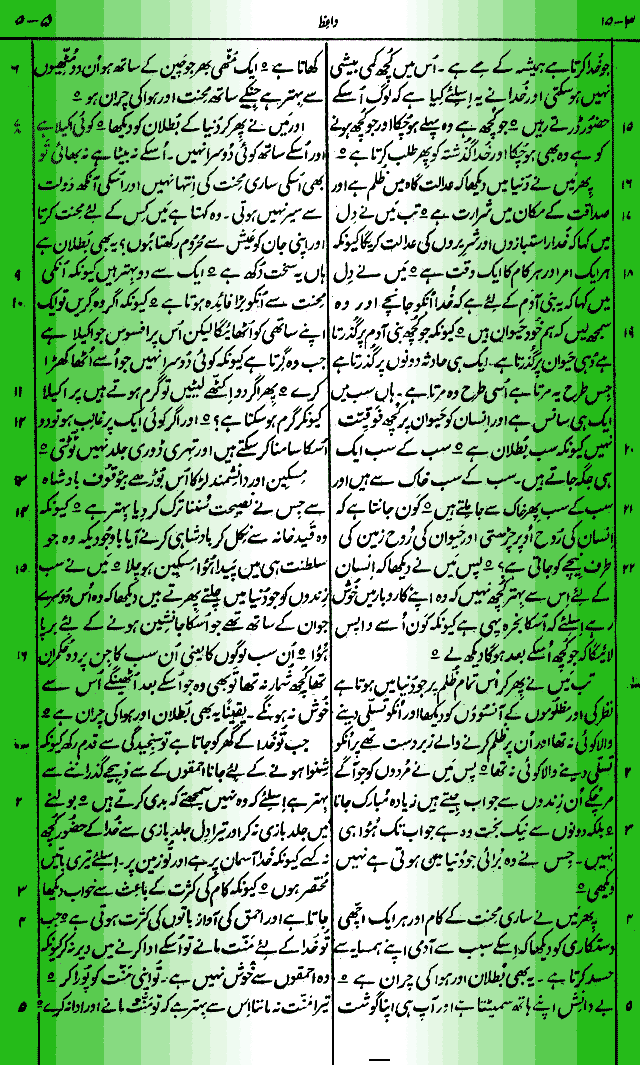
Verse-by-Verse Commentary and Explanation
Ecclesiastes 3:15
Verse: That which hath been is now and that which is to be hath already been and God requireth that which is past
-
English Explanation: King Solomon emphasizes the cyclical nature of time and human existence. History continuously repeats itself; what is happening today has already happened in antiquity, and what will happen in the future is merely a repetition of the past. The phrase “God requireth that which is past” implies that God holds history accountable, ensures justice, and recalls events that time has swept away, maintaining a divine order over human history.
-
Urdu Explanation (تفصیل): King Solomon (بادشاہ سلیمان) وقت اور انسانی زندگی کے چکراتی عمل (cyclical nature) پر زور دیتے ہیں۔ تاریخ خود کو دہراتی ہے؛ جو کچھ آج ہو رہا ہے وہ ماضی میں ہو چکا ہے، اور جو مستقبل میں ہو گا وہ ماضی کا عکس ہے۔ “خدا ماضی کا حساب لیتا ہے” کا مطلب یہ ہے کہ خدا کی نظر میں کچھ بھی گم نہیں ہوتا، وہ گزرے ہوئے کل کا حساب رکھتا ہے اور انصاف قائم کرتا ہے۔
Ecclesiastes 3:16
Verse: And moreover I saw under the sun the place of judgment that wickedness was there and the place of righteousness that iniquity was there
-
English Explanation: The Author observes a tragic reality of a fallen world “under the sun” (earthly life). Instead of finding fairness and justice in courts or holy places, he discovers corruption, wickedness, and sin. The institutions meant to protect the innocent are themselves corrupted by human greed and flaw.
-
Urdu Explanation (تفصیل): مصنف دنیاوی زندگی کی ایک تلخ حقیقت کا مشاہدہ کرتے ہیں۔ جہاں انصاف اور نیکی ہونی چاہیے تھی (جیسے عدالتیں یا مقدس مقامات)، وہاں انہوں نے ظلم، برائی اور گناہ پایا۔ وہ ادارے جن کا کام معصوموں کا تحفظ کرنا تھا، وہ خود انسانی لالچ کی وجہ سے بدعنوان ہو چکے ہیں۔
Ecclesiastes 3:17
Verse: I said in mine heart God shall judge the righteous and the wicked for there is a time there for every purpose and for every work
-
English Explanation: Despite witnessing earthly injustice, Solomon finds comfort in faith. He reassures himself that human corruption is temporary because God will ultimately execute supreme judgment. God has set an appointed, perfect time for evaluating every human intention, purpose, and deed.
-
Urdu Explanation (تفصیل): زمین پر ناانصافی دیکھنے کے باوجود، سلیمان ایمان میں تسلی پاتے ہیں۔ وہ دل میں کہتے ہیں کہ انسانی بدعنوانی عارضی ہے کیونکہ آخرکار خدا ہی سچا منصف ہے۔ خدا نے ہر نیت، مقصد اور عمل کے انصاف کے لیے ایک بہترین وقت مقرر کر رکھا ہے۔
Ecclesiastes 3:18
Verse: I said in mine heart concerning the estate of the sons of men that God might manifest them and that they might see that they themselves are beasts
-
English Explanation: Solomon reflects on the physical nature of humanity. God allows human beings to experience trials and mortality to humble them, making them realize that without divine intervention, their physical existence and primal behaviors are no different from those of wild animals.
-
Urdu Explanation (تفصیل): سلیمان انسان کی مادی حقیقت پر غور کرتے ہیں۔ خدا انسانوں کو آزمائشوں اور فانی ہونے کا احساس اس لیے دلاتا ہے تاکہ وہ عاجزی سیکھیں اور جان لیں کہ خدا کے فضل کے بغیر، ان کا مادی وجود اور جبلتیں جانوروں سے مختلف نہیں ہیں۔
Ecclesiastes 3:19
Verse: For that which befalleth the sons of men befalleth beasts even one thing befalleth them as the one dieth so dieth the other yea they have all one breath so that a man hath no preeminence above a beast for all is vanity
-
English Explanation: From a purely biological, earthly viewpoint, humans and animals share the same fate: physical death. Both breathe the same air, and both inevitably die. In terms of earthly survival and mortality alone, man holds no special advantage, rendering human arrogance completely empty and meaningless.
-
Urdu Explanation (تفصیل): خالص مادی اور دنیاوی نقطہ نظر سے، انسانوں اور جانوروں کا انجام ایک ہی ہے یعنی جسمانی موت۔ دونوں ایک ہی ہوا میں سانس لیتے ہیں اور دونوں کو مرنا ہے۔ صرف مادی بقا کے لحاظ سے انسان کو جانور پر کوئی برتری حاصل نہیں، اس لیے انسان کا غرور بالکل بے معنی (vanity) ہے۔
Ecclesiastes 3:20
Verse: All go unto one place all are of the dust and all turn to dust again
-
English Explanation: This verse echoes Genesis, highlighting the shared material composition of all living creatures. Both humans and animals are created from the elemental dust of the earth, and upon death, their physical forms decompose and return to that very same dust.
-
Urdu Explanation (تفصیل): یہ آیت پیدائش کی کتاب کی یاد دلاتی ہے اور تمام جانداروں کی مادی بناوٹ کو ظاہر کرتی ہے۔ انسان اور جانور دونوں مٹی سے بنے ہیں، اور موت کے بعد دونوں کے مادی جسم دوبارہ مٹی میں مل جاتے ہیں۔
Ecclesiastes 3:21
Verse: Who knoweth the spirit of man that goeth upward and the spirit of the beast that goeth downward to the earth
-
English Explanation: Solomon poses a rhetorical question highlighting the limits of human observation. While we assume or know through faith that the human soul ascends to God while an animal’s life force perishes with the earth, no living eye can physically track or verify this spiritual separation.
-
Urdu Explanation (تفصیل): سلیمان ایک ایسا سوال پوچھتے ہیں جو انسانی علم کی حد کو ظاہر کرتا ہے۔ اگرچہ ہم ایمان سے جانتے ہیں کہ انسان کی روح خدا کی طرف اوپر جاتی ہے اور جانور کی زندگی زمین میں ختم ہو جاتی ہے، لیکن کوئی بھی زندہ انسان اپنی آنکھوں سے اس روحانی فرق کا مشاہدہ نہیں کر سکتا۔
Ecclesiastes 3:22
Verse: Wherefore I perceive that there is nothing better than that a man should rejoice in his own works for that is his portion for who shall bring him to see what shall be after him
-
English Explanation: Since the future is hidden and life is brief, the author concludes that the best course of action is to find joy, contentment, and satisfaction in one’s daily labor. This present happiness is God’s gift to man, as no one can return after death to witness what happens to the world they leave behind.
-
Urdu Explanation (تفصیل): چونکہ مستقبل چھپا ہوا ہے اور زندگی مختصر ہے، مصنف نتیجہ نکالتے ہیں کہ سب سے بہتر یہ ہے کہ انسان اپنے روزمرہ کے کاموں اور محنت میں خوشی تلاش کرے۔ یہ موجودہ خوشی انسان کا حصہ (تحفہ) ہے، کیونکہ موت کے بعد کوئی واپس آ کر نہیں دیکھ سکتا کہ اس کے پیچھے دنیا میں کیا ہو رہا ہے۔
Ecclesiastes 4:1
Verse: So I returned and considered all the oppressions that are done under the sun and behold the tears of such as were oppressed and they had no comforter and on the side of their oppressors there was power but they had no comforter
-
English Explanation: Turning his attention to societal issues, Solomon observes systemic tyranny and injustice. He notices the heartbreaking tears of the helpless victims who have no one to console or defend them, while the cruel oppressors hold all the institutional and physical power.
-
Urdu Explanation (تفصیل): سلیمان معاشرتی مسائل کی طرف متوجہ ہوتے ہیں اور ظلم و ستم کا مشاہدہ کرتے ہیں۔ وہ بے بس مظلوموں کے آنسو دیکھتے ہیں جن کا کوئی دلاسہ دینے والا یا مددگار نہیں، جبکہ ظالموں کے پاس تمام مادی اور سیاسی طاقت موجود ہے۔
Ecclesiastes 4:2
Verse: Wherefore I praised the dead which are already dead more than the living which are yet alive
-
English Explanation: Overwhelmed by the intense suffering, sorrow, and unceasing cruelty present in human society, Solomon concludes that the dead are more fortunate than the living, as they are finally free from enduring or witnessing such immense worldly misery.
-
Urdu Explanation (تفصیل): انسانی معاشرے میں شدید مصائب اور مسلسل ظلم دیکھ کر سلیمان اتنے مایوس ہوتے ہیں کہ وہ کہتے ہیں کہ مردے زندوں سے زیادہ خوش قسمت ہیں، کیونکہ وہ اس دنیا کے دکھوں اور تکالیف کو جھیلنے سے آزاد ہو چکے ہیں۔
Ecclesiastes 4:3
Verse: Yea better is he than both they which hath not yet been who hath not seen the evil work that is done under the sun
-
English Explanation: Taking his grief a step further, Solomon suggests that those who were never born are the most fortunate of all. The unborn have escaped the tragedy of existence entirely, avoiding both the sight and the experience of evil and corruption committed on earth.
-
Urdu Explanation (تفصیل): اپنے غم کو مزید بڑھاتے ہوئے سلیمان کہتے ہیں کہ وہ لوگ سب سے بہتر ہیں جو ابھی تک پیدا ہی نہیں ہوئے، کیونکہ انہوں نے زمین پر ہونے والے برے کاموں اور برائیوں کو نہ تو دیکھا ہے اور نہ ہی ان کا تجربہ کیا ہے۔
Ecclesiastes 4:4
Verse: Again I considered all travail and every right work that for this a man is envied of his neighbour This is also vanity and vexation of spirit
-
English Explanation: Solomon analyzes human drive and ambition, observing that much of people’s hard work, success, and skill is fueled by rivalry and a desire to outperform their neighbors. This constant social comparison and jealousy turn positive achievements into empty vanity and emotional frustration.
-
Urdu Explanation (تفصیل): سلیمان انسانی ترقی اور کامیابی کے پیچھے چھپی نیتوں کا جائزہ لیتے ہیں۔ وہ دیکھتے ہیں کہ انسان کی زیادہ تر محنت اور مہارت کا سبب پڑوسیوں سے حسد اور آگے نکلنے کی دوڑ ہے۔ یہ مستقل موازنہ اور حسد کامیابیوں کو بھی بے معنی اور روح کی اذیت بنا دیتا ہے۔
Ecclesiastes 4:5
Verse: The fool foldeth his hands together and eateth his own flesh
-
English Explanation: While excessive competition is harmful, total laziness is equally destructive. The fool refuses to work (“foldeth his hands”) and, through self-neglect and lack of productivity, destroys his own livelihood, health, and well-being.
-
Urdu Explanation (تفصیل): جہاں حد سے زیادہ مقابلہ بازی نقصان دہ ہے، وہیں مکمل سستی بھی تباہ کن ہے۔ احمق انسان کام کرنے سے انکار کرتا ہے (ہاتھ پر ہاتھ دھرے بیٹھا رہتا ہے) اور اپنی اس سستی کی وجہ سے اپنی ہی زندگی اور خوشحالی کو برباد کر دیتا ہے۔
Ecclesiastes 4:6
Verse: Better is an handful with quietness than both the hands full with travail and vexation of spirit
-
English Explanation: Solomon advocates for the golden mean of balance and contentment. It is far better to possess a modest amount (“an handful”) accompanied by peace of mind than to have absolute abundance (“both the hands full”) gained through exhausting toil, stress, and anxiety.
-
Urdu Explanation (تفصیل): سلیمان یہاں اعتدال اور قناعت کی تعلیم دیتے ہیں۔ وہ فرماتے ہیں کہ سکون اور اطمینان کے ساتھ تھوڑا سا مال ہونا اس کثرت سے کہیں بہتر ہے جو انسان کو مسلسل ذہنی تناؤ، تھکن اور پریشانی میں مبتلا رکھ کر حاصل ہو۔
Ecclesiastes 4:7
Verse: Then I returned and I saw vanity under the sun
-
English Explanation: Solomon shifts his focus to another tragic human phenomenon observed in earthly life: the sheer pointlessness of isolation coupled with obsessive greed.
-
Urdu Explanation (تفصیل): سلیمان دنیاوی زندگی میں ایک اور تلخ اور بے معنی انسانی رویے کی طرف توجہ مبذول کرتے ہیں یعنی تنہائی اور شدید لالچ کا امتزاج۔
Ecclesiastes 4:8
Verse: There is one alone and there is not a second yea he hath neither child nor brother yet is there no end of all his labour neither is his eye satisfied with riches neither saith he For whom do I labour and bereave my soul of good This is also vanity yea it is a sore travail
-
English Explanation: He describes a workaholic who lives entirely alone, without family, a spouse, or heirs. Despite having no one to provide for or pass his wealth to, he works himself to exhaustion, driven by insatiable greed. He never pauses to ask why he denies himself life’s pleasures, making his isolated life deeply tragic and empty.
-
Urdu Explanation (تفصیل): وہ ایک ایسے شخص کا ذکر کرتے ہیں جو بالکل اکیلا ہے، جس کا نہ کوئی بچہ ہے نہ بھائی۔ اس کے باوجود اس کی محنت کی کوئی انتہا نہیں اور وہ دولت کی لالچ میں اندھا ہے۔ وہ کبھی خود سے یہ نہیں پوچھتا کہ “میں کس کے لیے اتنی محنت کر رہا ہوں اور اپنی جان کو خوشیوں سے محروم رکھ رہا ہوں؟” یہ طرزِ زندگی انتہائی تکلیف دہ اور بے معنی ہے۔
Ecclesiastes 4:9
Verse: Two are better than one because they have a good reward for their labour
-
English Explanation: Solomon extols the virtue of companionship and community. Cooperation yields higher efficiency and greater success. Working together in partnership makes labor far more productive and emotionally rewarding than working in isolation.
-
Urdu Explanation (تفصیل): سلیمان یہاں رفاقت، دوستی اور شراکت داری کی فضیلت بیان کرتے ہیں۔ ایک سے دو بہتر ہیں کیونکہ جب دو لوگ مل کر کام کرتے ہیں تو ان کی محنت کا پھل زیادہ حاصل ہوتا ہے اور کامیابی آسان ہو جاتی ہے۔
Ecclesiastes 4:10
Verse: For if they fall the one will lift up his fellow but woe to him that is alone when he falleth for he hath not another to help him up
-
English Explanation: Life is full of unexpected hardships and failures. If partners encounter trouble, they can support and restore one another. However, a person who isolated themselves faces grave danger, as there is no one around to offer comfort or assistance when crisis strikes.
-
Urdu Explanation (تفصیل): زندگی آزمائشوں اور حادثات سے بھری ہے۔ اگر دو شراکت داروں میں سے ایک گر جائے تو دوسرا اسے سنبھال لیتا ہے۔ لیکن اس شخص پر افسوس جو اکیلا ہے، کیونکہ جب وہ کسی مشکل یا مصیبت میں گرے گا تو اس کا ہاتھ پکڑنے والا کوئی نہیں ہوگا۔
Ecclesiastes 4:11
Verse: Again if two lie together then they have heat but how can one be warm alone
-
English Explanation: Using a practical illustration from ancient travel, where nights in the desert were freezing, Solomon shows that companionship brings mutual comfort, preservation, and emotional warmth. True comfort cannot be generated or sustained in total isolation.
-
Urdu Explanation (تفصیل): قدیم دور کے سفر کی ایک عملی مثال دیتے ہوئے (جہاں صحرا کی راتیں انتہائی سرد ہوتی تھیں) سلیمان واضح کرتے ہیں کہ دو ساتھ رہنے والوں کو ایک دوسرے سے تپش اور سکون ملتا ہے۔ اکیلا انسان زندگی کی سردی اور سختی کا مقابلہ تنہا نہیں کر سکتا۔
Ecclesiastes 4:12
Verse: And if one prevail against him two shall withstand him and a threefold cord is not quickly broken
-
English Explanation: Unity provides security and defense. A lone individual is easily overpowered by an attacker or crisis, but two people standing together can successfully defend themselves. Solomon adds that an even larger community—symbolized by a “threefold cord”—is incredibly resilient and virtually unbreakable.
-
Urdu Explanation (تفصیل): اتحاد میں تحفظ اور طاقت ہے۔ ایک اکیلے شخص پر دشمن یا مصیبت آسانی سے غالب آ سکتی ہے، لیکن دو لوگ مل کر مقابلہ کر سکتے ہیں۔ سلیمان مزید کہتے ہیں کہ تین دھاگوں سے بنی رسی (جو کہ وسیع برادری یا خاندانی اتحاد کی علامت ہے) آسانی سے نہیں ٹوٹتی۔
Ecclesiastes 4:13
Verse: Better is a poor and a wise child than an old and foolish king who will no more be admonished
-
English Explanation: Solomon asserts that wisdom is far superior to status, wealth, or age. A youth who is poor but open to learning and counsel is significantly better than an aging, powerful monarch who has become arrogant, stubborn, and completely deaf to constructive criticism or advice.
-
Urdu Explanation (تفصیل): سلیمان واضح کرتے ہیں کہ حکمت رتبے، دولت یا عمر سے کہیں بڑھ کر ہے۔ ایک غریب لیکن عقلمند نوجوان جو نصیحت سننے کے لیے تیار ہو، اس بوڑھے اور احمق بادشاہ سے کہیں بہتر ہے جو مغرور ہو چکا ہو اور کسی کی نصیحت یا مشورے کو قبول نہ کرے۔
Ecclesiastes 4:14
Verse: For out of prison he cometh to reign whereas also he that is born in his kingdom becometh poor
-
English Explanation: Political fortunes can shift radically. A wise youth can rise from the lowest tier of society—even from a literal prison—to ascend the throne due to his wisdom, whereas a foolish ruler born into immense royal privilege can destroy his legacy and end up in complete poverty.
-
Urdu Explanation (تفصیل): سیاسی اور دنیاوی حالات تیزی سے بدل سکتے ہیں۔ ایک عقلمند نوجوان اپنی حکمت کی بدولت سماج کے نچلے ترین درجے (حتیٰ کہ قید خانے) سے نکل کر بادشاہ بن سکتا ہے، جبکہ شاہی خاندان میں پیدا ہونے والا احمق حکمران اپنی حماقت سے سب کچھ گنوا کر غریب ہو سکتا ہے۔
Ecclesiastes 4:15
Verse: I considered all the living which walk under the sun with the second child that shall stand up in his stead
-
English Explanation: Observing the behavior of the masses, Solomon notices how quickly public loyalty shifts. The crowd eagerly turns away from the old ruler to follow and flatter the young successor (“the second child”) who rises to take the crown.
-
Urdu Explanation (تفصیل): عوام کے رویے کا مشاہدہ کرتے ہوئے سلیمان دیکھتے ہیں کہ لوگوں کی وفاداری کتنی جلدی بدلتی ہے۔ پوری قوم پرانے بادشاہ کو بھول کر نئے نوجوان جانشین (دوسرے بچے) کے پیچھے چلنے لگتی ہے اور اس کی خوشامد کرتی ہے۔
Ecclesiastes 4:16
Verse: There is no end of all the people even of all that have been before them they also that come after shall not rejoice in him Surely this also is vanity and vexation of spirit
-
English Explanation: Fame and political popularity are fleeting. Even if a new ruler commands the adoration of millions today, future generations will eventually tire of him, grow dissatisfied, and reject his memory. Seeking fulfillment through human applause or political legacy is ultimately empty and frustrating.
-
Urdu Explanation (تفصیل): شہرت اور سیاسی مقبولیت عارضی ہے۔ اگرچہ ایک نیا حکمران لاکھوں لوگوں کا پسندیدہ ہو، لیکن آنے والی نسلیں آخرکار اس سے بھی بیزار ہو جائیں گی۔ انسانی تعریف یا سیاسی وراثت کے پیچھے بھاگنا بالکل بے معنی اور روح کی اذیت ہے۔
Ecclesiastes 5:1
Verse: Keep thy foot when thou goest to the house of God and be more ready to hear than to give the sacrifice of fools for they consider not that they do evil
-
English Explanation: Solomon transitions to instructing believers on spiritual discipline and proper worship. When entering God’s sanctuary, one must approach with deep reverence, humility, and caution (“keep thy foot”). True worship involves listening carefully to God’s word and obeying it, rather than offering shallow, insincere religious rituals (“the sacrifice of fools”) without a changed heart.
-
Urdu Explanation (تفصیل): سلیمان یہاں حقیقی عبادت اور روحانی نظم و ضبط کی تعلیم دیتے ہیں۔ جب تم خدا کے گھر (عبادت گاہ) میں جاؤ، تو انتہائی احترام، عاجزی اور احتیاط کے ساتھ قدم رکھو۔ سچی عبادت خدا کے کلام کو غور سے سننا اور اس پر عمل کرنا ہے، نہ کہ دل کی تبدیلی کے بغیر محض ظاہری مذہبی رسومات (احمقوں کی قربانی) ادا کرنا۔
Ecclesiastes 5:2
Verse: Be not rash with thy mouth and let not thine heart be hasty to utter any thing before God for God is in heaven and thou upon earth therefore let thy words be few
-
English Explanation: Believers are cautioned against making impulsive, emotional prayers or empty promises to God. Solomon reminds us of the massive sovereign boundary between Creator and creation: God is transcendent in heaven, while humans are limited on earth. Therefore, our speech before God should be respectful, deliberate, and concise.
-
Urdu Explanation (تفصیل): یہاں انسان کو خدا کے حضور جلد بازی میں جذباتی دعائیں یا کھوکھلے وعدے کرنے سے روکا گیا ہے۔ سلیمان خالق اور مخلوق کے فرق کو یاد دلاتے ہیں کہ خدا آسمان پر ہے (عظیم و برتر ہے) اور تم زمین پر ہو (محدود ہو)۔ اس لیے خدا کے سامنے تمہارے الفاظ نپے تلے اور کم ہونے چاہئیں۔
Ecclesiastes 5:3
Verse: For a dream cometh through the multitude of business and a fool’s voice is known by multitude of words
-
English Explanation: Just as a chaotic, busy day leads to restless, confusing dreams at night, excessive and unguided talking reveals a foolish character. A wise person listens, whereas a fool constantly babbles without thought, especially in sacred contexts.
-
Urdu Explanation (تفصیل): جس طرح دن بھر کی بے جا مصروفیات رات کو پریشان کن خوابوں کا سبب بنتی ہیں، اسی طرح ضرورت سے زیادہ اور بلا سوچے سمجھے بولنا احمق انسان کی پہچان ہے۔ عقلمند انسان سنتا ہے جبکہ احمق مسلسل بولتا رہتا ہے۔
Ecclesiastes 5:4
Verse: When thou vowest a vow unto God defer not to pay it for he hath no pleasure in fools pay that which thou hast vowed
-
English Explanation: Making a voluntary pledge or vow to Almighty God is a serious commitment. Solomon warns that once a promise is made to God, it must be fulfilled promptly without hesitation or delay. God takes structural commitments seriously and takes no pleasure in those who treat their vows lightly.
-
Urdu Explanation (تفصیل): خدا سے کوئی منت ماننا یا وعدہ کرنا ایک انتہائی سنگین معاملہ ہے۔ سلیمان خبردار کرتے ہیں کہ جب تم خدا سے کوئی وعدہ کرو تو اسے پورا کرنے میں دیر نہ کرو۔ خدا ان لوگوں سے خوش نہیں ہوتا جو اپنے وعدوں کو ہلکا لیتے ہیں۔ جو منت مانی ہے اسے ہر صورت پورا کرو۔
Ecclesiastes 5:5
Verse: Better is it that thou shouldest not vow than that thou shouldest vow and not pay
-
English Explanation: Solomon concludes this section with a golden rule of integrity: it is far better never to make a religious vow or promise in the first place than to make one and subsequently fail to keep it. Honesty and quiet humility are always superior to breaking a sacred promise.
-
Urdu Explanation (تفصیل): سلیمان دیانتداری کے اس اہم اصول کے ساتھ بات مکمل کرتے ہیں کہ خدا سے وعدہ کر کے اسے توڑنے سے کہیں بہتر یہ ہے کہ تم سرے سے کوئی وعدہ یا منت مانو ہی نہیں۔ پاک وعدوں کو توڑنے سے خاموش عاجزی اور سچائی کہیں بہتر ہے۔