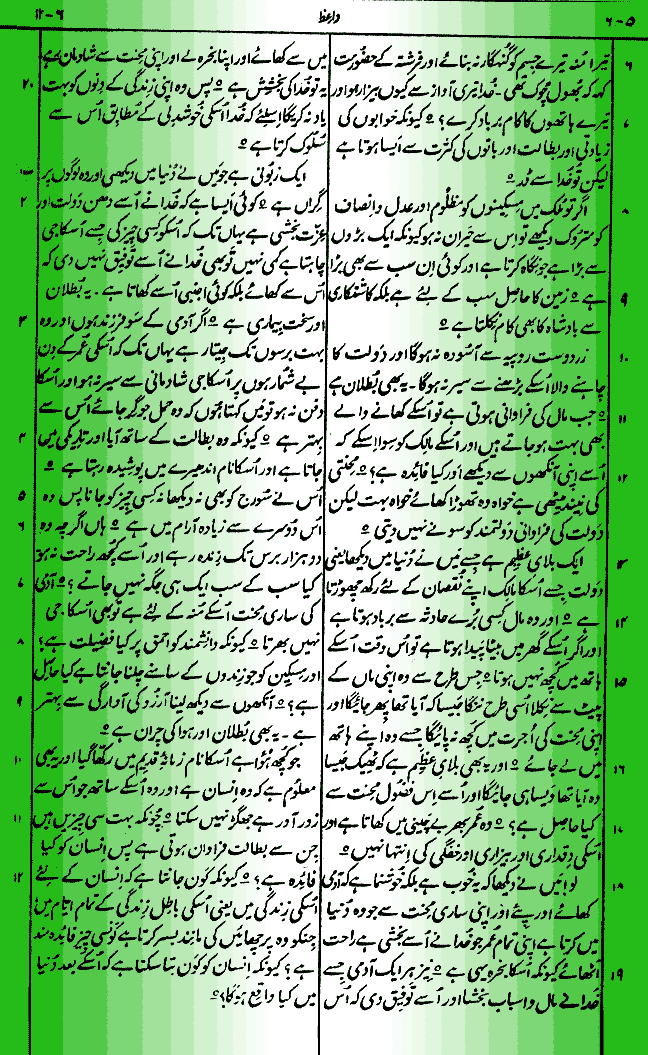
Ecclesiastes Chapter 5 (Verses 6–20)
Ecclesiastes 5:6
Verse: Suffer not thy mouth to cause thy flesh to sin neither say thou before the angel that it was an error wherefore should God be angry at thy voice and destroy the work of thine hands
-
Detailed Explanation (English): This verse warns against making rash, unfulfilled vows to God. King Solomon advises us not to let our speech lead us into sin. In biblical times, if someone made a promise to God and later claimed to the temple priest (the “angel” or messenger) that it was a mistake, it was viewed as hypocrisy. Making careless promises angers God and can lead to the ruin of your hard work and blessings.
-
Detailed Explanation (Urdu): یہ آیت خدا سے جلد بازی میں کیے گئے جھوٹے وعدوں اور مَنتوں کے بارے میں انتباہ کرتی ہے۔ سلیمان بادشاہ فرماتے ہیں کہ اپنی زبان کو اپنے جسم کے لیے گناہ کا باعث نہ بننے دو۔ پرانے وقتوں میں اگر کوئی خدا سے وعدہ کر کے بعد میں ہیکل کے کاہن (فرشتے یا قاصد) کے سامنے یہ کہتا کہ یہ غلطی سے ہوا تھا تو اسے منافقت سمجھا جاتا تھا۔ ایسے لاپرواہ وعدے خدا کو ناراض کرتے ہیں اور انسان کے اپنے ہاتھوں کی محنت اور برکات کو برباد کر دیتے ہیں۔
Ecclesiastes 5:7
Verse: For in the multitude of dreams and many words there are also divers vanities but fear thou God
-
Detailed Explanation (English): Dreaming without action and talking excessively lead to empty, meaningless lives (vanities). Solomon contrasts these useless distractions with a simple, powerful command: “fear thou God.” True wisdom lies in respecting and obeying God, rather than getting lost in empty fantasies or endless talk.
-
Detailed Explanation (Urdu): بہت زیادہ خوابوں کی دنیا میں کھوئے رہنا اور فضول باتیں کرنا انسان کی زندگی کو کھوکھلا اور بے مقصد (باطل) بنا دیتا ہے۔ سلیمان ان بے مقصد چیزوں کا موازنہ ایک سادہ اور طاقتور حکم سے کرتے ہیں: “خدا سے ڈر۔” اصل دانشمندی خیالی پلاؤ پکانے یا لمبی باتوں میں نہیں بلکہ خدا کا خوف رکھنے اور اس کی فرمانبرداری کرنے میں ہے۔
Ecclesiastes 5:8
Verse: If thou seest the oppression of the poor and violent perverting of judgment and justice in a province marvel not at the matter for he that is higher than the highest regardeth and there be higher than they
-
Detailed Explanation (English): When you see corruption, unfair treatment of the poor, and injustice in society, do not be shocked or discouraged. Corruption exists because earthly rulers look out for themselves, but Solomon reminds us that there is a ultimate Supreme Authority—God—who sits higher than any corrupt human ruler and keeps track of everything.
-
Detailed Explanation (Urdu): جب تم معاشرے میں غریبوں پر ظلم، ناانصافی اور عدالتوں میں حق کو بدلتے دیکھو تو حیران یا مایوس نہ ہو۔ دنیاوی حکمران اپنی طاقت کا غلط استعمال کر سکتے ہیں لیکن سلیمان یاد دلاتے ہیں کہ ان سب سے اوپر ایک اعلیٰ ترین طاقت یعنی خدا موجود ہے جو ہر چیز پر نظر رکھتا ہے اور سب کا انصاف کرے گا۔
Ecclesiastes 5:9
Verse: Moreover the profit of the earth is for all the king himself is served by the field
-
Detailed Explanation (English): This verse highlights our shared human dependence on nature. The earth provides food and resources meant for everyone. Even the most powerful king relies on the humble farmer’s field to survive. It teaches humility, showing that money and power cannot bypass basic human reliance on God’s creation.
-
Detailed Explanation (Urdu): یہ آیت زمین کے وسائل پر انسانوں کے باہمی انحصار کو ظاہر کرتی ہے۔ زمین کی پیداوار سب کے لیے ہے یہاں تک کہ ایک بادشاہ بھی اپنی بقا کے لیے کسان کے کھیت کا محتاج ہوتا ہے۔ یہ آیت عاجزی سکھاتی ہے کہ دولت اور طاقت انسان کو زمین اور خدا کی تخلیق کا محتاج ہونے سے آزاد نہیں کر سکتی۔
Ecclesiastes 5:10
Verse: He that loveth silver shall not be satisfied with silver nor he that loveth abundance with increase this is also vanity
-
Detailed Explanation (English): A profound truth about greed: money cannot buy happiness. Those who obsess over wealth will never feel they have enough. The pursuit of more money is a never-ending cycle that leads to emptiness (vanity) because material wealth cannot satisfy a spiritual hunger.
-
Detailed Explanation (Urdu): لالچ کے بارے میں ایک گہری سچائی کہ دولت کبھی خوشی نہیں خرید سکتی۔ جو شخص پیسے سے محبت کرتا ہے وہ کبھی مطمئن نہیں ہوتا۔ مزید دولت کی ہوس ایک نہ ختم ہونے والا سلسلہ ہے جو آخر کار دل کو خالی (باطل) کر دیتا ہے کیونکہ مادی چیزیں روح کی پیاس نہیں بجھا سکتیں۔
Ecclesiastes 5:11
Verse: When goods increase they are increased that eat them and what good is there to the owners thereof saving the beholding of them with their eyes
-
Detailed Explanation (English): As a person’s wealth increases, so do their expenses, responsibilities, and the number of people who depend on them (or take from them). Ultimately, the owner doesn’t gain extra peace; they can only watch their money come and go with their eyes.
-
Detailed Explanation (Urdu): جب مال و دولت بڑھتا ہے تو اسے کھانے والے (اخراجات، رشتہ دار اور نوکر چاکر) بھی بڑھ جاتے ہیں۔ آخر میں مال کے مالک کو کوئی خاص اضافی سکون نہیں ملتا سوائے اس کے کہ وہ اپنی آنکھوں سے دولت کو آتے اور جاتے دیکھتا رہے۔
Ecclesiastes 5:12
Verse: The sleep of a labouring man is sweet whether he eat little or much but the abundance of the rich will not suffer him to sleep
-
Detailed Explanation (English): A hard-working ordinary person sleeps deeply and peacefully because their life is simple, regardless of how much food they have. In contrast, a wealthy person is often kept awake at night by anxiety, stress, and the fear of losing their abundant possessions.
-
Detailed Explanation (Urdu): ایک محنت کش انسان سکون کی نیند سوتا ہے چاہے اسے تھوڑا کھانا ملے یا زیادہ کیونکہ اس کی زندگی سادہ ہوتی ہے۔ اس کے برعکس، امیر انسان کثرتِ مال کی وجہ سے پیدا ہونے والی فکروں، پریشانیوں اور مال کے چھن جانے کے خوف سے راتوں کو سو نہیں پاتا۔
Ecclesiastes 5:13
Verse: There is a sore evil which I have seen under the sun namely riches kept for the owners thereof to their hurt
-
Detailed Explanation (English): Solomon identifies a painful tragedy: hoarding wealth instead of using or sharing it. When people hoard money out of fear or greed, that very wealth ends up harming them mentally, emotionally, and spiritually.
-
Detailed Explanation (Urdu): سلیمان یہاں ایک دردناک برائی کا ذکر کرتے ہیں کہ دولت کو سنبھال سنبھال کر جمع کرنا اور اسے ضرورت مندوں پر خرچ نہ کرنا۔ جب لوگ خوف یا لالچ کی وجہ سے مال جمع کرتے ہیں تو وہی دولت ان کے لیے ذہنی اور روحانی نقصان کا باعث بن جاتی ہے۔
Ecclesiastes 5:14
Verse: But those riches perish by evil travail and he begetteth a son and there is nothing in his hand
-
Detailed Explanation (English): Wealth is volatile. Solomon describes a scenario where a wealthy person loses everything through bad investments or misfortunes (“evil travail”). When they have a child, they have no inheritance left to pass down, leaving the family with nothing.
-
Detailed Explanation (Urdu): دولت فانی ہے۔ سلیمان ایک ایسی صورتحال بیان کرتے ہیں جہاں ایک امیر آدمی کسی برے کاروبار یا حادثے کی وجہ سے اپنا سب کچھ کھو بیٹھتا ہے۔ جب اس کے ہاں بیٹا پیدا ہوتا ہے تو اس کے پاس بچے کو دینے کے لیے کچھ نہیں بچتا اور خاندان خالی ہاتھ رہ جاتا ہے۔
Ecclesiastes 5:15
Verse: As he came forth of his mother’s womb naked shall he return to go as he came and shall take nothing of his labour which he may carry away in his hand
-
Detailed Explanation (English): This is a powerful reminder of mortality. Humans enter this world naked and with nothing, and we leave it exactly the same way. No matter how hard someone works or how much wealth they accumulate, they cannot take a single penny with them into eternity.
-
Detailed Explanation (Urdu): یہ انسان کی فانی ہونے کی ایک کائناتی سچائی ہے۔ انسان دنیا میں ننگا اور خالی ہاتھ آتا ہے اور اسی طرح واپس چلا جاتا ہے۔ انسان جتنی بھی محنت کر لے اور جتنا بھی مال جمع کر لے، وہ مرتے وقت ایک پیسہ بھی اپنے ساتھ اگلی دنیا میں نہیں لے جا سکتا۔
Ecclesiastes 5:16
Verse: And this also is a sore evil that in all points as he came so shall he go and what profit hath he that hath laboured for the wind
-
Detailed Explanation (English): It is a tragic reality that after a lifetime of stressful labor, a person leaves the earth empty-handed. Working purely for worldly riches is compared to “laboring for the wind”—catching nothing but emptiness.
-
Detailed Explanation (Urdu): یہ ایک بہت بڑی برائی اور دکھ کی بات ہے کہ انسان زندگی بھر سخت محنت کرنے کے بعد بھی خالی ہاتھ چلا جاتا ہے۔ صرف دنیاوی مال کے لیے دن رات ایک کرنا ایسے ہی ہے جیسے “ہوا کو پکڑنے کی کوشش کرنا” جس کا حاصل کچھ بھی نہیں ہوتا۔
Ecclesiastes 5:17
Verse: All his days also he eateth in darkness and he hath much sorrow and wrath with his sickness
-
Detailed Explanation (English): A person obsessed only with wealth often lives a miserable, isolated life. They “eat in darkness,” meaning they live with anxiety, depression, anger, and sickness because they sacrificed relationships and joy for money.
-
Detailed Explanation (Urdu): جو شخص صرف دولت کی ہوس میں اندھا ہو جاتا ہے وہ اکثر تنہائی اور مایوسی کی زندگی گزارتا ہے۔ “اندھیرے میں کھانا کھانے” کا مطلب یہ ہے کہ وہ ہر وقت غصے، پریشانی اور بیماری میں مبتلا رہتا ہے کیونکہ اس نے پیسے کی خاطر خوشیوں اور رشتوں کو قربان کر دیا ہوتا ہے۔
Ecclesiastes 5:18
Verse: Behold that which I have seen it is good and comely for one to eat and to drink and to enjoy the good of all his labour that he taketh under the sun all the days of his life which God giveth him for it is his portion
-
Detailed Explanation (English): Here is the positive takeaway: Solomon advises people to enjoy the simple pleasures of life. It is beautiful to eat, drink, and find satisfaction in your work. This joy is a temporal gift and “portion” allocated to us by God for our brief earthly journey.
-
Detailed Explanation (Urdu): یہاں سلیمان زندگی کا مثبت پہلو بیان کرتے ہیں کہ انسان کے لیے سب سے بہتر یہ ہے کہ وہ اپنی محنت کی کمائی سے کھائے، پیئے اور خوش رہے۔ یہ خوشی خدا کی طرف سے انسان کا مقررہ حصہ ہے تاکہ وہ دنیا میں اپنی عارضی زندگی کا لطف اٹھا سکے۔
Ecclesiastes 5:19
Verse: Every man also to whom God hath given riches and wealth and hath given him power to eat thereof and to take his portion and to rejoice in his labour this is the gift of God
-
Detailed Explanation (English): Having wealth is one thing, but having the health, peace of mind, and capacity to actually enjoy it is a separate, special blessing. True contentment and the ability to rejoice in your hard work are gifts straight from God.
-
Detailed Explanation (Urdu): مال و دولت ہونا ایک الگ بات ہے لیکن اس دولت سے لطف اندوز ہونے کی صحت اور ذہنی سکون ملنا خدا کی ایک خاص نعمت ہے۔ اپنی محنت پر خوش ہونا اور شکر گزاری کے ساتھ زندگی گزارنا خدا کا انعام ہے۔
Ecclesiastes 5:20
Verse: For he shall not much remember the days of his life because God answereth him in the joy of his heart
-
Detailed Explanation (English): A person who is filled with God-given joy will not dwell on the fleeting, difficult, or sorrowful days of their past. God fills their heart with present joy, making their life feel fulfilling and peaceful rather than burdensome.
-
Detailed Explanation (Urdu): جو انسان خدا کی دی ہوئی خوشی سے معمور ہوتا ہے وہ اپنی زندگی کے دکھوں اور ماضی کی تلخیوں کو یاد کر کے اداس نہیں ہوتا۔ خدا اس کے دل کو موجودہ وقت کی خوشی اور اطمینان سے بھر دیتا ہے جس سے زندگی بوجھ نہیں لگتی۔
Ecclesiastes Chapter 6 (Verses 1–12)
Ecclesiastes 6:1
Verse: There is an evil which I have seen under the sun and it is common among men
-
Detailed Explanation (English): Solomon starts Chapter 6 by noting a common human tragedy observed everywhere in the world (“under the sun”). It is a universal human problem concerning wealth and satisfaction.
-
Detailed Explanation (Urdu): سلیمان چھٹے باب کا آغاز دنیا میں عام طور پر دیکھی جانے والی ایک برائی اور انسانی المیے سے کرتے ہیں جو ہر دور کے انسانوں میں پایا جاتا ہے۔
Ecclesiastes 6:2
Verse: A man to whom God hath given riches wealth and honour so that he wanteth nothing for his soul of all that he desireth yet God giveth him not power to eat thereof but a stranger eateth it this is vanity and it is an evil disease
-
Detailed Explanation (English): This describes a wealthy, honored man who has everything his heart desires but lacks the health, capacity, or longevity to enjoy it. Instead, someone else—a stranger—ends up inheriting and enjoying his fortune. Solomon calls this heartbreaking irony a miserable “evil disease.”
-
Detailed Explanation (Urdu): یہ ایک ایسے امیر آدمی کا ذکر ہے جس کے پاس دولت، عزت اور سب کچھ ہے لیکن اس کے پاس صحت یا وقت نہیں کہ وہ اس سے لطف اٹھا سکے۔ اس کی بجائے کوئی اجنبی اس کی دولت کا وارث بن کر اسے اڑاتا ہے۔ سلیمان اس حالت کو باطل اور ایک سحر انگیز “بری بیماری” کہتے ہیں۔
Ecclesiastes 6:3
Verse: If a man beget an hundred children and live many years so that the days of his years be many and his soul be not filled with good and also that he have no burial I say that an untimely birth is better than he
-
Detailed Explanation (English): Even if a man has a massive family (one hundred children) and lives a very long life, it is all meaningless if he never finds true contentment or gets a proper, respected burial. Solomon boldly states that a stillborn baby (“an untimely birth”) is better off than a miserable man who lived long but found no joy.
-
Detailed Explanation (Urdu): اگر کسی شخص کے سو بچے ہوں اور وہ بہت لمبی عمر پائے لیکن اس کی روح کبھی سچے اطمینان سے واقف نہ ہو اور مرنے کے بعد اسے عزت کی دفن بھی نصیب نہ ہو، تو سلیمان کہتے ہیں کہ اس سے تو وہ بچہ بہتر ہے جو پیدا ہوتے ہی مر گیا کیونکہ وہ اس دنیا کی بے مقصد تکلیفوں سے بچ گیا۔
Ecclesiastes 6:4
Verse: For he cometh in with vanity and departeth in darkness and his name shall be covered with darkness
-
Detailed Explanation (English): Speaking of the stillborn child, its existence on earth was brief and unfulfilled (“came in with vanity”), and it departs quietly into the dark, forgotten by history. Yet, it avoids the prolonged misery of an unfulfilled long life.
-
Detailed Explanation (Urdu): پیدا ہوتے ہی مر جانے والے بچے کا ذکر کرتے ہوئے سلیمان کہتے ہیں کہ وہ بے مقصد آیا اور اندھیرے میں چلا گیا اور دنیا اسے بھول گئی۔ لیکن وہ طویل عمر پانے والے اس دکھی انسان سے بہتر رہا جس نے زندگی میں صرف دکھ جھیلے۔
Ecclesiastes 6:5
Verse: Moreover he hath not seen the sun nor known any thing this hath more rest than the other
-
Detailed Explanation (English): The miscarried or stillborn child never had to experience the harsh realities of the world or suffer through a restless life of greed. Therefore, it finds more peaceful rest than the wealthy but perpetually miserable person.
-
Detailed Explanation (Urdu): اس بچے نے نہ تو دنیا کے دکھ دیکھے اور نہ ہی وہ لالچ اور حسرت کی زندگی سے گزرا۔ اس لیے وہ اس امیر مگر عمر بھر تڑپنے والے انسان سے زیادہ سکون میں ہے۔
Ecclesiastes 6:6
Verse: Yea though he live a thousand years twice told yet hath he seen no good do not all go to one place
-
Detailed Explanation (English): Even if a miserable person could live for two thousand years, if they never find true spiritual peace and goodness, their long life is useless. In the end, everyone—the rich, the poor, the happy, and the sad—ends up in the exact same place: the grave.
-
Detailed Explanation (Urdu): اگر کوئی دکھی اور ناخوش انسان دو ہزار سال بھی زندہ رہے لیکن اسے زندگی کا سچا سکھ نصیب نہ ہو تو اتنی لمبی عمر فضول ہے۔ آخر کار سب کو ایک ہی جگہ یعنی قبر میں جانا ہے۔
Ecclesiastes 6:7
Verse: All the labour of man is for his mouth and yet the appetite is not filled
-
Detailed Explanation (English): Humans spend their entire lives working frantically just to feed themselves and satisfy their basic physical needs. Yet, the appetite is never permanently filled; hunger returns every day, symbolizing how worldly desires are never fully satisfied.
-
Detailed Explanation (Urdu): انسان زندگی بھر سخت محنت صرف اپنے پیٹ کو بھرنے کے لیے کرتا ہے لیکن اس کی بھوک کبھی مستقل طور پر ختم نہیں ہوتی۔ یہ اس بات کی علامت ہے کہ دنیاوی خواہشات کبھی بھی مکمل طور پر مطمئن نہیں ہو سکتیں۔
Ecclesiastes 6:8
Verse: For what hath the wise more than the fool what hath the poor that knoweth to walk before the living
-
Detailed Explanation (English): In terms of basic human physical needs, a wise person has no real advantage over a fool, and a poor man who knows how to survive has the same basic struggles as anyone else. Materially and physically, we all share the same human limitations.
-
Detailed Explanation (Urdu): جہاں تک جسمانی ضرورتوں کا تعلق ہے، ایک عقلمند کو کسی بیوقوف پر کوئی برتری حاصل نہیں اور ایک غریب آدمی جو دنیا میں جینا جانتا ہے وہ بھی اسی بھوک کا شکار ہوتا ہے۔ مادی طور پر سب انسان برابر مجبور ہیں۔
Ecclesiastes 6:9
Verse: Better is the sight of the eyes than the wandering of the desire this is also vanity and vexation of spirit
-
Detailed Explanation (English): It is far better to appreciate and be content with what you currently have right in front of you (“the sight of the eyes”) than to let your heart constantly chase unfulfilled fantasies and greed (“wandering of the desire”). Chasing endless desires only brings frustration and a troubled spirit.
-
Detailed Explanation (Urdu): جو کچھ تمہاری آنکھوں کے سامنے ہے (موجودہ نعمتیں) اس پر صبر اور شکر کرنا اس سے کہیں بہتر ہے کہ تمہارا دل ان چیزوں کے پیچھے بھاگتا رہے جو تمہارے پاس نہیں ہیں۔ خواہشات کے پیچھے دوڑنا روح کو تڑپاتا اور پریشان کرتا ہے۔
Ecclesiastes 6:10
Verse: That which hath been is named already and it is known that it is man neither may he contend with him that is mightier than he
-
Detailed Explanation (English): Everything that exists has already been determined, and human nature is well known—we are fragile, mortal beings made of dust. A human being cannot argue, fight, or contend with God, who is infinitely mightier and sovereign over all creation.
-
Detailed Explanation (Urdu): جو کچھ بھی دنیا میں ہے وہ پہلے سے طے شدہ ہے اور انسان کی حقیقت سب پر واضح ہے کہ وہ مٹی کا پتلا ہے۔ انسان اپنے پیدا کرنے والے (خدا) سے جھگڑا یا مقابلہ نہیں کر سکتا جو اس سے کہیں زیادہ طاقتور اور حاکم ہے۔
Ecclesiastes 6:11
Verse: Seeing there be many things that increase vanity what is man the better
-
Detailed Explanation (English): The more humans talk, argue, and collect materialistic things to find purpose, the more they increase empty vanity. None of these worldly avenues actually improve a person’s spiritual standing or provide ultimate meaning.
-
Detailed Explanation (Urdu): انسان جتنا زیادہ بحث و تکرار کرتا ہے اور دنیاوی چیزیں جمع کرتا ہے، اتنی ہی اس کی زندگی میں بے مقصدیت (باطل) بڑھتی ہے۔ ان دنیاوی چیزوں سے انسان کو کوئی حقیقی فائدہ حاصل نہیں ہوتا۔
Ecclesiastes 6:12
Verse: For who knoweth what is good for man in this life all the days of his vain life which he spendeth as a shadow for who can tell a man what shall be after him under the sun
-
Detailed Explanation (English): Solomon concludes with two profound questions: Who truly knows what is best for a human during their brief, shadow-like earthly life? And who can predict what will happen in the world after we are gone? It emphasizes our need to rely completely on God’s infinite wisdom rather than our own limited understanding.
-
Detailed Explanation (Urdu): سلیمان اس باب کا اختتام دو گہرے سوالات پر کرتے ہیں: کون جانتا ہے کہ انسان کی اس عارضی اور سائے جیسی زندگی میں اس کے لیے واقعی کیا بہتر ہے؟ اور کون انسان کو یہ بتا سکتا ہے کہ اس کے مرنے کے بعد دنیا میں کیا ہوگا؟ یہ انسان کو اپنی محدود عقل چھوڑ کر خدا کی لامتناہی حکمت پر بھروسہ کرنے کی دعوت دیتا ہے۔