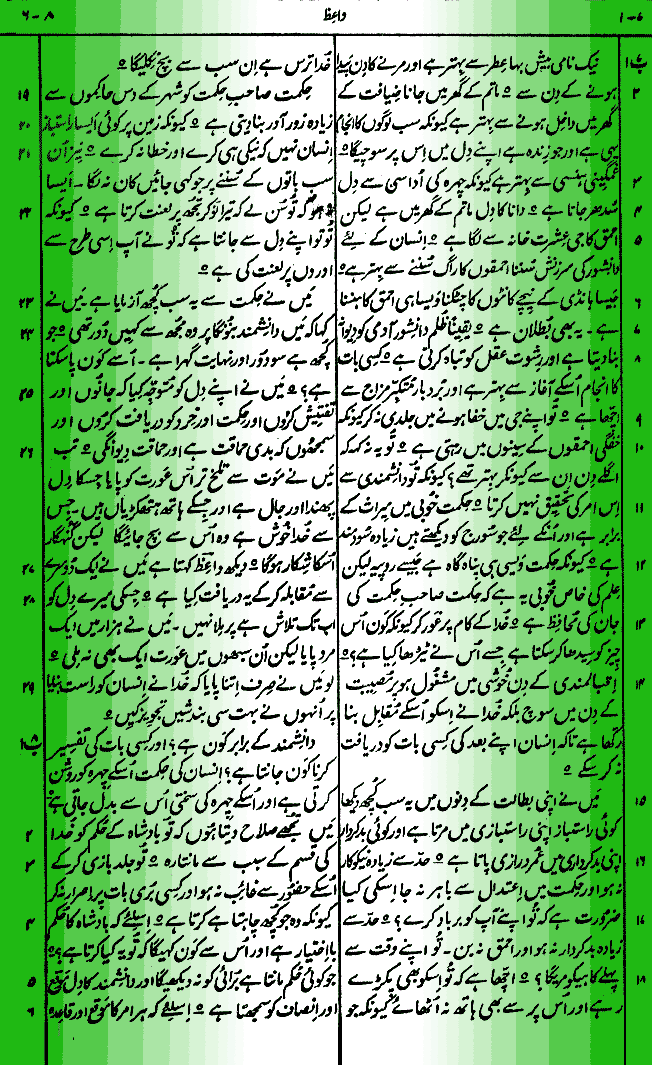
Verse-by-Verse Commentary & Explanation
Ecclesiastes 7:1
Verse
“A good name is better than precious ointment and the day of death than the day of one’s birth”
Detailed Explanation (English)
King Solomon starts this section with a striking paradox. A “good name” refers to an honorable reputation built on character, which carries far more permanent value than “precious ointment”—a luxury symbol of wealth and fleeting sensory pleasure in the ancient world. The second half of the verse claims that the day of death is better than birth. At birth, a person’s character is unwritten and fraught with potential suffering; at death, a righteous life is completed, sealed, and freed from the struggles of a fallen world.
Detailed Explanation (Urdu)
سلیمان بادشاہ اس آیت کا آغاز ایک گہرے تقابل سے کرتے ہیں۔ ایک “اچھا نام” یعنی نیک نامی اور کردار کی خوشبو، قیمتی عطر یا دنیاوی عیش و عشرت سے کہیں بہتر ہے۔ عطر کی خوشبو عارضی ہوتی ہے، لیکن اچھا کردار ہمیشہ قائم رہتا ہے۔ آیت کا دوسرا حصہ کہتا ہے کہ موت کا دن پیدائش کے دن سے بہتر ہے۔ پیدائش کے وقت انسان دنیا کی آزمائشوں اور گناہوں کے سفر کا آغاز کرتا ہے، جبکہ موت کے وقت ایک ایماندار اور راستباز انسان تمام مادی تفکر اور دکھوں سے نجات پا کر اپنے ابدی آرام کو حاصل کر لیتا ہے۔
Ecclesiastes 7:2
Verse
“It is better to go to the house of mourning than to go to the house of feasting for that is the end of all men and the living will lay it to his heart”
Detailed Explanation (English)
This verse promotes sober reflection over shallow escapism. Visiting a “house of mourning” (a funeral) forces individuals to confront their own mortality. Conversely, a “house of feasting” distractions people from eternal realities. Acknowledging that death is the inevitable conclusion for every human being encourages the living to reassess their priorities, abandon vanity, and live intentionally.
Detailed Explanation (Urdu)
یہ آیت ہمیں زندگی کی حقیقتوں پر غور کرنے کی دعوت دیتی ہے۔ ماتم کے گھر (جنازے) جانا عیش و عشرت اور جشن کے گھر جانے سے بہتر ہے۔ جشن انسان کو غافل کر دیتا ہے، جبکہ ماتم کا گھر انسان کو یاد دلاتا ہے کہ موت ہر انسان کا آخری انجام ہے۔ زندہ انسان جب اس حقیقت کو دیکھتا ہے، تو وہ اپنے دل پر اثر لیتا ہے اور اپنی عارضی زندگی کو خدا کی مرضی کے مطابق گزارنے کی فکر کرتا ہے۔
Ecclesiastes 7:3
Verse
“Sorrow is better than laughter for by the sadness of the countenance the heart is made better”
Detailed Explanation (English)
Solomon argues that sorrow possesses a refining quality that superficial laughter lacks. While laughter provides temporary emotional relief, it rarely changes a person’s character. Sadness and grief, reflected on the face (“sadness of the countenance”), soften the heart, foster empathy, break down arrogance, and drive a person toward genuine spiritual maturity.
Detailed Explanation (Urdu)
یہاں واضح کیا گیا ہے کہ غم اور سنجیدگی، عارضی ہنسی مذاق سے بہتر ہے۔ کھوکھلی ہنسی انسان کو حقیقت سے دور رکھتی ہے، لیکن چہرے کی اداسی اور دل کا دکھ انسان کے باطن کو صاف کرتا ہے۔ غم انسان کے دل کو نرم کرتا ہے، اس میں دوسروں کے لیے ہمدردی پیدا کرتا ہے، اور اسے غرور سے بچا کر سچی روحانی پختگی کی طرف لے جاتا ہے۔
Ecclesiastes 7:4
Verse
“The heart of the wise is in the house of mourning but the heart of fools is in the house of mirth”
Detailed Explanation (English)
The focus of one’s thoughts reveals their spiritual condition. Wise individuals choose to ponder the ultimate realities of life, legacy, and mortality, which is why their hearts are drawn to the lessons of the “house of mourning.” Fools, however, seek constant amusement and distractions in the “house of mirth,” running away from serious reflection to remain comfortably ignorant.
Detailed Explanation (Urdu)
انسان کی توجہ کا مرکز اس کی روحانی حالت کو ظاہر کرتا ہے۔ دانا اور عقلمند لوگوں کا دل ماتم کے گھر میں ہوتا ہے، یعنی وہ ہمیشہ زندگی کے انجام اور ابدیت پر غور کرتے ہیں۔ اس کے برعکس، احمقوں کا دل عیش و عشرت اور کھیل کود کے گھر میں رہتا ہے، کیونکہ وہ زندگی کی سنگین سچائیوں کا سامنا کرنے سے ڈرتے ہیں اور غفلت میں رہنا پسند کرتے ہیں۔
Ecclesiastes 7:5
Verse
“It is better to hear the rebuke of the wise than for a man to hear the song of fools”
Detailed Explanation (English)
Constructive criticism from a wise person can be painful initially, but it leads to personal growth, correction, and life-saving guidance. On the other hand, the “song of fools”—flattery, empty praise, and superficial entertainment—feels pleasant to the ears but offers no substance and leads down a path of moral ruin.
Detailed Explanation (Urdu)
کسی دانا شخص کی ڈانٹ ڈپٹ اور اصلاح سننا، احمقوں کے گیت (خوشامد اور فضول تعریف) سننے سے کہیں بہتر ہے۔ اگرچہ عقلمند کی تنقید شروع میں کڑوی لگتی ہے، لیکن وہ انسان کی زندگی کو درست کرتی ہے۔ جبکہ احمقوں کی چاپلوسی کانوں کو تو بھلی لگتی ہے، مگر وہ انسان کو اخلاقی اور روحانی تباہی کی طرف لے جاتی ہے۔
Ecclesiastes 7:6
Verse
“For as the crackling of thorns under a pot so is the laughter of the fool this also is vanity”
Detailed Explanation (English)
Solomon uses a vivid agricultural metaphor here. Thorns catch fire quickly and make a loud, dramatic “crackling” noise under a pot, but they burn out instantly without producing enough sustained heat to actually cook the food. Similarly, the roaring laughter of a fool is noisy and flashy, but it is utterly empty, short-lived, and fails to provide genuine, lasting joy.
Detailed Explanation (Urdu)
سلیمان بادشاہ یہاں ایک خوبصورت مثال دیتے ہیں۔ دیگ کے نیچے جلنے والے کانٹے بہت شور مچاتے ہیں اور تیزی سے بھڑکتے ہیں، لیکن وہ فوراً بجھ جاتے ہیں اور کھانا پکانے کے لیے مستقل حرارت فراہم نہیں کر پاتے۔ اسی طرح احمق کی ہنسی اور خوشی عارضی، کھوکھلی اور بے مقصد ہوتی ہے؛ وہ سننے میں بلند ضرور ہوتی ہے مگر اس کا کوئی پائیدار نتیجہ نہیں ہوتا۔
Ecclesiastes 7:7
Verse
“Surely oppression maketh a wise man mad and a gift destroyeth the heart”
Detailed Explanation (English)
Even the wisest individuals are susceptible to the pressures of a corrupt world. Continuous systemic oppression can drive a wise person to despair or irrational frustration (“maketh a wise man mad”). Furthermore, accepting bribes or corrupt gifts (“a gift”) erodes a person’s moral compass, blinding their judgment and destroying their integrity.
Detailed Explanation (Urdu)
اس آیت میں دنیاوی بگاڑ کے اثرات کا ذکر ہے۔ مستقل ظلم و ستم ایک عقلمند انسان کو بھی مایوسی اور دیوانگی کی حد تک پہنچا سکتا ہے۔ اسی طرح، رشوت یا ناجائز تحائف انسان کے ضمیر کو مردہ کر دیتے ہیں اور اس کے دل کو بگاڑ دیتے ہیں، جس سے اس کی سچ اور جھوٹ پرکھنے کی صلاحیت ختم ہو جاتی ہے۔
Ecclesiastes 7:8
Verse
“Better is the end of a thing than the beginning thereof and the patient in spirit is better than the proud in spirit”
Detailed Explanation (English)
The value of an endeavor is determined by its completion, not its initial excitement. Beginnings are easy and filled with unverified optimism, but the finish line reveals the true result and character developed along the way. Achieving this completion requires patience. A patient spirit endures hardships, whereas a proud spirit gives up early or acts rashly due to entitlement.
Detailed Explanation (Urdu)
کسی معاملے کا انجام اس کے آغاز سے بہتر ہوتا ہے۔ آغاز میں صرف دعوے اور جوش ہوتا ہے، لیکن انجام ہی اصل حقیقت اور کامیابی کو ظاہر کرتا ہے۔ اس انجام تک پہنچنے کے لیے صبر کی ضرورت ہوتی ہے۔ صابر انسان مشکلات کو برداشت کر لیتا ہے، جبکہ مغرور انسان اپنے تکبر کی وجہ سے جلد بازی کرتا ہے اور نقصان اٹھاتا ہے۔
Ecclesiastes 7:9
Verse
“Be not hasty in thy spirit to be angry for anger resteth in the bosom of fools”
Detailed Explanation (English)
Anger itself is a natural emotion, but being quick-tempered (“hasty in thy spirit”) indicates a lack of self-control. Solomon warns against allowing anger to find a permanent home (“resteth”) within our inner being. When anger becomes a settled disposition rather than a temporary reaction, it transforms a person into a fool.
Detailed Explanation (Urdu)
یہ آیت غصے پر قابو پانے کی تاکید کرتی ہے۔ بلاوجہ اور جلدی غصے میں آنا بے وقوفی کی علامت ہے۔ غصہ آنا ایک انسانی ردعمل ہو سکتا ہے، لیکن غصے کو اپنے دل میں جگہ دینا اور اسے پالنا احمقوں کا کام ہے۔ دانا انسان اپنے غصے پر قابو رکھتا ہے اور اسے اپنے فیصلوں پر اثر انداز نہیں ہونے دیتا۔
Ecclesiastes 7:10
Verse
“Say not thou What is the cause that the former days were better than these for thou dost not enquire wisely concerning this”
Detailed Explanation (English)
Nostalgia can often cloud objective reality. People frequently romanticize the past to complain about their present circumstances. Solomon notes that longing for “the good old days” is not based on true wisdom. Every era has its unique challenges and blessings; focusing on complaints paralyzes action in the present where God has placed us.
Detailed Explanation (Urdu)
ماضی کی حسرت میں جینا عقلمندی نہیں ہے۔ اکثر لوگ موجودہ حالات سے تنگ آ کر کہتے ہیں کہ “پرانا دور کتنا اچھا تھا”۔ سلیمان فرماتے ہیں کہ ایسا سوچنا حماقت ہے، کیونکہ انسان اکثر ماضی کی مشکلات کو بھول کر صرف اچھائیوں کو یاد رکھتا ہے۔ ہر دور کے اپنے چیلنجز اور اپنی برکات ہوتی ہیں، اور موجودہ وقت میں شکرگزاری کے ساتھ جینا ہی اصل حکمت ہے۔
Ecclesiastes 7:11
Verse
“Wisdom is good with an inheritance and by it there is profit to them that see the sun”
Detailed Explanation (English)
While material wealth (“an inheritance”) is helpful, it is far more effective when coupled with wisdom. Wealth without wisdom is quickly squandered or misused. Together, they offer a tremendous practical advantage for living successfully under the sun, allowing a person to preserve their assets and live honorably.
Detailed Explanation (Urdu)
مال و دولت یا وراثت اگرچہ ایک نعمت ہے، لیکن اگر اس کے ساتھ حکمت اور عقل بھی ہو تو یہ سونے پر سہاگا ہے۔ بغیر حکمت کے وراثت بہت جلد ضائع ہو جاتی ہے۔ دنیا میں جینے والے لوگوں کے لیے حکمت اور دولت کا امتزاج ایک بڑا فائدہ ہے، جس سے وہ اپنی زندگی کو محفوظ اور بہتر بنا سکتے ہیں۔
Ecclesiastes 7:12
Verse
“For wisdom is a defence and money is a defence but the excellency of knowledge is that wisdom giveth life to them that have it”
Detailed Explanation (English)
Both money and wisdom serve as protective shields (“a defence”) against worldly troubles. Money can buy physical security, food, and medical help. However, wisdom holds a superior status (“the excellency of knowledge”) because it does something money can never do: it preserves and gives physical, moral, and spiritual life to its possessor.
Detailed Explanation (Urdu)
حکمت اور دولت دونوں ہی انسان کے لیے پناہ گاہ اور ڈھال کا کام کرتی ہیں۔ دولت انسان کو مادی مشکلات اور غربت سے بچاتی ہے، لیکن حکمت کی فضیلت یہ ہے کہ وہ انسان کو اخلاقی، ذہنی اور روحانی زندگی بخشتی ہے۔ دولت انسان کی زندگی خرید نہیں سکتی، لیکن حکمت انسان کو تباہی سے بچا کر ابدی زندگی کی راہ دکھاتی ہے۔
Ecclesiastes 7:13
Verse
“Consider the work of God for who can make that straight which he hath made crooked”
Detailed Explanation (English)
This verse commands humility before divine sovereignty. Humans must recognize that certain circumstances, limitations, or difficulties are ordained or allowed by God (“made crooked”). No amount of human effort, technology, or intellect can alter what God has determined. Real wisdom involves adapting to His sovereign will rather than fighting it.
Detailed Explanation (Urdu)
یہ آیت انسان کو خدا کی حاکمیت کے سامنے سر تسلیم خم کرنے کی دعوت دیتی ہے۔ خدا کے کاموں پر غور کرو؛ جس چیز کو خدا نے ٹیڑھا کر دیا ہو (یعنی زندگی کے وہ حالات جو ہمارے مطابق نہ ہوں)، اسے کوئی انسان سیدھا نہیں کر سکتا۔ انسانی عقل کی ایک حد ہے، اور اصل دانشمندی خدا کی مرضی اور اس کے فیصلوں کو قبول کرنے میں ہے۔
Ecclesiastes 7:14
Verse
“In the day of prosperity be joyful but in the day of adversity consider God also hath set the one over against the other to the end that man should find nothing after him”
Detailed Explanation (English)
Life is a woven tapestry of highs and lows. During times of abundance (“the day of prosperity”), we should rejoice and be thankful. During tough times (“the day of adversity”), we should reflect on God’s sovereignty. God balances both seasons so that humans realize they cannot predict or control the future, driving them to depend entirely on Him.
Detailed Explanation (Urdu)
زندگی خوشی اور غمی کا مجموعہ ہے۔ خوشحالی کے دنوں میں خوش رہو اور خدا کا شکر ادا کرو، لیکن مصیبت کے دنوں میں غور کرو کہ یہ دن بھی خدا ہی کی طرف سے ہے۔ خدا نے ان دونوں کو ایک دوسرے کے متبادل رکھا ہے تاکہ انسان اپنے مستقبل پر غرور نہ کر سکے اور یہ جان لے کہ وہ اپنے بلبوتے پر کل کا حال نہیں جان سکتا۔ اس طرح انسان مکمل طور پر خدا پر منحصر ہو جاتا ہے۔
Ecclesiastes 7:15
Verse
“All things have I seen in the days of my vanity there is a just man that perisheth in his righteousness and there is a wicked man that prolongeth his life in his wickedness”
Detailed Explanation (English)
Solomon addresses a confusing reality of human existence: life does not always seem fair. In his fleeting lifetime (“days of my vanity”), he observed righteous individuals dying young despite their goodness, while corrupt, wicked people lived long, prosperous lives. This highlights that temporal justice is imperfect, pointing to the need for ultimate divine judgment.
Detailed Explanation (Urdu)
سلیمان زندگی کی ایک تلخ حقیقت کا تذکرہ کرتے ہیں جو بظاہر ناانصافی معلوم ہوتی ہے۔ انہوں نے اپنی فانی زندگی میں دیکھا کہ کبھی کبھی ایک راستباز انسان اپنی نیکی کے باوجود جلدی مر جاتا ہے، جبکہ ایک شریر اور بدکار شخص اپنی بدکاری میں لمبی عمر پاتا ہے۔ یہ ظاہر کرتا ہے کہ دنیا کا نظام ہمیشہ ہماری توقعات کے مطابق نہیں چلتا، اور حتمی انصاف صرف خدا ہی کے ہاتھ میں ہے۔
Ecclesiastes 7:16
Verse
“Be not righteous over much neither make thyself over wise why shouldest thou destroy thyself”
Detailed Explanation (English)
Solomon is not condemning true righteousness or godly wisdom; rather, he is warning against self-righteous legalism and intellectual pride. Trying to appear hyper-righteous or acting as if one possesses superior wisdom often breeds arrogance, leading to social alienation or spiritual ruin (“destroy thyself”).
Detailed Explanation (Urdu)
یہاں سلیمان سچی نیکی کی مخالفت نہیں کر رہے، بلکہ ریاکاری، خود پسندی اور ظاہری مذہبی غلو سے منع کر رہے ہیں۔ اپنے آپ کو ضرورت سے زیادہ راستباز ظاہر کرنا یا اپنے علم پر تکبر کرنا انسان کو مفرور بنا دیتا ہے۔ ایسا انسان دوسروں کو حقیر سمجھتا ہے اور بالاخر اپنی ہی عقل اور گھمنڈ کے بوجھ تلے خود کو تباہ کر لیتا ہے۔
Ecclesiastes 7:17
Verse
“Be not over much wicked neither be thou foolish why shouldest thou die before thy time”
Detailed Explanation (English)
While all humans sin, deliberately embracing a lifestyle of unrestrained wickedness and foolish behavior is suicidal. Rejecting moral boundaries and mocking divine law often leads to natural consequences—such as violence, disease, or judicial punishment—that can cut a person’s physical life short (“die before thy time”).
Detailed Explanation (Urdu)
اگرچہ گناہ ہر انسان سے سرزد ہوتا ہے، لیکن گناہ اور بدکاری میں حد سے بڑھ جانا اور جان بوجھ کر حماقت کی زندگی گزارنا خودکشی کے برابر ہے۔ اخلاقی حدود کو پامال کرنے اور الٰہی قوانین کا مذاق اڑانے کا نتیجہ اکثر عبرتناک ہوتا ہے، جس سے انسان وقت سے پہلے اپنی جان سے ہاتھ دھو بیٹھتا ہے۔
Ecclesiastes 7:18
Verse
“It is good that thou shouldest take hold of this yea also from this withdraw not thine hand for he that feareth God shall come forth of them all”
Detailed Explanation (English)
The solution to navigating the extremes mentioned in verses 16 and 17 is balance rooted in the fear of God. One must grasp both warnings—avoiding self-righteous pride on one hand and deliberate lawlessness on the other. A person who genuinely reveres God will be guided safely through these moral pitfalls.
Detailed Explanation (Urdu)
پچھلی آیات میں بیان کردہ دونوں انتہاؤں (خود پسندی اور بدکاری) سے بچنے کا واحد حل “خدا کا خوف” ہے۔ دانا انسان ان دونوں باتوں کو ذہن میں رکھتا ہے اور ان کے توازن کو ہاتھ سے جانے نہیں دیتا۔ جو شخص سچے دل سے خدا کا خوف رکھتا ہے، وہ ان تمام اخلاقی اور روحانی خطرات سے باحفاظت نکل جاتا ہے۔
Ecclesiastes 7:19
Verse
“Wisdom strengtheneth the wise more than ten mighty men which are in the city”
Detailed Explanation (English)
True wisdom is a strategic asset that outperforms raw physical force or political power. Solomon declares that a single wise person with discernment possesses greater strength and protective value for a community than “ten mighty men”—a full military garrison protecting a city’s defenses.
Detailed Explanation (Urdu)
حکمت کی طاقت مادی یا جسمانی طاقت سے کہیں بڑھ کر ہے۔ سلیمان فرماتے ہیں کہ ایک دانا شخص کی عقل اور سوجھ بوجھ، شہر کی حفاظت کرنے والے دس طاقتور جرنیلوں یا سپاہیوں سے زیادہ مضبوط ثابت ہوتی ہے۔ جنگی طاقت عارضی ہو سکتی ہے، لیکن صحیح وقت پر صحیح فیصلہ پورے شہر کو تباہی سے بچا سکتا ہے۔
Ecclesiastes 7:20
Verse
“For there is not a just man upon earth that doeth good and sinneth not”
Detailed Explanation (English)
This verse is a cornerstone of biblical theology regarding human nature. It establishes the universality of sin. No matter how righteous, disciplined, or well-intentioned a human being may be, absolute perfection is impossible on earth. Everyone falls short and sins at some point, affirming the universal need for divine grace.
Detailed Explanation (Urdu)
یہ آیت انسانی فطرت کے بارے میں ایک بنیادی سچائی بیان کرتی ہے۔ زمین پر کوئی بھی ایسا راستباز انسان نہیں ہے جو صرف نیکیاں ہی کرے اور کبھی کوئی گناہ نہ کرے۔ ہر انسان خطاکار ہے، اور کوئی بھی مادی یا روحانی طور پر کامل نہیں ہے۔ یہ آیت ہمیں یاد دلاتی ہے کہ ہم سب کو خدا کے فضل اور معافی کی ضرورت ہے۔
Ecclesiastes 7:21
Verse
“Also take no heed unto all words that are spoken lest thou hear thy servant curse thee”
Detailed Explanation (English)
Solomon advises against eavesdropping or taking every piece of gossip and criticism to heart. If you obsess over what everyone says about you, you will inevitably hear hurtful things, even from those closest to you (like a servant). Over-sensitivity to human words only causes unnecessary emotional pain.
Detailed Explanation (Urdu)
یہ آیت ہمیں دوسروں کی باتوں پر حد سے زیادہ کان دھرنے سے منع کرتی ہے۔ اگر آپ لوگوں کی ہر بات اور تنقید کو دل پر لگائیں گے، تو آپ کو دکھ پہنچے گا، یہاں تک کہ آپ اپنے وفادار خادم یا قریبی دوست سے بھی اپنے خلاف کوئی کڑوی بات سن لیں گے۔ ہر بات کی کھوج میں رہنا انسان کو ذہنی دباؤ میں مبتلا کرتا ہے۔
Ecclesiastes 7:22
Verse
“For oftentimes also thine own heart knoweth that thou thyself likewise hast cursed others”
Detailed Explanation (English)
To cure the pain of hearing others speak poorly of us, we must look into our own history. Our conscience (“thine own heart”) reminds us that we have also spoken critically, unfairly, or unkindly about others in the past. Remembering our own flaws fosters forgiveness and helps us overlook the careless words of others.
Detailed Explanation (Urdu)
دوسروں کی کڑوی باتوں کا علاج یہ ہے کہ انسان اپنے گریبان میں جھانکے۔ ہمارا اپنا دل گواہی دیتا ہے کہ ہم نے بھی ماضی میں کبھی نہ کبھی دوسروں کے بارے میں برا بھلا کہا ہوگا یا ان پر تنقید کی ہوگی۔ جب ہم اپنی کمزوریوں کو یاد رکھتے ہیں، تو دوسروں کی خطاؤں کو معاف کرنا اور ان کی باتوں کو نظرانداز کرنا آسان ہو جاتا ہے۔
Ecclesiastes 7:23
Verse
“All this have I proved by wisdom I said I will be wise but it was far from me”
Detailed Explanation (English)
Despite being renowned as the wisest man of his era, Solomon confesses his own limitations. He tried to master all knowledge and grasp the ultimate mysteries of the universe through sheer intellect. However, he concluded that ultimate, comprehensive wisdom is elusive and far beyond complete human comprehension.
Detailed Explanation (Urdu)
اپنی تمام تر شہرت اور دانشمندی کے باوجود، سلیمان اپنی علمی حدود کا اعتراف کرتے ہیں۔ وہ کہتے ہیں کہ میں نے ان تمام باتوں کو حکمت کے ذریعے پرکھا اور ارادہ کیا کہ میں کامل دانا بن جاؤں، لیکن سچی اور گہری حکمت مجھ سے بہت دور رہی۔ یہ ظاہر کرتا ہے کہ انسانی عقل کائنات کے تمام رازوں کو مکمل طور پر نہیں سمجھ سکتی۔
Ecclesiastes 7:24
Verse
“That which is far off and exceeding deep who can find it out”
Detailed Explanation (English)
Solomon reflects on the vast distance between human intellect and the deep realities of existence and divine purpose. The ultimate meaning of everything is “exceeding deep,” like an uncharted ocean. No human being, using their own limited mental faculties, can fully discover or systematize it.
Detailed Explanation (Urdu)
سلیمان کائنات کے گہرے رازوں اور خدا کی حکمت کے بارے میں کہتے ہیں کہ جو کچھ بہت دور اور حد سے زیادہ گہرا ہے، اسے کون دریافت کر سکتا ہے؟ کائنات کی حقیقتیں اور خدا کے منصوبے اتنے وسیع ہیں کہ انسان اپنی محدود عقل کے ذریعے ان کی تہہ تک کبھی نہیں پہنچ سکتا۔
Ecclesiastes 7:25
Verse
“I applied mine heart to know and to search and to seek out wisdom and the reason of things and to know the wickedness of folly even of foolishness and madness”
Detailed Explanation (English)
Solomon highlights his intense, systematic search for truth. He directed his heart and mind to examine every aspect of human behavior. He investigated not only constructive wisdom and the underlying logic of things but also the opposite side: the mechanics of wickedness, the absurdity of foolishness, and the chaos of moral madness.
Detailed Explanation (Urdu)
سلیمان اپنی تحقیق اور جستجو کا ذکر کرتے ہیں کہ انہوں نے اپنے دل کو حکمت کی تلاش، چیزوں کی وجوہات جاننے، اور بدکاری و حماقت کی حقیقت کو سمجھنے میں لگا دیا۔ انہوں نے صرف اچھائی کا مطالعہ نہیں کیا بلکہ برائی اور بے وقوفی کے انجام کو بھی پرکھا تاکہ زندگی کا ایک مکمل خاکہ تیار کر سکیں۔
Ecclesiastes 7:26
Verse
“And I find more bitter than death the woman whose heart is snares and nets and her hands as bands whoso pleaseth God shall escape from her but the sinner shall be taken by her”
Detailed Explanation (English)
Solomon warns against the seductive trap of an immoral, manipulative person (often personified as the seductive woman in Wisdom literature). Her affection is not genuine; her heart acts as a hidden trap (“snares and nets”) designed to enslave. Solomon, who personally fell into spiritual ruin due to his foreign wives, notes that while a person focused on honoring God will be delivered, a sinner easily falls victim to this trap.
Detailed Explanation (Urdu)
سلیمان ایک بڑی اخلاقی اور روحانی پھندے سے خبردار کرتے ہیں۔ وہ کہتے ہیں کہ وہ گمراہ کن اور فریب دینے والی عورت (یا کردار) جس کا دل جال اور پھندا ہے، موت سے بھی زیادہ کڑوی ہے۔ اس کی محبت سچی نہیں ہوتی بلکہ وہ انسان کو قید کرنے کے لیے جال بچھاتی ہے۔ جو شخص خدا کو پسند آتا ہے وہ اس کے فریب سے بچ نکلتا ہے، لیکن گناہ گار اس کے جال میں پھنس جاتا ہے۔ سلیمان نے اپنے ذاتی تجربے سے اس تلخ حقیقت کو سیکھا تھا۔
Ecclesiastes 7:27
Verse
“Behold this have I found saith the preacher counting one by one to find out the account”
Detailed Explanation (English)
The “Preacher” (Solomon) emphasizes the careful, analytical nature of his research. He did not rush to conclusions. Instead, he examined human nature and life experiences step-by-step, “counting one by one,” attempting to formulate a reliable summary of the human condition.
Detailed Explanation (Urdu)
واعظ (سلیمان) فرماتے ہیں کہ دیکھو، میں نے یہ سب کچھ اپنی تفصیلی اور گہری تحقیق کے بعد پایا ہے۔ میں نے جلد بازی میں کوئی نتیجہ اخذ نہیں کیا، بلکہ زندگی کے تجربات اور انسانی رویوں کو ایک ایک کر کے پرکھا اور گنا ہے تاکہ زندگی کا اصل حساب اور خلاصہ معلوم کر سکوں۔
Ecclesiastes 7:28
Verse
“Which yet my soul seeketh but I find not one man among a thousand have I found but a woman among all those have I not found”
Detailed Explanation (English)
This verse reflects Solomon’s cultural context and his personal disappointments. Out of his royal court of a thousand wives and concubines, he struggled to find genuine, trustworthy, and wise companions. Finding a truly righteous person was extremely rare (one in a thousand for men, and zero within his specific compromised circle for women). Rather than a blanket insult against women, this highlights the tragic scarcity of true integrity in a highly corrupt society.
Detailed Explanation (Urdu)
سلیمان اپنے ذاتی ماحول اور مایوسی کا اظہار کرتے ہوئے کہتے ہیں کہ وہ سچے اور مخلص لوگوں کی تلاش میں رہے مگر انہیں کامیابی نہ ملی۔ ہزاروں میں سے شاید ایک ہی سچا مرد ملا، لیکن ان کے مخصوص ماحول (جہاں سینکڑوں بیویاں اور حرم موجود تھے) میں انہیں کوئی مخلص عورت نہ ملی۔ یہ کسی عمومی صنفی تنقید کے بجائے، ان کے اپنے دور کے اخلاقی بگاڑ اور سچے کردار کی ندرت اور کمی کو ظاہر کرتا ہے۔
Ecclesiastes 7:29
Verse
“Lo this only have I found that God hath made man upright but they have sought out many inventions”
Detailed Explanation (English)
Solomon summarizes his findings regarding humanity. The root problem of human suffering and moral chaos does not lie with the Creator. God created human beings moral, balanced, and “upright.” However, humans deliberately used their free will and intelligence to scheme, complicate life, and invent various sinful ways (“many inventions”) to stray from God’s path.
Detailed Explanation (Urdu)
سلیمان انسانی بگاڑ کا حتمی خلاصہ پیش کرتے ہیں: خرابی خدا کی تخلیق میں نہیں ہے۔ خدا نے انسان کو بالکل سیدھا، معصوم اور راستباز بنایا تھا، لیکن انسانوں نے خود اپنی عقل اور آزاد مرضی کا غلط استعمال کیا اور گناہ، مکاری اور بگاڑ کی کئی نئی راہیں (ایجادات) نکال لیں جس سے دنیا مصیبتوں کا گھر بن گئی۔
Ecclesiastes 8:1
Verse
“Who is as the wise man and who knoweth the interpretation of a thing a man’s wisdom maketh his face to shine and the boldness of his face shall be changed”
Detailed Explanation (English)
Chapter 8 begins with praise for genuine wisdom. A truly wise person stands out because they possess insight and can interpret complex situations correctly. Wisdom has a noticeable effect on a person’s demeanor: it causes their “face to shine” with peace, kindness, and joy, while softening any harsh, arrogant, or fierce expressions (“boldness of his face”).
Detailed Explanation (Urdu)
آٹھویں باب کا آغاز حکمت کی تعریف سے ہوتا ہے۔ سلیمان پوچھتے ہیں کہ دانشمند جیسا کون ہے جو چیزوں کی اصل حقیقت اور ان کی تعبیر جانتا ہو؟ حکمت انسان کے اندرونی سکون کو اس کے چہرے سے ظاہر کرتی ہے، جس سے اس کا چہرہ چمک اٹھتا ہے۔ عقل انسان کے چہرے کی سختی، مغروری اور اکھڑ پن کو بدل کر اسے نرمی اور وقار میں تبدیل کر دیتی ہے۔
Ecclesiastes 8:2
Verse
“I counsel thee to keep the king’s commandment and that in regard of the oath of God”
Detailed Explanation (English)
Solomon advises obedience to ruling civil authorities (“the king’s commandment”). For a believer, this is not merely out of fear of political punishment, but as a matter of religious duty and conscience, remembering the “oath of God.” Honoring civic duties reflects our ultimate submission to God, who establishes governing authorities.
Detailed Explanation (Urdu)
سلیمان نصیحت کرتے ہیں کہ بادشاہ (یا وقت کے حکمران) کے حکم کی تعمیل کرو۔ ایک ایماندار کے لیے یہ فرمانبرداری صرف دنیاوی سزا کے خوف سے نہیں، بلکہ خدا کے حضور کھائی گئی قسم اور مذہبی فرض کے تحت ہونی چاہیے۔ دنیاوی مقتدر اعلیٰ کی عزت کرنا اصل میں خدا کے نظام کی عزت کرنا ہے جس نے اسے مقرر کیا ہے۔
Ecclesiastes 8:3
Verse
“Be not hasty to go out of his sight stand not in an evil thing for he doeth whatsoever pleaseth him”
Detailed Explanation (English)
This verse warns against rash behavior in the presence of authority. Do not storm out of the king’s presence in anger or rebellion (“hasty to go out of his sight”). Furthermore, do not persist in a rebellious or wrong cause (“stand not in an evil thing”). An absolute ruler holds total executive power to enforce his will, and defying him foolishly brings swift disaster.
Detailed Explanation (Urdu)
یہ آیت حکمرانوں کے سامنے جلد بازی یا سرکشی دکھانے سے منع کرتی ہے۔ بادشاہ کے غصے میں آ کر اس کے سامنے سے فوراً بھاگ کھڑے نہ ہو (بغاوت نہ کرو) اور نہ ہی کسی برے یا باغیانہ معاملے پر اصرار کرو۔ حکمران کے پاس مادی طاقت ہوتی ہے اور وہ جو چاہتا ہے کرتا ہے، اس لیے اس کے سامنے نادانی دکھانا اپنی جان کو خطرے میں ڈالنا ہے۔
Ecclesiastes 8:4
Verse
“Where the word of a king is there is power and who may say unto him What doest thou”
Detailed Explanation (English)
Solomon highlights the absolute authority of monarchies in the ancient world. A king’s decree carries sovereign power and immediate enforcement. Under normal societal operations, average citizens do not have the power to challenge his executive actions or ask him, “What are you doing?” This underscores the practical necessity of acting with caution and diplomacy.
Detailed Explanation (Urdu)
یہ آیت قدیم دور کے بادشاہوں کے مکمل اختیارات کو ظاہر کرتی ہے۔ جہاں بادشاہ کا کلام یا حکم ہوتا ہے، وہاں پوری طاقت ہوتی ہے۔ کوئی عام انسان کھڑے ہو کر اسے چیلنج نہیں کر سکتا یا یہ نہیں کہہ سکتا کہ “تو یہ کیا کر رہا ہے؟” اس لیے دانا انسان ایسے ماحول میں انتہائی حکمت، تدبر اور احتیاط سے کام لیتا ہے۔
Ecclesiastes 8:5
Verse
“Whoso keepeth the commandment shall feel no evil thing and a wise man’s heart discerneth both time and judgment”
Detailed Explanation (English)
Obeying laws generally protects a citizen from trouble and punishment (“shall feel no evil thing”). More importantly, a wise person does not obey blindly; their disciplined heart possesses discernment. They understand “time and judgment”—meaning they know the appropriate moment to speak, act, or wait, as well as the right way to handle complex situations under authority.
Detailed Explanation (Urdu)
جو شخص قانون اور احکام کی پابندی کرتا ہے، وہ مادی مصیبتوں اور سزاؤں سے محفوظ رہتا ہے۔ تاہم، دانا انسان صرف اندھی تقلید نہیں کرتا؛ اس کا دل سوجھ بوجھ رکھتا ہے۔ وہ “وقت اور انصاف” کو پہچانتا ہے، یعنی اسے معلوم ہوتا ہے کہ کب خاموش رہنا ہے، کب بات کرنی ہے، اور کس طرح صحیح وقت پر درست فیصلہ کرنا ہے۔
Ecclesiastes 8:6
Verse
“Because to every purpose there is time and judgment therefore the misery of man is great upon him”
Detailed Explanation (English)
Every human endeavor has a proper, God-appointed time and right procedure (“time and judgment”). However, human misery is heavy (“the misery of man is great”) precisely because people are often ignorant of this timing. Humans act rashly when they should wait, or hesitate when they should move forward, suffering the heavy consequences of poor timing.
Detailed Explanation (Urdu)
ہر کام اور مقصد کے لیے خدا کی طرف سے ایک مناسب وقت اور طریقہ مقرر ہے۔ لیکن انسان کی سب سے بڑی مصیبت اور دکھ یہ ہے کہ وہ اکثر اس صحیح وقت اور طریقے سے ناواقف ہوتا ہے۔ انسان اکثر جلد بازی یا غفلت کی وجہ سے غلط وقت پر غلط قدم اٹھاتا ہے، جس کا بوجھ اسے زندگی بھر اٹھانا پڑتا ہے۔