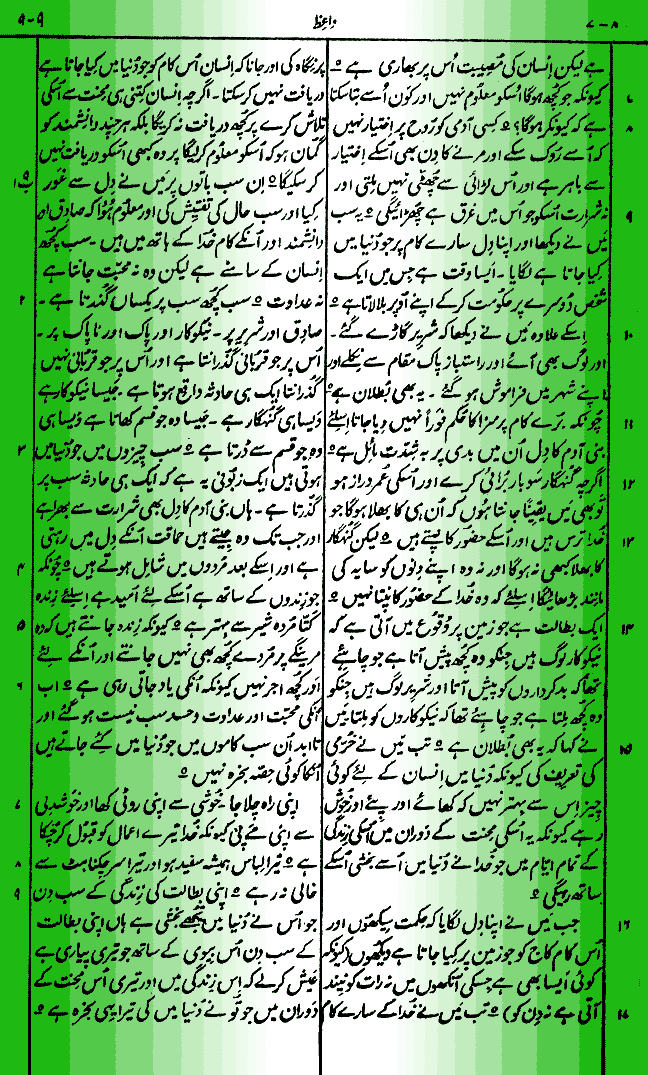
Verse-by-Verse Commentary (Ecclesiastes 8:7 – 9:9)
Ecclesiastes 8:7
-
Verse: For he knoweth not that which shall be for who can tell him when it shall be
-
Detailed English Explanation: King Solomon highlights the inherent limitation of human knowledge regarding the future. Human beings are completely blind to what tomorrow holds, and no psychic, futurist, or wise person can accurately predict the exact timing of future events. This vulnerability is meant to drive humanity to depend entirely on God rather than their own foresight.
-
Detailed Urdu Explanation: سلیمان بادشاہ یہاں مستقبل کے بارے میں انسانی علم کی محدودیت کو اجاگر کرتے ہیں۔ انسان بالکل بے بس ہے اور نہیں جانتا کہ آنے والا کل اپنے ساتھ کیا لائے گا، اور نہ ہی کوئی اسے یہ بتا سکتا ہے کہ کوئی واقعہ کب رونما ہوگا۔ یہ بے بسی انسان کو اپنی حکمت پر بھروسہ کرنے کے بجائے خدا پر توکل کرنے کی دعوت دیتی ہے۔
Ecclesiastes 8:8
-
Verse: There is no man that hath power over the spirit to retain the spirit neither hath he power in the day of death and there is no discharge in that war neither shall wickedness deliver those that are given to it
-
Detailed English Explanation: This verse addresses the ultimate powerlessness of humanity over mortality. No amount of wealth, influence, or physical strength can hold back the human soul when it is time to die. Death is described as a “war” from which there is no exemption or discharge. Furthermore, moral compromise or wickedness cannot bargain a person’s way out of their final hour.
-
Detailed Urdu Explanation: یہ آیت موت پر انسان کی مکمل بے بسی کو ظاہر کرتی ہے۔ کوئی بھی دولت، اثر و رسوخ یا جسمانی طاقت روح کو جسم میں روک کر نہیں رکھ سکتی جب موت کا وقت آ جائے۔ موت کو ایک ایسی جنگ قرار دیا گیا ہے جس سے کوئی چھٹی یا استثنیٰ نہیں ہے۔ مزید برآں، انسان کی عیاری یا بدی بھی اسے موت کے مقررہ وقت سے نہیں بچا سکتی۔
Ecclesiastes 8:9
-
Verse: All this have I seen and applied my heart unto every work that is done under the sun there is a time wherein one man ruleth over another to his own hurt
-
Detailed English Explanation: Solomon reflects on his extensive observations of human society. He notes a tragic reality of the fallen world: political and social power is often abused. When one person exercises tyrannical authority over another, it ultimately leads to ruin and harm—not just for the oppressed, but crucially, to the spiritual and historical hurt of the ruler themselves.
-
Detailed Urdu Explanation: سلیمان انسانی معاشرے کے اپنے گہرے مشاہدات کا ذکر کرتے ہیں۔ وہ دنیا کی ایک تلخ حقیقت کو بیان کرتے ہیں کہ جب ایک انسان دوسرے انسان پر حکومت کرتا ہے اور اپنے اختیارات کا غلط استعمال کرتا ہے، تو یہ نظام دونوں کے لیے نقصان دہ ثابت ہوتا ہے۔ یہ ظلم نہ صرف مظلوم کو دکھ پہنچاتا ہے بلکہ خود ظالم حکمران کی اپنی تباہی کا سبب بھی بنتا ہے۔
Ecclesiastes 8:10
-
Verse: And so I saw the wicked buried who had come and gone from the place of the holy and they were forgotten in the city where they had so done this is also vanity
-
Detailed English Explanation: The Author observes the hypocrisy of wicked rulers who frequented the temple (“the place of the holy”) to appear righteous. Even though they received honorable burials after death, the public quickly forgot them, or their legacy faded into obscurity. Solomon marks this cycle of deceptive honor and subsequent emptiness as “vanity” (futility).
-
Detailed Urdu Explanation: مصنف ان شریر لوگوں کی منافقت کو دیکھتے ہیں جو خود کو نیک ظاہر کرنے کے لیے پاک جگہوں (عبادت گاہوں) میں آتے جاتے تھے۔ اگرچہ مرنے کے بعد انہیں بڑی شان سے دفن کیا گیا، لیکن وقت گزرنے کے ساتھ لوگ شہر میں ان کے نام اور کام کو بھول گئے۔ سلیمان اس جھوٹی عزت اور پھر مٹ جانے کے عمل کو بھی “بطلان” یا بے معنی قرار دیتے ہیں۔
Ecclesiastes 8:11
-
Verse: Because sentence against an evil work is not executed speedily therefore the heart of the sons of men is fully set in them to do evil
-
Detailed English Explanation: This is a profound psychological observation. Because God’s judgment upon sin is often delayed due to His patience, human beings mistake this grace for absence of justice. Consequently, people grow bolder and more determined to commit crimes and sins, thinking they will never face consequences.
-
Detailed Urdu Explanation: یہ انسانی نفسیات کا ایک گہرا مشاہدہ ہے۔ چونکہ برے کاموں پر خدا کی طرف سے فوری سزا نازل نہیں ہوتی (جو کہ خدا کے صبر کی وجہ سے ہے)، اس لیے لوگ اس تاخیر کو کمزوری سمجھ لیتے ہیں۔ نتیجہ یہ ہوتا ہے کہ انسانوں کے دل بدی کرنے کے لیے مزید دلیر اور جری ہو جاتے ہیں، یہ سوچ کر کہ انہیں کبھی جوابدہ نہیں ہونا پڑے گا۔
Ecclesiastes 8:12
-
Verse: Though a sinner do evil an hundred times and his days be prolonged yet surely I know that it shall be well with them that fear God which fear before him
-
Detailed English Explanation: Even if a wicked person commits countless sins and seemingly lives a long, prosperous life, Solomon affirms a core spiritual truth: ultimate security belongs only to those who revere and fear God. Temporary earthly prosperity does not equate to divine approval, and eternal well-being belongs solely to the righteous.
-
Detailed Urdu Explanation: اگرچہ ایک گناہگار سو بار بدی کرے اور بظاہر اس کی عمر دراز ہو جائے، پھر بھی سلیمان ایمانی یقین کے ساتھ کہتے ہیں کہ آخرکار بھلائی صرف ان ہی کی ہوگی جو خدا سے ڈرتے اور اس کا احترام کرتے ہیں۔ دنیاوی طویل عمر خدا کی خوشنودی کی علامت نہیں ہے؛ حقیقی اور ابدی خیر صرف خدا ترس لوگوں کا مقدر ہے۔
Ecclesiastes 8:13
-
Verse: But it shall not be well with the wicked neither shall he prolong his days which are as a shadow because he feareth not before God
-
Detailed English Explanation: In contrast to the righteous, the life of the wicked is fundamentally unstable and hollow. Even if their calendar years seem long, their life lacks true substance and is fleeting like a passing shadow. Because they live without accountability to the Almighty, their ultimate destiny is devoid of peace and divine blessing.
-
Detailed Urdu Explanation: خدا ترس لوگوں کے برعکس، شریر انسان کا انجام کبھی اچھا نہیں ہوتا۔ اگرچہ وہ بظاہر لمبی زندگی جی لے، لیکن خدا کے خوف کے بغیر اس کی زندگی ایک سائے کی مانند بے ثبات اور کھوکھلی ہے۔ چونکہ وہ خدا کے حضور جوابدہی کے احساس سے عاری ہے، اس لیے وہ حقیقی برکت سے محروم رہتا ہے۔
Ecclesiastes 8:14
-
Verse: There is a vanity which is done upon the earth that there be just men unto whom it happeneth according to the work of the wicked again there be wicked men to whom it happeneth according to the work of the righteous I said that this also is vanity
-
Detailed English Explanation: Solomon wrestles with the apparent unfairness of life under the sun. He points out an anomaly: sometimes good people suffer the tragedies that wicked people deserve, while evil people enjoy the blessings that righteous people ought to receive. This moral confusion on earth is a primary example of life’s frustrating complexity (“vanity”).
-
Detailed Urdu Explanation: سلیمان دنیا میں نظر آنے والی بظاہر ناانصافی پر حیرت کا اظہار کرتے ہیں۔ وہ کہتے ہیں کہ زمین پر ایسا بھی ہوتا ہے کہ راستباز لوگوں کے ساتھ وہ سلوک ہوتا ہے جو شریروں کے کاموں کے لائق ہے، اور شریر لوگوں کو وہ راحتیں ملتی ہیں جو راستبازوں کا حق ہیں۔ دنیا کا یہ الجھاؤ اور بے ترتیبی انسان کو مایوس کرتی ہے، اسی لیے اسے “بطلان” کہا گیا ہے۔
Ecclesiastes 8:15
-
Verse: Then I commended mirth because a man hath no better thing under the sun than to eat and to drink and to be merry for that shall abide with him of his labour the days of his life which God giveth him under the sun
-
Detailed English Explanation: Since human understanding cannot untangle the anomalies of life, Solomon recommends a practical approach: enjoy the simple, immediate gifts of God. Finding joy in eating, drinking, and honest labor allows a person to endure the temporary, confusing days of their earthly life with gratitude, recognizing joy as a gift from God.
-
Detailed Urdu Explanation: چونکہ انسان دنیا کے ان الجھاؤ کو پوری طرح سمجھنے سے قاصر ہے، اس لیے سلیمان ایک عملی مشورہ دیتے ہیں: خدا کی دی ہوئی سادہ نعمتوں سے لطف اندوز ہوں۔ انسان کے لیے اس عارضی زندگی میں اس سے بہتر کچھ نہیں کہ وہ کھائے پیئے اور خوش رہے، تاکہ وہ اپنی محنت کے دوران ان دنوں کو شکرگزاری کے ساتھ گزار سکے جو خدا نے اسے زمین پر دیے ہیں۔
Ecclesiastes 8:16
-
Verse: When I applied mine heart to know wisdom and to see the business that is done upon the earth for also there is that neither day nor night seeth sleep with his eyes
-
Detailed English Explanation: The Preacher describes his exhausting, relentless search for wisdom and meaning. He observed the non-stop activity and frantic labor of humanity across the globe—restless endeavors so intense that they rob people of their sleep both day and night.
-
Detailed Urdu Explanation: مصنف حکمت کو جاننے اور زمین پر ہونے والے انسانی کاموں اور مصروفیات کا مشاہدہ کرنے کے لیے اپنے دل کی گہرائیوں سے کوشش کرتے ہیں۔ وہ دیکھتے ہیں کہ انسان دنیاوی کاموں میں اس قدر مصروف اور پریشان ہے کہ دن اور رات اس کی آنکھوں سے نیند اڑ چکی ہے۔
Ecclesiastes 8:17
-
Verse: Then I beheld all the work of God that a man cannot find out the work that is done under the sun because though a man labour to seek it out yet he shall not find it yea further though a wise man think to know it yet shall he not be able to find it
-
Detailed English Explanation: This is the climax of chapter 8. Solomon concludes that God’s overarching plan and providence are completely beyond human comprehension. No matter how hard an intellectual labors, or how wise a scholar claims to be, human intellect is fundamentally incapable of fully understanding the absolute ways and works of God under the sun.
-
Detailed Urdu Explanation: یہ آٹھویں باب کا خلاصہ ہے۔ سلیمان اس نتیجے پر پہنچتے ہیں کہ خدا کی حکمت اور اس کے کام انسانی عقل سے بالاتر ہیں۔ انسان کتنی ہی محنت کیوں نہ کر لے، یا کوئی کتنا ہی بڑا دانشور کیوں نہ بن جائے، وہ زمین پر خدا کی الٰہی حکمت اور اس کے فیصلوں کی مکمل گہرائی کو کبھی پا نہیں سکتا۔
Ecclesiastes 9:1
-
Verse: For all this I considered in my heart even to declare all this that the righteous and the wise and their works are in the hand of God no man knoweth either love or hatred by all that is before them
-
Detailed English Explanation: Beginning Chapter 9, Solomon reflects that while the righteous and the wise are securely in God’s sovereign hands, humans cannot determine whether God loves or hates them based purely on their immediate external circumstances. Wealth or poverty, health or sickness are not immediate indicators of divine favor or disfavor.
-
Detailed Urdu Explanation: نویں باب کے آغاز میں، سلیمان غور کرتے ہیں کہ اگرچہ راستباز اور دانا لوگ اور ان کے کام خدا کے قادرِ مطلق ہاتھوں میں محفوظ ہیں، لیکن انسان محض اپنے ظاہری حالات (امیری، غریبی، صحت یا بیماری) کو دیکھ کر یہ اندازہ نہیں لگا سکتا کہ خدا اس سے خوش ہے یا ناراض۔ بیرونی حالات خدا کی حتمی محبت یا غضب کا فیصلہ نہیں کرتے۔
Ecclesiastes 9:2
-
Verse: All things come alike to all there is one event to the righteous and to the wicked to the good and to the clean and to the unclean to him that sacrificeth and to him that sacrificeth not as is the good so is the sinner and he that sweareth as he that feareth an oath
-
Detailed English Explanation: Solomon notes the democratic and impartial nature of earthly destiny: death and natural calamities come to everyone equally. Whether a person is morally pure or corrupt, deeply religious (sacrificing) or non-religious, honest with vows or reckless with oaths—all share the exact same physical end on earth.
-
Detailed Urdu Explanation: سلیمان زمین پر سب کے ساتھ پیش آنے والے یکساں انجام یعنی موت کا ذکر کرتے ہیں۔ وہ کہتے ہیں کہ نیک ہو یا بد، پاک ہو یا ناپاک، قربانی چڑھانے والا (مذہبی) ہو یا نہ چڑھانے والا—سب پر یکساں حالات آتے ہیں اور سب کا جسمانی انجام ایک جیسا ہی ہوتا ہے۔ دنیاوی طور پر گناہگار اور راستباز ایک ہی انجام کا سامنا کرتے ہیں۔
Ecclesiastes 9:3
-
Verse: This is an evil among all things that are done under the sun that there is one event unto all yea also the heart of the sons of men is full of evil and madness is in their heart while they live and after that they go to the dead
-
Detailed English Explanation: The author laments that because death treats everyone equally, it can drive people toward moral madness. Seeing that everyone shares the same end, many people lose moral restraint, filling their hearts with evil and living recklessly during their brief lifespan before finally joining the dead.
-
Detailed Urdu Explanation: مصنف اس بات پر افسوس کا اظہار کرتے ہیں کہ چونکہ موت سب پر یکساں آتی ہے، اس لیے یہ چیز انسانوں کو اخلاقی بے راہ روی کی طرف لے جاتی ہے۔ یہ دیکھ کر کہ انجام سب کا ایک ہی ہونا ہے، لوگ اپنے دلوں کو بدی سے بھر لیتے ہیں اور اپنی مختصر زندگی میں دیوانگی کے ساتھ گناہ کرتے ہیں، اور آخر کار مردوں میں جا ملتے ہیں۔
Ecclesiastes 9:4
-
Verse: For to him that is joined to all the living there is hope for a living dog is better than a dead lion
-
Detailed English Explanation: Despite the heavy themes, Solomon highlights the profound value of being alive. Using a striking ancient proverb, he states that a living dog (despised in ancient Near Eastern culture) is far better off than a dead lion (the symbol of majesty and power). As long as a person breathes, there is opportunity, change, and hope.
-
Detailed Urdu Explanation: ان گہرے اور سنجیدہ موضوعات کے باوجود، سلیمان زندگی کی قدر و قیمت کو اجاگر کرتے ہیں۔ وہ ایک قدیم اور مشہور مثال استعمال کرتے ہوئے کہتے ہیں کہ ایک زندہ کتا (جسے اس دور میں حقیر سمجھا جاتا تھا) ایک مردہ شیر (جو عظمت کی علامت ہے) سے کہیں بہتر ہے۔ جب تک انسان زندہ ہے، اس کے پاس توبہ، تبدیلی اور امید باقی ہے۔
Ecclesiastes 9:5
-
Verse: For the living know that they shall die but the dead know not any thing neither have they any more a reward for the memory of them is forgotten
-
Detailed English Explanation: The living possess conscious awareness, including the vital realization of their own mortality, which allows them to make meaningful choices. In contrast, the physically dead are completely cut off from earthly consciousness, can no longer earn earthly rewards, and their active presence is soon forgotten by the living world.
-
Detailed Urdu Explanation: زندہ انسانوں کو شعور حاصل ہوتا ہے اور وہ جانتے ہیں کہ انہوں نے ایک دن مرنا ہے، جس کی وجہ سے وہ اپنی زندگی کے فیصلے کر سکتے ہیں۔ اس کے برعکس، جو مر چکے ہیں وہ اس دنیا کے معاملات سے بالکل بے خبر ہیں، زمین پر ان کے لیے اب کوئی اجر نہیں اور دنیا والے رفتہ رفتہ ان کی یادوں کو بھلا دیتے ہیں۔
Ecclesiastes 9:6
-
Verse: Also their love and their hatred and their envy is now perished neither have they any more a portion for ever in any thing that is done under the sun
-
Detailed English Explanation: Death completely obliterates a person’s temporal, earthly emotions. Their earthly loves, hatreds, and envies die with them. They lose all investment, participation, and inheritance in human history and the everyday affairs occurring “under the sun.”
-
Detailed Urdu Explanation: موت انسان کے دنیاوی جذبات کو یکسر ختم کر دیتی ہے۔ مرنے والے کی محبت، نفرت اور حسد اسی کے ساتھ دفن ہو جاتے ہیں۔ اب اس زمین پر ہونے والے کسی بھی کام یا معاملے میں ان کا کوئی حصہ، عمل دخل یا وراثت ہمیشہ کے لیے ختم ہو جاتی ہے۔
Ecclesiastes 9:7
-
Verse: Go thy way eat thy bread with joy and drink thy wine with a merry heart for God now accepteth thy works
-
Detailed English Explanation: Because life is fleeting and death is certain, Solomon urges a joyful acceptance of the present moment. He encourages believers to eat their food and enjoy life’s simple pleasures with a glad heart. This joy is fully legitimate when one lives in alignment with God, viewing these basic earthly comforts as markers of divine favor.
-
Detailed Urdu Explanation: چونکہ زندگی مختصر اور موت برحق ہے، اس لیے سلیمان موجودہ وقت کو خوشی سے گزارنے کی تاکید کرتے ہیں۔ وہ نصیحت کرتے ہیں کہ اپنی روٹی خوشی سے کھاؤ اور دل کو شاد رکھو، کیونکہ جب تم خدا کی رضا کے مطابق زندگی گزارتے ہو، تو خدا تمہارے ان سادہ اور پاکیزہ کاموں کو قبول کرتا ہے اور انہیں اپنی برکت بناتا ہے۔
Ecclesiastes 9:8
-
Verse: Let thy garments be always white and let thy head lack no ointment
-
Detailed English Explanation: White garments and scented oils are metaphors for celebration, purity, and joy in ancient Near Eastern culture. Instead of living in perpetual mourning, gloom, or legalistic anxiety over the chaotic world, Solomon commands God’s people to actively dress in joy and maintain an optimistic, refreshed spirit.
-
Detailed Urdu Explanation: قدیم ثقافت میں سفید لباس اور سر پر تیل یا عطر لگانا جشن، پاکیزگی اور خوشی کی علامت تھا۔ دنیا کے دکھوں اور الجھنوں میں ہر وقت ماتم کرنے یا مایوس رہنے کے بجائے، سلیمان نصیحت کرتے ہیں کہ ہمیشہ شادمان رہو اور اپنی زندگی کو امید اور شکرگزاری کے لباس سے آراستہ رکھو۔
Ecclesiastes 9:9
-
Verse: Live joyfully with the wife whom thou lovest all the days of the life of thy vanity which he hath given thee under the sun all the days of thy vanity for that is thy portion in this life and in thy labour which thou takest under the sun
-
Detailed English Explanation: Solomon beautifully highlights companionship as one of God’s greatest antidotes to the fleeting nature (“vanity”) of life. He counsels men to cultivate deep, joyful marital love with their spouses. This relational joy is an individual’s god-given “portion” or reward to sustain them through their hard work and the confusing realities of life on earth.
-
Detailed Urdu Explanation: سلیمان ازدواجی زندگی اور رفاقت کو اس فانی دنیا کے دکھوں کا ایک بہترین علاج قرار دیتے ہیں۔ وہ نصیحت کرتے ہیں کہ جس بیوی سے تم محبت کرتے ہو، اس کے ساتھ اپنی اس فانی اور مختصر زندگی کے تمام دن خوشی سے گزارو۔ یہ خاندانی اور ازدواجی خوشی اس زمین پر تمہاری محنت کا وہ صلہ اور “حصہ” ہے جو خدا نے تمہیں اس دنیا کے الجھاؤ کے دوران تسلی کے لیے عطا کیا ہے۔