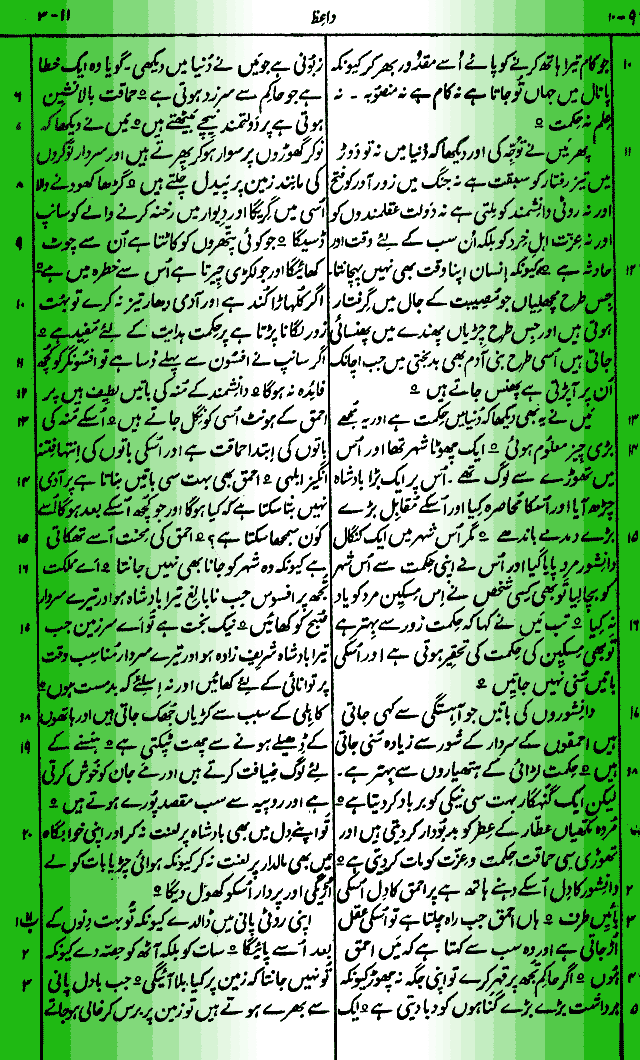
Ecclesiastes Chapter 9 (Verses 10-18)
Ecclesiastes 9 10
Verse: Whatsoever thy hand findeth to do do it with thy might for there is no work nor device nor knowledge nor wisdom in the grave whither thou goest
-
English Explanation: This verse is a powerful call to intentional action and diligence. Solomon reminds us that life is brief and mortality is certain. The “grave” (Sheol) represents the end of earthly opportunities. Therefore, whatever tasks, talents, or duties we have right now should be executed with maximum effort, passion, and excellence before our time runs out.
-
Urdu Explanation: یہ آیت ہمیں پوری محنت اور لگن سے کام کرنے کی ترغیب دیتی ہے۔ سلیمان بادشاہ یاد دلاتے ہیں کہ زندگی فانی ہے اور موت برحق ہے۔ قبر میں جانے کے بعد انسان کو عمل، منصوبہ بندی، یا حکمت کا کوئی موقع نہیں ملے گا۔ اس لیے زندگی میں جو بھی کام سامنے آئے، اسے اپنی پوری طاقت اور خلوص کے ساتھ انجام دیں۔
Ecclesiastes 9 11
Verse: I returned and saw under the sun that the race is not to the swift nor the battle to the strong neither yet bread to the wise nor yet riches to men of understanding nor yet favour to men of skill but time and chance happeneth to them all
-
English Explanation: Human capability does not guarantee success. Being the fastest, strongest, or wisest doesn’t automatically ensure victory or wealth. Solomon observes that unpredictable circumstances (“time and chance”) affect everyone. It humbles human pride, proving that ultimately, human life is subject to divine providence and unexpected shifts.
-
Urdu Explanation: یہاں انسانی قابلیت کی حدود کو بیان کیا گیا ہے۔ تیز دوڑنے والا ہمیشہ ریس نہیں جیتتا اور طاقتور ہمیشہ جنگ نہیں جیتتا۔ دانشمندوں کو ہمیشہ رزق اور ہنرمندوں کو ہمیشہ دولت نہیں ملتی۔ زندگی میں غیر متوقع حالات اور وقت سب پر اثر انداز ہوتے ہیں، جو یہ ظاہر کرتا ہے کہ کامیابی صرف انسانی کوشش نہیں بلکہ خدا کے رحم و کرم پر منحصر ہے۔
Ecclesiastes 9 12
Verse: For man also knoweth not his time as the fishes that are taken in an evil net and as the birds that are caught in the snare so are the sons of men snared in an evil time when it falleth suddenly upon them
-
English Explanation: This verse highlights human vulnerability and the unpredictability of calamity. Just as fish or birds are suddenly caught in nets and traps without warning, humans are often blindsided by tragedy, illness, or death. It emphasizes that we do not control the future.
-
Urdu Explanation: یہ آیت انسانی بے بسی اور ناگہانی آفتوں کی عکاسی کرتی ہے۔ جس طرح مچھلیاں اچانک جال میں اور پرندے پھندے میں پھنس جاتے ہیں، اسی طرح انسان بھی اچانک آنے والے برے وقت یا موت کا شکار ہو جاتا ہے۔ انسان اپنے آنے والے کل سے بالکل بے خبر ہے۔
Ecclesiastes 9 13
Verse: This wisdom have I seen also under the sun and it seemed great unto me
-
English Explanation: Solomon introduces a specific, profound observation about human nature and society that heavily impressed him regarding how wisdom is treated in the world.
-
Urdu Explanation: سلیمان فرماتے ہیں کہ انہوں نے دنیا میں حکمت کی ایک ایسی مثال دیکھی جس نے انہیں بہت متاثر کیا اور سوچنے پر مجبور کیا۔
Ecclesiastes 9 14
Verse: There was a little city and few men within it and there came a great king against it and besieged it and built great bulwarks against it
-
English Explanation: A parable is introduced here where a small, defenseless city with few inhabitants faces an overwhelming threat from a powerful king with massive military siege works.
-
Urdu Explanation: ایک تمثیل بیان کی گئی ہے کہ ایک چھوٹا شہر تھا جس میں چند ہی لوگ تھے۔ ایک بڑے اور طاقتور بادشاہ نے اس پر حملہ کیا اور اس کا محاصرہ کر کے بڑی بڑی دیواریں کھڑی کر دیں۔
Ecclesiastes 9 15
Verse: Now there was found in it a poor wise man and he by his wisdom delivered the city yet no man remembered that same poor man
-
English Explanation: The small city was saved not by weapons, but by the strategic intellect of a poor wise man. However, once the crisis passed, the people forgot him due to his low social status. It shows how fickle human gratitude is and how poverty overshadows wisdom.
-
Urdu Explanation: اس شہر میں ایک غریب مگر عقلمند شخص تھا، جس نے اپنی حکمت عملی سے اس شہر کو بچا لیا۔ لیکن افسوس کہ بحران ختم ہوتے ہی لوگوں نے اس غریب کو بھلا دیا۔ یہ دنیا کی احسان فراموشی اور غربت کی وجہ سے حکمت کی ناقدری کو ظاہر کرتا ہے۔
Ecclesiastes 9 16
Verse: Then said I Wisdom is better than strength nevertheless the poor man’s wisdom is despised and his words are not heard
-
English Explanation: Solomon concludes that while wisdom is objectively superior to physical or military strength, society unfairly dismisses the insights of the poor and marginalized because of their lack of wealth and status.
-
Urdu Explanation: سلیمان نتیجہ اخذ کرتے ہیں کہ حکمت جسمانی طاقت سے کہیں بہتر ہے۔ لیکن دنیا کا دستور یہ ہے کہ غریب کی حکمت کو حقیر سمجھا جاتا ہے اور اس کی باتوں پر کان نہیں دھرے جاتے۔
Ecclesiastes 9 17
Verse: The words of wise men are heard in quiet more than the cry of him that ruleth among fools
-
English Explanation: True wisdom operates in quietness and humility. Quiet, sensible advice from a wise person carries more intrinsic value than the loud, arrogant shouting of a foolish leader trying to control a crowd of fools.
-
Urdu Explanation: دانشمندوں کی دھیمی اور پرسکون باتیں ان جاہل حکمرانوں کے شور و غل سے کہیں زیادہ قیمتی اور موثر ہوتی ہیں جو احمقوں کی بھیڑ پر حکومت کرتے ہیں۔
Ecclesiastes 9 18
Verse: Wisdom is better than weapons of war but one sinner destroyeth much good
-
English Explanation: Intellectual and moral wisdom is more constructive and effective than destructive military weaponry. However, wisdom is highly vulnerable; a single foolish or sinful individual can undo the great achievements of wise planning.
-
Urdu Explanation: حکمت جنگی ہتھیاروں سے بہتر ہے کیونکہ یہ تعمیری ہوتی ہے۔ لیکن ایک گنہگار یا احمق انسان اپنی نادانی سے بہت سے اچھے کاموں اور منصوبوں کو برباد کر سکتا ہے۔
Ecclesiastes Chapter 10
Ecclesiastes 10 1
Verse: Dead flies cause the ointment of the apothecary to send forth a stinking savour so doth a little folly him that is in reputation for wisdom and honour
-
English Explanation: Just as tiny dead flies can ruin an entire batch of expensive, fragrant perfume, a small moral lapse or foolish mistake can permanently taint a lifetime reputation built on wisdom and honor. Small errors have big consequences.
-
Urdu Explanation: جیسے مردہ مکھیاں عطار کے قیمتی اور خوشبودار عطر کو سڑا دیتی ہیں، اسی طرح ایک چھوٹی سی نادانی یا گناہ کسی بھی معزز اور عقلمند انسان کی عمر بھر کی ساکھ کو مٹی میں ملا سکتا ہے۔
Ecclesiastes 10 2
Verse: A wise man’s heart is at his right hand but a fool’s heart at his left
-
English Explanation: In biblical metaphors, the “right hand” symbolizes strength, skill, and righteousness, while the “left” represents weakness or error. A wise person’s heart leads them toward morally right and practical actions, whereas a fool naturally drifts toward the wrong paths.
-
Urdu Explanation: بائبل کی تمثیل میں “سیدھا ہاتھ” برکت، مہارت اور راستی کی علامت ہے جبکہ “الٹا ہاتھ” گمراہی کی لائن ہے۔ عقلمند کا دل اسے صحیح اور نیک راستے پر لے جاتا ہے، جبکہ احمق کا دل اسے غلط فیصلوں کی طرف مائل کرتا ہے۔
Ecclesiastes 10 3
Verse: Yea also when he that is a fool walketh by the way his wisdom faileth him and he saith to every one that he is a fool
-
Explanation: Fools cannot hide their lack of judgment for long. Even in routine life (walking down the street), their actions, words, and behavior clearly reveal their foolishness to everyone around them without them realizing it.
-
Urdu Explanation: احمق اپنی حماقت کو زیادہ دیر چھپا نہیں سکتا۔ جب وہ عام راستے پر بھی چلتا ہے تو اس کی گفتگو اور طور طریقے سب پر واضح کر دیتے ہیں کہ وہ ایک نادان شخص ہے۔
Ecclesiastes 10 4
Verse: If the spirit of the ruler rise up against thee leave not thy place for yielding pacifieth great offences
-
English Explanation: This is practical workplace and political advice. If an authority figure or boss becomes angry with you, do not quit impulsively or react defensively. Remaining calm, humble, and submissive can defuse immense anger and repair relationships.
-
Urdu Explanation: یہ ایک عملی مشورہ ہے کہ اگر تمہارا حاکم یا افسر تم پر غصہ کرے، تو جذبات میں آ کر اپنی جگہ نہ چھوڑو اور نہ ہی آگے سے لڑو۔ نرمی اور عاجزی کا مظاہرہ کرنا بڑے بڑے غصے کو ٹھنڈا کر دیتا ہے۔
Ecclesiastes 10 5
Verse: There is an evil which I have seen under the sun as an error which proceedeth from the ruler
-
English Explanation: Solomon observes a systemic injustice in society that stems directly from poor leadership: the misallocation of positions of power and honor.
-
Urdu Explanation: سلیمان ایک اور سماجی برائی کا ذکر کرتے ہیں جو ناقص حکمرانی کی وجہ سے پیدا ہوتی ہے، یعنی عہدوں اور مرتبوں کی غلط تقسیم۔
Ecclesiastes 10 6
Verse: Folly is set in great dignity and the rich sit in low place
-
English Explanation: Society becomes inverted when foolish people are elevated to high, honorable leadership roles, while capable, wealthy, or seasoned individuals of substance are ignored and kept in lower positions.
-
Urdu Explanation: جب معاشرہ زوال کا شکار ہوتا ہے تو نادان اور نااہل لوگوں کو اونچے عہدے دے دیے جاتے ہیں، اور صاحبِ جائیداد یا خاندانی اور باصلاحیت لوگ نیچے بیٹھتے ہیں۔
Ecclesiastes 10 7
Verse: I have seen servants upon horses and princes walking as servants upon the earth
-
English Explanation: Continuing the theme of social disorder, Solomon notes a world turned upside down, where unqualified or low-character people live in high luxury (“upon horses”), while natural leaders or noble characters are reduced to poverty.
-
Urdu Explanation: سلیمان فرماتے ہیں کہ میں نے غلاموں کو گھوڑوں پر سوار عیش کرتے دیکھا اور شہزادوں کو غلاموں کی طرح زمین پر پیدل چلتے دیکھا۔ یعنی نااہل لوگ عروج پر اور حقدار لوگ زوال میں ہیں۔
Ecclesiastes 10 8
Verse: He that diggeth a pit shall fall into it and whoso breaketh an hedge a serpent shall bite him
-
English Explanation: This outlines the law of natural consequences and karma. Those who plot harm against others (digging a pit) or break down moral or legal boundaries (breaking a hedge) will ultimately bring ruin upon themselves.
-
Urdu Explanation: یہ مکافاتِ عمل کا قانون ہے۔ جو دوسروں کے لیے گڑھا کھودتا ہے وہ خود اس میں گرتا ہے، اور جو اخلاقی یا قانونی حدود (باڑ) کو توڑتا ہے، اسے سانپ کاٹ لیتا ہے، یعنی وہ خود نقصان اٹھاتا ہے۔
Ecclesiastes 10 9
Verse: Whoso removeth stones shall be hurt therewith and he that cleaveth wood shall be endangered thereby
-
English Explanation: Every labor or attempt to alter current structures carries inherent risks. Whether quarrying heavy stones or splitting wood, carelessness can lead to self-injury. It counsels caution in daily work and structural changes.
-
Urdu Explanation: ہر بڑے کام یا تبدیلی میں خطرات پوشیدہ ہوتے ہیں۔ پتھروں کو ہٹانے والا یا لکڑی چیرنے والا اگر احتیاط نہ کرے تو خود کو زخمی کر سکتا ہے۔ یہ آیت کام کے دوران ہوشیاری کی تاکید کرتی ہے۔
Ecclesiastes 10 10
Verse: If the iron be blunt and he do not whet the edge then must he put to more strength but wisdom is profitable to direct
-
English Explanation: Working with a dull tool requires exhausting physical effort and yields poor results. Wisdom dictates that one should stop and sharpen the tool (whet the edge) beforehand. Preparation and strategy save energy and ensure success.
-
Urdu Explanation: اگر کلہاڑی کند ہو اور اسے تیز نہ کیا جائے تو لکڑی کاٹنے میں بہت زیادہ طاقت لگانی پڑتی ہے۔ حکمت کا تقاضا ہے کہ پہلے اوزار کو تیز کیا جائے۔ یعنی منصوبہ بندی اور تیاری محنت کو آسان بنا دیتی ہے۔
Ecclesiastes 10 11
Verse: Surely the serpent will bite without enchantment and a babbler is no better
-
English Explanation: A snake will bite if it is not properly charmed beforehand. Similarly, a person who talks too much or gossips (a babbler) inflicts damage with their words before anyone can stop them. Uncontrolled speech is dangerous.
-
Urdu Explanation: اگر سانپ پر افسون نہ پڑھا جائے تو وہ کاٹ لیتا ہے۔ اسی طرح ایک فضول گو یا غیبت کرنے والا انسان بھی قابو میں نہیں آتا اور اپنی زبان سے دوسروں کو نقصان پہنچا دیتا ہے۔
Ecclesiastes 10 12
Verse: The words of a wise man’s mouth are gracious but the lips of a fool will swallow up himself
-
English Explanation: The speech of a wise person brings grace, kindness, and healing to others. Conversely, a fool’s words are self-destructive; their toxic and thoughtless speech ultimately ruins their own life.
-
Urdu Explanation: عقلمند انسان کی گفتگو شیریں، مہربان اور فائدہ مند ہوتی ہے۔ اس کے برعکس، احمق کی اپنی ہی باتیں اس کی تباہی کا سبب بنتی ہیں اور اسے رسوا کر دیتی ہیں۔
Ecclesiastes 10 13
Verse: The beginning of the words of his mouth is foolishness and the end of his talk is mischievous madness
-
English Explanation: A fool’s conversation might start out as minor nonsense, but as they keep talking without restraint, it rapidly escalates into harmful, chaotic, and malicious madness.
-
Urdu Explanation: نادان کی بات شروع تو معمولی حماقت سے ہوتی ہے، لیکن جیسے جیسے وہ بولتا جاتا ہے، اس کی گفتگو خطرناک دیوانگی اور شرارت کی شکل اختیار کر لیتی ہے۔
Ecclesiastes 10 14
Verse: A fool also is full of words a man cannot tell what shall be and what shall be after him who can tell him
-
English Explanation: Fools boast confidently about the future and talk incessantly, despite the reality that no human being truly knows what tomorrow holds or what will happen after they die.
-
Urdu Explanation: احمق بڑھ چڑھ کر بولتا ہے اور مستقبل کے دعوے کرتا ہے، حالانکہ کوئی انسان نہیں جانتا کہ کل کیا ہوگا یا اس کے مرنے کے بعد دنیا میں کیا گزرے گی۔
Ecclesiastes 10 15
Verse: The labour of the foolish wearieth every one of them because he knoweth not how to go to the city
-
English Explanation: Fools exhaust themselves with inefficient, directionless hard work. They lack the basic common sense (“how to go to the city,” a metaphor for an obvious path) to achieve their goals simply.
-
Urdu Explanation: احمقوں کی محنت انہیں تھکا دیتی ہے کیونکہ انہیں سیدھا اور واضح راستہ معلوم نہیں ہوتا۔ وہ بنیادی سوجھ بوجھ کی کمی کی وجہ سے آسان کام کو بھی مشکل بنا لیتے ہیں۔
Ecclesiastes 10 16
Verse: Woe to thee O land when thy king is a child and thy princes eat in the morning
-
English Explanation: A nation faces ruin and sorrow when its ruler is immature (like a child) and its leaders prioritize personal luxury, partying, and feasting early in the morning rather than attending to state duties.
-
Urdu Explanation: اس ملک پر افسوس ہے جس کا بادشاہ ناتجربہ کار (بچے کی مانند) ہو، اور جس کے وزیر و مشیر صبح سویرے ہی عیاشی اور ضیافتوں میں مصروف ہو جائیں بجائے اس کے کہ وہ ملکی معاملات سنبھالیں۔
Ecclesiastes 10 17
Verse: Blessed art thou O land when thy king is the son of nobles and thy princes eat in due season for strength and not for drunkenness
-
English Explanation: A nation is highly blessed when its leader possesses noble character and integrity, and its officials indulge in food and drink responsibly—at the right times for physical sustenance and strength, rather than for self-indulgence and intoxication.
-
Urdu Explanation: وہ ملک مبارک ہے جس کا بادشاہ اعلیٰ کردار کا مالک ہو، اور جس کے ارکانِ سلطنت وقت پر صرف طاقت حاصل کرنے کے لیے کھائیں پیئیں، نہ کہ نشے بازی اور عیاشی کے لیے۔
Ecclesiastes 10 18
Verse: By much slothfulness the building decayeth and through idleness of the hands the house droppeth through
-
English Explanation: Laziness and procrastination lead to inevitable ruin. If a homeowner neglects maintenance due to idleness, the roof will eventually leak and the structure will collapse. This applies to households, businesses, and lives.
-
Urdu Explanation: شدید سستی اور کاہلی عمارت کو تباہ کر دیتی ہے۔ اگر گھر کی دیکھ بھال نہ کی جائے تو چھت ٹپکنے لگتی ہے اور مکان گر جاتا ہے۔ یہ اصول زندگی اور کاروبار دونوں پر لاگو ہوتا ہے۔
Ecclesiastes 10 19
Verse: A feast is made for laughter and wine maketh merry but money answereth all things
-
English Explanation: Food and wine provide temporary joy and social relaxation. However, in a practical, physical world, money is a necessary resource that answers everyday logistical needs, solves physical problems, and keeps life moving forward.
-
Urdu Explanation: کھانا ہنسنے مسکرانے کے لیے ہے اور مے انسان کو خوش کرتی ہے، لیکن اس مادی دنیا میں پیسہ تمام عملی ضرورتوں کو پورا کرتا ہے اور روزمرہ کے مسائل کا حل فراہم کرتا ہے۔
Ecclesiastes 10 20
Verse: Curse not the king no not in thy thought and curse not the rich in thy bedchamber for a bird of the air shall carry the voice and that which hath wings shall tell the matter
-
English Explanation: Be extremely discreet. Do not speak ill of powerful rulers or wealthy leaders, even in private spaces like your bedroom or in your thoughts. Secrets have a strange way of leaking out via unexpected messengers (metaphorically carried by a bird).
-
Urdu Explanation: اپنے خیالات یا خوابگاہ میں بھی کسی طاقتور حاکم یا امیر شخص کو بددعا نہ دو اور نہ ان کی برائی کرو، کیونکہ باتیں کسی نہ کسی طرح (جیسے ہوا کے پرندے کے ذریعے) باہر نکل جاتی ہیں اور خفیہ راز فاش ہو جاتے ہیں۔
Ecclesiastes Chapter 11 (Verses 1-3)
Ecclesiastes 11 1
Verse: Cast thy bread upon the waters for thou shalt find it after many days
-
English Explanation: This is an exhortation to practice generous giving and diversified investment. “Casting bread upon waters” refers to sending out trading ships or performing acts of charity without expecting immediate returns. Eventually, these good deeds or investments return with a blessing.
-
Urdu Explanation: یہ سخاوت اور کاروباری سرمایہ کاری کی ترغیب ہے۔ اپنی روٹی پانی پر ڈالنے سے مراد بے غرض ہو کر خیرات کرنا یا ایسے سودے کرنا ہے جس کا فوری فائدہ نظر نہ آئے۔ ایک وقت آئے گا جب یہ نیکیاں یا سرمایہ کاری برکت بن کر واپس لوٹے گی۔
Ecclesiastes 11 2
Verse: Give a portion to seven and also to eight for thou knowest not what evil shall be upon the earth
-
English Explanation: Diversify your ventures and your generosity. Do not put all your eggs in one basket. By sharing your resources with many people or spreading investments across multiple avenues, you protect yourself against unforeseen economic disasters.
-
Urdu Explanation: اپنے سرمائے اور سخاوت کو مختلف جگہوں پر تقسیم کرو (سات یا آٹھ حصوں میں)۔ کیونکہ تم نہیں جانتے کہ زمین پر کب کون سی آفت یا معاشی بحران آ جائے۔ خطرات کو بانٹنا ہی عقلمندی ہے۔
Ecclesiastes 11 3
Verse: If the clouds be full of rain they empty themselves upon the earth and if the tree fall toward the south or toward the north in the place where the tree falleth there it shall be
-
English Explanation: Certain laws of nature and destiny are fixed and inevitable. Full clouds will drop rain, and a fallen tree will stay wherever it lands. We cannot control natural laws or certain historic events; instead of fighting the unchangeable, we must prepare for them wisely.
-
Urdu Explanation: قدرت کے قوانین اٹل ہیں۔ جب بادل پانی سے بھر جاتے ہیں تو وہ زمین پر برستے ہیں، اور درخت جس طرف گرتا ہے وہیں پڑا رہتا ہے۔ کائنات کے ان طے شدہ اصولوں اور تقدیر کے فیصلوں کو انسان بدل نہیں سکتا، اس لیے ان کے مطابق خود کو ڈھالنا ہی دانشمندی ہے۔