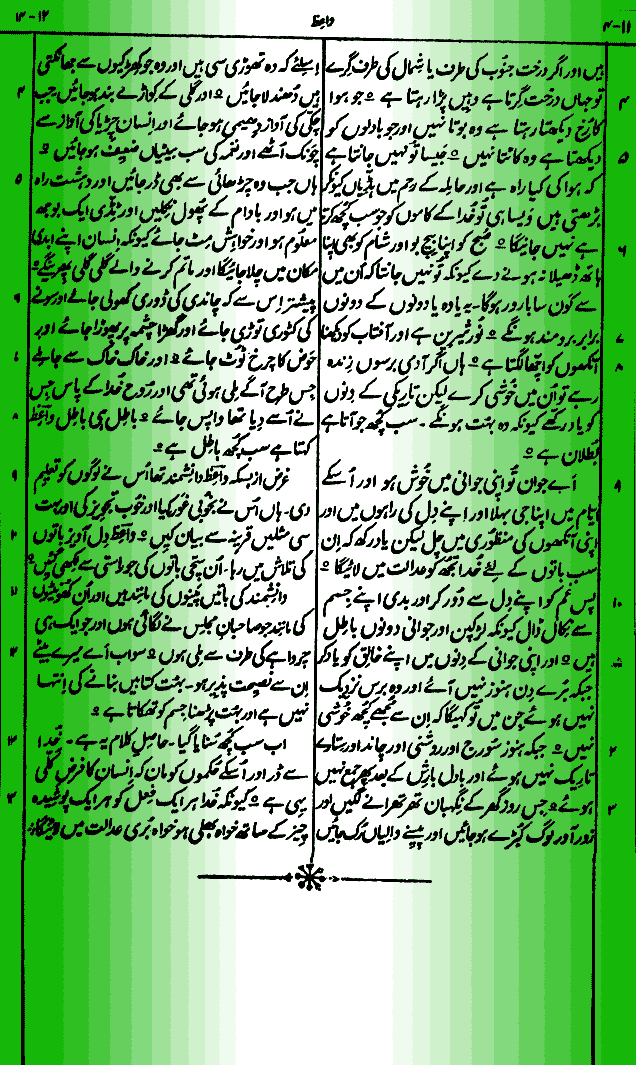
Verse-by-Verse Commentary: Ecclesiastes 11 & 12
Ecclesiastes 11:4
Verse: “He that observeth the wind shall not sow and he that regardeth the clouds shall not reap”
English Explanation: This verse addresses the paralyzing effect of perfectionism and procrastination. In agricultural life, a farmer who waits for the absolutely perfect, windless day to sow seeds, or a perfectly clear sky to reap the harvest, will end up doing nothing at all. Solomon uses this metaphor to teach that if we wait for perfect conditions in life before making a decision or starting a task, we will never accomplish anything. Uncertainty is an inherent part of life, and faith requires us to take action despite unpredictable circumstances.
Urdu Explanation (اُردو تشریح): یہ آیت ہمیں یہ سکھاتی ہے کہ ضرورت سے زیادہ سوچنا یا کامل حالات کا انتظار کرنا انسان کو سست اور ناکام بنا دیتا ہے۔ ایک کسان جو بیج بونے کے لیے بالکل سازگار ہوا کا انتظار کرتا رہے یا فصل کاٹنے کے لیے آسمان پر بادلوں کو دیکھ کر ڈرتا رہے وہ کبھی کچھ حاصل نہیں کر پائے گا۔ زندگی میں ہر کام کے لیے حالات ہمیشہ سو فیصد موافق نہیں ہوتے۔ اگر ہم کامل حالات کا انتظار کرتے رہیں گے تو کبھی کوئی قدم نہیں اٹھا سکیں گے۔ اس لیے انسان کو توکل اور محنت کے ساتھ آگے بڑھنا چاہیے۔
Ecclesiastes 11:5
Verse: “As thou knowest not what is the way of the spirit nor how the bones do grow in the womb of her that is with child even so thou knowest not the works of God who maketh all”
English Explanation: Solomon highlights the limitations of human knowledge compared to the infinite wisdom of God. He uses two mysteries of the ancient world—the movement of the wind (or spirit) and the formation of a biological body inside a mother’s womb—to demonstrate that human beings cannot fully comprehend divine providence. Because we cannot understand how God works behind the scenes, we must trust His sovereignty and keep moving forward rather than demanding total certainty.
Urdu Explanation (اُردو تشریح): اس آیت میں انسان کی محدود عقل اور خدا کی لامحدود قدرت کا موازنہ کیا گیا ہے۔ جیسے ایک انسان یہ نہیں جان سکتا کہ ماں کے پیٹ میں بچے کی ہڈیاں کیسے بنتی ہیں اور روح کا راستہ کیا ہے، بالکل اسی طرح وہ خدا کے کاموں کی حکمت اور اس کے منصوبوں کو مکمل طور پر نہیں سمجھ سکتا۔ چونکہ ہم خدا کے ہر کام کی گہرائی کو نہیں جان سکتے، اس لیے ہمیں اس کی حاکمیت پر بھروسہ کرنا چاہیے اور یہ ماننا چاہیے کہ وہ جو کچھ کرتا ہے اس میں کوئی نہ کوئی بڑی حکمت ہوتی ہے۔
Ecclesiastes 11:6
Verse: “In the morning sow thy seed and in the evening withhold not thine hand for thou knowest not whether shall prosper either this or that or whether they both shall be alike good”
English Explanation: Since the future is unpredictable, the remedy is persistent diligence. This verse encourages a strong work ethic and diversification. “Sowing seed” both in the morning and evening means utilizing every opportunity and working hard throughout life. Because you do not know which effort will succeed—the first project, the second, or perhaps both—you must avoid laziness and continually invest your time and energy into good endeavors.
Urdu Explanation (اُردو تشریح): مستقبل کے غیر یقینی ہونے کا حل یہ ہے کہ انسان مسلسل محنت کرے۔ سلیمان بادشاہ نصیحت کرتے ہیں کہ صبح کو بھی اپنا بیج بو اور شام کو بھی اپنا ہاتھ نہ روک، کیونکہ تم نہیں جانتے کہ کون سی کوشش کامیاب ہوگی—پہلی، دوسری، یا دونوں ہی بہترین ثابت ہوں گی۔ یہ آیت ہمیں محنت کرنے، سستی سے بچنے اور زندگی میں مختلف مواقع کا فائدہ اٹھانے کی ترغیب دیتی ہے، کیونکہ کامیابی کا وقت اور طریقہ خدا کے ہاتھ میں ہے۔
Ecclesiastes 11:7
Verse: “Truly the light is sweet and a pleasant thing it is for the eyes to behold the sun”
English Explanation: Here, the Preacher acknowledges the inherent goodness and beauty of physical life. Light and sunshine are metaphors for life, vitality, joy, and consciousness. It is a reminder that being alive is a beautiful gift from God, and it is entirely appropriate for human beings to enjoy the blessings, beauty, and warmth of existence.
Urdu Explanation (اُردو تشریح): یہاں زندگی کی خوبصورتی اور اس کی نعمتوں کا اعتراف کیا گیا ہے۔ “روشنی” اور “سورج کا دیکھنا” زندگی، خوشی اور تندرستی کی علامتیں ہیں۔ زندگی خدا کا ایک خوبصورت تحفہ ہے اور انسان کے لیے یہ بالکل درست ہے کہ وہ دنیا میں موجود خدا کی نعمتوں اور خوبصورتی کا لطف اٹھائے اور اس کا شکر ادا کرے۔
Ecclesiastes 11:8
Verse: “But if a man live many years and rejoice in them all yet let him remember the days of darkness for they shall be many All that cometh is vanity”
English Explanation: While life should be enjoyed, it must be lived with a realistic perspective. The “days of darkness” refer to aging, trials, and ultimately death. Solomon warns that no matter how long or joyful a person’s life is, difficult times and the inevitability of death lie ahead. Recognizing this truth prevents us from becoming attached to temporary earthly pleasures that ultimately end in “vanity” (emptiness without God).
Urdu Explanation (اُردو تشریح): اگرچہ زندگی میں خوش رہنا اچھی بات ہے، لیکن انسان کو حقیقت پسند ہونا چاہیے۔ “تاریکی کے دن” سے مراد بڑھاپا، مشکلات اور بالاخر موت ہے۔ سلیمان کہتے ہیں کہ انسان خواہ کتنے ہی سال کیوں نہ جئے اور خوش رہے، اسے یاد رکھنا چاہیے کہ آگے اندھیرے کے دن بھی آنے والے ہیں جو کہ طویل ہوں گے۔ دنیا کی ہر چیز فانی ہے، اس لیے عارضی خوشیوں میں کھو کر ابدی حقیقت کو نہیں بھولنا چاہیے۔
Ecclesiastes 11:9
Verse: “Rejoice O young man in thy youth and let thy heart cheer thee in the days of thy youth and walk in the ways of thine heart and in the sight of thine eyes but know thou that for all these things God will bring thee into judgment”
English Explanation: This verse is a balanced call to youthful joy combined with moral responsibility. Youth is a time of energy, passion, and opportunity, and God desires young people to enjoy this phase of life. However, this freedom is not absolute. The crucial caveat is that every action has a consequence; God will hold everyone accountable for their choices. Enjoy your youth, but live in a way that honors God.
Urdu Explanation (اُردو تشریح): یہ آیت نوجوانوں کو زندگی کا لطف اٹھانے کے ساتھ ساتھ اخلاقی ذمہ داری کی یاد دہانی کراتی ہے۔ جوانی توانائی اور امنگوں کا وقت ہے، اور خدا چاہتا ہے کہ انسان اس عمر سے لطف اندوز ہو۔ لیکن اس آزادی کے ساتھ ایک بڑی شرط ہے: یہ یاد رکھو کہ تمہارے ہر عمل کا حساب ہوگا اور خدا تمہیں عدالت میں لائے گا۔ یعنی جوانی کی خوشیوں میں حد سے تجاوز نہ کرو اور ایسی زندگی جیو جو خدا کی نظر میں مقبول ہو۔
Ecclesiastes 11:10
Verse: “Therefore remove sorrow from thy heart and put away evil from thy flesh for childhood and youth are vanity”
English Explanation: Because youth flies by so quickly (“vanity” here meaning fleeting or temporary), young people should protect themselves from internal and external self-destruction. “Remove sorrow” implies letting go of unnecessary anxiety and resentment, while “put away evil from thy flesh” means avoiding sinful habits that damage the body and soul. Don’t waste your best years on things that bring regret.
Urdu Explanation (اُردو تشریح): چونکہ جوانی کا وقت بہت جلدی گزر جاتا ہے اور یہ فانی ہے، اس لیے انسان کو چاہیے کہ وہ اپنے دل سے غم، غصے اور بے جا فکر کو دور کرے اور اپنے جسم کو برائی اور گناہ کے کاموں سے بچائے۔ جوانی کو ایسی غلطیوں میں ضائع نہ کریں جو مستقبل میں پچھتاوے اور جسمانی یا روحانی نقصان کا باعث بنیں۔
Ecclesiastes 12:1
Verse: “Remember now thy Creator in the days of thy youth while the evil days come not nor the years draw nigh when thou shalt say I have no pleasure in them”
English Explanation: Chapter 12 begins with one of the most famous exhortations in scripture. Solomon advises giving your life to God when you are young and strong, rather than waiting until old age (“the evil days”). In old age, physical limitations, illness, and weariness set in, making it difficult to enjoy life or serve God with the same energy. Dedicate your strength to God before the decline begins.
Urdu Explanation (اُردو تشریح): یہ بائبل مقدس کی مشہور ترین نصیحتوں میں سے ایک ہے۔ سلیمان کہتے ہیں کہ اپنی جوانی کے دنوں میں اپنے پیدا کرنے والے کو یاد رکھو، اس سے پہلے کہ وہ برے دن (بڑھاپا اور بیماریاں) آ جائیں جب تمہاری طاقت جواب دے جائے گی اور تم کہو گے کہ مجھے زندگی میں کوئی خوشی یا لطف نہیں رہا۔ خدا کی عبادت اور خدمت اس وقت کریں جب آپ میں طاقت اور صلاحیت موجود ہو۔
Ecclesiastes 12:2
Verse: “While the sun or the light or the moon or the stars be not darkened nor the clouds return after the rain”
English Explanation: Verses 2 through 7 use rich, poetic metaphors to describe the gradual physical and mental decline of the human body during old age. Verse 2 uses darkening celestial bodies to represent fading eyesight, loss of mental clarity, and diminished joy. The “clouds returning after the rain” represents a state where one trouble follows another without prolonged relief.
Urdu Explanation (اُردو تشریح): آیت نمبر ۲ سے ۷ تک بڑھاپے اور جسمانی کمزوری کو استعاروں (Metaphors) کی صورت میں بیان کیا گیا ہے۔ اس آیت میں سورج، چاند اور ستاروں کے تاریک ہونے سے مراد بینائی کا کمزور ہونا اور ذہنی صلاحیتوں کا دھندلا جانا ہے۔ “بارش کے بعد بادلوں کا پھر گھیر آنا” اس بات کی علامت ہے کہ بڑھاپے میں بیماریاں اور پریشانیاں ایک کے بعد ایک مسلسل آتی رہتی ہیں اور سکون کا وقت کم ملتا ہے۔
Ecclesiastes 12:3
Verse: “In the day when the keepers of the house shall tremble and the strong men shall bow themselves and the grinders cease because they are few and those that look out of the windows be darkened”
English Explanation: Solomon compares the aging body to a decaying estate:
-
Keepers of the house shall tremble: The hands and arms begin to shake.
-
Strong men shall bow: The legs and spine weaken and bend.
-
Grinders cease because they are few: Teeth are lost, making chewing difficult.
-
Those that look out of the windows be darkened: Eyesight fails.
Urdu Explanation (اُردو تشریح): یہاں انسانی جسم کو ایک گرتے ہوئے گھر سے تشبیہ دی گئی ہے:
-
گھر کے نگہبان کانپیں گے: یعنی انسان کے ہاتھ اور بازو بڑھاپے میں کانپنے لگتے ہیں۔
-
زورآور جھک جائیں گے: یعنی ٹانگیں اور کمر کمزور ہو کر جھک جاتی ہیں۔
-
پیسنے والیاں تھوڑی ہونے کے باعث بیٹھ رہیں گی: یعنی دانت ٹوٹ جاتے ہیں اور چبانا مشکل ہو جاتا ہے۔
-
جھروکوں میں سے دیکھنے والے اندھے ہو جائیں گے: یعنی آنکھوں کی بینائی ختم یا بہت کمزور ہو جاتی ہے۔
Ecclesiastes 12:4
Verse: “And the doors shall be shut in the streets when the sound of the grinding is low and he shall rise up at the voice of the bird and all the daughters of musick shall be brought low”
English Explanation: The poetic anatomy of old age continues:
-
Doors shut in the streets / grinding is low: Impaired hearing and a decreased appetite/inability to converse easily with the outside world.
-
Rise at the voice of a bird: Elderly people often experience insomnia, waking up at the slightest sound early in the morning.
-
Daughters of music brought low: The voice becomes weak and trembling, and the capacity to appreciate music or speak loudly diminishes.
Urdu Explanation (اُردو تشریح): بڑھاپے کی علامات کا سلسلہ جاری ہے:
-
گلی کے کواڑ بند ہو جائیں گے اور پسنے کی آواز دھیمی ہوگی: یعنی کانوں سے اونچا سننے لگنا اور باہر کی دنیا سے رابطہ محدود ہو جانا۔
-
انسان چڑیا کی آواز پر اٹھ بیٹھے گا: یعنی بوڑھے لوگوں کی نیند کچی ہو جاتی ہے اور وہ صبح سویرے معمولی آواز سے بھی جاگ جاتے ہیں۔
-
گانے والی سب بیٹیاں پست ہو جائیں گی: یعنی انسان کی اپنی آواز کمزور اور لرزتی ہوئی ہو جاتی ہے اور سننے یا گانے کی صلاحیت ختم ہو جاتی ہے۔
Ecclesiastes 12:5
Verse: “Also when they shall be afraid of that which is high and fears shall be in the way and the almond tree shall flourish and the grasshopper shall be a burden and desire shall fail because man goeth to his long home and the mourners go about the streets”
English Explanation:
-
Afraid of heights and fears in the way: Frailty causes a fear of falling or traveling.
-
Almond tree flourishes: The white blossoms of the almond tree represent hair turning gray or white.
-
Grasshopper is a burden: Even the lightest weight or smallest task feels like an exhausting chore.
-
Desire shall fail: Physical appetites and passions fade away.
-
Long home: This refers to the grave, leading to the funeral where mourners gather.
Urdu Explanation (اُردو تشریح):
-
بلندی سے ڈریں گے اور راستے میں خوف کھائیں گے: یعنی جسمانی کمزوری کی وجہ سے گرنے کا خوف اور سفر کرنے سے ڈر لگنا۔
-
بادام کا درخت پھولے گا: جیسے بادام کے درخت پر سفید پھول آتے ہیں، ویسے ہی سر کے بال بالکل سفید ہو جائیں گے۔
-
ٹڈی بھی بھاری معلوم ہوگی: یعنی معمولی سے معمولی کام یا وزن بھی ایک بڑا بوجھ محسوس ہوگا۔
-
خواہش جاتی رہے گی: زندگی کی مادی اور جسمانی خواہشات ختم ہو جائیں گی۔
-
انسان اپنے ابدی گھر کو جاتا ہے اور ماتم کرنے والے گلیوں میں پھرتے ہیں: یعنی انسان موت کی آغوش میں چلا جاتا ہے اور اس کے جنازے پر لوگ روتے ہیں۔
Ecclesiastes 12:6
Verse: “Or ever the silver cord be loosed or the golden bowl be broken or the pitcher be broken at the fountain or the wheel broken at the cistern”
English Explanation: These metaphors picture the final moments of biological death—the snapping of vital connections:
-
Silver cord / Golden bowl: The cessation of brain, spinal cord, and nervous system functions.
-
Pitcher at the fountain / Wheel at the cistern: The failure of the cardiovascular system—the heart stopping its action of pumping life-giving blood throughout the body.
Urdu Explanation (اُردو تشریح): یہ تشبیہات انسانی زندگی کے خاتمے اور موت کے آخری لمحات کو ظاہر کرتی ہیں:
-
چاندی کی ڈوری ٹوٹے اور سونے کا پیالہ ٹوٹے: یعنی اعصابی نظام اور دماغ کا کام بند ہو جانا، زندگی کا رشتہ ٹوٹ جانا۔
-
گھڑا چشمے پر ٹوٹے اور رہٹ حوض پر ٹوٹ جائے: یعنی دل کی دھڑکن کا رک جانا اور جسم میں خون کی گردش کا ہمیشہ کے لیے ختم ہو جانا۔ موت انسان کو اچانک اپنے قابو میں لے لیتی ہے۔
Ecclesiastes 12:7
Verse: “Then shall the dust return to the earth as it was and the spirit shall return unto God who gave it”
English Explanation: This verse outlines the dual nature of human composition and its ultimate destination. The physical body, made from the dust of the ground (Genesis 2:7), decomposes and returns to the earth. However, the soul/spirit, which was breathed into man by God, transcends physical death and returns to the Creator for accountability.
Urdu Explanation (اُردو تشریح): یہ آیت انسان کی حقیقت اور موت کے بعد کے سفر کو واضح کرتی ہے۔ ہمارا مادی جسم مٹی سے بنا ہے، اس لیے وہ مرنے کے بعد مٹی میں مل کر دوبارہ خاک ہو جاتا ہے۔ لیکن ہماری روح جو خدا نے ہمیں بخشی تھی، وہ کبھی فنا نہیں ہوتی بلکہ اپنے پیدا کرنے والے خدا کے پاس واپس لوٹ جاتی ہے تاکہ اپنے اعمال کا جواب دے سکے۔
Ecclesiastes 12:8
Verse: “Vanity of vanities saith the preacher all is vanity”
English Explanation: The Preacher returns to his opening thesis statement (Eccl 1:2). Looked at strictly from an earthly, purely material perspective (“under the sun”), human efforts, achievements, accumulation of wealth, and physical life are temporary and ultimately empty if detached from an eternal connection with God.
Urdu Explanation (اُردو تشریح): واعظ (سلیمان) ایک بار پھر اپنے مرکزی نقطے پر واپس آتے ہیں کہ دنیا کی ہر چیز فانی ہے۔ اگر خدا کو زندگی سے نکال دیا جائے تو انسان کی تمام مادی کامیابیاں، دولت، شہرت اور محنت عارضی اور کھوکھلی ہیں، جن کا آخر میں کوئی مستقل فائدہ نہیں ہوتا۔
Ecclesiastes 12:9
Verse: “And moreover because the preacher was wise he still taught the people knowledge yea he gave good heed and sought out and set in order many proverbs”
English Explanation: The epilogue validates Solomon’s credibility. As an endowed, wise teacher, he didn’t keep his insights to himself; he intentionally taught the common people, evaluated life thoroughly, and carefully arranged collections of proverbs (wisdom literature) to guide future generations.
Urdu Explanation (اُردو تشریح): یہاں سلیمان (واعظ) کی حکمت اور ان کی ذمہ داری کا ذکر ہے۔ چونکہ وہ دانا تھے، انہوں نے اپنی حکمت کو صرف اپنے تک محدود نہیں رکھا بلکہ عوام کو علم سکھایا۔ انہوں نے غور و فکر کیا، سچائی کو تلاش کیا اور بہت سی امثال (نصیحتیں) ترتیب دیں تاکہ آنے والی نسلیں ان سے ہدایت پا سکیں۔
Ecclesiastes 12:10
Verse: “The preacher sought to find out acceptable words and that which was written was upright even words of truth”
English Explanation: Solomon took great care in his writing style. He sought out “acceptable words” (pleasing, elegant language) but never compromised on the integrity of the message. The words he recorded were honest, upright, and fundamentally grounded in divine truth.
Urdu Explanation (اُردو تشریح): واعظ نے اپنی تحریر اور کلام میں بہترین اور دلپسند الفاظ تلاش کرنے کی کوشش کی، لیکن انہوں نے سچائی پر کبھی سمجھوتہ نہیں کیا۔ جو کچھ انہوں نے لکھا وہ بالکل راست، سچا اور حقیقت پر مبنی تھا تاکہ پڑھنے والے کے دل پر اثر کرے۔
Ecclesiastes 12:11
Verse: “The words of the wise are as goads and as nails fastened by the masters of assemblies which are given from one shepherd”
English Explanation: True wisdom serves two purposes:
-
Goads: Sharp sticks used to prod oxen forward; wisdom pricks our conscience and spurs us to constructive action.
-
Fastened nails: Provides stability and a firm foundation for our lives. Ultimately, all authentic wisdom originates from the “One Shepherd”—God Himself.
Urdu Explanation (اُردو تشریح): دانشمندوں کے کلام کے دو بڑے فائدے ہوتے ہیں:
-
وہ ورچھیوں (آر) کی مانند ہیں: جو سستی دور کرنے اور صحیح راستے پر چلانے کے لیے چبھتی ہیں (یعنی ہمارے ضمیر کو جھنجھوڑتی ہیں)۔
-
وہ ٹھونکی ہوئی کیلوں کی مانند ہیں: جو زندگی کو استحکام اور مضبوطی بخشتی ہیں۔ یہ تمام حکمتیں “ایک ہی چرواہے” یعنی خدا کی طرف سے حاصل ہوتی ہیں۔
Ecclesiastes 12:12
Verse: “And further by these my son be admonished of making many books there is no end and much study is a weariness of the flesh”
English Explanation: Solomon warns against intellectual vanity. Human philosophy, endless books, and secular academic pursuits can expand indefinitely without ever satisfying the human soul. Excessive study without spiritual application leads only to physical exhaustion and mental weariness.
Urdu Explanation (اُردو تشریح): سلیمان اپنے بیٹے (اور پڑھنے والے) کو نصیحت کرتے ہیں کہ دنیاوی فلسفوں اور کتابوں کے لکھنے پڑھنے کا کوئی اختتام نہیں ہے۔ اگر انسان صرف دنیاوی علم اور کتابوں میں کھویا رہے اور اس کا کوئی روحانی مقصد نہ ہو، تو یہ صرف جسم کی تھکن اور دماغی پریشانی کا سبب بنتا ہے۔ اصل علم وہ ہے جو خدا سے جوڑے۔
Ecclesiastes 12:13
Verse: “Let us hear the conclusion of the whole matter Fear God and keep his commandments for this is the whole duty of man”
English Explanation: This is the grand climax of the book of Ecclesiastes. After examining wealth, pleasure, intellect, and work, Solomon reveals the ultimate purpose of human existence: to live in reverent awe of God (“Fear God”) and obey His Word (“keep his commandments”). This is what defines, completes, and fulfills a human being.
Urdu Explanation (اُردو تشریح): یہ پوری کتاب کا خلاصہ اور سب سے اہم نتیجہ ہے۔ تمام مادی چیزوں، عیاشیوں، فلسفوں اور دنیاوی کاموں کو پرکھنے کے بعد سلیمان آخری فیصلہ سناتے ہیں: “خدا سے ڈر اور اس کے حکموں کو مان کیونکہ انسان کا فرضِ منصبی یہی ہے۔” یہی وہ واحد چیز ہے جو انسان کی زندگی کو حقیقی معنی اور مقصد دیتی ہے۔
Ecclesiastes 12:14
Verse: “For God shall bring every work into judgment with every secret thing whether it be good or whether it be evil”
English Explanation: The book ends with a solemn reminder of ultimate justice. Life may often seem unfair “under the sun,” but a day of cosmic accountability is coming. God sees everything, including our hidden motives and secret actions. Nothing escapes His sight, and He will judge every deed righteously, rewarding the good and punishing the evil.
Urdu Explanation (اُردو تشریح): کتاب کا اختتام عدلِ الٰہی کی یاد دہانی پر ہوتا ہے۔ دنیا میں شاید ظاہری طور پر ناانصافی نظر آئے، لیکن ایک دن حتمی انصاف ہو کر رہے گا۔ خدا ہر ایک عمل کا، خواہ وہ کھلا ہو یا چھپا ہوا، نیک ہو یا بد، عدالت میں حساب لے گا۔ انسان کا کوئی بھی کام خدا کی نظر سے پوشیدہ نہیں ہے، اس لیے ہمیں اپنی ابدی زندگی کی فکر کرنی چاہیے۔