Verse-by-Verse Commentary
Esther 3:13
Verse: And the letters were sent by posts into all the king’s provinces to destroy to kill and to cause to perish all Jews both young and old little children and women in one day even upon the thirteenth day of the twelfth month which is the month Adar and to take the spoil of them for a prey
English Explanation: This verse highlights the chilling scope of Haman’s genocidal plot. Driven by personal pride and hatred against Mordecai, Haman influences King Ahasuerus to issue a decree targeting every single Jewish person—regardless of age or gender. The wording is intentionally absolute (“destroy, kill, and cause to perish”) to ensure complete eradication. To make the cruelty worse, the decree legalizes the looting of Jewish property, offering financial incentives to those who participate. The exact date is set nearly a year in advance via the casting of lots (Purim), giving the victims a agonizing window of dread.
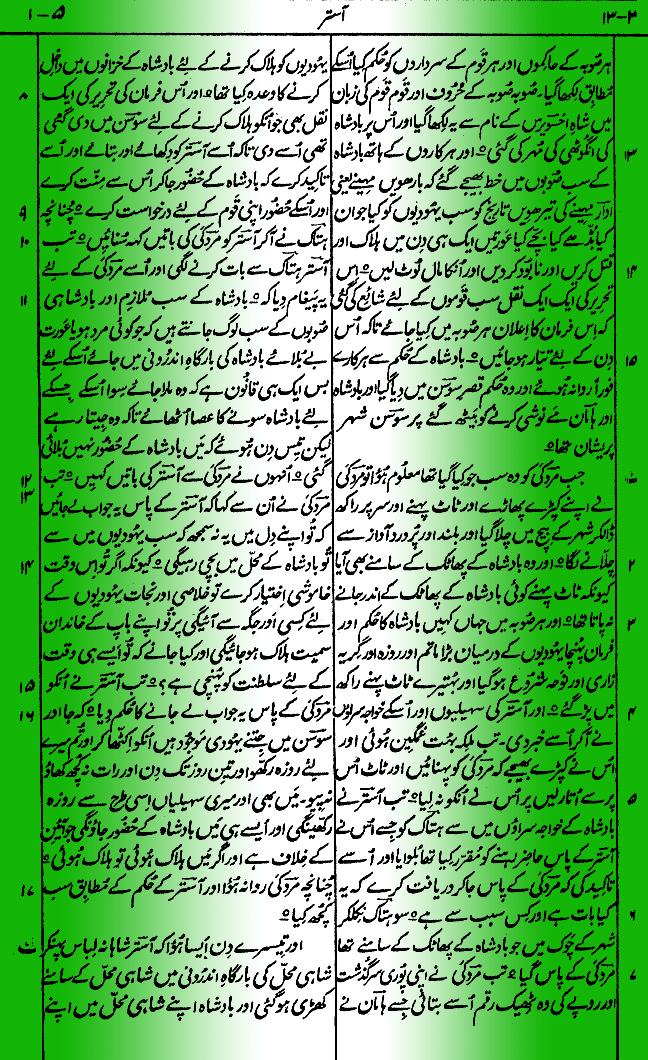
Urdu Explanation (تفصیلی وضاحت): یہ آیت ہامان کی شدید نفرت اور یہودی دشمنی کی انتہا کو ظاہر کرتی ہے۔ ہامان نے محض اپنے ذاتی غرور کی وجہ سے بادشاہ اخشویرش کو گمراہ کیا اور ایک ایسا شاہی فرمان جاری کروایا جس کا مقصد تمام یہودیوں کو—خواہ وہ بوڑھے ہوں یا جوان، بچے ہوں یا عورتیں—ایک ہی دن میں مکمل طور پر ختم کرنا تھا۔ اس فرمان میں تین الفاظ “ہلاک کرنے، قتل کرنے اور نیست و نابود کرنے” کا استعمال کیا گیا جو اس بات کا ثبوت ہے کہ وہ کسی ایک جان کو بھی باقی نہیں چھوڑنا چاہتا تھا۔ مزید برآں، لوگوں کو راغب کرنے کے لیے یہودیوں کے مال و اسباب کو لوٹنے کی بھی اجازت دی گئی۔ یہ ہولناک دن بارہویں مہینے یعنی ادار کی تیرہویں تاریخ کو مقرر کیا گیا تھا۔
Esther 3:14
Verse: The copy of the writing for a commandment to be given in every province was published unto all people that they should be ready against that day
English Explanation: The decree was translated and distributed across the vast Persian Empire, ensuring that every citizen, language group, and province understood the law. The purpose of publishing it so far in advance was to prepare the non-Jewish citizens to execute the massacre efficiently when the day arrived. It left the Jewish population entirely vulnerable and without legal protection.
Urdu Explanation (تفصیلی وضاحت): اس شاہی حکم نامے کی نقول تیار کر کے سلطنت فارس کے تمام صوبوں اور تمام قوموں کی زبانوں میں عام کر دی گئیں تاکہ ہر شخص اس قانون سے واقف ہو جائے۔ وقت سے پہلے اس کا اشتہار دینے کا مقصد یہ تھا کہ عام لوگ ذہنی اور جسمانی طور پر اس قتلِ عام کے لیے تیار ہو جائیں اور مقررہ دن پر بغیر کسی ہچکچاہٹ کے یہودیوں پر حملہ کر دیں۔
Esther 3:15
Verse: The posts went out being hastened by the king’s commandment and the decree was given in Shushan the palace And the king and Haman sat down to drink but the city Shushan was perplexed
English Explanation: A striking contrast is drawn here between the rulers and the ruled. Royal couriers rush out to deliver the death sentences. Inside the palace, King Ahasuerus and Haman casually sit down to drink, showing absolute indifference to human life. However, outside the palace walls, the capital city of Shushan falls into confusion and distress. Even the non-Jewish citizens are shocked and unsettled by such an arbitrary and bloodthirsty law.
Urdu Explanation (تفصیلی وضاحت): شاہی قاصد بادشاہ کے حکم کے تحت تیزی سے روانہ ہوئے اور یہ فرمان دارالحکومت سوسن کے محل میں بھی نافذ کر دیا گیا۔ اس ہولناک فرمان کو جاری کرنے کے بعد، بادشاہ اور ہامان بے حسی کی انتہا دکھاتے ہوئے شراب پینے بیٹھ گئے، جیسے کچھ ہوا ہی نہ ہو۔ اس کے برعکس، سوسن شہر کے عام لوگ—جن میں غیر یہودی بھی شامل تھے—شدید حیرت، خوف اور الجھن کا شکار ہو گئے کیونکہ یہ قانون سراسر ناانصافی اور ظلم پر مبنی تھا۔
Esther 4:1
Verse: When Mordecai perceived all that was done Mordecai rent his clothes and put on sackcloth with ashes and went out into the midst of the city and cried with a loud and a bitter cry
English Explanation: Upon discovering the full extent of the decree, Mordecai reacts with public and profound grief. Rending (tearing) clothes, wearing coarse sackcloth, and covering oneself in ashes were traditional Middle Eastern expressions of deep mourning, humiliation, and repentance before God. Mordecai does not hide his anguish; he walks through the heart of the city, raising awareness of the impending disaster.
Urdu Explanation (تفصیلی وضاحت): جب مردکی کو اس ہولناک فرمان اور ہامان کی سازش کا علم ہوا، تو اس نے شدید غم اور ماتم کا اظہار کیا۔ اس نے اپنے کپڑے پھاڑ ڈالے، ٹاٹ اوڑھا، اپنے سر پر خاک (راکھ) ڈالی اور شہر کے بیچوں بیچ نکل کر بلند اور دردناک آواز میں رونے لگا۔ یہ اس دور میں خدا کے حضور عاجزی، توبہ اور شدید فریاد کا ایک روایتی طریقہ تھا تاکہ لوگ اور خدا ان کی حالتِ زار پر رحم فرمائیں۔
Esther 4:2
Verse: And came even before the king’s gate for none might enter into the king’s gate clothed with sackcloth
English Explanation: Mordecai takes his mourning as close to the seat of power as legally possible—the King’s Gate. Persian law prohibited anyone in mourning attire from entering the palace grounds, as the king’s environment was strictly curated to reflect only joy, luxury, and illusionary peace. This rule forced Mordecai to halt at the entrance, establishing a physical barrier between the tragic reality of the empire’s subjects and the insulated life of the royals.
Urdu Explanation (تفصیلی وضاحت): مردکی روتا ہوا بادشاہ کے پھاٹک تک پہنچا، لیکن وہ اندر داخل نہیں ہو سکتا تھا کیونکہ شاہی قانون کے مطابق کوئی بھی شخص ٹاٹ اوڑھے ہوئے یا ماتمی لباس میں بادشاہ کے پھاٹک کے اندر داخل ہونے کی اجازت نہیں رکھتا تھا۔ بادشاہ اپنے اردگرد صرف خوشی اور عیش و عشرت کا ماحول دیکھنا چاہتے تھے اور محل کے اندر غم کا لانا جرم تصور کیا جاتا تھا۔
Esther 4:3
Verse: And in every province whithersoever the king’s commandment and his decree came there was great mourning among the Jews and fasting and weeping and wailing and many lay in sackcloth and ashes
English Explanation: As the decree spreads throughout the empire, a massive wave of grief follows. The response of the Jewish community is unified: they fast, weep, wail, and adopt sackcloth and ashes. Although God’s name is not explicitly mentioned in the Book of Esther, fasting and weeping were inherently acts of religious devotion, indicating that the nation turned to God in prayer as their final hope for survival.
Urdu Explanation (تفصیلی وضاحت): سلطنت کے جس جس صوبے اور علاقے میں بادشاہ کا یہ ظالمانہ حکم پہنچا، وہاں کے یہودیوں میں کہرام مچ گیا۔ ہر جگہ یہودی روزے رکھنے، رونے اور پیٹنے لگے۔ بہت سے لوگوں نے ٹاٹ بچھایا اور راکھ پر لیٹ گئے۔ اگرچہ اس کتاب میں خدا کا نام ظاہر طور پر نہیں لیا گیا، لیکن روزہ رکھنا اور رونا اس بات کی علامت ہے کہ پوری قوم نے مل کر خدا سے گریہ و زاری کی اور بچاؤ کے لیے دعا کی۔
Esther 4:4
Verse: So Esther’s maids and her chamberlains came and told it her Then was the queen exceedingly grieved and she sent raiment to clothe Mordecai and to take away his sackcloth from him but he received it not
English Explanation: Queen Esther is largely insulated from the outside world within the harem, leaving her initially unaware of the decree. When her servants report Mordecai’s public mourning, she is deeply distressed. Believing it might be a personal or localized crisis, she sends him proper clothes so he can enter the palace and explain. However, Mordecai refuses, signaling that the problem is too monumental to be solved by simply changing clothes or hiding the grief.
Urdu Explanation (تفصیلی وضاحت): ملکہ آستر جو محل کے اندر بیرونی دنیا کے حالات سے بے خبر تھی، اسے جب اس کی کنیزوں اور خواجہ سراؤں نے بتایا کہ مردکی ماتمی لباس میں باہر بیٹھا رو رہا ہے، تو ملکہ شدید غمگین ہو گئی۔ اس نے سوچا کہ شاید مردکی پر کوئی ذاتی مصیبت آئی ہے، اس لیے اس نے اچھے کپڑے بھیجے تاکہ وہ ٹاٹ اتار کر محل کے اندر آ سکے۔ لیکن مردکی نے وہ کپڑے لینے سے انکار کر دیا، جس سے آستر کو اندازہ ہوا کہ معاملہ معمولی نہیں ہے۔
Esther 4:5
Verse: Then called Esther for Hatach one of the king’s chamberlains whom he had appointed to attend upon her and gave him a commandment to Mordecai to know what it was and why it was
English Explanation: Realizing the depth of Mordecai’s grief through his refusal of clothes, Esther appoints Hatach, a trusted royal official assigned to her, to act as an intermediary. She instructs him to find out exactly what has happened and why Mordecai is in such agonizing distress.
Urdu Explanation (تفصیلی وضاحت): جب مردکی نے کپڑے قبول نہ کیے، تو آستر نے محسوس کیا کہ کوئی بڑی آفت آئی ہے۔ اس نے ہتاک نامی ایک شاہی خواجہ سرا کو، جو اس کی خدمت کے لیے مقرر تھا، بلایا اور اسے حکم دیا کہ وہ باہر جا کر مردکی سے معلوم کرے کہ اصل ماجرا کیا ہے اور وہ کیوں اس قدر پریشان ہے۔
Esther 4:6
Verse: So Hatach went forth to Mordecai unto the street of the city which was before the king’s gate
English Explanation: Hatach fulfills his duty, leaving the safety of the palace to meet Mordecai in the public square just outside the King’s Gate. This public setting emphasizes that the crisis is no longer a secret; it is playing out in the open.
Urdu Explanation (تفصیلی وضاحت): چنانچہ ہتاک ملکہ کے حکم کے مطابق محل سے باہر نکلا اور شہر کے اس چوک یا گلی میں گیا جو بادشاہ کے پھاٹک کے سامنے تھی، جہاں مردکی موجود تھا۔
Esther 4:7
Verse: And Mordecai told him of all that had happened unto him and of the sum of the money that Haman had promised to pay to the king’s treasuries for the Jews to destroy them
English Explanation: Mordecai provides Hatach with precise details of the plot. He explicitly mentions the exact financial transaction involved—the massive bribe of 10,000 talents of silver that Haman promised to pay into the royal treasury to secure the king’s approval for the genocide. This shows Mordecai was well-informed about the political corruption behind the decree.
Urdu Explanation (تفصیلی وضاحت): مردکی نے ہتاک کو پوری تفصیلات سے آگاہ کیا کہ ان پر کیا گزری ہے۔ اس نے خاص طور پر اس بڑی رقم (دس ہزار قنطار چاندی) کا ذکر کیا جو ہامان نے یہودیوں کو نیست و نابود کرنے کی اجازت حاصل کرنے کے لیے بادشاہ کے شاہی خزانے میں جمع کرانے کا وعدہ کیا تھا۔ اس سے پتا چلتا ہے کہ مردکی محل کی اندرونی سازشوں سے پوری طرح باخبر تھا۔
Esther 4:8
Verse: Also he gave him the copy of the writing of the decree that was given at Shushan to destroy them to shew it unto Esther and to declare it unto her and to charge her that she should go in unto the king to make supplication unto him and to make request before him for her people
English Explanation: To ensure Esther fully comprehends the danger, Mordecai gives Hatach a physical copy of the official decree published in Shushan. He commands Esther to shed her anonymity, break her silence, and approach King Ahasuerus directly to beg for mercy on behalf of her people, the Jews.
Urdu Explanation (تفصیلی وضاحت): مردکی نے ہتاک کو اس سرکاری فرمان کی ایک نقل بھی دی جو سوسن میں یہودیوں کی ہلاکت کے لیے جاری ہوا تھا، تاکہ وہ اسے آستر کو دکھائے اور سمجھائے۔ اس نے آستر کو تاکید کی کہ اب وقت آ گیا ہے کہ وہ بادشاہ کے حضور جائے، اپنے یہودی ہونے کو ظاہر کرے اور اپنی قوم کی جان بخشی کے لیے بادشاہ سے گریہ و زاری اور التجا کرے۔
Esther 4:9
Verse: And Hatach came and told Esther the words of Mordecai
English Explanation: Hatach acts as a faithful messenger, returning to the queen’s quarters and reporting everything Mordecai said, including the terrifying reality of the decree and the demands placed upon her.
Urdu Explanation (تفصیلی وضاحت): ہتاک نے وفاداری کے ساتھ اپنی ذمہ داری نبھائی اور واپس آ کر مردکی کی تمام باتیں ملکہ آستر کو حرف بہ حرف پہنچا دیں۔
Esther 4:10
Verse: Again Esther spake unto Hatach and gave him commandment unto Mordecai
English Explanation: Esther sends Hatach back to Mordecai with a response. This verse begins a crucial dialogue where Esther explains the immense personal danger and logistical barriers involved in fulfilling Mordecai’s request.
Urdu Explanation (تفصیلی وضاحت): آستر نے ہتاک کو دوبارہ مردکی کے پاس بھیجا اور اسے ایک اور پیغام دیا جس میں اس نے اپنی مجبوری اور شاہی قوانین کی سختی کا ذکر کیا۔
Esther 4:11
Verse: All the king’s servants and the people of the king’s provinces do know that whosoever whether man or woman shall come unto the king into the inner court who is not called there is one law of his to put him to death except such to whom the king shall hold out the golden sceptre that he may live but I have not been called to come in unto the king these thirty days
English Explanation: Esther explains the deadly law of the Persian court: entering the king’s inner court without an explicit invitation carries an automatic death penalty. The only exception is if the king extends his golden scepter to spare the intruder’s life. To make matters worse, Esther reveals that she has not been summoned by the king for thirty days, suggesting she may have fallen out of favor, making an uninvited appearance exceptionally risky.
Urdu Explanation (تفصیلی وضاحت): آستر نے اپنی جان کے خطرے کا ذکر کرتے ہوئے کہلوایا کہ بادشاہ کے تمام خادم اور عوام جانتے ہیں کہ جو کوئی بھی، خواہ مرد ہو یا عورت، بغیر بلائے بادشاہ کے اندرونی صحن میں جائے، اس کی ایک ہی سزا ہے اور وہ ہے موت۔ بچنے کی واحد صورت یہ ہے کہ بادشاہ اس کی طرف اپنا سونے کا عصا (لاٹھی) بڑھائے۔ آستر نے مزید کہا کہ گزشتہ تیس دنوں سے بادشاہ نے اسے یاد بھی نہیں کیا، جس سے ظاہر ہوتا ہے کہ اس کی پوزیشن خطرے میں تھی اور بغیر بلائے جانا خودکشی کے برابر ہو سکتا تھا۔
Esther 4:12
Verse: And they told to Mordecai Esther’s words
English Explanation: The messengers deliver Esther’s cautious and fearful response to Mordecai, setting the stage for one of the most defining moments of faith and challenge in the narrative.
Urdu Explanation (تفصیلی وضاحت): قاصدوں نے جا کر آستر کا یہ خوف اور مجبوری سے بھرا جواب مردکی کو سنا دیا۔
Esther 4:13
Verse: Then Mordecai commanded to answer Esther Think not with thyself that thou shalt escape in the king’s house more than all the Jews
English Explanation: Mordecai responds with a blunt reality check. He warns Esther that her royal status and residence within the palace walls will not protect her. If the genocide is executed, her identity will eventually be uncovered, and she will perish along with the rest of her people. In a national crisis, neutrality or silence is an illusion.
Urdu Explanation (تفصیلی وضاحت): تب مردکی نے آستر کو بڑا سخت لیکن سچا جواب بھیجا: “تو اپنے دل میں یہ نہ سوچ کہ شاہی محل میں ہونے کی وجہ سے تو باقی تمام یہودیوں کے برعکس بچ جائے گی۔” مردکی نے اسے یاد دلایا کہ جب تباہی آئے گی تو ملکہ کا عہدہ بھی اسے قانون کی زد سے نہیں بچا سکے گا۔
Esther 4:14
Verse: For if thou altogether holdest thy peace at this time then shall there enlargement and deliverance arise to the Jews from another place but thou and thy father’s house shall be destroyed and who knoweth whether thou art come to the kingdom for such a time as this
English Explanation: This is the theological climax of the book. Mordecai expresses unwavering faith in God’s covenant: God will save the Jews, with or without Esther. If she remains silent, deliverance will come from “another place,” but she and her family will face judgment. He then challenges her to consider divine providence: perhaps her entire rise from an orphan to the queen was orchestrated by God specifically for this critical moment (“for such a time as this”).
Urdu Explanation (تفصیلی وضاحت): یہ اس کتاب کی سب سے اہم اور ایمان افروز آیت ہے۔ مردکی نے کہا کہ اگر تو اس وقت بالکل خاموش رہی، تو یہودیوں کے لیے نجات اور مخلصی کسی دوسرے مقام سے ظاہر ہو جائے گی (کیونکہ خدا اپنے لوگوں کو مٹنے نہیں دے گا)، لیکن تو اور تیرا خاندان ہلاک ہو جائے گا۔ پھر اس نے ایک تاریخی جملہ کہا: “اور کیا معلوم کہ تو ایسے ہی وقت کے لیے ملکہ کے درجے تک پہنچی ہو؟” یعنی خدا نے اسے یہ مقام اسی نازک وقت میں اپنی قوم کو بچانے کے لیے دیا ہے۔
Esther 4:15
Verse: Then Esther bade them return Mordecai this answer
English Explanation: Moved and convicted by Mordecai’s words, Esther shifts from fear to courage. She accepts her destiny and sends back a strategic plan of action that relies on spiritual preparation before political intervention.
Urdu Explanation (تفصیلی وضاحت): مردکی کی اس پُراثر گفتگو نے آستر کا دل بدل دیا اور اس کا خوف ایمان میں بدل گیا۔ اس نے قاصدوں کے ذریعے مردکی کو اپنی آمادگی کا پیغام بھیجا۔
Esther 4:16
Verse: Go gather together all the Jews that are present in Shushan and fast ye for me and neither eat nor drink three days night or day I also and my maidens will fast likewise and so will I go in unto the king which is not according to the law and if I perish I perish
English Explanation: Esther demonstrates leadership and deep spiritual conviction. She calls for a strict, absolute three-day fast (no food or water, day or night) among all the Jews in Shushan, promising that she and her maids will do the same. This collective humbling before God precedes her dangerous mission. Her concluding words, “if I perish, I perish,” reflect total submission to God’s will and a courageous willingness to sacrifice her life for her people.
Urdu Explanation (تفصیلی وضاحت): آستر نے حکم دیا: “جا اور سوسن کے تمام یہودیوں کو جمع کر اور تم سب مل کر میرے لیے روزہ رکھو۔ تین دن اور تین رات نہ کچھ کھانا اور نہ پینا۔ میں اور میری کنیزیں بھی اسی طرح روزہ رکھیں گی۔” اس نے روحانی تیاری کو اولیت دی۔ اس کے بعد اس نے تاریخی الفاظ کہے: “اور اس کے بعد میں بادشاہ کے پاس جاؤں گی جو کہ قانون کے خلاف ہے اور اگر میں ہلاک ہوئی تو ہلاک ہوئی۔” یہ الفاظ اس کی بے لوث قربانی اور خدا پر کامل بھروسے کو ظاہر کرتے ہیں۔
Esther 4:17
Verse: So Mordecai went his way and did according to all that Esther had commanded him
English Explanation: The power dynamic shifts beautifully here. Earlier, Esther obeyed Mordecai; now, Mordecai obeys the instructions of the Queen. He leaves the palace gate to organize the massive corporate fast among the Jewish community in Shushan, setting the spiritual battle in motion.
Urdu Explanation (تفصیلی وضاحت): چنانچہ مردکی وہاں سے چلا گیا اور اس نے ان تمام باتوں پر عمل کیا جس کا حکم ملکہ آستر نے اسے دیا تھا۔ اب مردکی نے آستر کی ہدایت کے مطابق سوسن کے یہودیوں کو جمع کر کے روزوں اور دعاؤں کا سلسلہ شروع کر دیا۔
Chapter 5
Esther 5:1
Verse: Now it came to pass on the third day that Esther put on her royal apparel and stood in the inner court of the king’s house over against the king’s house and the king sat upon his royal throne in the royal house over against the gate of the house
English Explanation: Following the three days of fasting, Esther puts her faith into action. She dresses in her finest royal robes to honor the king and approaches the dangerous inner court of the palace. She positions herself directly within the line of sight of King Ahasuerus, who is seated on his throne. The stage is set for a dramatic moment of life or death, hanging entirely on the king’s reaction to her uninvited presence.
Urdu Explanation (تفصیلی وضاحت): تین دن کے روزوں اور دعاؤں کے بعد، آستر نے ایمان کے ساتھ قدم بڑھایا۔ اس نے اپنا شاہی لباس پہنا اور بادشاہ کے محل کے اندرونی صحن میں جا کر کھڑی ہو گئی، جو کہ بادشاہ کے تخت کے بالکل سامنے تھا۔ بادشاہ اس وقت محل کے اندر اپنے شاہی تخت پر دروازے کے رخ بیٹھا ہوا تھا۔ یہ وہ نازک لمحہ تھا جہاں آستر کی زندگی یا موت کا فیصلہ ہونا تھا، اور پوری قوم کی نظریں اب خدا کی قدرت پر ٹک گئی تھیں۔