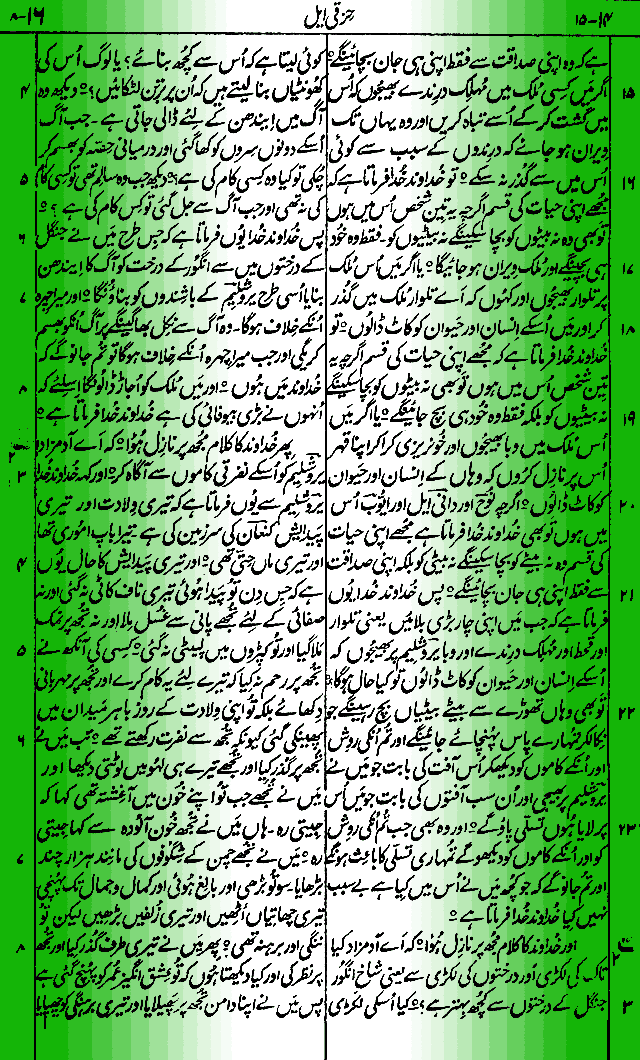
Verse-by-Verse Commentary and Explanation
Ezekiel 14:15
Verse: If I cause noisome beasts to pass through the land and they spoil it so that it be desolate that no man may pass through because of the beasts
Detailed Explanation (English)
This verse outlines the second of God’s severe judgments (the first being famine mentioned previously in the chapter). “Noisome beasts” refers to wild, destructive, or venomous animals. When a population turns completely away from God, divine protection is withdrawn, allowing nature itself to reclaim human settlements. The presence of these predators makes the land so dangerous that commerce, travel, and normal human life completely cease, turning a bustling society into a terrifying wasteland.
تفصیل (Urdu)
اس آیت میں خدا کے سخت ترین فیصلوں میں سے دوسرے فیصلے کا ذکر ہے (پہلا قحط تھا)۔ “موذی جانوروں” سے مراد جنگلی، پھاڑ کھانے والے یا زہریلے جانور ہیں۔ جب کوئی قوم خدا سے مکمل طور پر منہ موڑ لیتی ہے، تو الٰہی تحفظ اٹھا لیا جاتا ہے، جس سے فطرت خود انسانی بستیوں پر غالب آ جاتی ہے۔ ان درندوں کی موجودگی زمین کو اس قدر خطرناک بنا دیتی ہے کہ تجارت، سفر اور عام انسانی زندگی بالکل ختم ہو جاتی ہے، اور ایک بستی خوفناک ویرانے میں بدل جاتی ہے۔
Ezekiel 14:16
Verse: Though these three men were in it as I live saith the Lord GOD they shall deliver neither sons nor daughters they only shall be delivered but the land shall be desolate
Detailed Explanation (English)
God emphasizes the absolute individuality of righteousness and accountability. The “three men” refers to Noah, Daniel, and Job (explicitly named in verse 20), who were renowned for their exceptional righteousness and intercessory power. God declares with a solemn oath (“as I live”) that even if these spiritual giants lived in the land, their righteousness would not act as a collective umbrella to shield their own children from judgment. Salvation and judgment are personal; the corporate community cannot hide behind the holiness of a few.
تفصیل (Urdu)
خدا یہاں راستبازی اور جوابدہی کے انفرادی ہونے پر زور دیتا ہے۔ “تین مردوں” سے مراد نوح، دانی ایل اور ایوب ہیں (جن کا نام آیت 20 میں واضح طور پر لیا گیا ہے)، جو اپنی غیر معمولی راستبازی اور شفاعت کی طاقت کے لیے مشہور تھے۔ خدا ایک پختہ قسم کے ساتھ فرماتا ہے کہ اگر یہ روحانی ستون بھی اس سرزمین پر موجود ہوں، تب بھی ان کی راستبازی ان کے اپنے بیٹوں یا بیٹیوں کو عذاب سے نہیں بچا سکے گی۔ نجات اور عدالت ذاتی معاملہ ہے؛ معاشرہ چند لوگوں کے تقدس کے پیچھے نہیں چھپ سکتا۔
Ezekiel 14:17
Verse: Or if I bring a sword upon that land and say Sword go through the land so that I cut off man and beast from it
Detailed Explanation (English)
The third judgment introduced is “the sword,” which represents war, foreign invasion, and military devastation. God speaks to the instrument of war as if it were a conscious servant executing His commands (“Sword, go through the land”). This highlights God’s sovereignty over geopolitics; hostile nations are used as instruments of correction. The resulting warfare is total, destroying not just human lives but also decimating the livestock and economy (“beast”).
تفصیل (Urdu)
تیسرا فیصلہ “تلوار” ہے، جو جنگ، بیرونی حملے اور فوجی تباہی کی علامت ہے۔ خدا جنگ کے ہتھیار سے اس طرح مخاطب ہے جیسے وہ اس کا کوئی فرمانبردار خادم ہو جو اس کے حکم کی تعمیل کر رہا ہو (“اے تلوار، ملک میں سے گزر جا”)۔ یہ جیو پولیٹکس پر خدا کی حاکمیت کو ظاہر کرتا ہے؛ مخالف قوموں کو اصلاح کے آلے کے طور پر استعمال کیا جاتا ہے۔ اس کے نتیجے میں ہونے والی جنگ ہمہ گیر ہوتی ہے، جو نہ صرف انسانی جانوں کو ختم کرتی ہے بلکہ مویشیوں اور معیشت کو بھی تباہ کر دیتی ہے۔
Ezekiel 14:18
Verse: Though these three men were in it as I live saith the Lord GOD they shall deliver neither sons nor daughters but they only shall be delivered themselves
Detailed Explanation (English)
God repeats the exact formula of spiritual accountability regarding the judgment of war. The repetition serves to underscore the absolute certainty and unchangeable nature of this divine law. When a nation reaches a tipping point of systemic corruption and idolatry, the prayers of godly leaders cannot avert the physical consequences for the unrepentant populace. Only the righteous themselves escape spiritual and eternal ruin.
تفصیل (Urdu)
خدا جنگ کی عدالت کے سلسلے میں روحانی جوابدہی کے اسی اصول کو دوبارہ دہراتا ہے۔ یہ تکرار اس الٰہی قانون کی قطعی حتمی اور ناقابل تبدیلی نوعیت پر زور دینے کے لیے ہے۔ جب کوئی قوم نظامی کرپشن اور بت پرستی کے انتہا کو پہنچ جاتی ہے، تو خدا پرست رہنماؤں کی دعائیں بھی توبہ نہ کرنے والے لوگوں کو جسمانی عذاب سے نہیں بچا سکتیں۔ صرف راستباز ہی خود کو روحانی اور ابدی تباہی سے بچا پاتے ہیں۔
Ezekiel 14:19
Verse: Or if I send a pestilence into that land and pour out my fury upon it in blood to cut off from it man and beast
Detailed Explanation (English)
The fourth judgment is “pestilence,” meaning deadly disease, plagues, and epidemics. The phrase “pour out my fury upon it in blood” uses vivid imagery to convey widespread mortality, where death is visible everywhere. Disease operates silently but lethally, sweeping through densely populated areas and affecting both human populations and the animal world, completely breaking down the infrastructure of the nation.
تفصیل (Urdu)
چوتھا عذاب “مری” (وبائی بیماری) ہے، جس سے مراد مہلک بیماریاں اور وبائیں ہیں۔ “اپنا قہر خون کی صورت میں اس پر انڈیل دوں” کا فقرہ بڑے پیمانے پر ہونے والی اموات کو ظاہر کرتا ہے، جہاں ہر طرف موت کا منظر ہوتا ہے۔ وبائی بیماری خاموشی سے لیکن مہلک انداز میں کام کرتی ہے، گنجان آباد علاقوں کو اپنی لپیٹ میں لیتی ہے اور انسانوں اور جانوروں دونوں کو متاثر کرتی ہے، جس سے ملک کا پورا نظام تباہ ہو جاتا ہے۔
Ezekiel 14:20
Verse: Though Noah Daniel and Job were in it as I live saith the Lord GOD they shall deliver neither son nor daughter they shall but deliver their own souls by their righteousness
Detailed Explanation (English)
For the third time, God reinforces the principle using the names of Noah, Daniel, and Job explicitly. Noah survived the flood; Daniel was saved from the lions; Job was restored after immense suffering. All three stood alone in environments of extreme testing or wickedness. God explains that their spiritual credit cannot be transferred to their children. In times of national judgment, salvation is not a family inheritance or an ethnic birthright; it requires personal righteousness.
تفصیل (Urdu)
تیسری مرتبہ، خدا نوح، دانی ایل اور ایوب کے ناموں کا واضح استعمال کرتے ہوئے اس اصول پر زور دیتا ہے۔ نوح طوفان سے بچے؛ دانی ایل شیروں کی مانند بچائے گئے؛ ایوب کو شدید آزمائش کے بعد بحال کیا گیا۔ یہ تینوں انتہائی آزمائش یا برائی کے ماحول میں اکیلے کھڑے رہے۔ خدا واضح کرتا ہے کہ ان کا روحانی ثواب ان کے بچوں کو منتقل نہیں ہو سکتا۔ قومی عدالت کے وقت، نجات خاندانی وراثت یا نسلی حق نہیں ہے؛ اس کے لیے ذاتی راستبازی کی ضرورت ہوتی ہے۔
Ezekiel 14:21
Verse: For thus saith the Lord GOD How much more when I send my four sore judgments upon Jerusalem the sword and the famine and the noisome beast and the pestilence to cut off from it man and beast
Detailed Explanation (English)
God synthesizes the entire warning by bringing it home to Jerusalem. If any single one of these judgments (sword, famine, wild beasts, pestilence) could completely desolate a nation despite the presence of saints, how much more catastrophic will it be when all four “sore judgments” converge on Jerusalem simultaneously? This reveals that Jerusalem’s rebellion was so deep that it required an unprecedented compounding of divine disciplines to purge her of evil.
تفصیل (Urdu)
خدا اس تمام انتباہ کو یروشلم پر لاگو کرتے ہوئے یکجا کرتا ہے۔ اگر ان عذابوں میں سے کوئی ایک بھی (تلوار، قحط، موذی جانور، مری) مقدس لوگوں کی موجودگی کے باوجود کسی قوم کو تباہ کر سکتا ہے، تو یہ کتنا ہولناک ہوگا جب یہ چاروں “سخت عذاب” بیک وقت یروشلم پر نازل ہوں گے؟ یہ ظاہر کرتا ہے کہ یروشلم کی سرکشی اس قدر گہری تھی کہ اسے برائی سے پاک کرنے کے لیے الٰہی فیصلوں کے ایک بے مثال گٹھ جوڑ کی ضرورت تھی۔
Ezekiel 14:22
Verse: Yet behold therein shall be left a remnant that shall be brought forth both sons and daughters behold they shall come forth unto you and ye shall see their way and their doings and ye shall be comforted concerning the evil that I have brought upon Jerusalem even concerning all that I have brought upon it
Detailed Explanation (English)
Despite the total nature of the four judgments, God promises that a “remnant” (a small surviving group) will escape and be brought into exile in Babylon. However, this comfort is unique. When the existing exiles see the behavior and corrupt “doings” of these new arrivals, they will understand exactly why God had to destroy Jerusalem. They will be “comforted” not by a joyful reunion, but by the intellectual and spiritual realization that God’s harsh judgments were entirely justified.
تفصیل (Urdu)
ان چاروں عذابوں کی ہولناکی کے باوجود، خدا وعدہ کرتا ہے کہ ایک “بقیہ” (بچ جانے والا چھوٹا گروہ) بچ نکلے گا اور بابل میں جلاوطنی میں لایا جائے گا۔ تاہم، یہ تسلی منفرد ہے۔ جب پہلے سے موجود جلاوطن ان نئے آنے والوں کے رویے اور بدعنوانی کو دیکھیں گے، تو وہ بالکل سمجھ جائیں گے کہ خدا کو یروشلم کو کیوں تباہ کرنا پڑا۔ انہیں خوشی کی وجہ سے نہیں، بلکہ اس ذہنی اور روحانی احساس سے “تسلی” ملے گی کہ خدا کی سخت عدالتیں بالکل برحق تھیں۔
Ezekiel 14:23
Verse: And they shall comfort you when ye see their ways and their doings and ye shall know that I have not done without cause all that I have done in it saith the Lord GOD
Detailed Explanation (English)
This verse concludes Chapter 14 by establishing God’s perfect justice. God does not act out of arbitrary anger, cruelty, or caprice. The wicked ways of the survivors will serve as living proof that the holy city had become completely degenerate. This vindicates God’s character before the watching world and His people, ensuring they know there was a direct, necessary cause for every bit of ruin brought upon Jerusalem.
تفصیل (Urdu)
یہ آیت خدا کے کامل انصاف کو قائم کرتے ہوئے باب 14 کا اختتام کرتی ہے۔ خدا بلاوجہ غصے، ظلم یا اپنی مرضی سے کام نہیں کرتا۔ بچ جانے والوں کے برے طریقے اس بات کا زندہ ثبوت ہوں گے کہ مقدس شہر مکمل طور پر اخلاقی گراوٹ کا شکار ہو چکا تھا۔ یہ دیکھنے والی دنیا اور خدا کے لوگوں کے سامنے اس کے کردار کو سچا ثابت کرتا ہے، اور یہ یقین دلا تا ہے کہ یروشلم پر آنے والی ہر تباہی کی ایک ٹھوس اور ناگزیر وجہ تھی۔
Ezekiel 15:1
Verse: And the word of the LORD came unto me saying
Detailed Explanation (English)
This is a standard prophetic introductory formula used throughout Ezekiel. It indicates a fresh, direct revelation from Yahweh to the prophet. It establishes that what follows is not Ezekiel’s personal philosophy or political commentary, but the authoritative, inspired word of God directed toward the house of Israel.
تفصیل (Urdu)
یہ ایک معیاری نبوتی تعارفی فقرہ ہے جو حزقی ایل کی پوری کتاب میں استعمال ہوا ہے۔ یہ خداوند کی طرف سے نبی کو ملنے والے ایک نئے اور براہ راست الہام کی نشان دہی کرتا ہے۔ یہ بات واضح کرتی ہے کہ آگے جو کچھ آ رہا ہے وہ حزقی ایل کا ذاتی فلسفہ یا سیاسی تبصرہ نہیں ہے، بلکہ بنی اسرائیل کے لیے خدا کا بااختیار اور الہامی کلام ہے۔
Ezekiel 15:2
Verse: Son of man What is the vine tree more than any tree or than a branch which is among the trees of the forest
Detailed Explanation (English)
God uses a parable contrasting a vine tree with forest trees. Israel historically prided itself on being God’s choice vine. However, God asks a sobering rhetorical question: physically, what makes a vine wood better than the wood of sturdy forest trees? The answer is nothing. A vine is weak, twisted, and cannot compete with oak or cedar in terms of size, strength, or architectural utility. Its only value lies in its ability to produce fruit.
تفصیل (Urdu)
خدا ایک تمثیل کا استعمال کرتا ہے جس میں انگور کی بیل کا موازنہ جنگل کے درختوں سے کیا گیا ہے۔ اسرائیل تاریخی طور پر خدا کی چنی ہوئی بیل ہونے پر فخر کرتا تھا۔ تاہم، خدا ایک چونکا دینے والا سوال پوچھتا ہے: جسمانی طور پر، انگور کی لکڑی جنگل کے مضبوط درختوں کی لکڑی سے کیسے بہتر ہے؟ جواب ہے کہ بالکل بہتر نہیں ہے۔ انگور کی لکڑی کمزور، ٹیڑھی ہوتی ہے اور سائز، طاقت یا تعمیراتی افادیت میں شاہ بلوط یا دیودار کا مقابلہ نہیں کر سکتی۔ اس کی واحد قیمت اس کے پھل پیدا کرنے کی صلاحیت میں ہے۔
Ezekiel 15:3
Verse: Shall wood be taken thereof to do any work or will men take a pin of it to hang any vessel thereon
Detailed Explanation (English)
God highlights the practical uselessness of vine wood. You cannot use it as timber to build structures, manufacture furniture, or craft tools. It is so fragile and crooked that you cannot even make a reliable wooden peg or pin from it to drive into a wall to hang a pot. If a vine fails to produce fruit, it serves absolutely no alternative purpose in daily human labor.
تفصیل (Urdu)
خدا انگور کی لکڑی کی عملی بے وفاداری اور بے فائدگی کو اجاگر کرتا ہے۔ آپ اسے عمارتیں بنانے، فرنیچر تیار کرنے یا اوزار بنانے کے لیے استعمال نہیں کر سکتے۔ یہ اتنی کمزور اور ٹیڑھی ہوتی ہے کہ آپ دیوار میں ٹھونکنے اور برتن لٹکانے کے لیے اس سے ایک قابل بھروسہ کھونٹی بھی نہیں بنا سکتے۔ اگر انگور کی بیل پھل پیدا کرنے میں ناکام ہو جائے، تو یہ روزمرہ کے انسانی کاموں میں کسی دوسرے مقصد کے لیے بالکل بیکار ہے۔
Ezekiel 15:4
Verse: Behold it is cast into the fire for fuel the fire devoureth both the ends of it and the midst of it is burned Is it meet for any work
Detailed Explanation (English)
Because the vine wood cannot be used for craftsmanship, its only destination is the fire. God describes a piece of vine wood that has already been thrown into the fire: both of its ends are charred and consumed, and its middle section is deeply scorched. God asks, if it was useless when it was whole, is it fit for any work now that it is half-burned? This is a metaphor for Israel, which had already been damaged by consecutive invasions (the ends burned) and was now under final siege.
تفصیل (Urdu)
چونکہ انگور کی لکڑی کاریگری کے کام نہیں آ سکتی، اس کا واحد ٹھکانہ آگ ہے۔ خدا انگور کی لکڑی کے ایک ایسے ٹکڑے کا ذکر کرتا ہے جسے آگ میں ڈال دیا گیا ہو: اس کے دونوں سرے جل چکے ہیں اور اس کا درمیانی حصہ بھی بری طرح جھلس گیا ہے۔ خدا پوچھتا ہے کہ جب یہ پوری لکڑی تھی تب کسی کام کی نہ تھی، تو اب جب یہ آدھی جل چکی ہے، کیا یہ کسی کام کے لائق ہے؟ یہ اسرائیل کے لیے ایک استعارہ ہے، جو لگاتار حملوں کی وجہ سے پہلے ہی نقصان اٹھا چکا تھا (سرے جل چکے تھے) اور اب آخری محاصرے میں تھا۔
Ezekiel 15:5
Verse: Behold when it was whole it was meet for no work how much less shall it be meet yet for any work when the fire hath devoured it and it is burned
Detailed Explanation (English)
This verse reinforces the absolute logic of the parable. If the vine wood was fundamentally useless for manufacturing even when it was intact, it is completely absurd to think it has any value after being charred by fire. Spiritual fruitfulness was Israel’s sole purpose. Without it, and now heavily damaged by judgment, they have no intrinsic geopolitical or structural strength left to save themselves.
تفصیل (Urdu)
یہ آیت تمثیل کی منطق کو مزید تقویت دیتی ہے۔ اگر انگور کی لکڑی اپنے اصل روپ میں بھی کسی چیز کو بنانے کے لیے بنیادی طور پر بیکار تھی، تو یہ سوچنا بالکل فضول ہے کہ آگ میں جھلسنے کے بعد اس کی کوئی قیمت ہوگی۔ روحانی طور پر پھلدار ہونا ہی اسرائیل کا واحد مقصد تھا۔ اس کے بغیر، اور اب عدالت کے ہاتھوں شدید متاثر ہونے کے بعد، ان کے پاس خود کو بچانے کے لیے کوئی سیاسی یا اندرونی طاقت باقی نہیں بچی۔
Ezekiel 15:6
Verse: Therefore thus saith the Lord GOD As the vine tree among the trees of the forest which I have given to the fire for fuel so will I give the inhabitants of Jerusalem
Detailed Explanation (English)
God applies the parable directly to the contemporary situation. The vine tree represents the citizens of Jerusalem. Just as a gardener flings a barren, wild vine into the furnace because it is useless, God declares that He has designated the inhabitants of Jerusalem as fuel for the fire of His divine judgment. Their unique status as God’s people offers no immunity if they abandon their purpose of holiness.
تفصیل (Urdu)
خدا اس تمثیل کو براہ راست موجودہ صورتحال پر لاگو کرتا ہے۔ انگور کی بیل سے مراد یروشلم کے باشندے ہیں۔ جس طرح ایک باغبان بے پھل اور جنگلی بیل کو بھٹی میں پھینک دیتا ہے کیونکہ وہ بے کار ہوتی ہے، اسی طرح خدا اعلان کرتا ہے کہ اس نے یروشلم کے باشندوں کو اپنی الٰہی عدالت کی آگ کے لیے ایندھن مقرر کر دیا ہے۔ خدا کے لوگوں کا منفرد درجہ انہیں عذاب سے نہیں بچا سکتا اگر وہ پاکیزگی کے اپنے اصل مقصد کو چھوڑ دیں۔
Ezekiel 15:7
Verse: And I will set my face against them they shall go out from one fire and another fire shall devour them and ye shall know that I am the LORD when I set my face against them
Detailed Explanation (English)
God promises an inescapable sequence of judgments. Even if some citizens manage to escape one crisis or wave of destruction (escaping “one fire”), another catastrophe will catch up to them and destroy them (“another fire shall devour them”). There is no hiding when God sets His face against a people in judgment. The ultimate goal of this severe discipline is recognition of His absolute sovereignty: “ye shall know that I am the LORD.”
تفصیل (Urdu)
خدا ایسے عذابوں کا وعدہ کرتا ہے جن سے بچنا ممکن نہیں۔ اگر کچھ لوگ ایک بحران یا تباہی کی لہر سے بچنے میں کامیاب ہو بھی جائیں (“ایک آگ سے نکلیں”)، تو دوسری آفت ان کا پیچھا کر کے انہیں تباہ کر دے گی (“دوسری آگ انہیں کھا جائے گی”)۔ جب خدا عدالت میں کسی قوم کے خلاف اپنا رخ کر لیتا ہے، تو کوئی چھپنے کی جگہ نہیں ہوتی۔ اس سخت تادیب کا حتمی مقصد اس کی مطلق حاکمیت کا اعتراف ہے: “تم جانو گے کہ میں خداوند ہوں”۔
Ezekiel 15:8
Verse: And I will make the land desolate because they have committed a trespass saith the Lord GOD
Detailed Explanation (English)
Chapter 15 concludes with the reason for this severe sentence. The complete desolation of the land of Judah is not an accident of history or due to the mere military supremacy of Babylon. It is the direct spiritual consequence of their “trespass”—meaning deliberate, continuous, and treacherous unfaithfulness to their covenant vows with God.
تفصیل (Urdu)
باب 15 اس سخت سزا کی وجہ کے ساتھ ختم ہوتا ہے۔ یہوداہ کی سرزمین کی مکمل ویرانی تاریخ کا کوئی حادثہ یا صرف بابل کی فوجی برتری کی وجہ سے نہیں ہے۔ یہ ان کی “خطا کاری” کا براہ راست روحانی نتیجہ ہے—جس سے مراد خدا کے ساتھ اپنے عہد کے وعدوں سے جان بوجھ کر، مسلسل اور غداری پر مبنی بے وفائی ہے۔
Ezekiel 16:1
Verse: Again the word of the LORD came unto me saying
Detailed Explanation (English)
This phrase marks the beginning of one of the most dramatic, lengthy, and vivid allegories in the entire Old Testament. God speaks to Ezekiel once more, initiating a historical review of Jerusalem portrayed under the metaphor of an adopted orphan who becomes an unfaithful wife.
تفصیل (Urdu)
یہ فقرہ پورے پرانے عہد نامے کی سب سے ڈرامائی، طویل اور واضح ترین تمثیلوں میں سے ایک کا آغاز کرتا ہے۔ خدا حزقی ایل سے ایک بار پھر کلام کرتا ہے، جس میں یروشلم کی تاریخ کا جائزہ ایک ایسی یتیم بچی کے استعارے کے تحت لیا گیا ہے جسے گود لیا جاتا ہے اور وہ بعد میں ایک بے وفا بیوی بن جاتی ہے۔
Ezekiel 16:2
Verse: Son of man cause Jerusalem to know her abominations
Detailed Explanation (English)
Ezekiel’s prophetic assignment here is to act as a prosecutor. He is commanded to hold up a mirror to the city of Jerusalem so she can clearly see and recognize her own “abominations”—her deep moral corruption, idolatry, and spiritual unfaithfulness. True repentance cannot occur until the community confronts the full, ugly reality of its sins.
تفصیل (Urdu)
یہاں حزقی ایل کی نبوتی ذمہ داری ایک استغاثہ (وکیلِ صفائی کے برعکس) کا کردار ادا کرنا ہے۔ اسے حکم دیا گیا ہے کہ وہ یروشلم کے شہر کے سامنے ایک آئینہ رکھے تاکہ وہ اپنے “مکروہ کاموں”—اپنی گہری اخلاقی گراوٹ، بت پرستی اور روحانی بے وفائی کو واضح طور پر دیکھ اور پہچان سکے۔ حقیقی توبہ اس وقت تک نہیں ہو سکتی جب تک کہ معاشرہ اپنے گناہوں کی بدصورت حقیقت کا کھل کر سامنا نہ کرے۔
Ezekiel 16:3
Verse: And say Thus saith the Lord GOD unto Jerusalem Thy birth and thy nativity is of the land of Canaan thy father was an Amorite and thy mother an Hittite
Detailed Explanation (English)
God attacks Jerusalem’s spiritual and national pride by reminding them of their origins. Geographically and historically, before King David captured it, Jerusalem was a pagan Jebusite stronghold in the land of Canaan. By calling her father an Amorite and her mother a Hittite, God is stating that by nature and behavior, Jerusalem acted just like the wicked, pagan nations that originally occupied the land, rather than acting like a holy nation dedicated to Yahweh.
تفصیل (Urdu)
خدا یروشلم کے روحانی اور قومی فخر پر ضرب لگاتے ہوئے انہیں ان کے آغاز کی یاد دلاتا ہے۔ جغرافیائی اور تاریخی طور پر، بادشاہ داؤد کے قبضے سے پہلے، یروشلم کنعان کی سرزمین میں ایک بت پرست یبوسی گڑھ تھا۔ اس کے باپ کو اموری اور ماں کو حتی کہہ کر، خدا یہ فرما رہا ہے کہ اپنی فطرت اور رویے میں یروشلم نے بالکل ان بدکار، بت پرست قوموں کی طرح کام کیا جو اصل میں اس سرزمین پر آباد تھیں، بجائے اس کے کہ وہ خداوند کے لیے وقف ایک مقدس قوم کی طرح کام کرتی۔
Ezekiel 16:4
Verse: And as for thy nativity in the day thou wast born thy navel was not cut neither wast thou washed in water to supple thee thou wast not salted at all nor swaddled at all
Detailed Explanation (English)
God uses the graphic imagery of an unwanted, abandoned newborn baby to illustrate Israel’s early history in Egypt. In the ancient Near East, a newborn required immediate medical attention: cutting the umbilical cord, washing away blood, rubbing with salt (for hygiene/skin firming), and wrapping in swaddling cloths for security. Israel at its birth was completely neglected, helpless, un-cared for, and left to die in slavery.
تفصیل (Urdu)
خدا مصر میں اسرائیل کی ابتدائی تاریخ کو واضح کرنے کے لیے ایک ناپسندیدہ، لاوارث پیدا ہونے والے بچے کی تصویر کشی کرتا ہے۔ قدیم مشرقِ قریب میں، ایک نوائیدہ بچے کو فوری توجہ کی ضرورت ہوتی تھی: ناف کاٹنا، خون دھونا، نمک ملنا (صفائی اور جلد کی مضبوطی کے لیے) اور حفاظت کے لیے کپڑے میں لپیٹنا۔ اسرائیل اپنی پیدائش کے وقت مکمل طور پر نظر انداز، بے بس، بے سہارا اور غلامی میں مرنے کے لیے چھوڑ دیا گیا تھا۔
Ezekiel 16:5
Verse: None eye pitied thee to do any of these unto thee to have compassion upon thee but thou wast cast out in the open field to the lothing of thy person in the day that thou wast born
Detailed Explanation (English)
This verse emphasizes the absolute lack of human compassion for infant Israel. No nation wanted them; they were cast out like an unwanted child exposed in an open field to die from exposure or predators. They were regarded with loathing and disgust. This describes Israel’s absolute vulnerability and low status during their period of bondage, possessing no intrinsic value or beauty that would make anyone save them.
تفصیل (Urdu)
یہ آیت ننھے اسرائیل کے لیے انسانی ہمدردی کے مکمل فقدان پر زور دیتی ہے۔ کوئی قوم انہیں نہیں چاہتی تھی؛ انہیں ایک ناپسندیدہ بچے کی طرح کھلے میدان میں پھینک دیا گیا تھا تاکہ وہ موسم کی سختی یا درندوں کا شکار ہو کر مر جائے۔ ان سے نفرت اور کراہیت کی جاتی تھی۔ یہ غلامی کے دور میں اسرائیل کی مکمل بے بسی اور کمتری کو ظاہر کرتا ہے، جہاں ان کی کوئی ایسی ذاتی قیمت یا خوبصورتی نہیں تھی جو کسی کو انہیں بچانے پر مائل کرتی۔
Ezekiel 16:6
Verse: And when I passed by thee and saw thee polluted in thine own blood I said unto thee when thou wast in thy blood Live yea I said unto thee when thou wast in thy blood Live
Detailed Explanation (English)
This is a beautiful turning point of sovereign grace. When Israel was kicking helplessly in its own birth-blood, awaiting certain death, God passed by. He did not look away in disgust. Instead, He commanded life into the dying nation: “Live!” The repetition of the command underscores the power of God’s word to create life out of death and give identity to a community that had no future.
تفصیل (Urdu)
یہ خدا کے فضل کا ایک خوبصورت اور اہم موڑ ہے۔ جب اسرائیل اپنے ہی خون میں بے بسی سے ہاتھ پاؤں مار رہا تھا اور یقینی موت کا منتظر تھا، تو خدا وہاں سے گزرا۔ اس نے نفرت سے منہ نہیں موڑا۔ اس کے برعکس، اس نے مرتی ہوئی قوم کو زندگی کا حکم دیا: “جیتی رہ!” اس حکم کی تکرار موت سے زندگی پیدا کرنے اور ایک ایسی قوم کو پہچان دینے کے لیے خدا کے کلام کی طاقت پر زور دیتی ہے جس کا کوئی مستقبل نہیں تھا۔
Ezekiel 16:7
Verse: I have caused thee to multiply as the bud of the field and thou hast increased and waxen great and thou art come to excellent ornaments thy breasts are fashioned and thine hair is grown whereas thou wast naked and bare
Detailed Explanation (English)
God describes the growth and development of the nation from a fragile infant into a mature, beautiful young woman. This represents the period of the Exodus, the wilderness journey, and their settlement in Canaan where they multiplied numerically and flourished culturally. Despite growing into physical maturity and reaching the stage of “excellent ornaments,” the nation spiritually remained vulnerable and “naked,” still entirely dependent on God for her identity, covering, and survival.
تفصیل (Urdu)
خدا اس قوم کی نشوونما کو ایک نازک بچے سے ایک بالغ، خوبصورت جوان عورت میں تبدیل ہونے کے طور پر بیان کرتا ہے۔ یہ خروج (مصر سے نکلنے)، بیابان کے سفر اور کنعان میں ان کی آباد کاری کے دور کو ظاہر کرتا ہے جہاں ان کی تعداد میں اضافہ ہوا اور وہ ثقافتی طور پر پروان چڑھے۔ جسمانی بلوغت کو پہنچنے اور “عمدہ زیورات” کے مرحلے تک پہنچنے کے باوجود، یہ قوم روحانی طور پر کمزور اور “ننگی” تھی، جو اپنی پہچان، پردے اور بقا کے لیے اب بھی مکمل طور پر خدا پر منحصر تھی۔
Ezekiel 16:8
Verse: Now when I passed by thee and looked upon thee behold thy time was the time of love and I spread my skirt over thee and covered thy nakedness yea I sware unto thee and entered into a covenant with thee saith the Lord GOD and thou becamest mine
Detailed Explanation (English)
This verse describes the formalization of the relationship at Mount Sinai. When Israel reached maturity, God entered into a marriage-like relationship with her. Spreading a skirt over someone was a cultural legal gesture of claiming someone for marriage and protection (as seen in the story of Ruth). God made a solemn oath and established a formal “covenant.” Through this act of pure grace and commitment, Israel was elevated from an abandoned orphan to the highly honored, legal bride of the Lord God.
تفصیل (Urdu)
یہ آیت کوہِ سینا پر تعلقات کے باقاعدہ آغاز کو بیان کرتی ہے۔ جب اسرائیل بلوغت کو پہنچا، تو خدا نے اس کے ساتھ شادی جیسا رشتہ قائم کیا۔ کسی پر اپنا دامن پھیلانا شادی اور تحفظ کا دعویٰ کرنے کا ایک ثقافتی اور قانونی طریقہ تھا (جیسا کہ روت کی کہانی میں دیکھا گیا ہے)۔ خدا نے ایک پختہ قسم کھائی اور ایک باقاعدہ “عہد” قائم کیا۔ خالص فضل اور وابستگی کے اس عمل کے ذریعے، اسرائیل کو ایک لاوارث یتیم سے اٹھا کر خداوند خدا کی انتہائی معزز، قانونی دلہن بنا دیا گیا۔