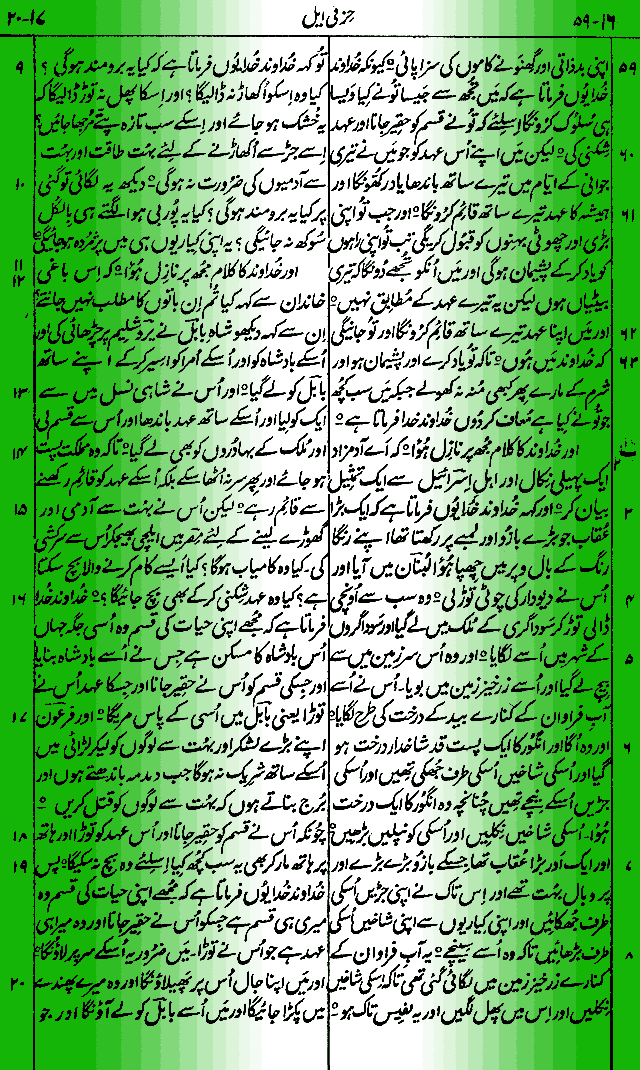
Chapter 16 (Verses 59–63)
Ezekiel 16:59
Verse: For thus saith the Lord GOD I will even deal with thee as thou hast done which hast despised the oath in breaking the covenant
English Explanation
God addresses the southern kingdom of Judah, declaring that their immediate consequence is a reflection of their own choices. They deliberately broke the holy covenant made at Mount Sinai. God is acting strictly in accordance with justice; since Judah treated His sacred promise with contempt, He will treat them according to their unfaithfulness.
Urdu Explanation
اردو وضاحت: خداوند خدا فرماتا ہے کہ وہ یہوداہ کے ساتھ ویسا ہی سلوک کرے گا جیسا انہوں نے خود کیا ہے۔ انہوں نے خدا کے ساتھ کیے گئے مقدس عہد کو معمولی جانا اور اسے توڑ دیا۔ یہ آیت خدا کے انصاف کو ظاہر کرتی ہے کہ جب انسان خدا کے احکام اور وعدوں کی توہین کرتا ہے، تو وہ اپنے ہی اعمال کا پھل پاتا ہے۔
Ezekiel 16:60
Verse: Nevertheless I will remember my covenant with thee in the days of thy youth and I will establish unto thee an everlasting covenant
English Explanation
Despite human failure, God’s ultimate mercy shines through. He promises to look back at the original covenant made during Israel’s “youth” (the Exodus era). Instead of abandoning them forever, He promises to institute a new, permanent, and “everlasting covenant”—which Christians identify as the New Covenant fulfilled through Jesus Christ.
Urdu Explanation
اردو وضاحت: انسانی بے وفائی کے باوجود خدا کا رحم غالب آتا ہے۔ خدا فرماتا ہے کہ وہ اسرائیل کی جوانی کے دنوں کے عہد کو یاد رکھے گا (جب انہیں مصر سے نکالا تھا)۔ وہ انہیں ہمیشہ کے لیے ترک نہیں کرے گا بلکہ ان کے ساتھ ایک نیا اور “ابدّی عہد” قائم کرے گا، جو کبھی ختم نہیں ہوگا (جس کا کمال یسوع مسیح کے نئے عہد میں ملتا ہے)۔
Ezekiel 16:61
Verse: Then thou shalt remember thy ways and be ashamed when thou shalt receive thy sisters thine elder and thy younger and I will give them unto thee for daughters but not by thy covenant
English Explanation
When God restores Judah, they will look back at their past sins and feel true, repentant shame. God will bring other nations (referred to figuratively as elder and younger sisters, like Samaria and Sodom) into fellowship with them. They will not be joined by Judah’s old performance-based covenant, but purely by God’s sovereign grace, expanding His spiritual family.
Urdu Explanation
اردو وضاحت: جب خدا یہوداہ کو بحال کرے گا، تو وہ اپنے پرانے گناہوں کو یاد کر کے شرمندہ ہوں گے۔ خدا دیگر قوموں کو (جنہیں بڑی اور چھوٹی بہنیں کہا گیا ہے) ان کے ساتھ شامل کر دے گا۔ یہ ملاپ یہوداہ کے پرانے عہدوپیمان کی وجہ سے نہیں، بلکہ خدا کے محض فضل اور رحم کی وجہ سے ہوگا، جس سے خدا کا روحانی خاندان وسیع ہو جائے گا۔
Ezekiel 16:62
Verse: And I will establish my covenant with thee and thou shalt know that I am the LORD
English Explanation
God reiterates the absolute certainty of His restoration plan. The renewal of the covenant is entirely His work, not human effort. When this unmerited restoration occurs, Israel will truly understand and acknowledge the absolute sovereignty, love, and character of Yahweh.
Urdu Explanation
اردو وضاحت: خدا اپنے عہد کو دوبارہ قائم کرنے کے پختہ ارادے کو دہراتا ہے۔ یہ بحالی کسی انسانی کوشش کا نتیجہ نہیں بلکہ خالصتاً خدا کا کام ہوگی۔ جب یہ غیر مشروط فضل نازل ہوگا، تب اسرائیل حقیقی طور پر جان جائے گا کہ وہی قادرِ مطلق خداوند، سچا اور وفادار خدا ہے۔
Ezekiel 16:63
Verse: That thou mayest remember and be confounded and never open thy mouth any more because of thy shame when I am pacified toward thee for all that thou hast done saith the Lord GOD
English Explanation
The ultimate result of God’s forgiveness is profound humility. When God fully atones for and pardons Judah’s sins, they will be left speechless—not out of terror, but out of overwhelming gratitude and awe. True repentance recognizes that God’s grace is far greater than human failure.
Urdu Explanation
اردو وضاحت: خدا کی معافی کا آخری نتیجہ گہری عاجزی کی صورت میں نکلتا ہے۔ جب خدا یہوداہ کے تمام گناہوں کا کفارہ دے کر انہیں معاف کر دے گا، تو وہ خوف سے نہیں بلکہ خدا کے بے پناہ فضل اور محبت کے سامنے لاجواب اور خاموش ہو جائیں گے۔ سچی توبہ انسان کو غرور سے خالی کر کے خدا کی شکرگزاری سے بھر دیتی ہے۔
Chapter 17 (Verses 1–20)
Ezekiel 17:1
Verse: And the word of the LORD came unto me saying
English Explanation
This verse marks a fresh prophetic reception. Ezekiel acts as a direct messenger, ensuring the listeners that the complex imagery to follow is not a product of his own imagination, but a direct revelation from God.
Urdu Explanation
اردو وضاحت: یہ آیت ایک نئے نبوتی کلام کے آغاز کو ظاہر کرتی ہے۔ حزقی ایل نبی واضح کرتے ہیں کہ جو تمثیل وہ پیش کرنے والے ہیں، وہ ان کے اپنے ذہن کی ایجاد نہیں بلکہ براہِ راست خداوند کا کلام ہے۔
Ezekiel 17:2
Verse: Son of man put forth a riddle and speak a parable unto the house of Israel
English Explanation
God commands Ezekiel to use a riddle and a parable. This literary method was intended to capture the attention of the rebellious Israelites, challenging their minds to decode the political and spiritual reality behind the allegory.
Urdu Explanation
اردو وضاحت: خدا حزقی ایل کو حکم دیتا ہے کہ وہ اسرائیل کے خاندان کے سامنے ایک پہیلی اور تمثیل پیش کرے۔ اس طریقے کا مقصد بنی اسرائیل کی توجہ حاصل کرنا اور انہیں اس علامتی کہانی کے پیچھے چھپی سیاسی اور روحانی حقیقت پر غور کرنے پر مجبور کرنا تھا۔
Ezekiel 17:3
Verse: And say Thus saith the Lord GOD A great eagle with great wings longwinged full of feathers which had divers colours came unto Lebanon and took the highest branch of the cedar
English Explanation
The riddle begins: A massive, colorful, and powerful eagle flies to Lebanon and crops the top branch of a cedar tree. In prophetic symbolism, this eagle represents King Nebuchadnezzar of Babylon, and the cedar of Lebanon represents the royal house of David in Jerusalem.
Urdu Explanation
اردو وضاحت: پہیلی کا آغاز ہوتا ہے: ایک بڑا، رنگ برنگا اور طاقتور عقاب لبنان آتا ہے اور دیودار کے درخت کی سب سے اونچی ٹہنی کو توڑ لیتا ہے۔ نبوتی علامت میں یہ عقاب بابل کے بادشاہ نبوکدنضر کو ظاہر کرتا ہے، اور لبنان کا دیودار یروشلم میں داؤد کے شاہی خاندان کی علامت ہے۔
Ezekiel 17:4
Verse: He cropped off the top of his young twigs and carried it into a land of traffick he set it in a city of merchants
English Explanation
The eagle plucks the young twigs from the cedar and carries them away to a land of commerce. Historically, this describes Nebuchadnezzar deposing the young Judean King Jehoiachin and carrying him, along with the princes and elites, into exile in the wealthy commercial city of Babylon.
Urdu Explanation
اردو وضاحت: عقاب دیودار کی نئی ٹہنیوں کو توڑ کر سوداگروں کے شہر اور تجارت کی سرزمیں پر لے جاتا ہے۔ تاریخی طور پر یہ اس واقعے کو بیان کرتا ہے جب نبوکدنضر نے یہوداہ کے جوان بادشاہ یہویاکین اور وہاں کے امرا کو قیدی بنا کر بابل کے امیر تجارتی شہر میں منتقل کر دیا تھا۔
Ezekiel 17:5
Verse: He took also of the seed of the land and planted it in a fruitful field he placed it by great waters and set it as a willow tree
English Explanation
Instead of completely destroying Judah, Nebuchadnezzar takes a “seed” (native ruler) and plants it under favorable conditions where it can survive like a dependent willow tree. This represents the placement of Zedekiah on the throne as a puppet king, expected to remain submissive to Babylon.
Urdu Explanation
اردو وضاحت: ملک کو پوری طرح تباہ کرنے کے بجائے، بابل کے بادشاہ نے وہاں کی زمین کا ایک “بیج” (مقامی حاکم) لیا اور اسے ایک زرخیز جگہ پر بید کے درخت کی طرح لگا دیا تاکہ وہ پھل سکے۔ یہ صدقیاہ کو یروشلم کے تخت پر بٹھانے کی علامت ہے، تاکہ وہ بابل کے ماتحت رہ کر حکومت کرے۔
Ezekiel 17:6
Verse: And it grew and became a spreading vine of low stature whose branches turned toward him and the roots thereof were under him so it became a vine and brought forth branches and shot forth sprigs
English Explanation
The seed grows into a spreading vine of “low stature.” It is not a majestic tree, but it is functional. Its branches lean toward the first eagle, meaning King Zedekiah’s kingdom was entirely dependent upon, and owed its political existence to, the power of Babylon.
Urdu Explanation
اردو وضاحت: وہ بیج بڑھ کر ایک پھیلی ہوئی انگور کی بیل بن گیا جو قد میں چھوٹی تھی۔ اس کی ٹہنیاں پہلے عقاب (بابل) کی طرف جھکی ہوئی تھیں، جس کا مطلب یہ ہے کہ صدقیاہ کی سلطنت بابل کی محتاج اور اس کے زیرِ اثر رہنے کے لیے بنائی گئی تھی۔
Ezekiel 17:7
Verse: There was also another great eagle with great wings and many feathers and behold this vine did bend her roots toward him and shot forth her branches toward him that he might water it by the furrows of her plantation
English Explanation
A second great eagle appears, representing the Pharaoh of Egypt. Breaking his oath to Babylon, King Zedekiah foolishly turns the roots and branches of the vine toward Egypt, seeking military aid, protection, and resources from this rival superpower.
Urdu Explanation
اردو وضاحت: پھر ایک دوسرا بڑا عقاب ظاہر ہوتا ہے، جو مصر کے فرعون کی علامت ہے۔ صدقیاہ بادشاہ بابل سے غداری کر کے اپنی بیل کی جڑیں اور ٹہنیاں مصر کی طرف موڑ دیتا ہے، تاکہ مصر کی فوجی طاقت اور وسائل سے مدد حاصل کر سکے۔
Ezekiel 17:8
Verse: It was planted in a good soil by great waters that it might bring forth branches and that it might bear fruit that it might be a goodly vine
English Explanation
The vine had no legitimate, practical reason to rebel. God emphasizes that Babylon had left Judah in “good soil” with adequate resources to survive peacefully as a vassal state if they had only honored their political commitments and accepted their divine discipline.
Urdu Explanation
اردو وضاحت: اس انگور کی بیل کے پاس بغاوت کرنے کی کوئی جائز وجہ نہیں تھی۔ خدا ظاہر کرتا ہے کہ بابل نے یہوداہ کو ایک اچھی زمین اور سازگار ماحول میں چھوڑا تھا جہاں وہ امن سے رہ سکتے تھے، بشرطیکہ وہ اپنے سیاسی وعدوں پر قائم رہتے اور خدا کی تنبیہ کو قبول کرتے۔
Ezekiel 17:9
Verse: Say thou Thus saith the Lord GOD Shall it prosper shall he not pull up the roots thereof and cut off the fruit thereof that it wither it shall wither in all the leaves of her spring even without great power or many people to pluck it up by the roots thereof
English Explanation
God asks a rhetorical question: Will this rebellious vine prosper? The answer is an absolute no. The first eagle (Babylon) will come back in fury, tear up the vine by its roots, and destroy its fruit. It will not require a massive structural effort because Judah has no spiritual foundation left to withstand the judgment.
Urdu Explanation
اردو وضاحت: خدا سوال کرتا ہے: کیا یہ باغی بیل کبھی کامیاب ہو سکے گی؟ جواب ہے، ہرگز نہیں۔ پہلا عقاب (بابل) غصے میں واپس آئے گا اور اس بیل کو جڑ سے اکھاڑ پھینکے گا اور اس کا پھل تباہ کر دے گا۔ یہوداہ کے پاس کوئی روحانی بنیاد باقی نہیں بچی، اس لیے وہ آسانی سے تباہ ہو جائے گی۔
Ezekiel 17:10
Verse: Yea behold being planted shall it prosper shall it not utterly wither when the east wind toucheth it it shall wither in the furrows where it grew
English Explanation
Even though the vine is currently planted, its rebellion guarantees its doom. The “east wind”—a scorching desert wind representing Nebuchadnezzar’s destructive invading army—will blow over it, causing the kingdom of Judah to completely wither right inside its own soil.
Urdu Explanation
اردو وضاحت: اگرچہ یہ بیل ابھی لگی ہوئی ہے، لیکن اس کی بغاوت اس کی تباہی کا باعث بنے گی۔ “مشرقی ہوا” (جو کہ صحرا کی جھلسا دینے والی ہوا ہے اور بابل کی تباہ کن فوج کو ظاہر کرتی ہے) جب اس پر چلے گی، تو یہوداہ کی سلطنت اپنی ہی مٹی میں مکمل طور پر سوکھ جائے گی۔
Ezekiel 17:11
Verse: Moreover the word of the LORD came unto me saying
English Explanation
God speaks to Ezekiel again, transitioning from the symbolic riddle to its direct, literal interpretation so that the rebellious house of Israel leaves with no excuses or ambiguity.
Urdu Explanation
اردو وضاحت: خداوند کا کلام حزقی ایل پر نازل ہوتا ہے، جہاں اب تمثیل کو ختم کر کے اس کی واضح اور لفظی تشریح بیان کی جا رہی ہے تاکہ بنی اسرائیل کے پاس کوئی عذر باقی نہ رہے۔
Ezekiel 17:12
Verse: Say now to the rebellious house Know ye not what these things mean tell them Behold the king of Babylon is come to Jerusalem and hath taken the king thereof and the princes thereof and led them with him to Babylon
English Explanation
God explicitly decodes the parable: The first eagle is the King of Babylon. He came to Jerusalem, captured King Jehoiachin along with the royal princes, and took them away as captives to Babylon, exactly as depicted by the cropped twigs.
Urdu Explanation
اردو وضاحت: خدا تمثیل کی تشریح کرتا ہے: پہلا عقاب بابل کا بادشاہ ہے۔ وہ یروشلم آیا، اس نے بادشاہ یہویاکین اور وہاں کے شہزادوں کو قید کیا اور انہیں اپنے ساتھ بابل لے گیا، بالکل ویسے ہی جیسے عقاب نے ٹہنیوں کو توڑا تھا۔
Ezekiel 17:13
Verse: And hath taken of the king’s seed and made a covenant with him and hath taken an oath of him he hath also taken the mighty of the land
Explanation
Nebuchadnezzar selected Zedekiah (the king’s seed) to rule, forcing him to make a solemn political covenant and take a strict oath of allegiance in the name of God. To ensure compliance, Nebuchadnezzar also deported the influential leaders and mighty men who could spark a rebellion.
Urdu Explanation
اردو وضاحت: نبوکدنضر نے صدقیاہ (بادشاہ کی نسل) کو حکومت کے لیے چنا اور اس سے ایک پختہ سیاسی عہد لیا اور خدا کے نام کی قسم کھلوائی۔ اس بات کو یقینی بنانے کے لیے کہ کوئی بغاوت نہ ہو، وہ ملک کے طاقتور اور بااثر لوگوں کو بھی اپنے ساتھ لے گیا۔
Ezekiel 17:14
Verse: That the kingdom might be base that it might not lift itself up but that by keeping of his covenant it might stand
English Explanation
The purpose of Babylon’s treaty was to keep Judah in a humbled, lower status (“base”) so it could never pose a military threat again. However, if Zedekiah had simply kept the covenant, the kingdom would have been allowed to stand peacefully.
Urdu Explanation
اردو وضاحت: بابل کے اس معاہدے کا مقصد یہوداہ کو ایک کمزور اور محکوم حالت میں رکھنا تھا تاکہ وہ دوبارہ کبھی سر نہ اٹھا سکے۔ لیکن اگر صدقیاہ اس عہد پر قائم رہتا، تو اس کی سلطنت کو قائم رہنے کی اجازت ہوتی۔
Ezekiel 17:15
Verse: But he rebelled against him in sending his ambassadors into Egypt that they might give him horses and much people Shall he prosper shall he escape that doeth such things or shall he break the covenant and be delivered
English Explanation
King Zedekiah committed political treason by sending envoys to Egypt for cavalry and military backing. God asks: Can a man who violates a solemn oath prosper or escape judgment? Breaking a covenant—even one made with a pagan king—is a severe sin because oaths were sealed in the name of God.
Urdu Explanation
اردو وضاحت: لیکن صدقیاہ نے مصر میں اپنے سفیر بھیج کر غداری کی تاکہ وہاں سے گھوڑے اور بڑی فوج حاصل کر سکے۔ خدا پوچھتا ہے: کیا ایسا شخص جو قسم توڑتا ہے، کبھی کامیاب ہو سکتا ہے؟ ایک بت پرست بادشاہ سے کیا گیا عہد توڑنا بھی سنگین گناہ ہے کیونکہ قسم خدا کے نام پر کھائی گئی تھی۔
Ezekiel 17:16
Verse: As I live saith the Lord GOD surely in the place where the king dwelleth that made him king whose oath he despised and whose covenant he brake even with him in the midst of Babylon he shall die
English Explanation
God swears by His own life that Zedekiah’s fate is sealed. Because he despised the oath and broke the covenant made with Nebuchadnezzar, he will be captured and dragged to Babylon, where he will spend his final days and die as a prisoner.
Urdu Explanation
اردو وضاحت: خدا اپنی حیات کی قسم کھا کر فرماتا ہے کہ صدقیاہ کا انجام طے ہو چکا ہے۔ چونکہ اس نے اس قسم کی توہین کی اور بابل کے بادشاہ کے ساتھ کیے گئے عہد کو توڑا، اس لیے وہ بابل ہی میں قیدی کے طور پر مرے گا۔
Ezekiel 17:17
Verse: Neither shall Pharaoh with his mighty army and great company make for him in the war by casting up mounts and building forts to cut off many persons
English Explanation
When the Babylonian siege begins, Egypt’s mighty military force will be completely useless to Judah. Pharaoh will not step in effectively to save Zedekiah or break the siege. Human alliances cannot countermand or stop the execution of divine judgment.
Urdu Explanation
اردو وضاحت: جب بابل کی فوج یروشلم کا محاصرہ کرے گی، تو مصر کی بڑی فوج صدقیاہ کے کسی کام نہ آئے گی۔ فرعون انہیں بچانے میں ناکام رہے گا۔ انسانی سہارے اور اتحاد خدا کے بھیجے ہوئے عذاب کو روک نہیں سکتے۔
Ezekiel 17:18
Verse: Seeing he despised the oath by breaking the covenant when lo he had given his hand and hath done all these things he shall not escape
English Explanation
God highlights the personal accountability of the king. Zedekiah had literally “given his hand”—a historical gesture confirming a binding legal agreement. Because he knowingly falsified his word and broke his promise, escape from the incoming judgment is impossible.
Urdu Explanation
اردو وضاحت: خدا بادشاہ کی ذاتی ذمہ داری پر زور دیتا ہے۔ صدقیاہ نے خود ہاتھ ملا کر معاہدے کی تصدیق کی تھی۔ چونکہ اس نے جان بوجھ کر اپنے الفاظ کی توہین کی اور وعدہ خلافی کی، اس لیے اب اس کا بچ نکلنا ناممکن ہے۔
Ezekiel 17:19
Verse: Therefore thus saith the Lord GOD As I live surely mine oath that he hath despised and my covenant that he hath broken even it will I recompense upon his own head
English Explanation
God elevates the situation from a geopolitical issue to a spiritual violation. Because Zedekiah swore by Yahweh’s name, breaking the treaty with Babylon was a direct insult to God Himself. God states: “It is My oath he despised,” and vows to bring the penalty directly upon Zedekiah’s head.
Urdu Explanation
اردو وضاحت: خدا اس معاملے کو سیاسی دائرے سے نکال کر روحانی دائرے میں لے آتا ہے۔ چونکہ صدقیاہ نے خدا کے نام پر قسم کھائی تھی، اس لیے بابل سے عہد شکنی دراصل خدا کی ذات کی توہین تھی۔ خدا فرماتا ہے کہ یہ “میری قسم” تھی جس کی توہین کی گئی، اور وہ اس کا بدلہ صدقیاہ کے سر پر لائے گا۔
Ezekiel 17:20
Verse: And I will spread my net upon him and he shall be taken in my snare and I will bring him to Babylon and will plead with him there for his trespass that he hath trespassed against me
English Explanation
God describes His judgment using the metaphor of a hunter’s net and snare. Though the Babylonian soldiers will physically capture Zedekiah during his attempted escape, it is ultimately God’s net catching him. He will be taken to Babylon to face divine prosecution for his deep unfaithfulness to God.
Urdu Explanation
اردو وضاحت: خدا اپنے انصاف کو شکاری کے جال کی مانند بیان کرتا ہے۔ اگرچہ ظاہری طور پر بابل کی فوج صدقیاہ کو بھاگتے ہوئے پکڑے گی، لیکن حقیقت میں یہ خدا کا جال ہوگا جو اسے جکڑے گا۔ اسے بابل لے جایا جائے گا جہاں خدا اس کی بے وفائی اور گناہ کا فیصلہ کرے گا۔