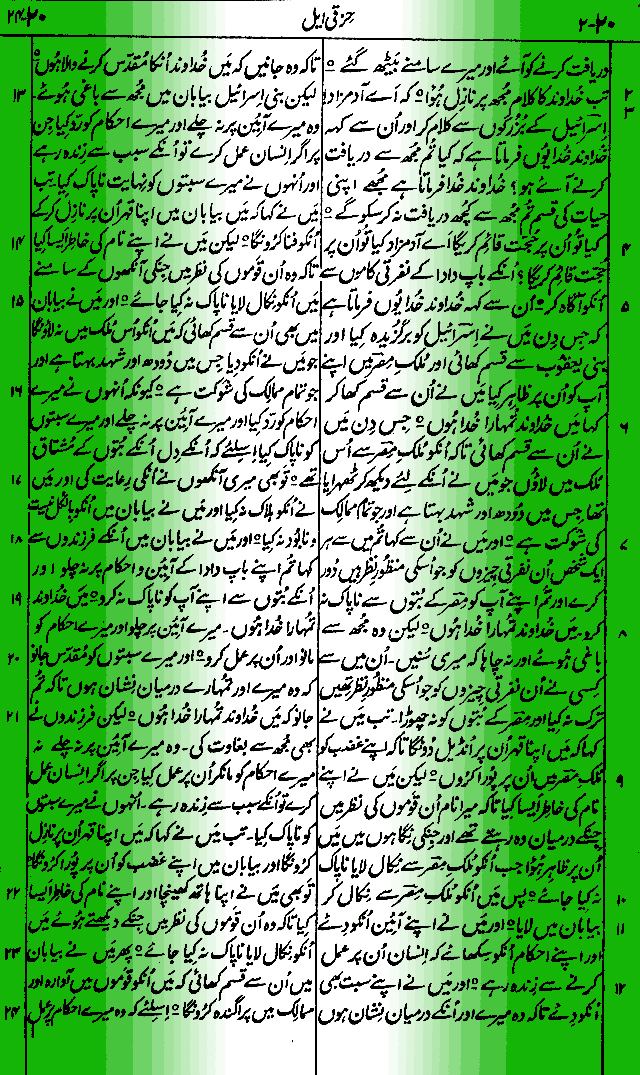
Verse-by-Verse Commentary (Ezekiel 20:1–23)
Ezekiel 20:1
Verse: And it came to pass in the seventh year in the fifth month the tenth day of the month that certain of the elders of Israel came to enquire of the LORD and sat before me
-
English Explanation: This verse establishes the exact historical timeline of the prophecy (around August 591 BC). The elders of Israel, living in Babylonian exile, come to the prophet Ezekiel to seek a word or guidance from God. They appear devout by sitting before the prophet, but their hearts remain compromised by idolatry.
-
Urdu Explanation: یہ آیت اس پیشین گوئی کے عین تاریخی وقت کو ظاہر کرتی ہے (تقریباً 591 قبل مسیح)۔ اسرائیل کے بزرگ جو بابل کی اسارت (قید) میں زندگی گزار رہے تھے، خدا کا کلام یا ہدایت حاصل کرنے کے لیے حزقی ایل نبی کے پاس آئے۔ وہ نبی کے سامنے بیٹھ کر بظاہر پرہیزگار نظر آتے ہیں، لیکن ان کے دل اب بھی بت پرستی کی وجہ سے گمراہ تھے۔
Ezekiel 20:2
Verse: Then came the word of the LORD unto me saying
-
English Explanation: God immediately responds to the presence and hidden motives of the elders by speaking directly to Ezekiel. This introduces a divine revelation that will expose the hypocrisy of the leadership.
-
Urdu Explanation: خدا نے بزرگوں کی موجودگی اور ان کی چھپی ہوئی نیتوں کا فوری جواب حزقی ایل سے براہِ راست کلام کر کے دیا۔ یہ اُس الٰہی مکاشفہ کا آغاز ہے جو ان رہنماؤں کی منافقت کو بے نقاب کرے گا۔
Ezekiel 20:3
Verse: Son of man speak unto the elders of Israel and say unto them Thus saith the Lord GOD Are ye come to enquire of me As I live saith the Lord GOD I will not be enquired of by you
-
English Explanation: God rejects the elders’ inquiry. Using the title “Son of man” for Ezekiel, God uses a solemn oath (“As I live”) to declare that He refuses to give guidance to those who are insincere and structurally unfaithful to Him.
-
Urdu Explanation: خدا بزرگوں کے سوال یا فریاد کو مسترد کر دیتا ہے۔ حزقی ایل کے لیے “آدم زاد” کا لقب استعمال کرتے ہوئے، خدا ایک سنجیدہ قسم کھاتا ہے (“اپنی حیات کی قسم”) کہ وہ ایسے لوگوں کو کوئی ہدایت نہیں دے گا جو مخلص نہیں ہیں اور مسلسل نافرمانی پر تلے ہوئے ہیں۔
Ezekiel 20:4
Verse: Wilt thou judge them son of man wilt thou judge them cause them to know the abominations of their fathers
-
English Explanation: God issues a passionate call to Ezekiel to act as a judge. Instead of answering the elders’ immediate questions about their current political fate, Ezekiel is commanded to confront them with the long, historical pattern of sin and abominations inherited from their ancestors.
-
Urdu Explanation: خدا حزقی ایل کو ایک منصف کا کردار ادا کرنے کی تاکید کرتا ہے۔ بزرگوں کے موجودہ حالات کے سوالوں کا جواب دینے کے بجائے، حزقی ایل کو حکم دیا گیا ہے کہ وہ انہیں ان کے باپ دادا کے گناہوں اور مکروہ کاموں کی طویل تاریخ سے روبرو کرائے۔
Ezekiel 20:5
Verse: And say unto them Thus saith the Lord GOD In the day when I chose Israel and lifted up mine hand unto the seed of the house of Jacob and made myself known unto them in the land of Egypt when I lifted up mine hand unto them saying I am the LORD your God
-
English Explanation: God recounts the beginning of His covenant relationship with Israel while they were still slaves in Egypt. “Lifting up the hand” is a symbolic gesture of making a solemn, binding oath. God chose them sovereignly and revealed His identity to them.
-
Urdu Explanation: خدا اسرائیل کے ساتھ اپنے عہد کے آغاز کو یاد دلاتا ہے جب وہ مصر میں غلام تھے۔ “ہاتھ اٹھانا” ایک پختہ عہد اور قسم کھانے کی علامت ہے۔ خدا نے حاکمِ اعلیٰ ہونے کے ناطے انہیں چنا اور ان پر اپنی پہچان ظاہر کی کہ وہی ان کا خدا ہے۔
Ezekiel 20:6
Verse: In the day that I lifted up mine hand unto them to bring them forth of the land of Egypt into a land that I had espied for them flowing with milk and honey which is the glory of all lands
-
English Explanation: God highlights His grace in selecting Canaan for Israel—a land He carefully searched out (“espied”) for them. It is described poetically as “flowing with milk and honey” to signify immense fertility, abundance, and spiritual beauty, making it the finest of all lands.
-
Urdu Explanation: خدا اس فضل کا ذکر کرتا ہے جس کے تحت اس نے اسرائیل کے لیے کنعان کی سرزمین کا انتخاب کیا—ایک ایسی زمین جسے اس نے خود ان کے لیے پسند کیا تھا۔ اسے شاعرانہ انداز میں “دودھ اور شہد کی بہتی ہوئی زمین” کہا گیا ہے جو بے پناہ زرخیزی، کثرت اور خوبصورتی کو ظاہر کرتی ہے۔
Ezekiel 20:7
Verse: Then said I unto them Cast ye away every man the abominations of his eyes and defile not yourselves with the idols of Egypt I am the LORD your God
-
English Explanation: Along with the promise of deliverance, God gave a clear command: Israel was to completely reject the visual temptations (“abominations of his eyes”) and the pagan idols of Egyptian culture, keeping themselves holy to Yahweh.
-
Urdu Explanation: مخلصی کے وعدے کے ساتھ، خدا نے ایک واضح حکم دیا تھا: اسرائیل کو مصر کے کافرانہ بتوں اور آنکھوں کو لبھانے والی مکروہ چیزوں کو مکمل طور پر ترک کر دینا تھا، تاکہ وہ خود کو صرف خدا کے لیے پاک رکھ سکیں۔
Ezekiel 20:8
Verse: But they rebelled against me and would not hearken unto me they did not every man cast away the abominations of their eyes neither did they forsake the idols of Egypt then I said I will pour out my fury upon them to accomplish my anger against them in the midst of the land of Egypt
-
English Explanation: Even before leaving Egypt, Israel rebelled by clinging to Egyptian idols. This reveals that their spiritual corruption was deep-seated. God’s justice demanded that His wrath be poured out on them right there in Egypt.
-
Urdu Explanation: مصر چھوڑنے سے پہلے ہی، اسرائیل نے مصری بتوں سے چمٹے رہ کر بغاوت کی۔ یہ ظاہر کرتا ہے کہ ان کی روحانی گراوٹ کتنی گہری تھی۔ خدا کے انصاف کا تقاضا تھا کہ ان پر مصر ہی کے اندر اپنا غضب نازل کرے۔
Ezekiel 20:9
Verse: But I wrought for my name’s sake that it should not be polluted before the heathen among whom they were in whose sight I made myself known unto them in bringing them forth out of the land of Egypt
-
English Explanation: God chose to spare Israel from complete destruction not because they deserved it, but to protect the honor of His own Name. Destroying them in Egypt would cause the pagan nations (heathen) to mock God’s power and faithfulness.
-
Urdu Explanation: خدا نے اسرائیل کو مکمل ہلاکت سے بچانے کا فیصلہ اس لیے نہیں کیا کہ وہ اس کے مستحق تھے، بلکہ اپنے نام کی غیرت اور عزت کی خاطر کیا۔ اگر وہ انہیں مصر میں تباہ کر دیتا تو غیر قومیں خدا کی قدرت اور وفاداری کا مذاق اڑاتیں۔
Ezekiel 20:10
Verse: Wherefore I caused them to go forth out of the land of Egypt and brought them into the wilderness
-
English Explanation: Driven by the honor of His name, God fulfilled His promise, rescued Israel from Egyptian slavery, and led them out into the wilderness of Sinai to test, teach, and form them into a nation.
-
Urdu Explanation: اپنے نام کی لاج رکھتے ہوئے، خدا نے اپنا وعدہ پورا کیا، اسرائیل کو مصر کی غلامی سے نکالا اور انہیں سینا کے بیابان میں لے آیا تاکہ ان کی آزمائش کرے، انہیں تعلیم دے اور ایک قوم کی شکل میں ڈھالے۔
Ezekiel 20:11
Verse: And I gave them my statutes and shewed them my judgments which if a man do he shall even live in them
-
English Explanation: In the wilderness, God gifted Israel His holy laws, decrees, and ethical codes. These commandments were not meant to be a burden, but a pathway to true, thriving spiritual and physical life for whoever obeyed them.
-
Urdu Explanation: بیابان میں، خدا نے اسرائیل کو اپنے پاک قوانین، آئین اور احکام عطا کیے۔ یہ احکام کوئی بوجھ نہیں تھے، بلکہ جو کوئی ان پر عمل کرتا، اس کے لیے یہ حقیقی روحانی اور جسمانی زندگی کا راستہ تھے۔
Ezekiel 20:12
Verse: Moreover also I gave them my sabbaths to be a sign between me and them that they might know that I am the LORD that sanctify them
-
English Explanation: The Sabbath was established as a unique, visible sign of the covenant. It separated Israel from all other nations, serves as a recurring reminder that it is Yahweh who sets them apart (sanctifies them) as His holy people.
-
Urdu Explanation: سبت (آرام کا دن) کو عہد کی ایک منفرد اور ظاہری علامت کے طور پر قائم کیا گیا تھا۔ یہ اسرائیل کو دوسری تمام قوموں سے الگ کرتا تھا، اور اس بات کی یاد دہانی تھا کہ وہ خداوند ہی ہے جو انہیں اپنے پاک لوگوں کے طور پر مخصوص (پاک) کرتا ہے۔
Ezekiel 20:13
Verse: But the house of Israel rebelled against me in the wilderness they walked not in my statutes and they despised my judgments which if a man do he shall even live in them and my sabbaths they greatly polluted then I said I would pour out my fury upon them in the wilderness to consume them
-
English Explanation: History repeated itself; the new generation rebelled in the desert. They rejected God’s life-giving laws and desecrated the Sabbath. Consequently, God pronounced judgment, declaring they deserved to be consumed in the wilderness.
-
Urdu Explanation: تاریخ نے خود کو دہرایا؛ نئی نسل نے بیابان میں بغاوت کر دی۔ انہوں نے خدا کے زندگی بخش قوانین کو مسترد کر دیا اور سبت کی سخت بے حرمتی کی۔ نتیجے کے طور پر، خدا نے عدالت کا فیصلہ سنایا کہ وہ بیابان ہی میں بھسم کر دیے جانے کے لائق ہیں۔
Ezekiel 20:14
Verse: But I wrought for my name’s sake that it should not be polluted before the heathen in whose sight I brought them out
-
English Explanation: Once again, God’s sovereign grace overrules human failure. He restrains His full anger to prevent pagan nations from believing that the God of Israel was incapable of bringing His people into the Promised Land.
-
Urdu Explanation: ایک بار پھر، خدا کا فضل انسان کی ناکامی پر غالب آیا۔ اس نے اپنے غضب کو روک لیا تاکہ غیر قومیں یہ نہ سمجھیں کہ اسرائیل کا خدا اپنے لوگوں کو موعودہ ملک (وعدے کی زمین) میں پہنچانے کی قدرت نہیں رکھتا تھا۔
Ezekiel 20:15
Verse: Yet also I lifted up my hand unto them in the wilderness that I would not bring them into the land which I had given them flowing with milk and honey which is the glory of all lands
-
English Explanation: Though God did not destroy them entirely, He executed a firm disciplinary judgment: He swore an oath that the generation that left Egypt would die in the wilderness and never step into the beautiful, abundant Promised Land.
-
Urdu Explanation: اگرچہ خدا نے انہیں بالکل تباہ نہیں کیا، لیکن اس نے ایک سخت تادیبی فیصلہ کیا: اس نے قسم کھائی کہ مصر سے نکلنے والی وہ نسل بیابان ہی میں مر جائے گی اور کبھی بھی اس خوبصورت اور زرخیز موعودہ ملک میں قدم نہیں رکھ پائے گی۔
Ezekiel 20:16
Verse: Because they despised my judgments and walked not in my statutes but polluted my sabbaths for their heart went after their idols
-
English Explanation: The root cause of Israel’s failure is exposed here: their hearts were never fully committed to God. Outwardly they moved through the desert, but inwardly their desires and affections still chased after pagan idols.
-
Urdu Explanation: یہاں اسرائیل کی ناکامی کی اصل وجہ واضح کی گئی ہے: ان کے دل کبھی بھی مکمل طور پر خدا کے ساتھ وفادار نہیں تھے۔ ظاہری طور پر وہ بیابان میں سفر کر رہے تھے، لیکن باطنی طور پر ان کی خواہشات اب بھی بتوں کے پیچھے لگی ہوئی تھیں۔
Ezekiel 20:17
Verse: Nevertheless mine eye spared them from destroying them neither did I make an end of them in the wilderness
-
English Explanation: This verse showcases God’s profound mercy. Despite their systemic rebellion, His compassion looked upon them, choosing to preserve a remnant and not completely wipe out the nation from history.
-
Urdu Explanation: یہ آیت خدا کے گہرے رحم کو ظاہر کرتی ہے۔ ان کی مسلسل بغاوت کے باوجود، اس کی شفقت نے ان پر نظر کی، اور اس نے پوری قوم کو تاریخ کے صفحے سے مٹانے کے بجائے ان کے بقیہ کو زندہ رکھا۔
Ezekiel 20:18
Verse: But I said unto their children in the wilderness Walk ye not in the statutes of your fathers neither observe their judgments nor defile yourselves with their idols
-
English Explanation: God turned His focus to the next generation—the children in the wilderness. He explicitly warned them to break the generational cycle of sin, instructing them not to follow the corrupt traditions and idolatrous ways of their parents.
-
Urdu Explanation: خدا نے اپنی توجہ اگلی نسل—یعنی بیابان میں موجود بچوں—پر مرکوز کی۔ اس نے انہیں واضح طور پر گناہ کے اس خاندانی تسلسل کو توڑنے کی ہدایت کی، اور حکم دیا کہ وہ اپنے باپ دادا کی فاسد رسموں اور بت پرستانہ طریقوں پر نہ چلیں۔
Ezekiel 20:19
Verse: I am the LORD your God walk in my statutes and keep my judgments and do them
-
English Explanation: God re-establishes His divine authority over the new generation. He reminds them of their true identity and ownership, commanding active, practical obedience to His righteous laws.
-
Urdu Explanation: خدا نئی نسل پر اپنے الٰہی اختیار کو دوبارہ قائم کرتا ہے۔ وہ انہیں ان کی حقیقی پہچان اور اپنے ساتھ تعلق کی یاد دلاتا ہے، اور اپنے راست قوانین پر عملی طور پر چلنے کا حکم دیتا ہے۔
Ezekiel 20:20
Verse: And hallow my sabbaths and they shall be a sign between me and you that ye may know that I am the LORD your God
-
English Explanation: The new generation is urged to keep the Sabbath holy (“hallow”). By practicing this regular rhythm of rest and worship, they would constantly reinforce their unique relational bond with the Lord.
-
Urdu Explanation: نئی نسل کو تاکید کی گئی ہے کہ وہ سبت کے دن کو پاک (“مقدس”) رکھیں۔ آرام اور عبادت کے اس باقاعدہ سلسلے پر عمل کر کے، وہ خداوند کے ساتھ اپنے منفرد تعلق کو ہمیشہ مضبوط رکھ سکتے تھے۔
Ezekiel 20:21
Verse: Notwithstanding the children rebelled against me they walked not in my statutes neither kept my judgments to do them which if a man do he shall even live in them they polluted my sabbaths then I said I would pour out my fury upon them to accomplish my anger against them in the wilderness
-
English Explanation: Tragically, the second generation proved to be just as stubborn as their parents. They repeated the exact sins of lawlessness and Sabbath desecration, provoking God to once again threaten them with His righteous anger in the desert.
-
Urdu Explanation: افسوسناک بات یہ ہے کہ دوسری نسل بھی اپنے باپ دادا کی طرح سرکش ثابت ہوئی۔ انہوں نے بھی قانون شکنی اور سبت کی بے حرمتی کے انہی گناہوں کو دہرایا، جس نے خدا کو ایک بار پھر بیابان میں ان پر اپنا راست غضب نازل کرنے پر مجبور کیا۔
Ezekiel 20:22
Verse: Nevertheless I withdrew mine hand and wrought for my name’s sake that it should not be polluted in the sight of the heathen in whose sight I brought them forth
-
English Explanation: For the third time in this historical review, God restrains His punishing hand. His commitment to His own name’s reputation among the global nations takes precedence over giving Israel the immediate destruction they deserved.
-
Urdu Explanation: اس تاریخی جائزے میں تیسری بار، خدا نے سزا دینے کے لیے اٹھے ہوئے اپنے ہاتھ کو روک لیا۔ دنیا کی قوموں کے سامنے اپنے نام کی ساکھ اور عزت کا پاس رکھنا، اسرائیل کو ان کے گناہوں کی فوری سزا دینے پر غالب آیا۔
Ezekiel 20:23
Verse: I lifted up mine hand unto them also in the wilderness that I would scatter them among the heathen and disperse them through the countries
-
English Explanation: Though God spared their lives in the wilderness, He made a conditional prophetic decree: if they continued in this multi-generational rebellion, they would ultimately lose the Promised Land and be scattered as exiles across foreign nations—a prophecy fulfilled in Ezekiel’s own day.
-
Urdu Explanation: اگرچہ خدا نے بیابان میں ان کی جانیں بخش دیں، لیکن اس نے ایک مشروط پیشین گوئی کی: اگر انہوں نے نسل در نسل اس بغاوت کو جاری رکھا، تو وہ بالاآخر موعودہ ملک سے محروم ہو جائیں گے اور غیر قوموں میں پراگندہ (جلاوطن) کر دیے جائیں گے—یہ ایک ایسی پیشین گوئی تھی جو حزقی ایل کے اپنے دور میں پوری ہو رہی تھی۔