Verse-by-Verse Commentary & Breakdown
Ezekiel 1:23
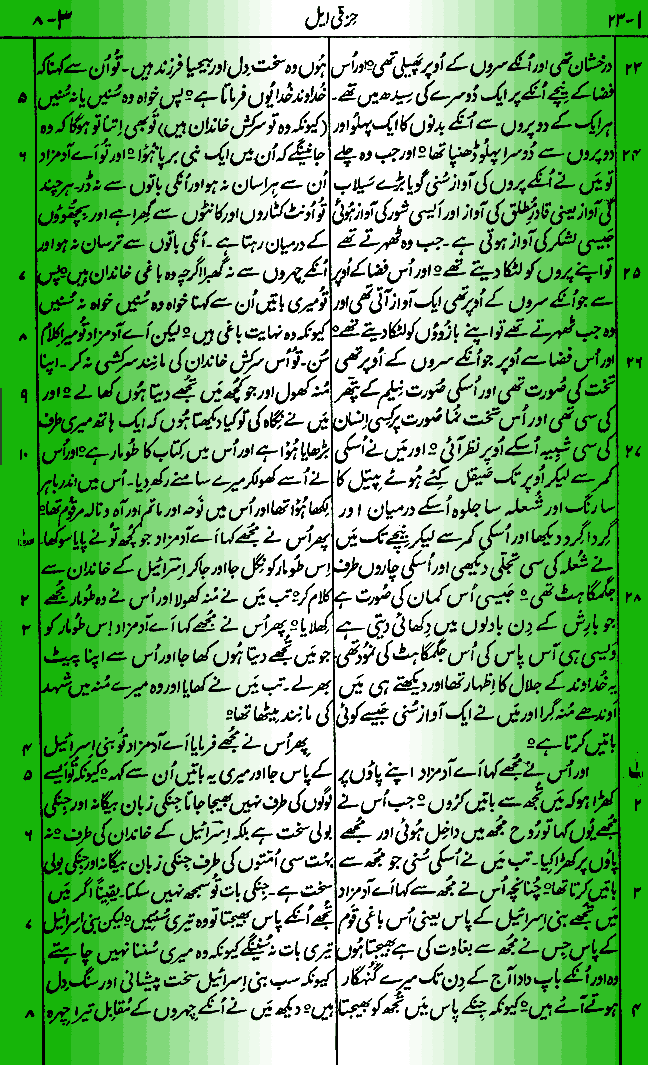
Verse: And under the firmament were their wings straight the one toward the other every one had two which covered on this side and every one had two which covered on that side their bodies
English Explanation
This verse details the precise positioning of the wings of the living creatures (cherubim) beneath the massive expanse (firmament). Two of their wings stretched out straight to connect or align perfectly with the wings of the creatures next to them signaling absolute unity and synchronization in movement. The other two wings were folded inward covering their bodies out of reverence and humility in the direct presence of the Divine Glory. It highlights order obedience and respect within the heavenly realm.
Urdu Explanation
یہ آیت آسمانی مخلوقات (کروبیوں) کے پروں کی ترتیب کو بیان کرتی ہے۔ آسمان کے نیچے ان کے دو پر بالکل سیدھے ایک دوسرے کی طرف پھیلے ہوئے تھے جو ان کے باہمی اتحاد اور ہم آہنگی کو ظاہر کرتے ہیں۔ جبکہ باقی دو پروں سے انہوں نے اپنے جسموں کو ڈھانپ رکھا تھا جو خدا کے جلال کے حضور ان کی عاجزی اور تعظیم کی علامت ہے۔ یہ ظاہر کرتا ہے کہ آسمانی نظام میں کس قدر نظم و ضبط اور احترام پایا جاتا ہے۔
Ezekiel 1:24
Verse: And when they went I heard the noise of their wings like the noise of great waters as the voice of the Almighty the voice of speech as the noise of an host when they stood they let down their wings
English Explanation
Ezekiel describes the awe-inspiring auditory experience of the vision. The motion of the cherubim’s wings creates a sound so powerful that it resembles rushing waters the booming voice of God Almighty ($Shaddai$) or the overwhelming clamor of a massive marching army. This emphasizes the immense power and authority driving God’s heavenly chariot. However when the chariot stops and they stand still they drop their wings in silent submission waiting for the next divine command.
Urdu Explanation
حزقیل یہاں اس رویا کی ہیبت ناک آواز کا ذکر کرتے ہیں۔ جب یہ مخلوقات حرکت کرتی تھیں تو ان کے پروں کی آواز ایسی تھی جیسے بہت سے پانیوں کا شور قادرِ مطلق کی آواز یا کسی عظیم لشکر کی گرج ہو۔ یہ خدا کے آسمانی تخت کی بے پناہ طاقت اور جلال کو ظاہر کرتا ہے۔ لیکن جب وہ رک جاتے تو اپنے پروں کو نیچے کر لیتے جو خدا کے حکم کے سامنے خاموش فرماں برداری کو ظاہر کرتا ہے۔
Ezekiel 1:25
Verse: And there was a voice from the firmament that was over their heads when they stood and had let down their wings
English Explanation
When the living creatures come to a halt and lower their wings all secondary noises cease. In that profound silence a voice echoes from the expanse above their heads. This indicates that the movements of the heavenly host are completely governed by the voice of God. The lowering of the wings allows the divine voice to be heard clearly without distraction symbolizing that creation must be silent when the Creator speaks.
Urdu Explanation
جب وہ جاندار رک گئے اور انہوں نے اپنے پر نیچے کر لیے تو تمام شور تھم گیا۔ اس گہری خاموشی میں ان کے سروں کے اوپر موجود آسمان سے ایک آواز آئی۔ یہ اس بات کی طرف اشارہ ہے کہ آسمانی مخلوقات کی تمام تر حرکات خدا کی آواز اور اس کے حکم کے تابع ہیں۔ پروں کا نیچے ہونا یہ سکھاتا ہے کہ جب خالق بولتا ہے تو کائنات کو خاموش ہو کر سننا چاہیے۔
Ezekiel 1:26
Verse: And above the firmament that was over their heads was the likeness of a throne as the appearance of a sapphire stone and upon the likeness of the throne was the likeness as the appearance of a man above upon it
English Explanation
Ezekiel’s gaze shifts higher above the expanse to the ultimate focal point of the vision. He sees the likeness of a grand throne brilliant and deep blue like a sapphire stone. Seated upon this majestic throne is a figure possessing the “likeness as the appearance of a man.” Ezekiel uses the word “likeness” repeatedly to show that human language is insufficient to describe the actual essence of God; it is a human-like manifestation of the divine Sovereign prefiguring the incarnation.
Urdu Explanation
حزقیل کی نظر اب مزید بلندی پر جاتی ہے جہاں وہ اس رویا کا سب سے اہم منظر دیکھتے ہیں۔ آسمان کے اوپر ایک تخت کا سا روپ تھا جو نیلم کے پتھر کی طرح چمکدار اور گہرا نیلا تھا۔ اس عظیم تخت پر ایک شکل بیٹھی تھی جو انسان کی مانند دکھائی دیتی تھی۔ حزقیل بار بار “مانند” یا “شبیہ” کا لفظ استعمال کرتے ہیں تاکہ یہ واضح کریں کہ انسانی زبان خدا کی اصل ذات کو بیان کرنے سے قاصر ہے یہ خدا کی بادشاہی کا ایک جلال دار ظہور تھا۔
Ezekiel 1:27
Verse: And I saw as the colour of amber as the appearance of fire round about within it from the appearance of his loins even upward and from the appearance of his loins even downward I saw as it were the appearance of fire and it had brightness round about
English Explanation
The Prophet describes the radiant splendor of the figure on the throne. From the waist upward and from the waist downward the figure glows with the intense color of amber (or gleaming metal) and burns with the visual intensity of pure fire. This all-encompassing brightness represents God’s absolute holiness unapproachable light and purifying judgment. God is depicted as a consuming fire full of glory and majesty.
Urdu Explanation
نبی تخت پر بیٹھی اس ہستی کے شاندار جلال کو بیان کرتے ہیں۔ اس کے دھڑ سے لے کر اوپر تک اور کمر سے لے کر نیچے تک کا حصہ کہربا (چمکتی ہوئی دھات) کی طرح چمک رہا تھا اور اس میں سے آگ کی سی لپٹیں نکل رہی تھیں۔ یہ چمکتا ہوا جلال خدا کی پاکیزگی عدل اور گناہ کو بھسم کرنے والی عدالت کی علامت ہے۔ خدا کو ایک بھڑکتی ہوئی آگ اور بے پناہ نور کی صورت میں دکھایا گیا ہے۔
Ezekiel 1:28
Verse: As the appearance of the bow that is in the cloud in the day of rain so was the appearance of the brightness round about This was the appearance of the likeness of the glory of the LORD And when I saw it I fell upon my face and I heard a voice of one that spake
English Explanation
The intense fiery brightness surrounding the throne is softened by a brilliant rainbow resembling the covenant bow seen on a rainy day. This signifies that even in the midst of fiery judgment God remembers His mercy and covenant faithfulness. Overwhelmed by this ultimate manifestation of the glory of the LORD Ezekiel falls face down in humility and fear ready to receive his commission as he hears a voice beginning to speak.
Urdu Explanation
تخت کے گردا گرد چمکتے ہوئے جلال کے درمیان ایک قوسِ قزح (دھنک) دکھائی دی جیسے بارش کے دن بادلوں میں ہوتی ہے۔ یہ اس بات کی علامت ہے کہ خدا اپنی سخت عدالت کے باوجود اپنے عہد اور رحم کو نہیں بھولتا۔ جب حزقیل نے خداوند کے جلال کا یہ روپ دیکھا تو وہ خوف اور عاجزی سے اوندھے منہ گر پڑے اور انہوں نے بات کرنے والے کی آواز سنی۔
Ezekiel 2:1
Verse: And he said unto me Son of man stand upon thy feet and I will speak unto thee
English Explanation
God addresses Ezekiel using the title “Son of man” ($Ben-adam$) which emphasizes his human frailty mortality and lowliness in contrast to the transcendent glory of God he just witnessed. God commands him to stand up on his feet. God does not want His servants paralyzed by fear; He lifts them up because divine communication and prophetic assignment require an active responsive and ready posture.
Urdu Explanation
خدا حزقیل کو “آدم زاد” کہہ کر مخاطب کرتا ہے جو انسان کی کمزوری اور خاکساری کو خدا کے عظیم جلال کے سامنے ظاہر کرتا ہے۔ خدا اسے اپنے پاؤں پر کھڑے ہونے کا حکم دیتا ہے۔ خدا نہیں چاہتا کہ اس کے خادم خوف سے مفلوج رہیں بلکہ وہ انہیں خدمت کے لیے تیار اور مستعد دیکھنا چاہتا ہے کیونکہ الٰہی پیغام کو سننے کے لیے بیدار مغز ہونا ضروری ہے۔
Ezekiel 2:2
Verse: And the spirit entered into me when he spake unto me and set me upon my feet that I heard him that spake unto me
English Explanation
Ezekiel reveals that he lacked the strength to stand up on his own after witnessing such an overwhelming vision. However as God speaks the Holy Spirit enters him giving him the supernatural strength and vitality required to stand upright. It proves that human strength is insufficient for divine callings; it is the Holy Spirit who empowers enables and positions God’s servants to listen and obey.
Urdu Explanation
حزقیل بتاتے ہیں کہ اتنی بڑی رویا دیکھنے کے بعد ان میں خود سے کھڑے ہونے کی طاقت نہیں تھی۔ لیکن جیسے ہی خدا نے کلام کیا پاک روح ان میں داخل ہوئی اور انہیں پاؤں پر کھڑا کر دیا۔ یہ اس بات کا ثبوت ہے کہ الٰہی کاموں کے لیے انسانی طاقت کافی نہیں ہے بلکہ یہ خدا کی روح ہے جو اپنے خادموں کو طاقت بخشتی اور کلام سننے کے قابل بناتی ہے۔
Ezekiel 2:3
Verse: And he said unto me Son of man I send thee to the children of Israel to a rebellious nation that hath rebelled against me they and their fathers have transgressed against me even unto this very day
English Explanation
God explicitly defines Ezekiel’s difficult mission field. He is being sent directly to his own people the children of Israel. God describes them in harsh but realistic terms as a “rebellious nation” that has a long history of revolt and transgression against Him stretching from their ancestors down to the present generation. This establishes that Ezekiel’s ministry will face immediate domestic opposition.
Urdu Explanation
خدا حزقیل کو ان کی مشکل خدمت کے میدان کے بارے میں بتاتا ہے۔ انہیں بنی اسرائیل کے پاس بھیجا جا رہا ہے۔ خدا انہیں سخت لیکن سچے الفاظ میں ایک “سرکش قوم” کہتا ہے جنہوں نے اپنے باپ دادا کے وقتوں سے لے کر آج کے دن تک خدا کے خلاف بغاوت اور گناہ کیے۔ یہ بات واضح کرتی ہے کہ حزقیل کی خدمت کو خود ان کے اپنے لوگوں کی طرف سے سخت مخالفت کا سامنا کرنا پڑے گا۔
Ezekiel 2:4
Verse: For they are impudent children and stiffhearted I do send thee unto them and thou shalt say unto them Thus saith the Lord GOD
English Explanation
The description of the nation intensifies. God calls them “impudent” (brazen-faced or stubborn) and “stiffhearted” (hardened in mind and emotion). Despite their stubborn refusal to change Ezekiel is given his ultimate authority mandate. He is not to speak his own opinions or philosophies but must deliver a direct prophetic message with absolute divine authority “Thus saith the Lord GOD.”
Urdu Explanation
اس قوم کی حالت کو مزید کھول کر بیان کیا گیا ہے۔ خدا انہیں “بے حیا” (سخت رو) اور “سخت دل” کہتا ہے۔ ان کی اس ضد کے باوجود حزقیل کو ان کے پاس بھیجا جا رہا ہے اور انہیں اپنی مرضی نہیں بلکہ خدا کے اختیار کے ساتھ یہ کہنا ہے کہ “خداوند خدا یوں فرماتا ہے”۔ نبی کا کام اپنی باتیں پیش کرنا نہیں بلکہ خدا کا ہوبہو پیغام پہنچانا ہے۔
Ezekiel 2:5
Verse: And they whether they will hear or whether they will forbear (for they are a rebellious house) yet shall know that there hath been a prophet among them
English Explanation
God sets realistic expectations for the success of Ezekiel’s ministry. Whether the people choose to listen or decide to ignore the warning (because they are inherently a rebellious house) is not the measure of Ezekiel’s success. The ultimate objective is that through his uncompromising proclamation they will be left without excuse and will forcedly realize that a true prophet of God had been working among them.
Urdu Explanation
خدا حزقیل کو بتاتا ہے کہ کامیابی کا معیار لوگوں کا سننا یا نہ سننا نہیں ہے۔ وہ سنیں یا نہ سنیں (کیونکہ وہ ایک سرکش گھرانا ہیں) لیکن ان کے درمیان خدا کے کلام کی منادی سے یہ بات ثابت ہو جائے گی کہ ان کے درمیان ایک نبی موجود تھا اور ان کے پاس روزِ عدالت کوئی عذر باقی نہیں رہے گا۔
Ezekiel 2:6
Verse: And thou son of man be not afraid of them neither be afraid of their words though briers and thorns be with thee and thou dost dwell among scorpions be not afraid of their words nor be dismayed at their looks though they be a rebellious house
English Explanation
God delivers a powerful exhortation to courage. He commands Ezekiel not to fear the people their harsh spoken words or their intimidating expressions. God compares living among these rebellious people to walking through painful briers and sharp thorns or living among dangerous venomous scorpions. Despite the hostile toxic environment Ezekiel must remain spiritually bold and emotionally unmoved.
Urdu Explanation
خدا یہاں اپنے خادم کو حوصلہ اور دلیری دیتا ہے۔ وہ حزقیل کو حکم دیتا ہے کہ ان لوگوں سے ان کی تلخ باتوں سے اور ان کے غصیلا چہروں سے بالکل نہ ڈرنا۔ خدا ان سرکش لوگوں کے درمیان رہنے کو اونٹ کٹاروں جھاڑیوں اور بچھوؤں کے درمیان رہنے سے تشبیہ دیتا ہے۔ اس زہریلے اور مخالفانہ ماحول کے باوجود نبی کو ایمان میں مضبوط اور نڈر رہنا تھا۔
Ezekiel 2:7
Verse: And thou shalt speak my words unto them whether they will hear or whether they will forbear for they are most rebellious
English Explanation
God reiterates the core duty of the prophet. Ezekiel’s sole responsibility is fidelity to the message. He must speak God’s exact words regardless of the audience’s reaction rejection or apathy. The phrase “for they are most rebellious” underscores that the environment will be highly resistant but the spiritual urgency of delivering God’s truth remains paramount.
Urdu Explanation
خدا نبی کی اصل ذمہ داری کو دوبارہ دہراتا ہے۔ حزقیل کا کام صرف یہ ہے کہ وہ وفاداری کے ساتھ خدا کا کلام پہنچائے خواہ لوگ سنیں یا نہ سنیں۔ یہ جملہ کہ “وہ بڑے سرکش ہیں” یہ ظاہر کرتا ہے کہ حالات کتنے ہی ناموافق کیوں نہ ہوں خدا کی سچائی کو پہنچانا سب سے ضروری کام ہے۔
Ezekiel 2:8
Verse: But thou son of man hear what I say unto thee Be not thou rebellious like that rebellious house open thy mouth and eat that I give thee
English Explanation
God warns Ezekiel not to fall into the same trap of rebellion as the people around him. Disobedience or refusing to deliver a harsh divine message out of fear would make Ezekiel a rebel too. To prevent this he is commanded to completely internalize God’s word symbolized by the physical command to “open thy mouth and eat that I give thee.” A minister must digest the word before preaching it.
Urdu Explanation
خدا حزقیل کو خبردار کرتا ہے کہ وہ خود اس سرکش قوم کی طرح نافرمانی کے جال میں نہ پھنسے۔ اگر وہ خوف کی وجہ سے خدا کا سخت پیغام سنانے سے انکار کرتا تو وہ بھی باغی ٹھہرتا۔ اس سے بچنے کے لیے اسے حکم دیا گیا کہ وہ اپنا منہ کھولے اور جو کچھ خدا اسے دیتا ہے اسے کھا لے یعنی خدا کے کلام کو اپنے دل و دماغ میں پوری طرح جذب کر لے۔
Ezekiel 2:9
Verse: And when I looked behold an hand was sent unto me and lo a roll of a book was therein
English Explanation
Ezekiel observes a supernatural hand stretched out toward him. Held within this divine hand is a scroll (a roll of a book). This visual element emphasizes that the message does not originate from human thought or cultural trends but is a tangible divine revelation directly authored and handed down by God Himself.
Urdu Explanation
حزقیل دیکھتے ہیں کہ ایک غیبی ہاتھ ان کی طرف بڑھایا گیا ہے جس میں ایک کتاب کا طومار (لپٹا ہوا صحیفہ) ہے۔ یہ منظر ظاہر کرتا ہے کہ یہ پیغام کسی انسانی سوچ یا زمینی فلسفے کا نتیجہ نہیں ہے بلکہ یہ براہِ راست خدا کی طرف سے نازل کردہ کلام ہے۔
Ezekiel 2:10
Verse: And he spread it before me and it was written within and without and there was written therein lamentations and mourning and woe
English Explanation
The scroll is unrolled before Ezekiel revealing that it is written on both sides (within and without) which was uncommon and signified a message overflowing with content. The theme of this writing is entirely somber containing “lamentations and mourning and woe.” This indicates that the initial phase of Ezekiel’s prophetic ministry would focus heavily on unavoidable judgment grief and tragedy due to Israel’s persistent sins.
Urdu Explanation
اس صحیفے کو حزقیل کے سامنے کھولا گیا تو معلوم ہوا کہ یہ دونوں طرف (اندر اور باہر) لکھا ہوا تھا جو کہ غیر معمولی بات تھی اور کلام کی کثرت کو ظاہر کرتی تھی۔ اس کا مواد انتہائی غمگین تھا جس میں “ماتم نوحہ اور افسوس” لکھا ہوا تھا۔ یہ ظاہر کرتا ہے کہ حزقیل کی نبوت کا پہلا حصہ بنی اسرائیل کے گناہوں کی وجہ سے آنے والی شدید عدالت اور تباہی پر مبنی تھا۔
Ezekiel 3:1
Verse: Moreover he said unto me Son of man eat that thou findest eat this roll and go speak unto the house of Israel
English Explanation
God renews the command to consume the prophetic scroll. The repetition emphasizes that spiritual digestion must precede external proclamation. Ezekiel cannot carry out his mission to the house of Israel with mere intellectual knowledge; he must physically and spiritually assimilate the harsh message of judgment so that it becomes an intrinsic part of his being before he speaks it aloud.
Urdu Explanation
خدا دوبارہ طومار کو کھانے کا حکم دیتا ہے۔ یہ تکرار اس بات پر زور دیتی ہے کہ کلام کی تبلیغ سے پہلے اس کا دل میں اترنا ضروری ہے۔ حزقیل بنی اسرائیل کے پاس محض ذہنی معلومات لے کر نہیں جا سکتے تھے بلکہ انہیں اس سخت پیغام کو اپنے وجود کا حصہ بنانا تھا تاکہ وہ اسے سچائی اور گہرائی کے ساتھ سنا سکیں۔
Ezekiel 3:2
Verse: So I opened my mouth and he caused me to eat that roll
English Explanation
Ezekiel responds with swift unquestioning obedience. He opens his mouth and God feeds him the scroll. This interaction depicts a beautiful synergy between human willingness and divine enablement. Ezekiel provides the open mouth of faith and submission and God provides the substance causing him to take in the prophetic words.
Urdu Explanation
حزقیل بغیر کسی سوال کے فوری فرماں برداری کا مظاہرہ کرتے ہیں۔ وہ اپنا منہ کھولتے ہیں اور خدا انہیں وہ صحیفہ کھلاتا ہے۔ یہ منظر انسانی رضامندی اور الٰہی مدد کے خوبصورت ملاپ کو ظاہر کرتا ہے۔ حزقیل ایمان کے ساتھ منہ کھولتے ہیں اور خدا اس میں اپنا کلام بھر دیتا ہے۔
Ezekiel 3:3
Verse: And he said unto me Son of man cause thy belly to eat and fill thy bowels with this roll that I give thee Then did I eat it and it was in my mouth as honey for sweetness
English Explanation
God commands Ezekiel to fully satisfy his inner being and fill his stomach with the scroll. Remarkably although the text contained internal messages of woe and lamentation it tasted “as honey for sweetness” in his mouth. This teaches that executing God’s will and consuming His holy word is always a sweet fulfilling experience for a faithful believer even when the message itself speaks of tragic judgment.
Urdu Explanation
خدا حزقیل سے کہتا ہے کہ وہ اپنے پیٹ اور انتڑیوں کو اس کلام سے بھر لے۔ تعجب کی بات یہ ہے کہ اگرچہ اس صحیفے میں دکھ اور افسوس کی باتیں لکھی تھیں لیکن جب نبی نے اسے کھایا تو وہ ان کے منہ میں “شہد کی طرح میٹھا” لگا۔ یہ سکھاتا ہے کہ خدا کی مرضی پوری کرنا اور اس کا پاک کلام حاصل کرنا ہمیشہ ایک مومن کے لیے باعثِ برکت اور میٹھا ہوتا ہے خواہ اس کلام کا مضمون کتنا ہی سخت کیوں نہ ہو۔
Ezekiel 3:4
Verse: And he said unto me Son of man go get thee unto the house of Israel and speak with my words unto them
English Explanation
Now that the word has been safely consumed and internalized the prophet is fully equipped to deploy. God issues the marching orders “go get thee unto the house of Israel.” Ezekiel is instructed to use “my words” ensuring that he does not alter dilute or sugarcoat the message to please his stubborn listeners.
Urdu Explanation
جب کلام نبی کے دل کے اندر پوری طرح جذب ہو گیا تو وہ اپنی خدمت کے لیے تیار ہو گئے۔ خدا نے انہیں جانے کا حکم دیا کہ “بنی اسرائیل کے پاس جا”۔ حزقیل کو تاکید کی گئی کہ وہ صرف “میرے کلام” کے ساتھ ان سے بات کرے تاکہ وہ سامعین کو خوش کرنے کے لیے خدا کے پیغام میں کوئی ملاوٹ یا تبدیلی نہ کریں۔
Ezekiel 3:5
Verse: For thou art not sent to a people of a strange speech and of an hard language but to the house of Israel
English Explanation
God points out a unique irony in Ezekiel’s mission. He is not being sent across borders to a foreign nation with an unknown difficult tongue or an alien linguistic barrier. He is being sent directly to his own ethnic group the house of Israel who share his exact language culture background and history making communication easy but reception difficult.
Urdu Explanation
خدا حزقیل کی خدمت کے ایک عجیب پہلو کی طرف اشارہ کرتا ہے۔ انہیں کسی غیر ملک یا اجنبی زبان بولنے والی قوم کے پاس نہیں بھیجا جا رہا جہاں زبان کی رکاوٹ ہو۔ بلکہ انہیں ان کے اپنے ہی لوگوں یعنی بنی اسرائیل کے پاس بھیجا جا رہا ہے جو ان کی اپنی زبان اور ثقافت سے واقف ہیں جس کی وجہ سے بات سمجھانا تو آسان ہے لیکن ان سے بات منوانا مشکل ہے۔
Ezekiel 3:6
Verse: Not to many people of a strange speech and of an hard language whose words thou canst not understand Surely had I sent thee to them they would have hearkened unto thee
English Explanation
God explains that if He had sent Ezekiel to foreign pagan nations with unintelligible languages those foreigners would have actually repented and listened to the voice of God despite the communication barriers. This serves as a searing indictment against Israel showing that their resistance is not due to a lack of understanding but due to a deliberate hardening of their hearts against God.
Urdu Explanation
خدا فرماتا ہے کہ اگر وہ حزقیل کو کسی غیر قوم یا اجنبی زبان بولنے والوں کے پاس بھیجتا تو وہ زبان کی رکاوٹ کے باوجود توبہ کر لیتے اور خدا کی بات سن لیتے۔ یہ اسرائیل کے لیے ایک سخت ملامت ہے جو یہ ظاہر کرتی ہے کہ ان کا کلام کو نہ سننا کسی نادانی کی وجہ سے نہیں بلکہ خدا کے خلاف جان بوجھ کر دل کو سخت کرنے کی وجہ سے تھا۔
Ezekiel 3:7
Verse: But the house of Israel will not hearken unto thee for they will not hearken unto me for all the house of Israel are impudent and hardhearted
English Explanation
God delivers a sobering truth to comfort His prophet against personal rejection. The house of Israel will flatly refuse to listen to Ezekiel because they have already rejected God Himself. A servant is not greater than his master. The root cause of their comprehensive rebellion is that the entire house of Israel has become unblushing (“impudent”) and completely calloused (“hardhearted”) toward the divine voice.
Urdu Explanation
خدا اپنے نبی کی تسلی کے لیے ایک کڑوی سچائی بیان کرتا ہے تاکہ وہ ذاتی طور پر مایوس نہ ہوں۔ بنی اسرائیل حزقیل کی بات ہرگز نہیں سنیں گے کیونکہ انہوں نے خود خدا کی بات سننے سے انکار کر دیا ہے۔ ان کی اس سرکشی کی اصل وجہ یہ ہے کہ اسرائیل کا پورا گھرانا بے حیا اور سخت دل ہو چکا ہے اور ان کے دلوں پر خدا کے خوف کا کوئی اثر نہیں ہوتا۔
Ezekiel 3:8
Verse: Behold I have made thy face strong against their faces and thy forehead strong against their foreheads
English Explanation
In response to Israel’s stubborn obstinacy God promises to provide Ezekiel with supernatural resilience. If the people are stubborn God will make Ezekiel even more determined in the truth. By making his face “strong against their faces” and his forehead “strong against their foreheads” God guarantees that Ezekiel will have the spiritual grit courage and steadfastness required to stand firm against any psychological or emotional intimidation they throw his way.
Urdu Explanation
اسرائیل کی اس ضد اور سخت دلی کے جواب میں خدا حزقیل کو غیر معمولی مضبوطی دینے کا وعدہ کرتا ہے۔ اگر وہ لوگ ضدی ہیں تو خدا اپنے نبی کو سچائی پر قائم رہنے کے لیے ان سے زیادہ مضبوط بنا دے گا۔ ان کے چہروں اور پیشانیوں کے سامنے حزقیل کے چہرے اور پیشانی کو مضبوط کرنے کا مطلب یہ ہے کہ خدا انہیں ایسی ایمانی جرات اور استقلال بخشے گا کہ وہ کسی بھی قسم کی مخالفت یا دھمکی کے سامنے نہیں جھکیں گے۔