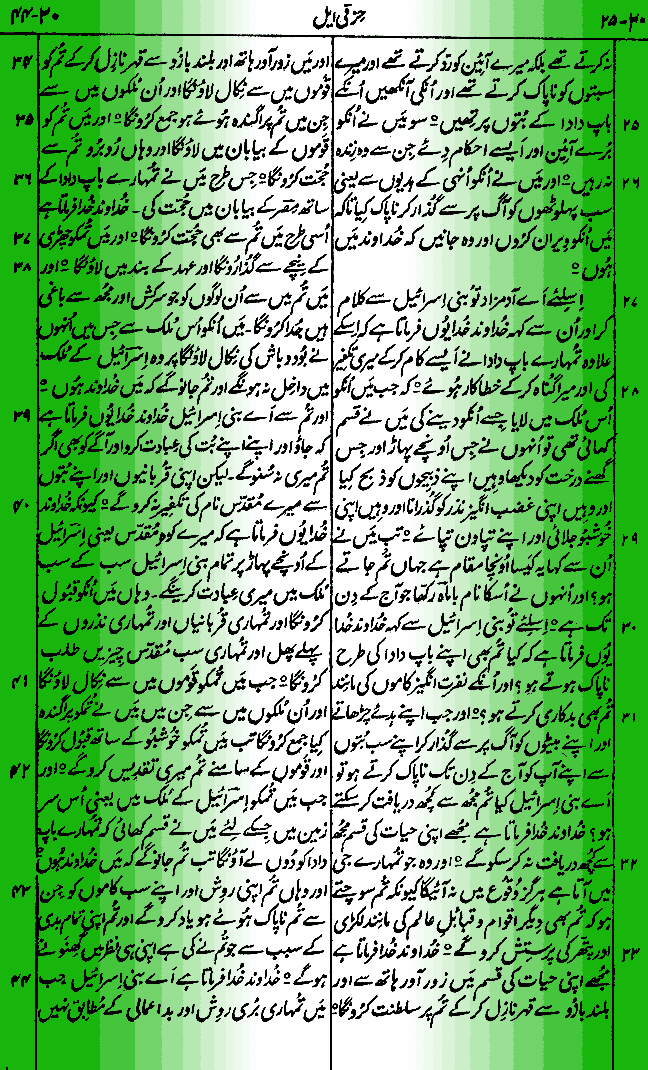
Verse-by-Verse Commentary and Explanation (Ezekiel 20:24–44)
Ezekiel 20:24
Verse: Because they had not executed my judgments but had despised my statutes and had polluted my sabbaths and their eyes were after their fathers’ idols
English Explanation
This verse outlines the foundational sins of the house of Israel. God points out three specific failures: their active rejection of His righteous judgments, their inner contempt for His laws (statutes), and the desecration of the Sabbath, which was meant to be a sign of their covenant. Their ultimate downfall was their heart condition—their “eyes were after” the pagan idols worshipped by their ancestors, proving that structural rebellion is often rooted in generational patterns.
Urdu Explanation
اُردو وضاحت: اس آیت میں بنی اسرائیل کے بنیادی گناہوں کی نشاندہی کی گئی ہے۔ خدا ان کی تین بڑی نافرمانیوں کا ذکر کرتا ہے: انہوں نے خدا کے احکامات پر عمل نہیں کیا، اس کے قوانین کو حقیر جانا، اور سبت کے دن کی بے حرمتی کی جو کہ خدا کے ساتھ ان کے عہد کی نشانی تھا۔ ان کی گمراہی کی اصل وجہ یہ تھی کہ ان کے دل اور نظریں اپنے آباؤ اجداد کے بتوں پر لگی ہوئی تھیں، جس سے ظاہر ہوتا ہے کہ نافرمانی نسل در نسل منتقل ہو رہی تھی۔
Ezekiel 20:25
Verse: Wherefore I gave them also statutes that were not good and judgments whereby they should not live
English Explanation
This is one of the most theological complex verses in Ezekiel. It does not mean God gave them evil laws; rather, because Israel repeatedly rejected His life-giving laws, God judicially gave them over to their own desires. He allowed them to follow the pagan laws, traditions, and demonic statutes of the surrounding nations—laws that lead only to death, misery, and spiritual ruin rather than abundant life.
Urdu Explanation
اُردو وضاحت: یہ آیت الٰہیاتی طور پر گہری ہے۔ اس کا مطلب یہ نہیں کہ خدا نے خود برے قوانین بنا کر دیے، بلکہ اس کا مطلب یہ ہے کہ جب اسرائیل نے بار بار خدا کے زندگی بخش قوانین کو رد کیا، تو خدا نے عدالتی طور پر انہیں ان کی اپنی خواہشات کے رحم و کرم پر چھوڑ دیا۔ خدا نے انہیں غیر قوموں کے ان برے قوانین اور رسم و رواج پر چلنے کی اجازت دے دی جو زندگی نہیں بلکہ روحانی اور جسمانی موت کا سبب بنتے ہیں۔
Ezekiel 20:26
Verse: And I polluted them in their own gifts in that they caused to pass through the fire all that openeth the womb that I might make them desolate to the end that they might know that I am the LORD
English Explanation
God allowed the people to experience the horrific consequences of their idolatry. They took the ultimate gift of God—their firstborn children—and sacrificed them in the fires of the pagan god Molech (“caused to pass through the fire”). By allowing them to defile themselves through these sickening rituals, God brought them to a place of utter desolation, a severe mercy designed to strip away their illusions and force them to recognize that He alone is the Sovereign LORD.
Urdu Explanation
اُردو وضاحت: خدا نے ان لوگوں کو ان کی بت پرستی کے بھیانک نتائج بھگتنے دیے۔ انہوں نے خدا کی دی ہوئی سب سے بڑی نعمت یعنی اپنے پہلوٹھے بچوں کو لیا اور انہیں بتوں (جیسے مولک) کی آگ میں جھونک دیا۔ خدا نے انہیں ان کے اپنے ہی تحائف کے ذریعے ناپاک ہونے دیا تاکہ وہ بالکل تباہ و برباد ہو جائیں اور اس شدید تنبیہ کے بعد آخرکار یہ جان لیں کہ حقیقی اور قادرِ مطلق خدا صرف وہی ہے۔
Ezekiel 20:27
Verse: Therefore son of man speak unto the house of Israel and say unto them Thus saith the Lord GOD Yet in this your fathers have blasphemed me in that they have committed a trespass against me
English Explanation
The Prophet Ezekiel (addressed as “son of man”) is commanded to confront the current generation. God declares that their ancestors did not merely slip up; they actively blasphemed and committed treacherous betrayals against Him. This historical context is vital because the current generation was trying to act innocent, but they were carrying on the exact same legacy of treason.
Urdu Explanation
اُردو وضاحت: خدا حزقی ایل نبی کو (جنہیں “آدم زاد” کہہ کر مخاطب کیا گیا ہے) حکم دیتا ہے کہ وہ بنی اسرائیل کی موجودہ نسل کا سامنا کریں۔ خدا فرماتا ہے کہ ان کے باپ دادا نے نہ صرف گناہ کیا بلکہ خدا کی کفر گوئی (توہین) کی اور اس کے ساتھ بے وفائی کی۔ یہ تاریخی پس منظر اس لیے ضروری تھا کیونکہ اس وقت کی نسل خود کو بے گناہ سمجھ رہی تھی، جبکہ وہ اپنے آباؤ اجداد کی غداری کی روایت کو ہی برقرار رکھے ہوئے تھی۔
Ezekiel 20:28
Verse: For when I had brought them into the land for the which I lifted up mine hand to give it to them then they saw every high hill and all the thick trees and they offered there their sacrifices and there they presented the provocation of their offering there also they made their sweet savour and poured out there their drink offerings
English Explanation
God remembers His faithfulness: He raised His hand in a solemn oath to give them the Promised Land. However, as soon as Israel entered this bountiful land, they misused it. Instead of establishing the worship of God, they looked at the high hills and prominent trees and turned them into pagan “high places” for false gods, provoking God’s anger with their illegitimate sacrifices and drink offerings.
Urdu Explanation
اُردو وضاحت: خدا اپنی وفاداری کو یاد کرتا ہے کہ اس نے قسم کھا کر انہیں برکتوں والی سرزمین (کنعان) عطا کی۔ لیکن جیسے ہی اسرائیل اس سرزمین میں داخل ہوا، انہوں نے اس کا غلط استعمال کیا۔ خدا کی عبادت قائم کرنے کے بجائے، انہوں نے اونچے ٹیلوں اور گھنے درختوں کو دیکھا اور انہیں جھوٹے معبودوں کے لیے “اونچے مقام” بنا لیا۔ انہوں نے وہاں ناجائز قربانیاں اور تپاون پیش کر کے خدا کے غضب کو بھڑکایا۔
Ezekiel 20:29
Verse: Then I said unto them What is the high place whereunto ye go And the name thereof is called Bamah unto this day
English Explanation
God confronts them with holy sarcasm, asking what value there is in these illegitimate places of worship. The word “Bamah” simply means “High Place.” By calling it Bamah “unto this day,” God emphasizes that despite centuries of warnings from prophets, the people stubbornly clung to these pagan shrines instead of coming to the temple in Jerusalem.
Urdu Explanation
اُردو وضاحت: خدا ان سے ایک چبھتا ہوا سوال کرتا ہے کہ وہ کس قسم کے اونچے مقاموں پر جا رہے ہیں جن کا کوئی فائدہ نہیں۔ لفظ “بامہ” کا مطلب “اونچا مقام” ہے۔ یہ کہہ کر کہ اس کا نام آج کے دن تک “بامہ” ہے، خدا اس بات پر زور دیتا ہے کہ انبیاء کی صدیوں کی تنبیہات کے باوجود، لوگ بیت المقدس کے ہیکل میں آنے کے بجائے ضد کے ساتھ ان بت پرست مقامات سے چمٹے رہے۔
Ezekiel 20:30
Verse: Wherefore say unto the house of Israel Thus saith the Lord GOD Are ye polluted after the manner of your fathers and commit ye whoredom after their abominations
English Explanation
God now directly challenges Ezekiel’s contemporaries. He asks them a rhetorical question to pierce their conscience: Are you going to follow the exact same defiled footprints of your ancestors? Spiritual unfaithfulness to God is frequently described as “whoredom” or spiritual adultery because Israel was legally and spiritually bound in a covenant marriage to God, yet they chased after defiling idols.
Urdu Explanation
اُ رازدو وضاحت: خدا اب حزقی ایل کے دور کے لوگوں کو براہِ راست للکارتا ہے۔ وہ ان کے ضمیر کو جھنجھوڑنے کے لیے ایک سوال کرتا ہے: کیا تم بھی اپنے باپ دادا کی طرح ناپاک ہو گے اور ان کی گھناؤنی چیزوں کے پیچھے زناکاری (روحانی بے وفائی) کرو گے؟ خدا کے ساتھ بے وفائی کو بائبل میں اکثر زنا سے تشبیہ دی گئی ہے کیونکہ اسرائیل خدا کے ساتھ عہد کے رشتے میں بندھا ہوا تھا، لیکن وہ اسے چھوڑ کر بتوں کے پیچھے بھاگ رہا تھا۔
Ezekiel 20:31
Verse: For when ye offer your gifts when ye make your sons to pass through the fire ye pollute yourselves with all your idols even unto this day and shall I be enquired of by you O house of Israel As I live saith the Lord GOD I will not be enquired of by you
English Explanation
The hypocrisy of Israel is put on full display here. They were actively participating in child sacrifice and idolatry, yet they still had the audacity to approach God’s prophet to ask for divine guidance. God firmly rejects this. He swears by His own life that He will not listen to or be consulted by people who refuse to repent of their horrific lifestyle.
Urdu Explanation
اُردو وضاحت: یہاں بنی اسرائیل کی منافقت کو پوری طرح بے نقاب کیا گیا ہے۔ وہ ایک طرف اپنے بیٹوں کو آگ میں جھونک کر بت پرستی کر رہے تھے اور دوسری طرف خدا کے نبی کے پاس ہدایت لینے آتے تھے۔ خدا نے اسے سختی سے مسترد کر دیا۔ خدا نے اپنی زندگی کی قسم کھا کر فرمایا کہ وہ ایسے لوگوں کو کبھی جواب نہیں دے گا جو توبہ کرنے کو تیار نہیں ہیں۔
Ezekiel 20:32
Verse: And that which cometh into your mind shall not be at all that ye say We will be as the heathen as the families of the countries to serve wood and stone
English Explanation
The secret desire of the Israelites was to fully assimilate. They wanted to drop the burden of being God’s chosen people so they could live like the pagan nations around them, worshiping harmless gods of “wood and stone” who demanded no morality. God flatly states, “That which cometh into your mind shall not be at all.” He will not let them abandon their identity that easily.
Urdu Explanation
اُردو وضاحت: اسرائیلیوں کی خفیہ خواہش یہ تھی کہ وہ دوسری قوموں میں گھل مل جائیں۔ وہ خدا کی برگزیدہ قوم ہونے کی ذمہ داری سے جان چھڑانا چاہتے تھے تاکہ عام قوموں کی طرح لکڑی اور پتھر کے بتوں کی پوجا کر سکیں جن میں کوئی اخلاقی قانون نہیں ہوتا۔ لیکن خدا دوٹوک الفاظ میں فرماتا ہے: “جو تمہارے دل میں آ رہا ہے وہ ہرگز نہیں ہوگا”۔ خدا انہیں اتنی آسانی سے اپنی پہچان کھونے نہیں دے گا۔
Ezekiel 20:33
Verse: As I live saith the Lord GOD surely with a mighty hand and with a stretched out arm and with fury poured out will I rule over you
English Explanation
If Israel will not submit to God’s love and grace, they will have to submit to His sovereignty through discipline. God echoes the language of the Exodus (“mighty hand… stretched out arm”), but instead of using that power to rescue them from Egypt, He will use it in holy anger to rule over them through judgment and exile. He will remain their King, even if it means ruling them with a rod of correction.
Urdu Explanation
اُردو وضاحت: اگر اسرائیل خدا کی محبت اور فضل کے تابع نہیں ہوگا، تو اسے عدالت اور ڈسپلن کے ذریعے خدا کی حاکمیت کو ماننا پڑے گا۔ خدا ہجرتِ مصر (Exodus) والی زبان استعمال کرتا ہے (“مقدور ہاتھ اور بلند بازو”)، لیکن اب وہ اس قدرت کا استعمال انہیں بچانے کے لیے نہیں، بلکہ اپنے پاک غضب کے ساتھ ان پر حکومت کرنے اور انہیں سزا دینے کے لیے کرے گا۔ وہ ان کا بادشاہ رہے گا، چاہے اس کے لیے اسے سزا کا ڈنڈا ہی کیوں نہ استعمال کرنا پڑے۔
Ezekiel 20:34
Verse: And I will bring you out from the people and will gather you out of the countries wherein ye are scattered with a mighty hand and with a stretched out arm and with fury poured out
English Explanation
This verse mirrors the language of verse 33 but shifts toward the gathering process. God will forcefully uproot them from the heathen nations where they try to hide and assimilate. This gathering is initially not for peaceful restoration, but for a judicial process. He will forcefully bring them back into a concentrated arena where He can deal with them directly.
Urdu Explanation
اُردو وضاحت: یہ آیت پچھلی آیت کے الفاظ کو دہراتی ہے لیکن یہاں توجہ انہیں جمع کرنے پر ہے۔ خدا انہیں ان غیر قوموں کے بیچ سے زبردستی نکال لائے گا جہاں وہ چھپنے اور گھل مل جانے کی کوشش کر رہے تھے۔ یہ جمع کرنا شروع میں کسی پرامن بحالی کے لیے نہیں، بلکہ ایک عدالتی کارروائی کے لیے ہے۔ وہ انہیں ایک جگہ جمع کرے گا تاکہ ان سے نمٹ سکے۔
Ezekiel 20:35
Verse: And I will bring you into the wilderness of the people and there will I plead with you face to face
English Explanation
The “wilderness of the people” refers to a symbolic and physical place of isolation among the nations (specifically during the Babylonian exile). Just as God isolated Israel in the Sinai desert after leaving Egypt, He will isolate them again to “plead” with them. In Hebrew, “plead” means to execute judgment and try a case. “Face to face” denotes the intimacy, directness, and inescapability of God’s divine courtroom.
Urdu Explanation
اُردو وضاحت: “قوموں کا بیابان” ایک علامتی اور جسمانی تنہائی کی جگہ کی طرف اشارہ کرتا ہے (خاص طور پر بابل کی اسیری)۔ جیسے خدا نے مصر سے نکلنے کے بعد اسرائیل کو سینا کے بیابان میں الگ کیا تھا، ویسے ہی وہ انہیں دوبارہ الگ کرے گا تاکہ ان سے “بحث” (عدالتی فیصلہ) کرے۔ عبرانی میں اس کا مطلب مقدمہ چلانا ہے۔ “آمنہ سامنے” کا مطلب یہ ہے کہ خدا کی عدالت اتنی براہِ راست ہوگی کہ کوئی اس سے بچ نہیں سکے گا۔
Ezekiel 20:36
Verse: Like as I pleaded with your fathers in the wilderness of the land of Egypt so will I plead with you saith the Lord GOD
English Explanation
God establishes a historical precedent. He reminds them of how the rebellious Exodus generation died in the wilderness because of their unbelief. God is warning the current generation that history is repeating itself; He will judge them with the exact same strictness and unwavering justice that He applied to their ancestors centuries prior.
Urdu Explanation
اُردو وضاحت: خدا ایک تاریخی مثال قائم کرتا ہے۔ وہ انہیں یاد دلاتا ہے کہ کس طرح مصر سے نکلنے والی نافرمان نسل اپنی بے ایمانی کی وجہ سے بیابان میں ہی مر گئی تھی۔ خدا موجودہ نسل کو خبردار کر رہا ہے کہ تاریخ خود کو دہرا رہی ہے؛ وہ ان کا فیصلہ بھی اسی سختی اور غیر متزلزل انصاف کے ساتھ کرے گا جو اس نے صدیوں پہلے ان کے باپ دادا کے ساتھ کیا تھا۔
Ezekiel 20:37
Verse: And I will cause you to pass under the rod and I will bring you into the bond of the covenant
English Explanation
The imagery of “passing under the rod” comes from shepherding. A shepherd used his rod to count, inspect, and evaluate the sheep one by one as they entered the fold. God will carefully inspect every individual Israeli. Those who pass this thorough screening will be brought back into the protective, relational boundaries of the “bond of the covenant.”
Urdu Explanation
اُردو وضاحت: “لاٹھی کے نیچے سے گزارنا” چرواہوں کی ایک اصطلاح ہے۔ ایک چرواہا اپنی لاٹھی کا استعمال بھیڑوں کو ایک ایک کر کے گننے اور ان کا معائنہ کرنے کے لیے کرتا ہے۔ خدا ہر ایک اسرائیلی کا انفرادی طور پر معائنہ کرے گا۔ جو لوگ اس کڑے امتحان میں پورے اتریں گے، انہیں دوبارہ “عہد کے بندھن” کی حفاظتی حدود میں واپس لایا جائے گا۔
Ezekiel 20:38
Verse: And I will purge out from among you the rebels and them that transgress against me I will bring them forth out of the country where they sojourn and they shall not enter into the land of Israel and ye shall know that I am the LORD
English Explanation
This is a decree of separation. During the processing in the wilderness, God will sort out the genuine believers from the unrepentant rebels. Although the rebels will be gathered out of their places of exile alongside everyone else, they will be dropped or destroyed before reaching the final destination. They will never set foot in the restored land of Israel.
Urdu Explanation
اُردو وضاحت: یہ علیحدگی کا ایک الٰہی فرمان ہے۔ بیابان کے اس عمل کے دوران، خدا سچے ایمان داروں کو ان باغیوں سے الگ کر دے گا جو توبہ نہیں کرنا چاہتے۔ اگرچہ ان باغیوں کو بھی اسیری کی جگہوں سے نکالا جائے گا، لیکن وہ حتمی منزل تک پہنچنے سے پہلے ہی ہلاک کر دیے جائیں گے۔ وہ بحال شدہ ملکِ اسرائیل میں کبھی قدم نہیں رکھ سکیں گے۔
Ezekiel 20:39
Verse: As for you O house of Israel thus saith the Lord GOD Go ye serve ye every one his idols and hereafter also if ye will not hearken unto me but pollute ye my holy name no more with your gifts and with your idols
English Explanation
God gives a severe, ironic ultimatum. He essentially says: “If you insist on being idolaters, go all in. Stop pretending to worship Me while keeping your idols.” God detests syncretism—the mixing of true worship with pagan practices. He demands absolute purity; He would rather they completely separate from Him than pollute His holy name with half-hearted, hypocritical worship.
Urdu Explanation
اُردو وضاحت: خدا ایک سخت اور طنزیہ الٹی میٹم دیتا ہے۔ وہ کہتا ہے: “اگر تم بت پرستی پر ہی اصرار کرتے ہو، تو جاؤ اور دل کھول کر بتوں کی پوجا کرو۔ لیکن میرے نام کے ساتھ یہ منافقت بند کرو۔” خدا ملاوٹ والی عبادت (سچے خدا اور بتوں کی بیک وقت پوجا) سے سخت نفرت کرتا ہے۔ وہ کامل پاکیزگی کا مطالبہ کرتا ہے؛ وہ پسند کرے گا کہ وہ یا تو پوری طرح الگ ہو جائیں یا پھر منافقانہ تحائف سے اس کے پاک نام کو ناپاک نہ کریں۔
Ezekiel 20:40
Verse: For in mine holy mountain in the mountain of the height of Israel saith the Lord GOD there shall all the house of Israel all of them in the land serve me there will I accept them and there will I require your offerings and the firstfruits of your oblations with all your holy things
English Explanation
After the purging of the rebels, a beautiful prophecy of restoration emerges. On Mount Zion (“mine holy mountain”), a unified, purified nation of Israel will finally serve the true God in spirit and in truth. Because their hearts are clean, God will gladly accept their worship, their firstfruits, and their offerings. This points forward to the ultimate messianic restoration.
Urdu Explanation
اُردو وضاحت: باغیوں کی پاکیزگی کے بعد، اب بحالی کی ایک خوبصورت پیشگوئی سامنے آتی ہے۔ خدا فرماتا ہے کہ کوہِ صیہون (“میرے پاک پہاڑ”) پر، اسرائیل کی ایک متحد اور پاکیزہ قوم روح اور سچائی کے ساتھ سچے خدا کی عبادت کرے گی۔ چونکہ ان کے دل صاف ہوں گے، اس لیے خدا خوشی سے ان کی عبادت، ان کے پہلے پھل اور ان کے نذرانے قبول کرے گا۔ یہ مسیحائی دور کی حتمی بحالی کی طرف اشارہ ہے۔
Ezekiel 20:41
Verse: I will accept you with your sweet savour when I bring you out from the people and gather you out of the countries wherein ye have been scattered and I will be sanctified in you before the heathen
English Explanation
Instead of the pagan sacrifices that provoked God, the true spiritual restoration of the people will be like a pleasant, sweet-smelling aroma to Him. When God brings them back from global dispersion, His holiness, power, and faithfulness will be publicly vindicated and “sanctified” in the eyes of all the watching Gentile nations.
Urdu Explanation
اُردو وضاحت: ان بت پرستانہ قربانیوں کے برعکس جنہوں نے خدا کو غصہ دلایا تھا، اب لوگوں کی حقیقی روحانی بحالی خدا کے لیے ایک خوشبودار خوشبو کی طرح ہوگی۔ جب خدا انہیں دنیا بھر کے ملکوں سے واپس لائے گا، تو اس کا تقدس، قدرت اور وفاداری تمام غیر قوموں کی نظروں میں علانیہ طور پر ثابت اور پاک مانی جائے گی۔
Ezekiel 20:42
Verse: And ye shall know that I am the LORD when I shall bring you into the land of Israel into the country for the which I lifted up mine hand to give it to your fathers
English Explanation
The grand purpose of God’s entire historical blueprint is that His people will truly know Him—not just intellectually, but through direct, personal experience of His covenant keeping nature. This knowledge becomes concrete when they physically step back into the land that God swore to Abraham, Isaac, and Jacob centuries earlier.
Urdu Explanation
اُردو وضاحت: خدا کے اس پورے تاریخی منصوبے کا بنیادی مقصد یہ ہے کہ اس کے لوگ واقعی اسے جانیں—نہ صرف ذہنی طور پر، بلکہ اس کے عہد کو پورا کرنے والی فطرت کے ذاتی تجربے کے ذریعے۔ یہ معرفت اس وقت ٹھوس شکل اختیار کر لے گی جب وہ جسمانی طور پر اس سرزمین میں واپس قدم رکھیں گے جس کا وعدہ خدا نے صدیوں پہلے ابرہام، اضحاق اور یعقوب سے کیا تھا۔
Ezekiel 20:43
Verse: And there shall ye remember your ways and all your doings wherein ye have been defiled and ye shall lothe yourselves in your own sight for all your evils that ye have committed
English Explanation
True restoration brings deep spiritual conviction and genuine repentance. When Israel experiences God’s overwhelming grace and unmerited favor, they will look back at their past sins not with nostalgia, but with absolute self-loathing and grief. They will realize how devastatingly wicked their idolatry was against a loving God.
Urdu Explanation
اُردو وضاحت: سچی بحالی انسان کے اندر گہرا روحانی احساس اور سچی توبہ پیدا کرتی ہے۔ جب اسرائیل خدا کے عظیم فضل اور بخشش کا تجربہ کرے گا، تو وہ اپنے ماضی کے گناہوں کو کسی فخر سے نہیں بلکہ اپنے آپ سے شدید بیزاری اور دکھ کے ساتھ یاد کرے گا۔ انہیں احساس ہوگا کہ ایک محبت کرنے والے خدا کے خلاف ان کی بت پرستی کتنی بھیانک اور بری تھی۔
Ezekiel 20:44
Verse: And ye shall know that I am the LORD when I have wrought with you for my name’s sake not according to your wicked ways nor according to your corrupt doings O ye house of Israel saith the Lord GOD
English Explanation
The climax of the passage highlights the ultimate source of salvation: Sovereign Grace. God does not redeem Israel because they earned it or because they changed on their own; He rescues them “for my name’s sake”—to protect His glory and covenant reputation. It is this profound realization—that God dealt with them according to His mercy rather than their corrupt deeds—that will finally anchor their hearts to Him forever.
Urdu Explanation
اُردو وضاحت: اس کلام کا آخری حصہ نجات کے اصل سرچشمے یعنی “خدا کے فضل” کو اجاگر کرتا ہے۔ خدا اسرائیل کو اس لیے بحال نہیں کرتا کہ وہ اس کے مستحق تھے یا انہوں نے خود کو بدل لیا تھا؛ بلکہ وہ انہیں “اپنے نام کی خاطر” بچاتا ہے—تاکہ اس کے جلال اور عہد کی ساکھ برقرار رہے۔ جب بنی اسرائیل کو یہ گہرا احساس ہوگا کہ خدا نے ان کے برے کاموں کے مطابق نہیں بلکہ اپنے رحم کے مطابق ان سے سلوک کیا ہے، تو ان کے دل ہمیشہ کے لیے خدا سے جڑ جائیں گے۔