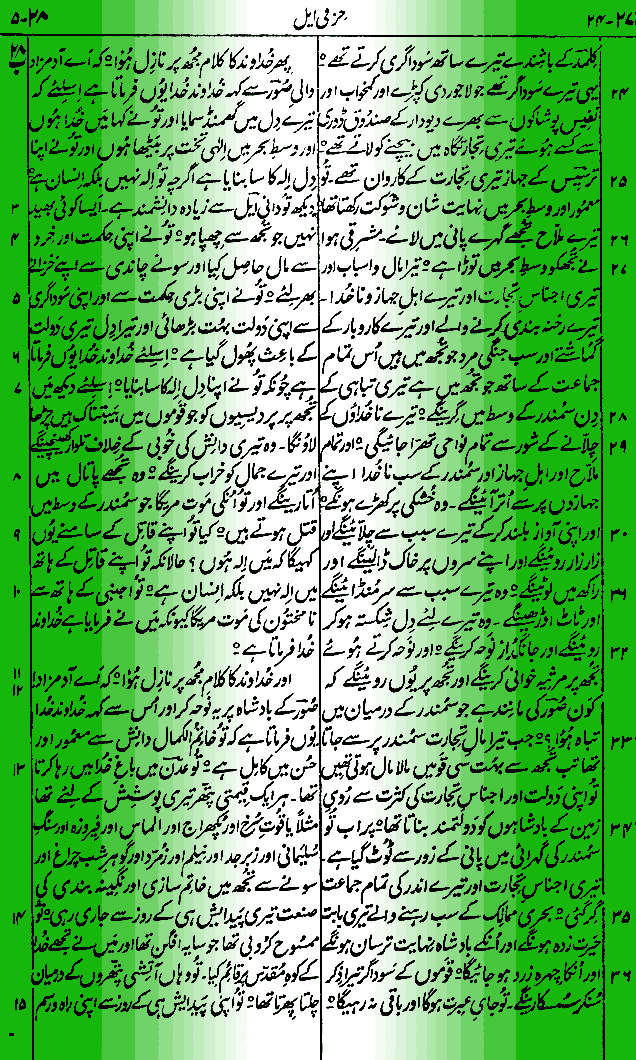
Ezekiel Chapter 27 (Verses 24-36)
Ezekiel 27:24
Verse: These were thy merchants in all sorts of things in blue clothes and broidered work and in chests of rich apparel bound with cords and made of cedar among thy merchandise
English Explanation: This verse highlights the extreme luxury and premium nature of the goods traded by Tyre. They did not just trade in raw materials; they dealt in high-end finished products. The mention of “blue clothes” (highly valuable dyed fabrics), “broidered work” (intricate embroidery), and sturdy, aromatic “chests of cedar” bound securely with ropes demonstrates that Tyre was the ultimate luxury marketplace of the ancient world.
Urdu Explanation: یہ آیت صور (Tyre) کی تجارت کی انتہائی عیش و عشرت اور قیمتی اشیاء کی نشاندہی کرتی ہے۔ وہ صرف خام مال کی تجارت نہیں کرتے تھے بلکہ اعلیٰ درجے کی تیار شدہ مصنوعات کا کاروبار کرتے تھے۔ “نیلے کپڑے” (انتہائی قیمتی رنگے ہوئے کپڑے)، “کڑھائی کا کام” اور مضبوط، خوشبودار “صنوبر کے صندوق” جو رسیوں سے مضبوطی سے باندھے گئے تھے، یہ ظاہر کرتے ہیں کہ صور قدیم دنیا کی سب سے بڑی پرتعیش مارکیٹ تھی۔
Ezekiel 27:25
Verse: The ships of Tarshish did sing of thee in thy market and thou wast replenished and made very glorious in the midst of the seas
English Explanation: The “ships of Tarshish” refer to large, seaworthy merchant vessels capable of long voyages. They acted as the main cargo fleet carrying Tyre’s reputation far and wide. The phrase “did sing of thee” means these fleets praised and promoted Tyre’s unmatched wealth. Located safely and strategically on an island, Tyre became fully replenished (stocked) and incredibly glorious right in the heart of the sea.
Urdu Explanation: “ترسیس کے جہازوں” سے مراد بڑے اور سمندری سفر کے قابل تجارتی جہاز ہیں جو طویل سفر کی صلاحیت رکھتے تھے۔ انہوں نے صور کی شہرت کو دور دور تک پھیلانے والے مرکزی کارگو بیڑے کا کام کیا۔ یہ بحری بیڑے صور کی بے پناہ دولت کی تعریف کرتے تھے۔ سمندر کے بیچوں بیچ ایک جزیرے پر محفوظ اور تزویراتی (strategic) مقام پر واقع ہونے کی وجہ سے، صور مکمل طور پر مالا مال اور انتہائی شاندار بن گیا تھا۔
Ezekiel 27:26
Verse: Thy rowers have brought thee into great waters the east wind hath broken thee in the midst of the seas
English Explanation: Here, the metaphor of a ship is used to describe the nation’s political and economic decisions. The “rowers” (the leaders and politicians of Tyre) guided the nation into “great waters” (dangerous, deep political situations). The “east wind” represents the destructive power of Babylon (the neo-Babylonian empire under Nebuchadnezzar), which shattered Tyre’s maritime security right in the middle of the sea.
Urdu Explanation: یہاں قوم کے سیاسی اور معاشی فیصلوں کو بیان کرنے کے لیے ایک بحری جہاز کا استعارہ استعمال کیا گیا ہے۔ “ملاحوں” (صور کے رہنماؤں اور سیاست دانوں) نے قوم کو “بڑے پانیوں” (خطرناک اور گہرے سیاسی حالات) میں دھکیل دیا۔ “مشرقی ہوا” بابل (نبوکدنضر کے تحت نو-بابل سلطنت) کی تباہ کن طاقت کو ظاہر کرتی ہے، جس نے سمندر کے بیچوں بیچ صور کی بحری سلامتی کو تہس نہس کر دیا۔
Ezekiel 27:27
Verse: Thy riches and thy fairs thy merchandise thy mariners and thy pilots thy calkers and the occupiers of thy merchandise and all thy men of war that are in thee and in all thy company which is in the midst of thee shall fall into the midst of the seas in the day of thy ruin
English Explanation: This verse emphasizes total economic and military collapse. When the day of ruin arrives, everything that gave Tyre its identity and strength—its immense wealth, trade fairs, sailors, navigators, ship-repairers (calkers), international traders, and mighty soldiers—will drown together. Nothing and no one will escape the catastrophic downfall.
Urdu Explanation: یہ آیت مکمل معاشی اور فوجی تباہی پر زور دیتی ہے۔ جب بربادی کا دن آئے گا، تو ہر وہ چیز جس نے صور کو اپنی پہچان اور طاقت دی تھی—اس کی بے پناہ دولت، تجارتی میلے، ملاح، جہاز ران، جہاز کی مرمت کرنے والے، بین الاقوامی تاجر اور طاقتور سپاہی—سب کے سب ایک ساتھ سمندر میں غرق ہو جائیں گے۔ کوئی بھی چیز یا شخص اس بھیانک زوال سے بچ نہیں سکے گا۔
Ezekiel 27:28
Verse: The suburbs shall shake at the sound of the cry of thy pilots
English Explanation: The destruction of Tyre will be so loud and devastating that its shockwaves will be felt far away on the mainland. The “suburbs” or surrounding countryside and coastal towns will literally tremble when they hear the agonizing, desperate cries of Tyre’s experienced shipmasters and leaders facing ultimate defeat.
Urdu Explanation: صور کی تباہی اتنی ہولناک اور شدید ہوگی کہ اس کے اثرات دور دراز کے ساحلی علاقوں اور مضافات میں محسوس کیے جائیں گے۔ جب صور کے تجربہ کار ملاحوں اور رہنماؤں کی آخری شکست پر چیخیں گونجیں گی، تو مضافاتی علاقے اور آس پاس کی بستیاں خوف سے کانپ اٹھیں گی۔
Ezekiel 27:29
Verse: And all that handle the oar the mariners and all the pilots of the sea shall come down from their ships they shall stand upon the land
English Explanation: Seeing the catastrophic destruction of the great city, all other maritime workers, sailors, and captains from nearby regions will abandon their duties in shock. They will step off their ships onto dry land, completely paralyzed and rendered helpless by the realization that if Tyre could fall, no one on the sea is safe.
Urdu Explanation: عظیم شہر کی عبرتناک تباہی دیکھ کر، آس پاس کے علاقوں کے تمام ملاح، کشتیاں چلانے والے اور کپتان صدمے میں اپنے فرائض چھوڑ دیں گے۔ وہ اپنے جہازوں سے اتر کر خشکی پر کھڑے ہو جائیں گے، کیونکہ وہ یہ دیکھ کر بالکل بے بس اور مفلوج ہو جائیں گے کہ اگر صور جیسا طاقتور شہر تباہ ہو سکتا ہے، تو سمندر میں کوئی بھی محفوظ نہیں ہے۔
Ezekiel 27:30
Verse: And shall cause their voice to be heard against thee and shall cry bitterly and shall cast up dust upon their heads they shall wallow themselves in the ashes
English Explanation: This verse depicts ancient mourning customs. The onlookers and trade partners will weep aloud for Tyre. Throwing dust on one’s head and rolling in ashes were traditional Middle Eastern expressions of deep grief, utter despair, and humiliation over a massive, unexpected tragedy.
Urdu Explanation: یہ آیت قدیم دور میں ماتم کرنے کی رسومات کو ظاہر کرتی ہے۔ صور کی تباہی پر تماشائی اور تجارتی شراکت دار زار و قطار روئیں گے۔ سر پر خاک ڈالنا اور راکھ میں لوٹنا قدیم مشرق وسطیٰ میں کسی بڑی اور غیر متوقع تباہی پر گہرے دکھ، سراسر مایوسی اور ذلت کا روایتی اظہار تھا۔
Ezekiel 27:31
Verse: And they shall make themselves utterly bald for thee and gird them with sackcloth and they shall weep for thee with bitterness of heart and bitter wailing
English Explanation: The mourning intensifies as people shave their heads (a sign of losing glory and joy) and wear rough sackcloth instead of fine linen. Their grief is not superficial; it comes from “bitterness of heart,” because Tyre’s destruction directly meant the loss of their own economic livelihoods.
Urdu Explanation: ماتم کی شدت میں مزید اضافہ ہوتا ہے کیونکہ لوگ اپنے سر منڈوا لیتے ہیں (جو جاہ و جلال اور خوشی کے ختم ہونے کی علامت ہے) اور باریک لباس کے بجائے ٹاٹ (sackcloth) پہن لیتے ہیں۔ ان کا دکھ سطحی نہیں ہے بلکہ یہ “دل کی کڑواہٹ” سے نکل رہا ہے، کیونکہ صور کی تباہی کا براہ راست مطلب ان کا اپنا معاشی نقصان تھا۔
Ezekiel 27:32
Verse: And in their wailing they shall take up a lamentation for thee and lament over thee saying What city is like Tyrus like the destroyed in the midst of the sea
English Explanation: The mourners compose a funeral dirge (lamentation) for the fallen city. They ask a rhetorical question highlighting Tyre’s unique status: “What city is like Tyrus?” It was once unparalleled in beauty and wealth, but now it holds a unique position in tragedy—completely ruined and submerged in the sea.
Urdu Explanation: ماتم کرنے والے اس تباہ شدہ شہر کے لیے ایک مرثیہ تیار کرتے ہیں۔ وہ صور کی منفرد حیثیت کو اجاگر کرتے ہوئے ایک سوال پوچھتے ہیں: “کون سا شہر صور کی مانند ہے؟” یہ کبھی حسن اور دولت میں بے مثال تھا، لیکن اب یہ تباہی میں بھی ایک منفرد مقام رکھتا ہے—جو سمندر کے بیچوں بیچ مکمل طور پر برباد اور غرق ہو چکا ہے۔
Ezekiel 27:33
Verse: When thy wares went forth out of the seas thou filledst many people thou didst enrich the kings of the earth with the multitude of thy riches and of thy merchandise
English Explanation: This verse looks back at Tyre’s golden era. When Tyre’s trade goods crossed the oceans, they satisfied the needs and desires of many nations. Its vast commercial network enriched global monarchs, providing them with luxuries and wealth that fueled the ancient global economy.
Urdu Explanation: یہ آیت صور کے سنہری دور پر نظر ڈالتی ہے۔ جب صور کا تجارتی مال سمندروں کے پار جاتا تھا، تو وہ دنیا کی بہت سی قوموں کی ضروریات اور خواہشات کو پورا کرتا تھا۔ اس کے وسیع تجارتی نیٹ ورک نے دنیا بھر کے بادشاہوں کو مالا مال کیا، انہیں وہ تعیشات اور دولت فراہم کی جس نے قدیم عالمی معیشت کو چلایا۔
Ezekiel 27:34
Verse: In the time when thou shalt be broken by the seas in the depths of the waters thy merchandise and all thy company in the midst of thee shall fall
English Explanation: A stark contrast to its glorious past, the moment of judgment arrives. The very sea that served as Tyre’s protective moat and highway of wealth becomes its grave. The crashing waves of invading empires will swallow its merchandise and sink its vast population into the dark depths.
Urdu Explanation: اس کے شاندار ماضی کے بالکل برعکس، اب عدالت اور انصاف کا وقت آ پہنچا ہے۔ وہ سمندر جو کبھی صور کی حفاظتی خندق اور دولت کی شاہراہ کا کام کرتا تھا، اب اس کی قبر بن جاتا ہے۔ حملہ آور سلطنتوں کی موجیں اس کے تجارتی مال کو نگل لیں گی اور اس کی بڑی آبادی کو گہرے پانیوں میں غرق کر دیں گی۔
Ezekiel 27:35
Verse: All the inhabitants of the isles shall be astonished at thee and their kings shall be sore afraid they shall be troubled in their countenance
English Explanation: The geopolitical impact of Tyre’s fall is immense. Coastal nations and island kingdoms (“inhabitants of the isles”) are left speechless and horrified. Their rulers are gripped by terror, and their faces (“countenance”) distort with fear because they realize that if the impregnable fortress of Tyre can be shattered, their own kingdoms stand no chance against divine judgment.
Urdu Explanation: صور کے زوال کے جیو پولیٹیکل اثرات بہت گہرے ہیں۔ ساحلی قومیں اور جزیروں کی بادشاہتیں دنگ اور خوفزدہ رہ جاتی ہیں۔ ان کے حکمران خوف کی گرفت میں ہیں اور ان کے چہرے خوف سے بگڑ رہے ہیں کیونکہ وہ سمجھتے ہیں کہ اگر صور جیسے ناقابل تسخیر قلعے کو پاش پاش کیا جا سکتا ہے، تو خدائی عدالت کے سامنے ان کی اپنی بادشاہتوں کی کوئی حیثیت نہیں ہے۔
Ezekiel 27:36
Verse: The merchants among the people shall hiss at thee thou shalt be a terror and never shalt be any more
English Explanation: To “hiss” at someone in the ancient Near East meant to mock, gasp in disbelief, or whistle in scorn. Competitor merchants and former allies will look at the ruins of Tyre with mockery and dread. Tyre becomes an eternal cautionary tale of pride—a shocking symbol of terror that will never regain its former glory.
Urdu Explanation: قدیم مشرق وسطیٰ میں کسی پر “پھنکارنا” یا سیٹی بجانے کا مطلب مذاق اڑانا، بے یقینی سے سانس لینا یا حقارت کا اظہار کرنا تھا۔ مسابقتی تاجر اور سابقہ اتحادی صور کے کھنڈرات کو تمسخر اور خوف سے دیکھیں گے۔ صور غرور کے انجام کی ایک ابدی عبرت ناک کہانی بن جاتا ہے—خوف کا ایک ایسا چونکا دینے والا نشان جو کبھی اپنی سابقہ شان و شوکت کو دوبارہ حاصل نہیں کر سکے گا۔
Ezekiel Chapter 28 (Verses 1-10)
Ezekiel 28:1
Verse: The word of the LORD came again unto me saying
English Explanation: This marks a structural shift in Ezekiel’s prophecy. After addressing the corporate city of Tyre in Chapter 27, God now directs a specific, personal message through the prophet Ezekiel toward the human ruler responsible for steering the city into absolute pride and rebellion.
Urdu Explanation: یہ حزقی ایل کی نبوت میں ایک ساختی تبدیلی کی نشاندہی کرتا ہے۔ باب 27 میں صور کے پورے شہر کو مخاطب کرنے کے بعد، خدا اب بنی نوع انسان کے اس حکمران کی طرف نبی حزقی ایل کے ذریعے ایک مخصوص اور ذاتی پیغام بھیج رہا ہے جو شہر کو مطلق غرور اور سرکشی کی طرف لے جانے کا ذمہ دار تھا۔
Ezekiel 28:2
Verse: Son of man say unto the prince of Tyrus Thus saith the Lord GOD Because thine heart is lifted up and thou hast said I am a God I sit in the seat of God in the midst of the seas yet thou art a man and not God though thou set thine heart as the heart of God
English Explanation: God addresses Ithobaal II (the Prince/King of Tyre). The root cause of his upcoming doom is extreme hubris. Safe on his island fortress, surrounded by massive wealth, the king suffered from a god-complex, declaring himself a deity who ruled from a divine seat in the sea. God sharply corrects him: despite his delusions of grandeur, he is purely a mortal man, not God.
Urdu Explanation: خدا صور کے شہزادے (حکمران اتھوبال دوم) کو مخاطب کرتا ہے۔ اس کی آنے والی تباہی کی بنیادی وجہ انتہائی غرور ہے۔ اپنے جزیرے کے قلعے پر محفوظ اور بے پناہ دولت سے گھرا ہوا یہ بادشاہ “خدا بننے کے وہم” میں مبتلا تھا، اور خود کو ایک ایسا معبود قرار دیتا تھا جو سمندر میں خدائی تخت پر بیٹھا ہے۔ خدا سختی سے اس کی تصحیح کرتا ہے کہ اپنی تمام تر خوش فہمیوں کے باوجود، وہ محض ایک فانی انسان ہے، خدا نہیں۔
Ezekiel 28:3
Verse: Behold thou art wiser than Daniel there is no secret that they can hide from thee
English Explanation: God uses heavy sarcasm here. The King of Tyre prided himself on his administrative, economic, and political intellect, believing he was even wiser than the famous prophet Daniel (renowned for interpreting dreams and secrets). The king foolishly believed that absolutely no secret or mystery was beyond his personal understanding.
Urdu Explanation: خدا یہاں شدید طنز (sarcasm) کا استعمال کر رہا ہے۔ صور کا بادشاہ اپنی انتظامی، معاشی اور سیاسی ذہانت پر فخر کرتا تھا، اور سمجھتا تھا کہ وہ مشہور نبی دانیال (جو خوابوں اور رازوں کی تعبیر کے لیے مشہور تھے) سے بھی زیادہ عقلمند ہے۔ بادشاہ کا احمقانہ خیال تھا کہ کوئی بھی راز یا چھپی ہوئی بات اس کی سمجھ سے باہر نہیں ہے۔
Ezekiel 28:4
Verse: With thy wisdom and with thine understanding thou hast gotten thee riches and hast gotten gold and silver into thy treasures
English Explanation: God acknowledges that the king did possess great worldly intelligence and sharp commercial shrewdness. Through his clever financial strategies, trading networks, and political treaties, he successfully built immense monetary strength, filling his treasuries with gold and silver. However, he forgot that this wealth was not a sign of divinity.
Urdu Explanation: خدا تسلیم کرتا ہے کہ بادشاہ کے پاس دنیاوی ذہانت اور تیز تجارتی سمجھ بوجھ موجود تھی۔ اپنی ہوشیار مالیاتی حکمت عملیوں، تجارتی نیٹ ورکس اور سیاسی معاہدوں کے ذریعے، اس نے کامیابی کے ساتھ بے پناہ مالی طاقت حاصل کی، اور اپنے خزانوں کو سونے اور چاندی سے بھر دیا۔ لیکن وہ بھول گیا کہ یہ دولت الٰہی ہونے کی علامت نہیں تھی۔
Ezekiel 28:5
Verse: By thy great wisdom and by thy traffick hast thou increased thy riches and thine heart is lifted up because of thy riches
Explanation: This verse connects the dots between intellect, commerce, wealth, and spiritual downfall. His “traffick” (international trade) amplified his fortunes. But instead of remaining humble or grateful, the massive expansion of wealth directly corrupted his heart, inflating his ego to the point of self-worship.
Urdu Explanation: یہ آیت ذہانت، تجارت، دولت اور روحانی زوال کے درمیان تعلق کو جوڑتی ہے۔ اس کی بین الاقوامی تجارت نے اس کی دولت میں بے پناہ اضافہ کیا۔ لیکن عاجز اور شکر گزار رہنے کے بجائے، دولت کی اس بڑی کثرت نے براہ راست اس کے دل کو خراب کر دیا اور اس کی انا کو خود پرستی کی حد تک بڑھا دیا۔
Ezekiel 28:6
Verse: Therefore thus saith the Lord GOD Because thou hast set thine heart as the heart of God
English Explanation: This is the formal indictment. Because the ruler presumed to have the mind, authority, and ultimate sovereignty of God, God steps in to issue a final sentence. No human can attempt to share or steal God’s unique glory without facing severe consequences.
Urdu Explanation: یہ باضابطہ فردِ جرم ہے۔ چونکہ اس حکمران نے اپنے دل میں خدا کی مانند عقل، اختیار اور حتمی خودمختاری کا دعویٰ کیا تھا، اس لیے اب سچا خدا حتمی فیصلہ سنانے کے لیے قدم بڑھاتا ہے۔ کوئی بھی انسان شدید نتائج کا سامنا کیے بغیر خدا کے جلال میں شریک ہونے یا اسے چرانے کی جرات نہیں کر سکتا۔
Ezekiel 28:7
Verse: Behold therefore I will bring strangers upon thee the terrible of the nations and they shall draw their swords against the beauty of thy wisdom and they shall defile thy brightness
English Explanation: God promises to smash the king’s illusion of safety by bringing “strangers”—the ruthless, aggressive Babylonian armies (“the terrible of the nations”). These foreign soldiers will draw swords directly against everything the king built with his “wisdom,” defiling and utterly destroying the magnificent luster and brightness of Tyre.
Urdu Explanation: خدا بادشاہ کے تحفظ کے وہم کو چکنا چور کرنے کا وعدہ کرتا ہے اور اس پر “اجنبیوں”—یعنی بابل کے بے رحم اور ظالم لشکروں (“قوموں کے ہیبت ناک لوگ”) کو مسلط کرتا ہے۔ یہ غیر ملکی سپاہی اپنی تلواریں براہ راست ان تمام چیزوں کے خلاف کھینچیں گے جو بادشاہ نے اپنی “حکمت” سے بنائی تھیں، اور صور کی شاندار چمک دمک کو ناپاک اور نیست و نابود کر دیں گے۔
Ezekiel 28:8
Verse: They shall bring thee down to the pit and thou shalt die the deaths of them that are slain in the midst of the seas
Explanation: The self-proclaimed god who claimed to sit majestically “in the midst of the seas” will be violently dragged down to the “pit” (the grave/Sheol). Instead of a glorious, divine departure, he will suffer a violent, messy, and humiliating death like an ordinary sailor or soldier slain during a naval battle.
Urdu Explanation: وہ خود ساختہ خدا جو “سمندر کے بیچوں بیچ” شان سے بیٹھنے کا دعویٰ کرتا تھا، اسے تشدد کے ساتھ “گڑھے” (قبر/پاتال) میں دھکیل دیا جائے گا۔ ایک شاندار اور الٰہی رخصتی کے بجائے، وہ ایک عام ملاح یا بحری جنگ میں مارے جانے والے سپاہی کی طرح پرتشدد، عبرتناک اور ذلت آمیز موت مرے گا۔
Ezekiel 28:9
Verse: Wilt thou yet say before him that slayeth thee I am God? but thou shalt be a man and no God in the hand of him that slayeth thee
English Explanation: God presents a powerful, ironic rhetorical reality check. When the executioner stands over the king with a raised sword, will the king still have the arrogance to cry out, “I am a God”? In the bloody hands of his mortal killer, his fragile mortality will be permanently exposed. He will know, too late, that he is completely human.
Urdu Explanation: خدا ایک زبردست اور طنزیہ حقیقت کا سامنا کرواتا ہے۔ جب قاتل بادشاہ کے سامنے تلوار اٹھائے کھڑا ہوگا، تو کیا بادشاہ میں اب بھی یہ غرور ہوگا کہ وہ کہے، “میں خدا ہوں”؟ اپنے قاتل کے خون آلود ہاتھوں میں اس کی فانی اور کمزور حقیقت مستقل طور پر بے نقاب ہو جائے گی۔ اسے بہت دیر سے معلوم ہوگا کہ وہ محض ایک کمزور انسان ہے۔
Ezekiel 28:10
Verse: Thou shalt die the deaths of the uncircumcised by the hand of strangers for I have spoken it saith the Lord GOD
English Explanation: To the Phoenicians of Tyre, dying the “death of the uncircumcised” was considered the ultimate spiritual and cultural humiliation—implying a death without ritual honor, cast out from any covenant with God, and treated like an unclean pagan outcast. Because the sovereign Lord GOD has spoken it, this absolute degradation is guaranteed to happen.
Urdu Explanation: صور کے فینیشین (Phoenicians) کے نزدیک، “نامختونوں (uncircumcised) کی موت” مرنا انتہائی روحانی اور ثقافتی ذلت سمجھا جاتا تھا—یعنی ایک ایسی موت جو بغیر کسی اعزاز کے ہو، خدا کے عہد سے باہر ہو، اور جس کے ساتھ ایک ناپاک شخص جیسا سلوک کیا جائے۔ چونکہ قادرِ مطلق خداوند خدا نے یہ فرما دیا ہے، اس لیے اس ذلت آمیز انجام کا ہونا یقینی ہے۔