Verse-by-Verse Commentary & Translation
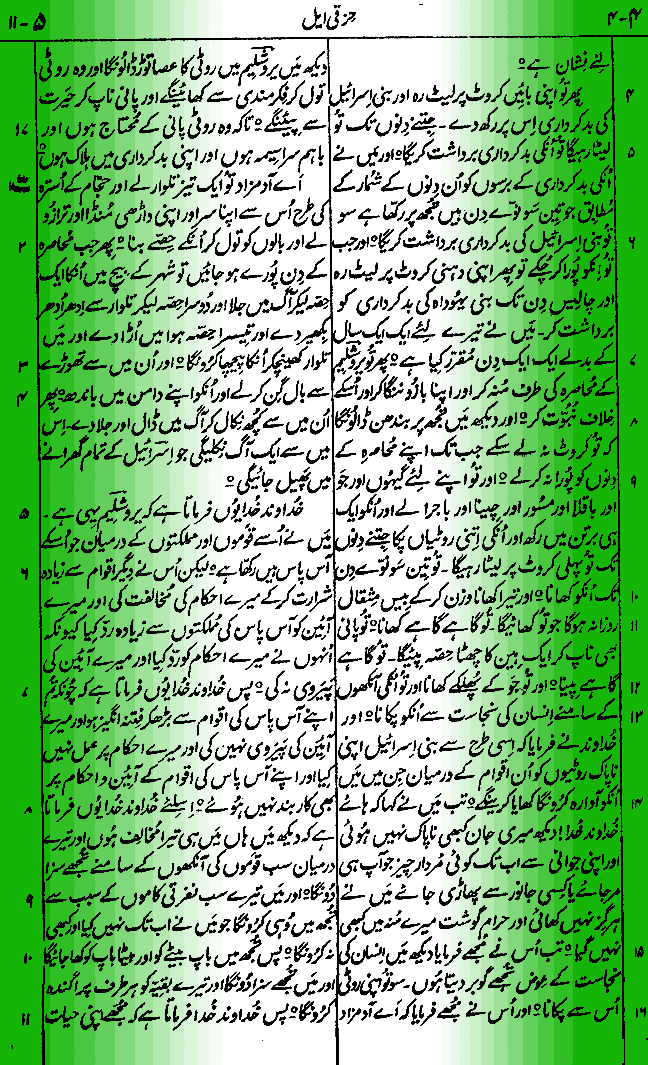
Ezekiel 4:4
-
Verse:
Lie thou also upon thy left side and lay the iniquity of the house of Israel upon it according to the number of the days that thou shalt lie upon it thou shalt bear their iniquity -
English Explanation: God commands Ezekiel to perform a dramatic, symbolic act. He must lie on his left side to physically represent the collective sins and guilt of the Northern Kingdom (Israel). By lying in this restricted position, he symbolically “bears” the weight of their judgment for a designated period.
-
Urdu Explanation:
خدا حزقیال کو ایک علامتی عمل کرنے کا حکم دیتا ہے۔ انہیں اپنے بائیں کروٹ لیٹنا تھا تاکہ وہ اسرائیل کے شمالی گھرانے کے گناہوں اور قصور کو ظاہر کر سکیں۔ اس حالت میں لیٹ کر وہ علامتی طور پر ان کے گناہوں کا بوجھ اپنے اوپر اٹھا رہے تھے۔
Ezekiel 4:5
-
Verse:
For I have laid upon thee the years of their iniquity according to the number of the days three hundred and ninety days so shalt thou bear the iniquity of the house of Israel -
English Explanation: The timeline for the Northern Kingdom’s judgment is explicitly set to 390 days. Each day that Ezekiel lies on his left side represents one year of Israel’s historical rebellion and systemic idolatry against God.
-
Urdu Explanation:
اسرائیل کے گناہوں کی مدت کا تعین ۳۹۰ دن کیا گیا ہے۔ حزقیال کا روزانہ بائیں کروٹ لیٹنا اسرائیل کے گناہوں اور بت پرستی کے ۳۹۰ سالوں کو ظاہر کرتا تھا جو انہوں نے خدا کے خلاف کیے۔
Ezekiel 4:6
-
Verse:
And when thou hast accomplished them lie again on thy right side and thou shalt bear the iniquity of the house of Judah forty days I have appointed thee each day for a year -
English Explanation: Once the 390 days are completed, Ezekiel must roll over onto his right side for 40 days. This shift represents the Southern Kingdom (Judah). God establishes a strict prophetic formula here: “each day for a year,” meaning Judah’s specific period of sin and impending judgment equates to 40 years.
-
Urdu Explanation:
۳۹۰ دن پورے کرنے کے بعد حزقیال کو اپنی دائیں کروٹ ۴۰ دن کے لیے لیٹنا تھا۔ یہ عمل یہوداہ کی سلطنت (جنوبی گھرانے) کے گناہوں کو ظاہر کرتا تھا۔ خدا نے یہاں واضح اصول مقرر کیا کہ ہر ایک دن ایک سال کے برابر ہوگا یعنی یہوداہ کے ۴۰ سال کا گناہ۔
Ezekiel 4:7
-
Verse:
Therefore thou shalt set thy face toward the siege of Jerusalem and thine arm shall be uncovered and thou shalt prophesy against it -
English Explanation: While lying down, Ezekiel must fix his gaze toward a miniature model of Jerusalem under siege. Rolling up his sleeve (“arm uncovered”) symbolizes God’s bare, active power and readiness to strike the city in judgment.
-
Urdu Explanation:
لیٹنے کے دوران حزقیال کو اپنا رخ یروشلم کے محاصرے کے نمونے کی طرف رکھنا تھا۔ ان کا ننگا بازو اس بات کی علامت تھا کہ خدا کا قہر اور بازو اب اس شہر پر گرنے کے لیے بالکل تیار ہے۔
Ezekiel 4:8
-
Verse:
And behold I will lay bands upon thee and thou shalt not turn thee from one side to another till thou hast ended the days of thy siege -
English Explanation: God states that He will spiritually or physically bind Ezekiel. The prophet is restricted from turning freely from side to side, emphasizing the certainty, fixed duration, and inescapable nature of the coming siege of Jerusalem.
-
Urdu Explanation:
خدا فرماتا ہے کہ وہ حزقیال کو بندھنوں میں جکڑ دے گا تاکہ وہ خود اپنی مرضی سے کروٹ نہ بدل سکیں۔ یہ اس بات کی علامت تھی کہ یروشلم کا محاصرہ اٹل ہے اور اس کی مدت مقرر ہو چکی ہے۔
Ezekiel 4:9
-
Verse:
Take thou also unto thee wheat and barley and beans and lentiles and millet and fitches and put them in one vessel and make thee bread thereof according to the number of the days that thou shalt lie upon thy side three hundred and ninety days shalt thou eat thereof -
English Explanation: Ezekiel is told to mix multiple grains and legumes to make a single type of bread. Mixing various low-grade grains together signifies extreme scarcity and desperation; during a harsh military siege, people cannot afford pure wheat and must bake whatever scraps they can find. He must eat this for the full 390 days.
-
Urdu Explanation:
حزقیال کو مختلف اناج اور دالیں ملا کر روٹی بنانے کا حکم دیا گیا۔ یہ اس بات کی علامت تھی کہ محاصرے کے دوران خوراک کی شدید قلت ہوگی اور لوگوں کو جو کچھ ملے گا ملا جلا کر کھانا پڑے گا۔ یہ روٹی انہیں ۳۹۰ دن تک کھانی تھی۔
Ezekiel 4:10
-
Verse:
And thy meat which thou shalt eat shall be by weight twenty shekels a day from time to time shalt thou eat it -
English Explanation: Food rationing is introduced. Ezekiel is limited to eating only 20 shekels of food per day (roughly 8 ounces or 230 grams). This severely restricted food intake visualizes the terrible famine conditions inside Jerusalem during the Babylonian attack.
-
Urdu Explanation:
یہاں خوراک کی راشن بندی دکھائی گئی ہے۔ حزقیال کو روزانہ صرف ۲۰ مثقال (تقریباً ۲۳۰ گرام) کے وزن کے برابر کھانا کھانے کی اجازت تھی۔ یہ ظاہر کرتا ہے کہ محاصرے کے دوران شہر میں کیسا ہولناک قحط پڑے گا۔
Ezekiel 4:11
-
Verse:
Thou shalt drink also water by measure the sixth part of an hin from time to time shalt thou drink -
English Explanation: Water is strictly rationed alongside food. Ezekiel is allowed only a sixth of a “hin” per day (roughly 0.6 liters or a little over 2 cups). This portrays the severe, life-threatening dehydration and resource depletion the citizens of Jerusalem will soon face.
-
Urdu Explanation:
کھانے کے ساتھ پانی کی بھی سخت راشن بندی کی گئی۔ حزقیال کو روزانہ صرف ایک ہین کا چھٹا حصہ (تقریباً آدھا لیٹر سے کچھ زیادہ) پانی پینے کی اجازت تھی جو شہر میں پانی کی شدید قلت کی عکاسی کرتا ہے۔
Ezekiel 4:12
-
Verse:
And thou shalt eat it as barley cakes and thou shalt bake it with dung that cometh out of man in their sight -
English Explanation: In a shocking directive, God commands Ezekiel to bake his bread using human feces as fuel. In ancient times, animal dung was commonly used for fires, but using human waste was deeply offensive, unclean, and humiliating, emphasizing total societal breakdown.
-
Urdu Explanation:
خدا نے حزقیال کو حکم دیا کہ وہ اس روٹی کو انسان کے فضلے کی آگ پر پکائے۔ پرانے زمانے میں جانوروں کا گوبر تو ایندھن کے طور پر استعمال ہوتا تھا لیکن انسانی فضلہ استعمال کرنا انتہائی ناپاک اور ذلت آمیز تھا جو سماجی تباہی کو ظاہر کرتا ہے۔
Ezekiel 4:13
-
Verse:
And the LORD said Even thus shall the children of Israel eat their defiled bread among the Gentiles whither I will drive them -
English Explanation: God explains the disturbing imagery of the unclean fuel: it predicts that the exiled Israelites will be forced to live in pagan lands, where keeping biblical dietary laws will be impossible, forcing them to eat ceremonially defiled food.
-
Urdu Explanation:
خدا اس ناپاک ایندھن کی وجہ بیان کرتا ہے کہ جب بنی اسرائیل کو غیر قوموں کے ملکوں میں جلاوطن کیا جائے گا تو وہ وہاں اسی طرح ناپاک اور حرام کھانا کھانے پر مجبور ہوں گے کیونکہ وہاں پاکیزگی کے قوانین پر عمل ممکن نہیں ہوگا۔
Ezekiel 4:14
-
Verse:
Then said I Ah Lord GOD! behold my soul hath not been polluted for from my youth up even till now have I not eaten of that which dieth of itself or is torn in pieces neither came there abominable flesh into my mouth -
English Explanation: Ezekiel, who was trained as a priest, objects with deep distress. He defends his lifelong commitment to God’s holiness laws, stating he has never violated priestly dietary commands by eating unclean, torn, or unvetted meat.
-
Urdu Explanation:
حزقیال چونکہ ایک کاہن (امام) تھے اس لیے وہ تڑپ کر عرض کرتے ہیں کہ انہوں نے بچپن سے اب تک کبھی کوئی ناپاک یا مردار چیز نہیں کھائی اور اپنی پاکیزگی کو برقرار رکھا ہے اس لیے وہ یہ ناپاک عمل کیسے کریں۔
Ezekiel 4:15
-
Verse:
Then he said unto me Lo I have given thee cow’s dung for man’s dung and thou shalt prepare thy bread therewith -
English Explanation: Responding to Ezekiel’s priestly distress with mercy, God modifies the command. He permits Ezekiel to use cow dung instead of human waste to bake the bread. Cow dung was a normal, clean fuel source in the ancient Near East, sparing Ezekiel personal defilement.
-
Urdu Explanation:
خدا حزقیال کی پریشانی پر رحم کھاتا ہے اور اپنے حکم میں نرمی کرتے ہوئے انسانی فضلے کی جگہ گائے کے گوبر (اوپلوں) کو استعمال کرنے کی اجازت دیتا ہے جو کہ اس دور میں ایک عام اور پاک ایندھن سمجھا جاتا تھا۔
Ezekiel 4:16
-
Verse:
Moreover he said unto me Son of man behold I will break the staff of bread in Jerusalem and they shall eat bread by weight and with care and they shall drink water by measure and with astonishment -
English Explanation: God explicitly interprets the dramatic sign: He will cut off Jerusalem’s primary life support (“the staff of bread”). The inhabitants will live in sheer terror, weighing every scrap of food and measuring every drop of water with anxious amazement as their society collapses.
-
Urdu Explanation:
خدا اس پورے عمل کی تشریح کرتا ہے کہ وہ یروشلم میں روٹی کا سہارا (خوراک کی سپلائی) توڑ دے گا۔ وہاں کے لوگ خوف اور حیرانی کے عالم میں تول تول کر کھانا کھائیں گے اور ناپ ناپ کر پانی پئیں گے۔
Ezekiel 4:17
-
Verse:
That they may want bread and water and be astonied one with another and consume away for their iniquity -
English Explanation: The final purpose of the famine is revealed. Starvation and dehydration will lead to widespread despair. The people will look at one another in utter shock and slowly waste away as a direct consequence of their unrepented sins.
-
Urdu Explanation:
اس شدید قحط کا نتیجہ یہ ہوگا کہ لوگ روٹی اور پانی کے لیے ترسیں گے ایک دوسرے کو دیکھ کر حیران ہوں گے اور اپنے گناہوں اور نافرمانیوں کی وجہ سے گھل گھل کر مر جائیں گے۔
Ezekiel 5:1
-
Verse:
And thou son of man take thee a sharp knife take thee a barber’s razor and cause it to pass upon thine head and upon thy beard then take thee balances to weight and divide the hair -
English Explanation: Moving into Chapter 5, God gives Ezekiel a new symbolic task. He must use a sharp sword or razor to completely shave his head and beard. Shaving was a sign of intense mourning, shame, and humiliation. He must then use scales to precisely divide the shaved hair into three equal portions.
-
Urdu Explanation:
باب ۵ کے آغاز میں خدا حزقیال کو ایک نیا حکم دیتا ہے۔ انہیں ایک تیز تلوار یا استرے سے اپنے سر اور داڑھی کے بال مونڈنے تھے۔ بال مونڈنا انتہائی ماتم اور شرمندگی کی علامت تھا۔ پھر ترازو لے کر ان بالوں کو برابر تین حصوں میں تقسیم کرنا تھا۔
Ezekiel 5:2
-
Verse:
Thou shalt burn with fire a third part in the midst of the city when the days of the siege are fulfilled and thou shalt take a third part and smite about it with a knife and a third part thou shalt scatter in the wind and I will draw out a sword after them -
English Explanation: The fate of the three portions of hair represents the fate of Jerusalem’s population: one-third will burn (die of disease and famine inside the city); one-third will be chopped with a knife (die by the sword outside the walls); and one-third will be scattered to the wind (scattered into exile), pursued by God’s judgment.
-
Urdu Explanation:
بالوں کے تین حصوں کا انجام یروشلم کے لوگوں کے انجام کو ظاہر کرتا ہے: ایک تہائی بال شہر کے بیچوں بیچ جلانے تھے (جو قحط اور بیماری سے مریں گے) ایک تہائی کو تلوار سے کاٹنا تھا (جو جنگ میں مارے جائیں گے) اور ایک تہائی کو ہوا میں اڑانا تھا (جو جلاوطن ہو جائیں گے)۔
Ezekiel 5:3
-
Verse:
Thou shalt also take thereof a few in number and bind them in thy skirts -
English Explanation: From the final group of scattered hair, Ezekiel is instructed to take a very small remnant of strands and safely tuck them into the folds of his garment. This beautifully symbolizes God’s mercy in preserving a small remnant of Jewish survivors through the exile.
-
Urdu Explanation:
حزقیال کو حکم ملا کہ ان بالوں میں سے چند بال لے کر اپنے دامن میں چھپا لیں۔ یہ اس بات کی علامت ہے کہ خدا اپنے رحم کے باعث جلاوطنی کے دوران بھی ایک چھوٹے سے گروہ (باقیماندہ لوگوں) کو محفوظ رکھے گا۔
Ezekiel 5:4
-
Verse:
Then take of them again and cast them into the midst of the fire and burn them in the fire for thereof shall a fire come forth into all the house of Israel -
Explanation: Even among the preserved remnant, some will face further testing and judgment. Ezekiel takes some of those tucked hairs and throws them into the fire, indicating that judgment will continue to cleanse and purge the house of Israel.
-
Urdu Explanation:
دامن میں رکھے گئے بالوں میں سے بھی کچھ بال لے کر دوبارہ آگ میں ڈالنے تھے۔ یہ اس بات کو ظاہر کرتا ہے کہ محفوظ رہنے والے گروہ کو بھی مزید آزمائشوں اور عدالت کی آگ سے گزرنا پڑے گا تاکہ پاکیزگی حاصل ہو۔
Ezekiel 5:5
-
Verse:
Thus saith the Lord GOD This is Jerusalem I have set it in the midst of the nations and countries that are round about her -
English Explanation: God identifies the target of this prophecy: Jerusalem. He points out that He strategically placed Jerusalem at the geographic and spiritual center of the nations to be a holy beacon of light and truth to the surrounding pagan world.
-
Urdu Explanation:
خدا فرماتا ہے کہ یہ شہر یروشلم ہے۔ خدا نے اسے دنیا کی تمام قوموں اور ملکوں کے درمیان ایک خاص مرکز بنا کر رکھا تھا تاکہ یہ باقی دنیا کے لیے خدا کی سچائی اور پاکیزگی کا نور بنے۔
Ezekiel 5:6
-
Verse:
And she hath changed my judgments into wickedness more than the nations and my statutes more than the countries that are round about her for they have refused my judgments and my statutes they have not walked in them -
English Explanation: Instead of being a holy example, Jerusalem rebelled. God states that His people became more wicked and corrupt than the pagan nations surrounding them, actively rejecting His laws and refusing to walk in His ways.
-
Urdu Explanation:
لیکن یروشلم نے روشنی بننے کے بجائے خدا کے احکام کو رد کر دیا اور اپنے اردگرد کی بت پرست قوموں سے بھی زیادہ برائی اور سرکشی اختیار کی۔ انہوں نے خدا کی شریعت پر چلنے سے صاف انکار کر دیا۔
Ezekiel 5:7
-
Verse:
Therefore thus saith the Lord GOD Because ye multiplied more than the nations that are round about you and have not walked in my statutes neither have kept my judgments neither have done according to the judgments of the nations that are round about you -
English Explanation: God rebukes them because their turbulent rebellion exceeded that of the heathens. The surrounding pagan nations were often loyal to their false gods, but Israel was uniquely unfaithful to the one true God, failing to meet even basic moral standards.
-
Urdu Explanation:
خدا فرماتا ہے کہ تم اردگرد کی قوموں سے زیادہ سرکش نکلے۔ وہ قومیں تو اپنے جھوٹے معبودوں کی وفادار رہیں لیکن تم نے سچے خدا کے قوانین کو توڑ دیا اور اخلاقیات کے ان معیاروں پر بھی پورا نہ اترے جو دوسری قوموں میں پائے جاتے تھے۔
Ezekiel 5:8
-
Verse:
Therefore thus saith the Lord GOD Behold I even I am against thee and will execute judgments in the midst of thee in the sight of the nations -
English Explanation: Because of their profound betrayal, God declares, “I am against thee.” He promises to execute His judicial punishment publicly, in full view of the surrounding pagan nations, vindicating His holiness.
-
Urdu Explanation:
اس سنگین بے وفائی کی وجہ سے خدا فرماتا ہے کہ “دیکھ میں خود تیرے خلاف ہوں”۔ خدا اب تمام قوموں کے سامنے علانیہ طور پر یروشلم پر اپنی عدالت نازل کرے گا تاکہ سب اس کے انصاف کو دیکھیں۔
Ezekiel 5:9
-
Verse:
And I will do in thee that which I have not done and whereunto I will not do any more the like because of all thine abominations -
English Explanation: Due to the horrific nature of Jerusalem’s abominations and spiritual adultery, God will unleash a catastrophic punishment unlike anything witnessed in their past history or ever to be seen again.
-
Urdu Explanation:
تمہاری گھناؤنی حرکتوں اور بت پرستی کی وجہ سے خدا فرماتا ہے کہ وہ تم پر ایسی عبرتناک سزا نازل کرے گا جس کی مثال نہ تو ماضی میں ملتی ہے اور نہ ہی مستقبل میں کبھی ایسی ہولناک سزا دی جائے گی۔
Ezekiel 5:10
-
Verse:
Therefore the fathers shall eat the sons in the midst of thee and the sons shall eat their fathers and I will execute judgments in thee and the whole remnant of thee will I scatter into all the winds -
English Explanation: God describes the terrifying depths of the localized famine during the Babylonian siege: starvation will drive people to absolute madness, resulting in cannibalism between parents and children. Any survivors left over will be forcefully scattered to the winds.
-
Urdu Explanation:
خدا قحط کی ہولناکی کی انتہا بیان کرتا ہے کہ بھوک کی وجہ سے لوگ پاگل ہو جائیں گے اور باپ اپنے بیٹوں کا اور بیٹے اپنے باپ کا گوشت کھائیں گے۔ اور جو کوئی اس تباہی سے بچ جائے گا اسے دنیا کے چاروں کونوں میں تتر بتر کر دیا جائے گا۔
Ezekiel 5:11
-
Verse:
Wherefore as I live saith the Lord GOD Surely because thou hast defiled my sanctuary with all thy detestable things and with all thine abominations therefore will I also diminish thee neither shall mine eye spare neither will I have any pity -
English Explanation: God seals His verdict with a solemn oath (“as I live”). Because the people directly defiled His holy Temple with pagan idols and abominations, God will withdraw His presence, strip them of their glory, and show absolutely no pity or sparing mercy during the coming destruction.
-
Urdu Explanation:
خدا اپنی حیات کی قسم کھا کر فرماتا ہے کہ چونکہ تم نے میرے مقدس گھر (ہیکل) کو بتوں اور گھناؤنے کاموں سے ناپاک کیا ہے اس لیے میں بھی تم کو نیست و نابود کر دوں گا۔ میری آنکھ تم پر رحم نہیں کرے گی اور نہ ہی میں کوئی ترس کھاؤں گا۔