Chapter 5 Verses & Commentary
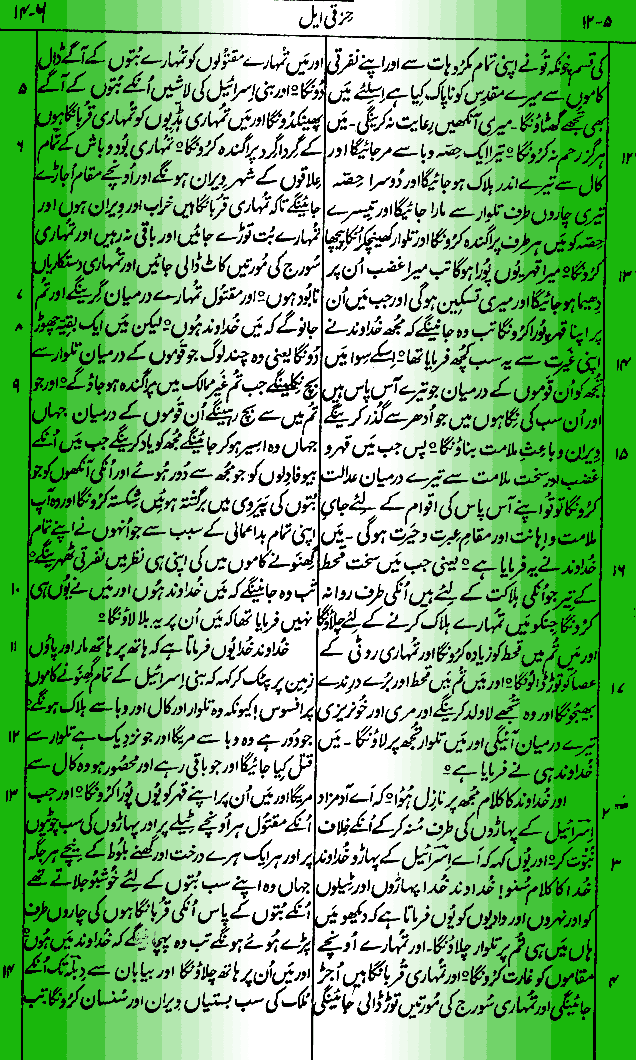
Ezekiel 5:12
Verse: A third part of thee shall die with the pestilence and with famine shall they be consumed in the midst of thee and a third part shall fall by the sword round about thee and I will scatter a third part into all the winds and I will draw out a sword after them
Detailed Explanation (English)
This verse outlines the precise, threefold division of God’s judgment upon the inhabitants of Jerusalem. God details that a exact third of the population will succumb to disease (pestilence) and severe starvation within the besieged city walls. Another third will perish violently by the enemy’s weapons during the siege and final breach. The remaining third will survive the initial onslaught only to be scattered as refugees across foreign lands, where they will continue to face hostility and persecution—represented by the “drawn-out sword.” It highlights the total collapse of societal security due to systemic spiritual disobedience.
Detailed Explanation (Urdu)
یہ آیت یروشلم کے باشندوں پر خدا کے تین حصوں میں آنے والے قطعی عذاب کو بیان کرتی ہے۔ خدا فرماتا ہے کہ آبادی کا ایک تہائی حصہ محاصرے کے دوران شہر کے اندر بیماری (وبا) اور شدید قحط سے مر جائے گا۔ دوسرا تہائی حصہ شہر کے ارد گرد دشمن کی تلوار (جنگ) سے ہلاک ہو جائے گا۔ اور باقی بچ جانے والا آخری تہائی حصہ دنیا بھر کی ہواؤں میں یعنی مختلف ملکوں میں تتر بتر کر دیا جائے گا جہاں پناہ گزینی کی حالت میں بھی مشکلات ان کا پیچھا نہیں چھوڑیں گی۔ یہ اس بات کی علامت ہے کہ الٰہی نافرمانی کا انجام مکمل سماجی اور جسمانی تباہی ہے۔
Ezekiel 5:13
Verse: Thus shall mine anger be accomplished and I will cause my fury to rest upon them and I will be comforted and they shall know that I the LORD have spoken it in my zeal when I have accomplished my fury in them
Detailed Explanation (English)
Here, the text describes the satisfaction of divine justice. God’s “fury resting upon them” does not mean a sudden loss of temper, but rather the full execution of righteous judgment that balances the spiritual scales. The term “comforted” implies that God’s holiness is vindicated when persistent wickedness is finally answered. Ultimately, this intense display of sovereign power will force a rebellious people to acknowledge that Yahweh is true to His word and intensely jealous for covenant faithfulness.
Detailed Explanation (Urdu)
اس آیت میں الٰہی انصاف کے پورا ہونے کا منظر پیش کیا گیا ہے۔ خدا کا غصہ ان پر “تھم جانے” کا مطلب یہ ہے کہ جب گناہ کی سزا پوری ہو جائے گی تو عدل قائم ہو جائے گا۔ “تسلّی پانے” سے مراد یہ ہے کہ جب طویل سرکشی کا خاتمہ ہوگا تو خدا کی پاکیزگی برقرار رہے گی۔ اس شدید سزا کے ذریعے بنی اسرائیل پر یہ حقیقت واضح ہو جائے گی کہ خداوند نے جو کچھ اپنی غیرت میں فرمایا تھا وہ سچ تھا اور وہ اپنے عہد کے معاملے میں نہایت غیور ہے۔
Ezekiel 5:14
Verse: Moreover I will make thee waste and a reproach among the nations that are round about thee in the sight of all that pass by
Detailed Explanation (English)
God declares that Jerusalem—once the crown jewel of nations and the center of spiritual life—will be reduced to absolute ruin. This devastation will not be hidden; it will serve as a public spectacle of failure and disgrace to neighboring pagan nations. Passersby who once marveled at her beauty will look upon her with mockery and disdain, highlighting how the loss of spiritual integrity leads directly to a loss of earthly honor.
Detailed Explanation (Urdu)
خدا فرماتا ہے کہ یروشلم جو کبھی قوموں کا تاج اور روحانی مرکز تھا اب مکمل طور پر ویران کر دیا جائے گا۔ یہ تباہی پوشیدہ نہیں رہے گی بلکہ آس پاس کی بت پرست قوموں اور وہاں سے گزرنے والے ہر مسافر کے سامنے ایک عبرت کا نشان بن جائے گی۔ جو لوگ کبھی اس کی خوبصورتی اور شان و شوکت پر رشک کرتے تھے اب وہ اسے حقارت کی نظر سے دیکھیں گے کیونکہ جب کوئی قوم اپنی روحانی پاکیزگی کھو دیتی ہے تو اس کی دنیاوی عزت بھی خاک میں مل جاتی ہے۔
Ezekiel 5:15
Verse: So it shall be a reproach and a taunt an instruction and an astonishment unto the nations that are round about thee when I shall execute judgments in thee in anger and in fury and in furious rebukes I the LORD have spoken it
Detailed Explanation (English)
The ruins of Jerusalem are prophesied to become an object lesson for the surrounding world. It acts as an “instruction” (a warning) to other kingdoms about the consequences of breaking covenant with the Almighty. The magnitude of the divine wrath poured out will cause “astonishment,” leaving observers shocked at how thoroughly God punishes sin, even among His chosen people. The repetition of “I the LORD have spoken it” acts as an absolute seal of certainty.
Detailed Explanation (Urdu)
یروشلم کے کھنڈرات دنیا کے لیے ایک عملی سبق اور وارننگ بن جائیں گے۔ یہ ارد گرد کی قوموں کو سکھائے گا کہ قادرِ مطلق سے غداری کا انجام کیا ہوتا ہے۔ خدا کا غضب اس قدر شدید ہوگا کہ دیکھنے والے دنگ رہ جائیں گے (حیرت کا باعث بنے گا) کہ خدا اپنے ہی چنے ہوئے لوگوں کے گناہوں کی اتنی سخت سزا دے سکتا ہے۔ آیت کے آخر میں “میں خداوند ہی نے یہ فرمایا ہے” کا جملہ اس بات پر مہر لگاتا ہے کہ یہ سزا اٹل ہے۔
Ezekiel 5:16
Verse: When I shall send upon them the evil arrows of famine which shall be for their destruction and which I will send to destroy you and I will increase the famine upon you and will break your staff of bread
Detailed Explanation (English)
God uses the metaphor of “evil arrows” to describe the piercing, deadly nature of famine. Food scarcity is weaponized against the rebellious city. To “break the staff of bread” means to cut off the core source of human sustenance. Bread was the basic daily support (the “staff” one leans on for life) of ancient society; removing it signifies total economic, physical, and psychological collapse.
Detailed Explanation (Urdu)
خدا قحط کی ہلاکت خیزی کو بیان کرنے کے لیے “برے تیروں” کا استعارہ استعمال کرتا ہے۔ غلے کی قلت باغی شہر کے خلاف ایک ہتھیار بن جائے گی۔ “روٹی کے سہارے کو توڑنے” کا مطلب ہے انسانی زندگی کی بقا کے بنیادی ذریعے کا ختم ہو جانا۔ قدیم معاشرے میں روٹی روزمرہ کا سب سے بڑا سہارا تھی؛ اس کا چھن جانا معاشی، جسمانی اور نفسیاتی طور پر مکمل تباہی کی علامت ہے۔
Ezekiel 5:17
Verse: So will I send upon you famine and evil beasts and they shall bereave thee and pestilence and blood shall pass through thee and I will bring the sword upon thee I the LORD have spoken it
Detailed Explanation (English)
This verse summarizes the comprehensive terrors awaiting the land, invoking covenant curses found in the Torah (such as wild beasts depopulating the countryside). The judgment escalates from invisible plagues (pestilence) to tangible threats (wild animals and violent invading armies). There is no avenue of escape when God’s decree of judgment is finalized, reaffirming God’s ultimate sovereignty over nature and geopolitical forces.
Detailed Explanation (Urdu)
یہ آیت ان تمام ہولناک عذابوں کا احاطہ کرتی ہے جو اس سرزمین پر آنے والے ہیں، جن میں تورات کے عہد کی سزائیں (جیسے جنگلی جانوروں کا انسانوں کو ہلاک کرنا) شامل ہیں۔ یہ عذاب پوشیدہ بیماریوں (وباؤں) سے لے کر ظاہری خطرات (وحشی جانوروں اور حملہ آور فوجوں کی تلوار) تک پھیل جائے گا۔ جب خدا کا فیصلہ قطعی ہو جائے تو بچنے کا کوئی راستہ نہیں رہتا کیونکہ فطرت اور دنیا کی تمام طاقتیں اسی کے تابع ہیں۔
Chapter 6 Verses & Commentary
Ezekiel 6:1
Verse: And the word of the LORD came unto me saying
Detailed Explanation (English)
This introductory phrase establishes the absolute divine authority of the message that follows. Ezekiel is not sharing personal political opinions or emotional frustrations; he is delivering a direct, inspired revelation from Yahweh. It marks a transition to a new prophetic discourse focusing heavily on the physical geography of Israel.
Detailed Explanation (Urdu)
یہ تعارفی جملہ آنے والے پیغام کے الٰہی اور مستند ہونے کو ثابت کرتا ہے۔ حزقی ایل نبی یہاں اپنے ذاتی خیالات یا سیاسی جذبات کا اظہار نہیں کر رہے بلکہ وہ براہِ راست خداوند کا کلام پہنچا رہے ہیں۔ یہ آیت ایک نئے نبوتی پیغام کا آغاز کرتی ہے جس کا رخ خاص طور پر اسرائیل کے جغرافیے کی طرف ہے۔
Ezekiel 6:2
Verse: Son of man set thy face toward the mountains of Israel and prophesy against them
Detailed Explanation (English)
God addresses Ezekiel by his characteristic title “Son of man,” emphasizing human frailty in contrast to divine glory. He is commanded to physically and intentionally “set his face” toward the mountains of Israel. The mountains are addressed directly because they had become the primary locations for pagan high places, idolatrous shrines, and altars dedicated to false gods like Baal and Asherah.
Detailed Explanation (Urdu)
خدا حزقی ایل کو ان کے مخصوص لقب “آدم زاد” سے مخاطب کرتا ہے جو خدا کی عظمت کے سامنے انسان کی عاجزی کو ظاہر کرتا ہے۔ انہیں حکم دیا گیا ہے کہ وہ اپنا رخ اسرائیل کے پہاڑوں کی طرف کریں اور ان کے خلاف نبوت کریں۔ پہاڑوں کو خاص طور پر اس لیے مخاطب کیا گیا ہے کیونکہ وہ جھوٹے معبودوں (جیسے بعل اور اسیرت) کے پوجا کے مراکز اور بت پرستی کے اونچے مقامات بن چکے تھے۔
Ezekiel 6:3
Verse: And say Ye mountains of Israel hear the word of the Lord GOD Thus saith the Lord GOD to the mountains and to the hills to the rivers and to the valleys Behold I even I will bring a sword upon you and I will destroy your high places
Detailed Explanation (English)
Through anthropomorphism, Ezekiel speaks directly to the topography—mountains, hills, ravines, and valleys—signifying that the entire landscape has been defiled by worshiping false deities. God declares with strong emphasis (“Behold, I, even I”) that human armies will act as His sword to demolish the unauthorized “high places” where pagan rituals occurred, purifying the land through destruction.
Detailed Explanation (Urdu)
اس آیت میں حزقی ایل زمین کے مختلف حصوں—پہاڑوں، پہاڑیوں، ندیوں اور وادیوں—سے کلام کرتے ہیں، جس کا مطلب یہ ہے کہ اسرائیل کا پورا جغرافیہ بت پرستی کی وجہ سے ناپاک ہو چکا ہے۔ خدا پورے زور کے ساتھ فرماتا ہے کہ وہ خود ان کے خلاف تلوار (دشمن کی فوج) لائے گا تاکہ ان تمام “اونچے مقاموں” کو تباہ کر سکے جہاں غیر معبودوں کی پوجا کی جاتی تھی۔
Ezekiel 6:4
Verse: And your altars shall be desolate and your images shall be broken and I will cast down your slain men before your idols
Detailed Explanation (English)
The objects of Israel’s spiritual betrayal will be completely humiliated. The sacrificial altars built for idols will be abandoned, and the sun-images or statues will be shattered. In a stroke of poetic justice, the very people who looked to these dead idols for protection will be slaughtered right in front of them, proving the absolute powerlessness of these false deities to save their worshipers.
Detailed Explanation (Urdu)
اسرائیل کی روحانی بے وفائی کے تمام مراکز اور نشانات کو مٹا دیا جائے گا۔ بتوں کے لیے بنائی گئی قربان گاہیں ویران ہو جائیں گی اور ان کے بت اور مورتیاں توڑ دی جائیں گی۔ عبرت ناک انصاف کا یہ عالم ہوگا کہ جو لوگ تحفظ کے لیے ان بے جان بتوں کے سامنے جھکتے تھے، وہ انہی کے سامنے قتل کر دیے جائیں گے، جس سے یہ ثابت ہو جائے گا کہ یہ جھوٹے معبود اپنے پوجنے والوں کو بچانے کی کوئی طاقت نہیں رکھتے۔
Ezekiel 6:5
Verse: And I will lay the dead carcases of the children of Israel before their idols and I will scatter your bones round about your altars
Detailed Explanation (English)
In ancient Near Eastern culture, leaving dead bodies unburied and scattering human bones was the ultimate sign of curse, dishonor, and defilement. By spreading the bones of the Israelites around their pagan altars, God turns their sacred idolatrous zones into defiled graveyards. The spiritual uncleanliness of idolatry is met with physical uncleanliness.
Detailed Explanation (Urdu)
قدیم دور میں لاشوں کو بے گور و کفن چھوڑنا اور ہڈیوں کو بکھیرنا انتہائی ذلت اور لعنت کی علامت سمجھا جاتا تھا۔ بتوں کی قربان گاہوں کے ارد گرد اسرائیلیوں کی ہڈیاں بکھیر کر خدا ان کے مشرکانہ عبادت خانوں کو ناپاک قبرستانوں میں بدل دے گا۔ بت پرستی کی روحانی ناپاکی کا جواب اس جسمانی ناپاکی سے دیا جائے گا۔
Ezekiel 6:6
Verse: In all your dwellingplaces the cities shall be laid waste and the high places shall be desolate that your altars may be laid waste and made desolate and your idols may be broken and cease and your images may be cut down and your works may be abolished
Detailed Explanation (English)
This verse emphasizes the total scope of the purge. The judgment is not localized; wherever people reside, ruin will follow. The primary goal of this thorough destruction is to totally eradicate the entire infrastructure of idolatry—the altars, statues, and all the handmade religious artifacts (“your works”) that drew the people’s hearts away from God.
Detailed Explanation (Urdu)
یہ آیت عذاب کی ہمہ گیری کو ظاہر کرتی ہے۔ یہ تباہی کسی ایک جگہ تک محدود نہیں ہوگی بلکہ جہاں کہیں لوگ بستے ہیں، وہاں ویرانی چھا جائے گی۔ اس مکمل بربادی کا اصل مقصد بت پرستی کے پورے نظام کا جڑ سے خاتمہ کرنا ہے—قربان گاہیں، مورتیاں اور وہ تمام ہاتھ سے بنی ہوئی چیزیں جنھوں نے لوگوں کے دلوں کو سچے خدا سے دور کر دیا تھا، مٹا دی جائیں گی۔
Ezekiel 6:7
Verse: And the slain shall fall in the midst of you and ye shall know that I am the LORD
Detailed Explanation (English)
As the casualties mount within the fallen cities, the ultimate purpose of divine judgment is revealed: recognition of God’s sovereignty. The phrase “ye shall know that I am the LORD” is a recurring theme in Ezekiel. God prefers that His people know Him through blessings and covenant faithfulness, but if they refuse, they will learn who He is through His unyielding execution of justice.
Detailed Explanation (Urdu)
جیسے جیسے شہروں کے بیچ لاشیں گریں گی، الٰہی عذاب کا اصل مقصد سامنے آئے گا یعنی خدا کی حاکمیت کا اعتراف۔ کتابِ حزقی ایل میں “تم جانو گے کہ میں خداوند ہوں” کا جملہ بار بار دہرایا گیا ہے۔ خدا چاہتا ہے کہ اس کے لوگ اسے برکات اور وفاداری کے ذریعے پہچانیں، لیکن اگر وہ انکار کریں گے، تو وہ اس کے انصاف اور سزا کے ذریعے اس کی طاقت کو جان جائیں گے۔
Ezekiel 6:8
Verse: Yet will I leave a remnant that ye may have some that shall escape the sword among the nations when ye shall be scattered through the countries
Detailed Explanation (English)
Amidst terrifying proclamations of wrath, God introduces a vital ray of hope: the theological concept of the remnant. God promises that He will not completely destroy the nation. A small portion will survive the violence and find themselves scattered as exiles in foreign nations. This keeps the seed of Abraham alive and ensures that God’s ultimate redemptive plans are not thwarted by human sin.
Detailed Explanation (Urdu)
غضب کے ان ہولناک اعلانات کے درمیان خدا امید کی ایک کرن روشن کرتا ہے جسے باقیماندہ (Remnant) کا نظریہ کہا جاتا ہے۔ خدا وعدہ کرتا ہے کہ وہ پوری قوم کو جڑ سے ختم نہیں کرے گا۔ ایک چھوٹا سا حصہ تلوار سے بچ جائے گا اور غیر ملکوں میں جلاوطنی کی حالت میں زندہ رہے گا۔ یہ عبرانیوں کی نسل کو برقرار رکھنے اور خدا کے نجات کے منصوبوں کو پورا کرنے کا الٰہی طریقہ ہے۔
Ezekiel 6:9
Verse: And they that escape of you shall remember me among the nations whither they shall be carried captives because I am broken with their whorish heart which hath departed from me and with their eyes which go a whoring after their idols and they shall lothe themselves for the evils which they have committed in all their abominations
Detailed Explanation (English)
In exile, the survivors will finally experience true repentance. God uses deeply emotional language, describing Himself as being “broken” or deeply grieved by their unfaithfulness, which Scripture often compares to spiritual adultery (whorish heart). Striped of their false security, the remnant will remember Yahweh, look back at their idolatrous abominations with genuine self-loathing, and experience true conviction of sin.
Detailed Explanation (Urdu)
جلاوطنی کے دوران بچ جانے والے لوگ آخر کار سچی توبہ کی طرف مائل ہوں گے۔ خدا یہاں گہرے جذباتی الفاظ کا استعمال کرتا ہے، جہاں وہ فرماتا ہے کہ وہ ان کی بے وفائی سے “رنجیدہ” ہوا، جسے بائبل میں روحانی زنا سے تشبیہ دی گئی ہے۔ جب ان کا جھوٹا بھروسہ ٹوٹ جائے گا، تو یہ باقیماندہ لوگ خداوند کو یاد کریں گے اور اپنے گناہوں اور گھنونے کاموں کی وجہ سے اپنی ہی نظروں میں شرمندہ اور بیزار ہوں گے۔
Ezekiel 6:10
Verse: And they shall know that I am the LORD and that I have not said in vain that I would do this evil unto them
Detailed Explanation (English)
Repentance leads to clear spiritual vision. The exiled survivors will recognize that God’s prior warnings through His prophets were never empty threats or exaggerations. They will realize that God is completely serious about holiness, and that His warnings about calamity (“evil”) were perfectly executed according to His divine justice.
Detailed Explanation (Urdu)
توبہ انسان کی روحانی آنکھیں کھول دیتی ہے۔ جلاوطن لوگ یہ تسلیم کریں گے کہ خدا نے اپنے نبیوں کے ذریعے جو تنبیہات کی تھیں وہ خالی دھمکیاں یا مبالغہ آرائی نہیں تھی۔ انہیں معلوم ہو جائے گا کہ خدا پاکیزگی کے معاملے میں کتنا سنجیدہ ہے اور عذاب کے بارے میں اس کا کلام بالکل سچا اور برحق تھا۔
Ezekiel 6:11
Verse: Thus saith the Lord GOD Smite with thine hand and stamp with thy foot and say Alas for all the evil abominations of the house of Israel for they shall fall by the sword by the famine and by the pestilence
Detailed Explanation (English)
Ezekiel is commanded to perform energetic, symbolic physical actions—clapping his hands and stamping his feet. These actions were not theatrical; they expressed intense grief, holy anger, and urgency. He is to cry out “Alas!” over the moral corruption of Israel, sounding an alarming wake-up call regarding the inescapable triad of judgment: sword, famine, and pestilence.
Detailed Explanation (Urdu)
خدا حزقی ایل نبی کو شدید جسمانی حرکات کا حکم دیتا ہے—یعنی ہاتھ پر ہاتھ مارنا اور پاؤں زمین پر پٹکنا۔ یہ حرکات کسی ڈرامے کے لیے نہیں تھیں بلکہ یہ گہرے دکھ، الٰہی غصے اور خطرے کی شدت کو ظاہر کرتی ہیں۔ انہیں اسرائیل کے گھنونے گناہوں پر “افسوس!” پکارنا ہے اور یہ جتا دینا ہے کہ اب عذاب کے تین بڑے ہتھیار (تلوار، قحط اور وبا) ناگزیر ہیں۔
Ezekiel 6:12
Verse: He that is far off shall die of the pestilence and he that is near shall fall by the sword and he that remaineth and is besieged shall die by the famine thus will I accomplish my fury upon them
Detailed Explanation (English)
This verse emphasizes the absolute impossibility of escaping divine judgment based on location. Distance offers no safety; those far away from the immediate warfare will be tracked down by disease. Those near the combat lines will fall by weapons. Those locked safely inside the besieged fortresses will starve. God’s righteous indignation will systematically reach everyone targeted for judgment.
Detailed Explanation (Urdu)
یہ آیت واضح کرتی ہے کہ خدا کے عذاب سے بچنے کے لیے جغرافیائی فاصلہ کوئی معنی نہیں رکھتا۔ دور رہنے والے جنگ سے تو بچ جائیں گے لیکن وبا کا شکار ہو جائیں گے۔ جو قریب ہوں گے وہ تلوار سے کٹ جائیں گے، اور جو محاصرے والے قلعوں میں چھپے ہوں گے وہ بھوک سے مر جائیں گے۔ خدا کا عادلانہ غضب ہر اس شخص تک پہنچ کر رہے گا جس کی سزا کا فیصلہ ہو چکا ہے۔
Ezekiel 6:13
Verse: Then shall ye know that I am the LORD when their slain men shall be among their idols round about their altars upon every high hill in all the tops of the mountains and under every green tree and under every thick oak the place where they did offer sweet savour to all their idols
Detailed Explanation (English)
God emphasizes the irony of where the destruction takes place. The bodies of the dead will cover the exact sites of their pagan celebrations—the high hills, mountain peaks, and under the shade of green trees and thick oaks where they burned sweet incense to false deities. This grotesque imagery vividly illustrates the total failure of foreign gods to protect their devotees at the peak of their false worship.
Detailed Explanation (Urdu)
خدا اس تباہی کے مقام کی ستم ظریفی کو نمایاں کرتا ہے۔ اسرائیلیوں کی لاشیں انہی جگہوں پر بکھری ہوں گی جہاں وہ جشن مناتے اور بت پرستی کرتے تھے—یعنی اونچے ٹیلوں، پہاڑوں کی چوٹیوں، اور ہر ہرے درخت اور گھنے شاہ بلوط کے سائے تلے جہاں وہ جھوٹے معبودوں کے لیے خوشبودار بخور جلاتے تھے۔ یہ خوفناک منظر ثابت کرے گا کہ باطل معبود اپنے پوجنے والوں کی حفاظت کرنے میں مکمل طور پر ناکام رہے۔
Ezekiel 6:14
Verse: So will I stretch out my hand upon them and make the land desolate yea more desolate than the wilderness toward Diblath in all their habitations and they shall know that I am the LORD
Detailed Explanation (English)
The passage concludes with God stretching out His hand in supreme judicial power, rendering the entire land an absolute wasteland. The comparison to the wilderness toward “Diblath” (historically understood as a reference to Riblah, a region associated with tragic judgment and desolation) underlines the extreme severity of the ruin. Through this complete stripping away of comfort and country, the absolute truth of God’s sovereignty is finally, undeniably established.
Detailed Explanation (Urdu)
اس کلام کا اختتام خدا کے قادرِ مطلق ہاتھ کے بڑھنے اور پوری زمین کو چٹیل میدان بنانے کے اعلان پر ہوتا ہے۔ “دبلات کے بیابان” سے تشبیہ دینا (جسے تاریخی طور پر ربلاہ کے علاقے سے جوڑا جاتا ہے جو کہ عبرت ناک تباہی کا مرکز تھا) اس ویرانی کی انتہا کو ظاہر کرتا ہے۔ جب ان کی تمام رہائش گاہیں، آرام اور وطن ان سے چھن جائے گا، تو وہ سب بلاآخر اور غیر مبہم طور پر جان لیں گے کہ کائنات کا حقیقی حاکم صرف خداوند ہی ہے۔