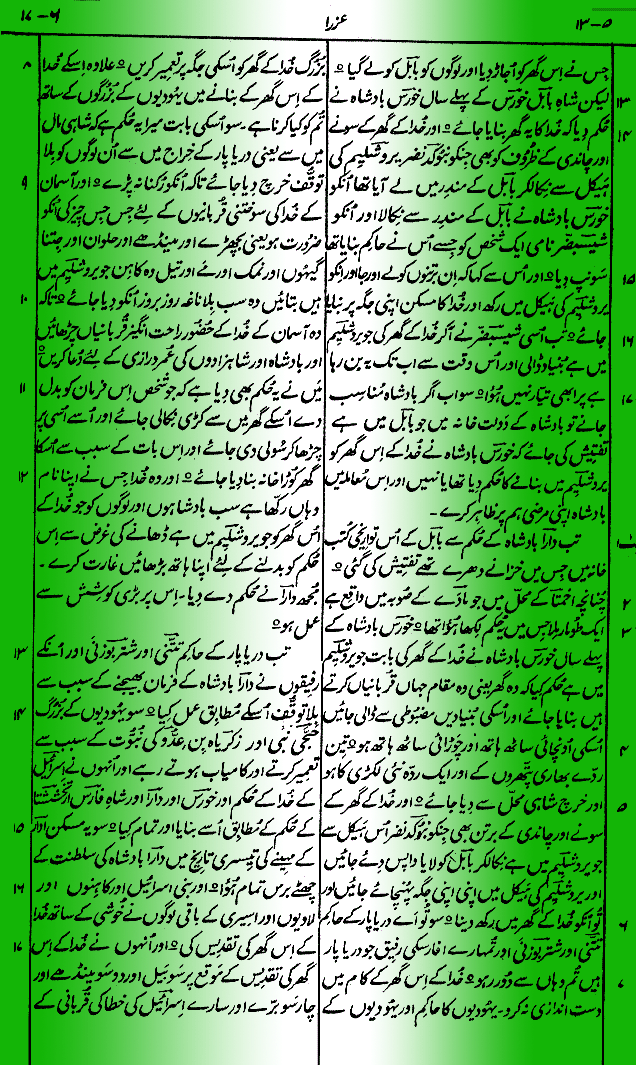
Verse-by-Verse Commentary: Ezra 5:13–17 & Ezra 6:1–17
Ezra 5:13
Verse:
But in the first year of Cyrus the king of Babylon the same king Cyrus made a decree to build this house of God.
English Explanation: This verse highlights the legal and historical foundation of the Jewish return from exile. When the local governors questioned the authority of the Jews to rebuild the temple, the elders pointed back to the historic decree made by King Cyrus of Persia (who also ruled over the fallen Babylonian Empire) in his very first year of rule. This decree was not just a verbal permission but an official royal edict that legally authorized the rebuilding of the House of God.
Urdu Explanation (تفصیلی وضاحت): اس آیت میں ہیکل کی تعمیر نو کی قانونی اور تاریخی بنیاد کا ذکر کیا گیا ہے۔ جب مقامی گورنروں نے یہودیوں سے پوچھا کہ انہیں دوبارہ تعمیر کا اختیار کس نے دیا، تو بزرگوں نے شاہِ فارس خسرو (سائرس) کے اس سرکاری فرمان کا حوالہ دیا جو اس نے بابل فتح کرنے کے اپنے پہلے ہی سال جاری کیا تھا۔ یہ محض زبانی اجازت نہیں تھی بلکہ ایک شاہی حکمنامہ تھا جس نے خدا کے گھر کی تعمیر کو قانونی تحفظ فراہم کیا۔
Ezra 5:14
Verse:
And the vessels also of gold and silver of the house of God which Nebuchadnezzar took out of the temple that was in Jerusalem and brought them into the temple of Babylon those did Cyrus the king take out of the temple of Babylon and they were delivered unto one whose name was Sheshbazzar whom he had made governor
English Explanation: King Cyrus did not just permit the construction; he actively supported it by restoring the sacred items. King Nebuchadnezzar of Babylon had plundered the original gold and silver vessels from Solomon’s Temple as trophies of war. Cyrus reversed this by retrieving them from the pagan temples of Babylon and handing them over to Sheshbazzar (a leader of the Jewish return, often identified with or working alongside Zerubbabel), whom he appointed as governor.
Urdu Explanation (تفصیلی وضاحت): شاہِ خسرو نے نہ صرف تعمیر کی اجازت دی بلکہ ہیکل کے مقدس برتن بھی واپس کیے۔ بابل کے بادشاہ نبوکدنضر (نبوکدنصر) نے یروشلم کے ہیکل سے سونے اور چاندی کے برتن لوٹ کر بابل کے بت خانوں میں رکھ دیے تھے۔ خسرو نے ان تمام مقدس برتنوں کو سرکاری طور پر بابل کے بت خانے سے نکلوایا اور ششبضر نامی شخص کے حوالے کیا، جسے اس نے یہوداہ کا گورنر مقرر کیا تھا تاکہ وہ انہیں واپس منتقل کر سکے۔
Ezra 5:15
Verse:
And said unto him Take these vessels go carry them into the temple that is in Jerusalem and let the house of God be builded in his place.
English Explanation: This verse outlines the explicit direct commands given by King Cyrus to Sheshbazzar. The instructions were twofold: first, to physically return the sacred temple artifacts to their rightful geographic home in Jerusalem; second, to ensure that the temple of God was rebuilt precisely on its original, historic foundations.
Urdu Explanation (تفصیلی وضاحت): اس آیت میں خسرو بادشاہ کی طرف سے ششبضر کو دیے گئے واضح احکامات کا ذکر ہے۔ اسے دو کام سونپے گئے تھے: اول یہ کہ وہ سونے چاندی کے ان مقدس برتنوں کو واپس یروشلم لے جائے، اور دوم یہ کہ خدا کے ہیکل کو بالکل اسی کی اصل پرانی جگہ پر دوبارہ تعمیر کیا جائے۔
Ezra 5:16
Verse:
Then came the same Sheshbazzar and laid the foundation of the house of God which is in Jerusalem and since that time even until now hath it been in building and yet it is not finished.
English Explanation: The Jewish elders continue explaining their history to the provincial officials. They note that Sheshbazzar successfully arrived and laid the foundation of the second temple. However, due to intense local opposition, bureaucratic delays, and periods of apathy, the building process had dragged on for years and was still incomplete at the time of this inquiry.
Urdu Explanation (تفصیلی وضاحت): یہودی بزرگ مقامی حکام کو اپنی تاریخ بتاتے ہوئے کہتے ہیں کہ ششبضر نے یروشلم پہنچ کر خدا کے گھر کی بنیاد رکھی۔ لیکن مخالفین کی رکاوٹوں، سرکاری بندشوں اور سستی کی وجہ سے، اس وقت سے لے کر اب تک یہ ہیکل تعمیر کے مراحل میں ہی رہا اور اب تک مکمل نہیں ہو پایا تھا۔
Ezra 5:17
Verse:
Now therefore if it seem good to the king let there be search made in the king’s treasure house which is there at Babylon whether it be so that a decree was made of Cyrus the king to build this house of God at Jerusalem and let the king send his pleasure to us concerning this matter.
English Explanation: The governors write a letter to current King Darius, requesting an official archival search. They ask the king to verify if Cyrus had indeed issued such a decree. This strategic appeal to the imperial record archives highlights the integrity of the Jewish leaders, who knew that historical truth and royal documentation were completely on their side.
Urdu Explanation (تفصیلی وضاحت): مقامی گورنروں نے موجودہ بادشاہ دارا کو خط لکھ کر درخواست کی کہ شاہی دستاویزات اور ریکارڈ روم (شاہی خزانہ خانہ) میں تلاشی لی جائے تاکہ یہ تصدیق ہو سکے کہ آیا واقعی بادشاہ خسرو نے یروشلم میں ہیکل کی تعمیر کا کوئی فرمان جاری کیا تھا یا نہیں۔ یہودیوں کو یقین تھا کہ تاریخ اور شاہی ریکارڈ ان کے دعوے کی سچائی ثابت کر دیں گے۔
Ezra 6:1
Verse:
Then Darius the king made a decree and search was made in the house of the rolls where the treasures were laid up in Babylon.
English Explanation: Chapter 6 opens with King Darius responding favorably to the provincial inquiry. He issues a formal administrative command to search the imperial archives—referred to as the “house of the rolls” or library of scrolls—where all official decrees, state transactions, and historical records were safely stored in Babylon.
Urdu Explanation (تفصیلی وضاحت): باب 6 کا آغاز شاہِ دارا کے مثبت ردعمل سے ہوتا ہے۔ اس نے گورنروں کے خط پر ایک سرکاری حکم جاری کیا کہ بابل کے اس شاہی کتب خانے یا ریکارڈ روم (دستاویزات کے گھر) میں تلاشی لی جائے جہاں سلطنت کے تمام اہم تاریخی ریکارڈ، فرامین اور شاہی دستاویزات محفوظ رکھی جاتی تھیں۔
Ezra 6:2
Verse:
And there was found at Achmetha in the palace that is in the province of the Medes a roll and therein was a record thus written
English Explanation: While the initial search began in Babylon, the document was ultimately discovered in Achmetha (Ecbatana), the summer capital located in the province of the Medes. This geographical detail confirms the historical accuracy of the Biblical narrative, as Persian kings frequently rotated capitals depending on the season, carrying vital state archives with them.
Urdu Explanation (تفصیلی وضاحت): اگرچہ تلاشی کا آغاز بابل سے ہوا تھا، لیکن وہ اصل شاہی فرمان میڈیا (مادایون) کے صوبے کے ایک محل “احمتا” (اکبتانہ) سے ملا۔ یہ جغرافیائی تفصیل بائبل کے بیان کی تاریخی سچائی کو ثابت کرتی ہے، کیونکہ فارس کے بادشاہ موسموں کے لحاظ سے اپنے دارالحکومت بدلتے تھے اور اہم سرکاری ریکارڈ ساتھ لے جاتے تھے۔
Ezra 6:3
Verse:
In the first year of Cyrus the king the same Cyrus the king made a decree concerning the house of God at Jerusalem Let the house be builded the place where they offered sacrifices and let the foundations thereof be strongly laid the height thereof threescore cubits and the breadth thereof threescore cubits
English Explanation: The discovered scroll verified the Jewish leaders’ claims. It recorded that Cyrus, in his first year, ordered the rebuilding of the temple as a dedicated place of worship and sacrifice. Furthermore, the decree explicitly noted architectural blueprints, dictating that its foundations be strongly laid, with a maximum height and width of 60 cubits ().
Urdu Explanation (تفصیلی وضاحت): ملنے والے طومار (سکول) نے یہودی بزرگوں کے دعوے کی تصدیق کر دی۔ اس میں درج تھا کہ خسرو نے اپنے پہلے ہی سال حکم دیا تھا کہ یروشلم میں خدا کا گھر تعمیر کیا جائے جہاں قربانیاں پیش کی جا سکیں۔ مزید برآں، فرمان میں ہیکل کی پیمائش بھی لکھی تھی: اس کی اونچائی ساٹھ ہاتھ (قریباً 90 فٹ) اور چوڑائی بھی ساٹھ ہاتھ ہونی چاہیے اور بنیادیں مضبوطی سے رکھی جائیں۔
Ezra 6:4
Verse:
With three rows of great stones and a row of new timber and let the expences be given out of the king’s house
English Explanation: The original decree detailed building specifications and funding. The construction was to utilize structural reinforcing—three layers of large stones interspersed with one layer of new timber for stability against earthquakes. Most importantly, Cyrus specified that the heavy financial costs of this massive project were to be paid directly out of the royal treasury.
Urdu Explanation (تفصیلی وضاحت): خسرو کے اصل فرمان میں تعمیراتی مواد اور بجٹ کی تفصیلات بھی شامل تھیں۔ حکم تھا کہ دیواروں میں بڑے پتھروں کے تین ردّے (روز) اور ان کے اوپر نئے شہتیر (لکڑی) کا ایک ردّہ لگایا جائے (تاکہ زلزلے سے حفاظت رہے)۔ سب سے اہم بات یہ کہ اس بھاری تعمیراتی کام کے اخراجات شاہی خزانے سے ادا کرنے کا حکم تھا۔
Ezra 6:5
Verse:
And also let the golden and silver vessels of the house of God which Nebuchadnezzar took forth out of the temple which is at Jerusalem and brought unto Babylon be restored and brought again unto the temple which is at Jerusalem every one to his place and place them in the house of God.
English Explanation: The discovered record explicitly verified the mandate to return the stolen holy artifacts. The decree commanded that every single gold and silver vessel stolen by Nebuchadnezzar be physically returned to its original place inside the Jerusalem Temple, restoring sanctity and continuity to the Jewish sacrificial system.
Urdu Explanation (تفصیلی وضاحت): شاہی دستاویز میں یہ بھی واضح طور پر درج تھا کہ سونے اور چاندی کے ان تمام مقدس برتنوں کو جو نبوکدنضر یروشلم سے لوٹ کر لایا تھا، بلا تاخیر واپس بھیجا جائے۔ حکم تھا کہ ایک ایک برتن کو یروشلم کے ہیکل میں اس کی اصل جگہ پر بحال کیا جائے تاکہ عبادات کا سلسلہ دوبارہ شروع ہو سکے۔
Ezra 6:6
Verse:
Now therefore Tatnai governor beyond the river Shethar-boznai and your companions the Apharsachites which are beyond the river be ye far from thence
English Explanation: Upon reading the official document, King Darius issued a stern, legally binding order to the regional authorities. He addressed Tatnai, Shethar-boznai, and their fellow Persian officials, commanding them to stay completely away from the construction site and to immediately cease harassing or interfering with the Jewish builders.
Urdu Explanation (تفصیلی وضاحت): سرکاری دستاویز ملنے کے بعد، بادشاہ دارا نے علاقائی حکام کو ایک سخت اور قطعی حکم جاری کیا۔ اس نے تتنئی، شتر بوزنئی اور ان کے ساتھیوں کو حکم دیا کہ وہ ہیکل کی تعمیر کے معاملے سے بالکل دور رہیں اور یہودی کارِیگروں اور بزرگوں کے کام میں کسی قسم کی مداخلت یا رکاوٹ پیدا نہ کریں۔
Ezra 6:7
Verse:
Let the work of this house of God alone let the governor of the Jews and the elders of the Jews build this house of God in his place.
English Explanation: Darius protects the religious and civil liberties of the Jewish community. He orders the regional officials to let the work proceed unhindered. He explicitly recognizes the leadership of the Jewish governor and elders, affirming their sovereign, divinely appointed right to reconstruct the House of God on its historical location.
Urdu Explanation (تفصیلی وضاحت): دارا بادشاہ نے یہودیوں کی مذہبی آزادی کا تحفظ کرتے ہوئے حکم دیا کہ خدا کے اس گھر کے کام کو مت روکو۔ اس نے یہودیوں کے گورنر اور ان کے بزرگوں کے قانونی حق کو تسلیم کیا کہ وہ خدا کے اس گھر کو اسی کی اصل اور تاریخی جگہ پر دوبارہ تعمیر کرنے کے مجاز ہیں۔
Ezra 6:8
Verse:
Moreover I made a decree what ye shall do to the elders of these Jews for the building of this house of God that of the king’s goods even of the tribute beyond the river forthwith expences be given unto these men that they be not hindered.
English Explanation: Darius goes a step further than Cyrus by arranging local funding. He decrees that the local tax revenues collected from the province “beyond the river” (the Trans-Euphrates region) must be directly used to fund the temple construction. This ensured that the builders received consistent, rapid financial support so that work would never stop due to a lack of resources.
Urdu Explanation (تفصیلی وضاحت): دارا نے ایک قدم آگے بڑھاتے ہوئے مقامی فنڈنگ کا انتظام بھی کر دیا۔ اس نے نیا فرمان جاری کیا کہ دریا پار (فرات کے مغربی علاقے) سے جو شاہی ٹیکس اور خراج وصول کیا جاتا ہے، اسی رقم میں سے تعمیر کے تمام اخراجات فوری طور پر یہودیوں کے بزرگوں کو ادا کیے جائیں تاکہ فنڈز کی کمی کی وجہ سے کام میں کوئی تاخیر نہ ہو۔
Ezra 6:9
Verse:
And that which they have need of both young bullocks and rams and lambs for the burnt offerings of the God of heaven wheat salt wine and oil according to the appointment of the priests which are at Jerusalem let it be given them day by day without fail
English Explanation: To ensure the full restoration of sacrificial worship, Darius commands that all necessary ritual items be supplied to the priests. This included livestock (bullocks, rams, lambs) and agricultural goods (wheat, salt, wine, oil). The distribution had to follow the precise schedule and requirements requested by the Jerusalem priesthood, delivered daily without omission.
Urdu Explanation (تفصیلی وضاحت): عبادت اور قربانی کے نظام کو مکمل طور پر بحال کرنے کے لیے، دارا نے حکم دیا کہ کاہنوں کی ضرورت کے مطابق تمام اشیاء فراہم کی جائیں۔ اس میں قربانی کے جانور (جوان بیل، مینڈھے، برّے) اور دیگر اشیاء (گیہوں، نمک، مے اور تیل) شامل تھے۔ یہ تمام چیزیں یروشلم کے کاہنوں کی ہدایات کے مطابق انہیں روزانہ بغیر کسی ناغے کے دی جانی تھیں۔
Ezra 6:10
Verse:
That they may offer sacrifices of sweet savours unto the God of heaven and pray for the life of the king and of his sons.
English Explanation: This verse reveals the pragmatic motivation behind the Persian king’s generosity. Darius wanted the Jewish community to offer pleasing sacrifices to the “God of heaven” so that God would bless the Persian Empire. In return for his support, he expected the Jewish priests to pray regularly for his health, long life, and the stability of his royal lineage.
Urdu Explanation (تفصیلی وضاحت): اس آیت سے معلوم ہوتا ہے کہ ایرانی بادشاہ کی اس سخاوت کے پیچھے کیا مقصد تھا۔ دارا چاہتا تھا کہ یہودی “آسمان کے خدا” کے حضور ایسی قربانیاں پیش کریں جو مقبول ہوں، اور بادشاہ اور اس کے بیٹوں کی سلامتی، درازیِ عمر اور سلطنت کے استحکام کے لیے دعا کریں۔
Ezra 6:11
Verse:
Also I have made a decree that whosoever shall alter this word let timber be pulled down from his house and being set up let him be hanged thereon and let his house be made a dunghill for this.
English Explanation: Darius attaches a terrifying and severe legal penalty to guarantee absolute compliance with his decree. Anyone who dared to alter, defy, or obstruct this royal command would face execution: a beam would be torn from their own house to serve as a gallows for impalement or hanging, and their property would be completely demolished and turned into a public waste dump.
Urdu Explanation (تفصیلی وضاحت): دارا بادشاہ نے اپنے فرمان کی مکمل تعمیل کو یقینی بنانے کے لیے ایک خوفناک اور عبرت ناک سزا کا اعلان کیا۔ جو کوئی بھی اس شاہی حکم نامے میں تبدیلی کرنے یا اس کی خلاف ورزی کرنے کی جرات کرے گا، اس کے اپنے گھر کا شہتیر (لکڑی) نکال کر اسے اس پر پھانسی دی جائے گی، اور اس کے گھر کو مسمار کر کے کوڑے دان (مزبلہ) بنا دیا جائے گا۔
Ezra 6:12
Verse:
And the God that hath caused his name to dwell there destroy all kings and people that shall put to their hand to alter and to destroy this house of God which is at Jerusalem. I Darius have made a decree let it be done with speed.
English Explanation: Darius concludes his decree by invoking a divine curse upon any future rulers or nations who attempt to sabotage or destroy the Jerusalem Temple. By declaring “I Darius have made a decree; let it be done with speed,” he infuses the command with absolute urgency, leaving no room for bureaucratic foot-dragging among his regional governors.
Urdu Explanation (تفصیلی وضاحت): دارا نے اپنے فرمان کا اختتام ایک الٰہی بددعا سے کیا کہ وہ خدا جس نے اپنے نام کو یروشلم میں بسایا ہے، ایسے تمام بادشاہوں اور قوموں کو نیست و نابود کر دے جو اس ہیکل کو نقصان پہنچانے یا بدلنے کی کوشش کریں۔ اس نے آخر میں تاکید کی: “مجھ دارا نے یہ فرمان جاری کیا ہے، پس اس پر تیزی سے عمل کیا جائے۔”
Ezra 6:13
Verse:
Then Tatnai governor on this side the river Shethar-boznai and their companions according to that which Darius the king had sent so they did speedily.
English Explanation: Fearing the severe royal penalties and recognizing the absolute authority of the King’s decree, the provincial governors—Tatnai, Shethar-boznai, and their colleagues—instantly changed their behavior. They shifted from being critics and obstacles to becoming swift executioners of the king’s orders, providing the Jews with everything they needed.
Urdu Explanation (تفصیلی وضاحت): بادشاہ کی سخت سزا کے خوف اور شاہی فرمان کی قطعیت کو دیکھتے ہوئے، دریا پار کے گورنر تتنئی، شتر بوزنئی اور ان کے ساتھیوں نے فوراً اپنے رویے بدل لیے۔ انہوں نے رکاوٹیں کھڑی کرنا بند کر دیں اور بادشاہ کے حکم کے مطابق یہودیوں کی مدد اور تعمیراتی ضروریات کو انتہائی تیزی اور تندہی سے پورا کیا۔
Ezra 6:14
Verse:
And the elders of the Jews builded and they prospered through the prophesying of Haggai the prophet and Zechariah the son of Iddo. And they builded and finished it according to the commandment of the God of Israel and according to the commandment of Cyrus and Darius and Artaxerxes king of Persia.
English Explanation: The construction process thrived due to a perfect convergence of divine inspiration and political backing. Spiritually, the prophets Haggai and Zechariah motivated the elders with prophetic words. Politically, the project aligned with the sequential decrees of Persian kings: Cyrus (who started it), Darius (who funded and protected it), and later Artaxerxes (who beautified and maintained its operations).
Urdu Explanation (تفصیلی وضاحت): ہیکل کی تعمیر کا کام الٰہی ہدایت اور سیاسی مدد کے خوبصورت ملاپ سے آگے بڑھا۔ روحانی طور پر، حجی اور زکریا نبیوں نے اپنی نبوتوں کے ذریعے بزرگوں کی حوصلہ افزائی کی اور جوش بڑھایا۔ سیاسی طور پر، یہ کام بنی اسرائیل کے خدا کے حکم اور فارس کے بادشاہوں (خسرو، دارا، اور بعد میں ارتخشستا) کے یکے بعد دیگرے جاری ہونے والے فرامین کے عین مطابق کامیابی سے مکمل ہوا۔
Ezra 6:15
Verse:
And this house was finished on the third day of the month Adar which was in the sixth year of the reign of Darius the king.
English Explanation: This verse marks a monumental milestone in Jewish history: the formal completion of the Second Temple (often called Zerubbabel’s Temple). The precise historical date is documented as the third day of the lunar month of Adar, falling within the sixth year of the reign of King Darius (approximately early spring of ), exactly several decades after the first temple’s destruction.
Urdu Explanation (تفصیلی وضاحت): یہ آیت یہودی تاریخ کے ایک عظیم سنگِ میل کی نشان دہی کرتی ہے: یعنی دوسرے ہیکل (ہیکلِ زربابل) کی تعمیر کا باقاعدہ اختتام۔ بائبل اس کی قطعی تاریخ بتاتی ہے کہ یہ دارا بادشاہ کی حکومت کے چھٹے سال میں، آدار کے مہینے کی تیسری تاریخ کو مکمل ہوا (جو کہ قریباً 516 قبل مسیح بنتا ہے)۔
Ezra 6:16
Verse:
And the children of Israel the priests and the Levites and the rest of the children of the captivity kept the dedication of this house of God with joy
English Explanation: With the construction finished, the entire community gathered to celebrate. The author lists the distinct groups—the common people of Israel, the ministering priests, the foundational Levites, and all the returning exiles—emphasizing their absolute unity. After years of hardship, exile, and opposition, the dominant emotion filling the community was profound, unrestrained holy joy.
Urdu Explanation (تفصیلی وضاحت): تعمیر مکمل ہونے پر، پوری برادری نے مل کر خوشی منائی۔ یہاں اسرائیل کے عام لوگوں، خدمت گزار کاہنوں، لاویوں اور مخلصی پا کر واپس آنے والے تمام اسیروں کا ذکر ہے جو اس بات کی علامت ہے کہ سب ایک دل تھے۔ برسوں کی جلاوطنی، دکھوں اور مخالفتوں کے بعد، اب ان کے دل خدا کے گھر کی تقدیس پر بے پناہ خوشی اور شکر گزاری سے لبریز تھے۔
Ezra 6:17
Verse:
And offered at the dedication of this house of God an hundred bullocks two hundred rams four hundred lambs and for a sin offering for all Israel twelve he goats according to the number of the tribes of Israel.
English Explanation: The dedication ceremony was marked by sacrificial offerings. While smaller in scale than the thousands sacrificed during Solomon’s wealthy reign, these offerings were deeply meaningful. Crucially, the offering of 12 male goats as a sin offering for all Israel signifies that despite the tribal scattering caused by Assyria and Babylon, the returning remnant still viewed themselves as one unified, twelve-tribe nation under God.
Urdu Explanation (تفصیلی وضاحت): ہیکل کی تقدیس کی تقریب میں شکرگزاری کی قربانیاں پیش کی گئیں۔ اگرچہ یہ قربانیاں شاہ سلیمان کے دورِ حکومت کی قربانیوں کے مقابلے میں تعداد میں کم تھیں (کیونکہ اب وسائل کم تھے)، لیکن ان کی روحانی اہمیت بہت زیادہ تھی۔ خاص طور پر تمام اسرائیل کے لیے بارہ بکروں کی خطا کی قربانی پیش کرنا اس بات کا ثبوت تھا کہ جلاوطنی کی پراگندگی کے باوجود، یہ لوٹ کر آنے والا گروہ خود کو خدا کے سامنے بارہ قبیلوں پر مشتمل ایک متحدہ قوم ہی تصور کرتا تھا۔