Chapter 7 Verses and Commentary
Ezra 7:23
Verse: Whatsoever is commanded by the God of heaven let it be diligently done for the house of the God of heaven for why should there be wrath against the realm of the king and his sons
English Explanation
King Artaxerxes shows a profound fear of the God of Israel. He issues a royal mandate ensuring that everything required for the Temple in Jerusalem is provided without delay. His motivation is political and spiritual survival; he genuinely fears that neglecting the Almighty will bring divine wrath upon his empire and his royal lineage. This verse highlights how God can move the hearts of pagan rulers to support His divine purposes.
Urdu Explanation (تفصیلی وضاحت)
شاہ ارتخشستا اِس آیت میں آسمان کے خدا کے خوف کا اظہار کرتا ہے۔ وہ یہ شاہی حکم نامہ جاری کرتا ہے کہ یروشلم میں خدا کی ہیکل کے لیے جس چیز کی بھی ضرورت ہو اسے فوراً اور تندہی سے پورا کیا جائے۔ بادشاہ کا یہ قدم سیاسی اور روحانی بقا کے لیے تھا کیونکہ وہ ڈرتا تھا کہ اگر قادرِ مطلق خدا کے گھر کی دیکھ بھال میں غفلت ہوئی تو خدا کا غضب اس کی سلطنت اور اس کی اولاد پر نازل ہوگا۔ یہ آیت ظاہر کرتی ہے کہ خدا کس طرح غیر قوموں کے بادشاہوں کے دلوں کو اپنے مقاصد کے لیے استعمال کرتا ہے۔
Ezra 7:24
Verse: Also we certify you that touching any of the priests and Levites singers porters Nethinims or ministers of this house of God it shall not be lawful to impose toll tribute or custom upon them
English Explanation
To further elevate and protect the worship of God, the king grants a complete tax-exempt status to all Temple personnel. This includes priests, Levites, musicians, gatekeepers, and Temple servants (Nethinims). By removing financial burdens like tolls and customs, the Persian government ensures that these religious workers can focus entirely on their spiritual duties without worldly distractions.
Urdu Explanation (تفصیلی وضاحت)
خدا کی عبادت اور ہیکل کے نظام کو مستحکم کرنے کے لیے، بادشاہ نے ہیکل کے تمام خادموں کو ٹیکس سے مکمل استثنیٰ (آزادی) دے دی۔ ان خادموں میں کاہن، لاوی، گانے والے، دربان، نتینم (ہیکل کے نوکر) اور دیگر خادم شامل تھے۔ ٹول، خراج یا محصول معاف کرنے کا مقصد یہ تھا کہ یہ تمام لوگ معاشی فکروں سے آزاد ہو کر پوری توجہ اور یکسوئی کے ساتھ اپنی روحانی خدمات انجام دے سکیں۔
Ezra 7:25
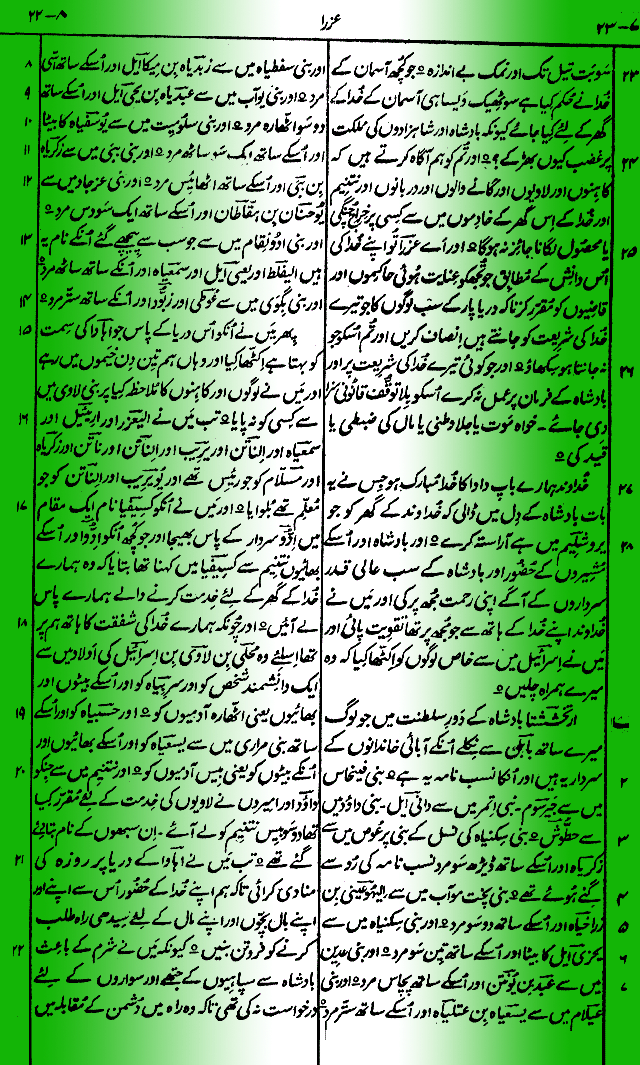
Verse: And thou Ezra after the wisdom of thy God that is in thine hand set magistrates and judges which may judge all the people that are beyond the river all such as know the laws of thy God and teach ye them that know them not
English Explanation
The king grants Ezra immense political and judicial authority. Ezra is commanded to set up a legal framework based entirely on the Torah (“the laws of thy God”). He is authorized to appoint judges and magistrates over the Jewish population in the Trans-Euphrates region (“beyond the river”). Crucially, Ezra is also given a mandate for education—to teach the divine law to those who are ignorant of it, blending state authority with religious reform.
Urdu Explanation (تفصیلی وضاحت)
بادشاہ یہاں عزرا کو بہت بڑے سیاسی اور عدالتی اختیارات سونپتا ہے۔ عزرا کو حکم دیا گیا ہے کہ وہ اپنے خدا کی اس حکمت (توریت) کے مطابق جو اس کے پاس ہے، دریا پار (دریائے فرات کے مغربی علاقے) کے تمام لوگوں کے لیے حاکم اور منصف مقرر کرے۔ یہ منصف ایسے ہونے چاہئیں جو خدا کی شریعت سے واقف ہوں۔ اس کے ساتھ ہی عزرا کو یہ ذمہ داری بھی دی گئی کہ وہ ان لوگوں کو خدا کے قوانین کی تعلیم دے جو اس سے ناواقف ہیں تاکہ معاشرے میں بیداری پیدا ہو۔
Ezra 7:26
Verse: And whosoever will not do the law of thy God and the law of the king let judgment be executed speedily upon him whether it be unto death or to banishment or to confiscation of goods or to imprisonment
English Explanation
This verse provides the legal teeth to Ezra’s mission. The Persian Empire officially links disobedience to God’s law with disobedience to civil royal decree. The penalties for non-compliance are severe and swift, ranging from the death penalty and exile to property confiscation and imprisonment. This absolute enforcement power protected Ezra’s reforms from internal rebellion.
Urdu Explanation (تفصیلی وضاحت)
یہ آیت عزرا کی اصلاحات کو قانونی تحفظ اور طاقت فراہم کرتی ہے۔ فارس کی سلطنت نے خدا کے قانون کی نافرمانی کو بادشاہ کے قانون کی نافرمانی کے برابر قرار دیا۔ حکم نہ ماننے والوں کے لیے سخت اور فوری سزائیں مقرر کی گئیں، جن میں موت کی سزا، جلاوطنی، مال و اسباب کی ضبطگی، یا قید شامل تھی۔ اس سخت شاہی فرمان نے عزرا کو باغی عناصر سے نمٹنے کی مکمل قوت دی۔
Ezra 7:27
Verse: Blessed be the LORD God of our fathers which hath put such a thing as this in the king’s heart to beautify the house of the LORD which is in Jerusalem
English Explanation
Ezra breaks out into a personal prayer of thanksgiving and doxology. He shifts from quoting the king’s decree to praising Yahweh, the God of their ancestors. Ezra recognizes that the king’s incredible generosity and respect toward the Temple in Jerusalem were not mere human politics, but the direct result of divine intervention moving Artaxerxes’ heart.
Urdu Explanation (تفصیلی وضاحت)
یہاں عزرا کا ذاتی کلام شروع ہوتا ہے جہاں وہ شکرگزاری اور حمد و ثنا کا گیت گاتا ہے۔ وہ شاہی فرمان کا ذکر چھوڑ کر اپنے آباؤ اجداد کے خدا، خداوند کی حمد کرتا ہے۔ عزرا اس بات کو بخوبی سمجھتا ہے کہ یروشلم میں ہیکل کی آرائش و زیبائش کے لیے بادشاہ کے دل میں جو ہمدردی پیدا ہوئی ہے، وہ کسی انسانی سیاست کا نتیجہ نہیں بلکہ خود خدا کی قدرت ہے جس نے ارتخشستا کے دل کو ابھارا۔
Ezra 7:28
Verse: And hath extended mercy unto me before the king and his counsellers and before all the king’s mighty princes And I was strengthened as the hand of the LORD my God was upon me and I gathered together out of Israel chief men to go up with me
English Explanation
Ezra acknowledges that God’s covenant loyalty (“mercy”) granted him favor in the eyes of the king, his top advisers, and the imperial nobility. Emboldened by this obvious divine backing—metaphorically described as “the hand of the Lord my God was upon me”—Ezra finds the courage and leadership capacity to rally the tribal leaders and chief men of Israel to embark on the perilous journey back to Jerusalem.
Urdu Explanation (تفصیلی وضاحت)
عزرا اعتراف کرتا ہے کہ خدا کے فضل اور رحمت ہی کی وجہ سے اسے بادشاہ، اس کے مشیروں اور سلطنت کے طاقتور شہزادوں کی نظر میں یہ عزت اور مقبولیت حاصل ہوئی۔ اس الٰہی سرپرستی سے حوصلہ پا کر—جسے وہ ان الفاظ میں بیان کرتا ہے کہ “خداوند میرے خدا کا ہاتھ مجھ پر تھا”—عزرا نے بنی اسرائیل کے خاندانی رہنماؤں اور معززین کو اکٹھا کیا تاکہ وہ اس کے ساتھ مل کر یروشلم کی طرف تاریخی ہجرت کا آغاز کریں۔
Chapter 8 Verses and Commentary
Ezra 8:1
Verse: These are now the chief of their fathers and this is the genealogy of them that went up with me from Babylon in the reign of Artaxerxes the king
English Explanation
Chapter 8 begins with a formal register, documenting the historic lineage of the second wave of returning exiles. Ezra records the names of the patriarchal leaders and the genealogical records of the families who chose to leave the comforts of Babylon during the reign of Artaxerxes. Keeping precise genealogies was critical for establishing pure Jewish heritage and identity upon arrival.
Urdu Explanation (تفصیلی وضاحت)
آٹھویں باب کا آغاز ایک سرکاری اور خاندانی ریکارڈ سے ہوتا ہے، جس میں بابل سے واپس لوٹنے والے مہاجرین کی دوسری بڑی لہر کا اندراج ہے۔ عزرا ان خاندانی سربراہوں کے نام اور ان کے شجرہ نسب کو قلمبند کرتا ہے جنہوں نے شاہ ارتخشستا کے دورِ حکومت میں بابل کی آسائشوں کو چھوڑ کر اپنے وطن واپس جانے کا فیصلہ کیا۔ یہ نسب نامے بنی اسرائیل کی پاکیزگی اور شناخت کو برقرار رکھنے کے لیے انتہائی اہم تھے۔
Ezra 8:2
Verse: Of the sons of Phinehas Gershom of the sons of Ithamar Daniel of the sons of David Hattush
English Explanation
Ezra prioritizes the spiritual and royal lineages. He first mentions the priestly families descending from Phinehas (Gershom) and Ithamar (Daniel), both lines stemming from Aaron. Following the priests, he mentions the royal Davidic line through Hattush. This highlights that both the altar (priesthood) and the throne (Davidic covenant) were represented in this return.
Urdu Explanation (تفصیلی وضاحت)
عزرا یہاں سب سے پہلے روحانی اور شاہی نسلوں کو ترجیح دیتا ہے۔ وہ سب سے پہلے فینحاس کی نسل سے گیرسوم اور اتامار کی نسل سے دانی ایل کا ذکر کرتا ہے، جو ہارون کاہن کی نسل سے ہیں۔ ان کاہنوں کے بعد، وہ داؤد کے شاہی خاندان سے ہتوش کا ذکر کرتا ہے۔ اس سے معلوم ہوتا ہے کہ اس واپسی میں ہیکل (کاہن) اور تخت (داؤدی عہد) دونوں کی نمائندگی موجود تھی۔
Ezra 8:3
Verse: Of the sons of Shechaniah of the sons of Pharosh Zechariah and with him were reckoned by genealogy of the males an hundred and fifty
English Explanation
This verse begins the detailed census of the lay clans. From the family line of Shechaniah and Pharosh, Zechariah is listed as the leader. Along with him, 150 adult males are officially registered in the genealogy for the journey.
Urdu Explanation (تفصیلی وضاحت)
یہاں سے عام خاندانوں اور قبیلوں کی تفصیلی گنتی شروع ہوتی ہے۔ شکنیاہ اور فرعوش کے خاندان سے زکریا کو رہنما کے طور پر درج کیا گیا ہے۔ اس کے ساتھ شجرہ نسب کے مطابق 150 مردوں کا نام سرکاری طور پر درج کیا گیا جو اس سفر کے لیے تیار تھے۔
Ezra 8:4
Verse: Of the sons of Pahathmoab Elihoenai the son of Zerahiah and with him two hundred males
English Explanation
The census continues with the clan of Pahath-moab. Their leader for this expedition is Elihoenai, the son of Zerahiah. He leads a contingent of 200 able-bodied males back to the homeland.
Urdu Explanation (تفصیلی وضاحت)
مردم شماری کا سلسلہ جاری رکھتے ہوئے فحت موآب کے قبیلے کا ذکر ملتا ہے۔ اس سفر میں ان کا قائد الیہوعینی بن زرحیاہ تھا، اور اس کے ساتھ 200 مرد اپنے وطن واپسی کے لیے قافلے میں شامل ہوئے۔
Ezra 8:5
Verse: Of the sons of Shechaniah the son of Jahaziel and with him three hundred males
English Explanation
From the prominent family line of Shechaniah, the son of Jahaziel is recognized as the head. This specific branch of the family contributes a sizable group of 300 males to Ezra’s caravan.
Urdu Explanation (تفصیلی وضاحت)
شکنیاہ کے نامور خاندان سے، یحزی ایل کا بیٹا اس گروہ کا سربراہ ٹھہرا۔ خاندان کی اس مخصوص شاخ نے عزرا کے اس قافلے میں ایک بڑی تعداد یعنی 300 مردوں کا حصہ ڈالا۔
Ezra 8:6
Verse: Of the sons also of Adin Ebed the son of Jonathan and with him fifty males
English Explanation
The clan of Adin is registered next. Their leader is Ebed, the son of Jonathan. This family contributes a modest but vital group of 50 males to accompany the returnees.
Urdu Explanation (تفصیلی وضاحت)
اگلا اندراج عدین کے قبیلے کا ہے۔ ان کا رہنما عابد بن یوناتن تھا اور اس خاندان نے وطن واپس لوٹنے والوں کے اس گروہ میں 50 مردوں کا تعاون پیش کیا۔
Ezra 8:7
Verse: And of the sons of Elam Jeshaiah the son of Athaliah and with him seventy males
English Explanation
Representing the family of Elam, Jeshaiah, the son of Athaliah, steps forward as the leader. He brings with him 70 men to support the rebuilding and resettlement efforts in Jerusalem.
Urdu Explanation (تفصیلی وضاحت)
عیلام کے خاندان کی نمائندگی کرتے ہوئے، یسعیاہ بن عتلیاہ بطور قائد سامنے آتا ہے۔ وہ اپنے ساتھ 70 مردوں کو لے کر آیا تاکہ یروشلم کی تعمیرِ نو اور آباد کاری کے کام میں مدد کی جا سکے۔
Ezra 8:8
Verse: And of the sons of Shephatiah Zebadiah the son of Michael and with him fourscore males
English Explanation
From the descendants of Shephatiah, Zebadiah, the son of Michael, is registered. He leads “fourscore” males, which translates in archaic biblical English to exactly 80 men ($4 \times 20$).
Urdu Explanation (تفصیلی وضاحت)
شفطیاہ کی نسل سے زبدیاہ بن میکائیل کا نام درج ہے۔ وہ اپنے ساتھ 80 مردوں کے دستے کی قیادت کر رہا تھا تاکہ وہ ہجرت کے اس مقدس سفر کا حصہ بن سکیں۔
Ezra 8:9
Verse: Of the sons of Joab Obadiah the son of Jehiel and with him two hundred and eighteen males
English Explanation
The family of Joab is led by Obadiah, the son of Jehiel. This clan provides a substantial reinforcement of 218 males for the journey, expanding the overall strength of the migration.
Urdu Explanation (تفصیلی وضاحت)
یوآب کے خاندان کی قیادت عوبدیاہ بن یحی ایل کر رہا تھا۔ اس قبیلے نے سفر کے لیے 218 مردوں کی ایک بڑی تعداد فراہم کی، جس سے ہجرت کرنے والے قافلے کی مجموعی طاقت میں اضافہ ہوا۔
Ezra 8:10
Verse: And of the sons of Shelomith the son of Josiphiah and with him an hundred and threescore males
English Explanation
The census records the line of Shelomith, led by the son of Josiphiah. They contribute “an hundred and threescore” males, which means 160 men ($100 + 60$).
Urdu Explanation (تفصیلی وضاحت)
اس آیت میں شلومیت کے خاندان کا ریکارڈ ہے، جس کی قیادت یوسفیہ کا بیٹا کر رہا تھا۔ انہوں نے اس سفر کے لیے 160 مردوں کا تعاون فراہم کیا۔
Ezra 8:11
Verse: And of the sons of Bebai Zechariah the son of Bebai and with him twenty and eight males
English Explanation
From the family of Bebai, a leader named Zechariah (son of Bebai) is recorded. This smaller group consists of 28 males ready for relocation.
Urdu Explanation (تفصیلی وضاحت)
بیبائی کے خاندان سے ایک رہنما جس کا نام زکریا (بیبائی کا بیٹا) تھا، درج کیا گیا ہے۔ یہ ایک چھوٹا گروہ تھا جو 28 مردوں پر مشتمل تھا اور وطن واپسی کے لیے پرعزم تھا۔
Ezra 8:12
Verse: And of the sons of Azgad Johanan the son of Hakkatan and with him an hundred and ten males
English Explanation
The clan of Azgad is led by Johanan, the son of Hakkatan. This family demonstrates strong representation by sending 110 males along with Ezra.
Urdu Explanation (تفصیلی وضاحت)
عزگاد کے قبیلے کی قیادت یوحنان بن ہقاطان کے ہاتھ میں تھی۔ اس خاندان نے عزرا کے ساتھ 110 مرد بھیج کر ہجرت میں اپنی گہری دلچسپی کا ثبوت دیا۔
Ezra 8:13
Verse: And of the last sons of Adonikam whose names are these Eliphelet Jeiel and Shemaiah and with them threescore males
English Explanation
Ezra notes that these are the “last sons” of Adonikam, indicating that the remainder of this entire family line had now left Babylon to join those who returned in the first wave under Zerubbabel. The leaders named are Eliphelet, Jeiel, and Shemaiah, accompanied by “threescore” (60) males.
Urdu Explanation (تفصیلی وضاحت)
عزرا نوٹ کرتا ہے کہ یہ ادونیاہ کے “آخری بیٹے” ہیں، جس کا مطلب یہ ہے کہ اس خاندان کے باقی ماندہ تمام لوگ اب بابل چھوڑ رہے تھے تاکہ ان لوگوں سے جا ملیں جو زربابل کے دور میں پہلی لہر میں جا چکے تھے۔ ان کے رہنماؤں کے نام الیفلیط، یعی ایل اور سمعیاہ تھے، اور ان کے ساتھ 60 مرد تھے۔
Ezra 8:14
Verse: Of the sons also of Bigvai Uthai and Zabbud and with them seventy males
English Explanation
The listing of the lay families concludes with the sons of Bigvai. The leaders registered are Uthai and Zabbud, who travel alongside a company of 70 males.
Urdu Explanation (تفصیلی وضاحت)
عام خاندانوں کی فہرست کا اختتام بگوی کے بیٹوں پر ہوتا ہے۔ درج کیے گئے رہنما عوتی اور زبود ہیں، جو اپنے ساتھ 70 مردوں کے گروہ کو لے کر سفر کر رہے تھے۔
Ezra 8:15
Verse: And I gathered them together to the river that runneth to Ahava and there abode we in tents three days and I viewed the people and the priests and found there none of the sons of Levi
English Explanation
Before setting out, Ezra stages a mass assembly at the river running to Ahava for inspection and organization. They camp in tents for three days. Upon reviewing the crowd and the priests, Ezra notices a critical problem: not a single regular Levite has volunteered for the journey. While there are priests (descendants of Aaron), the essential workers for Temple upkeep and assistance (the Levites) are missing.
Urdu Explanation (تفصیلی وضاحت)
روانگی سے پہلے، عزرا معائنے اور تنظیمِ نو کے لیے اہوا کی طرف بہنے والے دریا پر پورے قافلے کو اکٹھا کرتا ہے۔ وہ وہاں تین دن خیموں میں قیام کرتے ہیں۔ جب عزرا لوگوں اور کاہنوں کا بغور جائزہ لیتا ہے، تو اسے ایک سنگین مسئلہ نظر آتا ہے: ایک بھی عام لاوی اس سفر کے لیے خود آگے نہیں آیا تھا۔ اگرچہ وہاں کاہن (ہارون کی نسل) موجود تھے، لیکن ہیکل کی دیکھ بھال اور مدد کرنے والے بنیادی خادم (لاوی) غائب تھے۔
Ezra 8:16
Verse: Then sent I for Eliezer for Ariel for Shemaiah and for Elnathan and for Jarib and for Elnathan and for Nathan and for Zechariah and for Meshullam chief men also for Joiarib and for Elnathan men of understanding
English Explanation
Recognizing the missing spiritual infrastructure, Ezra immediately forms a delegation of leaders and teachers. He summons nine “chief men” and two “men of understanding” (Joiarib and Elnathan) to fix this spiritual deficiency before the caravan leaves for Jerusalem.
Urdu Explanation (تفصیلی وضاحت)
روحانی خادموں کی اس کمی کو محسوس کرتے ہوئے، عزرا فوری طور پر رہنماؤں اور اساتذہ کا ایک وفد تیار کرتا ہے۔ وہ نو “معززین” اور دو “دانشمند مردوں” (یوایریب اور ایلناتن) کو بلاتا ہے تاکہ قافلے کی روانگی سے پہلے اس روحانی کمی کو دور کیا جا سکے۔
Ezra 8:17
Verse: And I sent them with commandment unto Iddo the chief at the place Casiphia and I told them what they should say unto Iddo and to his brethren the Nethinims at the place Casiphia that they should bring unto us ministers for the house of our God
English Explanation
Ezra sends this delegation to a place called Casiphia, a known settlement of Levites and Temple servants, headed by a leader named Iddo. Ezra coaches the messengers on exactly what to say, urging Iddo and the Nethinims to send qualified ministers to serve in the Temple of God in Jerusalem.
Urdu Explanation (تفصیلی وضاحت)
عزرا اِس وفد کو کسفیا نامی جگہ پر بھیجتا ہے، جو لاویوں اور ہیکل کے خادموں کی ایک جانی پہچانی بستی تھی، جس کا سربراہ عدو نامی شخص تھا۔ عزرا ایلچیوں کو سکھاتا ہے کہ انہیں وہاں جا کر کیا کہنا ہے، اور عدو اور نتینم سے التجا کرتا ہے کہ وہ یروشلم میں خدا کے گھر کی خدمت کے لیے اہل خادم روانہ کریں۔
Ezra 8:18
Verse: And by the good hand of our God upon us they brought us a man of understanding of the sons of Mahli the son of Levi the son of Israel and Sherebiah with his sons and his brethren eighteen
English Explanation
Ezra attributes the success of the mission entirely to God’s favor (“the good hand of our God upon us”). The delegation returns successfully with Sherebiah, a highly capable “man of understanding” from the line of Mahli (grandson of Levi), along with 18 of his close relatives and sons to serve.
Urdu Explanation (تفصیلی وضاحت)
عزرا اِس مہم کی کامیابی کا پورا سہرا خدا کے فضل (“ہمارے خدا کا مہربان ہاتھ”) کے سر باندھتا ہے۔ یہ وفد کامیابی کے ساتھ واپس لوٹتا ہے اور اپنے ساتھ محلی (لاوی کے پوتے) کی نسل سے ایک انتہائی قابل اور “دانشمند مرد” شربیاہ کو، اور اس کے ساتھ اس کے 18 قریبی رشتہ داروں اور بیٹوں کو خدمت کے لیے لے کر آتا ہے۔
Ezra 8:19
Verse: And Hashabiah and with him Jeshaiah of the sons of Merari his brethren and their sons twenty
English Explanation
In addition to Sherebiah’s group, God provides more leaders. From the Levite clan of Merari, Hashabiah and Jeshaiah step forward, bringing 20 of their brothers and sons to join the pilgrimage.
Urdu Explanation (تفصیلی وضاحت)
شربیاہ کے گروہ کے علاوہ، خدا نے مزید رہنما فراہم کیے۔ لاویوں کے مراری قبیلے سے، حسبیاہ اور یسعیاہ آگے بڑھے، اور وہ اس مقدس سفر میں شامل ہونے کے لیے اپنے 20 بھائیوں اور بیٹوں کو ساتھ لائے۔
Ezra 8:20
Verse: Also of the Nethinims whom David and the princes had appointed for the service of the Levites two hundred and twenty Nethinims all of them were expressed by name
English Explanation
The recruitment drive also yields 220 Nethinims (Temple servants). This group trace their institutional origins back to King David and his officials, who assigned them to assist the Levites. Ezra makes sure that every single one of these volunteers is officially documented by name, honoring their service.
Urdu Explanation (تفصیلی وضاحت)
اس مہم کے نتیجے میں 220 نتینم (ہیکل کے نوکر) بھی مل گئے۔ اس گروہ کی تاریخی اصل بادشاہ داؤد اور ان کے حکام سے ملتی ہے، جنہوں نے انہیں لاویوں کی مدد کے لیے مقرر کیا تھا۔ عزرا نے اس بات کو یقینی بنایا کہ ان تمام رضا کاروں میں سے ایک ایک شخص کا نام سرکاری طور پر درج کیا جائے تاکہ ان کی خدمت کی قدر کی جا سکے۔
Ezra 8:21
Verse: Then I proclaimed a fast there at the river of Ahava that we might afflict ourselves before our God to seek of him a right way for us and for our little ones and for all our substance
English Explanation
With the workforce complete, Ezra initiates spiritual preparation. Facing a hazardous four-month journey through territories infested with bandits, Ezra proclaims a collective fast at the river of Ahava. The purpose of this fasting is self-humiliation (“afflict ourselves”) before God, casting away pride to pray for divine protection over their families, children, and valuable cargo.
Urdu Explanation (تفصیلی وضاحت)
جب خادموں کی تعداد پوری ہو گئی، تو عزرا نے روحانی تیاری کا آغاز کیا۔ ڈاکوؤں اور لٹیروں سے بھرے راستوں پر چار ماہ کے خطرناک سفر کا سامنا کرتے ہوئے، عزرا نے اہوا کے دریا پر اجتماعی روزے کا اعلان کیا۔ اس روزے کا مقصد خدا کے حضور عاجزی اختیار کرنا (“اپنے آپ کو دکھ دینا”) تھا، تاکہ وہ اپنے غرور کو چھوڑ کر اپنے خاندانوں، بچوں اور قیمتی سامان کی الٰہی حفاظت کے لیے دعا کر سکیں۔
Ezra 8:22
Verse: For I was ashamed to require of the king a band of soldiers and horsemen to help us against the enemy in the way because we had spoken unto the king saying The hand of our God is upon all them for good that seek him but his power and his wrath is against all them that forsake him
English Explanation
Ezra reveals his profound faith and vulnerability. He had previously testified to King Artaxerxes that God protects those who seek Him and punishes those who abandon Him. Consequently, Ezra felt spiritually “ashamed” to ask the pagan king for military escorts or cavalry. To do so might make his testimony look hollow. Instead of relying on human weapons, Ezra chooses to put his full reliance on God through prayer and fasting, proving his faith through action.
Urdu Explanation (تفصیلی وضاحت)
عزرا یہاں اپنے گہرے ایمان اور دل کی کیفیت کو ظاہر کرتا ہے۔ اس نے پہلے شاہ ارتخشستا کے سامنے یہ گواہی دی تھی کہ خدا ان سب کی حفاظت کرتا ہے جو اس کے طالب ہیں اور ان پر غضبناک ہوتا ہے جو اسے ترک کرتے ہیں۔ نتیجتاً، عزرا نے محسوس کیا کہ اگر وہ اب بادشاہ سے فوجی دستے یا گھڑ سوار مانگے گا، تو یہ روحانی طور پر “شرمندگی” کا باعث ہوگا اور اس کی اپنی دی ہوئی گواہی جھوٹی لگے گی۔ انسانی ہتھیاروں پر بھروسہ کرنے کے بجائے، عزرا نے روزے اور دعا کے ذریعے اپنا پورا توکل خدا پر رکھنے کا فیصلہ کیا، اور اپنے عمل سے اپنے ایمان کو سچا ثابت کیا۔