Verse-by-Verse Commentary & Explanation
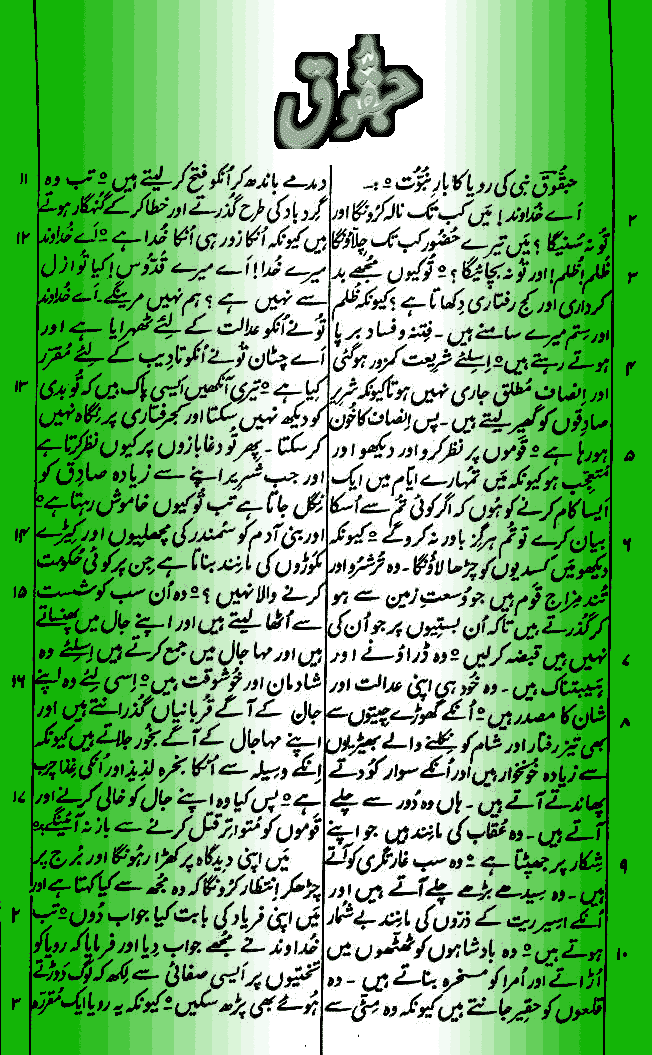
Habakkuk 1:1
Verse:
The burden which Habakkuk the prophet did see
English Explanation: The book opens by establishing the divine authority of the message. The word “burden” (Hebrew: Massa) signifies a heavy, weighty oracle or prophecy from God. Habakkuk did not create this message; he “saw” it through divine revelation. It highlights the heavy emotional and spiritual weight the prophet carried regarding the sins of his nation and the impending judgment.
Urdu Explanation (تفصیلی وضاحت): یہ کتاب کلامِ الٰہی کے پُرکشش اور وزنی پیغام سے شروع ہوتی ہے۔ لفظ “بار” (Burden) سے مراد ایک ایسا بھاری نبوت کا پیغام ہے جو خدا کی طرف سے نبی پر نازل کیا گیا۔ حبقوق نبی نے یہ پیغام خود سے نہیں گھڑا بلکہ رویا کے ذریعے خدا کی طرف سے دیکھا۔ یہ اس ذہنی اور روحانی بوجھ کو ظاہر کرتا ہے جو نبی اپنی قوم کے گناہوں اور ان پر آنے والی عدالت کی وجہ سے محسوس کر رہا تھا۔
Habakkuk 1:2
Verse:
O LORD how long shall I cry and thou wilt not hear! even cry out unto thee of violence and thou wilt not save!
English Explanation: Habakkuk expresses intense frustration and grief over God’s apparent silence. He looks at the rampant social injustice, oppression, and systemic violence within Judah and wonders why God is not intervening. The phrase “how long” reflects a crisis of faith where a believer feels abandoned by God in times of trouble.
Urdu Explanation (تفصیلی وضاحت): حبقوق نبی خدا کی بظاہر خاموشی پر اپنی شدید مایوسی اور دکھ کا اظہار کرتا ہے۔ وہ یہوداہ میں پھیلی ہوئی سماجی ناانصافی، ظلم اور تشدد کو دیکھ کر حیران ہے کہ خدا اس میں مداخلت کیوں نہیں کر رہا۔ “کب تک” کا جملہ ایمان کے اس بحران کو ظاہر کرتا ہے جہاں ایک ایماندار مصیبت کے وقت خدا کی طرف سے تاخیر محسوس کرتا ہے۔
Habakkuk 1:3
Verse:
Why dost thou shew me iniquity and cause me to behold grievance? for spoiling and violence are before me and there are that raise up strife and contention
English Explanation: The prophet questions God’s passivity. He feels forced to witness endless sin, destruction, robbery, and conflict. Society has broken down to the point where strife and legal/social arguments dominate daily life, yet God allows it to continue right before his eyes.
Urdu Explanation (تفصیلی وضاحت): نبی خدا کی خاموشی پر سوال اٹھاتا ہے کہ اسے مسلسل گناہ، تباہی، لوٹ مار اور جھگڑے دیکھنے پر کیوں مجبور کیا جا رہا ہے۔ معاشرہ اس حد تک گر چکا ہے کہ لڑائی جھگڑے اور بے ایمانی روزمرہ کا حصہ بن چکے ہیں، اور خدا یہ سب کچھ اپنی آنکھوں کے سامنے ہونے دے رہا ہے۔
Habakkuk 1:4
Verse:
Therefore the law is slacked and judgment doth never go forth for the wicked doth compass about the righteous therefore wrong judgment proceedeth
English Explanation: Because of unpunished sin, the Torah (the Law) has lost its power and influence. Justice is paralyzed. The corrupt and wicked elite surround, manipulate, and overwhelm the righteous, resulting in perverted justice and corrupted legal systems.
Urdu Explanation (تفصیلی وضاحت): چونکہ گناہ کی سزا نہیں مل رہی، اس لیے خدا کی شریعت اپنا اثر کھو چکی ہے اور عدل و انصاف مفلوج ہو کر رہ گیا ہے۔ شریر اور بدعنوان لوگ راستبازوں کو گھیرے ہوئے ہیں اور انہیں دبا رہے ہیں، جس کے نتیجے میں عدالتیں اور قانون کا نظام سراسر بگڑ چکا ہے اور غلط فیصلے صادر ہو رہے ہیں۔
Habakkuk 1:5
Verse:
Behold ye among the heathen and regard and wonder marvellously for I will work a work in your days which ye will not believe though it be told you
English Explanation: God breaks His silence, but His answer is shocking. He tells Habakkuk and the people to look at surrounding nations in utter amazement. God is preparing to do something so terrifying and unprecedented in their own lifetime that they would completely reject it as impossible if someone simply told them about it.
Urdu Explanation (تفصیلی وضاحت): خدا اپنی خاموشی توڑتا ہے، لیکن اس کا جواب چونکا دینے والا ہے۔ وہ حبقوق اور لوگوں سے کہتا ہے کہ غیر قوموں کی طرف دیکھیں اور حیران رہ جائیں۔ خدا ان کی زندگی ہی میں ایک ایسا ہولناک اور حیرت انگیز کام کرنے والا ہے جس پر اگر کوئی انہیں پہلے بتاتا تو وہ کبھی یقین نہ کرتے۔
Habakkuk 1:6
Verse:
For lo I raise up the Chaldeans that bitter and hasty nation which shall march through the breadth of the land to possess the dwellingplaces that are not theirs
English Explanation: God reveals His instrument of judgment: the Chaldeans (the Babylonians). God describes them as a fierce, ruthless, and fast-moving empire that will conquer nations far and wide, seizing lands and homes that do not belong to them. God is using a wicked foreign nation to punish His own covenant people.
Urdu Explanation (تفصیلی وضاحت): خدا اپنی عدالت کا آلہ ظاہر کرتا ہے جو کہ کسدیوں (بابلیوں) کی قوم ہے۔ خدا ان کو ایک بے رحم، ظالم اور تیز رفتار قوم کے طور پر بیان کرتا ہے جو زمین کی چوڑائی میں مارچ کرے گی اور ان گھروں اور زمینوں پر قبضہ کر لے گی جو ان کی نہیں ہیں۔ خدا اپنی ہی قوم کو سزا دینے کے لیے ایک بدکار غیر قوم کو استعمال کر رہا ہے۔
Habakkuk 1:7
Verse:
They are terrible and dreadful their judgment and their dignity shall proceed of themselves
English Explanation: The Babylonians are fearsome and terrifying. They are accountable to no one but themselves. They make their own laws, define their own justice, and establish their own prideful authority, completely ignoring God’s laws or human human rights.
Urdu Explanation (تفصیلی وضاحت): بابلی قوم نہایت خوفناک اور ہولناک ہے۔ وہ کسی کے سامنے جوابدہ نہیں ہیں۔ وہ اپنے قوانین خود بناتے ہیں، اپنے انصاف کی تعریف خود کرتے ہیں، اور اپنے تکبر پر مبنی اختیار کو چلاتے ہیں، خدا کے قوانین یا انسانی حقوق کی انہیں کوئی پرواہ نہیں ہے۔
Habakkuk 1:8
Verse:
Their horses also are swifter than the leopards and are more fierce than the evening wolves and their horsemen shall spread themselves and their horsemen shall come from far they shall fly as the eagle that hasteth to eat
English Explanation: God uses powerful animal imagery to describe the military might of Babylon. Their cavalry moves faster than leopards, hunts with the vicious hunger of wolves at dusk, and strikes unexpectedly like an eagle plunging down on its prey. Their invasion is inevitable and unstoppable.
Urdu Explanation (تفصیلی وضاحت): خدا بابل کی فوجی طاقت کو بیان کرنے کے لیے طاقتور حیوانی تشبیہات استعمال کرتا ہے۔ ان کے گھوڑے چیتوں سے تیز رفتار ہیں، ان کے سوار شام کے بھیڑیوں کی طرح خونخوار ہیں، اور وہ دور دراز سے عقاب کی طرح جھپٹتے ہیں جو اپنے شکار کو کھانے کے لیے تیزی سے نیچے آتا ہے۔ ان کا حملہ ناگزیر اور ناقابلِ روکا ہے۔
Habakkuk 1:9
Verse:
They shall come all for violence their faces shall sup up as the east wind and they shall gather the captivity as the sand
English Explanation: The entire Babylonian army is driven by a single motivation: violence and destruction. Like a scorching desert east wind (the Khamsin) that destroys all vegetation, they sweep across the land. They will collect prisoners of war as easily and numerously as grains of sand.
Urdu Explanation (تفصیلی وضاحت): بابل کی پوری فوج کا ایک ہی مقصد ہے اور وہ ہے تشدد اور تباہی۔ مشرقی تپتی ہوا کی طرح جو ہر چیز کو جھلسا دیتی ہے، وہ زمین کو برباد کرتے ہوئے گزریں گے۔ وہ قیدیوں کو اتنی آسانی اور بڑی تعداد میں جمع کریں گے جیسے ریت کے ذرات ہوں۔
Habakkuk 1:10
Verse:
And they shall scoff at the kings and the princes shall be a scorn unto them they shall deride every strong hold for they shall heap dust and take it
English Explanation: The power of foreign rulers means nothing to the Babylonians; they laugh at kings and mock princes. Fortified cities with massive walls cannot stop them. They simply build dirt earthen ramps (“heap dust”) against the walls, march over them, and conquer the strongholds easily.
Urdu Explanation (تفصیلی وضاحت): دوسرے ملکوں کے بادشاہوں اور شہزادوں کی بابل کے سامنے کوئی حیثیت نہیں، وہ ان کا مذاق اڑاتے ہیں۔ بڑی بڑی دیواروں والے مضبوط قلعے بھی انہیں نہیں روک سکتے۔ وہ دیواروں کے خلاف مٹی کے بڑے ڈھیر (Ramps) بناتے ہیں، ان کے اوپر چڑھتے ہیں اور آسانی سے قلعوں کو فتح کر لیتے ہیں۔
Habakkuk 1:11
Verse:
Then shall his mind change and he shall pass over and offend imputing this his power unto his god
English Explanation: Swept away by their own success, the Babylonians will become drunk with power. Their minds change as they grow even more arrogant. They commit great offense and sin by creditng their military victories to their false idols (like Marduk), rather than recognizing the true God who allowed them to succeed.
Urdu Explanation (تفصیلی وضاحت): اپنی مسلسل فتوحات کے نشے میں چور ہو کر، بابلی قوم تکبر کی حدیں پار کر جائے گی۔ وہ اس بڑی غلط فہمی اور گناہ میں مبتلا ہو جائیں گے کہ اپنی فوجی طاقت اور فتوحات کا سہرا سچے خدا کے بجائے اپنے جھوٹے معبودوں (جیسے مردوک) کے سر باندھیں گے۔
Habakkuk 1:12
Verse:
Art thou not from everlasting O LORD my God mine Holy One? we shall not die O LORD thou hast ordained them for judgment and O mighty God thou hast established them for correction
English Explanation: Habakkuk responds to God’s shocking revelation with a second complaint. He anchors his panic in God’s eternal nature, holiness, and covenant loyalty, convincing himself that God will not let Judah be completely wiped out. He acknowledges that God has appointed Babylon to execute structural “judgment” and “correction,” but he is deeply troubled by the method.
Urdu Explanation (تفصیلی وضاحت): خدا کے چونکا دینے والے جواب پر حبقوق نبی دوبارہ اپنی الجھن کا اظہار کرتا ہے۔ وہ خدا کی ازلی وفاداری اور پاکیزگی کو یاد کر کے اپنے دل کو تسلی دیتا ہے کہ خدا یہوداہ کو بالکل نیست و نابود نہیں ہونے دے گا۔ وہ تسلیم کرتا ہے کہ خدا نے بابل کو سزا اور اصلاح کے لیے مقرر کیا ہے، لیکن وہ اس طریقے پر حیران ہے۔
Habakkuk 1:13
Verse:
Thou art of purer eyes than to behold evil and canst not look on iniquity wherefore lookest thou upon them that deal treacherously and holdest thy tongue when the wicked devoureth the man that is more righteous than he?
English Explanation: This is the core theological dilemma of the book. Habakkuk asks how a holy, pure God can look at the treacherous Babylonians and remain silent. Even though Judah is sinful, Babylon is far worse. How can a righteous God use a completely wicked nation to swallow up a nation that is relatively more righteous?
Urdu Explanation (تفصیلی وضاحت): یہ اس کتاب کا سب سے بڑا ایمانی اور فلسفیانہ سوال ہے۔ حبقوق پوچھتا ہے کہ ایک پاک خدا کس طرح ان ظالم بابلیوں کو دیکھ کر خاموش رہ سکتا ہے؟ اگرچہ یہوداہ گناہگار ہے، لیکن بابل ان سے کہیں زیادہ بدکار ہے۔ ایک عادل خدا کیسے ایک بدترین قوم کو اپنے سے بہتر قوم کو ہڑپ کرنے کی اجازت دے سکتا ہے؟
Habakkuk 1:14
Verse:
And makest men as the fishes of the sea as the creeping things that have no ruler over them?
English Explanation: Habakkuk complains that God is treating human beings like helpless sea creatures or insects. The invading Babylonians sweep through humanity as if people have no protector, no value, and no divine ruler looking out for them, leaving them completely vulnerable to exploitation.
Urdu Explanation (تفصیلی وضاحت): حبقوق شکایت کرتا ہے کہ خدا انسانوں کے ساتھ سمندر کی بے بس مچھلیوں یا رینگنے والے کیڑوں جیسا سلوک کیوں ہونے دے رہا ہے۔ حملہ آور بابلی انسانوں کو اس طرح کچل رہے ہیں جیسے ان کا کوئی محافظ، کوئی قدر و قیمت، یا کوئی الٰہی بادشاہ نہ ہو جو ان کی دیکھ بھال کرے۔
Habakkuk 1:15
Verse:
They take up all of them with the angle they catch them in their net and gather them in their drag therefore they rejoice and are glad
English Explanation: Continuing the fishing metaphor, the prophet describes the Babylonians catching whole nations using hooks (“angle”), nets, and dragnets. They view entire populations as nothing more than a catch to be exploited, celebrating their cruel violence and conquests with joy.
Urdu Explanation (تفصیلی وضاحت): مچھلی پکڑنے کی تشبیہ کو جاری رکھتے ہوئے، نبی بیان کرتا ہے کہ کس طرح بابلی قوم پوری امتوں کو کنڈیوں اور جالوں کے ذریعے پکڑ رہی ہے۔ وہ انسانی آبادیوں کو محض ایک شکار سمجھتے ہیں اور اپنے اس ظالمانہ تشدد اور فتوحات پر جشن مناتے ہیں۔
Habakkuk 1:16
Verse:
Therefore they sacrifice unto their net and burn incense unto their drag because by them their portion is fat and their meat plenteous
English Explanation: The Babylonians literally deify their own military power. The “net” and “drag” represent their weapons and strategic power. Instead of thanking God for their abundance and wealth, they worship their own human strength and military technology, making idols out of the tools of destruction.
Urdu Explanation (تفصیلی وضاحت): بابلی لوگ اپنی ہی فوجی طاقت کو خدا کا درجہ دے دیتے ہیں۔ یہاں “جال” سے مراد ان کے ہتھیار اور جنگی حکمتِ عملی ہے۔ اپنی دولت اور کثرت کے لیے سچے خدا کا شکر ادا کرنے کے بجائے، وہ اپنی انسانی طاقت اور جنگی مہارت کی پوجا کرتے ہیں۔
Habakkuk 1:17
Verse:
Shall they therefore empty their net and not spare continually to slay the nations?
English Explanation: Habakkuk ends his second complaint with a desperate question. Will God allow the Babylonians to empty their net only to fill it again? Will their endless cycle of slaughtering and destroying innocent nations continue forever without divine intervention?
Urdu Explanation (تفصیلی وضاحت): حبقوق اپنا دوسرا گلہ ایک مایوس کن سوال پر ختم کرتا ہے۔ کیا خدا بابل کو اپنا جال بار بار خالی کر کے دوبارہ بھرنے کی اجازت دیتا رہے گا؟ کیا معصوم قوموں کو بے رحمی سے قتل کرنے اور تباہ کرنے کا یہ سلسلہ بغیر کسی الٰہی مداخلت کے ہمیشہ جاری رہے گا؟
Chapter 2
Habakkuk 2:1
Verse:
I will stand upon my watch and set me upon the tower and will watch to see what he will say unto me and what I shall answer when I am reproved
English Explanation: After laying out his complaints, Habakkuk takes the attitude of a watchful sentry. He goes up to a high spiritual vantage point (“the tower”) to patiently wait for God’s response. He is fully prepared for God to correct, argue, or reprove him for his bold questioning, showing his readiness to listen.
Urdu Explanation (تفصیلی وضاحت): اپنے گلے شکوے پیش کرنے کے بعد، حبقوق ایک چوکیدار کی طرح انتظار کی حالت میں آ جاتا ہے۔ وہ روحانی طور پر ایک اونچے مینار پر کھڑا ہوتا ہے تاکہ صبر کے ساتھ خدا کے جواب کا انتظار کرے۔ وہ اس بات کے لیے پوری طرح تیار ہے کہ خدا اس کے سخت سوالات پر اسے جھڑک سکتا ہے یا اس کی اصلاح کر سکتا ہے۔
Habakkuk 2:2
Verse:
And the LORD answered me and said Write the vision and make it plain upon tables that he may run that readeth it
English Explanation: God responds to the prophet’s patient waiting. He commands Habakkuk to write down the upcoming prophecy clearly on large clay tablets. The message must be so bold, large, and easy to read that anyone passing by can read it instantly while running, or run to spread the news to others.
Urdu Explanation (تفصیلی وضاحت): خدا نبی کے صبر کا جواب دیتا ہے۔ وہ حبقوق کو حکم دیتا ہے کہ آنے والی رویا (پیشگوئی) کو مٹی کی تختیوں پر صاف اور واضح لکھے۔ یہ پیغام اتنا بڑا اور پڑھنے میں آسان ہونا چاہیے کہ کوئی بھی شخص گزرتے ہوئے یا دوڑتے ہوئے بھی اسے آسانی سے پڑھ سکے اور دوسروں تک پہنچا سکے۔
Habakkuk 2:3
Verse:
For the vision is yet for an appointed time but at the end it shall speak and not lie though it tarry wait for it because it will surely come it will not tarry
English Explanation: God reminds the prophet that divine justice operates on a heavenly schedule (“an appointed time”). Even though fulfillment seems delayed to human eyes, it is moving certainly toward its conclusion. It will not fail or prove false. The believer’s duty is to wait with active patience and trust, knowing God’s word is completely reliable.
Urdu Explanation (تفصیلی وضاحت): خدا نبی کو یاد دلاتا ہے کہ الٰہی انصاف اپنے مقررہ وقت پر ہی کام کرتا ہے۔ اگرچہ انسانی آنکھ کو اس میں تاخیر نظر آ سکتی ہے، لیکن یہ پیشگوئی یقینی طور پر اپنے انجام کی طرف بڑھ رہی ہے۔ یہ کبھی جھوٹی ثابت نہیں ہوگی۔ ایماندار کا فرض ہے کہ وہ صبر اور توکل کے ساتھ انتظار کرے، کیونکہ خدا کا وعدہ بالکل سچا ہے۔