Verse-by-Verse Commentary and Explanation
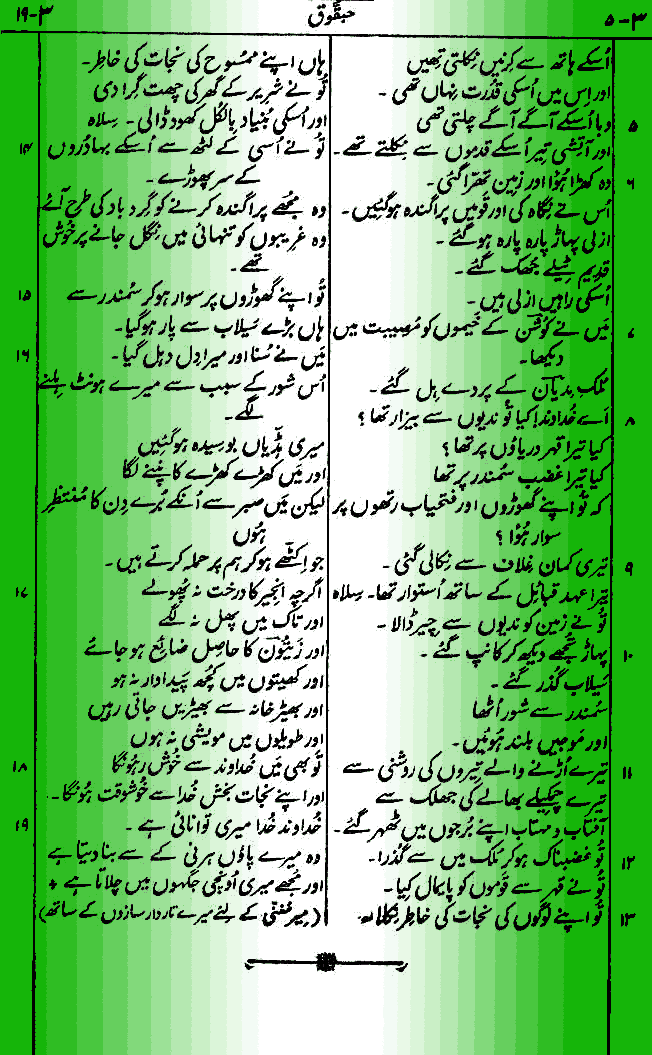
Habakkuk 3:5
Verse: Before him went the pestilence and burning coals went forth at his feet
English Explanation
This verse portrays the terrifying majesty of God as a righteous Judge. “Pestilence” (plague) and “burning coals” (or flashes of fire) symbolize the natural elements acting as God’s heralds or instruments of judgment. When God moves to correct injustice and deliver His people, the entire created order responds to His ultimate authority.
Urdu Explanation (تفصیلی وضاحت)
یہ آیت خدا کی قادرِ مطلق ذات اور اس کے عدل و انصاف کی ہولناکی کو ظاہر کرتی ہے۔ خدا کے آگے آگے “وبائیں” اور اس کے قدموں تلے “دہکتے ہوئے انگارے” چلنے کا مطلب یہ ہے کہ جب خدا زمین پر انصاف قائم کرنے اور اپنے لوگوں کو بچانے کے لیے حرکت میں آتا ہے، تو کائنات کی تمام طاقتیں اور بیماریاں اس کے حکم کے تابع ہو کر کام کرتی ہیں۔ یہ اس کی جلالت اور قوتِ فیصلہ کا ثبوت ہے۔
Habakkuk 3:6
Verse: He stood and measured the earth he beheld and drove asunder the nations and the everlasting mountains were scattered the perpetual hills did bow his ways are everlasting
English Explanation
God is depicted as a sovereign surveyor who merely stands and looks, yet His gaze shakes the entire world. The “everlasting mountains” and “perpetual hills”—symbols of permanence and stability on Earth—crumble and bow before Him. This highlights that human nations and seemingly unshakeable earthly powers are nothing compared to God’s eternal ways.
Urdu Explanation (تفصیلی وضاحت)
اس آیت میں خدا کو ایک عظیم حاکم کے طور پر دکھایا گیا ہے جو صرف کھڑا ہو کر زمین کا ناپ لیتا ہے اور اس کی ایک نظر سے قومیں پراگندہ ہو جاتی ہیں۔ وہ پہاڑ جنہیں ہم ہمیشہ قائم رہنے والا سمجھتے ہیں، خدا کے جلال کے سامنے ریزہ ریزہ ہو جاتے ہیں۔ یہ ظاہر کرتا ہے کہ دنیا کی بڑی سے بڑی طاقت یا مضبوطی خدا کی ابدی راہوں اور اس کی مرضی کے سامنے بالکل عاجز اور عارضی ہے۔
Habakkuk 3:7
Verse: I saw the tents of Cushan in affliction and the curtains of the land of Midian did tremble
English Explanation
The prophet witnesses the immediate impact of God’s presence on Israel’s historic adversaries. Cushan and Midian represent nomadic nations surrounding Israel. Their “tents” and “curtains” trembling in affliction denote that panic and terror seize those who oppose God’s divine purposes when He manifests His power.
Urdu Explanation (تفصیلی وضاحت)
حبقوق نبی یہاں ماضی اور حال کی دشمن قوموں (کوشان اور مدیان) پر خدا کے خوف کا منظر دیکھتا ہے۔ ان کے “خیموں” اور “پردوں” کا کانپنا اور مصیبت میں مبتلا ہونا اس بات کی علامت ہے کہ جب خدا کی قدرت ظاہر ہوتی ہے، تو وہ لوگ اور قومیں جو اس کے خلاف کھڑی تھیں، شدید خوف اور بے چینی کا شکار ہو جاتی ہیں۔ خدا کی موجودگی دشمنوں کے غرور کو خاک میں ملا دیتی ہے۔
Habakkuk 3:8
Verse: Was the LORD displeased against the rivers was thine anger against the rivers was thy wrath against the sea that thou didst ride upon thine horses and thy chariots of salvation
English Explanation
Habakkuk asks a rhetorical question to recall the Exodus and the crossing of the Red Sea. God’s wrath was not directed at the literal water or rivers; rather, He manipulated nature as a warrior riding “chariots of salvation” to rescue His chosen people from oppression. Nature is merely the canvas for God’s saving power.
Urdu Explanation (تفصیلی وضاحت)
یہاں نبی ایک سوالیہ انداز اپناتے ہوئے بنی اسرائیل کے مصر سے خروج اور بحیرہِ قلزم (سرخ سمندر) کو پار کرنے کے واقعے کی یاد دلاتا ہے۔ خدا کا غصہ پانی یا دریاؤں پر نہیں تھا، بلکہ وہ اپنے لوگوں کو نجات دلانے کے لیے ایک جنگجو کی طرح “نجات کے رتھوں” پر سوار ہو کر آیا۔ قدرت کے عناصر کو بدلنا دراصل اپنے لوگوں کو دشمن کے چنگل سے چھڑانے کا الٰہی طریقہ تھا۔
Habakkuk 3:9
Verse: Thy bow was made quite naked according to the oaths of the tribes even thy word Selah Thou didst cleave the earth with rivers
English Explanation
A “naked bow” means a weapon drawn and ready for immediate battle. God prepares His weapon to fulfill the covenant and oaths He made to the tribes of Israel. The word “Selah” indicates a liturgical pause for reflection. God’s power is so immense that His actions split the earth, creating life-giving rivers in barren places.
Urdu Explanation (تفصیلی وضاحت)
خدا کی “کمان کا ننگا ہونا” اس بات کی علامت ہے کہ وہ جنگ کے لیے بالکل تیار ہے۔ خدا یہ سب کچھ اس عہد اور وعدے کے مطابق کرتا ہے جو اس نے اسرائیل کے قبیلوں سے کیا تھا۔ لفظ “سِلاہ” قارئین کو یہاں رک کر غور کرنے کی دعوت دیتا ہے۔ خدا کی طاقت اتنی شدید ہے کہ وہ زمین کو چیر کر اس میں سے دریا بہا دیتا ہے، جو اس کی تخلیقی اور انصا ف پسند طاقت کا ثبوت ہے۔
Habakkuk 3:10
Verse: The mountains saw thee and they trembled the overflowing of the water passed by the deep uttered his voice and lifted up his hands on high
English Explanation
This verse uses vivid personification. The mountains “see” God and tremble with fear, while the roaring ocean (“the deep”) raises its waves like hands in absolute submission to its Creator. It shows that the most chaotic and powerful forces of nature recognize and bow to God’s supreme authority.
Urdu Explanation (تفصیلی وضاحت)
اس آیت میں شاعرانہ اور تمثیلی زبان استعمال کی گئی ہے۔ پہاڑ خدا کو دیکھ کر کانپ اٹھتے ہیں، اور سمندر کی گہرائیاں (تہہ) گرجدار آواز نکالتی ہیں اور اپنی لہروں کو ہاتھ کی طرح اوپر اٹھاتی ہیں۔ یہ اس بات کو ظاہر کرتا ہے کہ قدرت کی بے قابو اور خطرناک ترین قوتیں بھی اپنے خالق کو پہچانتی ہیں اور اس کے جلال کے سامنے سرِ تسلیم خم کرتی ہیں۔
Habakkuk 3:11
Verse: The sun and moon stood still in their habitation at the light of thine arrows they went and at the shining of thy glittering spear
English Explanation
This references historical miracles, such as Joshua’s long day, where the cosmic order paused. The sun and moon halt in the sky because the brilliance of God’s “arrows” and “glittering spear” (metaphors for lightning and divine judgment) outshines the natural celestial bodies, commanding total cosmic obedience.
Urdu Explanation (تفصیلی وضاحت)
یہ آیت یشوع کے دور کے اس معجزے کی یاد دلاتی ہے جہاں سورج اور چاند اپنی جگہ رک گئے تھے۔ یہاں خدا کے “تیروں” اور “چمکیلے بھالے” سے مراد اسمانی بجلی اور اس کا قہر ہے۔ خدا کا جلال اور اس کا نور اتنا تیز ہے کہ سورج اور چاند جیسے روشن ستارے بھی اس کے سامنے ماند پڑ جاتے ہیں اور کائنات کا نظام اس کے حکم پر ٹھہر جاتا ہے۔
Habakkuk 3:12
Verse: Thou didst march through the land in indignation thou didst thresh the heathen in anger
English Explanation
God is visualized as a mighty giant marching across the earth in righteous indignation. The term “thresh” comes from agriculture (separating grain from chaff), meaning God tramples and crushes the wicked, pagan nations (“the heathen”) who oppressed the innocent and lived in defiance of His laws.
Urdu Explanation (تفصیلی وضاحت)
خدا کو ایک عظیم جنگجو کے طور پر دکھایا گیا ہے جو غصے اور جلال میں زمین پر قدم بڑھاتا ہے۔ “گاہنے” (اناج کو بھوسے سے الگ کرنا) کی اصطلاح کا مطلب یہ ہے کہ خدا ان شریر اور بت پرست قوموں کو پامال اور کچل دیتا ہے جنہوں نے معصوموں پر ظلم کیا اور اس کے قوانین کی نافرمانی کی۔ یہ خدا کے حتمی انصاف کو ظاہر کرتا ہے۔
Habakkuk 3:13
Verse: Thou wentest forth for the salvation of thy people even for salvation with thine anointed thou woundedst the head out of the house of the wicked by discovering the foundation unto the neck Selah
English Explanation
This is the core purpose of God’s terrifying wrath: the salvation of His people and His “anointed” (the king or the Messiah). God completely dismantles the “house of the wicked” from top to bottom—striking the leader (“the head”) and stripping the structure down to its bare foundations.
Urdu Explanation (تفصیلی وضاحت)
خدا کے اس شدید جلال اور غصے کا اصل مقصد اپنے لوگوں اور اپنے “ممسوح” (منتخب کردہ بادشاہ یا مسیحا) کو نجات دلانا ہے۔ وہ شریروں کے گھرانے کو جڑ سے اکھاڑ پھینکتا ہے—اس کے سردار (“سر”) کو زخمی کرتا ہے اور اس کی بنیادوں تک کو ننگا کر کے تباہ کر دیتا ہے۔ یہ بدی پر نیکی کی مکمل فتح کا اعلان ہے۔
Habakkuk 3:14
Verse: Thou didst strike through with his staves the head of his villages they came out as a whirlwind to scatter me their rejoicing was as to devour the poor secretly
English Explanation
The enemies of God’s people arrived with overwhelming, chaotic force, like a “whirlwind,” arrogance dripping from them as they plotted to secretly destroy the vulnerable. However, God turns the enemy’s own weapons (“his staves”) against them, causing their aggressive schemes to implode upon their own leaders.
Urdu Explanation (تفصیلی وضاحت)
خدا کے لوگوں کے دشمن ایک بڑے “بگولے” یا طوفان کی طرح آئے تاکہ خدا کے بندوں کو تتر بتر کر دیں، اور وہ غریبوں کو خفیہ طور پر ہڑپ کرنے پر خوش ہو رہے تھے۔ لیکن خدا نے ان کے اپنے ہی ہتھیاروں (لاٹھیوں) کو ان کے خلاف کر دیا اور ان کے اپنے سرداروں کو تباہ کر دیا۔ دشمن کی اپنی چالیں ان کی اپنی بربادی کا سبب بن گئیں۔
Habakkuk 3:15
Verse: Thou didst walk through the sea with thine horses through the heap of great waters
English Explanation
Reiterating the Red Sea triumph, this verse emphasizes God’s total dominion over chaos. The roaring, deep waters form massive “heaps,” yet God rides effortlessly through them with His heavenly hosts. No elemental obstacle can block the path of God when He moves to deliver His faithful.
Urdu Explanation (تفصیلی وضاحت)
سرخ سمندر کی فتح کا دوبارہ ذکر کرتے ہوئے، یہ آیت ظاہر کرتی ہے کہ افراتفری اور سمندر کی بپھری ہوئی لہریں بھی خدا کا راستہ نہیں روک سکتیں۔ پانی کے بڑے بڑے ڈھیر لگ گئے لیکن خدا اپنے گھوڑوں کے ساتھ ان کے درمیان سے آسانی سے گزر گیا۔ جب خدا اپنے لوگوں کو بچانے کا فیصلہ کرتا ہے تو کوئی بھی رکاوٹ اس کا راستہ نہیں روک سکتی۔
Habakkuk 3:16
Verse: When I heard my belly trembled my lips quivered at the voice rottenness entered into my bones and I trembled in myself that I might rest in the day of trouble when he cometh up unto the people he will invade them with his troops
English Explanation
As Habakkuk hears the terrifying magnitude of God’s upcoming judgment against Babylon (and the trials Judah must endure first), he experiences a profound physical reaction of fear—his body trembles, and his bones feel weak. Yet, this holy fear leads to spiritual surrender; he finds a quiet resolve to patiently wait for the “day of trouble,” trusting God’s sovereign plan.
Urdu Explanation (تفصیلی وضاحت)
جب حبقوق نبی خدا کے اس ہولناک جلال اور آنے والی عدالت (بابل پر عذاب اور یہوداہ کی آزمائش) کے بارے میں سنتا ہے، تو وہ جسمانی طور پر شدید خوف زدہ ہو جاتا ہے—اس کا پیٹ کانپنے لگتا ہے، ہونٹ تھرتھراتے ہیں اور ہڈیاں کمزور محسوس ہوتی ہیں۔ لیکن یہ خوف اسے مایوس نہیں کرتا، بلکہ وہ ایمان کے ساتھ خاموشی سے “مصیبت کے دن” کا انتظار کرنے کا فیصلہ کرتا ہے، یہ جانتے ہوئے کہ خدا کا فیصلہ برحق ہے۔
Habakkuk 3:17
Verse: Although the fig tree shall not blossom neither shall fruit be in the vines the labour of the olive shall fail and the fields shall yield no meat the flock shall be cut off from the fold and there shall be no herd in the stalls
English Explanation
This verse describes a scenario of absolute economic and agricultural devastation. In ancient Israel, the failure of figs, grapes, olives, grain fields, sheep, and cattle meant total starvation and economic collapse. It represents the worst-case scenario of human suffering and deprivation.
Urdu Explanation (تفصیلی وضاحت)
یہ آیت مکمل معاشی اور زرعی تباہی کا منظر پیش کرتی ہے۔ قدیم اسرائیل میں انجیر، انگور، زیتون، اناج کے کھیتوں، بھیڑ بکریوں اور مویشیوں کا ختم ہو جانا مکمل قحط اور بربادی کی علامت تھا۔ یہ انسانی زندگی کی بدترین محرومی اور تنگی کے حالات کو ظاہر کرتا ہے جہاں بظاہر جینے کی کوئی امید باقی نہیں رہتی۔
Habakkuk 3:18
Verse: Yet I will rejoice in the LORD I will joy in the God of my salvation
English Explanation
One of the most powerful declarations of faith in all of Scripture. Despite the total loss described in verse 17, Habakkuk makes a conscious, deliberate choice: “Yet I will rejoice.” His joy is not tied to material blessings, circumstances, or harvests, but strictly to the unchanging character of God who saves.
Urdu Explanation (تفصیلی وضاحت)
یہ پوری پاک کلام میں ایمان کے سب سے عظیم اعلانات میں سے ایک ہے۔ آیت 17 میں بیان کردہ تمام معاشی تباہی کے باوجود، حبقوق نبی کہتا ہے: “تو بھی میں خداوند سے شادمان رہوں گا۔” اس کی خوشی مادی چیزوں، اچھے حالات یا فصلوں کی محتاج نہیں ہے، بلکہ اس کا انحصار صرف اور صرف خدا کی ذات اور اس کی نجات پر ہے جو کبھی نہیں بدلتی۔
Habakkuk 3:19
Verse: The LORD God is my strength and he will make my feet like hinds’ feet and he will make me to walk upon mine high places To the chief singer on my stringed instruments
English Explanation
Habakkuk concludes with a triumphant testimony. God does not just give strength; He is the prophet’s strength. “Hinds’ feet” (like a deer) enable him to navigate dangerous, steep, and rocky terrains safely. God enables the believer to walk high above their devastating circumstances. The dedication to the “chief singer” shows this prayer was meant to be sung corporately as a continuous anthem of hope.
Urdu Explanation (تفصیلی وضاحت)
حبقوق اپنی کتاب کا اختتام ایک شاندار گواہی کے ساتھ کرتا ہے۔ خدا صرف طاقت دیتا ہی نہیں، بلکہ وہ خود نبی کی “قوت” ہے۔ “ہرنی کے سے پاؤں” دینے کا مطلب یہ ہے کہ خدا اسے مشکل، پتھریلے اور خطرناک حالات میں بھی مضبوطی سے قائم رکھے گا اور وہ اونچے مقامات (کامیابی اور روحانی بلندی) پر چلے گا۔ موسیقی کے مخرن کے نام یہ ہدایت ظاہر کرتی ہے کہ یہ دعا مایوسی کے دنوں میں امید کے گیت کے طور پر گانے کے لیے لکھی گئی تھی۔