Chapter 13 Verses & Commentary
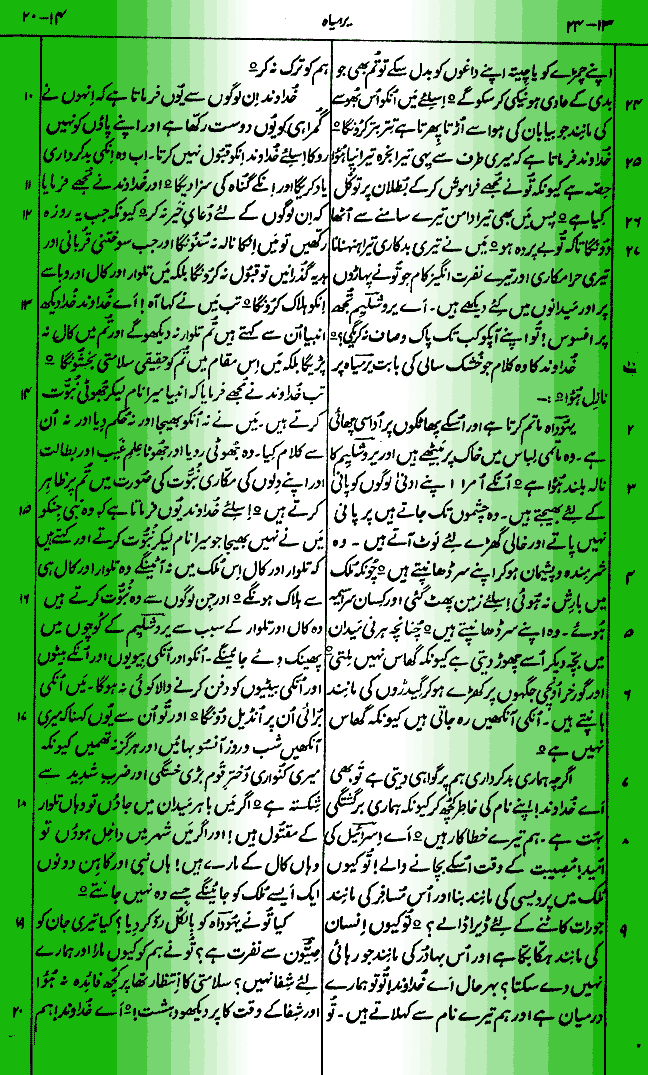
Jeremiah 13:23
Verse: Can the Ethiopian change his skin or the leopard his spots? then may ye also do good that are accustomed to do evil.
-
English Explanation: This famous verse uses vivid natural illustrations to highlight the deep-seated nature of habitual sin. Just as an Ethiopian cannot alter his skin color and a leopard cannot wipe away its spots through their own strength, the people of Judah have become so thoroughly accustomed to wickedness that changing their behavior on their own has become morally impossible. It emphasizes that long-term spiritual rebellion alters a person’s nature, demanding divine intervention rather than mere self-help.
-
Urdu Explanation: یہ آیت انسانی فطرت میں گناہ کی گہرائی کو ظاہر کرنے کے لیے قدرتی مثالوں کا استعمال کرتی ہے۔ جس طرح ایک حبشی اپنی جلد کا رنگ نہیں بدل سکتا اور ایک چیتے کے جسم سے اس کے داغ ختم نہیں ہو سکتے، اسی طرح یہوداہ کے لوگ برائی کے اتنے عادی ہو چکے ہیں کہ وہ خود اپنی طاقت سے نیکی کرنے کے قابل نہیں رہے۔ یہ ظاہر کرتا ہے کہ مسلسل گناہ انسان کے دل کو سخت کر دیتا ہے، جس کے بعد صرف خدا کا فضل ہی اسے تبدیل کر سکتا ہے۔
Jeremiah 13:24
Verse: Therefore will I scatter them as the stubble that passeth away by the wind of the wilderness.
-
English Explanation: Because of their unyielding rebellion, God pronounces judgment. The metaphor shifts to “stubble” (chaff or dry straw) blown away by a harsh desert wind. This signifies that the coming Babylonian invasion will easily overpower Judah, leaving them scattered, powerless, and exiled across the ancient world without any stable foundation.
-
Urdu Explanation: ان کی مسلسل سرکشی کی وجہ سے خدا ان پر عدالت کا حکم سناتا ہے۔ یہاں مثال دی گئی ہے کہ جیسے جنگل کی تیز ہوا خشک بھوسے کو اڑا لے جاتی ہے، ویسے ہی یہوداہ کے لوگوں کو بکھیر دیا جائے گا۔ یہ بابل کی آنے والی فوج کے حملے کی طرف اشارہ ہے جو انہیں بے بس کر کے جلاوطن کر دے گی۔
Jeremiah 13:25
Verse: This is thy lot the portion of thy measures from me saith the LORD; because thou hast forgotten me and trusted in falsehood.
-
English Explanation: God explicitly states that this impending destruction is not an accident or bad luck; it is their calculated “lot” or portion assigned by Him. The core reason for this severe judgment is twofold: they actively forgot their Covenant God and chose instead to put their faith in “falsehood,” which refers both to false idols and deceptive political alliances.
-
Urdu Explanation: خدا واضح کرتا ہے کہ یہ تباہی کوئی حادثہ نہیں بلکہ ان کا مقررہ حصہ ہے جو خدا کی طرف سے ملا ہے۔ اس سخت عدالت کی دو بڑی وجوہات ہیں: اول یہ کہ انہوں نے اپنے سچے خدا کو فراموش کر دیا، اور دوم یہ کہ انہوں نے جھوٹ (بتوں اور جھوٹے وعدوں) پر بھروسہ کیا۔
Jeremiah 13:26
Verse: Therefore will I discover thy skirts upon thy face that thy shame may appear.
-
English Explanation: Using raw, confronting language, God describes exposing Judah’s spiritual unfaithfulness. Pulling garments over the face was an ancient practice used to publicly humiliate individuals guilty of adultery. Here, God strips away Judah’s dignity to expose the moral filth and hypocrisy they tried to hide.
-
Urdu Explanation: یہاں خدا یہوداہ کی روحانی بے وفائی کو بے نقاب کرنے کے لیے سخت علامتی زبان استعمال کرتا ہے۔ پرانے زمانے میں بدکاری کی سزا کے طور پر رسوائی کے لیے لباس الٹ دیا جاتا تھا۔ خدا فرماتا ہے کہ وہ ان کی منافقت اور گناہ کو پوری دنیا کے سامنے ظاہر کر کے انہیں شرمندہ کرے گا۔
Jeremiah 13:27
Verse: I have seen thine adulteries and thy neighings the lewdness of thy whoredom and thine abominations on the hills in the fields. Woe unto thee O Jerusalem! wilt thou not be made clean? when shall it once be?
-
English Explanation: God addresses Judah’s pagan worship on the hills, comparing it to spiritual adultery and the uncontrollable lust of animals (“neighings”). Despite the heavy indictment, the verse ends with a poignant, heartbroken cry from God, asking how long Jerusalem will refuse to be cleansed, showing His lingering desire for their repentance.
-
Urdu Explanation: خدا یہوداہ کی بت پرستی کو روحانی زنا اور جانوروں کی بے لگام شہوت سے تشبیہ دیتا ہے جو انہوں نے اونچے ٹیلوں پر کی۔ اس سخت ملامت کے باوجود، آیت کے آخر میں خدا کا درد جھلکتا ہے جہاں وہ پوچھتا ہے کہ اے یروشلم تو کب پاک ہوگا؟ یہ ظاہر کرتا ہے کہ خدا اب بھی ان کی توبہ کا منتظر ہے۔
Chapter 14 Verses & Commentary
Jeremiah 14:1
Verse: The word of the LORD that came to Jeremiah concerning the dearth.
-
English Explanation: Chapter 14 opens with a prophetic message triggered by a terrible crisis: a severe “dearth” or drought. In the ancient Near East, drought was a catastrophic economic and physical judgment, explicitly listed in the Mosaic Covenant as a consequence for breaking God’s law.
-
Urdu Explanation: چودہویں باب کا آغاز ایک بھیانک بحران یعنی شدید قحط اور خشک سالی کے ذکر سے ہوتا ہے۔ پرانے وقتوں میں بارش کا نہ ہونا ایک معاشی اور جسمانی عذاب سمجھا جاتا تھا، جس کا وعدہ توریت میں خدا کے احکام سے پھر جانے کی سزا کے طور پر کیا گیا تھا۔
Jeremiah 14:2
Verse: Judah mourneth and the gates thereof languish; they are black unto the ground; and the cry of Jerusalem is gone up.
-
English Explanation: The drought has brought society to a complete standstill. The “gates,” which served as the ancient centers of commerce, legal judgments, and public gathering, are empty and mourning. The phrase “black unto the ground” portrays the people sitting in sackcloth and ashes, deeply dejected, as their unified cry of despair rises to the heavens.
-
Urdu Explanation: خشک سالی نے پوری زندگی کو مفلوج کر دیا ہے۔ شہر کے “پھاٹک” جہاں تجارت اور عدالتی فیصلے ہوتے تھے، اب ویران اور سوگوار ہیں۔ لوگ غم کے مارے زمین پر بیٹھ کر ماتم کر رہے ہیں اور یروشلم کا نالہ و فریاد آسمان تک پہنچ گیا ہے۔
Jeremiah 14:3
Verse: And their nobles have sent their little ones to the waters: they came to the pits and found no water; they returned with their vessels empty; they were ashamed and confounded and covered their heads.
-
English Explanation: The water crisis affects everyone, from the top of society down. The wealthy elites and nobles send their servants or children to find water in the public cisterns and reservoirs. However, they find nothing but dry mud. Returning with empty jars, they cover their heads—a cultural gesture of intense grief, shame, and complete bewilderment.
-
Urdu Explanation: پانی کا یہ بحران امیر اور غریب سب کے لیے برابر ہے۔ امیر لوگ اپنے نوکروں اور بچوں کو پانی کی تلاش میں کنووں اور تالابوں پر بھیجتے ہیں، لیکن وہاں صرف خشک مٹی ملتی ہے۔ خالی برتنوں کے ساتھ واپسی پر وہ شرمندگی اور مایوسی سے اپنے سر ڈھانپ لیتے ہیں۔
Jeremiah 14:4
Verse: Because the ground is chapt for there was no rain in the earth the plowmen were ashamed they covered their heads.
-
English Explanation: The soil is described as “chapt”—cracked wide open because of the baking sun and lack of moisture. The farmers and plowmen, unable to plant crops or work the soil, face total ruin. Like the nobles, they cover their heads in absolute despair over their helplessness.
-
Urdu Explanation: بارش نہ ہونے کی وجہ سے زمین خشک ہو کر پھٹ چکی ہے۔ کسان اور ہل چلانے والے، جو زمین سے کچھ بھی اگانے کے قابل نہیں رہے، سخت شرمندہ اور مایوس ہیں اور انہوں نے بھی دکھ کے مارے اپنے سر ڈھانپ لیے ہیں۔
Jeremiah 14:5
Verse: Yea the hind also calved in the field and forsook it because there was no grass.
-
English Explanation: Jeremiah illustrates the severity of the ecological collapse by looking at the animal kingdom. The deer (hind), an animal known for being deeply protective of its offspring, is forced to abandon her newborn calf in the open field because there is no grass available to sustain her own milk supply.
-
Urdu Explanation: یرمیاہ نبی اس قحط کی ہولناکی کو جانوروں کی مثال سے واضح کرتے ہیں۔ ہرنی، جو اپنے بچوں سے شدید محبت کے لیے جانی جاتی ہے، گھاس نہ ہونے کی وجہ سے اپنے نوڈول بچے کو میدان میں چھوڑنے پر مجبور ہے کیونکہ وہ خود بھوک سے مر رہی ہے۔
Jeremiah 14:6
Verse: And the wild asses did stand in the high places they snuffed up the wind like dragons; their eyes did fail because there was no grass.
-
English Explanation: Even the resilient wild donkeys, accustomed to harsh desert environments, are defeated by this drought. They stand panting on barren hills, gasping for air and moisture like jackals or large reptiles (“dragons”). Their vision fails them as they grow weak and blind from prolonged starvation and dehydration.
-
Urdu Explanation: جنگلی گدھے بھی، جو سخت ماحول کے عادی ہوتے ہیں، اس قحط سے بے بس ہیں۔ وہ اونچی جگہوں پر کھڑے ہو کر اژدھوں کی طرح ہوا سونگھتے ہیں تاکہ کہیں سے نمی مل سکے۔ بھوک اور پیاس کی شدت سے ان کی آنکھوں کی روشنی مدہم پڑ چکی ہے۔
Jeremiah 14:7
Verse: O LORD though our iniquities testify against us do thou it for thy name’s sake: for our backslidings are many; we have sinned against thee.
-
English Explanation: Jeremiah steps in as an intercessor, offering a communal confession of sin. He acknowledges that Judah’s countless sins and backslidings leave them with no legal ground to ask for mercy. Instead, he pleads on a higher theological basis: that God would act “for thy name’s sake”—to preserve His own reputation, glory, and faithfulness among the nations.
-
Urdu Explanation: یرمیاہ نبی اپنی قوم کی طرف سے شفاعت کرتے ہوئے گناہوں کا اعتراف کرتے ہیں۔ وہ مانتے ہیں کہ ان کی خطائیں ان کے خلاف گواہی دے رہی ہیں، اس لیے وہ اپنے کسی استحقاق پر نہیں بلکہ خدا کے پاک نام کی خاطر رحم کی اپیل کرتے ہیں تاکہ خدا کی شان برقرار رہے۔
Jeremiah 14:8
Verse: O the hope of Israel the saviour thereof in time of trouble why shouldest thou be as a stranger in the land and as a wayfaring man that turneth aside to tarry for a night?
-
English Explanation: Jeremiah addresses God by His faithful titles: the “Hope of Israel” and their “Saviour.” He then poses a bold, passionate question: Why is God acting like a indifferent foreigner or a traveling stranger who merely stays for a night and has no deep investment or concern for the long-term survival of the land?
-
Urdu Explanation: نبی خدا کو “اسرائیل کی امید” اور “مصیبت کے وقت بچانے والے” کے طور پر پکارتے ہیں۔ پھر وہ ایک جرات مندانہ سوال کرتے ہیں کہ خدا کیوں ایک مسافر یا پردیسی کی طرح برتاؤ کر رہا ہے جو صرف ایک رات گزارنے آتا ہے اور اسے اس ملک کی بربادی سے کوئی غرض نہیں؟
Jeremiah 14:9
Verse: Why shouldest thou be as a man astonied as a mighty man that cannot save? yet thou O LORD art in the midst of us and we are called by thy name; leave us not.
-
English Explanation: The intercession continues with high emotional intensity. Jeremiah asks why the Almighty God appears paralyzed, like a confused warrior (“man astonied”) who lacks the power to deliver His people. He reminds God that His divine presence still dwells in their temple and that they bear His name; therefore, he begs God not to abandon them.
-
Urdu Explanation: یرمیاہ پوچھتے ہیں کہ قادرِ مطلق خدا کیوں ایک حیران و پریشان شخص کی مانند دکھائی دیتا ہے، جیسے کوئی ایسا سورما جو بچانے کی طاقت نہ رکھتا ہو؟ وہ خدا کو یاد دلاتے ہیں کہ “تو ہمارے درمیان ہے اور ہم تیرے نام سے کہلاتے ہیں، پس ہمیں نہ چھوڑ۔”
Jeremiah 14:10
Verse: Thus saith the LORD unto this people Thus have they loved to wander they have not refrained their feet therefore the LORD doth not accept them; he will now remember their iniquity and visit their sins.
-
English Explanation: God responds directly, rejecting the intercession. He points out that the people’s repentance is superficial. In reality, they love to “wander” away into sin and idolatry, refusing to restrain their steps. Because their hearts haven’t genuinely changed, God will not accept their prayers; instead, the time has come to bring justice upon their past and present sins.
-
Urdu Explanation: خدا اس دعا کا جواب دیتے ہوئے شفاعت کو مسترد کر دیتا ہے۔ وہ فرماتا ہے کہ ان لوگوں کو گناہ کی راہوں پر بھٹکنا پسند ہے اور انہوں نے اپنے قدموں کو برائی سے نہیں روکا۔ اس لیے خدا اب ان کی منافقانہ عبادت قبول نہیں کرے گا بلکہ ان کے گناہوں کا حساب لے گا۔
Jeremiah 14:11
Verse: Then said the LORD unto me Pray not for this people for their good.
-
English Explanation: In a terrifying turning point, God commands Jeremiah to stop praying for the well-being of Judah. This indicates that the nation has crossed a moral line of no return; their corporate judgment is entirely sealed, and intercession is no longer effective.
-
Urdu Explanation: ایک ہولناک حکم کے تحت خدا یرمیاہ سے فرماتا ہے کہ “ان لوگوں کی بھلائی کے لیے دعا مت کر۔” یہ اس بات کی علامت ہے کہ قوم کی سرکشی حد سے بڑھ چکی ہے اور اب ان کی عدالت کا فیصلہ حتمی ہو چکا ہے۔
Jeremiah 14:12
Verse: When they fast I will not hear their cry; and when they offer burnt offering and an oblation I will not accept them: but I will consume them by the sword and by the famine and by the pestilence.
-
English Explanation: God declares that external religious rituals are completely useless without internal obedience. Even if they fast and bring expensive burnt offerings, God will ignore them. Instead of showing mercy, He will execute absolute judgment through a devastating three-fold curse: war (“the sword”), starvation (“famine”), and disease (“pestilence”).
-
Urdu Explanation: خدا فرماتا ہے کہ دلی تبدیلی کے بغیر ظاہری مذہبی رسومات بے فائدہ ہیں۔ اگرچہ وہ روزہ رکھیں اور قربانیاں چڑھائیں، خدا ان کی فریاد نہیں سنے گا۔ اس کے برعکس، وہ انہیں تین بڑی آفتوں یعنی تلوار (جنگ)، قحط اور مری (وبائی بیماری) سے ہلاک کر دے گا۔
Jeremiah 14:13
Verse: Then said I Ah Lord GOD! behold the prophets say unto them Ye shall not see the sword neither shall ye have famine; but I will give you assured peace in this place.
-
English Explanation: Jeremiah expresses deep grief and offers an explanation for the people’s delusion. He blames the popular false prophets of the day, who were comforting the citizens with toxic positivity, promising them that war and famine would never come and guaranteeing total peace.
-
Urdu Explanation: یرمیاہ نبی گہرے دکھ کے ساتھ عرض کرتے ہیں کہ “اے خداوند خدا! دیکھ، جھوٹے نبی ان سے کہتے ہیں کہ تم نہ تو تلوار دیکھو گے اور نہ قحط، بلکہ خدا تمہیں امن بخشے گا۔” نبی عوام کی گمراہی کی وجہ ان جھوٹے رہنماؤں کو ٹھہراتے ہیں۔
Jeremiah 14:14
Verse: Then the LORD said unto me The prophets prophesy lies in my name: I sent them not neither have I commanded them neither spake unto them: they prophesy unto you a false vision and divination and a thing of nought and the deceit of their heart.
-
English Explanation: God clarifies that these optimistic prophets are absolute frauds. They are using God’s name unauthorized. God never sent, commanded, or spoke to them. Their optimistic predictions are nothing but fabrications born out of their own deceptive desires, false visions, and empty superstitions.
-
Urdu Explanation: خدا فرماتا ہے کہ یہ نبی میرے نام سے جھوٹی نبوتیں کر رہے ہیں۔ میں نے انہیں نہ بھیجا، نہ حکم دیا اور نہ ان سے بات کی۔ ان کی پیشگوئیاں محض ان کے اپنے فریب کار دل کی من گھڑت باتیں، باطل رویا اور جھوٹے جادو ٹونے پر مبنی ہیں۔
Jeremiah 14:15
Verse: Therefore thus saith the LORD concerning the prophets that prophesy in my name and I sent them not yet they say Sword and famine shall not be in this land; By sword and famine shall those prophets be consumed.
-
English Explanation: God pronounces a fitting, ironic judgment upon the false prophets. Because they misled the nation by promising that “sword and famine” would never hit Judah, God decrees that they themselves will be among the very first casualties to die from those exact twin disasters.
-
Urdu Explanation: خدا ان جھوٹے نبیوں کے لیے عبرتناک سزا کا اعلان کرتا ہے۔ چونکہ انہوں نے یہ کہہ کر قوم کو گمراہ کیا کہ اس ملک میں تلوار اور قحط نہیں آئے گا، اس لیے خدا فرماتا ہے کہ وہ جھوٹے نبی خود انہی آفتوں یعنی تلوار اور قحط سے ہلاک کیے جائیں گے۔
Jeremiah 14:16
Verse: And the people to whom they prophesy shall be cast out in the streets of Jerusalem because of the famine and the sword; and they shall have none to bury them them their wives nor their sons nor their daughters: for I will pour their wickedness upon them.
-
English Explanation: The people who willingly chose to believe these comfortable lies are not exempt from responsibility. They will die in the streets of Jerusalem from war and starvation. The tragedy will be so overwhelming that their entire families will lie unburied, which was considered an ultimate disgrace and curse in the ancient world.
-
Urdu Explanation: جو لوگ خوشی سے ان جھوٹے نبیوں کی باتوں پر یقین کرتے رہے، وہ بھی سزا سے نہیں بچیں گے۔ وہ یروشلم کی سڑکوں پر بھوک اور جنگ سے مریں گے اور کوئی ان کو، ان کی بیویوں یا بچوں کو دفنانے والا نہ ہوگا۔ لاشوں کا بے گور و کفن پڑا رہنا قدیم زمانے میں شدید ترین لعنت سمجھا جاتا تھا۔
Jeremiah 14:17
Verse: Therefore thou shalt say this word unto them; Let mine eyes run down with tears night and day and let them not cease: for the virgin daughter of my people is broken with a great breach with a very grievous blow.
-
Explanation: God commands Jeremiah to embody His own divine sorrow. Jeremiah is told to weep continuously, day and night, for the impending doom of Judah—referred to affectionately here as “the virgin daughter of my people.” The nation is about to suffer a crushing, fatal blow from which it cannot easily recover.
-
Urdu Explanation: خدا یرمیاہ کو اپنے غم کا اظہار کرنے کا حکم دیتا ہے۔ نبی سے کہا گیا ہے کہ وہ دن رات اپنی قوم کی بربادی پر آنسو بہائے، جسے یہاں پیار سے “میری قوم کی کنواری بیٹی” کہا گیا ہے۔ قوم پر ایک ایسا کاری اور مہلک زخم لگنے والا ہے جو اسے جھنجھوڑ کر رکھ دے گا۔
Jeremiah 14:18
Verse: If I go forth into the field then behold the slain with the sword! and if I enter into the city then behold them that are sick with famine! yea both the prophet and the priest go about into a land that they know not.
-
English Explanation: This verse paints a bleak picture of the post-invasion landscape. Outside the city walls, the fields are littered with bodies killed in battle. Inside the city, people are dying of starvation and disease. Meanwhile, the corrupt religious leaders (prophets and priests) are dragged off into exile into a foreign land they do not know, completely stripped of their authority.
-
Urdu Explanation: یہ آیت جنگ کے بعد کا ایک ہولناک منظر پیش کرتی ہے۔ اگر میدان میں جاؤ تو تلوار کے مقتول پڑے ہیں اور اگر شہر میں آؤ تو بھوک سے مرتے ہوئے لوگ دکھائی دیتے ہیں۔ یہاں تک کہ جھوٹے نبی اور کاہن بھی اس آفت سے مجبور ہو کر ایک اجنبی ملک (بابل) کی طرف جلاوطن ہو رہے ہیں۔
Jeremiah 14:19
Verse: Hast thou utterly rejected Judah? hath thy soul lothed Zion? why hast thou smitten us and there is no healing for us? we looked for peace and there is no good; and for the time of healing and behold trouble!
-
English Explanation: Desperate, Jeremiah asks a series of agonizing questions on behalf of the remnant. He wonders aloud if God has completely cast off Judah and grown to despise Jerusalem (Zion). He points out the tragic irony: the people kept hoping for the peace promised by the false prophets, but instead, they received non-stop trauma and affliction.
-
Urdu Explanation: انتہائی مایوسی کے عالم میں یرمیاہ قوم کی طرف سے خدا سے دردناک سوال کرتے ہیں: کیا تو نے یہوداہ کو بالکل رد کر دیا؟ کیا تجھے صیون سے نفرت ہو گئی ہے؟ وہ شکوہ کرتے ہیں کہ ہم امن کے منتظر تھے لیکن کچھ اچھا نہ ہوا، اور شفا کے وقت بھی صرف مصیبت ہی ہاتھ آئی۔
Jeremiah 14:20
Verse: We acknowledge O LORD our wickedness and the iniquity of our fathers: for we have sinned against thee.
-
English Explanation: The section concludes with a profound, authentic prayer of corporate confession. Moving past the empty excuses of the false prophets, Jeremiah and the faithful remnant openly acknowledge their personal wickedness, as well as the generational sins of their ancestors. They offer no justifications, simply confessing: “we have sinned against thee.”
-
Urdu Explanation: اس حصے کا اختتام سچی توبہ اور اعترافِ گناہ کی دعا پر ہوتا ہے۔ جھوٹے نبیوں کے حیلوں بہانوں کو چھوڑ کر، یرمیاہ اور وفادار لوگ کھلے دل سے اپنی بدکاری اور اپنے آباؤ اجداد کے گناہوں کا اعتراف کرتے ہیں اور کہتے ہیں کہ “ہم نے تیرے حضور گناہ کیا ہے۔”