Verse-by-Verse Commentary & Explanation
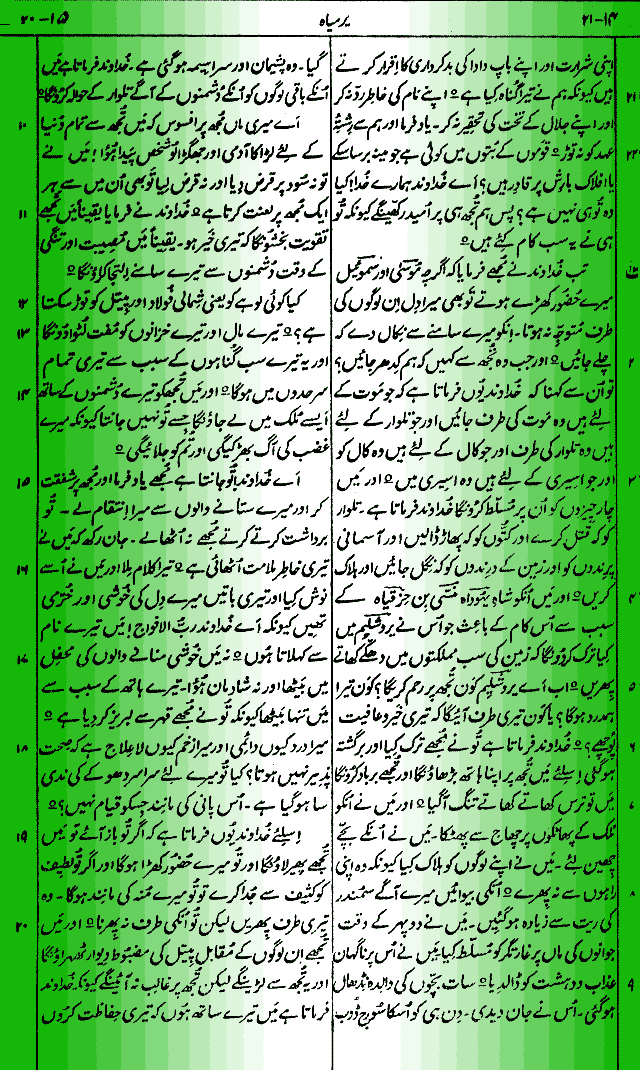
Jeremiah 14:21
Verse: Do not abhor us for thy name’s sake do not disgrace the throne of thy glory remember break not thy covenant with us
-
Detailed Explanation (English): Jeremiah pleads with God on behalf of the people, using three powerful arguments: God’s reputation (“thy name’s sake”), His temple/presence (“the throne of thy glory”), and His historical promise (“thy covenant”). The prophet acknowledges that while Israel deserves rejection, God should act to preserve His own holy reputation among the pagan nations who would mock if Israel were destroyed.
-
تفصیلی وضاحت (Urdu): یرمیاہ نبی لوگوں کی طرف سے خدا کے سامنے گریہ و زاری کر رہا ہے۔ وہ خدا کو تین باتوں کا واسطہ دیتا ہے: خدا کا پاک نام، اس کا جلال والا تخت (ہیکل)، اور اس کا پرانا عہد۔ نبی یہ تسلیم کرتا ہے کہ اگرچہ بنی اسرائیل سزا کے مستحق ہیں، لیکن خدا اپنے نام کی لاج رکھے تاکہ غیر قومیں یہ نہ کہیں کہ خدا اپنے لوگوں کو بچا نہیں سکا۔
Jeremiah 14:22
Verse: Are there any among the vanities of the Gentiles that can cause rain? or can the heavens give showers? art not thou he O LORD our God? therefore we will wait upon thee for thou hast made all these things
-
Detailed Explanation (English): This verse highlights the absolute futility of false idols (“vanities of the Gentiles”). During a severe drought, Jeremiah declares that pagan gods cannot control the weather, nor does nature operate independently of God. Because Yahweh is the sole Creator of all things, Israel’s only logical response is to wait faithfully upon Him for deliverance.
-
تفصیلی وضاحت (Urdu): یہ آیت بت پرستی اور جھوٹے خداؤں کی بے بسی کو ظاہر کرتی ہے۔ قحط کے اس دور میں، یرمیاہ واضح کرتا ہے کہ غیر قوموں کے بت بارش لانے کی طاقت نہیں رکھتے اور نہ ہی آسمان خود بخود پانی برسا سکتا ہے۔ صرف خداوند ہی کائنات کا خالق ہے، اس لیے لوگوں کو کسی اور کی طرف دیکھنے کے بجائے صرف خدا کے فضل کا انتظار کرنا چاہیے۔
Jeremiah 15:1
Verse: Then said the LORD unto me Though Moses and Samuel stood before me yet my mind could not be toward this people cast them out of my sight and let them go forth
-
Detailed Explanation (English): God delivers a chilling response to Jeremiah’s intercession. Moses and Samuel were Israel’s greatest historical intercessors who successfully turned away God’s wrath in the past. God states that even if these spiritual giants stood before Him now, Judah’s sins are so absolute that His mind will not change. Judgment is irreversible; the people must be cast out.
-
تفصیلی وضاحت (Urdu): خداوند یرمیاہ کی دعا کا سخت جواب دیتا ہے۔ موسیٰ اور سموئیل بنی اسرائیل کی تاریخ کے دو عظیم ترین شفاعت کرنے والے تھے جنہوں نے ماضی میں خدا کے غضب کو ٹالا تھا۔ خدا فرماتا ہے کہ اگر آج وہ دونوں بھی میرے سامنے کھڑے ہو جائیں، تب بھی میرا دل اس قوم کی طرف مائل نہیں ہوگا۔ اب فیصلہ ہو چکا ہے، انہیں میری نظروں سے دور کر دیا جائے۔
Jeremiah 15:2
Verse: And it shall come to pass if they say unto thee Whither shall we go forth? then thou shalt tell them Thus saith the LORD Such as are for death to death and such as are for the sword to the sword and such as are for the famine to the famine and such as are for the captivity to the captivity
-
Detailed Explanation (English): When the people ask where they should go after being cast out, God provides a grim destiny matrix. There is no escape route toward safety; instead, four distinct channels of judgment await them: pestilence (“death”), warfare (“the sword”), starvation (“famine”), and exile (“captivity”). Everyone is designated for a specific form of ruin.
-
تفصیلی وضاحت (Urdu): جب لوگ پوچھیں گے کہ نکالے جانے کے بعد ہم کہاں جائیں، تو خدا ایک ہولناک جواب دیتا ہے۔ اب بچنے کا کوئی راستہ نہیں ہے۔ خدا نے ان کی تباہی کے چار طریقے مقرر کر دیے ہیں: کچھ وبا (موت) سے مریں گے، کچھ تلوار کی نذر ہوں گے، کچھ قحط سے ہلاک ہوں گے، اور باقی بچ جانے والے غلامی (اسیرانی) میں چلے جائیں گے۔
Jeremiah 15:3
Verse: And I will appoint over them four kinds saith the LORD the sword to slay and the dogs to tear and the fowls of the heaven and the beasts of the earth to devour and destroy
-
Detailed Explanation (English): God details the executioners of His judgment, termed “four kinds” or four forms of doom. First, the sword kills the people. Then, their unburied corpses suffer the ultimate ancient disgrace: being torn by wild dogs, scavenged by birds, and devoured by wild beasts. This signifies total societal collapse and humiliation.
-
تفصیلی وضاحت (Urdu): خداوند اپنی سزا کو مزید تفصیل سے بیان کرتا ہے جسے “چار قسم کی بلائیں” کہا گیا ہے۔ پہلے تلوار لوگوں کو قتل کرے گی، اور پھر قدیم دور کی سب سے بڑی رسوائی ان کا مقدر بنے گی—ان کی لاشوں کو دفنایا نہیں جائے گا بلکہ کتے انہیں پھاڑیں گے، اور آسمان کے پرندے اور زمین کے وحشی جانور انہیں نوچ نوچ کر کھائیں گے۔
Jeremiah 15:4
Verse: And I will cause them to be removed into all kingdoms of the earth because of Manasseh the son of Hezekiah king of Judah for that which he did in Jerusalem
-
Detailed Explanation (English): God points to the historical root of this severe judgment: the radical sins of King Manasseh. Though Manasseh was the son of godly King Hezekiah, he filled Jerusalem with idolatry, witchcraft, and innocent blood. Even though subsequent reforms occurred under King Josiah, the deep institutional corruption introduced by Manasseh set Judah on an unalterable path to exile.
-
تفصیلی وضاحت (Urdu): خداوند اس شدید سزا کی تاریخی وجہ بیان کرتا ہے: بادشاہ منسی کے بھیانک گناہ۔ اگرچہ منسی نیک بادشاہ حزقیاہ کا بیٹا تھا، لیکن اس نے یروشلم کو بت پرستی، جادوگری اور معصوموں کے خون سے بھر دیا۔ اگرچہ بعد میں بادشاہ یوستاہ نے اصلاحات کی کوشش کی، لیکن منسی کے دور میں پھیلی ہوئی برائی نے یہوداہ کی بنیادیں کھوکھلی کر دی تھیں جن کی سزا اب ملنی تھی۔
Jeremiah 15:5
Verse: For who shall have pity upon thee O Jerusalem? or who shall bemoan thee? or who shall go aside to ask how thou doest?
-
Detailed Explanation (English): Jerusalem will find itself entirely isolated in its day of calamity. God asks rhetorically who will show compassion or take the time to inquire about its well-being. Because Judah turned her back on God, neighboring nations will look upon her destruction with indifference, mockery, or fear, leaving her completely friendless.
-
تفصیلی وضاحت (Urdu): یروشلم اپنی تباہی کے دن بالکل تنہا رہ جائے گا۔ خدا سوال کرتا ہے کہ کون تجھ پر رحم کرے گا یا تیرا حال پوچھنے کے لیے رکے گا؟ چونکہ یہوداہ نے خدا کو چھوڑ دیا تھا، اس لیے اب پڑوسی قومیں بھی اس کی بربادی پر ہمدردی جتانے کے بجائے لاتعلقی کا اظہار کریں گی۔
Jeremiah 15:6
Verse: Thou hast forsaken me saith the LORD thou art gone backward therefore will I stretch out my hand against thee and destroy thee I am weary with repenting
-
Detailed Explanation (English): The core cause of the judgment is repeated: Judah actively apostatized and “went backward” away from God’s covenant. The phrase “I am weary with repenting” means that God has repeatedly withheld His anger and extended mercy in the past, but the people’s continuous backsliding has exhausted the period of divine forbearance. Judgment must now proceed.
-
تفصیلی وضاحت (Urdu): سزا کی اصل وجہ دوبارہ بتائی گئی ہے: یہوداہ نے جان بوجھ کر خدا کو چھوڑا اور پیچھے کی طرف ہٹ گئی۔ “میں پچھتاتے پچھتاتے تھک گیا ہوں” کا مطلب یہ ہے کہ خدا نے ماضی میں بار بار اپنا غصہ روکا اور رحم کیا، لیکن اب ان کی مسلسل نافرمانی کی وجہ سے صبر کا پیمانہ لبریز ہو چکا ہے۔ اب ہاتھ بڑھا کر تباہ کرنے کا وقت آ گیا ہے۔
Jeremiah 15:7
Verse: And I will fan them with a fan in the gates of the land I will bereave them of children I will destroy my people since they return not from their ways
-
Detailed Explanation (English): Using agricultural imagery, God describes Himself as a farmer using a winnowing fork (“fan”) at the gates of the land to scatter the people like useless chaff. The judgment strikes at the heart of their future survival: families will lose their children, and societal destruction is guaranteed because they flatly refused to repent from their wicked lifestyles.
-
تفصیلی وضاحت (Urdu): کھیتی باڑی کی مثال استعمال کرتے ہوئے، خدا فرماتا ہے کہ وہ کسان کی طرح چھلنی (پنکھے) سے اس قوم کو بھوسے کی طرح ہوا میں اڑا کر ملک کی سرحدوں سے باہر بکھیر دے گا۔ یہ سزا ان کے مستقبل پر وار کرے گی—ان کے بچے چھن جائیں گے اور قوم تباہ ہو جائے گی کیونکہ انہوں نے اپنے برے راستوں سے رجوع کرنے سے انکار کیا۔
Jeremiah 15:8
Verse: Their widows are increased to me above the sand of the seas I have brought upon them against the mother of the young men a spoiler at noonday I have caused him to fall upon it suddenly and terrors upon the city
-
Detailed Explanation (English): The high casualty rate in warfare will result in an unprecedented number of widows, numbering more than the sand of the sea. God promises to bring a destroyer (the Babylonian army) at “noonday”—a time when military attacks were uncommon, signifying a bold, shocking, and sudden onslaught that catches the city completely off guard.
-
تفصیلی وضاحت (Urdu): جنگ میں مردوں کی کثیر ہلاکتوں کی وجہ سے بیواؤں کی تعداد سمندر کی ریت سے زیادہ ہو جائے گی۔ خدا فرماتا ہے کہ وہ دن دہاڑے (دوپہر کے وقت) غارت گر (بابل کی فوج) کو بھیجے گا۔ دوپہر کا حملہ اچانک اور غیر متوقع ہوگا، جو شہر میں خوف و ہراس پھیلا دے گا کیونکہ عام طور پر اس وقت حملے نہیں کیے جاتے تھے۔
Jeremiah 15:9
Verse: She that hath borne seven languisheth she hath given up the ghost her sun is gone down while it was yet day she hath been ashamed and confounded and the residue of them will I deliver to the sword before their enemies saith the LORD
-
Detailed Explanation (English): In ancient Israel, a woman bearing seven sons was viewed as uniquely blessed and secure. Here, even this idealized symbol of strength and security faints, loses her sons to war, and dies of grief. Her prosperity vanishes prematurely (“her sun is gone down while it was yet day”). Any remaining survivors of this societal collapse are marked for the enemy’s sword.
-
تفصیلی وضاحت (Urdu): قدیم اسرائیل میں سات بیٹوں کو جنم دینے والی عورت کو سب سے زیادہ خوش قسمت اور محفوظ سمجھا جاتا تھا۔ لیکن یہاں وہ علامت بھی بے دم ہو جاتی ہے اور غم سے جان دے دیتی ہے۔ اس کی خوشحالی وقت سے پہلے ختم ہو جاتی ہے (“اس کا سورج دن ہی میں ڈوب گیا”)۔ اس سماجی تباہی سے بچ جانے والے باقی لوگوں کو بھی دشمن کی تلوار کے حوالے کر دیا جائے گا۔
Jeremiah 15:10
Verse: Woe is me my mother that thou hast borne me a man of strife and a man of contention to the whole earth I have neither lent on usury nor men have lent to me on usury yet every one of them doth curse me
-
Detailed Explanation (English): Jeremiah shifts into a deeply personal lament. He curses the day of his birth because his prophetic calling has made him an object of hatred, strife, and debate throughout the land. He notes that money lending (usury)—the most common source of bitter personal financial disputes in ancient times—is something he never engaged in, yet he is universally despised just for speaking God’s truth.
-
تفصیلی وضاحت (Urdu): یہاں سے یرمیاہ نبی کی ذاتی فریاد شروع ہوتی ہے۔ وہ اپنی پیدائش کے دن پر افسوس کرتا ہے کیونکہ اس کی نبوت کی ذمہ داری نے اسے پوری قوم کے لیے جھگڑے اور بحث کا باعث بنا دیا ہے۔ وہ کہتا ہے کہ سود پر لین دین—جو اس دور میں سب سے بڑے جھگڑوں کی وجہ تھا—اس نے کبھی نہیں کیا، پھر بھی ہر شخص اس پر لعنت بھیجتا ہے کیونکہ وہ سچی نبوت کرتا ہے۔
Jeremiah 15:11
Verse: The LORD said Verily it shall be well with thy remnant verily I will cause the enemy to entreat thee well in the time of evil and in the time of affliction
-
Detailed Explanation (English): God responds directly to Jeremiah’s personal despair with a reassuring promise. God reassures him that his ultimate end and the fate of his loyal companions will be secure. When the terrifying Babylonian invasion (“time of evil”) occurs, God will sovereignly influence the minds of the conquering enemy forces to treat Jeremiah with kindness, respect, and favor.
-
تفصیلی وضاحت (Urdu): خداوند یرمیاہ کی مایوسی کا جواب ایک تسلی بخش وعدے سے دیتا ہے۔ خدا فرماتا ہے کہ تیرے باقی ماندہ لوگوں کا انجام اچھا ہوگا اور جب بابل کا خوفناک حملہ (مصیبت کا وقت) آئے گا، تو خدا دشمن کے دلوں کو ایسا بدل دے گا کہ وہ یرمیاہ کے ساتھ نرمی، عزت اور بھلائی کا سلوک کریں گے۔
Jeremiah 15:12
Verse: Shall iron break the northern iron and the steel?
-
Detailed Explanation (English): This highly metaphorical rhetorical question contrasts ordinary local iron with the superior, alloyed “northern iron” and bronze/steel from the region of the Black Sea. In this context, Judah’s military alliance and resistance (ordinary iron) have absolutely no chance of breaking or withstanding the unstoppable, elite military machine of Babylon (the northern iron).
-
تفصیلی وضاحت (Urdu): یہ ایک تمثیلی سوال ہے جس میں عام لوہے کا موازنہ شمال کے مضبوط اور سخت لوہے (یا فولاد) سے کیا گیا ہے۔ اس کا مطلب یہ ہے کہ یہوداہ کی معمولی فوجی طاقت (عام لوہا) بابل کی زبردست اور ناقابلِ تسخیر جنگی مشین (شمالی لوہے) کا مقابلہ کبھی نہیں کر سکتی اور نہ اسے توڑ سکتی ہے۔
Jeremiah 15:13
Verse: Thy substance and thy treasures will I give to the spoil without price and that for all thy sins even in all thy borders
-
Detailed Explanation (English): God addresses the nation of Judah collectively. All their national wealth, personal substances, and temple treasures will be handed over to foreign plunderers as free booty (“without price”). This total financial confiscation is not an arbitrary act of fate, but the direct consequence of their systemic, border-to-border national sins.
-
تفصیلی وضاحت (Urdu): خداوند یہوداہ کی قوم سے مخاطب ہو کر فرماتا ہے کہ تمہاری ساری دولت، ذاتی مال اور ہیکل کے خزانے بغیر کسی قیمت کے دشمنوں کے ہاتھ لوٹ کے مال کے طور پر لگ جائیں گے۔ یہ معاشی تباہی کوئی اتفاق نہیں بلکہ ان کے ان گناہوں کا بدلہ ہے جو انہوں نے ملک کی تمام سرحدوں کے اندر کیے۔
Jeremiah 15:14
Verse: And I will make thee to pass with thine enemies into a land which thou knowest not for a fire is kindled in mine anger which shall burn upon you
-
Detailed Explanation (English): God details the reality of the impending exile. The citizens of Judah will be forcefully marched away by their captors into Babylon—a distant, unfamiliar foreign land with unfamiliar customs. This historical displacement is fueled by the inextinguishable fire of divine anger, kindled by their decades of continuous rebellion.
-
تفصیلی وضاحت (Urdu): خداوند جلاوطنی کی حقیقت کو کھول کر بیان کرتا ہے۔ یہوداہ کے لوگوں کو ان کے دشمن زبردستی ایک ایسے ملک (بابل) میں لے جائیں گے جسے وہ نہیں جانتے اور جو ان کے لیے بالکل اجنبی ہوگا۔ یہ سب خدا کے غضب کی اس آگ کی وجہ سے ہو رہا ہے جو ان کی مسلسل نافرمانیوں کے سبب بھڑک اٹھی ہے۔
Jeremiah 15:15
Verse: O LORD thou knowest remember me and visit me and revenge me of my persecutors take me not away in thy longsuffering know that for thy sake I have suffered rebuke
-
Detailed Explanation (English): Jeremiah returns to his personal prayer. He cries out to God to remember his loyalty and vindicate him against his local persecutors who hate his messages. He asks God not to let him be swept away or killed while God is being patient (“longsuffering”) with the wicked nation. Jeremiah emphasizes that his social isolation and the insults he endures are solely because he chose to be loyal to God.
-
تفصیلی وضاحت (Urdu): یرمیاہ دوبارہ اپنی ذاتی دعا کی طرف لوٹتا ہے۔ وہ خدا سے فریاد کرتا ہے کہ وہ اس کی وفاداری کو یاد کرے اور اسے ان لوگوں سے بچائے جو اس کے پیغام کی وجہ سے اس کے دشمن بن چکے ہیں۔ وہ کہتا ہے کہ ایسا نہ ہو کہ خدا جب گنہگار قوم پر صبر (تحمل) کر رہا ہو، تو اس دوران دشمن نبی کو ختم کر دیں۔ وہ یاد دلاتا ہے کہ اسے یہ ساری ملامت اور رسوائی صرف خدا کی وفاداری کی وجہ سے اٹھانی پڑی ہے۔
Jeremiah 15:16
Verse: Thy words were found and I did eat them and thy word was unto me the joy and rejoicing of mine heart for I am called by thy name O LORD God of hosts
-
Detailed Explanation (English): This is one of the most famous verses in the book. Jeremiah describes his internal response to God’s revelation. “Eating” the words means internalizing, meditating upon, and fully digesting God’s truth. Initially, receiving the prophetic calling brought intense spiritual joy and deep honor because he carried the very name of Yahweh, the God of Hosts.
-
تفصیلی وضاحت (Urdu): یہ اس کتاب کی سب سے مشہور آیات میں سے ایک ہے۔ یرمیاہ خدا کے کلام کے لیے اپنی گہری محبت کا اظہار کرتا ہے۔ کلام کو “کھانے” کا مطلب اسے اپنے دل میں بسانا، اس پر غور کرنا اور اسے اپنی زندگی کا حصہ بنانا ہے۔ شروع میں خدا کی باتیں اس کے دل کے لیے خوشی اور شادمانی کا باعث تھیں کیونکہ وہ رب الافواج کے نام سے کہلاتا تھا اور یہ اس کے لیے بڑے اعزاز کی بات تھی۔
Jeremiah 15:17
Verse: I sat not in the assembly of the mockers nor rejoiced I sat alone because of thy hand for thou hast filled me with indignation
-
Detailed Explanation (English): Jeremiah highlights the extreme social cost of his loyalty. He purposely isolated himself from the regular social gatherings, celebrations, and lighthearted assemblies of his peers because they mocked spiritual truths. He sat alone, burdened heavily by “thy hand” (the heavy weight of prophetic inspiration) and filled with God’s own grief and indignation over the sins of the nation.
-
تفصیلی وضاحت (Urdu): یرمیاہ اپنی وفاداری کی بھاری سماجی قیمت کا ذکر کرتا ہے۔ وہ کہتا ہے کہ وہ کبھی بھی ٹھٹھا بازوں (مذاق اڑانے والوں) کی محفلوں میں نہیں بیٹھا اور نہ ان کی خوشیوں میں شریک ہوا کیونکہ وہ روحانی باتوں کا مذاق اڑاتے تھے۔ وہ خدا کے ہاتھ (نبوت کے بوجھ) کی وجہ سے اکیلا بیٹھا رہا، کیونکہ اس کا دل قوم کے گناہوں پر خدا کے غصے اور غم سے بھرا ہوا تھا۔
Jeremiah 15:18
Verse: Why is my pain perpetual and my wound incurable which refuseth to be healed? wilt thou be altogether unto me as a liar and as waters that fail?
-
Detailed Explanation (English): In a moment of profound emotional distress and raw honesty, Jeremiah questions God. His emotional and spiritual suffering feels constant and completely unhealable. He uses a shocking metaphor, comparing God to a deceitful brook or a dried-up spring (“waters that fail”) that promises refreshing water to a thirsty traveler but ultimately leaves them stranded and desperate.
-
تفصیلی وضاحت (Urdu): شدید ذہنی اور روحانی اذیت کے عالم میں، یرمیاہ بڑی بے باکی سے خدا کے سامنے اپنے دل کا حال رکھتا ہے۔ اس کا دکھ مستقل ہے اور اس کا زخم ایسا ہے جو ٹھیک ہونے کا نام نہیں لیتا۔ وہ ایک انتہائی سخت تشبیہ استعمال کرتے ہوئے کہتا ہے کہ کیا خدا اس کے لیے ایک ایسے سوکھے ہوئے چشمے کی مانند ہو گیا ہے جو مسافر کو پانی کی امید تو دلاتا ہے لیکن وقت پر دھوکہ دے جاتا ہے؟
Jeremiah 15:19
Verse: Therefore thus saith the LORD If thou return then will I bring thee again and thou shalt stand before me and if thou take forth the precious from the vile thou shalt be as my mouth let them return unto thee but return not thou unto them
-
Detailed Explanation (English): God gently but firmly rebukes and corrects His prophet. God tells Jeremiah that he must repent (“return”) of his doubt and distinguish between worthy, precious thoughts and worthless, vile complaints. If Jeremiah cleanses his heart, he will be restored to his position as God’s official spokesman (“as my mouth”). The people must change and turn toward Jeremiah’s standards; Jeremiah must never compromise or lower his standards to match their sinful lifestyle.
-
تفصیلی وضاحت (Urdu): خداوند اپنے نبی کو پیار اور سختی سے ٹوکتا اور اس کی اصلاح کرتا ہے۔ خدا فرماتا ہے کہ اگر یرمیاہ اپنے شک کے خیالات سے توبہ کرے (“رجوع کرے”) اور قیمتی باتوں کو نکمی (بے ہودہ) باتوں سے الگ کرے، تو وہ دوبارہ خدا کا معتبر ترجمان (“میرا منہ”) بنے گا۔ لوگوں کو بدل کر یرمیاہ کے معیار پر آنا ہوگا، یرمیاہ کو کبھی بھی ان کے گناہ آلود طریقوں کے ساتھ سمجھوتہ نہیں کرنا چاہیے۔
Jeremiah 15:20
Verse: And I will make thee unto this people a fenced brasen wall and they shall fight against thee but they shall not prevail against thee for I am with thee to save thee and to deliver thee saith the LORD
-
Detailed Explanation (English): God renews the foundational promise He gave when He first called Jeremiah. He guarantees to make the prophet as unbreakable as a fortified bronze/brazen wall. Although the corrupt leadership and citizens will wage ideological and physical wars against him, they will completely fail to overcome him. The ultimate source of Jeremiah’s safety is not his own strength, but the constant presence and deliverance of God.
-
تفصیلی وضاحت (Urdu): خداوند اس بنیادی وعدے کی تجدید کرتا ہے جو اس نے پہلی بار یرمیاہ کو بلاتے وقت کیا تھا۔ وہ ضمانت دیتا ہے کہ وہ نبی کو اس سرکش قوم کے سامنے پیتل کی ایک مضبوط اور قلعہ بند دیوار بنا دے گا۔ اگرچہ لوگ اور حکمران اس کے خلاف لڑیں گے اور مخالفت کریں گے، لیکن وہ اس پر غالب نہیں آ سکیں گے۔ یرمیاہ کی حفاظت کی اصل وجہ اس کی اپنی طاقت نہیں، بلکہ خدا کی مستقل موجودگی اور اس کا نجات دلانے والا ہاتھ ہے۔